filter_list Showing 2390 results for "DIS" close Clear
search
dashboard All 2390 museum exhibitions 1321article local 357article news 222article culture 179trending_up market 87rate_review review 60person people 54article policy 42candle obituary 35gavel restitution 33
date_range Range Today This Week This Month All
Subscribe

Venice Biennale Opens Amid Strikes, Protests and Institutional Rupture.

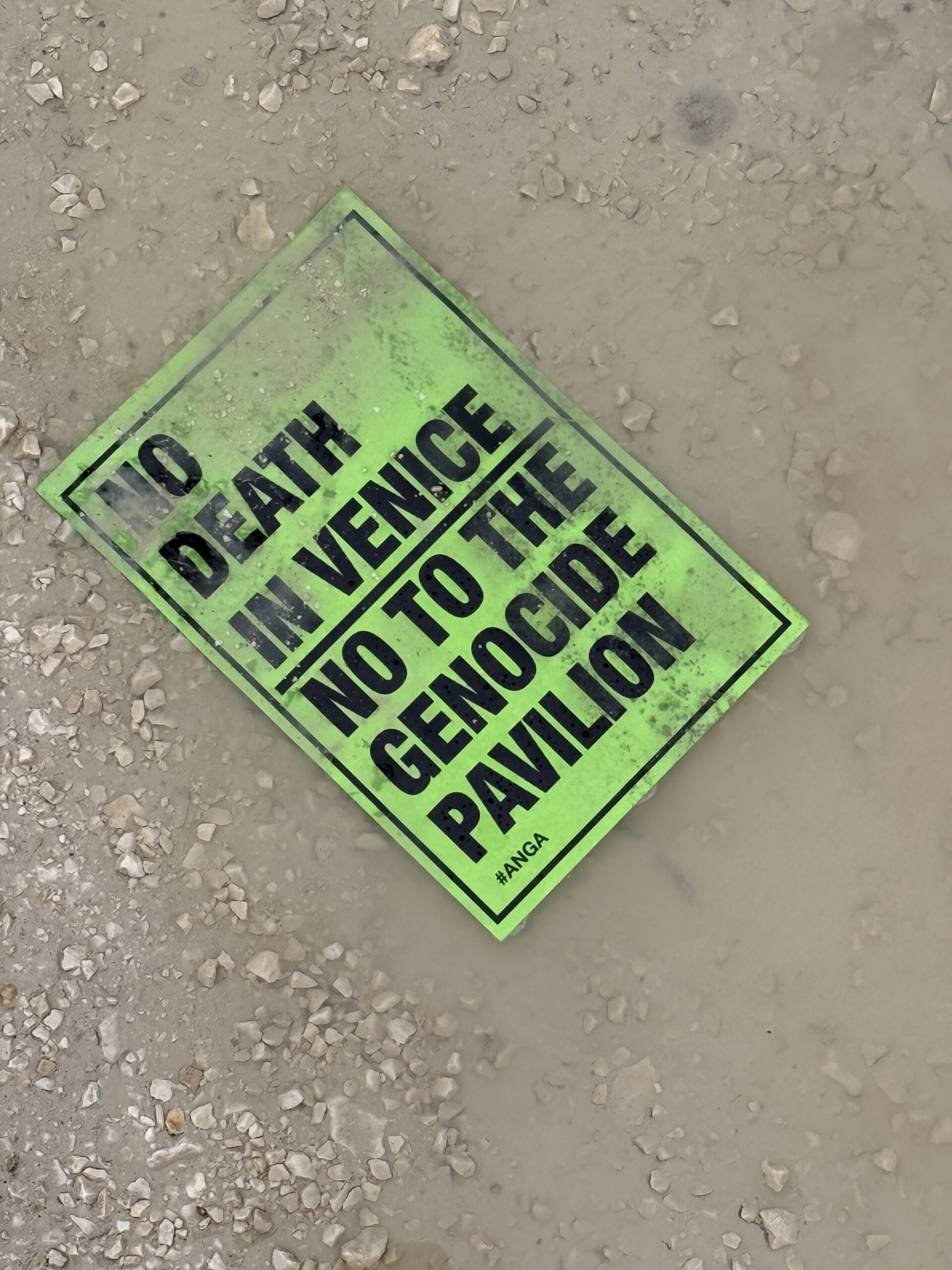
The 61st Venice Biennale opened in May 2026 amid strikes, protests, and political unrest, rather than celebration. Coordinated by Italian labor groups and transnational coalitions, demonstrators targeted the Biennale's decision to allow participation by Israel and Russia during the ongoing wars in Gaza and Ukraine. The Art Not Genocide Alliance (ANGA) led protests against Israel's participation, while Pussy Riot and FEMEN activists staged a protest outside the Russian pavilion. The Israeli pavilion's relocation from the Giardini to the Arsenale added symbolic weight, with critics viewing it as institutional endorsement. The late curator Koyo Kouoh's vision for the exhibition, titled "In Minor Keys," emphasized tenderness and complexity, contrasting with the volatile atmosphere.

In Minor Keys: The 61st Biennale di Arte Venezia Opens Under Koyo Kouoh (1967–2025).

The 61st Biennale di Arte Venezia opens under the posthumous curatorial vision of Koyo Kouoh (1967–2025), the late Cameroonian-born curator who reshaped contemporary African and diasporic art discourse. The central exhibition, spanning the Giardini and Arsenale, features 111 participants including artists, collectives, and artist-led organizations from across the Global South, with works in textiles, film, sculpture, and performance that interrogate colonialism, migration, and ecological repair. The Biennale is also marked by a pronounced presence of African and diasporic narratives across national pavilions, including several first-time pavilions from the African continent.

Yves Klein Research Grant 2026: A Funded Residency for Emerging Scholars

The Yves Klein Foundation has launched its first Research Grant for 2026, offering a CHF 6,000 stipend and a one-week funded residency in Paris to emerging scholars under 35 who hold a PhD or postdoctoral degree. The program invites original research projects that deepen understanding of Yves Klein’s work, ideas, and legacy, with access to archives and scholarly guidance provided. Applications are due by 15 June 2026, with selection based on originality, scientific quality, and feasibility.

CalArts President Booed During Commencement Speech

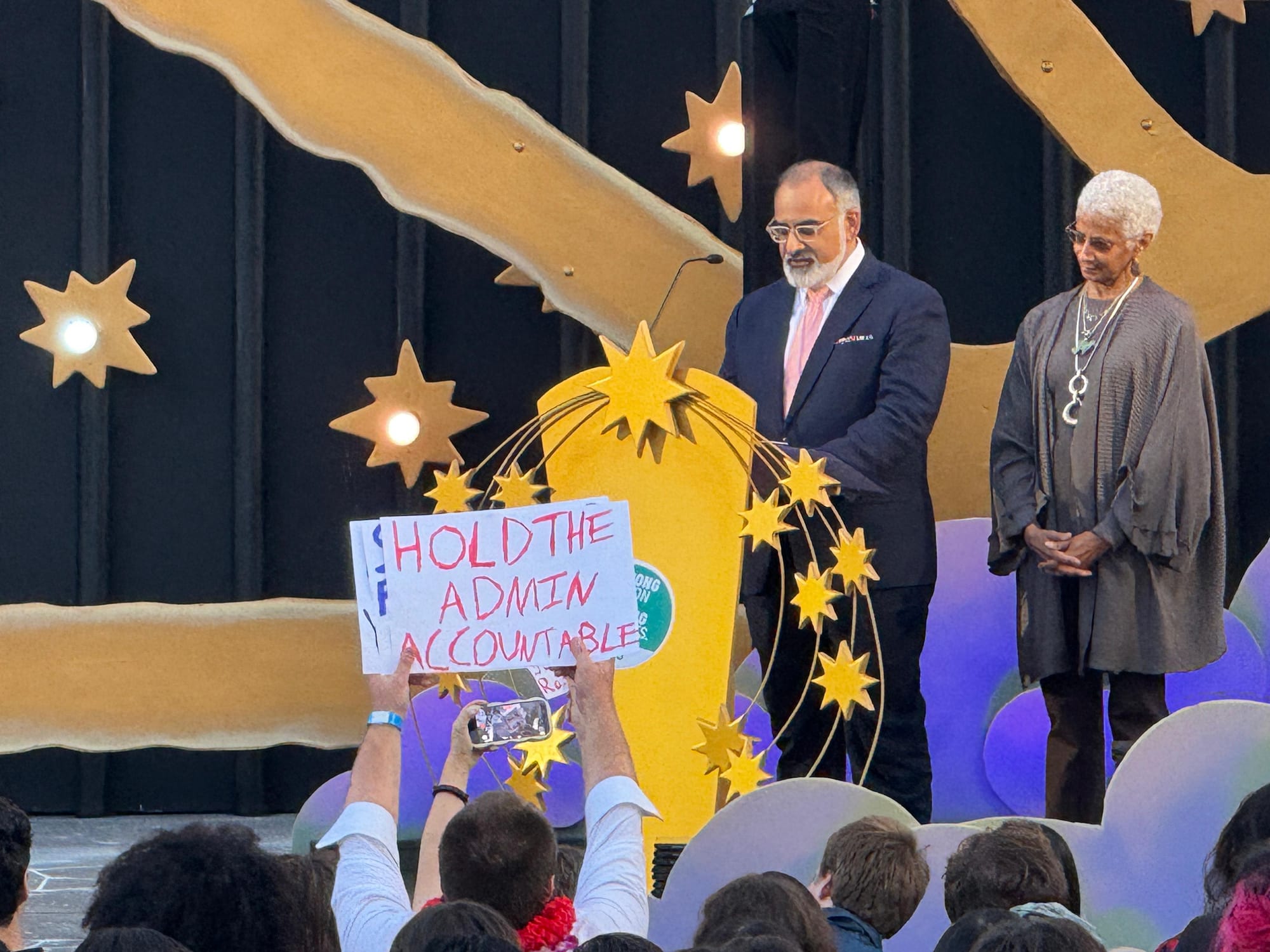
California Institute of the Arts (CalArts) President Ravi S. Rajan was loudly booed by students during the school's commencement ceremony on May 15, as they held signs reading “Hold the Admin Accountable” and “Save Our Faculty & Staff.” The protest stemmed from ongoing financial turmoil at the esteemed art school, including a multi-million-dollar budget deficit, significant staff and faculty layoffs, and a decline in enrollment from 1,500 to roughly 1,200. Despite Rajan's attempts to redirect focus to the graduates, the booing persisted, and board chair Charmaine Jefferson unsuccessfully appealed for calm. The incident follows a broader crisis at CalArts, where over 75% of staff sought to unionize in 2024, and faculty held a “Chop from the Top” rally in March against proposed $5 million in cuts.

Authorities in New York return more than 650 looted antiquities, valued at nearly $14m, to India

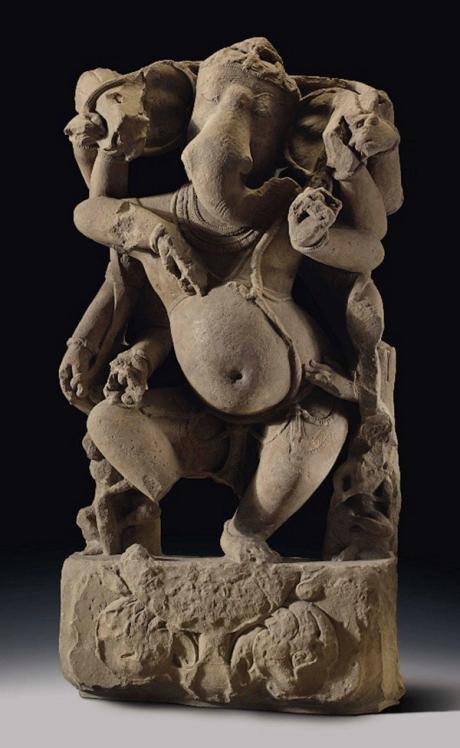
The Manhattan District Attorney's office, led by Alvin Bragg, returned 657 looted antiquities valued at nearly $14 million to Indian authorities in late March 2025. The pieces, recovered through investigations into criminal trafficking networks, include a $2 million bronze Avalokiteshvara stolen from a museum in Raipur, a $7.5 million red sandstone Buddha smuggled by convicted trafficker Subhash Kapoor, and a sandstone dancing Ganesha looted from a Madhya Pradesh temple that passed through dealer Doris Wiener and was sold at Christie's in 2012.

‘Anger, curiosity and hope’: a planet of protest – in pictures

Matthew Connors' new photo book, *The Axe Will Survive the Master*, compiles 12 years of protest photography from Hong Kong, Cairo, New York, Kyiv, North Korea, and beyond. Published by MACK Books, the work weaves together images from the Occupy movement, the Egyptian revolution, Hong Kong's pro-democracy protests, the war in Ukraine, and other confrontations with authoritarian power, dissolving geographic boundaries into a single sequence drawn from an archive of 200,000 images.

A Persian Garden Blooms on Governors Island

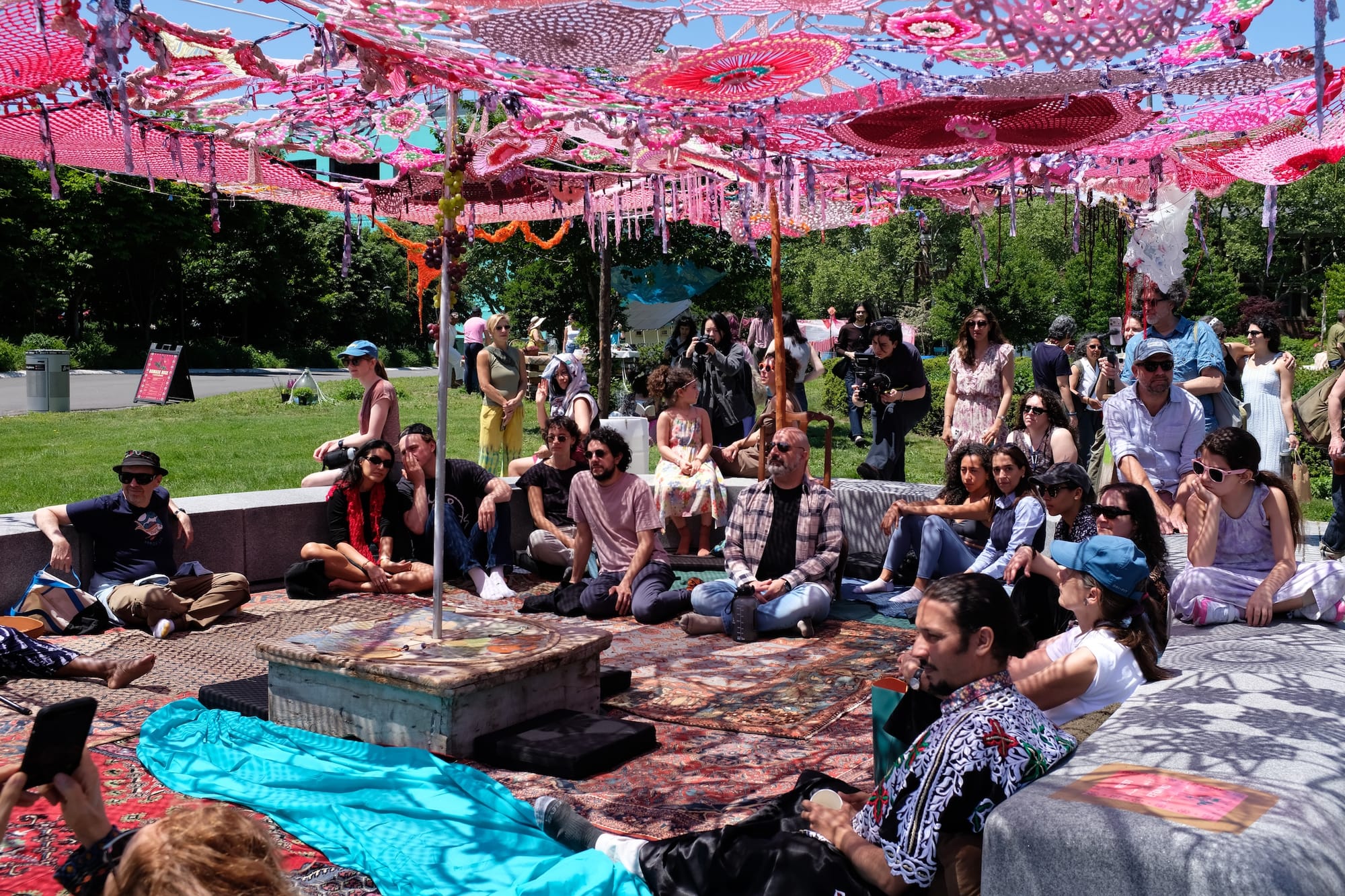
Artist Bahar Behbahani organized a four-hour event called "Damask Rose: A Gathering" on Governors Island, transforming three shallow fountains with handwoven carpets and crocheted canopies. The gathering featured West African musical improvisation, Kurdish poetry, a cyanotype workshop, and communal activities like hair braiding and tea ceremonies, involving over two dozen community groups including the Asia Contemporary Art Forum and Eat Offbeat. The event was part of Governors Island Arts's annual Interventions series, curated with associate curator Juan Pablo Siles.

1,200-Year-Old Limestone Lintel was Inadvertently Repatriated to Mexico Instead of to Guatemala

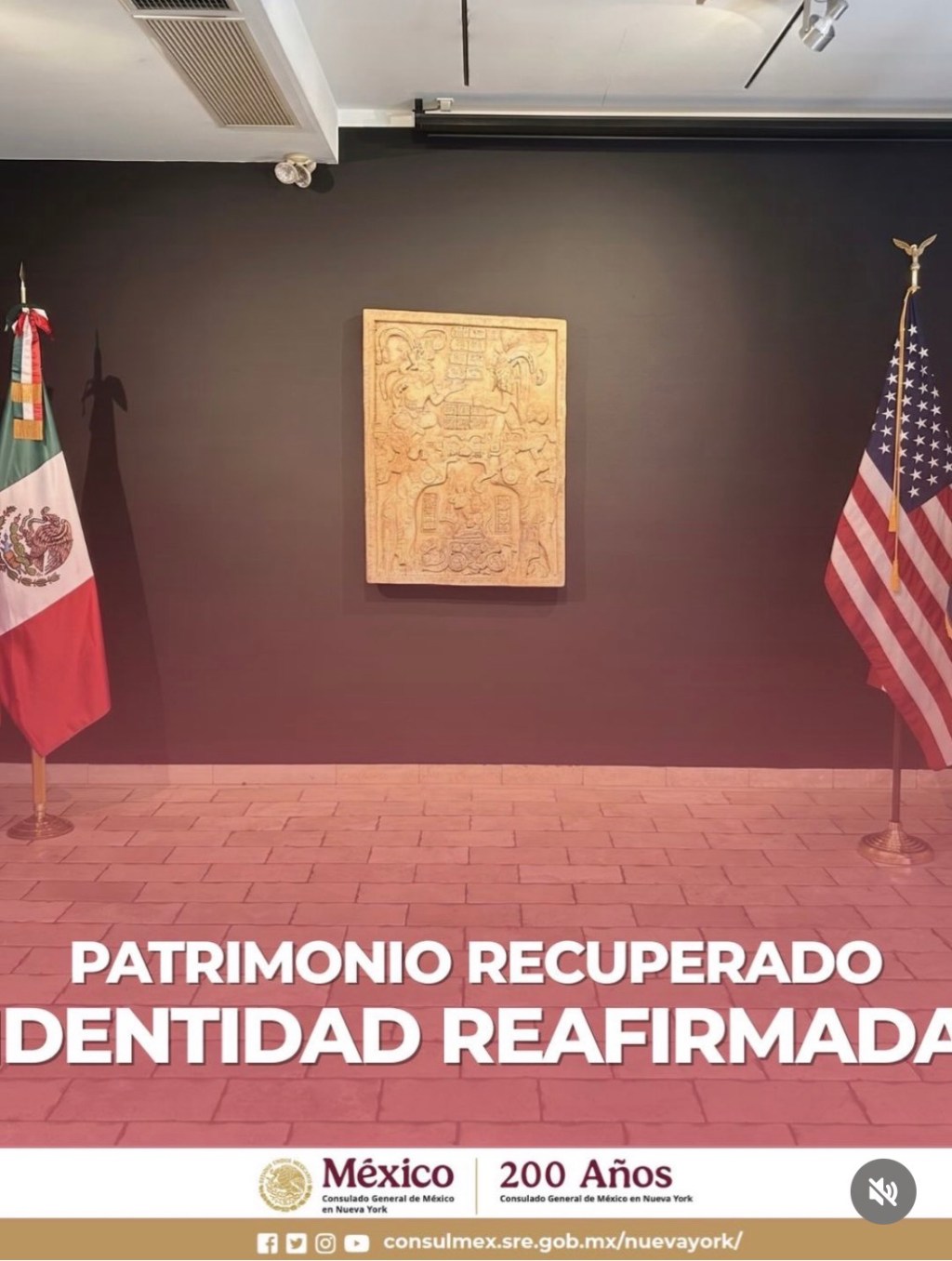
A 1,200-year-old limestone lintel, carved by the ancient Maya artist Mayuy and depicting a ruler of Yaxchilán, was repatriated from the United States to Mexico in mid-April after an American businessman turned it over to the Mexican consulate in New York. However, Guatemala's cultural minister has begun proceedings to reclaim the artifact, arguing that it was originally removed from the Guatemalan side of the Usumacinta River, not Mexico. The lintel was first documented by American explorers Dana and Ginger Lamb in the 1950s in an area called Laxtunich, and its exact provenance has been disputed by scholars.

ArtPhilly Presents “What Now: 2026”

ArtPhilly has announced the inaugural edition of its city-wide festival, "What Now: 2026," scheduled to open on May 27, 2026, coinciding with the 250th anniversary of the United States. The five-week event will feature over 30 newly commissioned projects by Philadelphia-based artists, including performances, installations, and podcasts, staged across festival districts in public spaces and institutions. The festival is led by Creative and Executive Director Bill Adair and Curatorial and Deputy Director Tania Isaac, with a curatorial committee of 17 local curators selecting works that explore the nation's past, present, and future.

Trial Begins in Brent Sikkema Murder-For-Hire Case

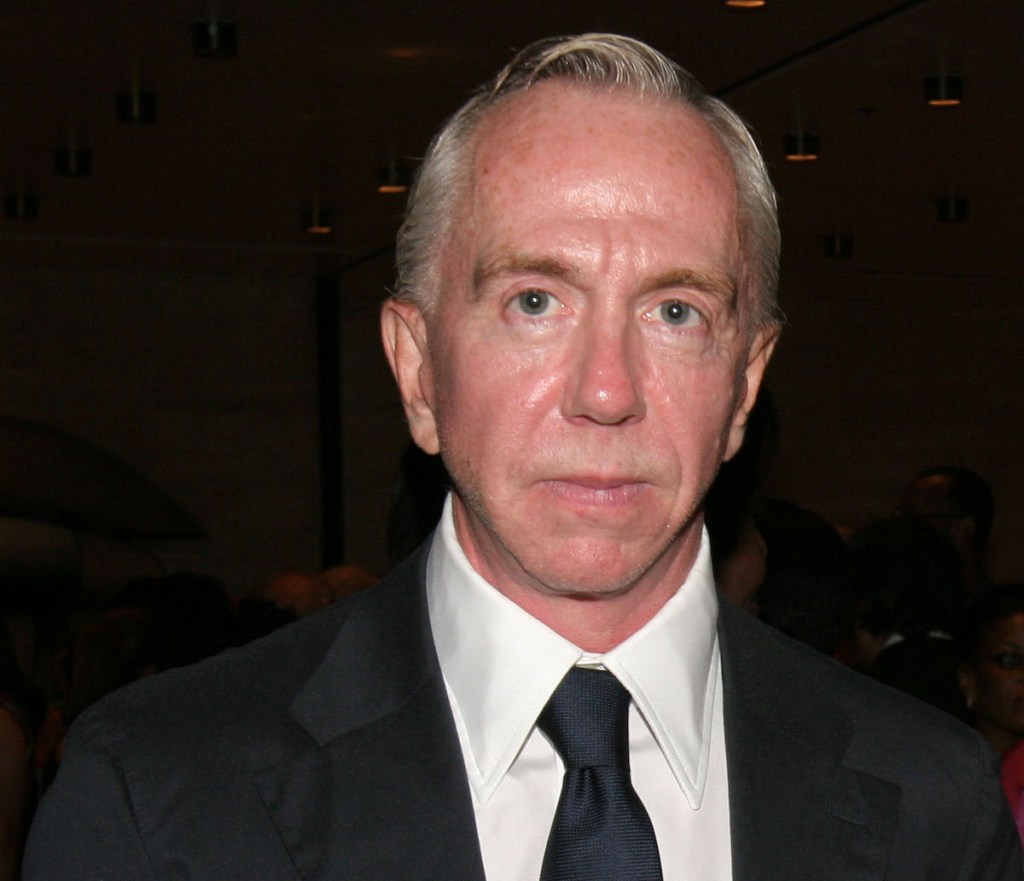
Opening statements and witness testimony began on Tuesday in a Manhattan court for the murder-for-hire trial following the 2024 killing of New York art dealer Brent Sikkema. Alejandro Triana Prevez, a Cuban national, was arrested shortly after Sikkema was found murdered in his Rio de Janeiro apartment, and claims that Sikkema's ex-husband, Daniel Carrera Sikkema, offered him $200,000 to commit the crime. Carrera Sikkema was charged in February 2025 with hiring Prevez. Prosecutors presented evidence including phone records, financial transactions, and witness testimony, while the defense argued the case relies on circumstantial evidence and that Carrera Sikkema's statements were made amid a contentious divorce.

Nazi-looted painting discovered in home of Dutch SS commander's heirs

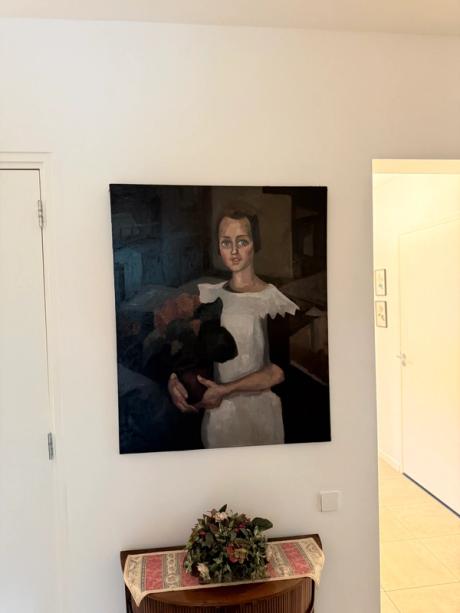
Art detective Arthur Brand announced the discovery of a Nazi-looted painting, *Portrait of a Young Girl* by Toon Kelder, in the home of the heirs of Hendrik Seyffardt, a notorious Dutch SS commander. The painting was part of the more than 1,100 works plundered from Amsterdam art dealer Jacques Goudstikker by German occupiers. An anonymous heir, who changed his family name, contacted Brand after learning of his ancestry, expressing shame and demanding the painting be returned to the rightful Jewish owners. The current owner, a relative, claims ignorance of its provenance and says the family is discussing restitution.

19th-century European weapons found in cenote in Mexico

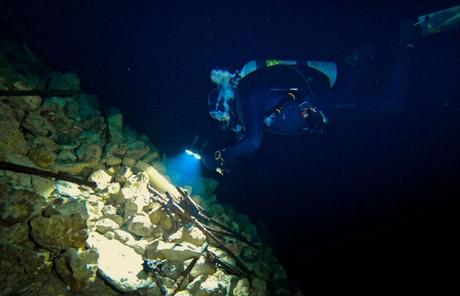
Archaeologists from Mexico's National Institute of Anthropology and History (INAH) have discovered 153 Spanish and British muskets and rifles, along with an iron cannon, in the Síis Já cenote beneath the 16th-century former convent San Bernardino de Siena in Valladolid, Mexico. The weapons were likely discarded by the Yucatecan government during the early years of the Caste War of Yucatán (1847-1901) to prevent them from falling into Maya rebels' hands. The site also yielded Maya ceramic pieces and 18th-century Chinese porcelain, and INAH reported debris and pollution affecting the cenote.

Ancient Greek and Roman Statues Found in Alexandria

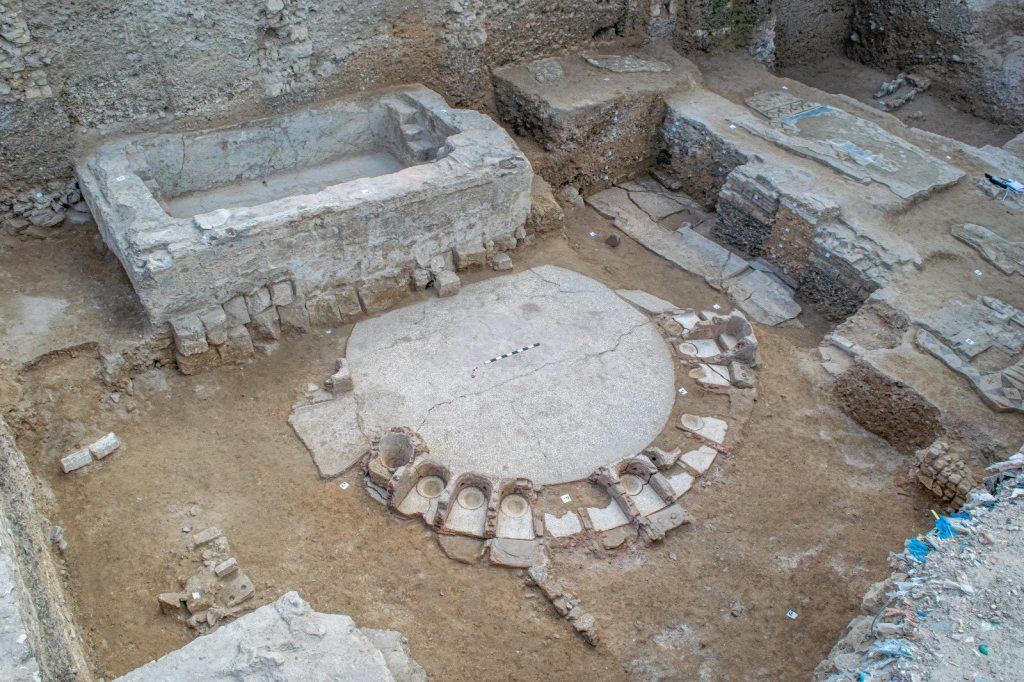
An excavation in the Moharam Bek neighborhood of Alexandria, Egypt, has uncovered a significant trove of artifacts from the Greek, Roman, and Byzantine periods, including statues of deities such as Bacchus, Asclepius, and Minerva, as well as coins, lamps, ceramic vessels, a public bathhouse, mosaic flooring from a Roman villa, and advanced water systems. The discovery was announced by Egypt’s Ministry of Tourism and Antiquities and reported by Greek City Times, with officials from the Supreme Council of Antiquities highlighting the site’s comprehensive view of ancient residential and service architecture.

Israel’s Artist Reportedly Pressured Venice Biennale Before Jury’s Resignation

Artist Belu-Simion Fainaru, Israel’s representative at the Venice Biennale, reportedly pressured the exhibition’s organizers before the five-person jury abruptly resigned last week. The jury, tasked with selecting Golden Lion winners, had stated it would not consider nations charged with crimes against humanity by the International Criminal Court—applying to Israel and Russia. According to Italian news agency Adnkronos, Fainaru alleged “racial discrimination” and “antisemitism,” threatened to take his claims to the European Court of Human Rights, and the Biennale warned jury members they could be held personally liable for damages. Hyperallergic confirmed the threats of legal action, and a Biennale spokesperson acknowledged the reports were true.

Manhattan D.A.’s Office Returns More Than 650 Looted Artifacts to India

On April 28, Manhattan District Attorney Alvin L. Bragg, Jr., announced the return of 657 trafficked antiquities valued at nearly $14 million to India. The items were recovered by the D.A.'s Antiquities Trafficking Unit and Homeland Security Investigations, and formally returned at a ceremony in New York. Among the repatriated pieces are a bronze figure of Avalokiteshvara (valued at $2 million), stolen from the Mahant Ghasidas Memorial Museum in Raipur in 1982; a red sandstone Buddha statue (valued at $7.5 million) smuggled by convicted dealer Subhash Kapoor; and a sandstone Ganesha sculpture looted by trafficker Vaman Ghiya and sold through Christie's by Nancy Wiener, who was later convicted of antiquities trafficking.

US Border Wall Construction Damages 1,000-Year-Old Indigenous Land Art in Arizona

Construction crews building a barrier between the United States and Mexico have damaged a 200-foot-long etching of a fish embedded in the land in Arizona, known as the Las Playas Intaglio, which is thought to be 1,000 years old. According to a report in the Washington Post, workers destroyed a 60-to-70-foot portion of the ancient Indigenous land art as part of President Donald Trump’s $46.5 billion border-wall project. Satellite imagery confirmed the destruction, showing bulldozer marks running through about a third of the fish formation. U.S. Customs and Border Protection acknowledged the incident, stating that a contractor inadvertently disturbed the cultural site on April 23, 2026, and that the remaining portion has been secured.

A Landmark Benjamin Franklin Collection Is Hitting the Auction Block

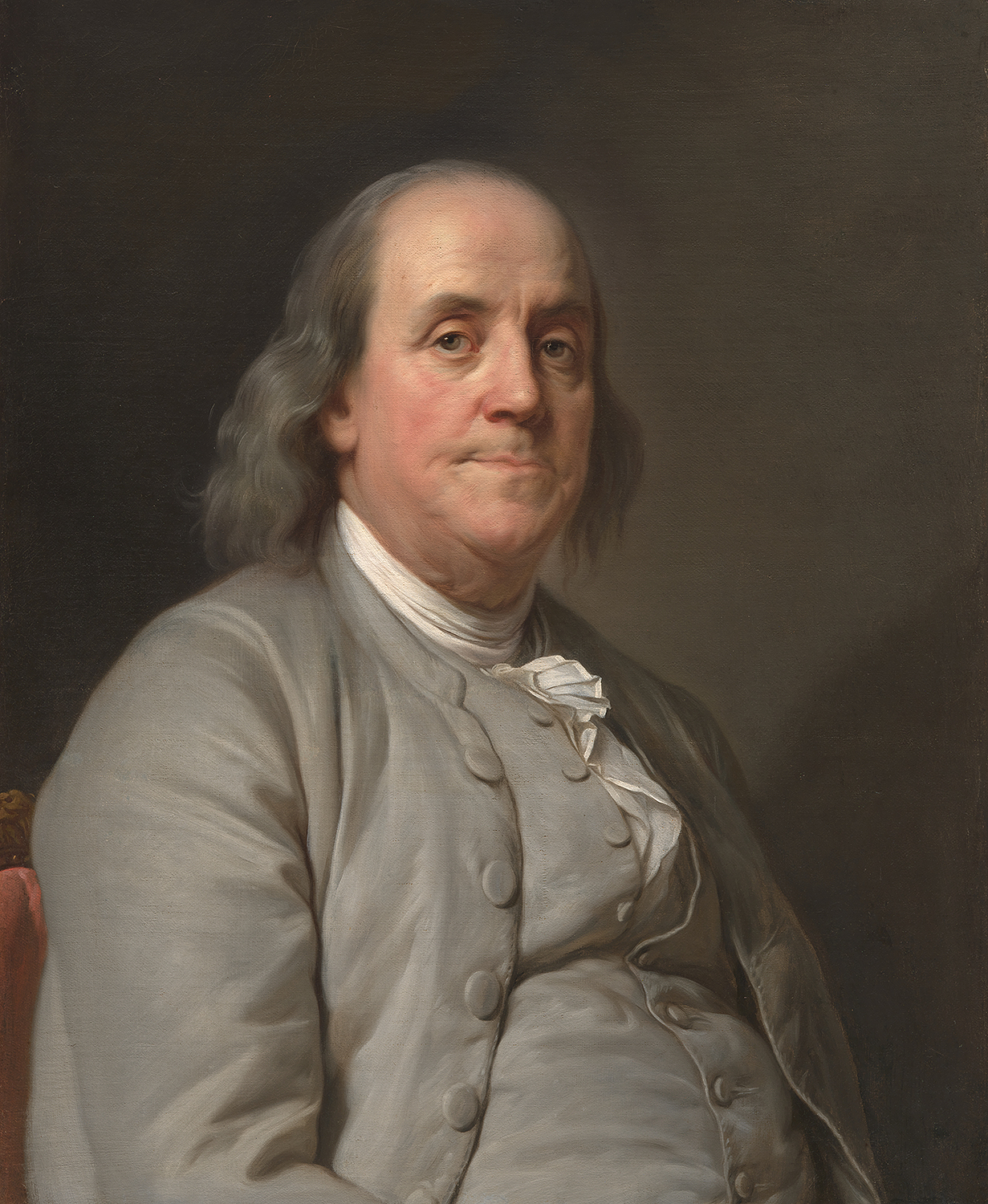
A landmark collection of Benjamin Franklin memorabilia assembled by sports and entertainment mogul Jay Snider is heading to Sotheby’s New York on June 24. The collection includes over 150 items—books, broadsides, letters, and manuscripts—tracing Franklin’s career from printer to scientist to diplomat. Highlights include a 1758 letter to Joseph Galloway (estimated $70,000–$100,000), a 1778 letter from George Washington introducing the Marquis de Lafayette (which sold for over $1 million in January), and a bound volume of Franklin’s electrical experiments ($75,000–$125,000). The full catalogue is valued at $3 million to $4.5 million, and 40 artifacts will be displayed at the Library Company of Philadelphia from May 5 to 7.

Billionaire Collector Ken Griffin Buys Second Rare Constitution Printing

Billionaire collector Ken Griffin has quietly acquired a second rare first printing of the US Constitution, known as the Van Sinderen copy, through a private deal after it was pulled from a planned Sotheby’s auction in 2022. Griffin, who previously paid $43.2 million at Sotheby’s in 2021 for another copy, now holds the only two copies of the 1787 document still in private hands. The newly acquired document will go on public display starting May 27 at the South Street Seaport Museum in New York, headlining an exhibition titled “The Promise of Liberty” that includes other foundational texts.

Preemptive Listening review – artist’s film about sirens is buzzing with sonic ideas

The Guardian reviews Aura Satz's art film "Preemptive Listening," which explores the cultural and political meanings of sirens as warning devices. The film features a drone shot of a siren in a residential area, a soundtrack by composer Laurie Spiegel, and commentary from British-Egyptian actor Khalid Abdalla on sirens during the 2011 Arab Spring protests. It also covers sirens on Nakba day in Palestine, a US activist linking emergency vehicle lights to danger for Black women, clocks frozen at the time of the Fukushima disaster, and a Maori activist discussing environmental catastrophe. The reviewer finds the film's ideas interesting but notes it lacks coherence as a feature-length experience, suggesting it would be better suited to a gallery setting.

Iran Abruptly Drops Out of Venice Biennale as US and Israel’s War Continues

Iran has abruptly withdrawn from the 61st Venice Biennale, scheduled for May 9–November 22, 2026, reducing the number of participating nations from 101 to 100. The Biennale confirmed the withdrawal in a statement but did not provide a reason; Iran is now the only country listed without any artist representatives, though Aydin Mahdizadeh Tehrani remains listed as the pavilion's commissioner. The announcement comes as the Biennale opens to press amid ongoing controversy over the participation of Israel and Russia, whose pavilions have drawn protests from artists and politicians.

Metal Detectorists Unearth Norway’s Largest-Known Viking Coin Hoard

Two hobbyist metal detectorists, Rune Sætre and Vegard Sørlie, discovered Norway's largest-known Viking Age coin hoard in a field in Østerdalen, east-central Norway. Starting with 19 silver coins on April 10, the find grew to over 3,250 coins dating from the 980s to the 1040s, surpassing the previous record of 1,800 coins found in the 1800s. The hoard includes coins minted under Æthelred the Unready, King Cnut, and Holy Roman Emperor Otto III, as well as early Norwegian coins from after Harald Hardråde's return from Byzantium. The coins have been transferred to the Museum of Cultural History in Oslo for expert analysis.

Historic Monument Honors New York's First Arabic-Speaking Community

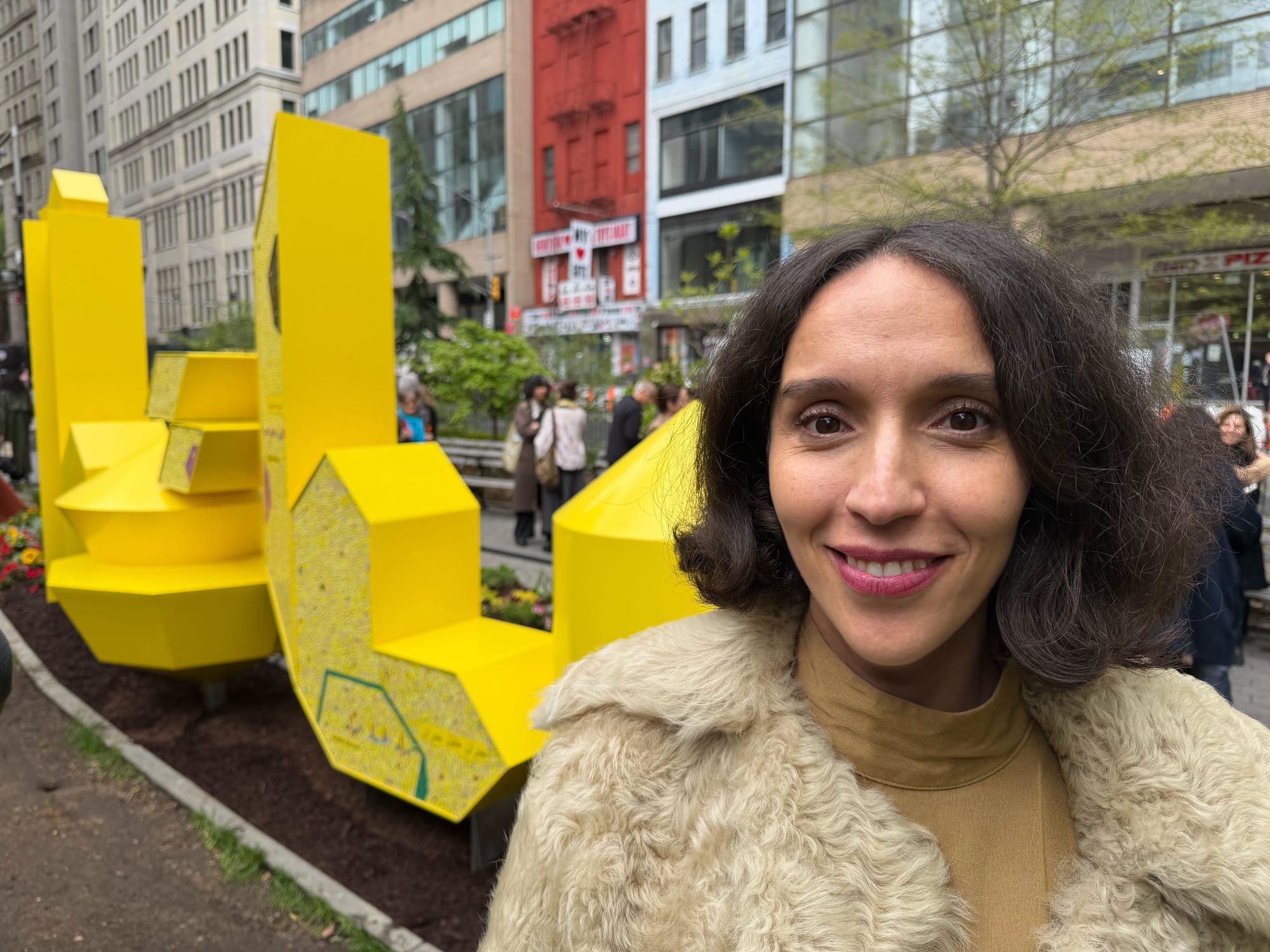
New York City unveiled its first commemorative public artwork under Mayor Zohran Mamdani's administration on April 30, honoring the historic "Little Syria" neighborhood in Manhattan's Financial District. The monument, titled "Al Qalam (The Pen): Poets in the Park," is a mosaic installation and sculpture by French-Moroccan artist Sara Ouhaddou, created over the past decade. It celebrates nine members of the enclave's literary community, including Lebanese-American poet Khalil Gibran, who co-founded the writers' association Pen Bond in 1920. The $1.6 million artwork sits in Elizabeth H. Berger Plaza, within the blocks where immigrants from Greater Syria settled in the late 19th century before being displaced by tunnel construction in the 1940s.

U.S. Returns Hundreds of Looted Antiquities to Italy

U.S. officials formally returned 337 looted antiquities, archival materials, and artworks to Italy during a ceremony at Rome’s La Marmora barracks. The objects, spanning from the Villanovan era (900–700 B.C.E.) through the Hellenistic period (323–31 B.C.E.), include Etruscan, Greek, Italic, and Egyptian artifacts. The repatriation was coordinated by Italy’s Carabinieri Command for the Protection of Cultural Heritage, the U.S. Federal Bureau of Investigation, the Department of Homeland Security, and the office of Manhattan District Attorney Alvin Bragg Jr. Key items include a marble head of Alexander the Great, a bronze sculpture from Herculaneum, and Egyptian basalt sculptures. Some 221 objects were recovered via the Manhattan DA, while the remaining 116 were secured with help from Christie’s.

Italian Culture Minister Launches Inspection of Venice Biennale’s Russian Pavilion

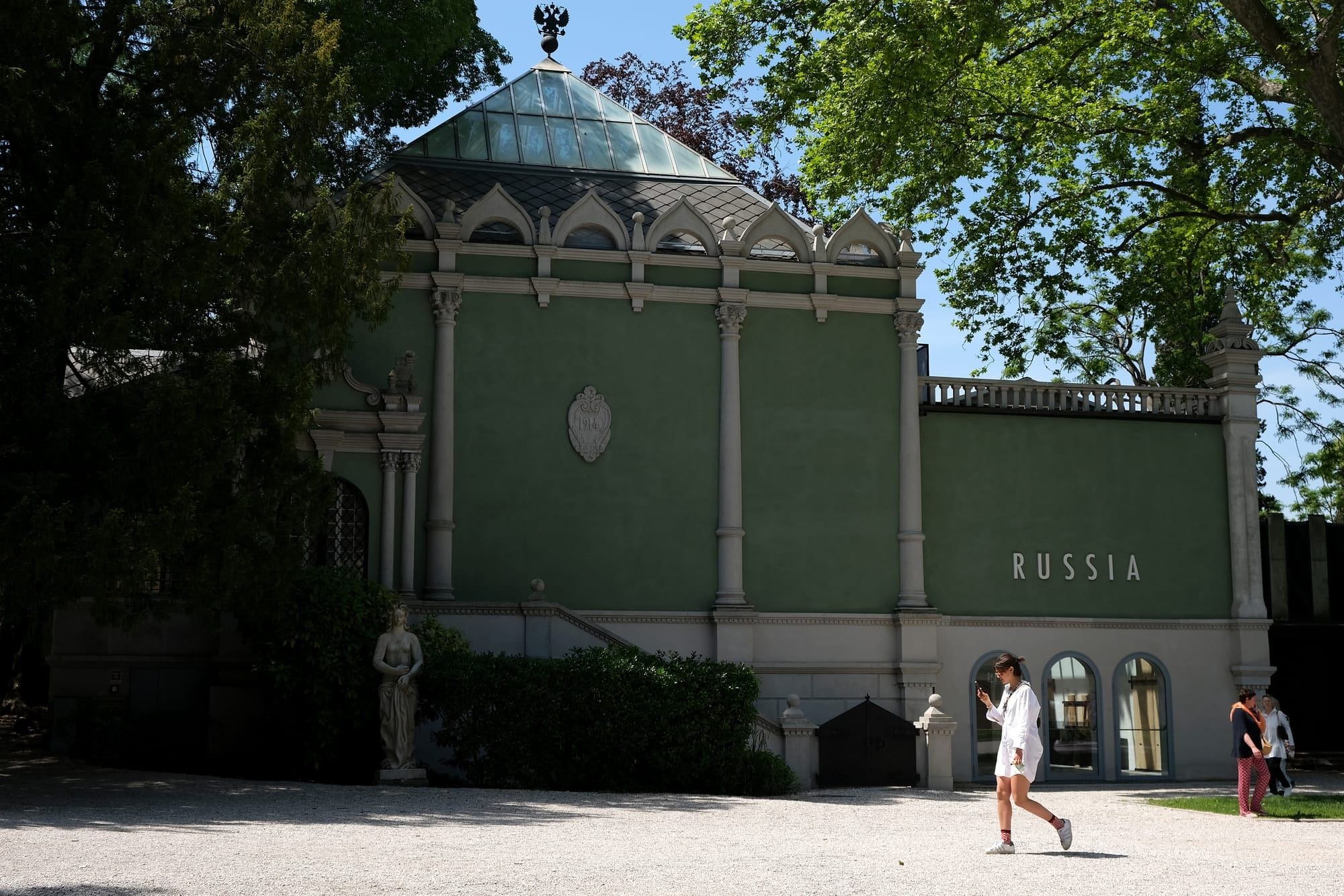
Italian Culture Minister Alessandro Giuli has launched an official inspection of the Russian Pavilion at the 61st Venice Biennale, just days before the exhibition opens. An inspector has been sent to Venice to review all documentation related to Russia's participation, focusing on potential irregularities such as visa issues for Russian artists and delegation members. The investigation follows the Biennale's international jury decision to exclude Russia and Israel from awards due to accusations of crimes against humanity. The Russian Pavilion will be open only during the pre-opening vernissage, after which it will close, with digital documentation displayed in its windows.

A Theatre Group of Exiled Belarusian Artists Arrive in Venice, With an Exhibition That Shows What Repression Feels Like

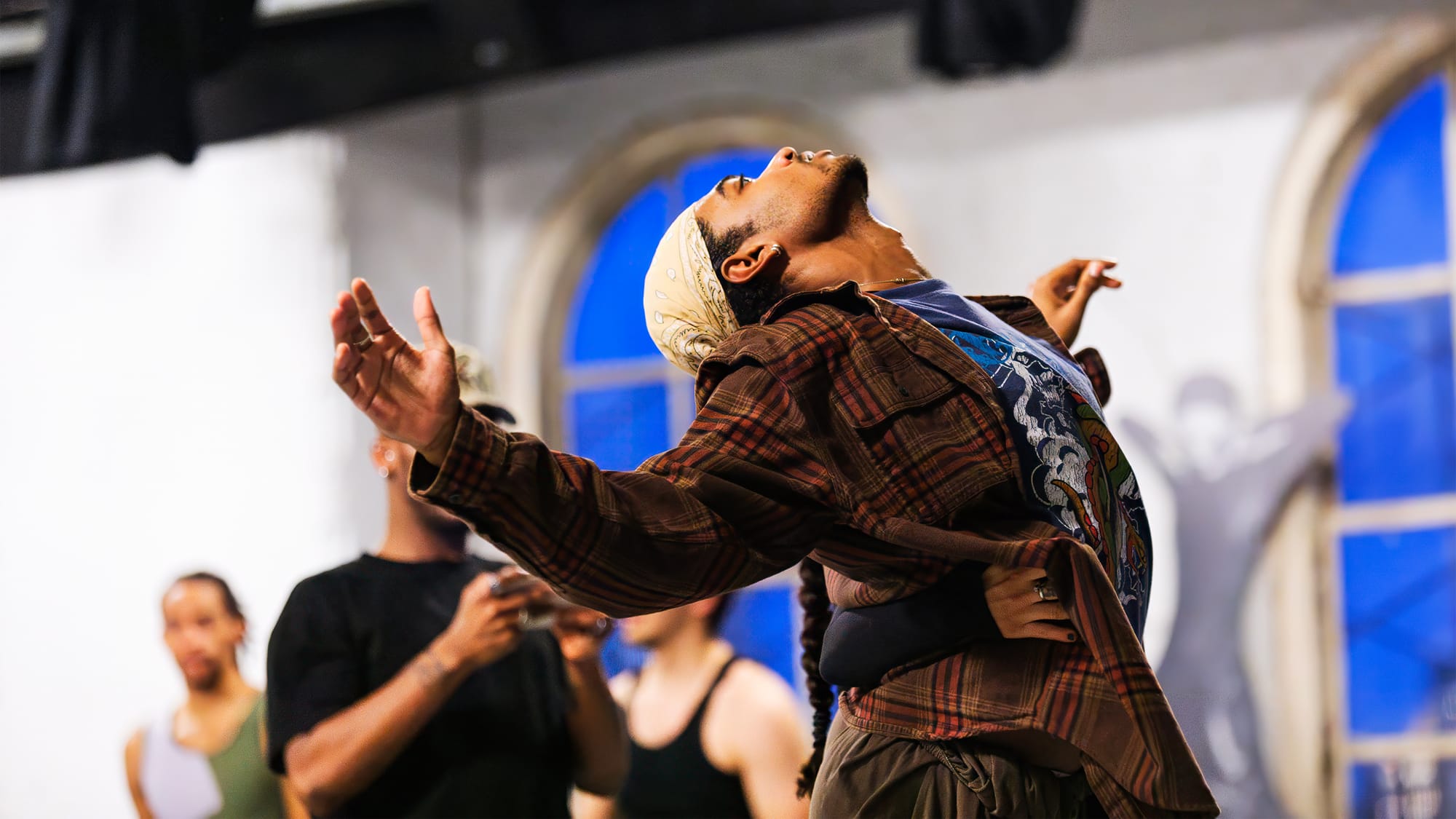
The Belarus Free Theatre, an exiled underground theater group, will stage its first official collateral exhibition at the 61st Venice Biennale, titled “Official. Unofficial. Belarus.” The show, held in the historic La Chiesa di San Giovanni Evangelista di Venezia, features site-specific paintings, a sound installation, and large-scale sculptures that aim to immerse visitors in the experience of repression under authoritarian rule. This marks only the fifth time Belarus has been present at the Biennale, and the first time it appears not as a state but as a self-governing cultural body, challenging the official narratives of nations like Russia.

Ada: My Mother the Architect review – illuminating profile of brilliant builder balances work and family

Architect-turned-filmmaker Yael Melamede directs a documentary portrait of her mother, Israeli architect Ada Karmi-Melamede, who co-designed the Supreme Court of Israel building in Jerusalem in the early 1990s with her brother Ram Karmi and later created Ben Gurion Airport. The film explores Karmi-Melamede's architectural philosophy of "architecture of the ground and of the sky," her departure from her brother's brutalism, and a painful family split when she left her husband and children in New York after being denied tenure at Columbia University.

‘A constant quiet terror’: Getting lost in Irish folklore – in pictures

Maria Lax's photobook *Stray Sod* draws on Irish folklore and archival accounts from the Irish National Archives to explore the phenomenon of the 'stray sod'—enchanted patches of earth said to disorient and lead travelers astray, especially at night. Her images reimagine rural Irish landscapes as sites of sudden confusion, where familiar landmarks vanish and fog or mist descends, evoking a sense of 'constant quiet terror'.

Russia's Venice Pavilion to Close to the Public in Compliance With Sanctions

Russia will return to the 61st Venice Biennale with its national pavilion, but the exhibition will only be physically open to the press and select guests during the vernissage dates of May 5–8. From May 9 onward, the pavilion will remain closed to the public, with multimedia documentation of performances displayed on screens at the windows. The arrangement follows leaked emails among Biennale Foundation President Pietrangelo Buttafuoco, General Director Andrea Del Mercato, and Russian Pavilion Commissioner Anastasia Karneeva, revealing efforts to comply with EU sanctions while still allowing Russia's participation after two consecutive absences since its invasion of Ukraine.

Seven-Foot-Tall Monument to Ramses II Discovered in Eastern Nile Delta Region

Archaeologists in Egypt have discovered the upper half of a 7-foot-tall statue of Ramses II at the site of Tell El-Faraoun in the eastern Nile Delta. Weighing over 5 tons, the fragment is believed to have originally been carved for a temple in the ancient capital of Per-Ramesses and was later relocated. The find was announced by the Egyptian Ministry of Tourism and Antiquities, with Hisham El-Leithy of the Supreme Council of Antiquities noting its importance for understanding how statues were moved and reused during the New Kingdom.

These Four Filmmakers Have Never Fully Gotten Their Due. The Kitchen Wants To Change That.

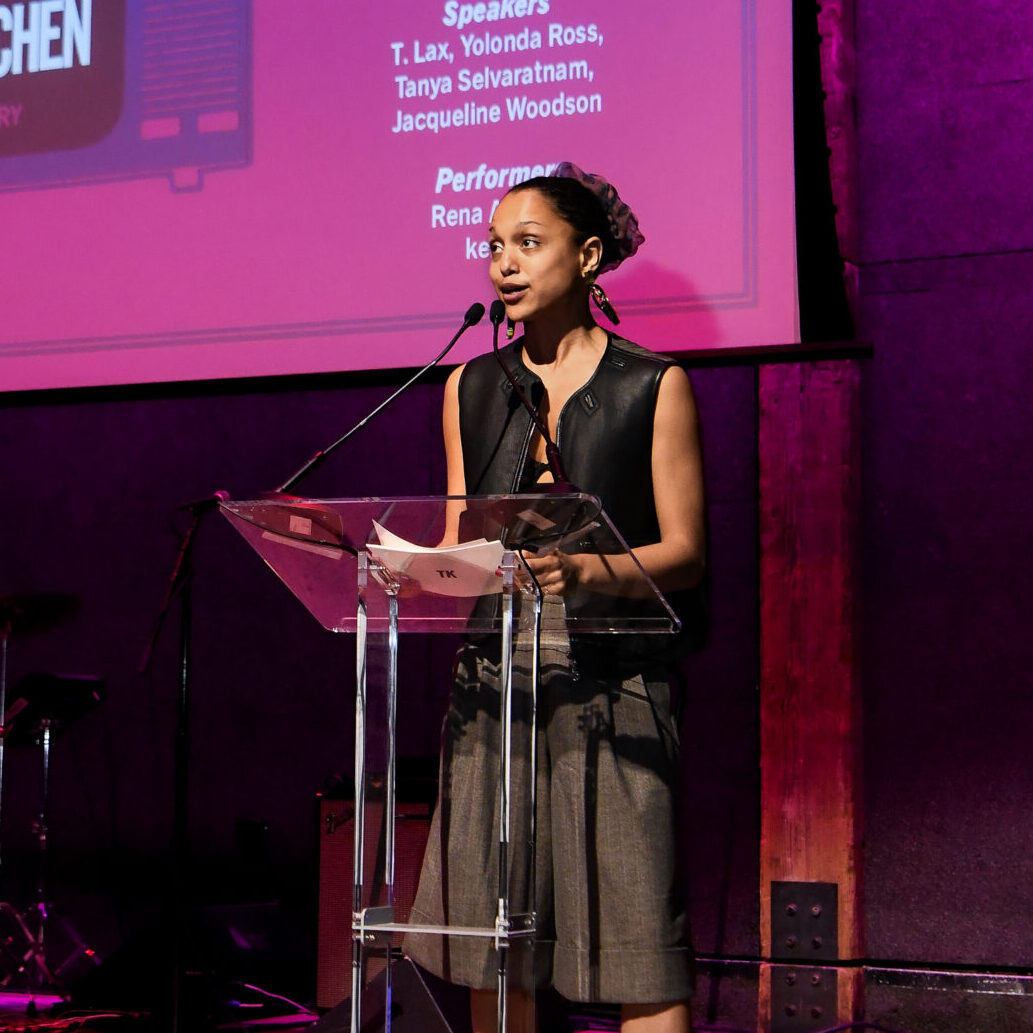
The Kitchen, a New York nonprofit arts organization, held its annual spring gala at City Winery to honor four female filmmakers: Cheryl Dunye, Garrett Bradley, Shari Frilot, and Catherine Gund. The event was co-chaired by prominent figures including Ava DuVernay, Julie Mehretu, and Komal Shah, and featured performances, remarks, and a crowd of artists, curators, and collectors. The gala celebrated the filmmakers' contributions to cinema, with special recognition of their work in expanding representation and narrative boundaries.