filter_list Showing 133 results for "DEFINE" close Clear
search
dashboard All 133 museum exhibitions 81article culture 17trending_up market 9candle obituary 8person people 5rate_review review 4article news 4article policy 3article local 2
date_range Range Today This Week This Month All
Subscribe

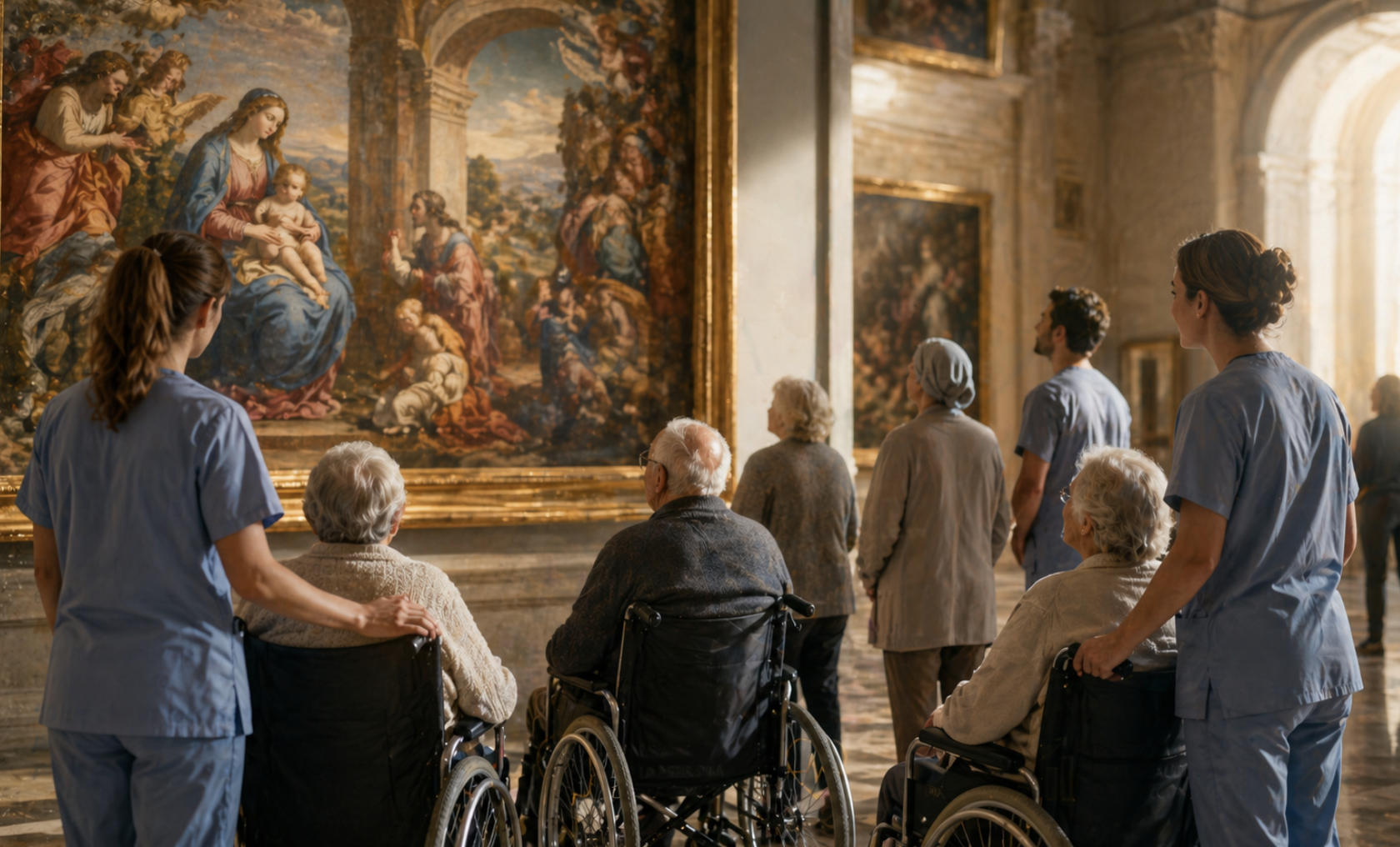
Art can officially be a form of therapy. Interview with Undersecretary of Culture Lucia Borgonzoni, godmother of the project

L’arte può essere ufficialmente una forma di cura. Intervista al Sottosegretario alla Cultura Lucia Borgonzoni madrina del progetto

The Italian Ministry of Culture and Ministry of Health have signed a formal protocol recognizing art as a form of therapy and care. The agreement, championed by Undersecretary of State for Culture Lucia Borgonzoni, mandates that museums, libraries, archives, and cultural institutions play a central role in developing therapeutic pathways using art to improve individual and community well-being. Borgonzoni, who has advocated for this initiative for nearly a decade, traces its origin to a 2018 study at the Sanctuary of Vicoforte that measured cortisol levels in visitors before and after viewing frescoes, showing significant stress reduction.
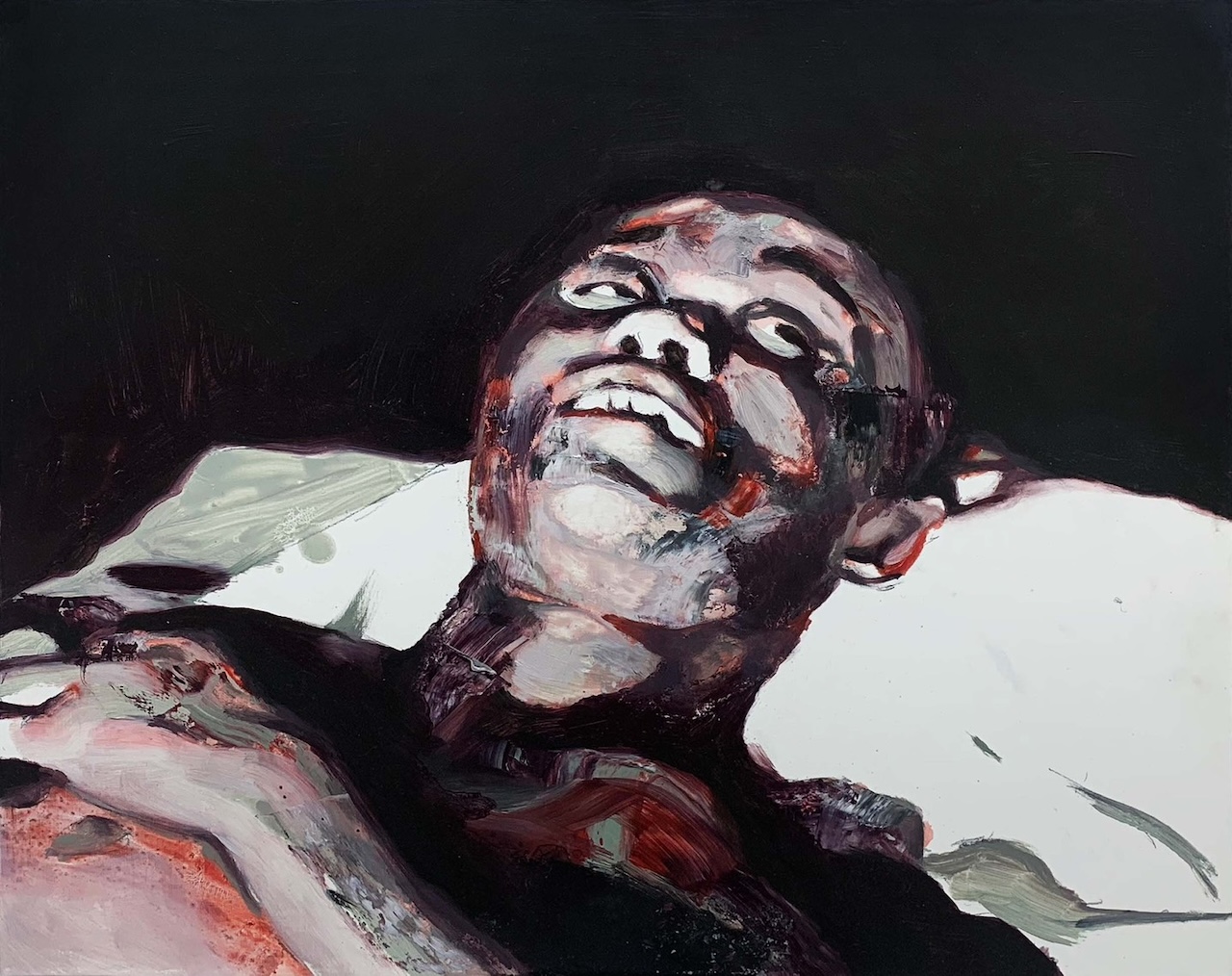
月を射る @ KAG

KAG in Tokyo is presenting a group exhibition titled "月を射る" (Shooting the Moon), running from May 19 to August 16, 2026. The show takes its starting point from a prose poem of the same name by Korean poet Yun Dong-ju (1917–1945), who wrote it in 1939 under Japanese colonial rule and later died in a Fukuoka prison. The exhibition spans pre-war and wartime educational films, propaganda, performance, and contemporary fieldwork, featuring works by artists such as Inoue Kan (Lee Byung-woo), Choe Seung-hui, Kamei Fumio, Yoshimi Yasushi, Atsugi Taka, Fujii Hikaru, Yamamoto Seiko, T.T. Takemoto, Morita Reine, Gataro, and Shirakawa Masao. It examines the management models formed by the former empire and the spiritual structure of colonialism that underlies contemporary issues, centering on works that carry the "memory of censorship"—banned, deleted, or denied existence by national, administrative, or social norms.

Amsterdam Breaks Traditional Tourism Norms by Embedding Cultural Art, Exhibitions and Narratives into Public Spaces and Streets

Amsterdam is tackling overtourism by embedding art, culture, and history directly into its public spaces, streets, and transit systems, transforming the city into an open-air museum. Led by amsterdam&partners, the initiative uses digital screens, art installations, and interactive urban furniture to guide visitors toward hidden cultural gems, encouraging spontaneous engagement with local heritage. Major institutions like the Rijksmuseum, Stedelijk Museum, and Eye Filmmuseum, along with smaller venues such as Foam Museum and STRAAT Museum, are part of a network designed to distribute cultural attention more evenly across the city.

Salon | Impressionism, Realism & Post-Impressionism

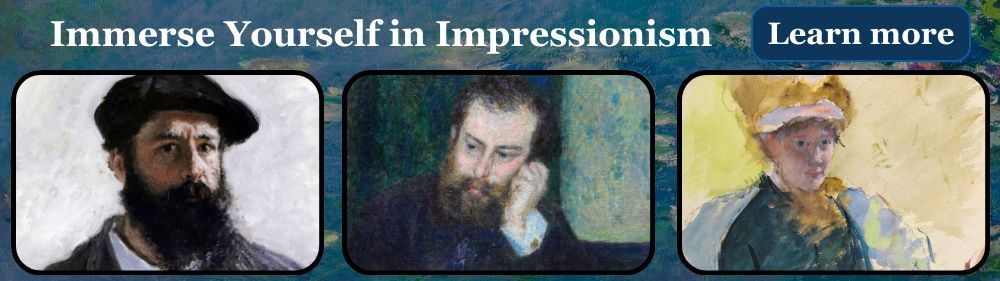
The Salon was an official art exhibition sponsored by the French government, originating in 1667 when Louis XIV sponsored an exhibit of works by members of the Académie Royale de Peinture et de Sculpture. It was held in the Salon d’Apollon of the Louvre Palace in Paris, and after 1737 it became an annual event, with a jury system introduced in 1748. During the French Revolution, the Salon opened to all French artists, though academicians retained control through much of the 19th century. Its influence waned after the Société des Artistes Français took over in 1881 and as independent avant-garde exhibitions gained prominence.

Californian artists paint state identity in color at annual Brea exhibit

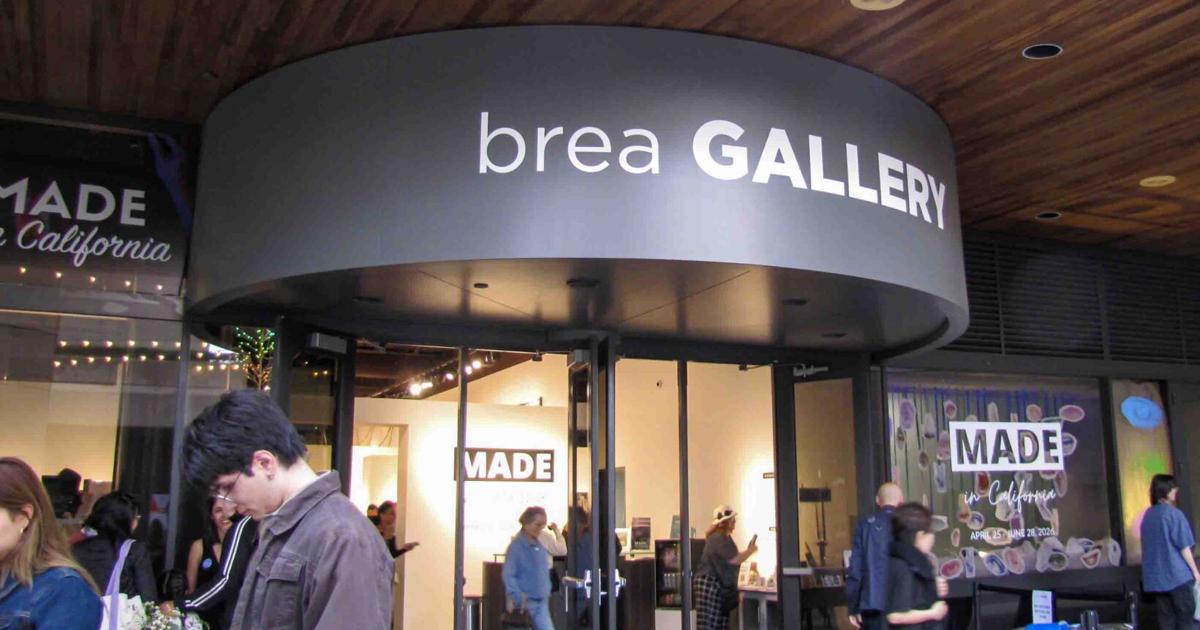
Brea Gallery in Brea, California, opened its 41st annual "Made in California" juried art exhibition on Saturday, featuring over 90 artists from across the state. The show includes a range of mediums such as oil paintings, sculptures, and mixed media, with jurors selecting works from roughly 5,000 submissions. This year's exhibition explores themes of identity and social justice, with pieces like Angel Lesnikowski's "Othered Existence" addressing Arab identity and conflict, and Adam Singer's "Big Feelings" reflecting on aging and mortality in Los Angeles. A solo installation by Lorena Molina, "This must be the place," draws on her Salvadoran heritage and the immigrant experience.

An art exhibit showcasing AA Raiba’s versatility across mediums

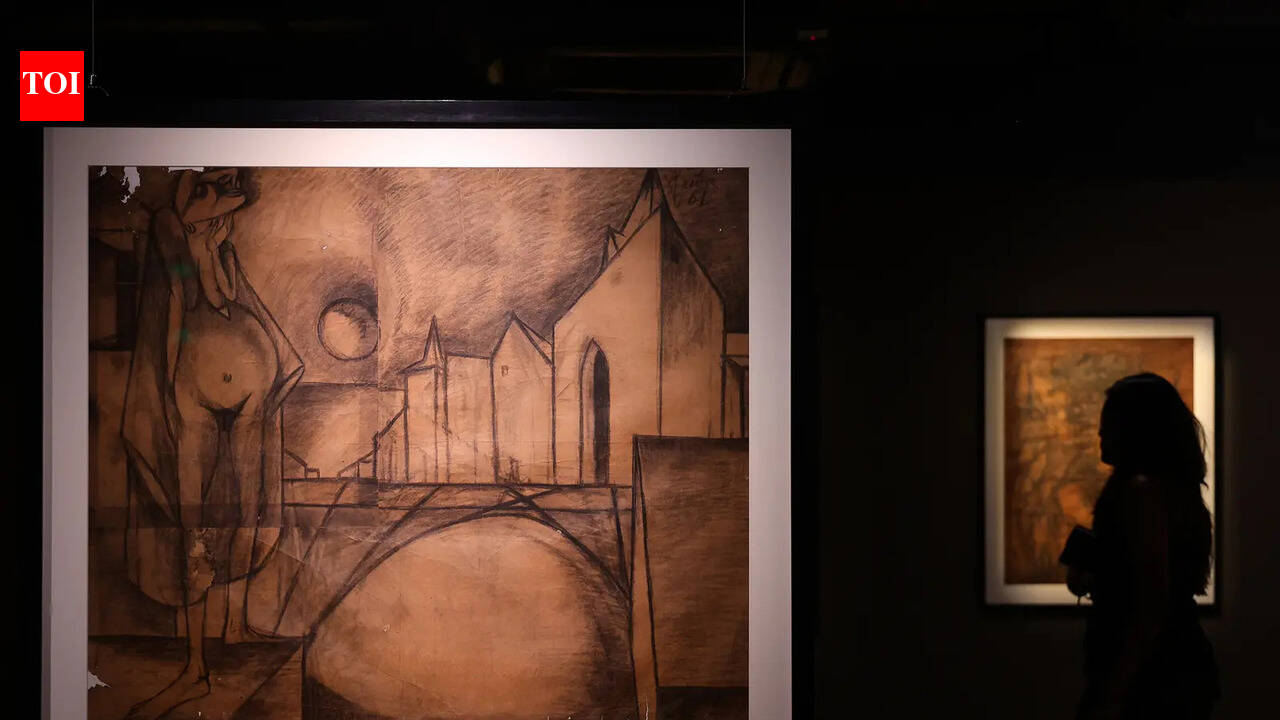
Thapar Gallery is presenting an exhibition titled "Master Artist A. A. Raiba: A Unilateral Eclectic," showcasing the work of Indian modernist Abdul Aziz Raiba from the 1950s and 1960s. The show highlights Raiba's versatility across mediums including murals, paintings on jute, reverse glass paintings, serigraphs, calligraphy, and sketches, and features landscape drawings from his Kashmir sojourn between 1957 and 1959. The exhibition runs until June 21.

Seoul Museum of Craft Art opens two exhibitions centered on brief but ambitious Korean Empire

The Seoul Museum of Craft Art opens two special exhibitions on Tuesday, both centered on the Korean Empire (1897-1910), a brief period when Korea sought to modernize through craft and industrial innovation. The larger exhibition, “The Hybrid,” marks 140 years of diplomatic relations between Korea and France, gathering 24 objects from European collections—23 from France and one from Germany—some not displayed in Korea in over 120 years. The second, “Folded Time, Unfolded Memory: Andong Palace,” focuses on the royal women who lived on the museum’s grounds, particularly Empress Sunjeonghyo and Princess Kim Deok-su. Museum director Kim Soo-jung described the two shows as “almost like an omnibus,” connected through the Korean Empire period.

When the Art World Dismantles Itself

Wenn die Kunstwelt sich selbst zerlegt

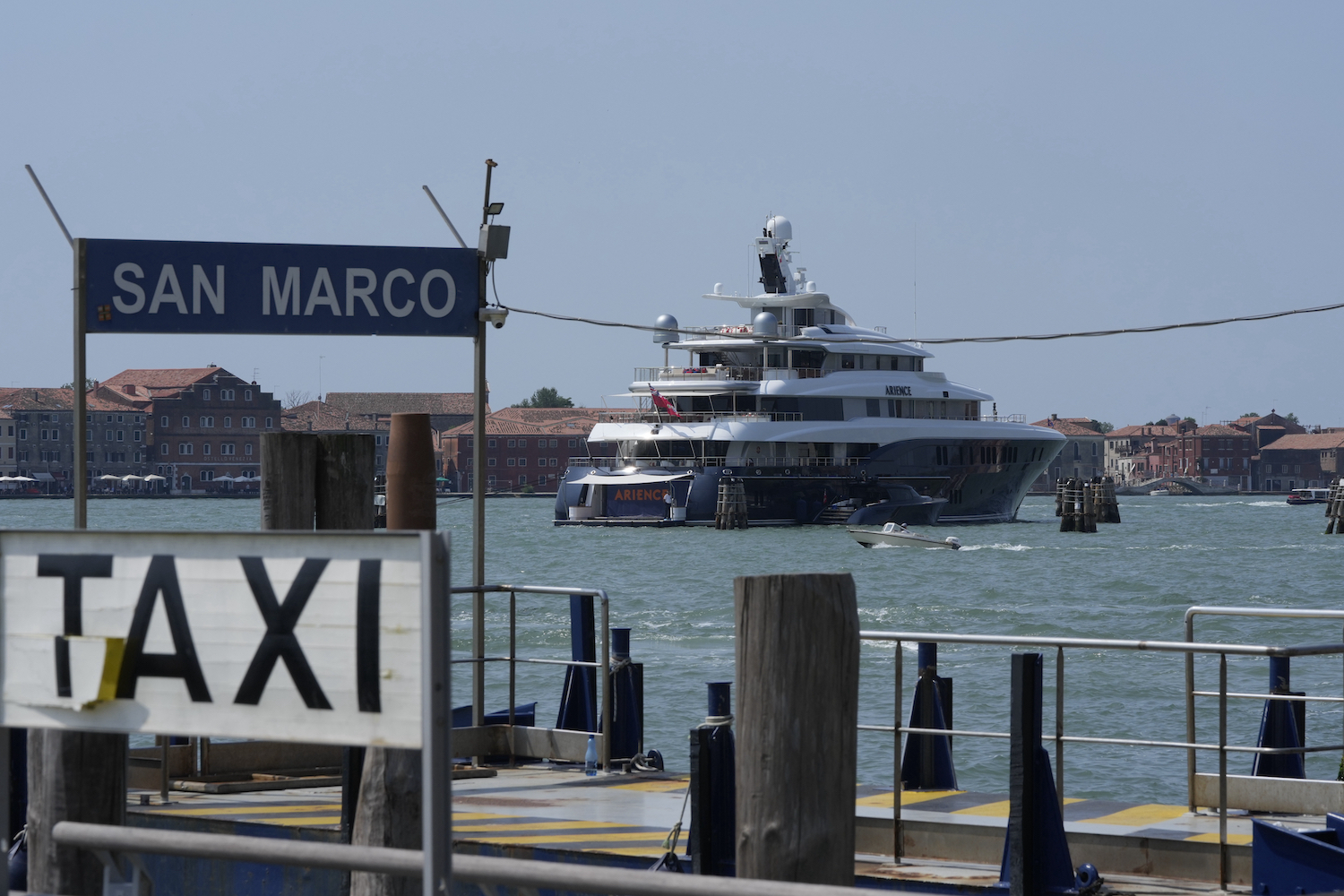
James Cahill's novel "The Violet Hour" offers a satirical and precise portrait of the contemporary art world, featuring characters such as curators with revolutionary fervor, collectors with superyachts, and artists oscillating between genius and pose. Cahill, a former gallery employee, curator, and critic, draws on his insider experience to craft a milieu study that is both humorous and incisive.

20 artisti lavoreranno in 20 paesini remoti di 20 regioni italiane. La rassegna che porta l’arte contemporanea nei borghi torna per il settimo anno

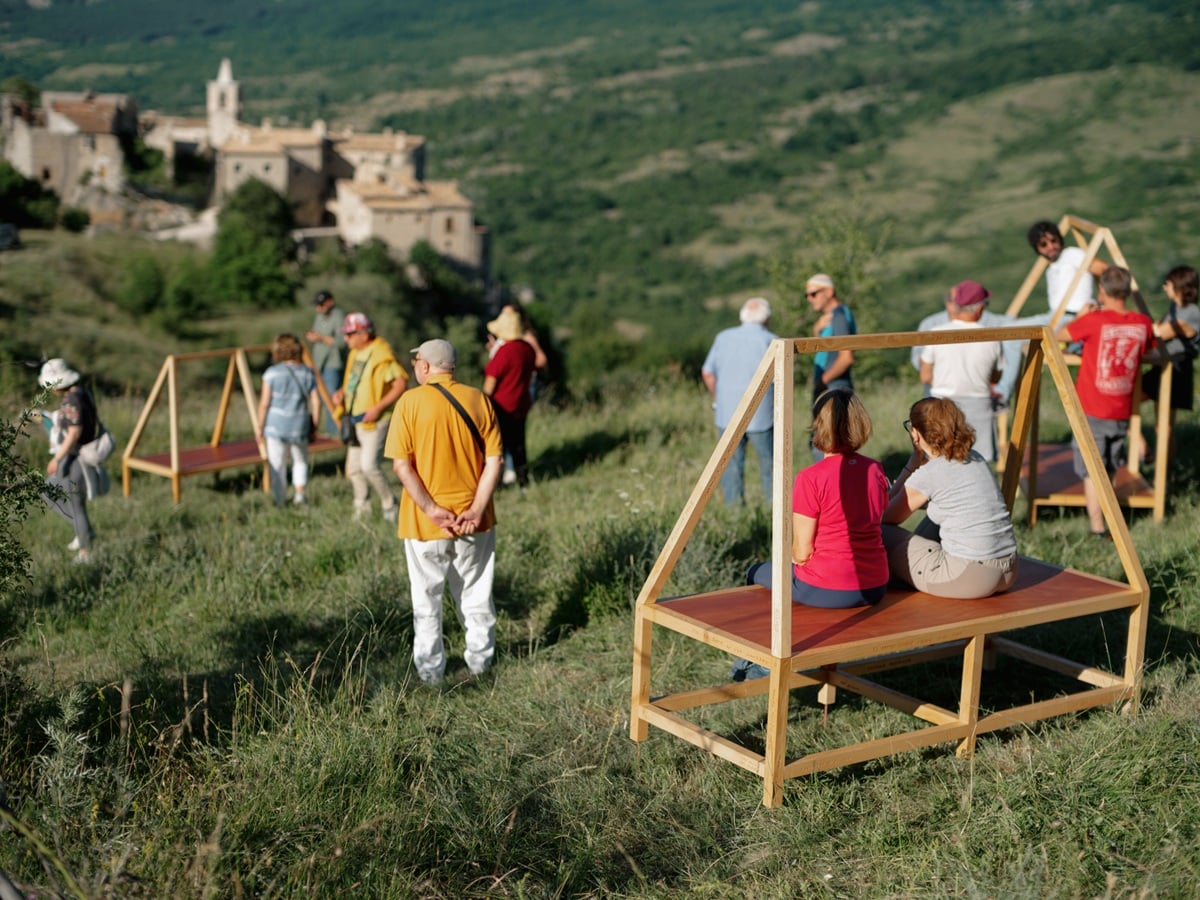
The seventh edition of "Una Boccata d'Arte," an initiative by Fondazione Elpis, will bring contemporary art to 20 remote villages across all 20 Italian regions. Twenty artists, each paired with a curator, will create site-specific projects that will be inaugurated simultaneously on June 20-21, 2026, and remain on view until October 4. A key innovation this year is that artists and curators spent extra time engaging with local communities before designing their works, fostering deeper connections. Examples include Greek artist Vasilis Papageorgiu transforming a traditional tablecloth from a resident of Tredozio, and Francesco Alberico collaborating with a socio-health facility in Bressanone to create a bird-themed installation.

During the Venice Biennale there is also the Ibiza Pavilion, inside a takeaway pizzeria

Durante la Biennale di Venezia c’è anche il Padiglione Ibiza, dentro una pizzeria da asporto

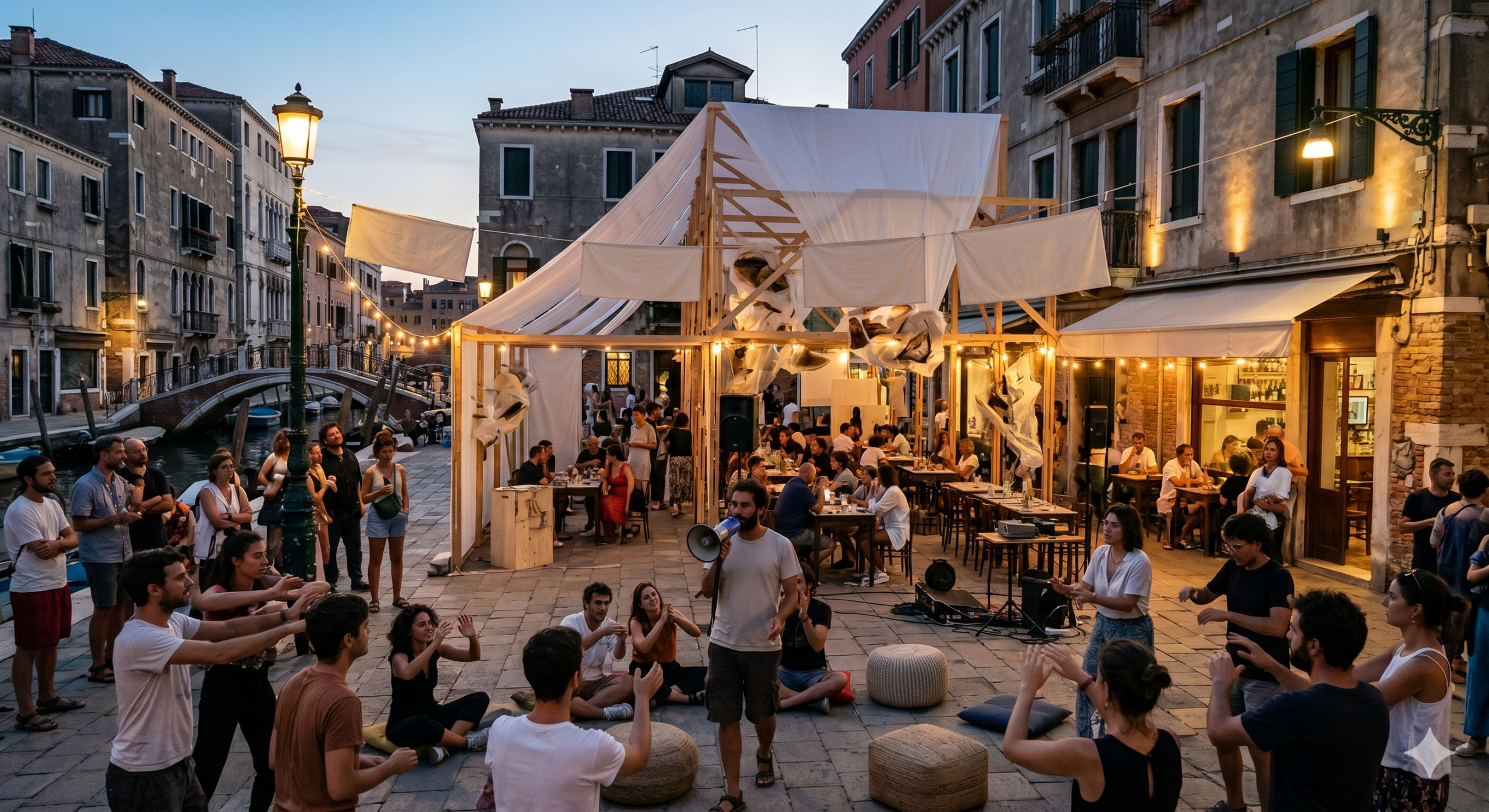
During the Venice Art Biennale, an independent project called the Ibiza Pavilion opens from May 7 to 9, 2026, inside Pizza al Volo, a popular takeaway pizzeria in Campo Santa Margherita, Dorsoduro. Conceived and curated by Margherita Chiarva with support from Victoria Genzini and Gabriele Della Maddalena, the three-day initiative features a group exhibition, performances, collective embroidery, tarot readings, and somatic practices by international artists connected to Ibiza through experience or collaboration, including Noemi Manser, Beatrice Dettori, Liz Kueneke, COSIMA, and Maria Giulia Alvigini.

Cultural Observatories: Dinosaurs or Subjects Capable of Interpreting the Present?

Osservatori culturali. Dinosauri o soggetti in grado di interpretare il presente?

The Cultural Observatory of Canton Ticino has published a study on cultural observatories worldwide, including a map and list of surveyed organizations. The analysis reveals that cultural observatories are not a global phenomenon but are concentrated mainly in Europe and South America, with occasional presence in North America (especially Canada and Hispanic-oriented organizations in the US). Africa, Asia, and Oceania are almost entirely absent from the map. The study also highlights a high rate of inactive observatories: among the top 10 countries by active observatories, only Germany shows an effective activity ratio. Spain has 26 active observatories out of about 45 total, while Italy has 11 active out of over 20 inactive. The research defines observatories as non-profit organizations that combine cultural and statistical expertise to deepen and transfer knowledge about the cultural sector, and classifies as inactive those with no recent activity on web or social channels.

Art from everyday items takes center stage in Kingston show

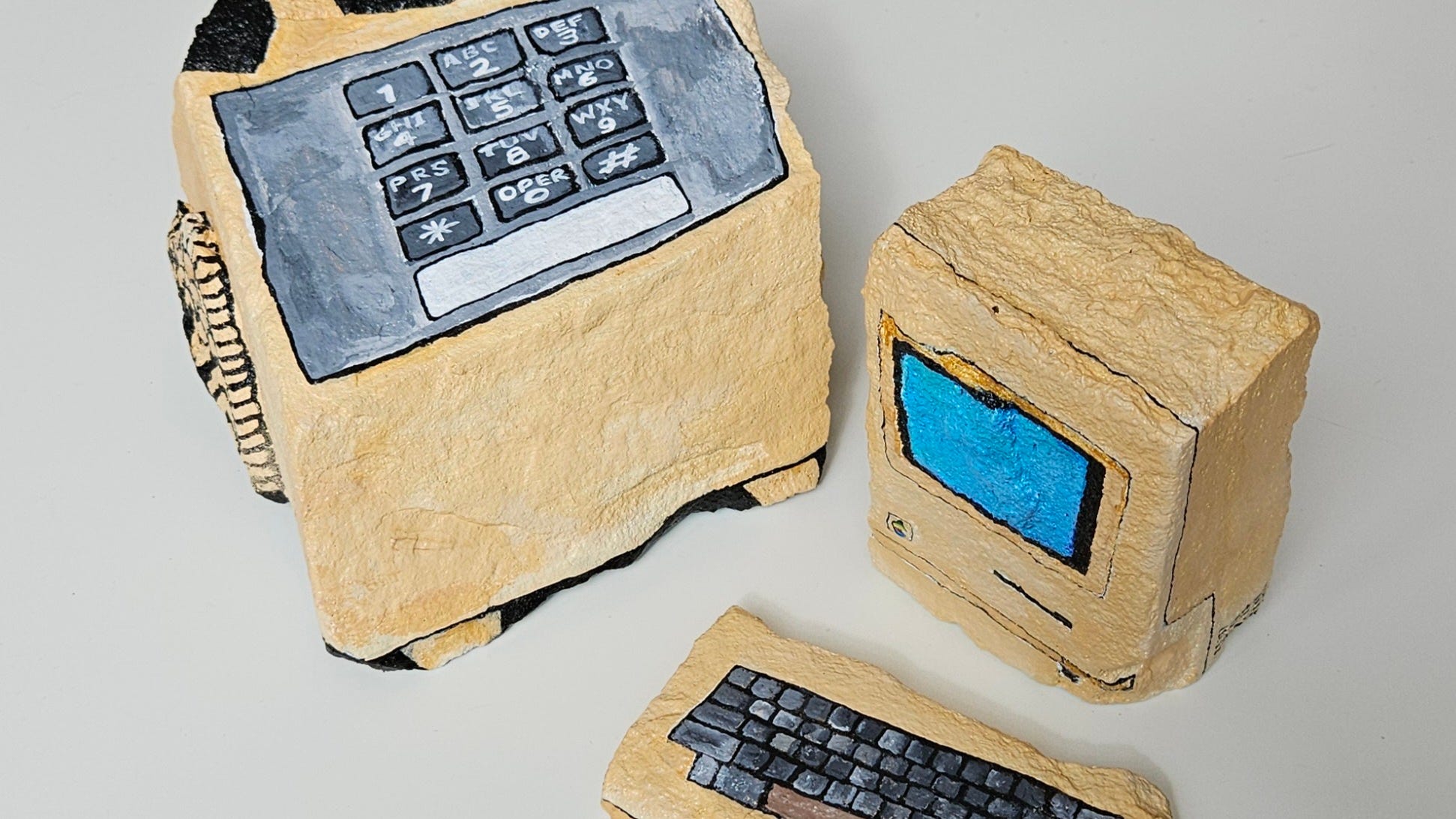
An exhibition in Kingston, New York, titled 'Art from everyday items takes center stage,' showcases artworks created from ordinary, found objects. The show features pieces made from household materials, repurposed goods, and common items, challenging traditional notions of what belongs in a gallery space. Curated to feel accessible and relatable, the exhibition aims to break down barriers between art and daily life.

CAB EXPLORES LANDSCAPE AS LIVING MEMORY IN MATIAS ERCOLE S WORK

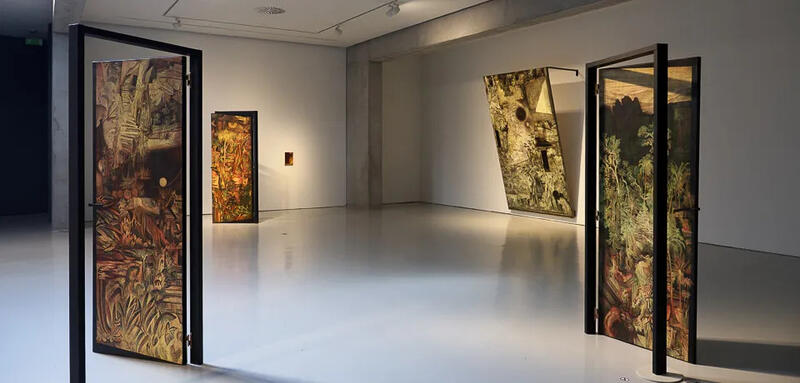
The CAB / Centro de Arte Caja de Burgos in Spain has opened "Me olvidé de mis ojos" (I Forgot My Eyes), an exhibition by Argentine artist Matías Ercole. The show explores landscape as a living memory, blending Latin American and European visual traditions through the artist's signature sgraffito technique, which reveals hidden layers of light and color. The works are arranged as architectural elements, guiding viewers through a reflective journey on identity, memory, and cultural construction.