filter_list Showing 16 results for "DEFINE" close Clear
search
dashboard All 129 museum exhibitions 80article culture 16candle obituary 8trending_up market 8article news 4person people 4article policy 4rate_review review 3article local 2
date_range Range Today This Week This Month All
Subscribe

Rocked on their heels: how exhibitions can change the course of artists’ lives

Alyce Mahon's new book, *Dorothea Tanning: A Surrealist World*, explores how the 1936 MoMA exhibition *Fantastic Art, Dada, Surrealism* profoundly transformed the young artist Dorothea Tanning, who described being "rocked on my run-over heels" by the experience. The article also recounts similar life-changing exhibition encounters for contemporary artists Lorna Simpson and Hurvin Anderson, as discussed on *The Week in Art* and *A brush with…* podcasts, highlighting how specific shows shaped their artistic trajectories.
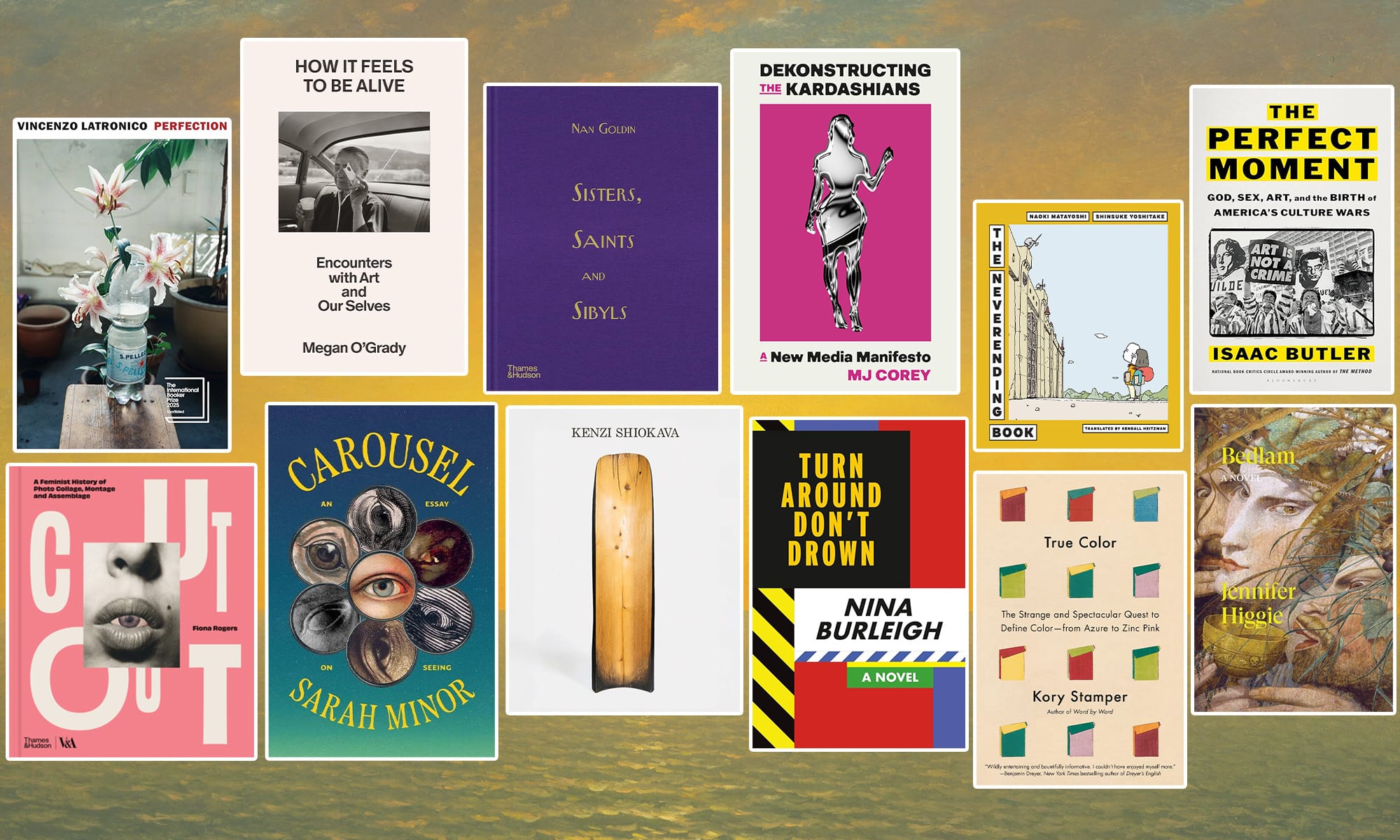
12 Art Books to Kick Off Summer

Hyperallergic's Lakshmi Rivera Amin presents a curated list of 12 art books for summer reading, including a novel lampooning the art world, Megan O'Grady's meditation on art and living, Kory Stamper's exploration of color lexicography, Nan Goldin's reissued photo essay, and Jennifer Higgie's prose poetry novel. The roundup also features Vincenzo Latronico's 'Perfection,' Nina Burleigh's satirical 'Turn Around, Don’t Drown,' and a graphic novel by Naoki Matayoshi and Shinsuke Yoshitake, among others.

Our Summer Art Reading List

Hyperallergic's summer art reading list features a curated selection of art books, including Kory Stamper's 'True Color' about the Merriam-Webster color definer, Megan O'Grady's essay collection on art as necessity, and 'O'Keeffe-isms' drawn from Georgia O'Keeffe's writings. The list also highlights art detective mysteries like 'The Case of the Disappearing Gauguin' by Stephanie Brown and provenance stories from the San Antonio Museum of Art, alongside upcoming Yale University Press titles on Anni Albers, Dorothea Tanning, and Edward Steichen. Additional coverage includes an exhibition of Jack Kerouac's letters and photographs in NYC, and the Printed Matter art book fair in Los Angeles.

Can Digital Art Ever Truly Replicate the Gallery Experience?

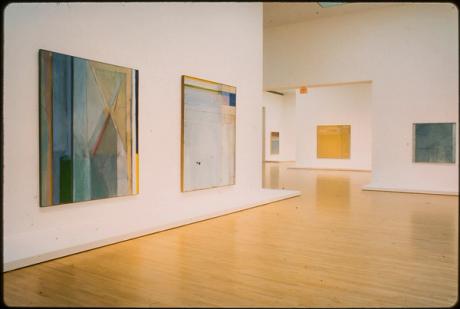
The article explores whether digital art platforms can replicate the experience of visiting a physical gallery. It acknowledges the impressive progress of virtual exhibitions—global accessibility, VR tours, AR overlays, and high-resolution zoom—and notes that 35% of UK adults digitally engaged with the arts in 2024/25, up from 27% in 2021/22. However, it argues that something essential is lost without physical presence: the tactile encounter with a painting's texture and scale, the serendipity of in-person discovery, and the spatial awe of standing before a Rothko in a white cube.

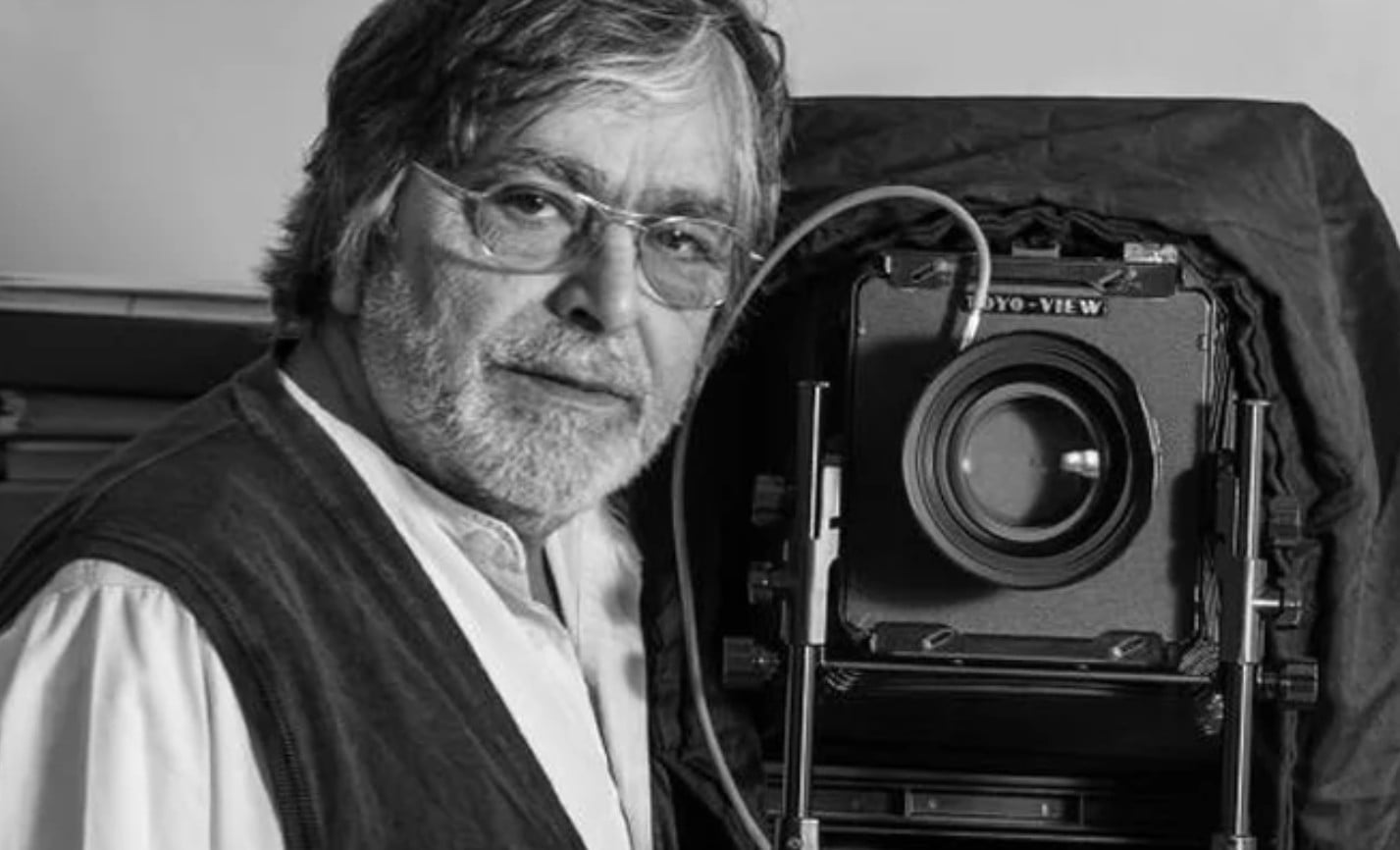
Pappi Corsicato's film on photographer Claudio Abate, which recounts the artistic ferment of Rome between the 1960s and 1990s, is now on RaiPlay

È su RaiPlay il film di Pappi Corsicato sul fotografo Claudio Abate che racconta il fermento artistico di Roma tra gli Anni ’60 e ‘90

RaiPlay has released a new documentary film by Pappi Corsicato titled "Claudio Abate. L’obiettivo nell’arte" (2026), which pays tribute to the late photographer Claudio Abate (1943–2017). The film weaves together interviews, archival materials, and footage from Istituto Luce to chronicle Abate's life and work, focusing on his role documenting the vibrant Roman art scene from the 1960s through the 1990s. It highlights his collaborations with key figures such as Jannis Kounellis, Michelangelo Pistoletto, Fabio Sargentini, and the artists of the Pastificio Cerere school, capturing seminal performances, happenings, and installations that defined Arte Povera and other avant-garde movements.

Beyond the prompt: when the medium is generative AI, the artist becomes a systemic director

Oltre il prompt: quando il medium è l’AI generativa l’artista diventa regista sistemico

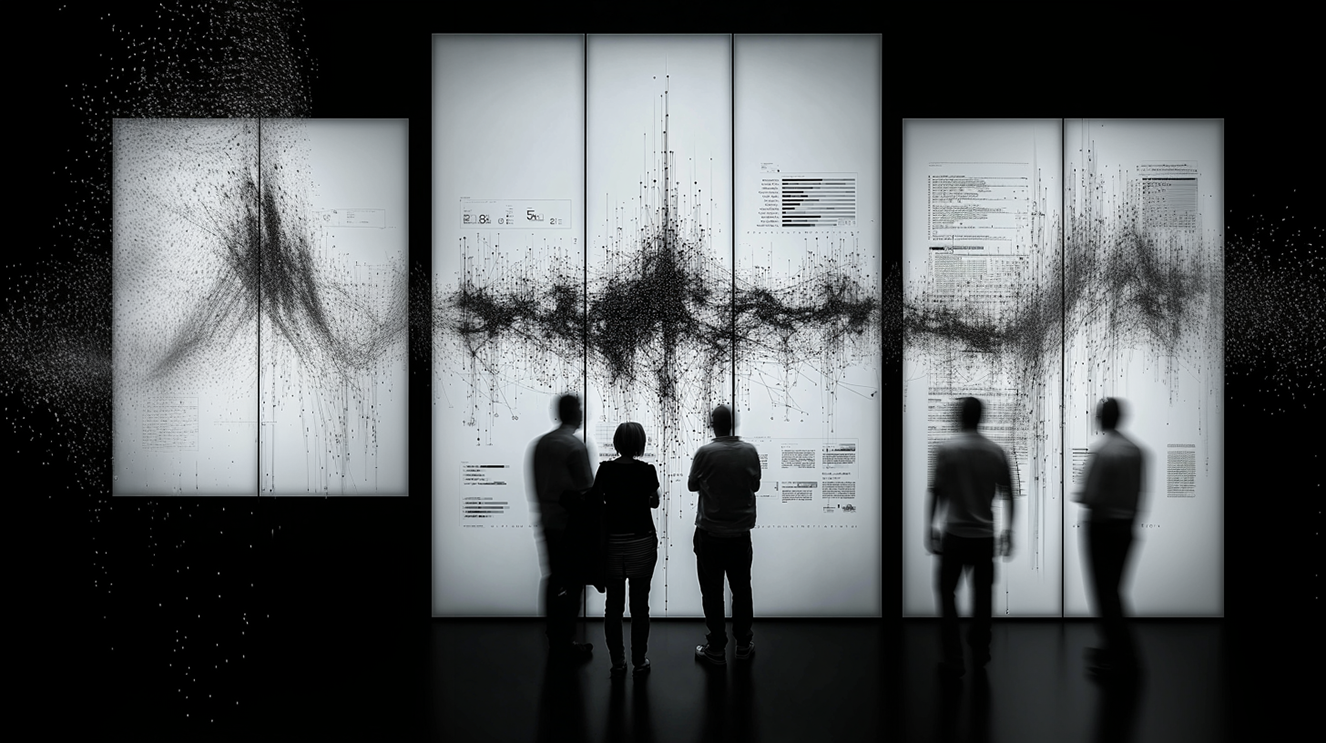
The article argues that as AI-generated images become more spectacular, the role of the artist is often misunderstood as merely writing prompts. Instead, the author contends that the most significant generative artworks are systems—predetermined rule-based environments where the artist designs the conditions for images to emerge. Works like Hans Haacke's "Condensation Cube" (1963-1965) and Refik Anadol's "Unsupervised" (2022) exemplify this shift from object to process, where the artwork is the behavior or architecture itself.

In plane sight: how the gilded elite live – in pictures

Photographer Will Vogt's second monograph, *Behind the Hedges*, offers an intimate glimpse into the lives of America's gilded elite, featuring images of his own social circle at hunting estates, weddings, exclusive club lunches, and golf weekends. The book, published by Schilt Publishing, includes quotes by Vogt and text by editor Jennifer Garza-Cuen from her essay 'Posture of Privilege,' capturing a world of inherited wealth and tradition.

Yu-Chi Lyra Kuo Shares a Vision for the Future of Art, Technology, and Creativity

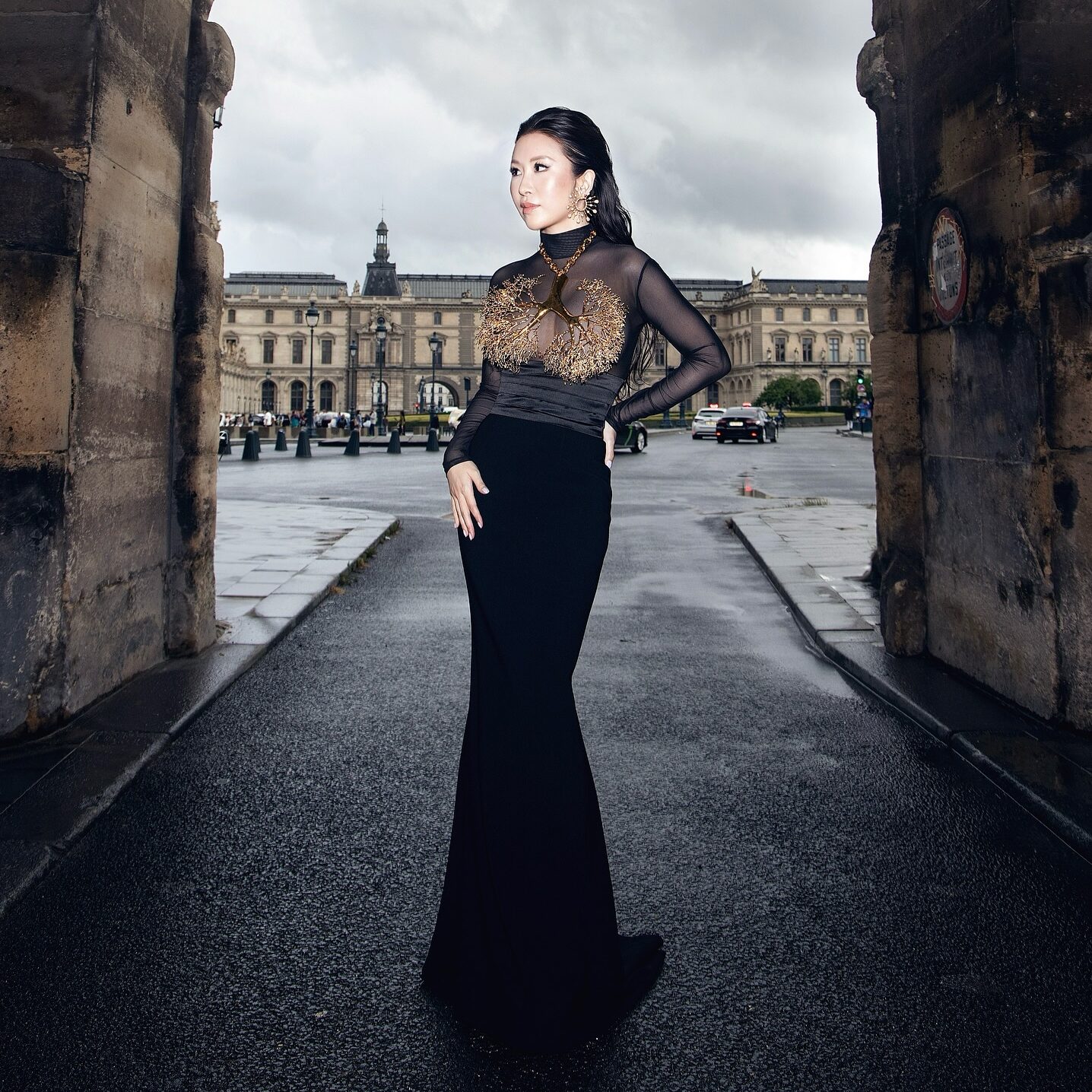
Yu-Chi Lyra Kuo, an entrepreneur, investor, Harvard-educated lawyer, former Princeton academic, and board member of the Shed, shares her vision for integrating frontier technologies like artificial intelligence and robotics into the art world. She argues that these tools can enhance human creativity rather than replace it, drawing on her early experiences with Asian antiquities and her pioneering work in blockchain, including co-founding OpenSea 2.0. The article, based on an interview with CULTURED, traces her journey from collecting a jade gourd as a child to advising tech companies and joining the board of the Shed, a Bloomberg-backed cultural center in Hudson Yards.

7 new art and culture books in bookstores. Maps of the present: between art, work, memory and forms of perception

7 nuovi libri d’arte e cultura in libreria. Mappe del presente: tra arte, lavoro, memoria e forme della percezione

This article from Artribune presents a curated selection of seven new art and culture books recently released in Italy. The featured titles range from a theoretical lexicon for 21st-century arts edited by Nicolas Martino, which redefines key terms like 'author,' 'AI,' and 'care,' to a poetic pop-up book by Japanese designer Katsumi Komagata titled 'Piccolo Albero,' which uses paper engineering to narrate the cycle of life. Other works explore themes of labor, memory, domestic space (Giorgio Morandi), inner labyrinths (Andrea Bocconi), and direct testimony from Gaza, all aiming to provide new frameworks for understanding a fractured present.

‘Anger, curiosity and hope’: a planet of protest – in pictures

Matthew Connors' new photo book, *The Axe Will Survive the Master*, compiles 12 years of protest photography from Hong Kong, Cairo, New York, Kyiv, North Korea, and beyond. Published by MACK Books, the work weaves together images from the Occupy movement, the Egyptian revolution, Hong Kong's pro-democracy protests, the war in Ukraine, and other confrontations with authoritarian power, dissolving geographic boundaries into a single sequence drawn from an archive of 200,000 images.

How Native American Artists Redefined Contemporary Art in the United States

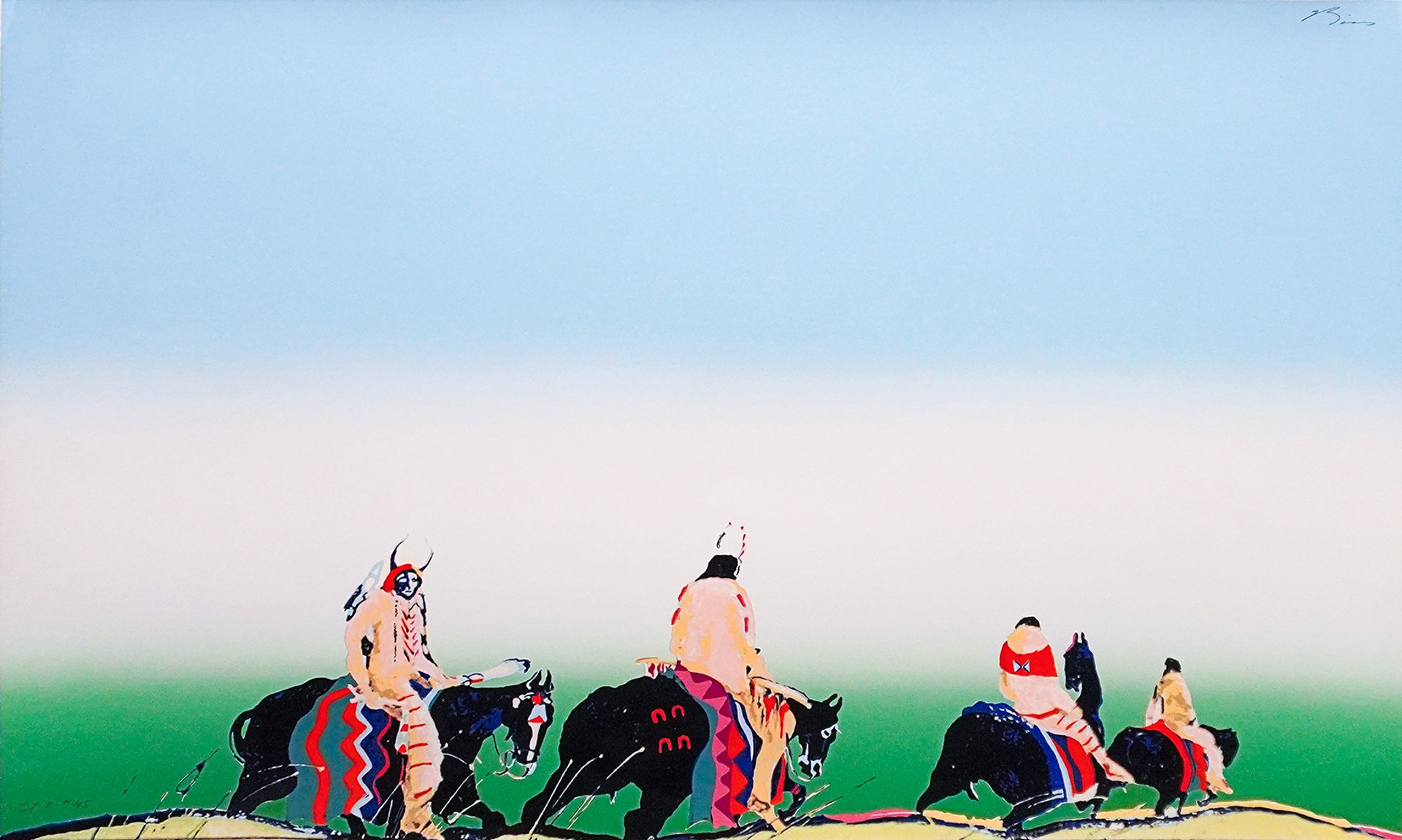
A generation of Native American artists, emerging from the Institute of American Indian Arts (IAIA) in Santa Fe from the 1960s onward, reclaimed Indigenous representation in American art. Figures like Fritz Scholder, T.C. Cannon, Kevin Red Star, and Earl Biss used modernism, irony, and cultural specificity to dismantle colonial stereotypes of Native peoples as romanticized relics, instead portraying them as contemporary individuals with agency and living traditions.

The Art of Performing Maintenance

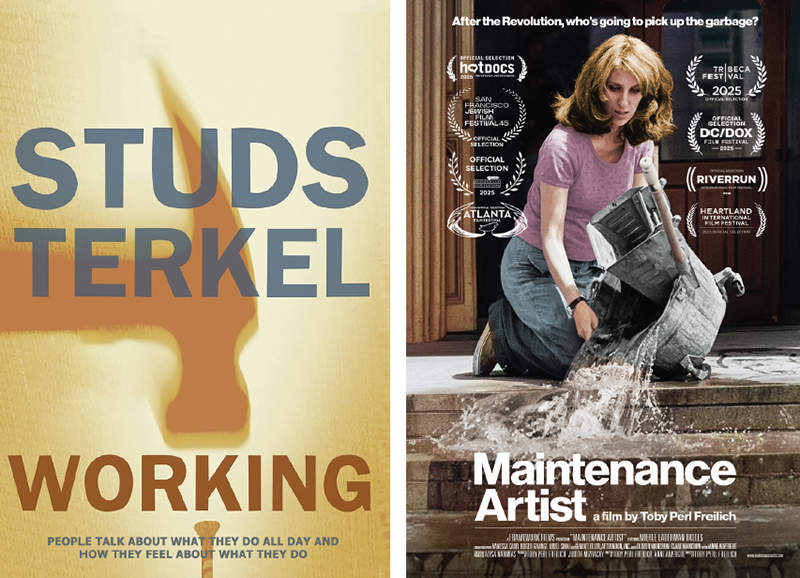
This article explores the work of artist Mierle Laderman Ukeles, who in 1969 wrote her "Manifesto for Maintenance Art" after experiencing a crisis of meaning following the birth of her first child. She proposed that routine maintenance tasks—like cleaning, cooking, and laundry—could be redefined as art when performed in public, particularly in museums. The article traces her early exhibitions at the Wadsworth Athenaeum, where she swept and mopped as performance, and her later projects interviewing passersby on New York City sidewalks and embedding herself in a Manhattan office building, where she invited workers to declare their maintenance tasks art.

From galleries to guest rooms: The best art-inspired stays in Europe

A number of European hotels are integrating art collections and museum-quality experiences into their accommodations, offering travelers the chance to stay within or adjacent to art spaces. Notable examples include MACAM in Lisbon, Portugal, which combines a contemporary art museum with a hotel featuring the private collection of founder Armando Martins, including works by Marina Abramović and Paula Rego; the Byblos Art Hotel Villa Amistà in Verona, Italy, blending Renaissance architecture with avant-garde art; and the Elizabeth Arthotel in Ischgl, Austria, which has showcased art and sculpture since 1976 and recently added a rooftop commission by the artist duo NONOS.

When the Night Bleeds into the Day

Wenn die Nacht auf den Tag abfärbt

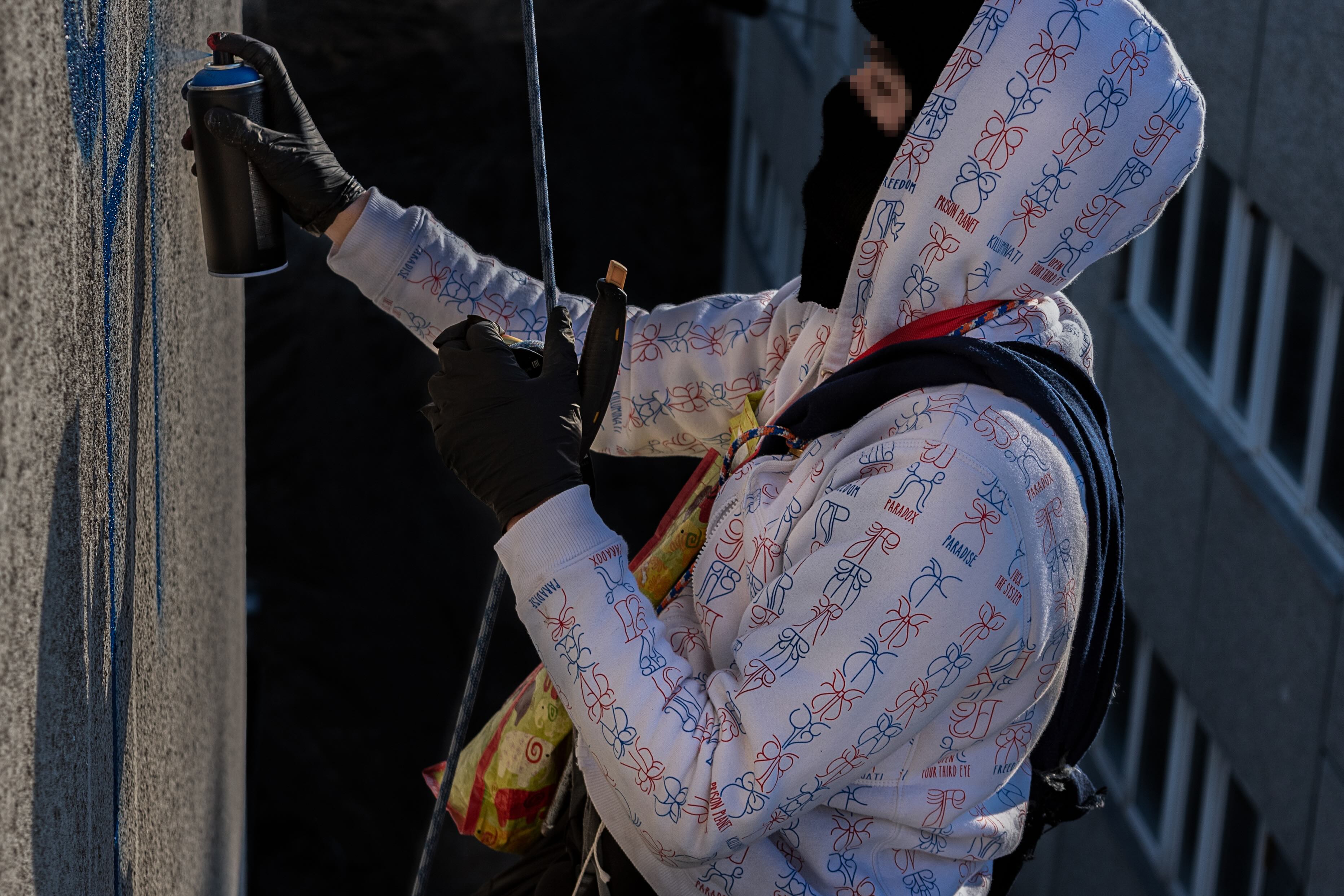
Berlin-based graffiti artist Paradox Paradise, known for his distinctive red-and-blue "Paraglyphs" painted on high facades, discusses his evolution from classic graffiti to a radically reduced visual language. In an interview with Monopol, he explains how he stripped away decorative elements to focus on precise, vertical outlines and messages like "Mieten runter Wände bunter" (lower rents, more colorful walls). He describes his nocturnal actions as states of heightened presence requiring weeks of planning, where every movement has immediate consequences.

Salon | Impressionism, Realism & Post-Impressionism

The Salon was an official art exhibition sponsored by the French government, originating in 1667 when Louis XIV sponsored an exhibit of works by members of the Académie Royale de Peinture et de Sculpture. It was held in the Salon d’Apollon of the Louvre Palace in Paris, and after 1737 it became an annual event, with a jury system introduced in 1748. During the French Revolution, the Salon opened to all French artists, though academicians retained control through much of the 19th century. Its influence waned after the Société des Artistes Français took over in 1881 and as independent avant-garde exhibitions gained prominence.

When the Art World Dismantles Itself

Wenn die Kunstwelt sich selbst zerlegt

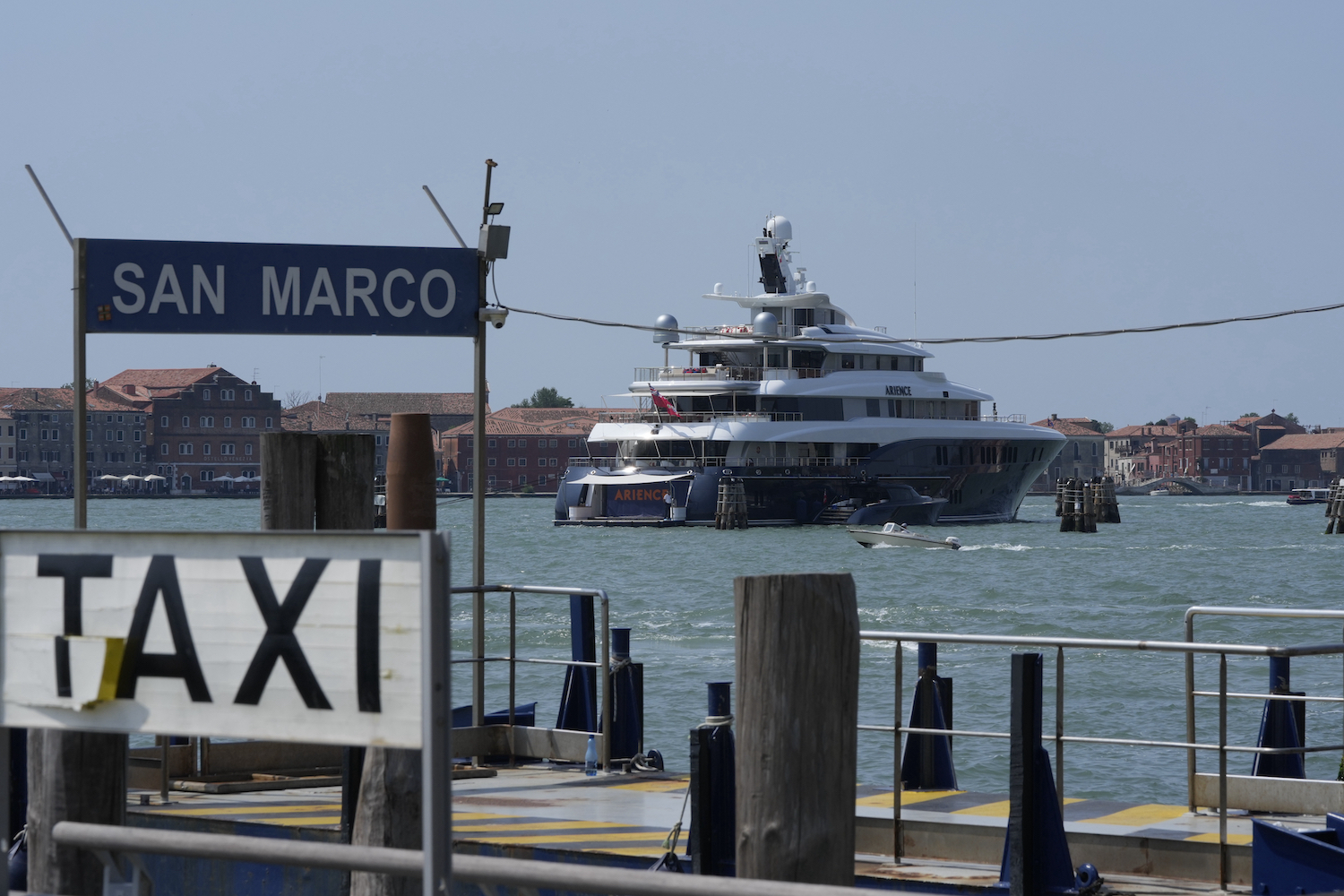
James Cahill's novel "The Violet Hour" offers a satirical and precise portrait of the contemporary art world, featuring characters such as curators with revolutionary fervor, collectors with superyachts, and artists oscillating between genius and pose. Cahill, a former gallery employee, curator, and critic, draws on his insider experience to craft a milieu study that is both humorous and incisive.