filter_list Showing 191 results for "Roman" close Clear
dashboard All 191 museum exhibitions 71article news 57trending_up market 15gavel restitution 11article local 8article culture 8rate_review review 8candle obituary 5article policy 4person people 4
date_range Range Today This Week This Month All
Subscribe

libya national museum red castle reopens after 14 years 1234767344

Libya’s National Museum, also known as the Red Castle Museum (As-Saraya Al-Hamra), has reopened in Tripoli for the first time since the 2011 revolution that ended Muammar el-Qaddafi’s rule. The museum, the largest in North Africa, closed at the onset of Libya’s military instability during the Arab Spring. Its 10,000-square-meter gallery houses artifacts spanning prehistory through Greek, Roman, and Islamic periods, including millennia-old mummies. Renovations began in 2023, with a full public reopening scheduled for early 2026; currently admission is limited to students.

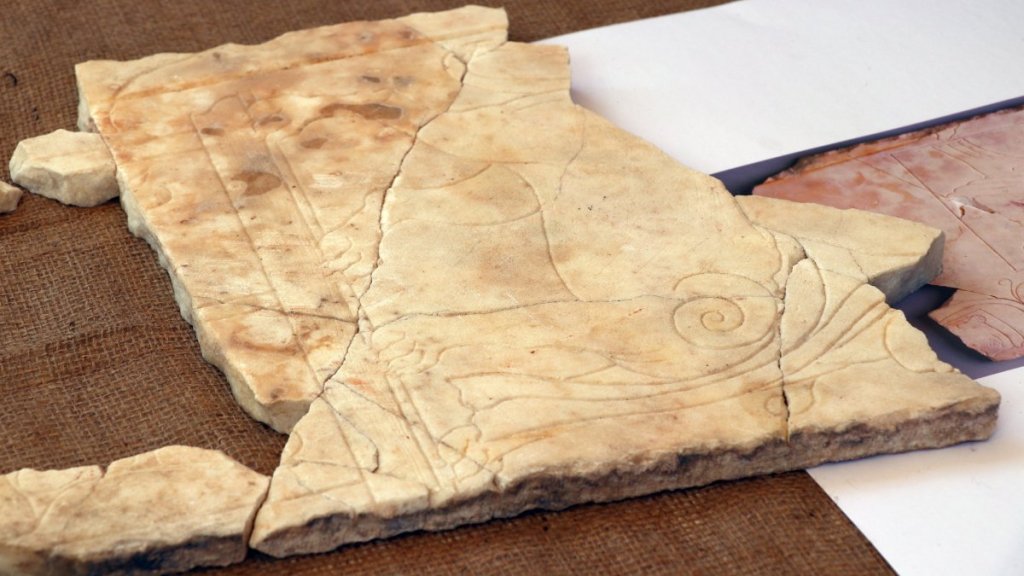
ancient egyptian iconography roman bathhouse sagalassos turkey 1234756387

Archaeologists have identified ancient Egyptian iconography on a marble lintel in a Roman-era bathhouse at Sagalassos, Turkey. The panel depicts the sphinx god Tutu, flanked by figures wearing the crowns of Upper and Lower Egypt, along with deities Horus and Sobek. Dating to the reign of Emperor Augustus (27 BCE–14 CE), the marble originated over 124 miles away in the Afyonkarahisar region. The discovery was made during ongoing excavations in the bathhouse's frigidarium.

ancient egyptian iconography roman bathhouse sagalassos turkey 1234756387

Archaeologists have identified ancient Egyptian iconography on a marble lintel in a Roman-era bathhouse at Sagalassos, Turkey. The carving depicts the sphinx god Tutu, flanked by two human figures wearing the crowns of Upper and Lower Egypt, along with deities Horus and Sobek. Dating to the reign of Emperor Augustus (27 BCE–14 CE), the panel was found in the frigidarium and was sourced from marble quarried over 124 miles away in the Afyonkarahisar region.

ancient rome new orleans tombstone 1234755754

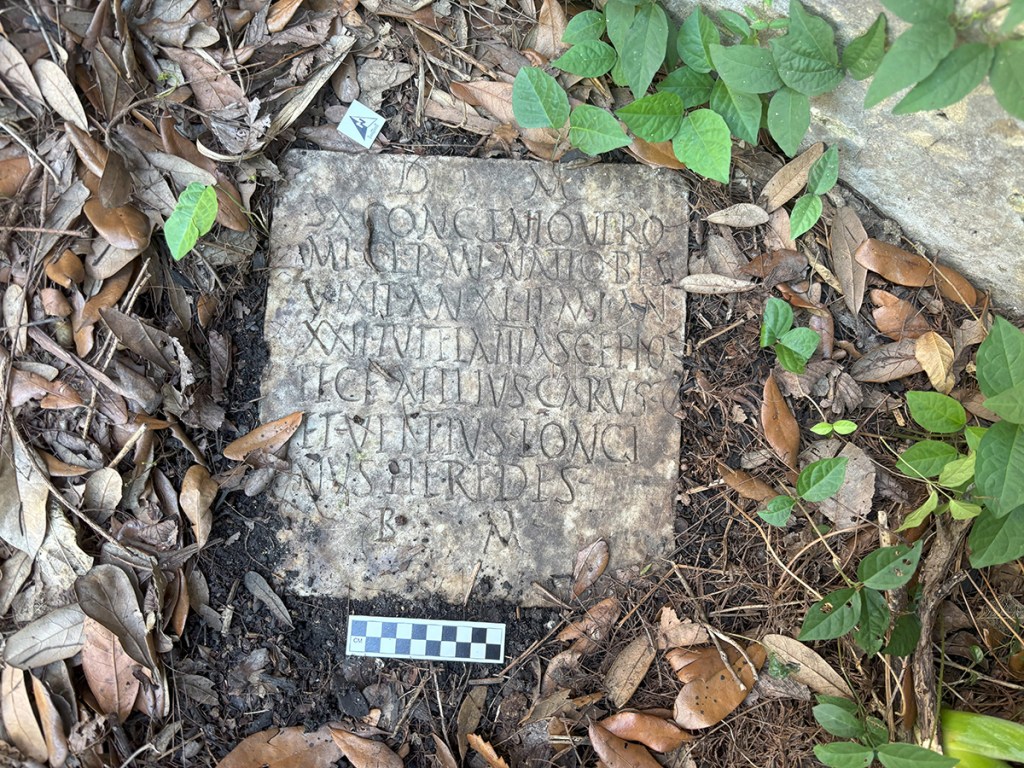
In March 2025, a New Orleans couple, Daniella Santoro and Aaron Lorenz, discovered a 2nd-century Roman marble headstone with a Latin inscription in their backyard during yard work. They contacted archaeologist D. Ryan Gray of the University of New Orleans, who, with colleagues including Tulane classics professor Susann Lusnia, traced the inscription to a missing object once held by a museum in Civitavecchia, Italy. The stone commemorates a Roman sailor named Sextus Congenius Verus. Researchers believe it was brought to New Orleans as a souvenir after World War II, likely by a member of the 34th division of the Fifth Army, which was stationed near Civitavecchia after liberating Rome in 1944.

ancient rome new orleans tombstone 1234755754

A 2nd-century Roman gravestone inscribed for a sailor named Sextus Congenius Verus was discovered in March 2025 by Daniella Santoro and Aaron Lorenz while doing yard work at their New Orleans home. University of New Orleans archaeologist D. Ryan Gray, working with colleagues at the University of Innsbruck and Tulane University, traced the stone to a missing object from a museum in Civitavecchia, Italy. Researchers believe it was brought to the U.S. as a souvenir by a member of the 34th division of the Fifth Army after the liberation of Rome in 1944. The FBI’s Art Crime Team is now involved in repatriating the headstone to Italy.

Colosseum Facelift Restores Ancient Southern Entrance to Its Former Glory

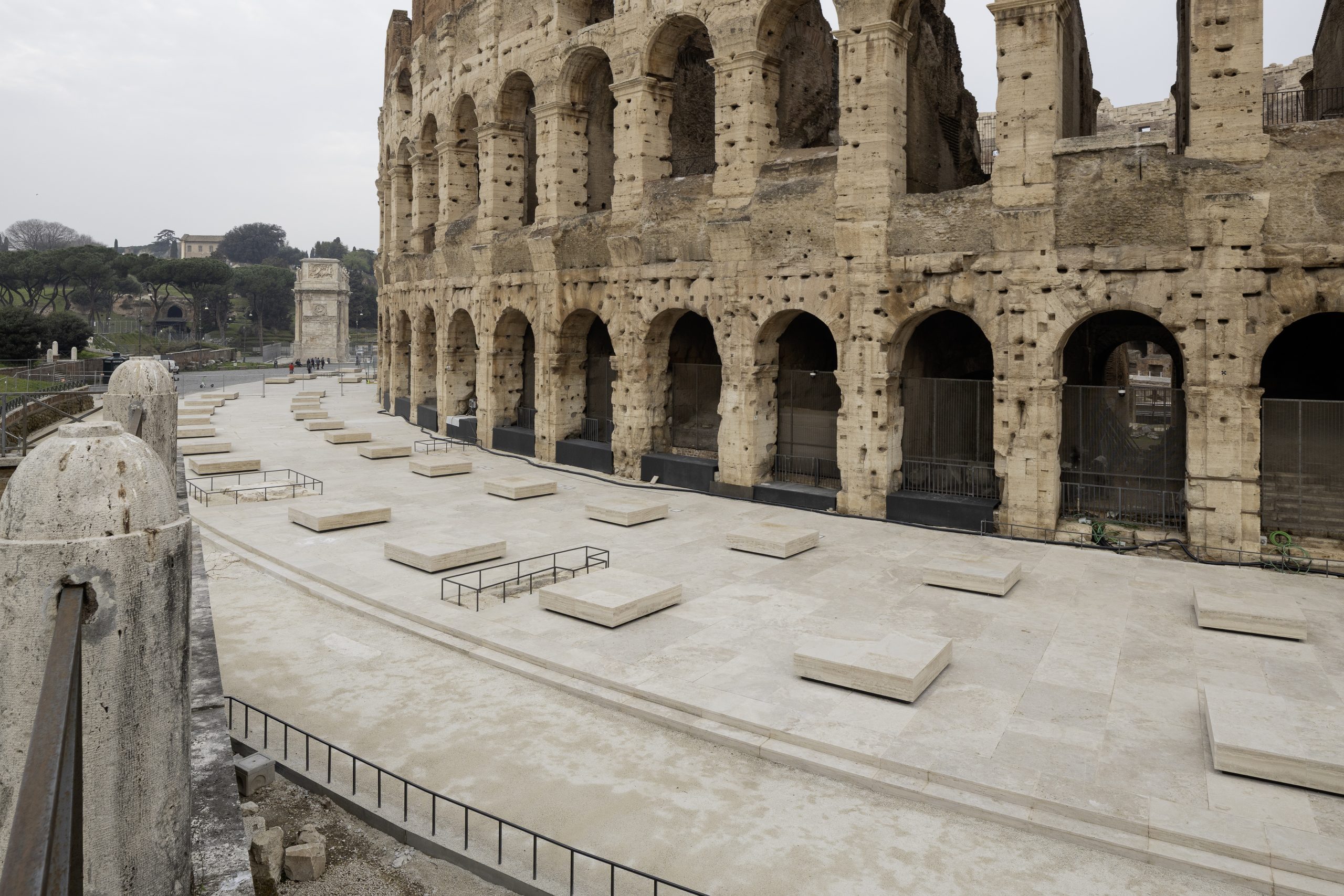
Rome’s Colosseum has unveiled a major four-year restoration of its southern entrance, a project led by Stefano Boeri Interiors in collaboration with the Colosseum Archaeological Park. The renovation lowered the surrounding piazza to its original Roman-era height, reintroduced travertine flooring sourced from ancient quarries, and installed seating blocks that mark the locations of long-lost marble columns. During the excavation process, archaeologists recovered a wealth of historical artifacts, including ancient coins, statues, and gold jewelry, while leaving a specific section untouched to showcase the arena's complex hydraulic foundations.

roman ingots found ceredigion wales 2751825

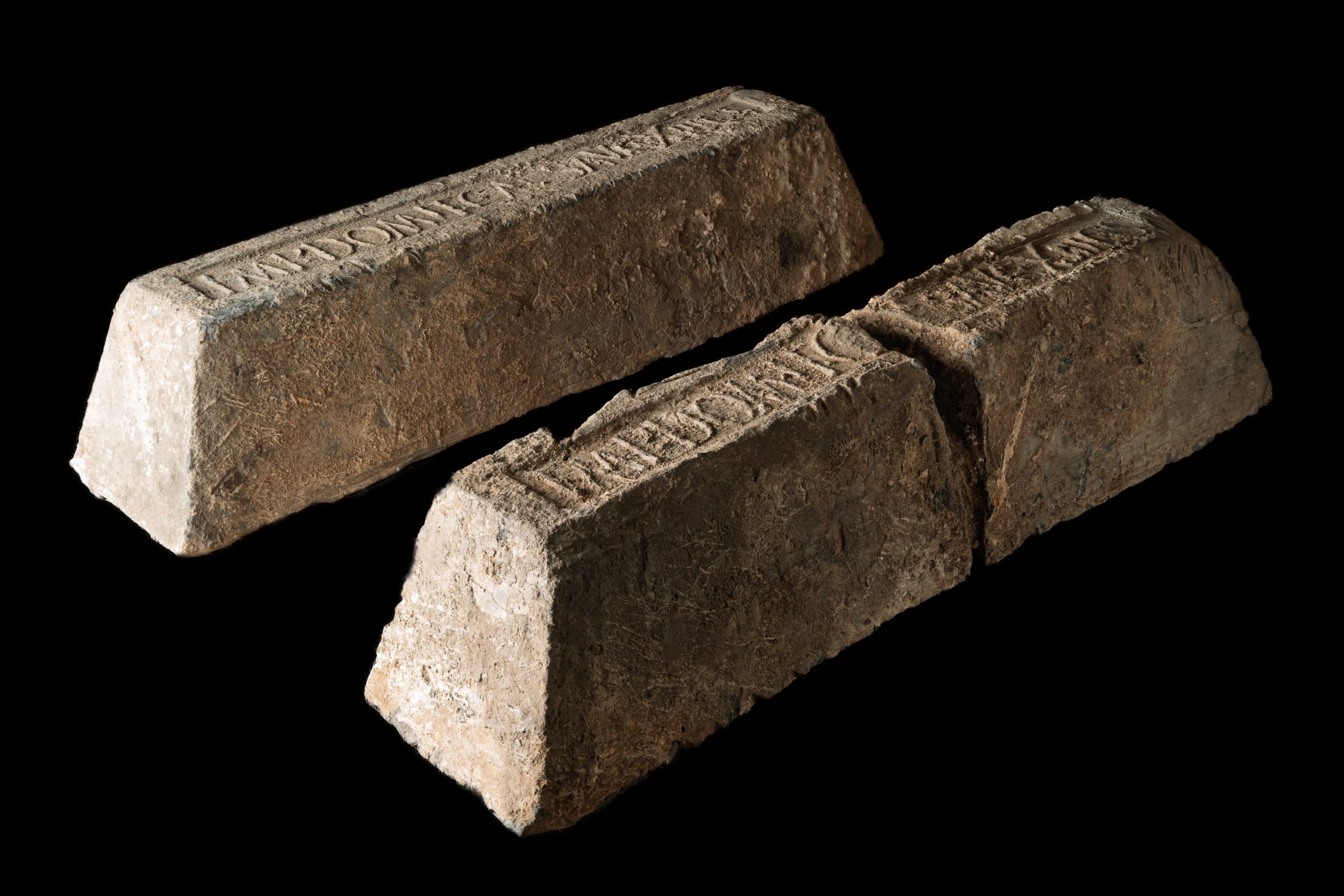
Metal detectorists Nick Yallope and Peter Nicolas discovered two rare Roman lead ingots, or 'pigs,' in the community of Llangynfelyn, West Wales. Dated precisely to 87 C.E. during the reign of Emperor Domitian, the artifacts were found buried approximately 1.5 feet underground. Following a geophysical survey by the archaeology trust Heneb, the finds were officially declared treasure under the U.K.’s Treasure Act, marking a significant addition to the region's archaeological record.

house of griffins ancient rome restoration 2737121

The House of Griffins, an ancient Roman residence on Rome's Palatine Hill dating back to the 2nd and 1st centuries B.C.E., is opening to the public on March 3 after a major restoration. Discovered by archaeologist Giacomo Boni in the 19th century, the domus features vivid frescoes, mosaic floors, and a stucco lunette with griffins. The Colosseum Archaeological Park led the restoration in 2024, reinforcing structural integrity and conserving wall paintings. Visitors cannot access the underground chambers directly; instead, they will experience a real-time, remote tour via a livestream narrated by a guide with a video camera.

ancient egyptian pleasure boat portus magnus 2725487

Underwater archaeologist Franck Goddio and his Institut Européen d’Archéologie Sous-Marine (IEASM) team have discovered the remains of a 35-meter-long ancient Egyptian pleasure boat, known as a thalamagos, in the submerged Portus Magnus off Alexandria’s harbor. The 28-meter preserved timbers, found seven meters underwater and buried under sediment, represent the first physical evidence of such vessels, previously known only from ancient texts like Strabo's Geography and the Nile mosaic at Palestrina. The ship, built in Alexandria and propelled by oars, features a central pavilion and Greek graffiti from the 1st century C.E., and may have sunk around 50 C.E. during the destruction of the temple of Isis on Antirhodos Island.

faberge winter egg christies auction 2696283

A rare Fabergé Imperial egg, the Winter Egg, sold for £22.8 million ($30.2 million) at Christie’s London on December 2, 2025, setting a new world auction record for any Fabergé work. The egg was a 1913 Easter gift from Tsar Nicholas II to his mother, Maria Feodorovna, and was designed by Alma Pihl, one of the few women working in Fabergé’s St. Petersburg workshops. It had previously sold at Christie’s in 1994 and 2002, each time setting records.

Lebanon appeals to Unesco to intervene amid fears protected citadel has been destroyed

Lebanon’s Ministry of Culture has filed an urgent complaint with Unesco following reports that Israeli military forces destroyed the 12th-century Chama’ Citadel in southern Lebanon. The site, a Crusader-era fortress, had recently been granted "enhanced protection" status under the 1954 Hague Convention, a designation intended to shield it from military targeting. Lebanese authorities are currently unable to access the site due to ongoing military occupation and have requested that Unesco utilize satellite imagery to verify the extent of the demolition.

Barcelona museum refuses to return Sijena murals to monastery

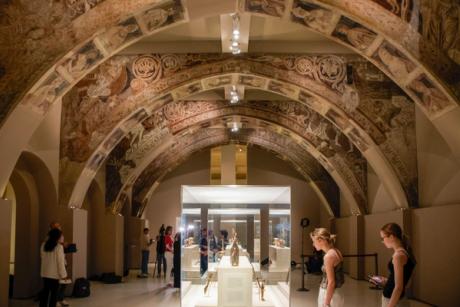
The Museu Nacional d’Art de Catalunya (MNAC) in Barcelona is refusing to comply with a Spanish Supreme Court order to return the 12th-century Sijena murals to their original monastery in Aragón. Tensions escalated after the museum hosted a listening party for pop star Rosalía in the same hall where the Romanesque masterpieces are housed, leading to accusations from the municipality of Villanueva de Sijena that the museum is endangering the fragile works. MNAC director Pepe Serra has dismissed these concerns as scientifically unfounded, sparking threats of a defamation lawsuit from local officials.

Dutch Museum Discovers 8-Inch Ancient Roman Phallus

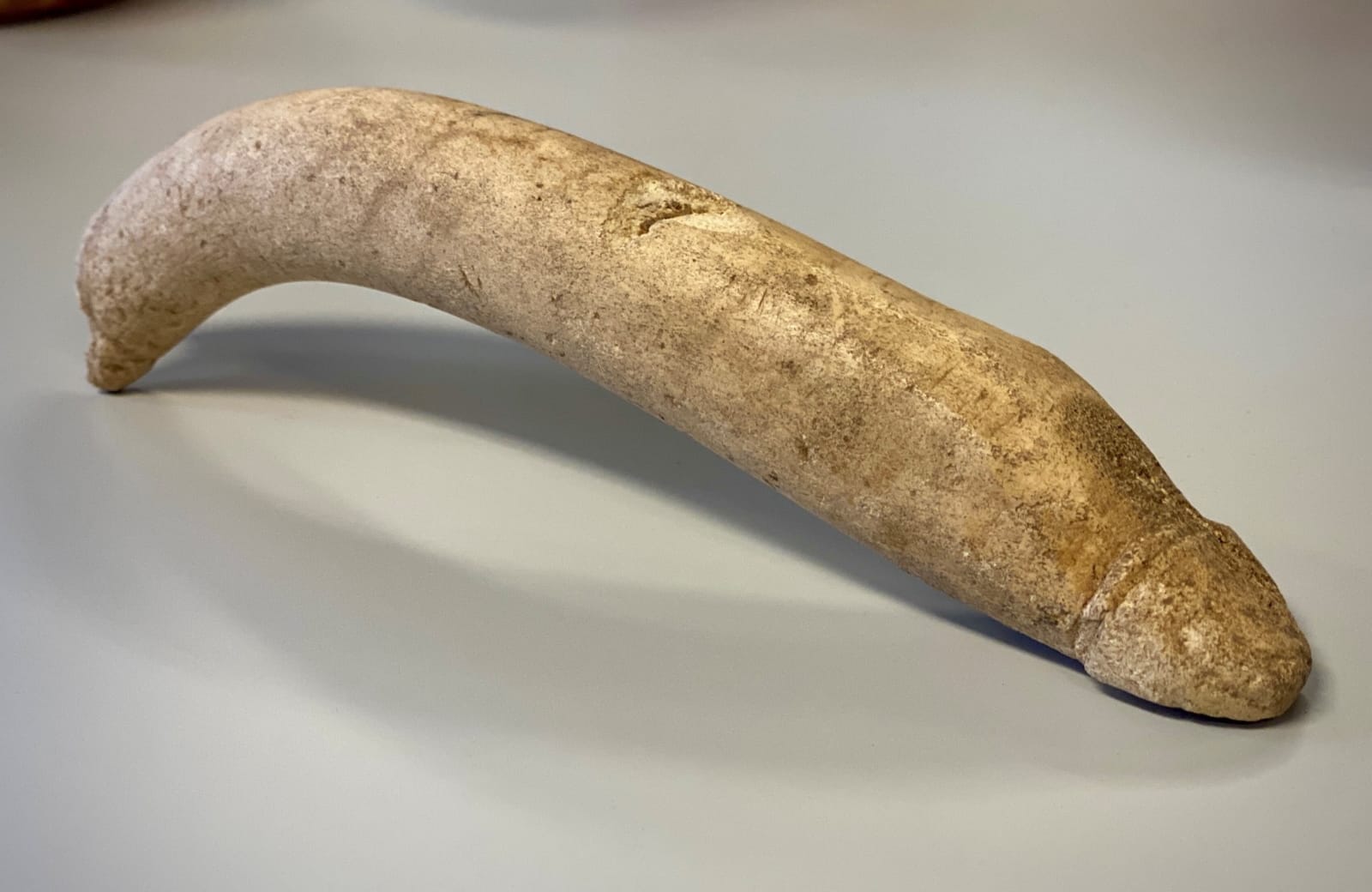
Archaeologists at the Valkhof Museum in Nijmegen discovered a rare, eight-inch Ancient Roman phallus carved from bone while cataloging a massive backlog of 16,000 archaeological boxes. The artifact was found alongside high-quality Roman tableware during an €8 million government-funded inventory project aimed at processing collections from defunct storage depots in the province of Gelderland.

A View From the Easel

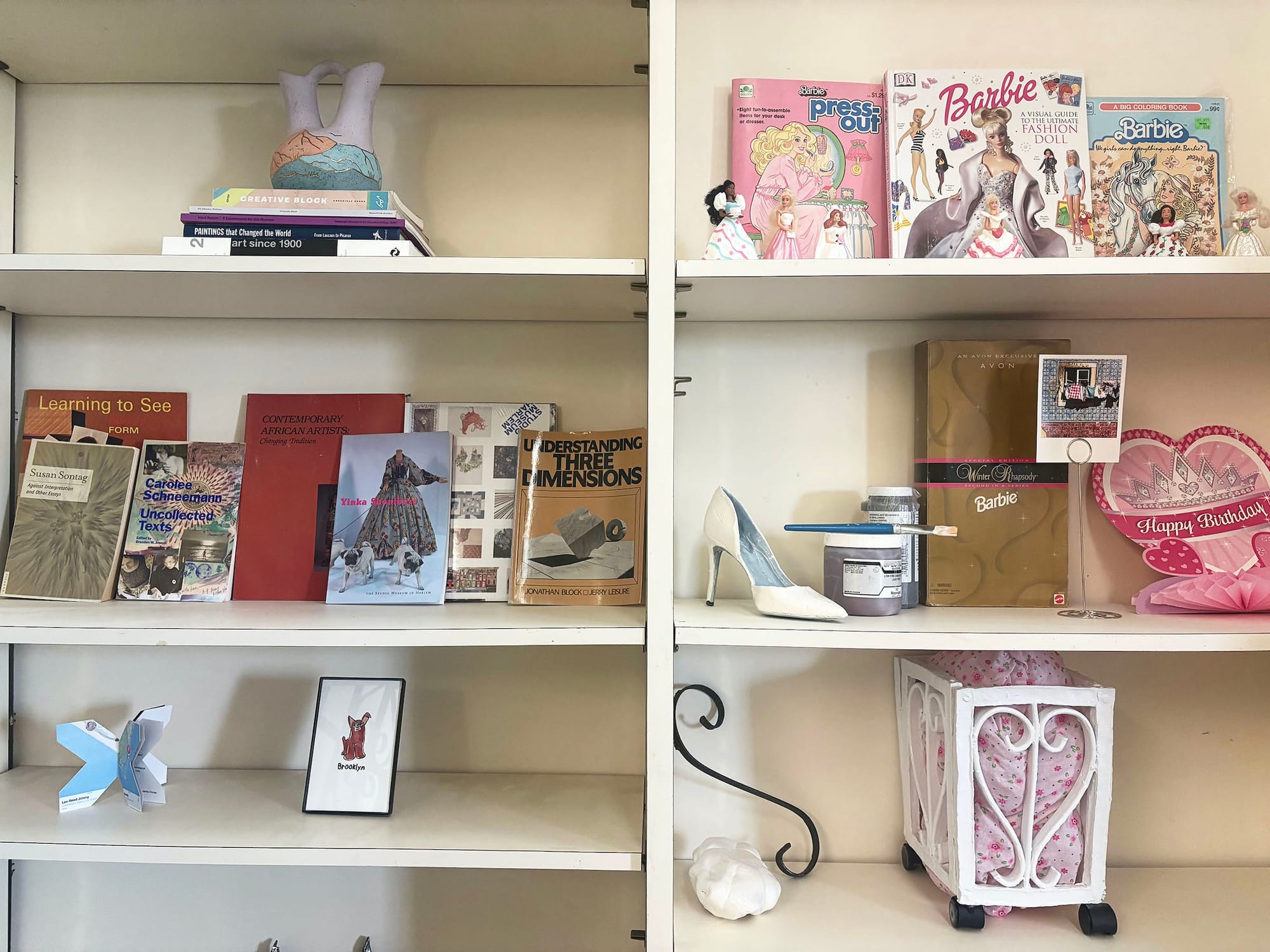
Hyperallergic's ongoing series "A View From the Easel" features two artists describing their unconventional studio practices. Georgina Arroyo works in a shared academic space at Purchase College, compartmentalizing her process-intensive mold-making and casting work around her job schedule. Linda Jacobson, based in her Venice, California studio for 17 years, works on multiple pieces simultaneously, currently focusing on a large commissioned painting.

How Much Did It Cost to Paint a Pompeii Room Egyptian Blue?

How Much Did It Cost to Paint a Pompeii Room Egyptian Blue?

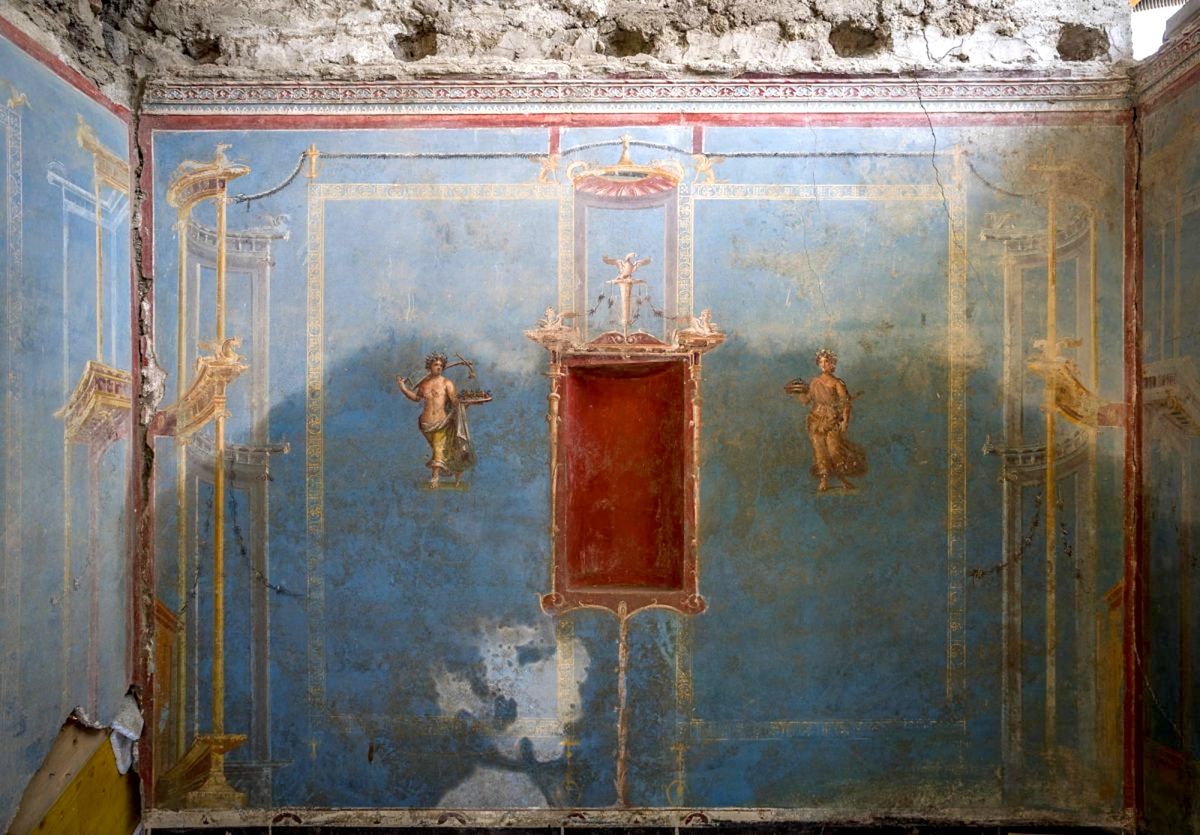
A new study has calculated the staggering cost of painting a room in Pompeii with Egyptian blue pigment. Researchers determined that covering the walls of a recently discovered "Blue Room," a sacred shrine, would have required between 2.7 and 4.9 kilograms of the prized synthetic pigment. Based on prices recorded by Pliny the Elder, this quantity of high-grade pigment would have cost between 50% and 90% of a Roman legionary's annual salary, highlighting it as an extreme luxury.

archeologists uncover frescoes villa di poppea 1234768549

Archeologists have uncovered frescoes in the Hall of the Mask and the Peacock at the Villa di Poppaea in Oplontis, near Naples, as part of an ongoing excavation and renovation project led by the Archaeological Park of Pompeii. The newly revealed Second Style frescoes feature vibrant peacocks and masks, including a complete peahen and a stage mask from Atellan Comedy, and have clarified the hall's true dimensions and decorative richness. The team also identified the locations of garden trees using a casting technique and discovered four new rooms, bringing the villa's total to 103 rooms.

hard truths curator invisibility 1234760488

The article, presented as an advice column by consultants Chen & Lampert in ARTnews, addresses two anonymous letters from art-world professionals. The first letter is from a curator at a major museum who feels underpaid, invisible, and constrained by an ethics policy that prevents freelance work, while colleagues at smaller institutions enjoy more freedom. The second letter is from a veteran graphic designer and illustrator, active since the 1960s, who laments losing commercial clients to younger, cheaper talent using AI and smartphones. The consultants respond with sharp, critical advice: they tell the curator to consider collective action with colleagues to push for institutional reform, and advise the designer to leverage their legacy and experience rather than accept obsolescence.

A Design Industry Powerhouse Pivots to Open a New York City Gallery

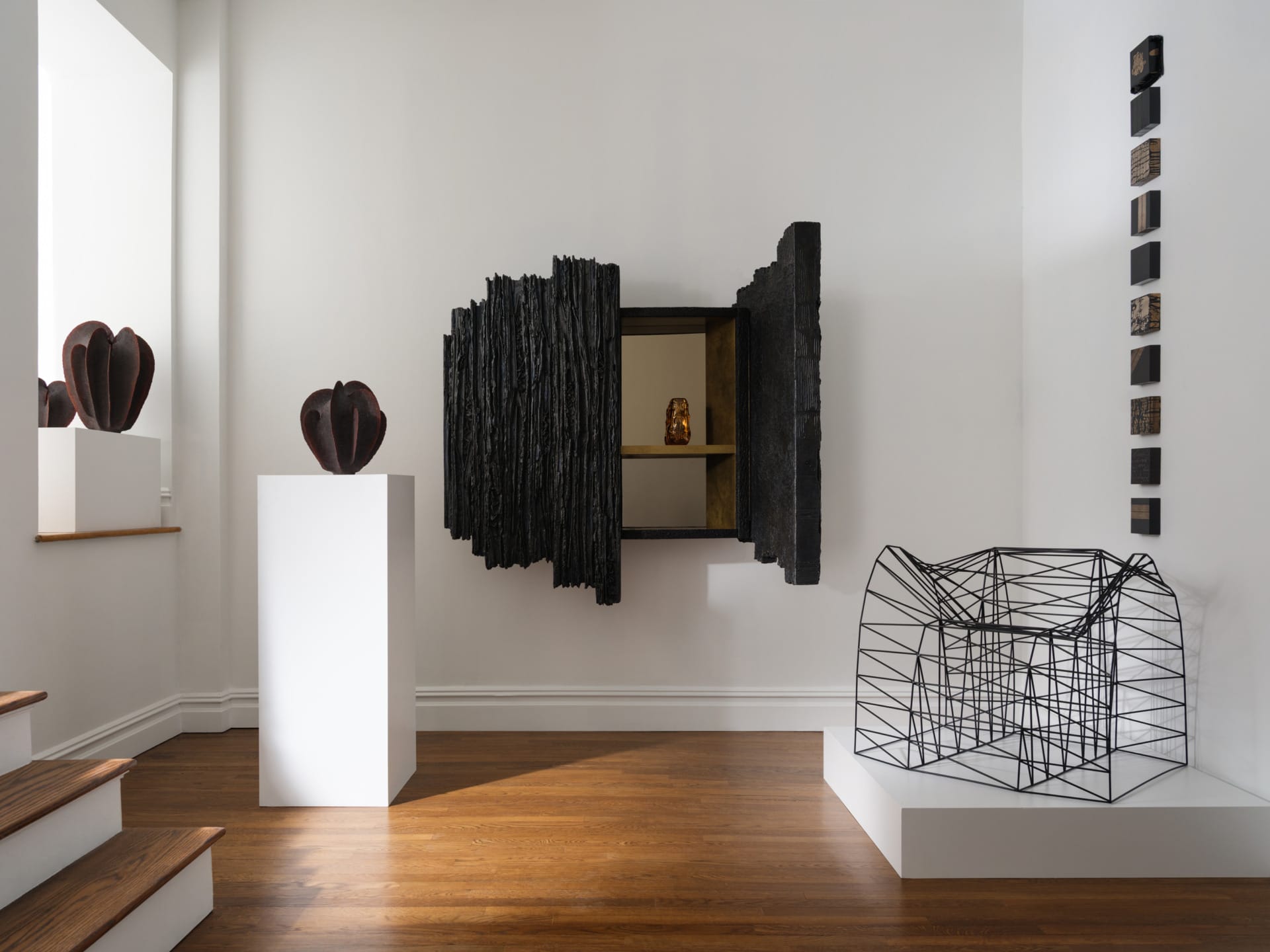
Michael McGraw, a prominent figure in the design public relations world, is opening a new gallery called Dernier Cri on New York's Upper East Side. The space debuts on January 29, 2026, with an exhibition titled "Night Shift," featuring sculptural works by artists including Julian Mayor, Casey Johnson, Todd Marshard, Jessie Nelson, and Marit Harte, all rendered in a single black palette. McGraw, who has spent years shaping narratives for design studios and brands, describes the gallery as a physical extension of his work as a design publicist, aiming to showcase compelling art and design that inspires interior designers.

Illustration Major Justine Massabny Thrives as Education & Design Intern at the Montclair Art Museum

Illustration major Justine Massabny has gained extensive professional experience at the Montclair Art Museum (MAM) through a series of roles including Education Intern, SummerArt Associate, and currently Education Design Intern. She led the redesign of the Family Learning Lab in conjunction with exhibitions featuring Tom Nussbaum and Christine Romanell, managed the project from concept to completion, and assisted with installation of educational vinyls. Her work also includes designing educational materials, supporting events like exhibition openings and docent training, leading gallery tours, and exhibiting her own artwork in MAM's Summer Staff Gallery. She discovered the internship through Handshake, supported by Montclair State University's partnership with MAM.

Long-running Azores art festival blossoms into a biennial

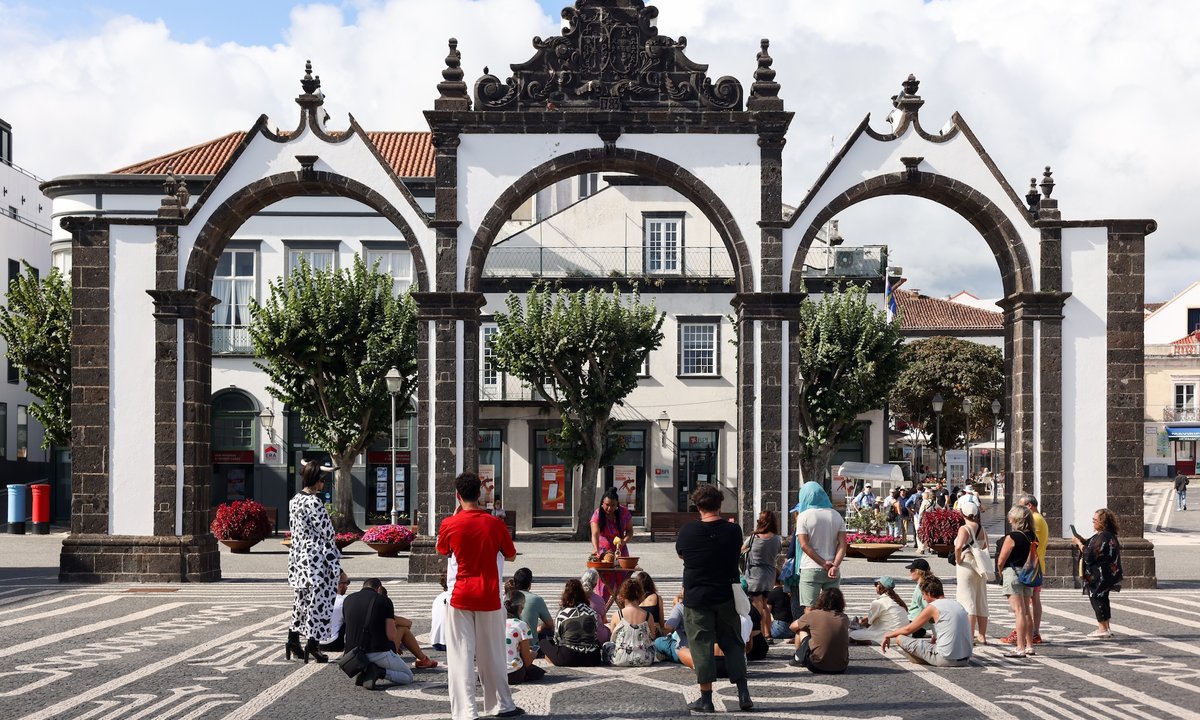
The Walk&Talk arts festival on São Miguel, the largest island in the Azores archipelago, has formally transitioned from an annual summer street art celebration into a biennial, running until 30 November with over 80 artists. Founded in 2011 by curator Jesse James, the event now features exhibitions, performances, excursions, talks, and educational programming across nine venues, including historic and architecturally significant sites such as Museu Carlos Machado and a former distillery turned contemporary art museum. The shift to autumn allows local school groups to participate, and the inaugural biennial is co-curated by Fatima Bintou Rassoul Sy, Liliana Coutinho, and Claire Shea under the theme "Gestures of Abundance."

roman medusa cameo hallstatt 2725536

A rare ancient Roman cameo relief depicting the gorgon Medusa was discovered by construction workers during excavation work for a new funicular railway in Hallstatt, Austria. The 1.5-cm banded agate piece, dated to the 2nd century C.E., was likely crafted in a northern Adriatic workshop and worn as a necklace by an elite Roman woman. It will become part of the permanent collection at Austria's Linz Castle Museum.

The Shape of Today - Romanian Contemporary Art

Ans Azura is hosting a major auction in Bucharest titled "The Shape of Today," featuring a curated selection of Romanian contemporary and modern art. The sale spans generations, from historical avant-garde masters like Marcel Iancu and Victor Brauner to global contemporary stars like Adrian Ghenie. The collection explores how Romanian artists have navigated identity, language, and resistance through various political and cultural shifts over the last century.

Joan Miro, Tamara de Lempicka shows headline 31 exhibitions at local museums in December

Southwest Florida museums are hosting 31 exhibitions in December, including three new openings and two closings. Highlights include "Art Deco: The Golden Age of Illustration" at Sarasota Art Museum, featuring 100 rare posters from the Crouse Collection celebrating the Art Deco centennial; "Selina Roman: Abstract Corpulence," a photo-based installation exploring body politics and femininity; and Molly Hatch's site-specific ceramic installation "Amalgam" (2023-24), commissioned for the museum's "Inside Out" program. Other venues from Sarasota to Naples continue ongoing shows from their permanent collections and traveling exhibitions.

Museum of Whimsy set to reopen during a month of stellar local exhibitions

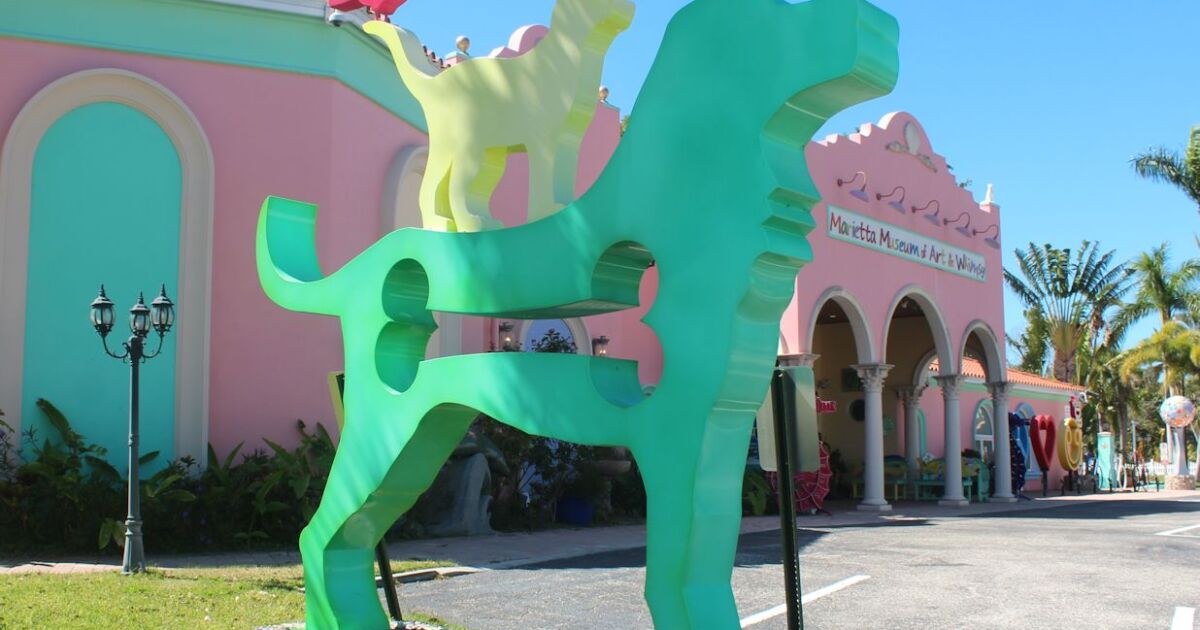
Southwest Florida museums are hosting a busy month of exhibitions in November, with four new shows opening, two closing, and 23 continuing. At the Sarasota Art Museum, highlights include "Art Deco: The Golden Age of Illustration," featuring 100 rare posters from the Crouse Collection by master graphic designers of the 1920s and 1930s, alongside sculptural works and Art Deco furniture. Also on view is "Selina Roman: Abstract Corpulence," a photography and abstraction series exploring beauty and body politics, and "Molly Hatch: Amalgam," a site-specific installation of over 450 hand-painted earthenware plates commissioned through the museum's Inside Out Program. The Museum of Whimsy is also set to reopen during this period.

Gold Romanian Helmet Recovered After Explosive Heist at Dutch Museum

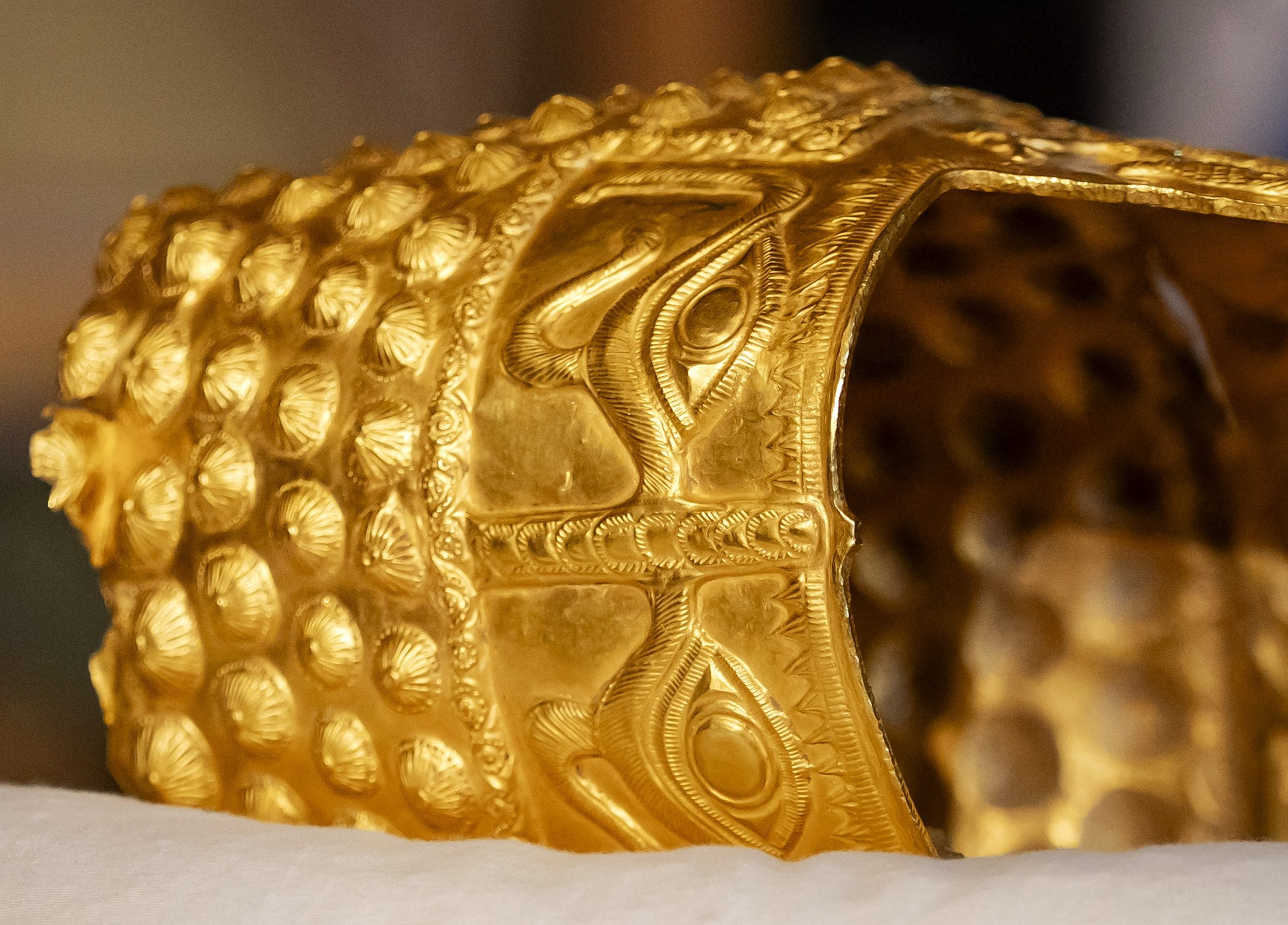
Dutch police have recovered a 2,500-year-old gold Dacian helmet and two of three gold bracelets stolen in a 2025 museum heist. The artifacts were returned as part of a plea deal with suspects, who were offered reduced sentences and a cash enticement to reveal their location.

Mexican Artist Alleges Plagiarism of Femicide Project

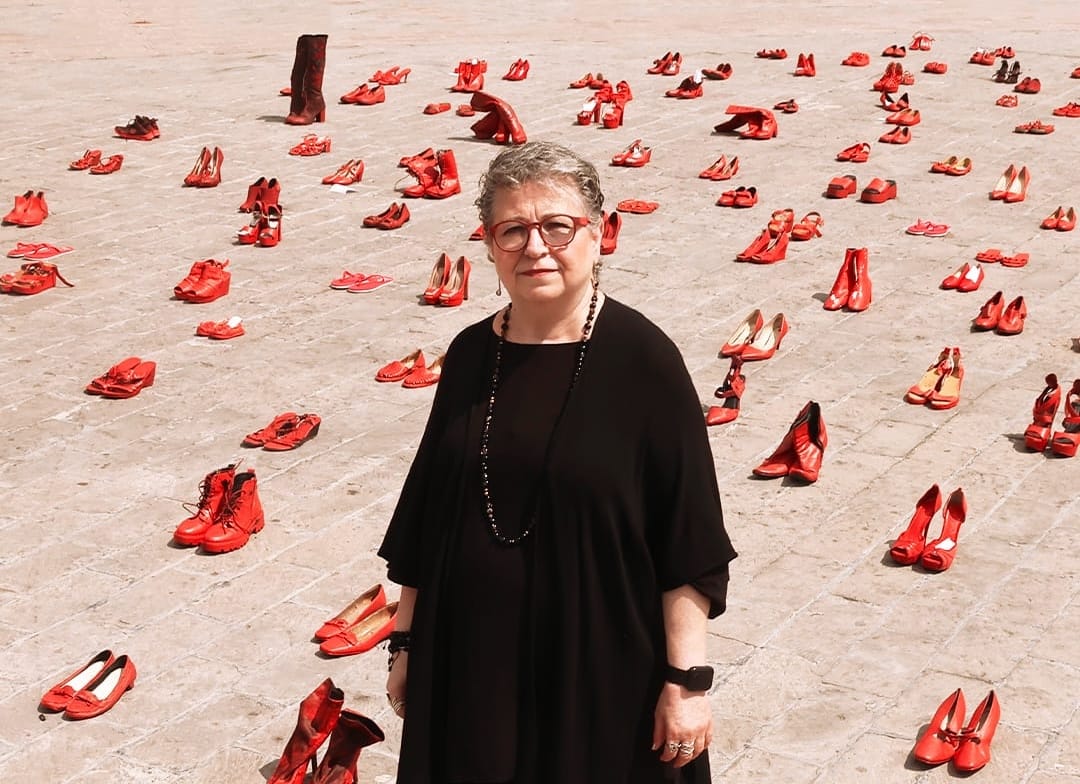
Mexican artist Elina Chauvet has accused Romanian news anchor Alessandra Stoicescu of plagiarizing her famous installation, "Zapatos Rojos" (Red Shoes). The dispute arose after Stoicescu organized a public intervention titled "Dragostea poartă pantofii roșii" outside the Romanian Athenaeum to mark new femicide legislation, featuring hundreds of red shoes in a manner nearly identical to Chauvet’s long-running global project. Chauvet claims this is the second time Stoicescu has co-opted her work without authorization or credit, following a similar incident in 2018.

Restoration of L’Aquila’s Teatro San Filippo, Damaged by Earthquake, Concludes After 17-Year Closure

Si conclude all’Aquila il recupero del Teatro San Filippo danneggiato dal terremoto. Era chiuso da 17 anni

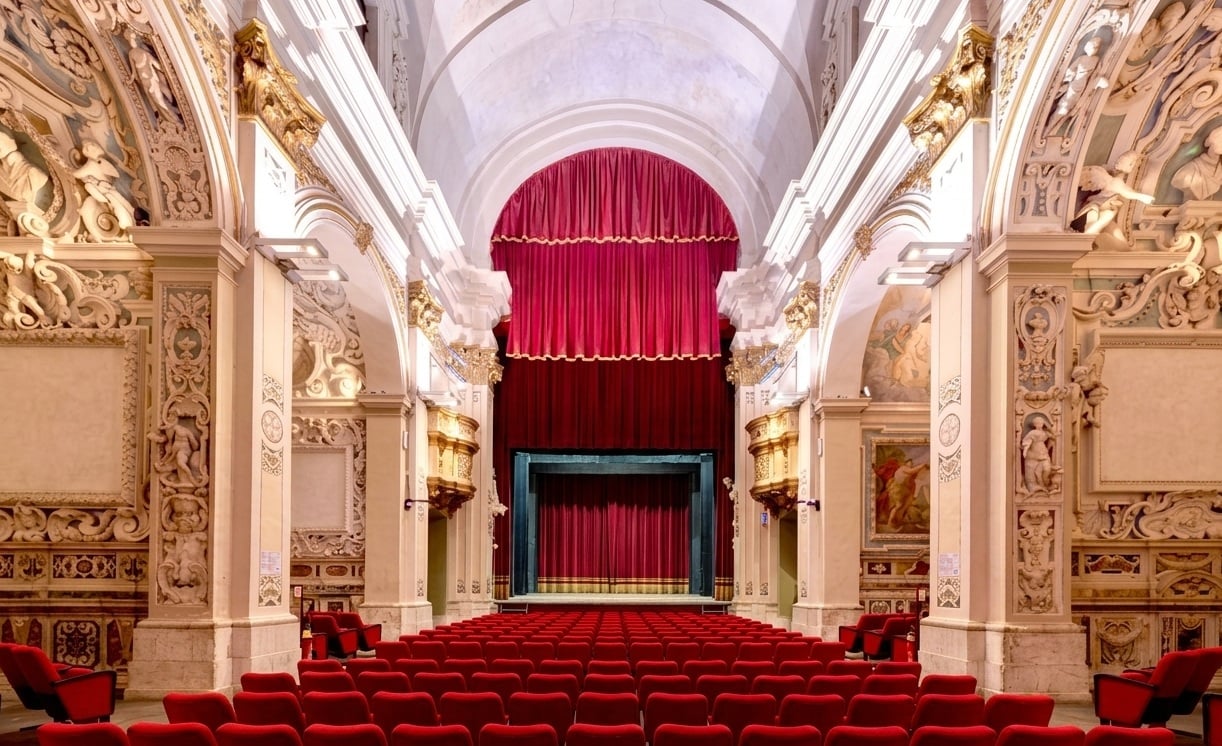
The Teatro San Filippo in L’Aquila has officially completed a comprehensive restoration process after being shuttered for 17 years due to the devastating 2009 earthquake. The reopening ceremony, attended by Italian Minister of Culture Alessandro Giuli, marks the return of a historic site that originated as a 17th-century Baroque church before being converted into a theater and artistic hub in the 1970s. The project was funded through a combination of state resources and private donations, including significant contributions from the "Artisti Uniti per l’Abruzzo" initiative.

EducaImmagine returns to Rovereto: the festival on media use. The protagonists speak

A Rovereto torna EducaImmagine, il festival sull’uso dei media. Parlano i protagonisti

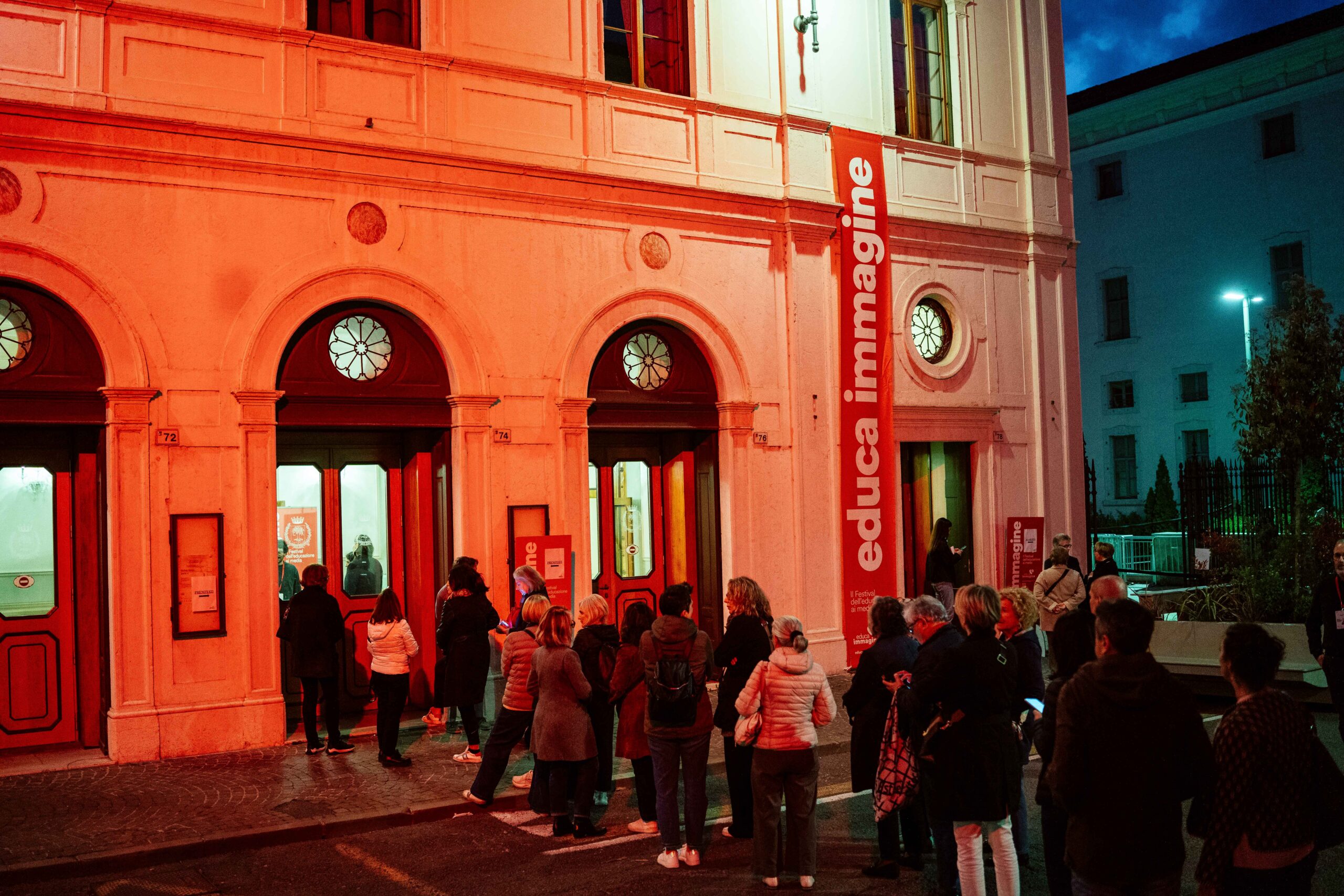
The EducaImmagine festival returns to Rovereto with its 2026 edition titled "Miraggi" (Mirages), focusing on the complex relationship between media consumption and the perception of reality. Led by artistic director Luca Ferrario, the event gathers a diverse group of experts—including artists, designers, psychologists, and content creators—to address the challenges of digital literacy and the potential for images to distort or amplify truth in the modern age.

The Forgotten of Art: The Story of Architect and Sculptor Pietro De Laurentiis

I dimenticati dell’arte. La storia dell’architetto e scultore Pietro De Laurentiis

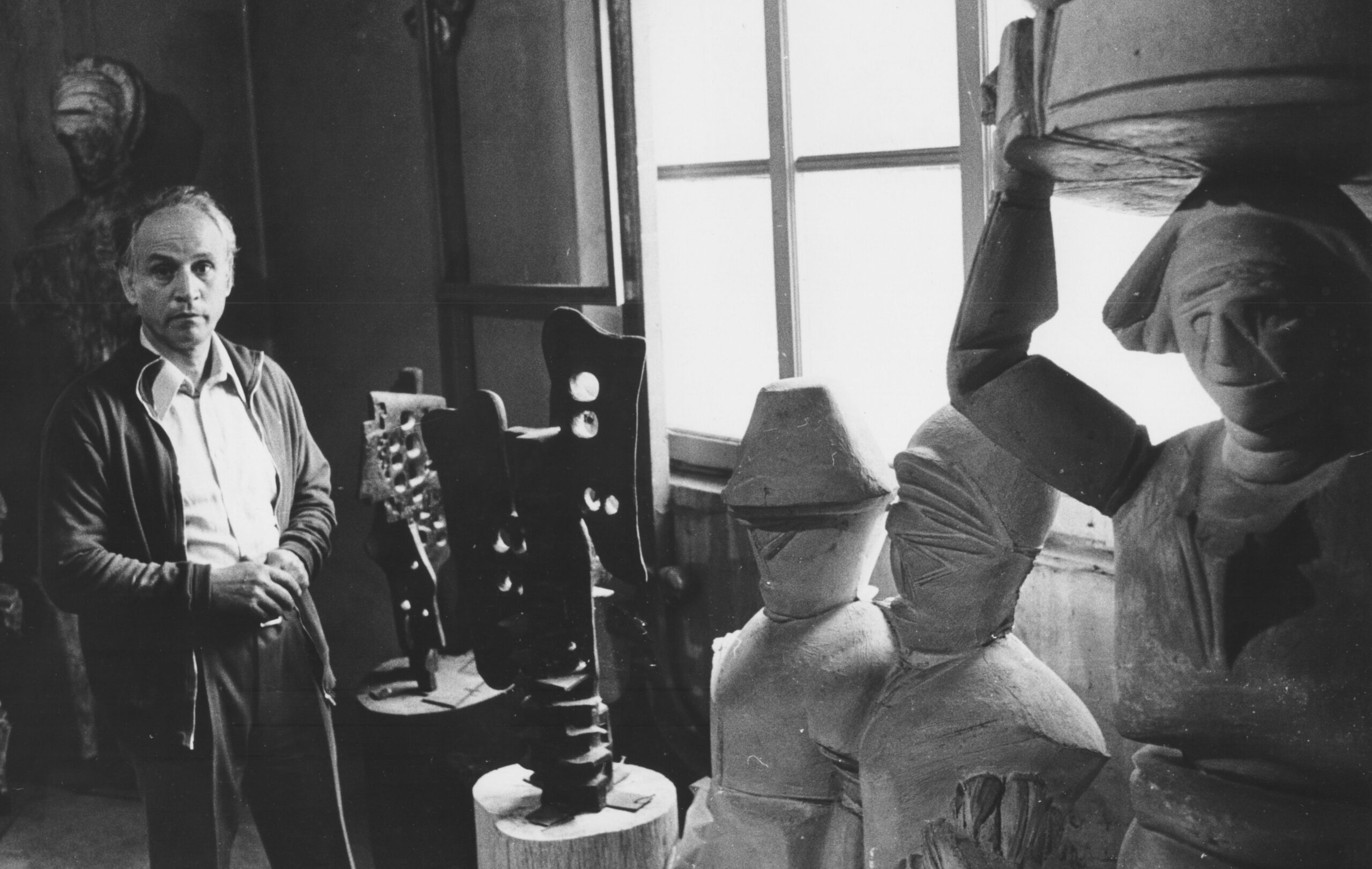
The life and legacy of Pietro De Laurentiis, a multifaceted Italian architect, sculptor, and cultural activist, are being rediscovered through a retrospective look at his prolific career. Born into a peasant family in Abruzzo, De Laurentiis rose to prominence in Rome's mid-century art scene, balancing a forty-year teaching career at the Faculty of Architecture with significant public commissions, including bronze panels for the ACEA headquarters and marble works for INPS. His artistic style evolved from rural-inspired figuration to a unique geometric abstraction that blended Cubism with folk traditions.

Archaeologists Discover 6,000-Year-Old ‘Megastructure’ in Romania

Archaeologists in northeastern Romania have unearthed a 6,000-year-old 'megastructure' at the Stăuceni-"Holm" site, attributed to the Cucuteni-Trypillia culture. Measuring approximately 350 square meters, the building is significantly larger than typical dwellings of the period and was strategically positioned near the settlement's entrance. The absence of domestic tools or ritual statuettes suggests the space served as a communal assembly hall or administrative center rather than a private residence.