filter_list Showing 189 results for "hyperallergic" close Clear
dashboard All 189 museum exhibitions 61article news 55rate_review review 27article culture 18candle obituary 12person people 4article policy 4trending_up market 4article local 3article event 1
date_range Range Today This Week This Month All
Subscribe

"Etwas zaghaft, etwas ängstlich, etwas sicher"

The article surveys recent art-world commentary, focusing on a critical review of the Turner Prize shortlist in The Guardian, where Eddy Frankel calls the selection "timid, anxious, safe" and laments a self-perpetuating, elitist system. It also covers a Hyperallergic essay by Lisa Siraganian questioning whether artworks can possess personhood, sparked by Pierre Huyghe's Venice exhibition. Additionally, it reports on controversy at the Venice Biennale, where the jury preemptively excluded countries whose leaders are sought by the International Criminal Court—namely Russia and Israel—drawing sharp criticism from Die Welt's Marcus Woeller. A podcast interview with US sculptor Alma Allen, selected for the US Pavilion, rounds out the coverage.
Israel Criticizes Venice Biennale Jury over Pavilion’s Exclusion

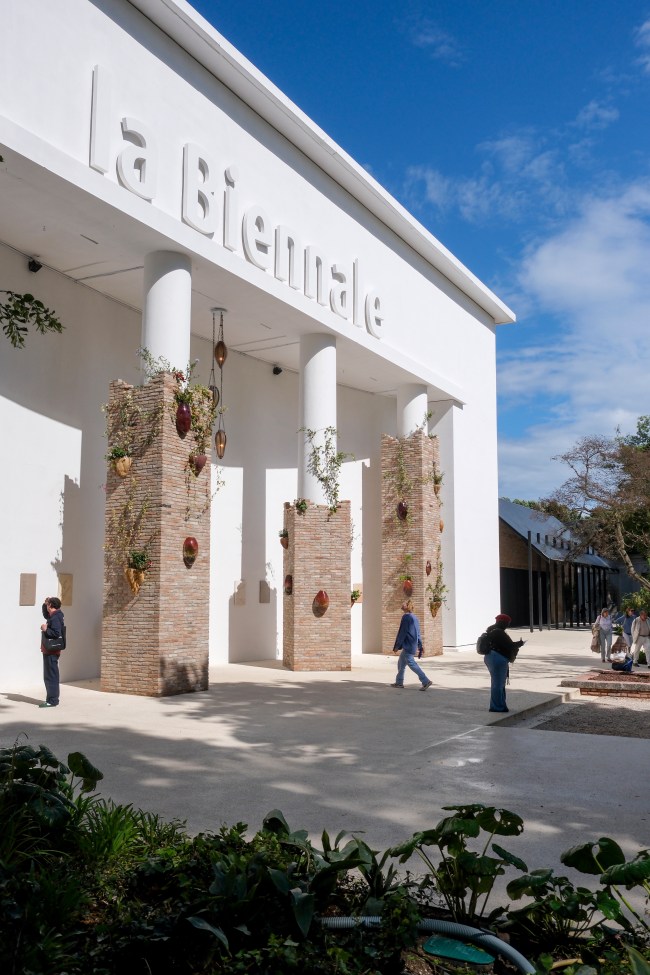
The international jury of the 61st Venice Biennale has excluded the Israeli and Russian pavilions from consideration for official prizes, citing that countries whose leaders are charged with crimes against humanity by the International Criminal Court will not be eligible. Israel’s foreign ministry condemned the decision as a political boycott, and Israeli representative Belu-Simion Fainaru called it a hostile act that exceeds the jury’s mandate. The Biennale’s president, Pietrangelo Buttafuoco, has distanced the institution from the jury’s action, insisting the exhibition remain open to all nations recognized by Italy.

Somali Cultural Organizations Unhappy With Somalia Pavilion at the Venice Biennale

Somali artists and cultural organizations are protesting the Somalia pavilion at the 2024 Venice Biennale, arguing it excludes artists based in Somalia and relies on diaspora figures and an Italian co-curator, which they view as colonial. The Somali Arts Foundation issued a statement condemning the lack of consultation, while the queer arts collective Warbixinta Cidda criticized the appointment of Italian curator Fabio Scrivanti. Somali American poet Ladan Osman boycotted the pavilion, calling it "anti-indigenous."

Ax Swings Following Artsy/Artnet Consolidation as Top Reporters Are Laid Off

Major layoffs have hit Artnet and Artsy following their consolidation under the UK-based investment firm Beowolff Capital. The staff reductions occurred just one day after the merger announcement and include the departure of veteran Artnet News reporters Sarah Cascone and Eileen Kinsella, who both served the publication for over a decade. As part of the restructuring, Artnet will also shutter its German entity, while Andrew Russeth has been tapped to serve as interim editor.

Smithsonian American Art Museum Names a New Director

Lynda Roscoe Hartigan has been appointed as the new director of the Smithsonian American Art Museum. She is a former chief curator of the museum and most recently served as executive director of the Peabody Essex Museum in Salem, Massachusetts.

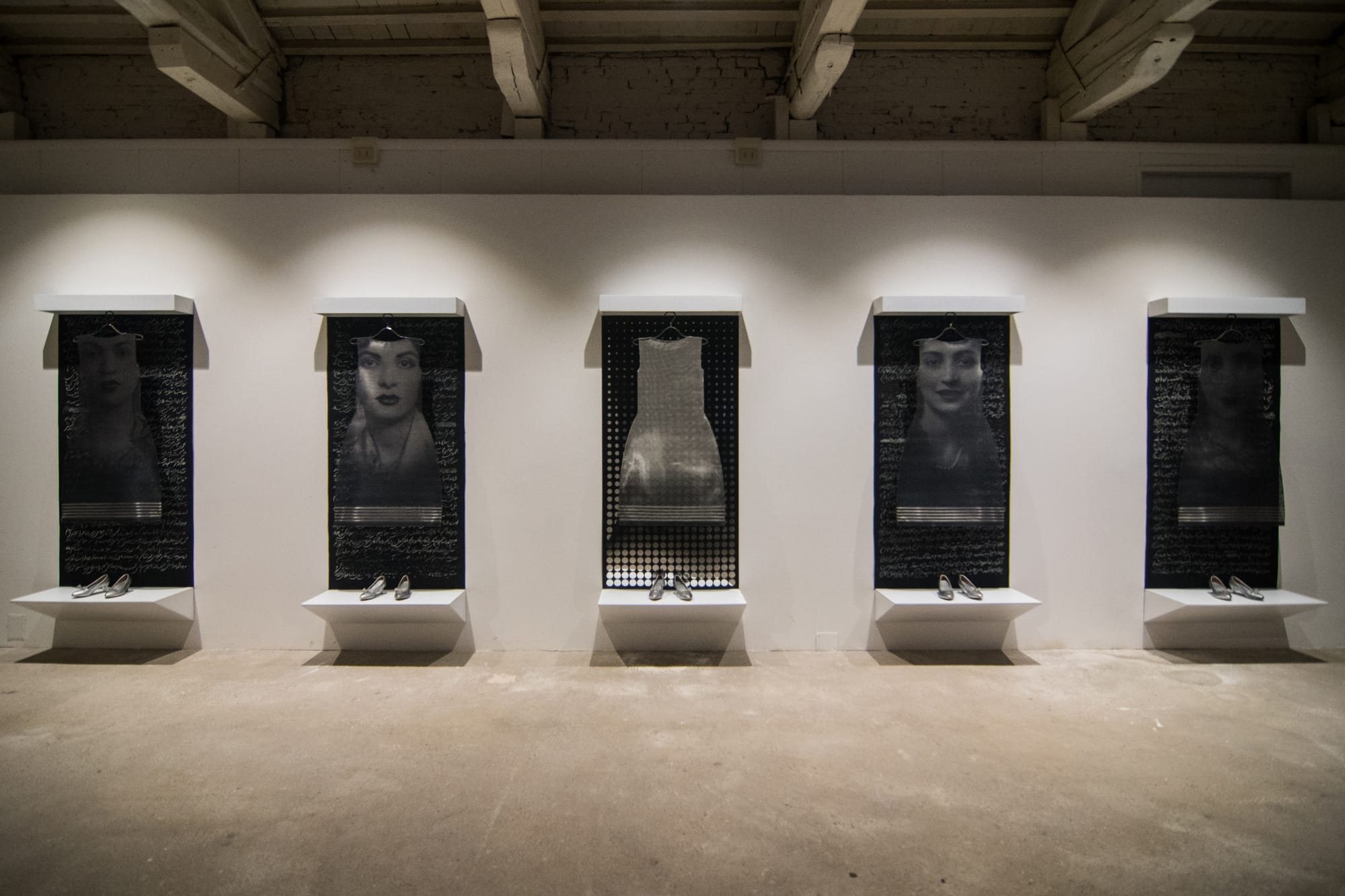
Iran Will Not Participate in Venice Biennale, Organizers Say

Iran will not participate in the 61st Venice Biennale, which opens for previews this week, the Biennale Foundation announced on May 4. The decision comes two months after the United States and Israel launched strikes across Iran, and amid renewed tensions along the Strait of Hormuz. The Iranian pavilion was to be commissioned by Aydin Mehdizadeh Tehrani, director general of the visual arts office in the Iranian Ministry of Culture. Iran has had inconsistent attendance at the Biennale since 1958, with a long absence between the 1960s and 2003, but has participated semi-consistently over the last two decades, most recently in 2024.

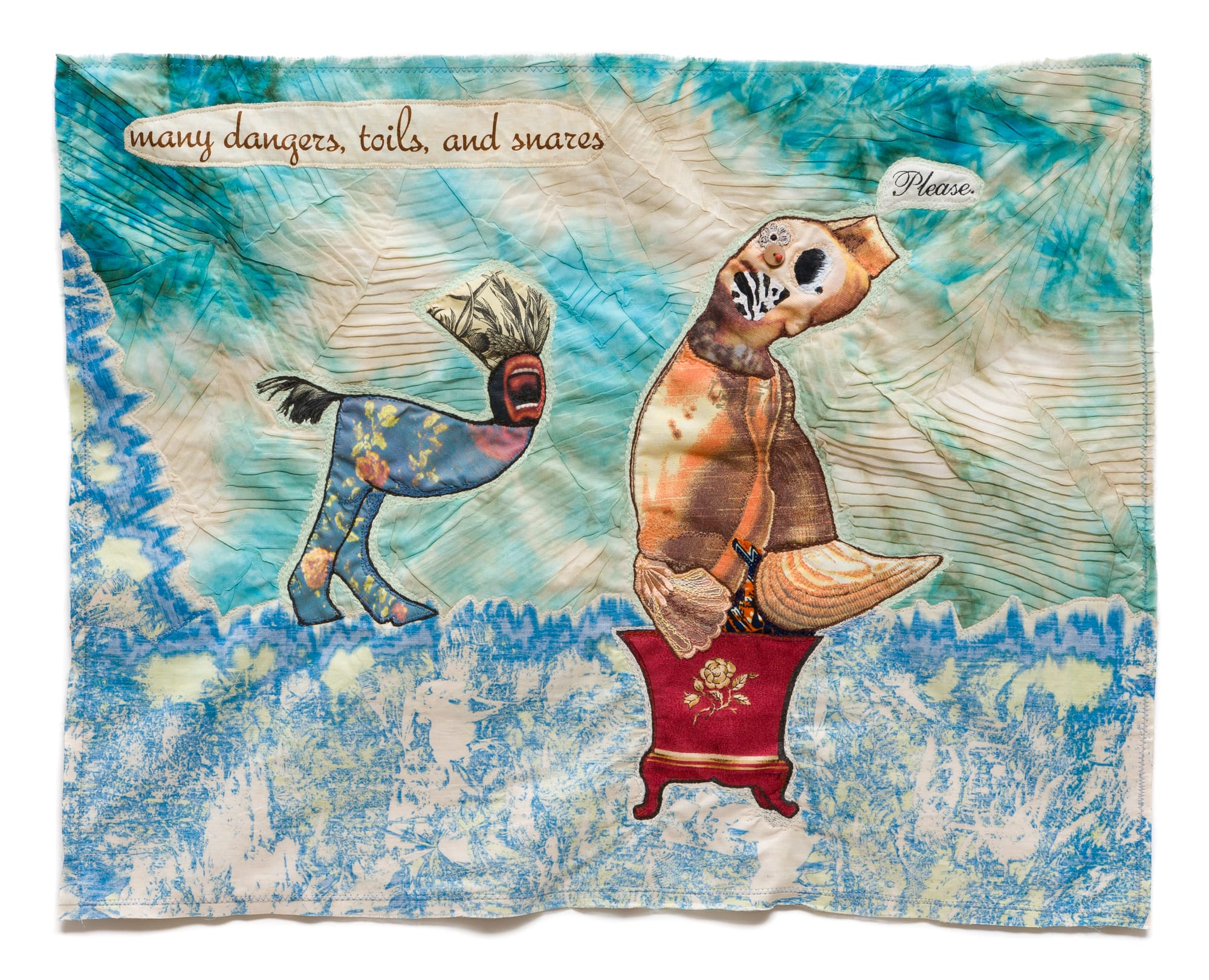
Lucid Perturbations: The Sewn Drawings and Books of China Marks

Zane Bennett Contemporary Art in Santa Fe, New Mexico, presents "Lucid Perturbations: The Sewn Drawings and Books of China Marks," the first major solo exhibition dedicated to the artist's sewn works. Featuring over 200 pieces from the last 23 years of Marks's practice, the show runs from May 15 to July 11 and includes pieces like "At the Winter Palace" (2018) and "Above and Below" (2022). Marks, who pivoted from painting to sewing at age 59 in 2000, creates fabric-based narrative tableaux that blend personal and political themes.

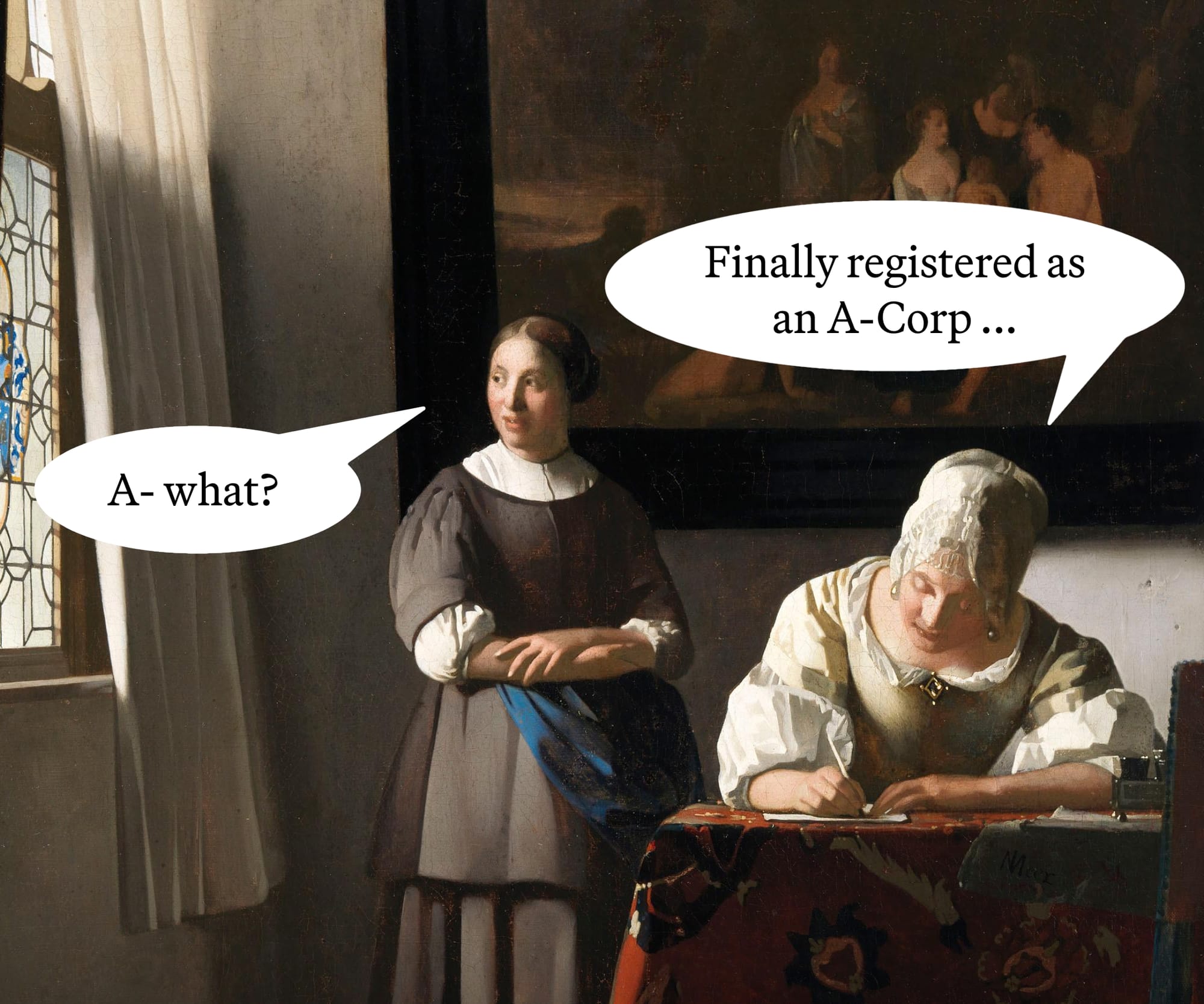
Art Problems: WTF Is an A-Corp?

The article explains the concept of an Artist Corporation (A-Corp), a new business structure for artists introduced in a bill before the Colorado state legislature, originally proposed by entrepreneur Yancey Strickler. It allows artists to form a legally recognized business entity without hiring a lawyer, simply by filling out a form, and provides liability protection by separating personal assets from business assets. The bill is expected to reach the governor's desk by mid-May and be enacted within six months, with five or six other states, including New York, expressing interest.

A View From the Easel

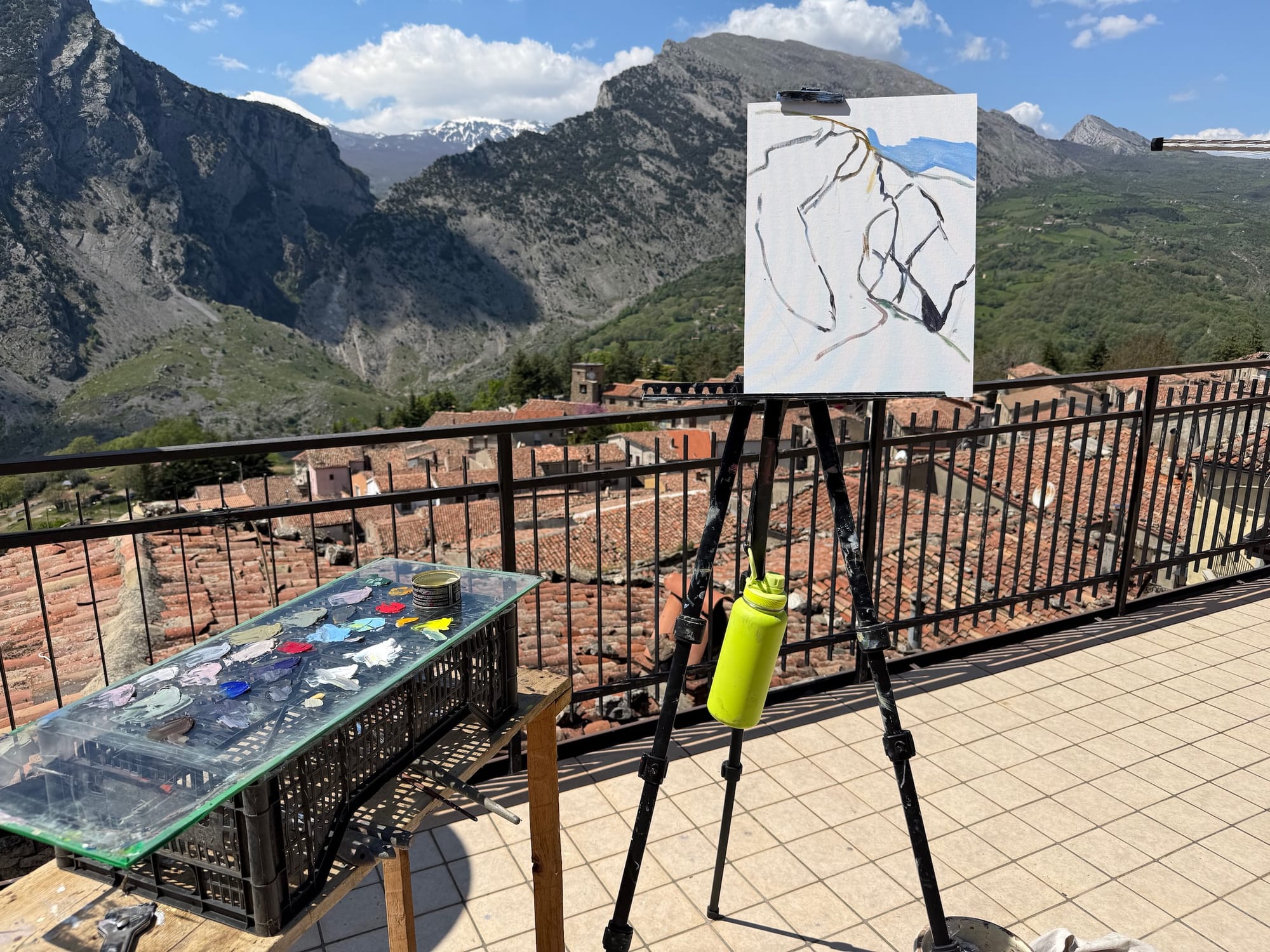
Brenda Zlamany returns to her ancestral village near Pollino National Park in Italy, where she paints in a converted sausage factory and grows her own olives. The 336th installment of Hyperallergic's 'A View From the Easel' series profiles her studio life in a remote, car-free village that her grandfather left as a cobbler 100 years ago.

The Death of the Art School

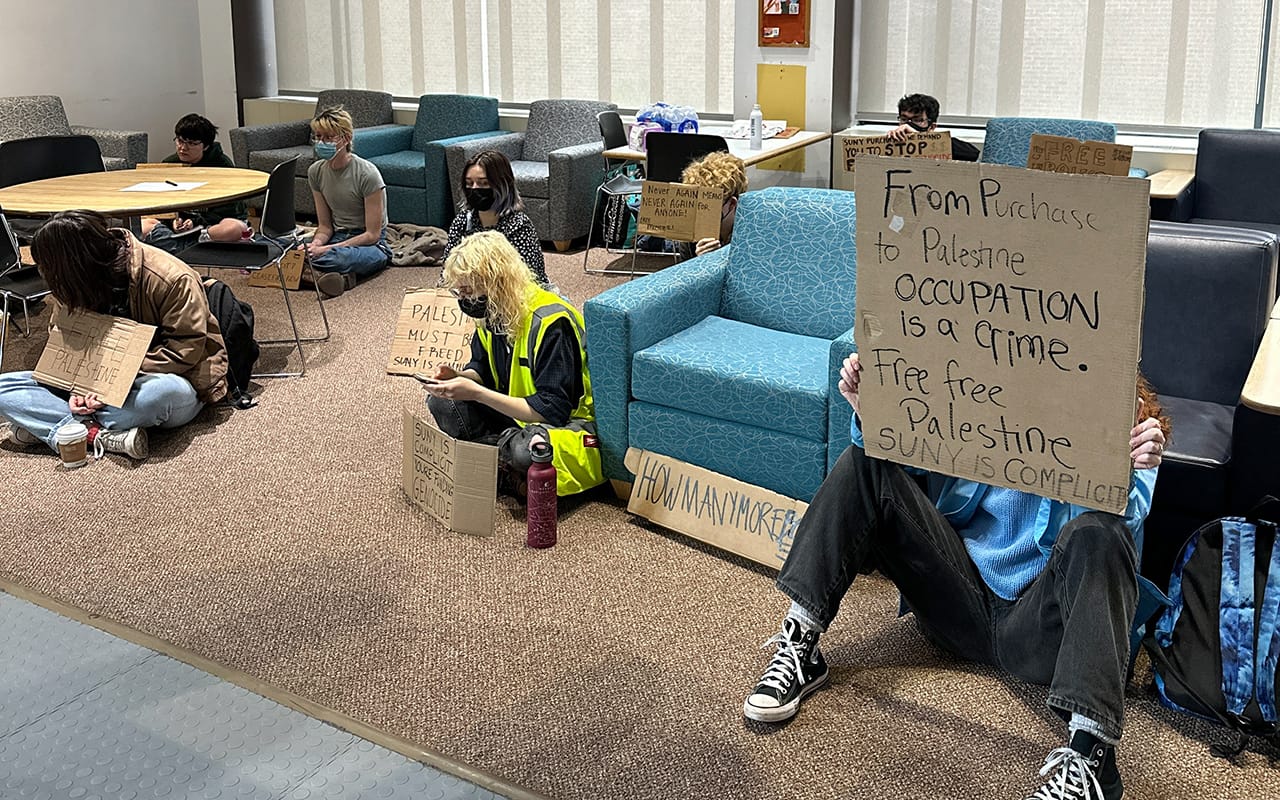
In a faculty meeting at Purchase College in New York, an administrator referred to students as "consumers," prompting the author to reflect on the pervasive corporatization and "administrification" of American higher education. The article argues that this language reflects a broader restructuring of universities as businesses, where students are customers, knowledge is a product, and faculty are service providers. It cites data showing that between 1976 and 2011, non-faculty professional positions grew by 369% while tenure-track faculty grew by only 23%, and at Purchase College, administrator salaries rose over 45% from 2016 to 2024 while assistant professor salaries rose just 14%, with inflation at 31%.

Required Reading

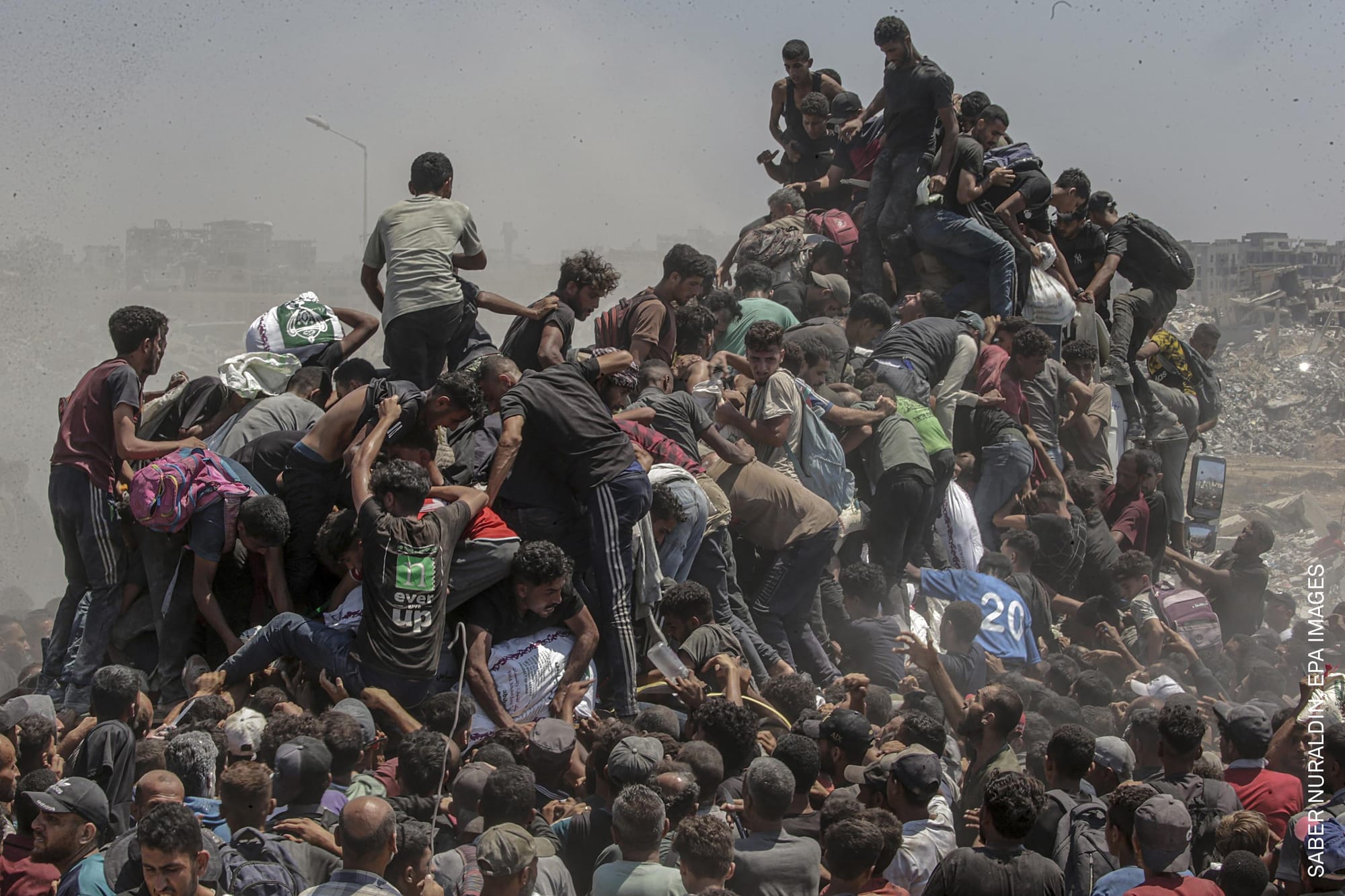
This week's Required Reading from Hyperallergic features a photo by Saber Nuraldin, a finalist for the World Press Photo of the Year, depicting Palestinians climbing an aid truck in Gaza during famine caused by Israel's blockade. The article also includes Elena Megalos's essay on the American Museum of Natural History as a site of motherhood, and reports on Meenu Batra, a legal interpreter arrested by ICE, and the New York Times blocking the Internet Archive from crawling its site.

At the Venice Biennale, protests, self-mutilation and rage against Israel and Russia. Is anyone left to talk about the art?

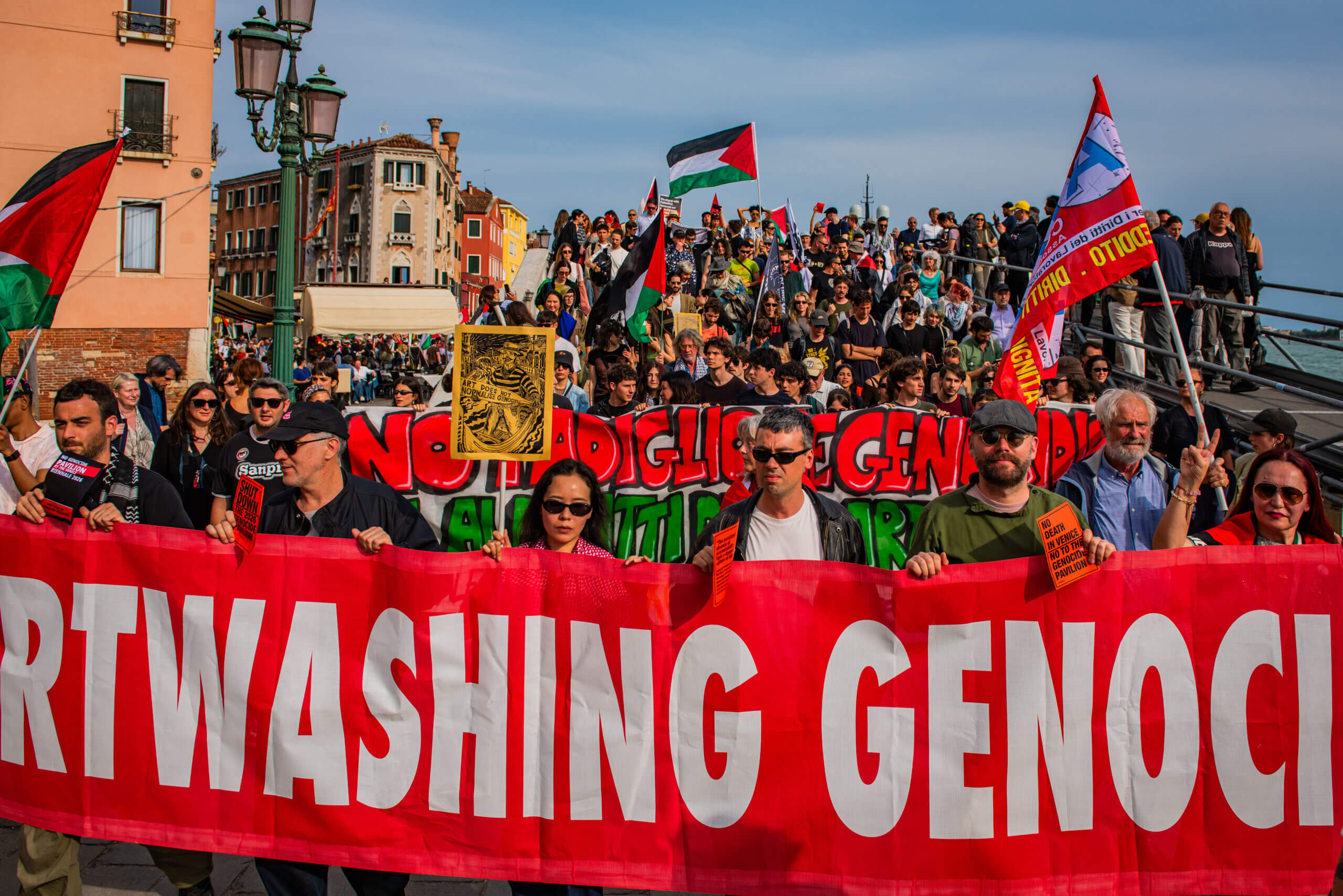
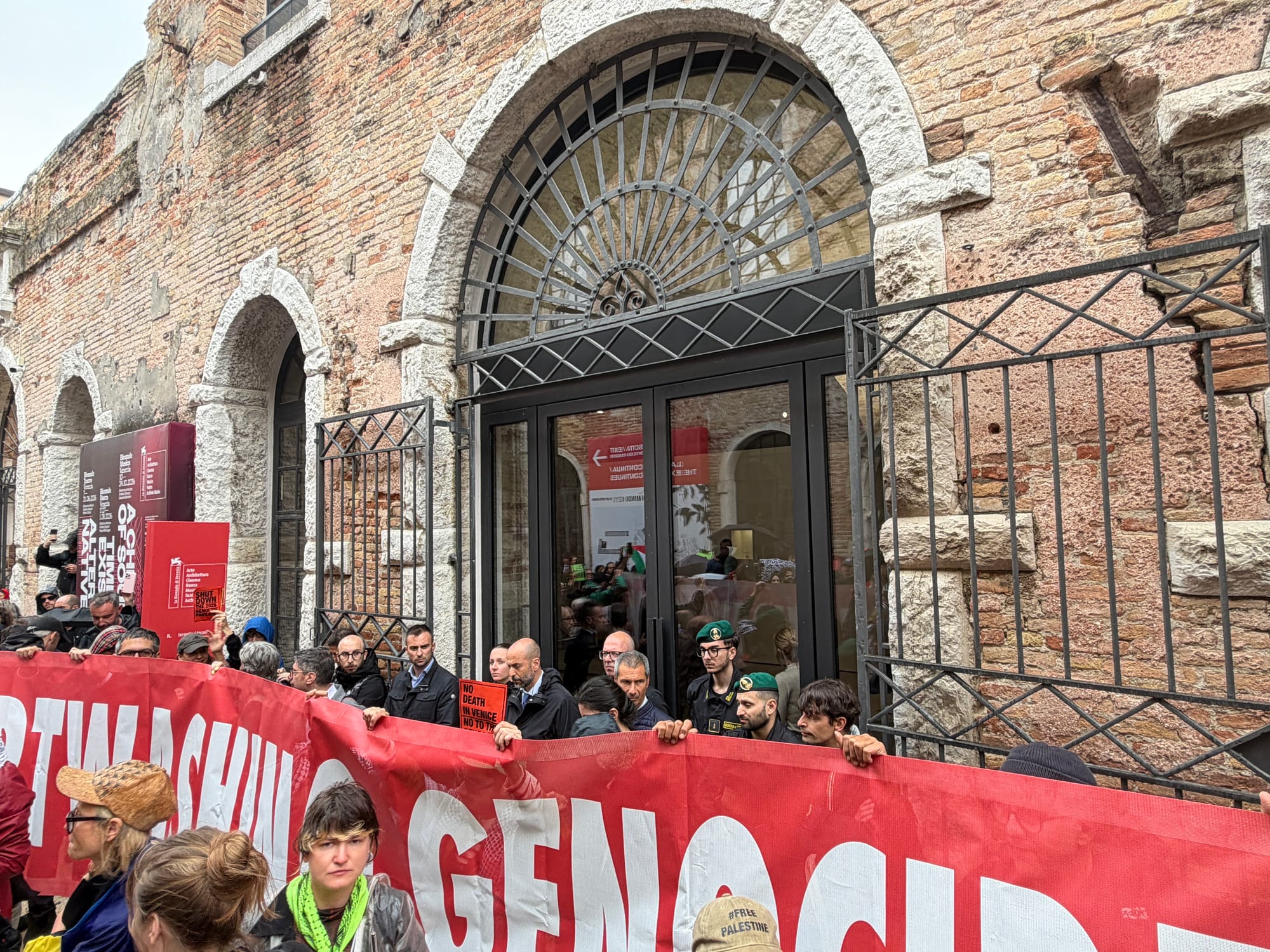
At the 61st Venice Biennale, protests and controversies have overshadowed the art itself. The Art Not Genocide Alliance (ANGA) demonstrated against the inclusion of Israel and Russia, while the Israeli Pavilion became a flashpoint. Artist Belu-Simion Fainaru, presenting his installation "Rose of Nothingness" in a temporary space, complained that he was forced to defend his art's right to exist amid questions about politics rather than his work. The Biennale also saw barricades, strikes, the resignation of the Golden Lion jury, Iran's last-minute withdrawal, and anger directed at the American pavilion over Trump administration policies. The central exhibition, "In Minor Keys," curated by the late Koyo Kouoh, was eclipsed by these events.

Israel’s Artist Reportedly Pressured Venice Biennale Before Jury’s Resignation

Artist Belu-Simion Fainaru, Israel’s representative at the Venice Biennale, reportedly pressured the exhibition’s organizers before the five-person jury abruptly resigned last week. The jury, tasked with selecting Golden Lion winners, had stated it would not consider nations charged with crimes against humanity by the International Criminal Court—applying to Israel and Russia. According to Italian news agency Adnkronos, Fainaru alleged “racial discrimination” and “antisemitism,” threatened to take his claims to the European Court of Human Rights, and the Biennale warned jury members they could be held personally liable for damages. Hyperallergic confirmed the threats of legal action, and a Biennale spokesperson acknowledged the reports were true.

Historic Monument Honors New York's First Arabic-Speaking Community

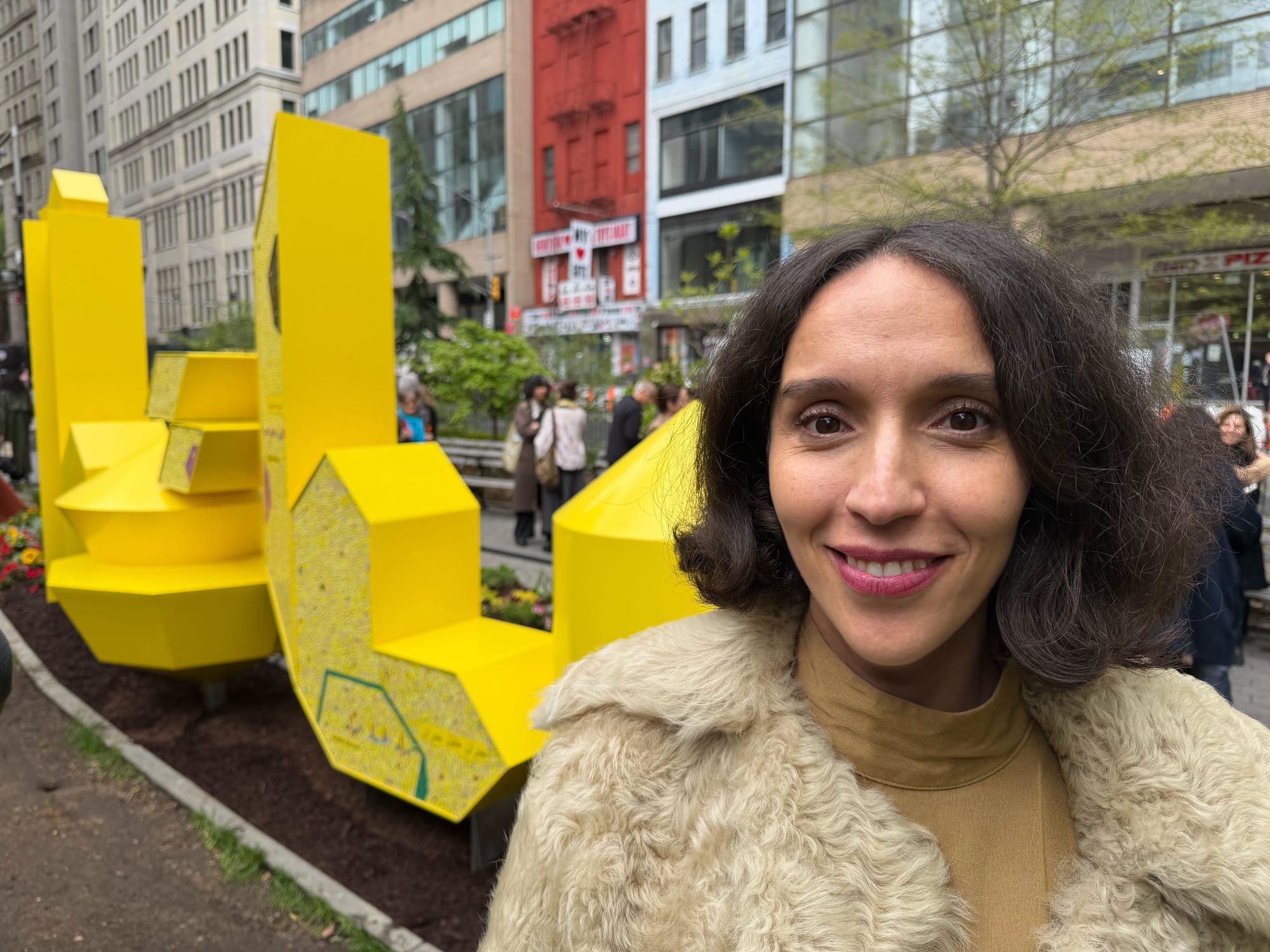
New York City unveiled its first commemorative public artwork under Mayor Zohran Mamdani's administration on April 30, honoring the historic "Little Syria" neighborhood in Manhattan's Financial District. The monument, titled "Al Qalam (The Pen): Poets in the Park," is a mosaic installation and sculpture by French-Moroccan artist Sara Ouhaddou, created over the past decade. It celebrates nine members of the enclave's literary community, including Lebanese-American poet Khalil Gibran, who co-founded the writers' association Pen Bond in 1920. The $1.6 million artwork sits in Elizabeth H. Berger Plaza, within the blocks where immigrants from Greater Syria settled in the late 19th century before being displaced by tunnel construction in the 1940s.

Russia's Venice Pavilion to Close to the Public in Compliance With Sanctions

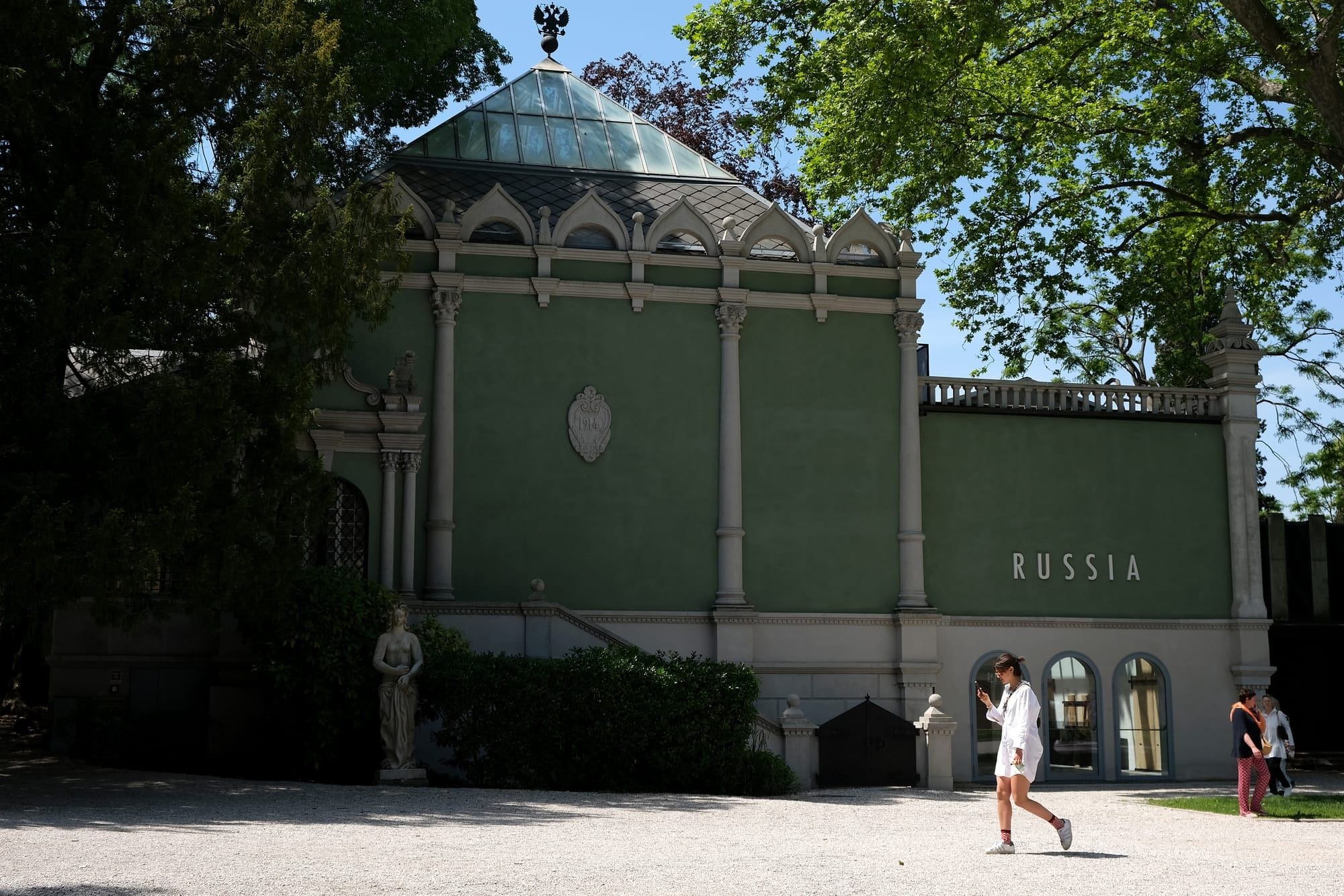
Russia will return to the 61st Venice Biennale with its national pavilion, but the exhibition will only be physically open to the press and select guests during the vernissage dates of May 5–8. From May 9 onward, the pavilion will remain closed to the public, with multimedia documentation of performances displayed on screens at the windows. The arrangement follows leaked emails among Biennale Foundation President Pietrangelo Buttafuoco, General Director Andrea Del Mercato, and Russian Pavilion Commissioner Anastasia Karneeva, revealing efforts to comply with EU sanctions while still allowing Russia's participation after two consecutive absences since its invasion of Ukraine.

Co-Working Meets Art at Brooklyn’s Newest Experimental Space

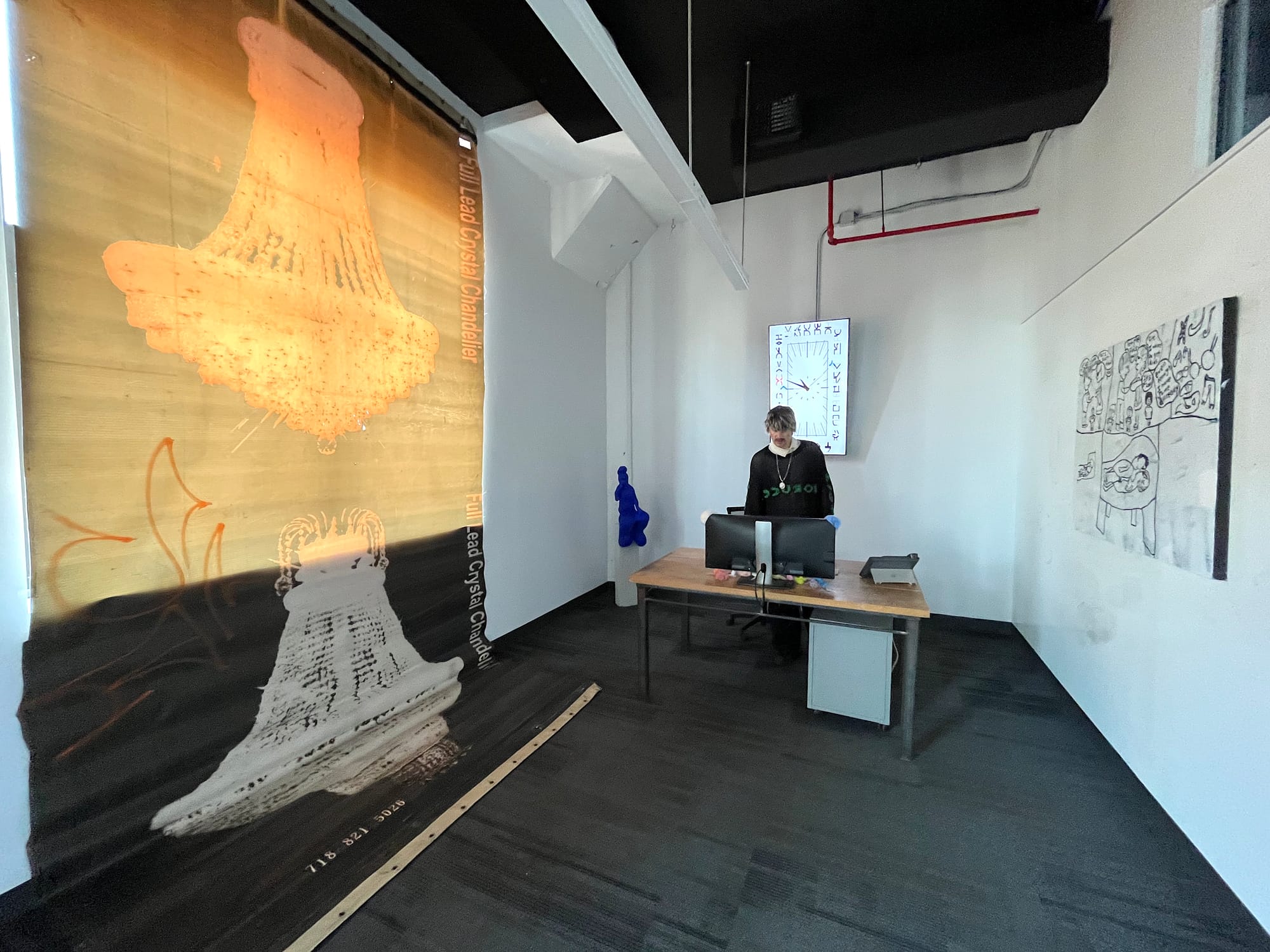
Brooklyn’s newest experimental art space, The Gallery (stylized as “The Gallry”), has opened on the fourth floor of a former automobile service station in Prospect Heights, now converted into creative offices. Curated by artist Florian Meisenberg, the exhibition features site-specific works by over 40 artists installed throughout a former guitar-string manufacturer’s office, including cubicle walls, utility closets, and HVAC systems. The space also functions as a co-working hub, with free daily spots for subscribers. The show runs through May 24 and includes events like screenings, poetry readings, and satirical corporate-themed programming.

A Buddha Is Reborn on the High Line

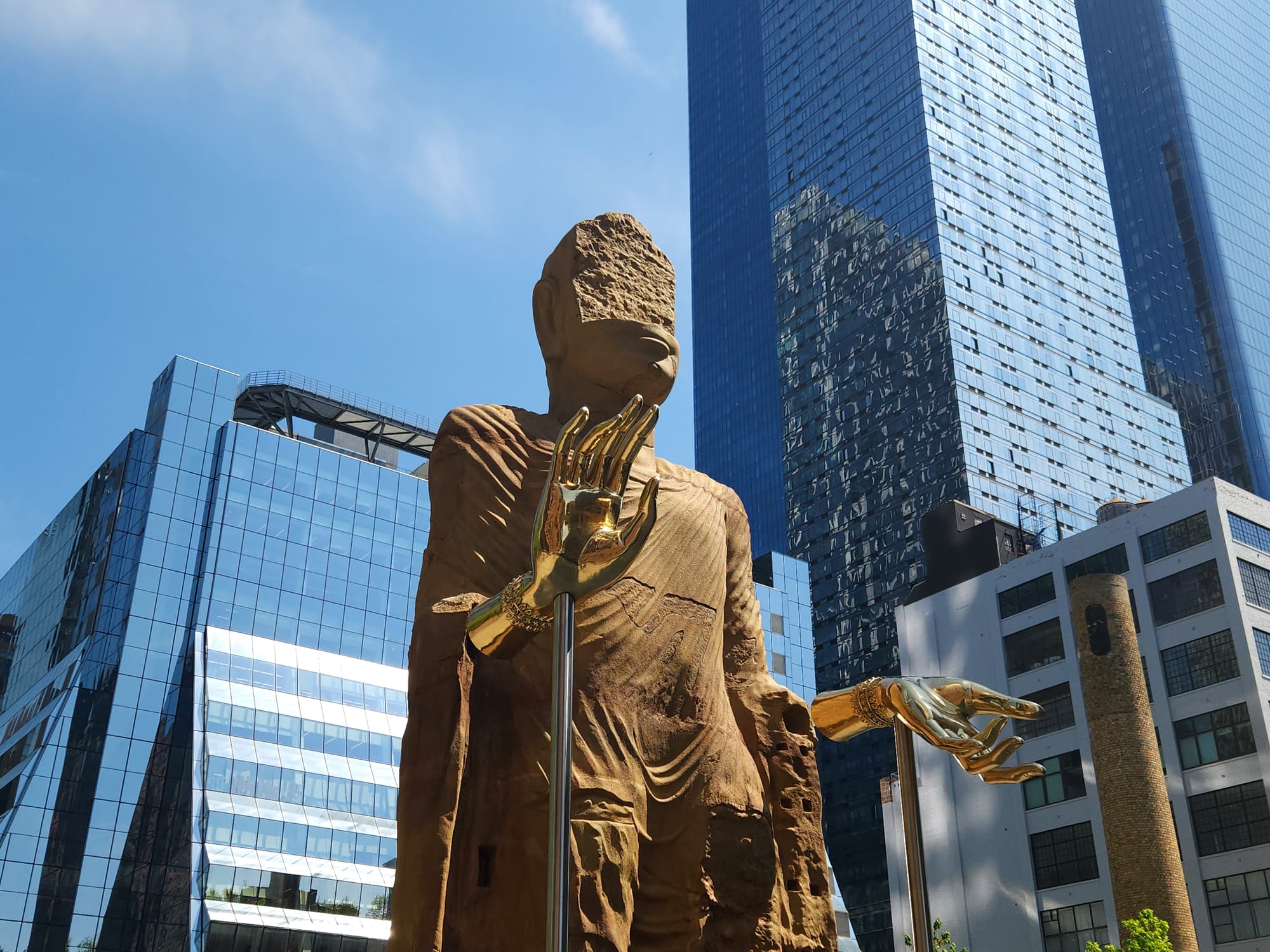
Tuan Andrew Nguyen's sandstone and brass sculpture "The Light That Shines Through the Universe" (2026) has been installed on the High Line in Manhattan as the park's fifth site-specific commission. The 27-foot-tall work, selected from nearly 60 proposals, resurrects the destroyed Bamiyan Buddhas of Afghanistan, which were demolished by the Taliban in 2001. Nguyen sourced artillery brass from Afghanistan to cast the sculpture's mudra hand gestures, symbolizing fearlessness and compassion, and had the sandstone carved in Vietnam. The piece is on view through Spring 2027.

Israel’s Artist Said to Have Threatened Legal Action Before Venice Biennale Jury Resignation

Belu-Simion Fainaru, the artist representing Israel at the 2024 Venice Biennale, allegedly threatened legal action against Biennale officials, accusing them of “racial discrimination” and “antisemitism” after the international prize jury announced it would exclude countries whose leaders are charged with crimes against humanity—effectively barring Israel and Russia from awards. The jury, handpicked by late artistic director Koyo Kouoh, resigned en masse on April 30, citing their earlier statement of intent. Fainaru had previously opposed calls to exclude Israel over its military actions in Gaza, arguing for dialogue over boycotts.

Azerbaijan Destroys Armenian Holy Mother of God Church in Artsakh

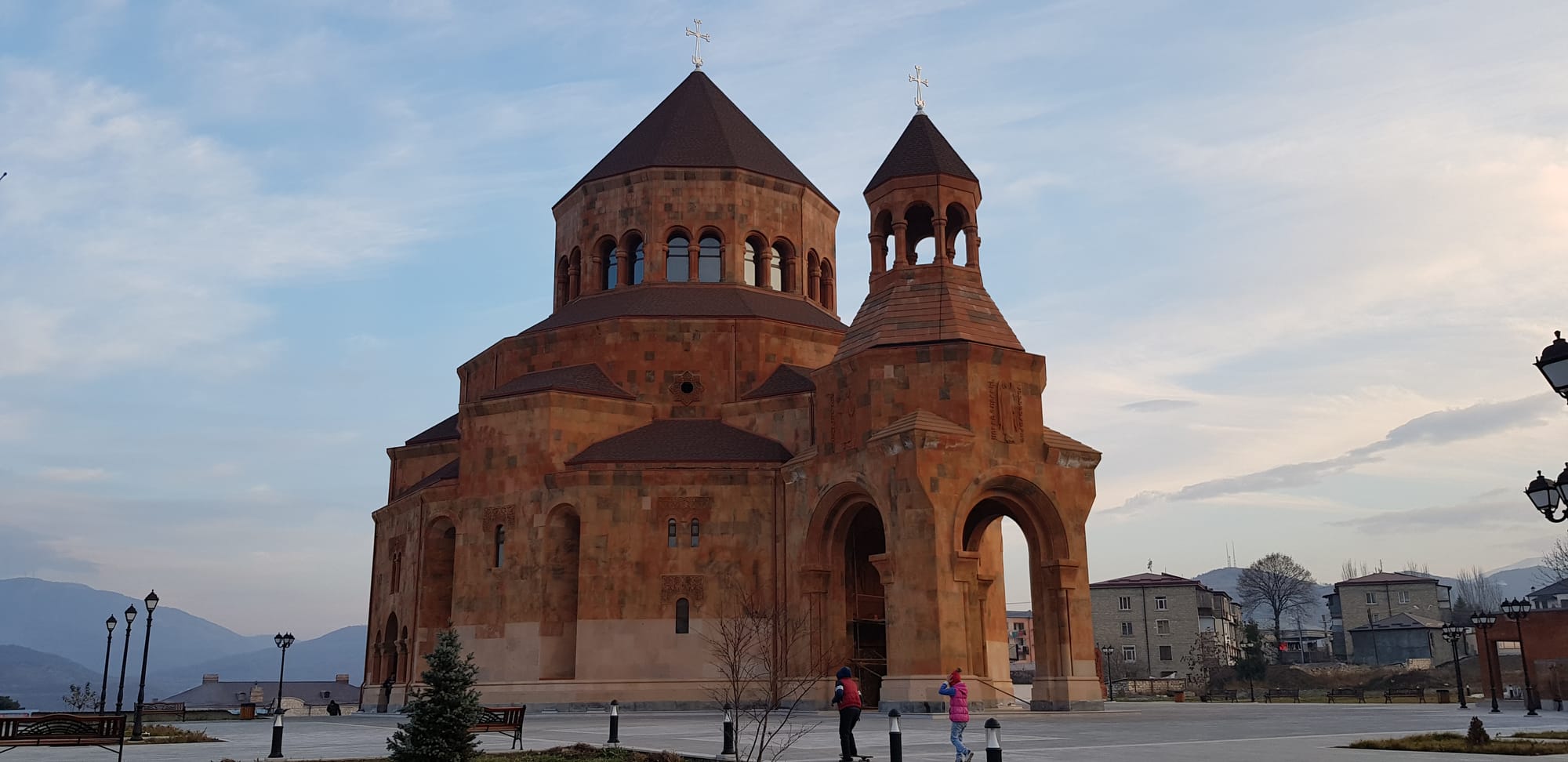
Satellite imagery obtained by Caucasus Heritage Watch (CHW) confirms that the Azerbaijani regime has demolished the Holy Mother of God Church in Stepanakert, the former capital of the Republic of Artsakh (Nagorno-Karabakh). The church, consecrated in 2019 after 12 years of construction, was destroyed within the last eight weeks, as evidenced by Sentinel-2 satellite images from March 3 and April 2. The Artsakh Tourism and Cultural Development Agency announced the destruction on April 21, three days before the 111th anniversary of the Armenian Genocide. This demolition follows a pattern of damage to Armenian religious and cultural sites since the forced displacement of over 130,000 Armenians in September 2023.

Image of Family Torn by ICE Wins World Press Photo of the Year

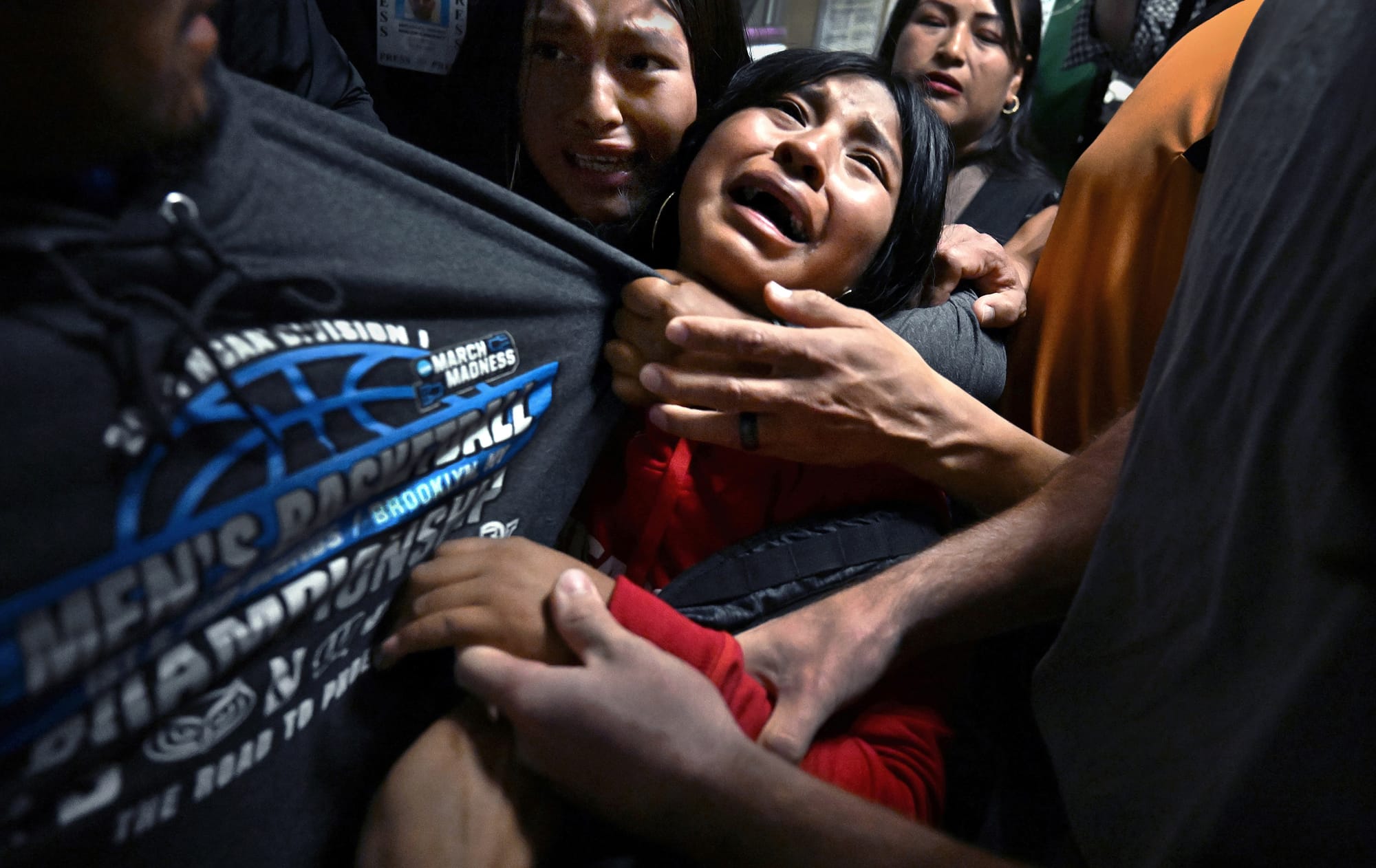
American photojournalist Carol Guzy won the 2026 World Press Photo of the Year for her image "Separated by ICE," which captures a tearful family torn apart by Immigration and Customs Enforcement (ICE) after an immigration court hearing in New York amid President Trump's broader crackdown. The contest, established in 1955, selected 42 global winners from over 57,000 photographs submitted by nearly 3,800 photographers across 141 countries. Finalists included Saber Nuraldin's "Aid Emergency in Gaza" and Victor J. Blue's "The Trials of the Achi Women," while other winners addressed displacement, war, and environmental crises.

At Brooklyn Creative Reuse, Art Supplies Get a Second Life

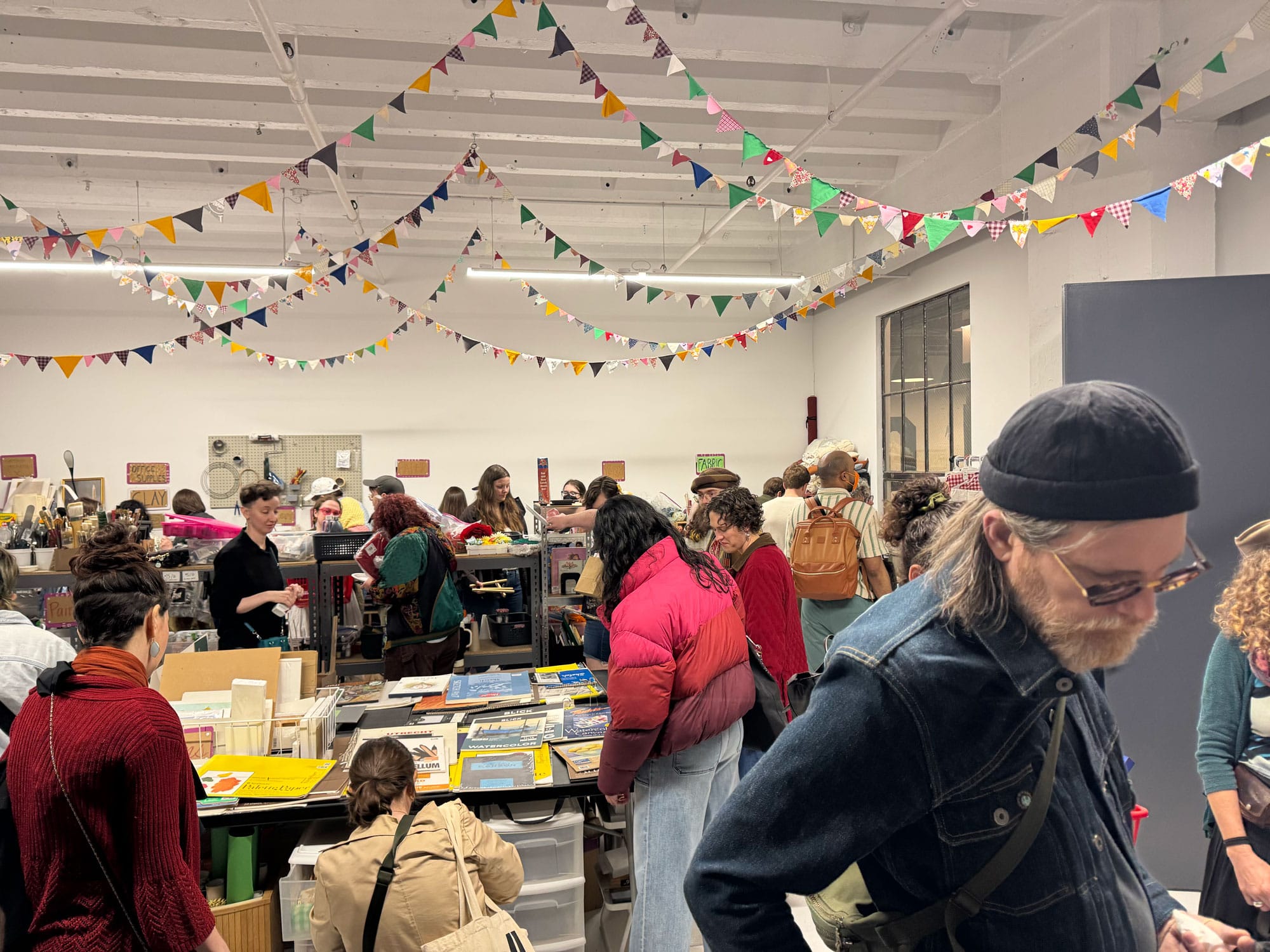
Brooklyn Creative Reuse (BCR), a nonprofit founded by jeweler Stephanie O'Brien, has opened a permanent brick-and-mortar store in Industry City, Brooklyn, after launching as a pop-up in February 2025. The store sells donated, pre-loved and unused art supplies at a price-per-pound rate, making materials affordable for low-income artists, educators, and hobbyists. Its opening party on April 18 drew large crowds, and BCR has already diverted over 1,000 pounds of art supplies from landfills in its first year.

Genuflecting Before “Don Colossus”

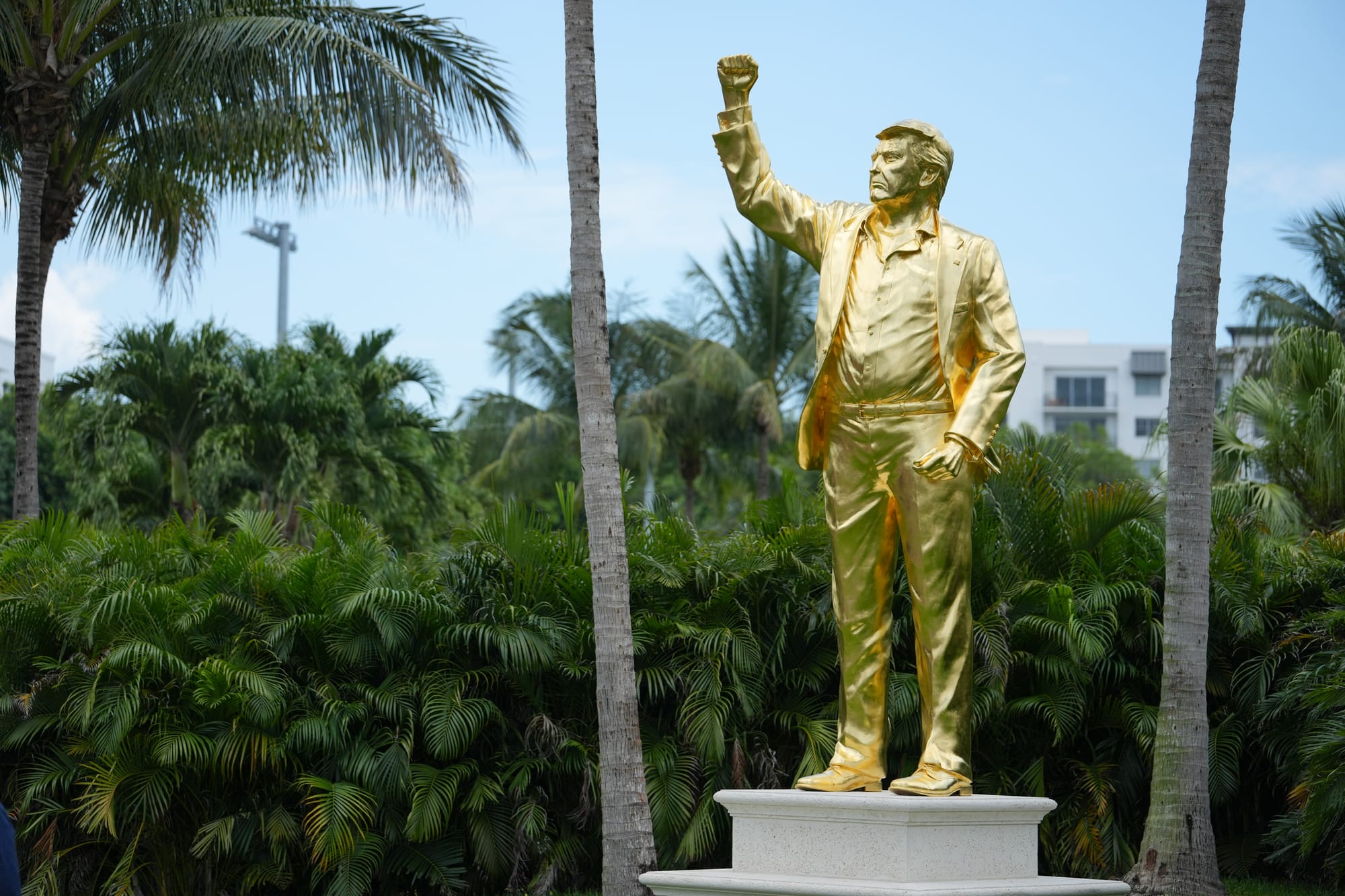
A 15-foot-tall gold-leafed bronze statue of Donald Trump, titled "Don Colossus," was unveiled at his National Doral golf club in Miami, Florida, ahead of the G20 summit. The statue, funded by $450,000 raised by cryptocurrency moguls and sculpted by Alan Cottrill (founder of Four Star Pizza), depicts Trump raising a triumphant fist with a plaque reading "FIGHT, FIGHT, FIGHT!" The unveiling was organized by televangelist Mark Burns of "Pastors for Trump," who posted that the statue was "not a golden calf," and was attended by evangelical Christian leaders and reportedly some Hassidic rabbis.

Maine College of Art & Design Presents the 2026 MFA Thesis Exhibition

Maine College of Art & Design (MECA&D), in collaboration with the Institute of Contemporary Art (ICA) at MECA&D, presents the 2026 MFA Thesis Exhibition, showcasing the culminating work of nine graduate candidates in the Master of Fine Arts in Studio Art program. The exhibition features artists Abigail G. Cloutier, Harley Ngai Grieco, Molly Knobloch, Stephen Medeiros, Darby Miller, Dylan Ouellette, Caitlin Perrigo, Jonathan Spath, and Isaac L. Stern, working across ceramics, drawings, photography, prints, sculpture, sound, and video installations. The show runs from May 7–16, 2026, at the ICA in Portland, Maine.

What Did Mozart’s Life Look Like?

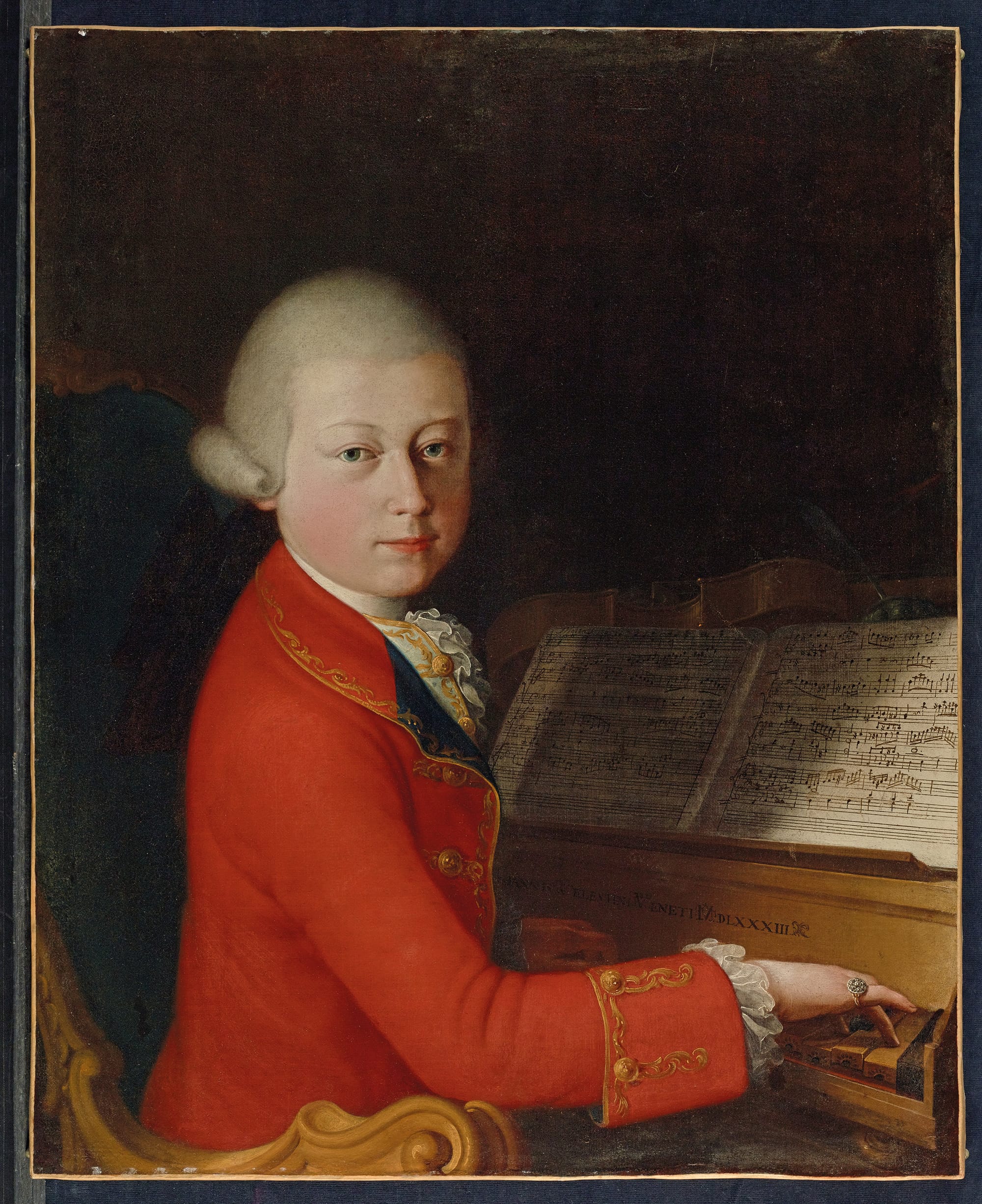
An exhibition at the Morgan Library & Museum, titled "Wolfgang Amadeus Mozart: Treasures from the Mozarteum Foundation of Salzburg," presents a curated journey through the composer's life and career. The show features well-preserved ephemera, including Mozart's childhood violin, original sketches for the opera "The Magic Flute," and personal letters that reveal his scatological humor, alongside portraits of his patrons.

Nesting Seagull Becomes Unexpected Star of Venice Biennale

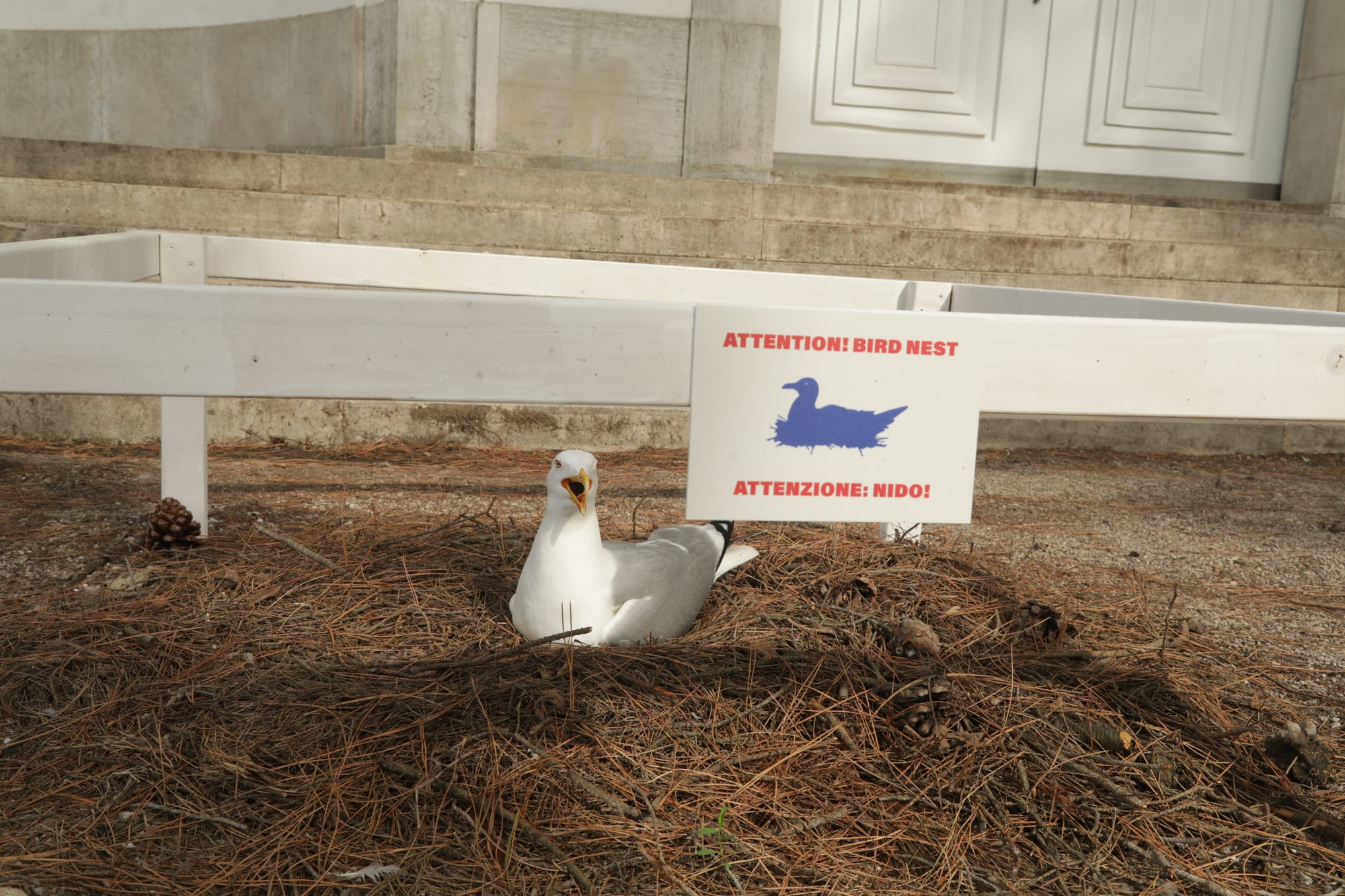
A seagull nesting near the Polish pavilion at the Venice Biennale has become an unexpected attraction, drawing bemused visitors and media attention. The bird laid eggs in the Giardini grounds, and a fence with a warning sign in English and Italian was erected around the nest. Organizers say this is the first known instance of a seagull nesting in such a prominent area of the exhibition. The Polish pavilion was closed on May 8 as part of a historic strike protesting the inclusion of aggressor states in the Biennale, with a sign supporting the Ukrainian Pavilion.

Israeli Pavilion Artist Made Legal Threats Before Venice Biennale Jury Resigned

New reports reveal that Israeli Pavilion artist Belu-Simion Fainaru issued legal threats against the Venice Biennale, alleging antisemitism and discrimination after the awards jury decided to exclude Israel and Russia from consideration due to human rights charges. The jury, which included Elvira Dyangani Ose, Zoe Butt, Marta Kuzma, Giovanna Zapperi, and Solange Farkas, initially stated on April 22 it would not consider nations whose leaders are charged with crimes against humanity by the International Criminal Court. Fainaru filed legal warnings with the Biennale, the Italian Ministry of Culture, and the Prime Minister's office. The jury abruptly resigned eight days later, leading the Biennale to scrap the Golden Lion awards and institute "Visitor Lions" decided by public vote. Reports indicate the Biennale's legal department warned jurors could be personally liable for damages, and Italian Culture Minister Alessandro Giuli promised to promote Fainaru's work.

Venice Biennale Scraps “Golden Lion” Awards as Turmoil Continues

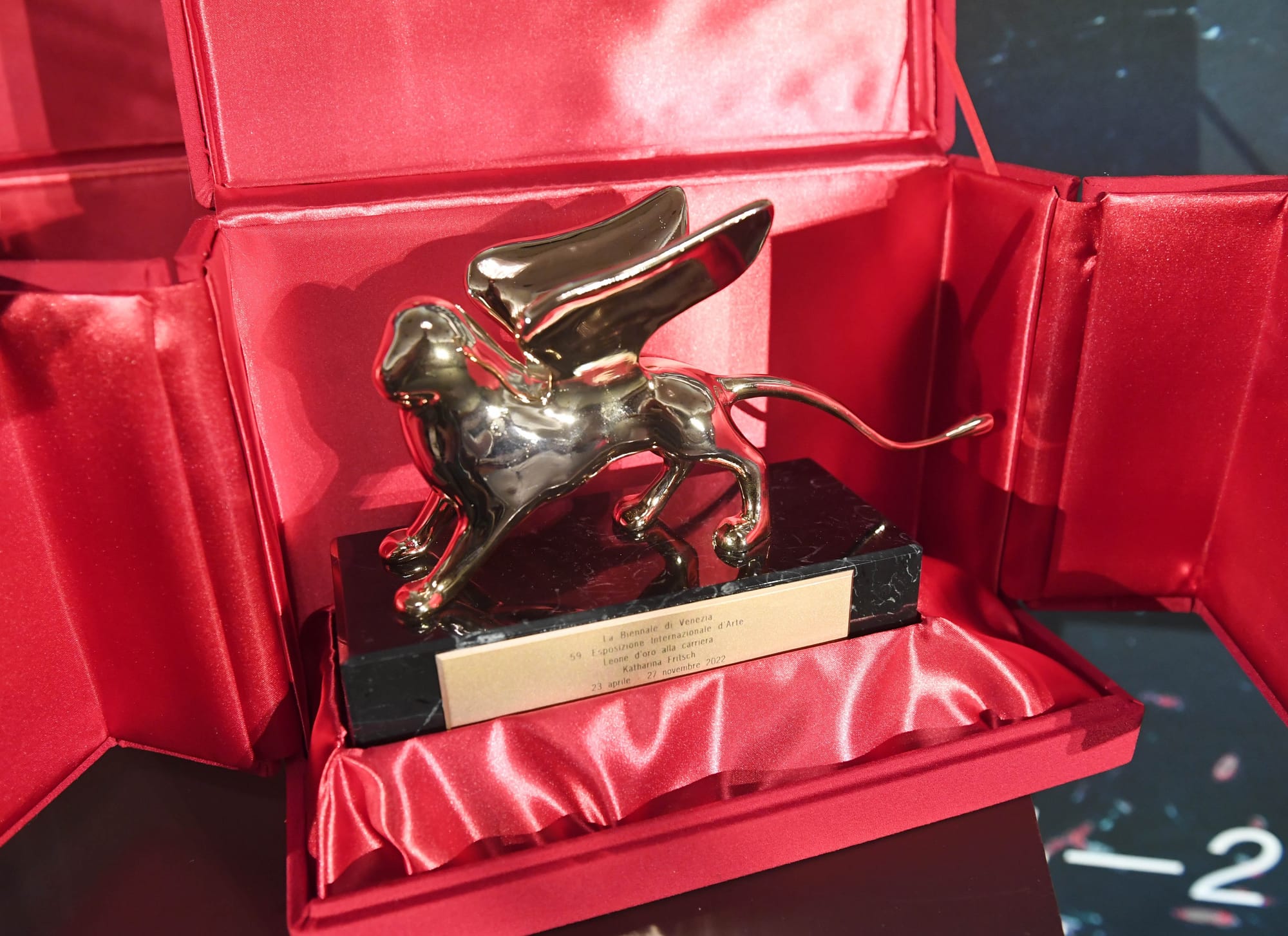
The 61st Venice Biennale has scrapped its traditional Golden Lion awards, replacing them with public-voted “Visitor Lions” after the entire award jury resigned on April 30. The jury had previously announced its intention to exclude countries whose leaders are charged with crimes against humanity by the International Criminal Court, effectively targeting Russia and Israel. The Biennale Foundation, however, stated that all official national pavilions—including Russia and Israel—will be eligible for the new Visitor Lions, citing principles of inclusion and equal treatment. The awards ceremony has been moved from May 9 to November 22, the final day of the Biennale, to allow ticket holders to vote throughout the event.

What Artists Sign Away

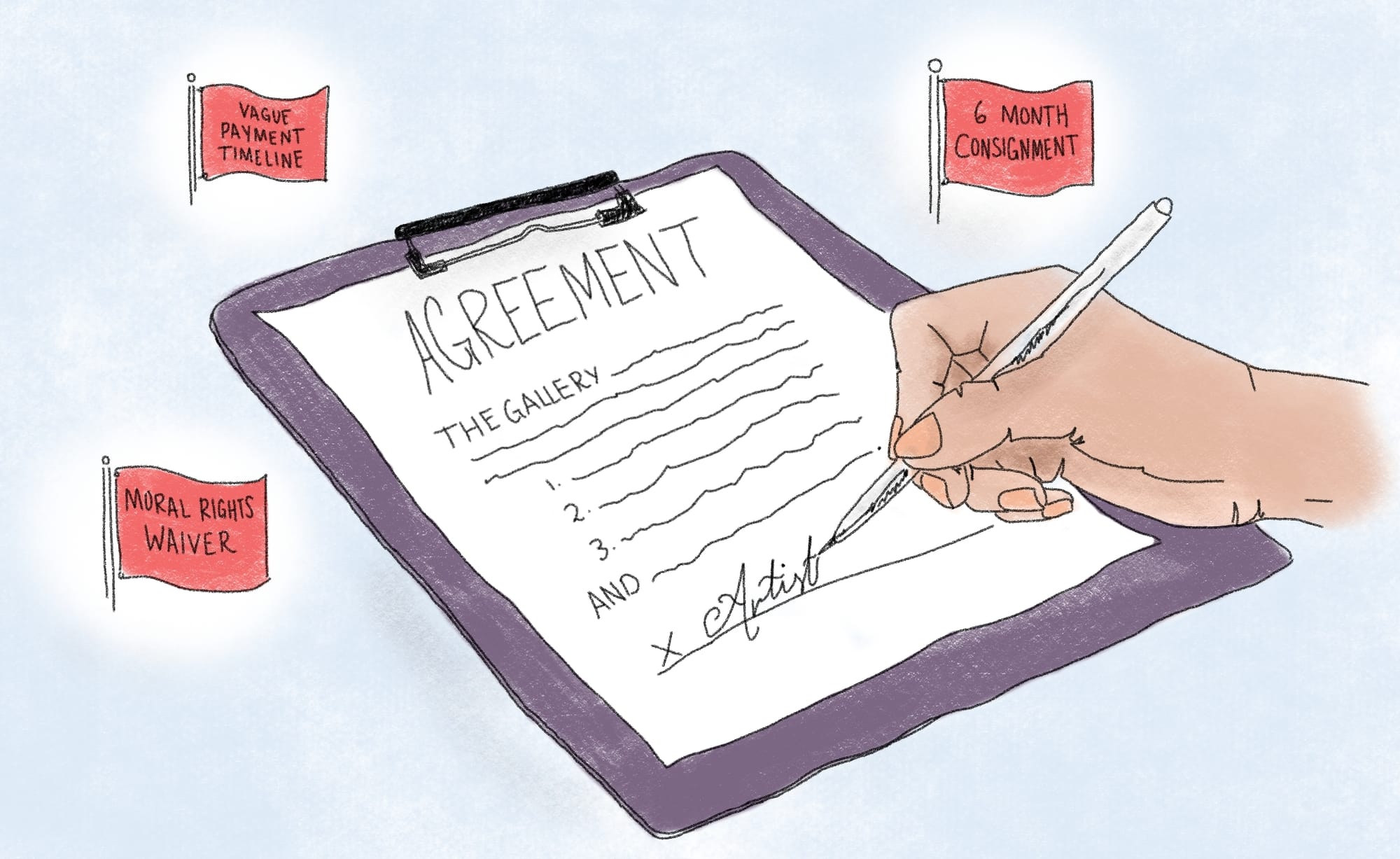
Artist and writer Sarah Hotchkiss recounts two personal experiences where galleries and residency programs used standard contracts to limit artists' rights. In the first, a new gallery refused to shorten a six-month consignment period after an exhibition, leaving her work in "contractual limbo" where she would owe the gallery half of any sale even if she found the buyer herself. In the second, a residency required her to waive moral rights under the Visual Artists Rights Act, protections that allow artists to prevent distortion and control attribution of their work.

Mexico to Divert Train Route After Cave Art Discovery

Archaeologists in Mexico discovered 16 pre-Hispanic paintings and petroglyphs along the planned route of a high-speed passenger train connecting Mexico City to Querétaro. The discovery, made in the state of Hidalgo, includes rock art dating from 4,000 years ago to the Postclassic period (900-1521 CE), with imagery linked to Aztec deities and the Toltec city of Tula. In response, President Claudia Sheinbaum announced the $8 billion train project will be rerouted to preserve the ancient site.

Tania El Khoury’s Soothing “Revenge Art”

Lebanese artist and Bard College professor Tania El Khoury discusses her multidisciplinary practice and her recent experience living through the escalation of conflict in Beirut. The interview highlights her interactive performance piece, "The Search for Power," which uses her own 2018 wedding blackout as a jumping-off point to investigate the colonial roots of Lebanon's systemic infrastructure failures. Originally set for a Beirut run in March, the production was postponed due to the outbreak of war.