filter_list Showing 6648 results for "rep" close Clear
search
dashboard All 6648 museum exhibitions 2771article news 986trending_up market 819article local 639article culture 380article policy 345person people 306gavel restitution 161rate_review review 116candle obituary 110article event 8article museum 3article events 1article gallery 1article satire 1article museums & heritage 1
date_range Range Today This Week This Month All
Subscribe

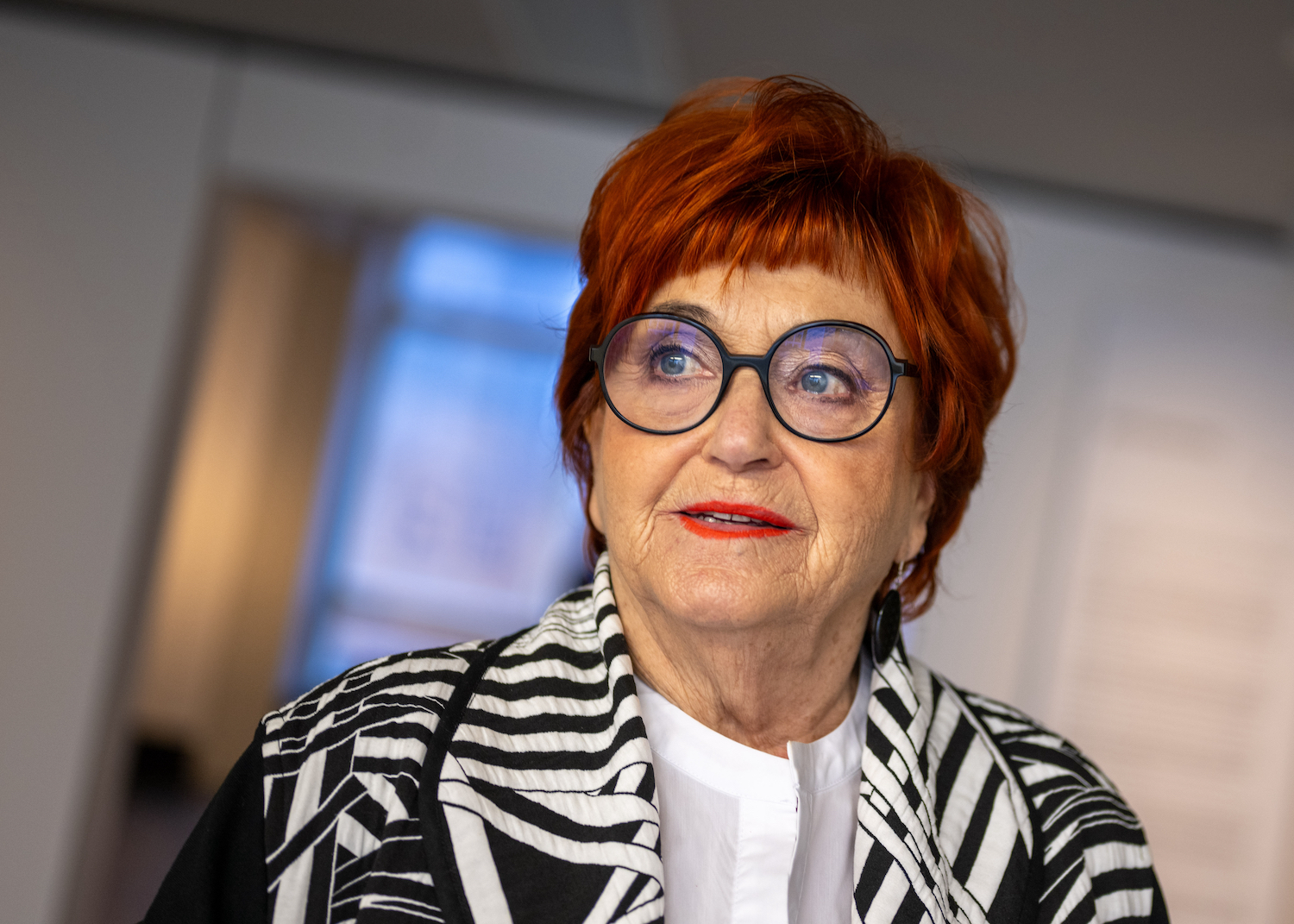
Valie Export ist tot

Valie Export, the pioneering Austrian media and performance artist, has died at age 85 in Vienna. Born Waltraud Lehner in Linz in 1940, she adopted the name Valie Export in the late 1960s, derived from a cigarette brand, and became internationally known for provocative works such as "Tapp- und Tastkino" (1968) and "Aktionshose: Genitalpanik." Her practice critically examined gender roles, power structures, and the representation of the female body through film, video, photography, and performance. She participated in major exhibitions including Documenta, the Centre Pompidou, and the Museum of Modern Art, and represented Austria at the Venice Biennale in 1980 alongside Maria Lassnig. She also taught as a professor of media and performance art in Berlin and Cologne, and the VALIE EXPORT Center opened in Linz in 2017.

Was in den Museen läuft

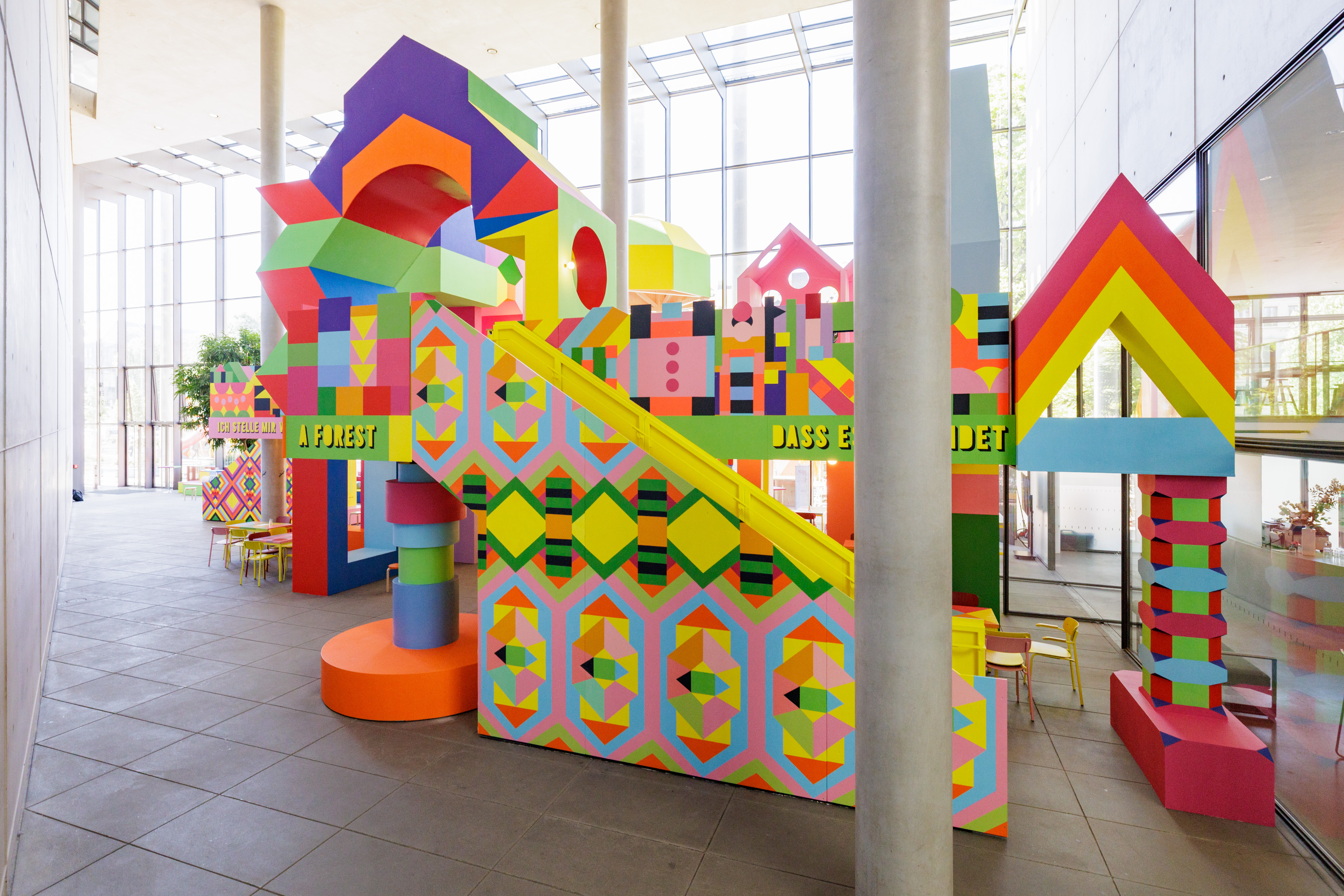
Munich's art festival "Various Others" kicks off this week with major city museums participating. The Pinakothek der Moderne presents "Reflexion," a group show of 100 works across fine art, architecture, graphic design, and design by artists including Isa Genzken, Ludwig Mies van der Rohe, Piet Zwart, and Ettore Sottsass. The Alexander-Tutsek-Stiftung celebrates its 25th anniversary with a glass-focused exhibition featuring Monica Bonvicini, Tony Cragg, and Laure Prouvost. The Villa Stuck reopens after renovation with four shows: Philipp Messner's sculptures, Ilit Azoulay's macro-film installation, a returning Franz von Stuck painting, and Delschad Numan Khorschid and Jan-Hendrik Pelz's migration-themed "Zehn Leben." The Lenbachhaus presents "Ein Ferngespräch. Szenen aus der Weimarer Republik" with works by Jeanne Mammen, Gabriele Münter, and Christian Schad. Museum Brandhorst's "Carrying" addresses the history of the Maxvorstadt art district, once site of a military barracks built by Ottoman prisoners. The Eres Stiftung continues "Seeing the Unseen" on quantum physics. The Flux meeting space, designed by Morag Myerscough, moves indoors at the Pinakothek der Moderne.

"Man besitzt Kunst nicht, man ist nur ihr Verwalter"

The 61st Venice Biennale opened on Saturday without ceremony or an opening celebration, amid political turmoil over the participation of Russia and Israel. Italy's Culture Minister Alessandro Giuli criticized Biennale director Pietrangelo Buttafuoco for not informing the government about Russia's participation request, suggesting it could have been used as leverage for a ceasefire in Ukraine. The entire jury resigned after attempting to exclude both Russia and Israel from prize awards, leading to the cancellation of the traditional jury decision in favor of a public vote, which over 70 participating artists have protested by withdrawing from this year's prizes. Separately, a rare photograph from the early 1940s has surfaced showing Lucas Cranach the Elder's painting "Venus with Cupid as Honey Thief" in Adolf Hitler's Munich apartment, raising unresolved questions about whether the work was looted from Jewish owners before 1935.

10 Highlights You Shouldn't Miss in Venice

10 Highlights, die Sie in Venedig nicht verpassen sollten

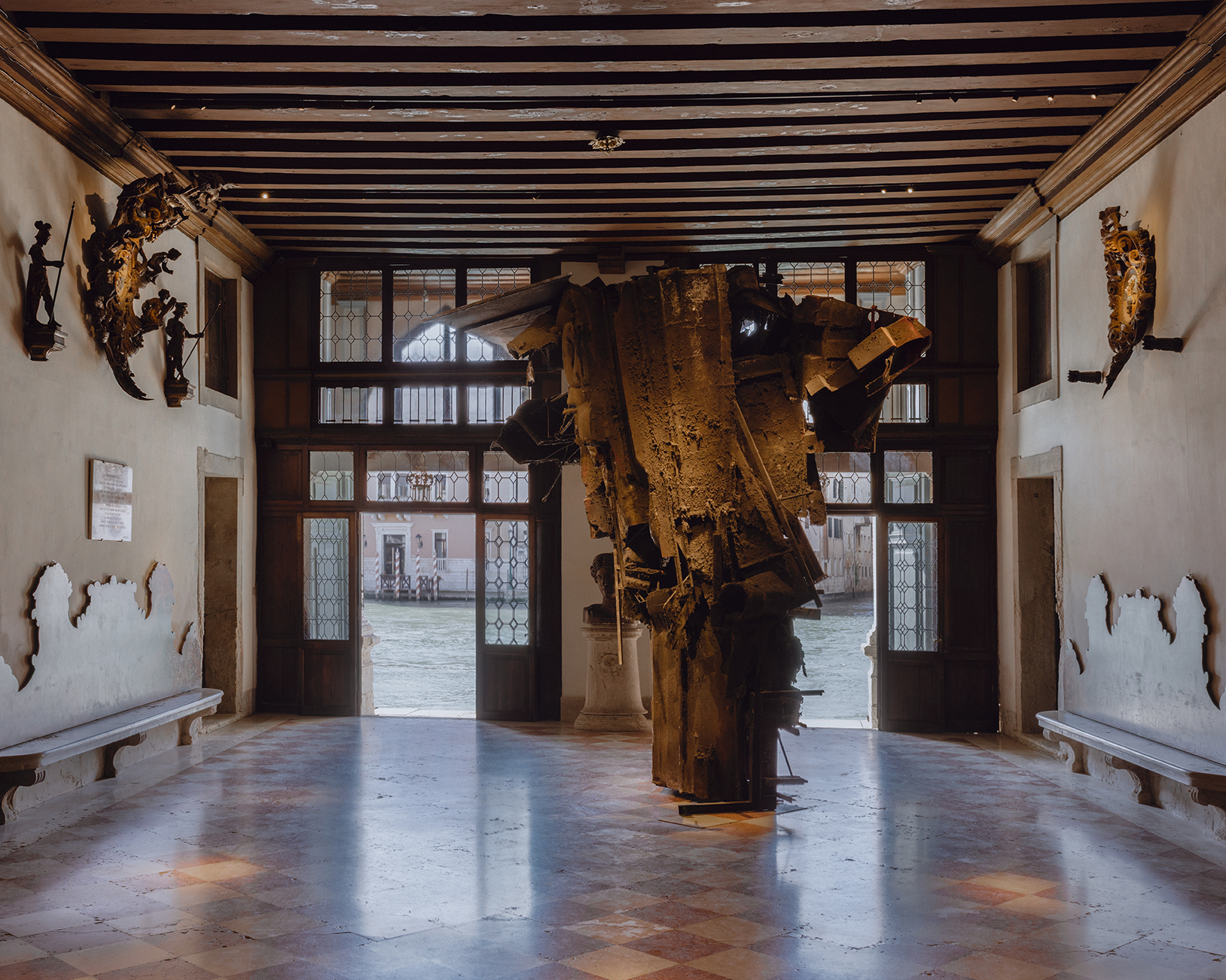
The article presents ten must-see highlights of the 61st Venice Biennale, curated by the editors of Monopol magazine. It covers the main exhibition at the Arsenale, national pavilions, and collateral events, including Sandra Knecht's beehouse installation, Isabel Nolan's Irish Pavilion exploring dreams and late medieval humanism, Chiara Camoni's Italian Pavilion blending ceramics and found materials, and Asim Waqif's bamboo construction in the Indian Pavilion. Other featured works include a church filled with surveillance cameras and the new Fondazione Dries Van Noten.

How Tech Billionaires Turn Couture into Content

Wie Tech-Milliardäre Couture zu Content machen

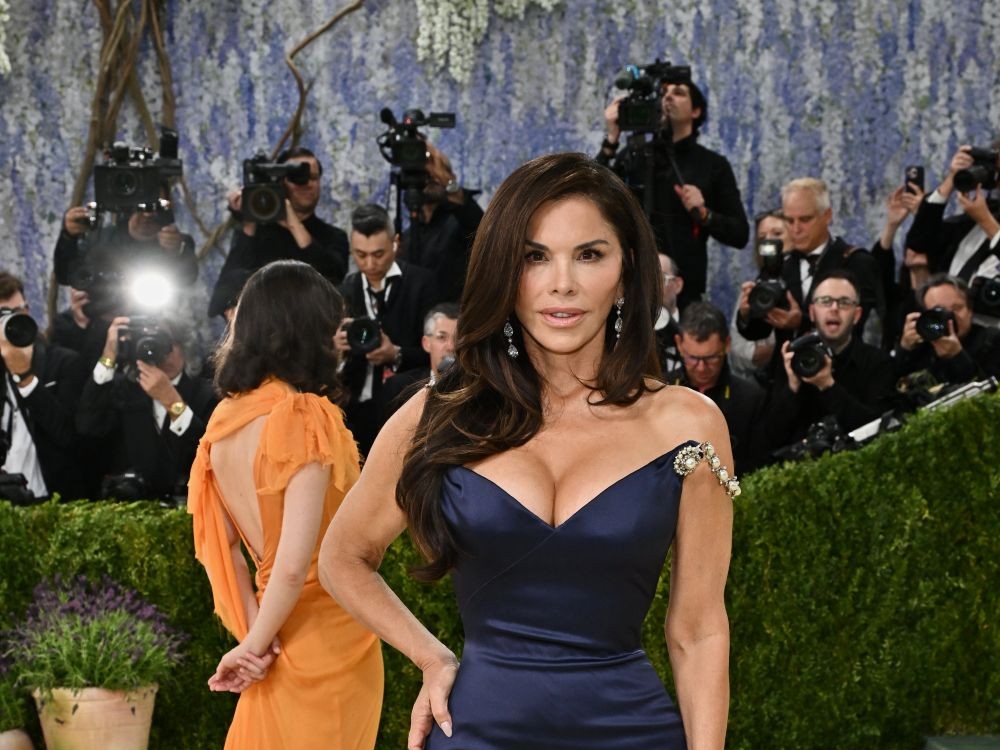
The Met Gala, long considered the premier event for fashion and cultural influence, has become increasingly dominated by tech billionaires. This year, Jeff Bezos and Lauren Sánchez Bezos purchased their role as co-hosts, sparking protests in New York and raising questions about whether money alone now buys entry into the highest echelons of fashion. Individual tickets cost $10,000 and a table $350,000, with sponsors including OpenAI, Snapchat, and Meta. The event, organized by Anna Wintour to raise funds for the Costume Institute at the Metropolitan Museum of Art, raised $31 million last year but has transformed from a benefit into a spectacle optimized for viral moments and algorithmic appeal.

Fondation Beyeler: Freier Eintritt im Bikini

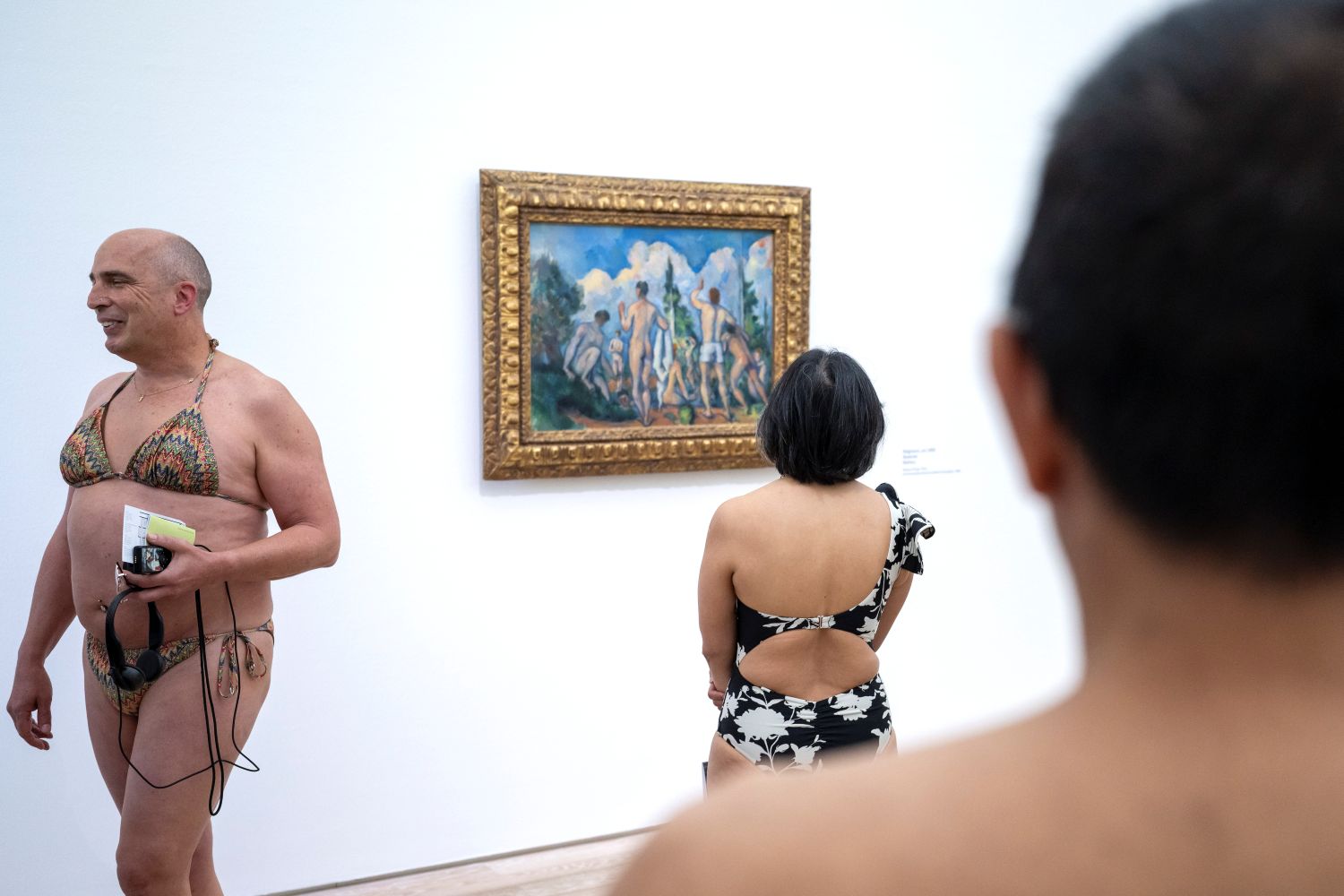
The Fondation Beyeler in Riehen, Switzerland, invited visitors to enter the museum for free if they came wearing swimwear, as part of a "Bathing Day" promotion. The event was inspired by Paul Cézanne, whose famous paintings of bathers are the subject of a current exhibition at the museum. The museum reported strong attendance and stated that the unusual setting brings art and visitors closer together, changing perception and reducing distance.

Schloss Bellevue wird temporär Ausstellungshaus

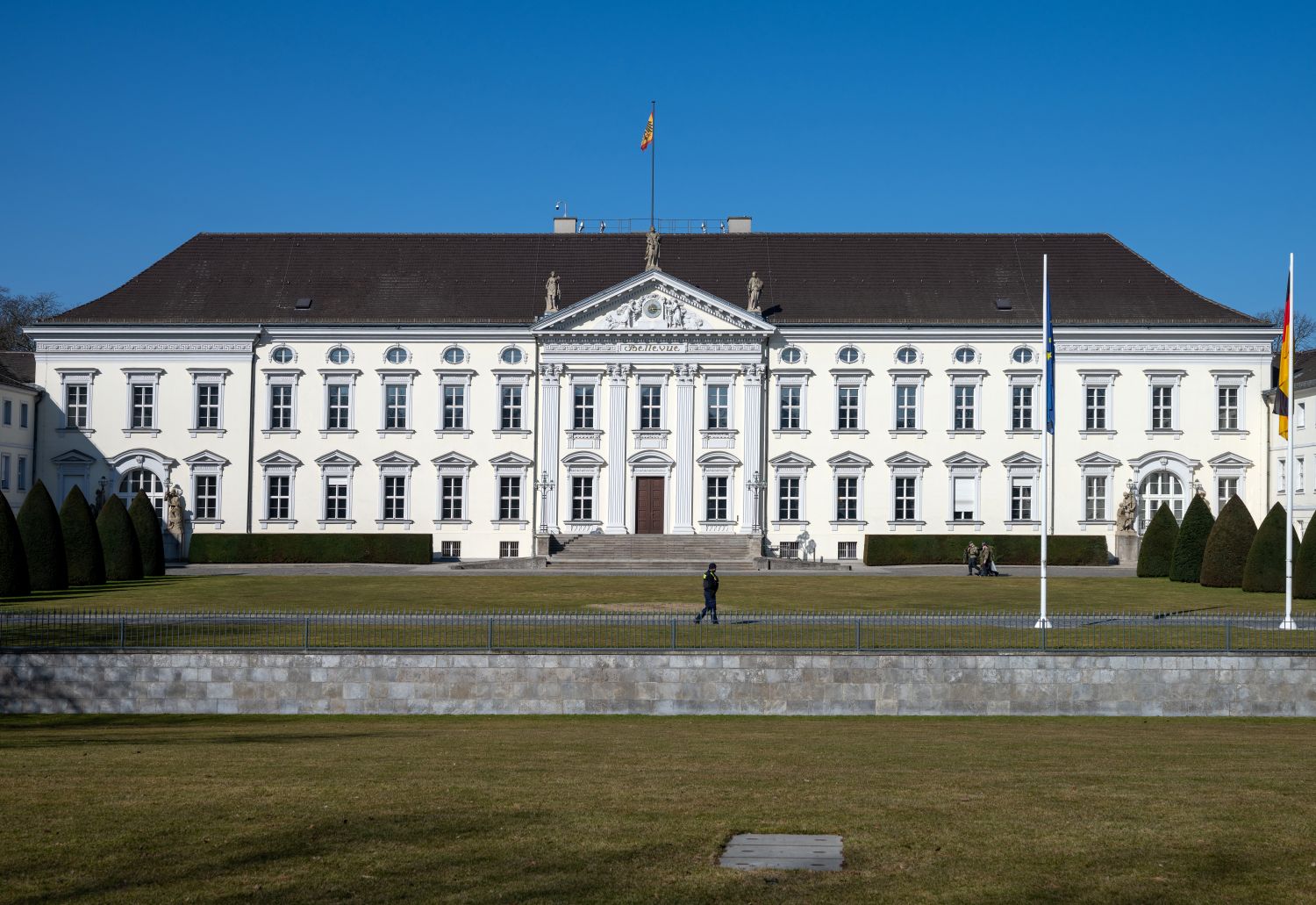
Schloss Bellevue, the official residence of German President Frank-Walter Steinmeier in Berlin, will be transformed into a temporary pop-up gallery for two weeks from June 13 to 28, before undergoing a major renovation expected to last around eight years. The exhibition, organized in cooperation with the Akademie der Künste, will feature works by artists including Katharina Grosse, Wolfgang Tillmans, and Monica Bonvicini, taking advantage of the emptied rooms ahead of the president's move-out before the summer break. Free timed-entry tickets will be available from May 18 via the Akademie's website.

"Etwas zaghaft, etwas ängstlich, etwas sicher"

The article surveys recent art-world commentary, focusing on a critical review of the Turner Prize shortlist in The Guardian, where Eddy Frankel calls the selection "timid, anxious, safe" and laments a self-perpetuating, elitist system. It also covers a Hyperallergic essay by Lisa Siraganian questioning whether artworks can possess personhood, sparked by Pierre Huyghe's Venice exhibition. Additionally, it reports on controversy at the Venice Biennale, where the jury preemptively excluded countries whose leaders are sought by the International Criminal Court—namely Russia and Israel—drawing sharp criticism from Die Welt's Marcus Woeller. A podcast interview with US sculptor Alma Allen, selected for the US Pavilion, rounds out the coverage.

"Du bist nun in die ewigen Jagdgründe der Kunst entschwunden"

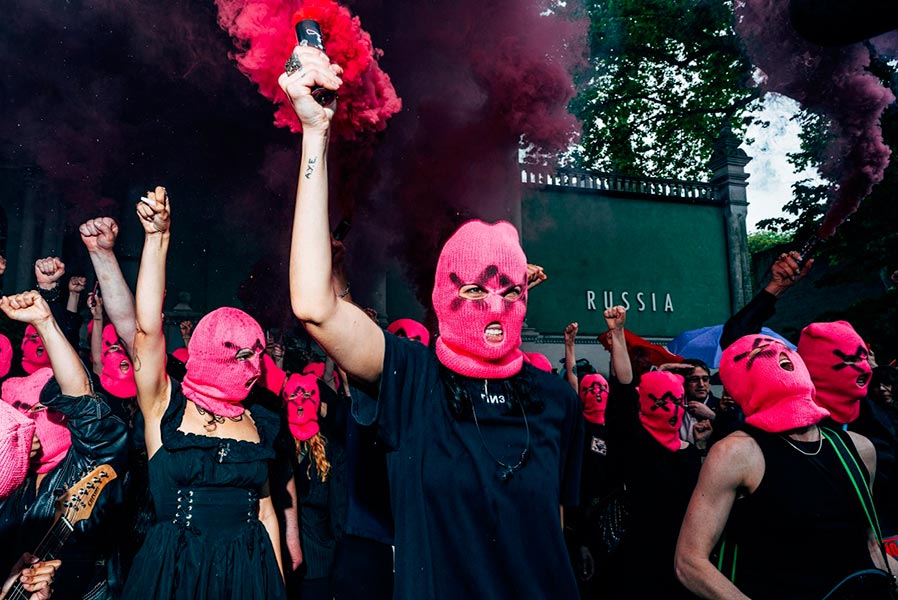
This week's art news roundup covers several stories: Jonathan Meese publishes an obituary for his mother Brigitte Meese in Der Spiegel, describing her as a central figure in his life and work. Pussy Riot seeks to take over the Russian Pavilion at the Venice Biennale. The European Media Art Festival (EMAF) in Osnabrück faces controversy over antisemitism allegations linked to Palestinian-American filmmaker Basma al-Sharif, leading the city and state government to distance themselves from the festival. In the NZZ, Christian Wildhagen reports on conflicts over official political portraits, citing examples like Swiss councilor Martin Neukom rejecting paintings and Donald Trump criticizing his portrait. Art historian Horst Bredekamp pays tribute to Italian philosopher Federico Vercellone (1955–2026) in the FAZ, highlighting his theory of the 'self-activity of form.'

Salon des Refusés 2.0

Salon des Refusés 2.0

A group exhibition titled "we refuse_d" has opened at the Museum van Hedendaagse Kunst (M HKA) in Antwerp, bringing together 15 artists, many of whom faced cancellations or disinvitations from exhibitions following the October 7, 2023 attacks. The show, referencing the historic 1863 Salon des Refusés, aims to reclaim reputation and amplify marginalized voices, specifically focusing on Palestinian history and artists affected by the cultural fallout.

Because the Ego Suddenly Dissolves

"Weil das Ego sich plötzlich auflöst"

The art world is facing significant structural and political shifts, highlighted by the merger of Artnet and Artsy which has resulted in mass layoffs, particularly within the Artnet News editorial team and its Berlin operations. Simultaneously, tensions are rising in German cultural policy as gallery owner Rupert Pfab raises concerns over government interference in the Stiftung Kunstfonds jury selection, reflecting a broader climate of unease that includes recent controversies at the Berlinale.

Imitations of a Mediocre Teenager on Tranquilizers

"Nachahmungen eines mittelmäßigen Teenagers auf Tranquilizern"

The Victoria & Albert Museum has reportedly censored exhibition catalogs following pressure from Chinese printing firms, removing images and maps related to sensitive topics like Tibet and Tiananmen Square. This editorial roundup also highlights artist Molly Crabapple’s sharp critique of generative AI as a massive intellectual property theft and a profile of Rirkrit Tiravanija’s communal home in Thailand, which functions as a social sculpture.

Art as Experimental Setup

Kunst als Versuchsanordnung

The influential Berlin-based artist and professor Thomas Zipp has passed away unexpectedly. Known for his immersive installations that blurred the lines between art, science, and madness, Zipp created complex "experimental setups" involving painting, sculpture, and performance. His work often explored dark parallel worlds, notably evidenced in his haunting 2013 Venice Biennale project that transformed a palazzo into a derelict psychiatric ward.

One of the Greatest Photographic Documents of the 20th Century

"Eines der größten fotografischen Dokumente des 20. Jahrhunderts"

A New York court has concluded an eleven-year legal battle by awarding Amedeo Modigliani’s 'Seated Man with a Cane' to the heirs of Jewish art dealer Oscar Stettiner. The ruling rejected the claims of the powerful Nahmad family, with the judge determining that Stettiner never voluntarily relinquished the work during the Nazi era. Additionally, a significant photographic archive belonging to darkroom technician Roland Haupt has surfaced, containing previously unseen World War II images by Lee Miller and Cecil Beaton.

Joe Moss, Drones and Caspar David Friedrich

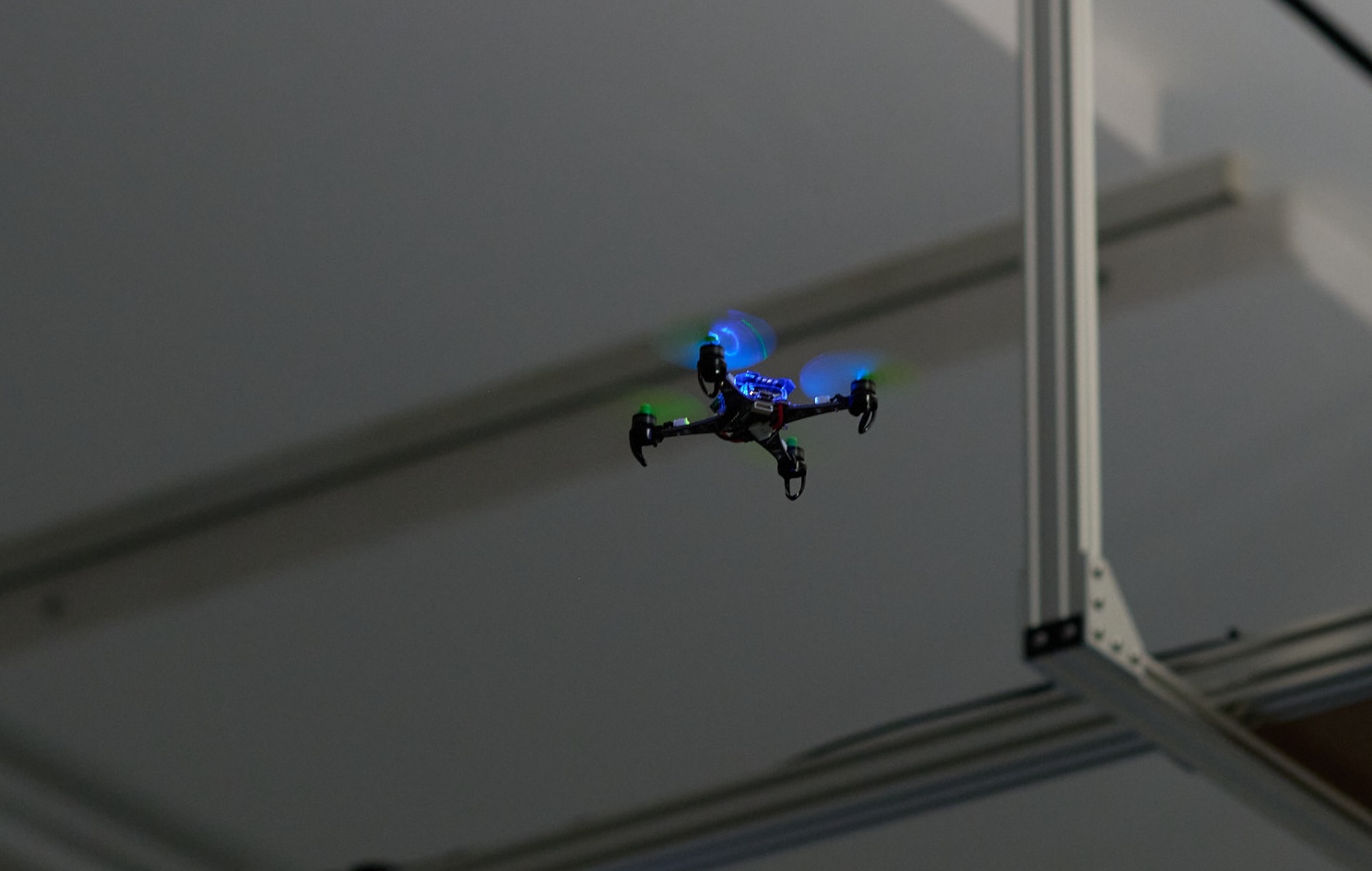
Artist Joe Moss presents his installation 'Automated Fantasy Procedure' at Matt's Gallery in London. The work features a squadron of choreographed drones, two-channel videos with actors portraying figures like a Caspar David Friedrich-inspired wanderer, and a Roman-style mosaic, all experienced in scheduled ten-minute replays designed to mimic the overwhelming sensation of scrolling through a smartphone.

Venice Biennale: A Silent US Pavilion

Biennale de Venise : un Pavillon US silencieux

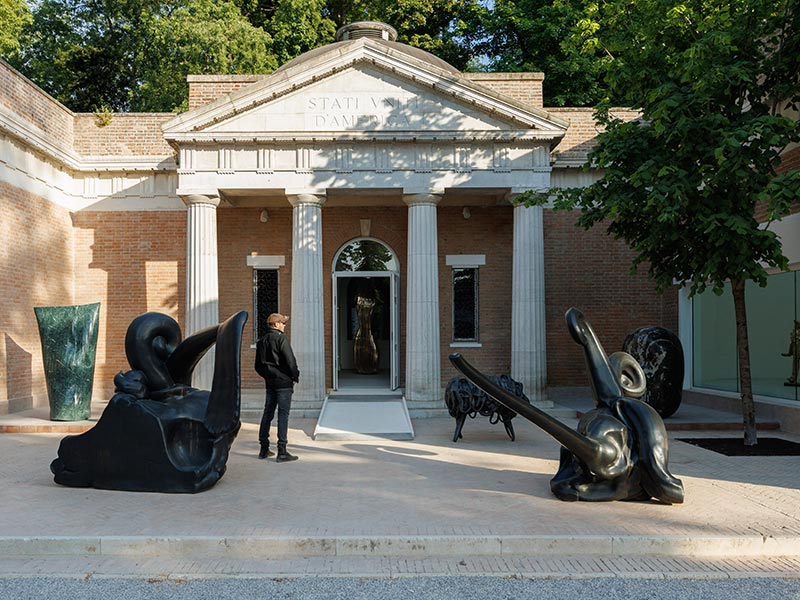
The US Pavilion at the 2026 Venice Biennale, featuring artist Alma Allen, opened to sparse crowds despite a 10% overall attendance increase at the Biennale. The pavilion was embroiled in controversy before opening: Allen was selected by the American Arts Conservancy (AAC), a private entity created in 2025 at the initiative of Donald Trump after the dissolution of the federal committee that previously oversaw the pavilion. AAC head Jenni Parido, a former pet food executive, chose the self-taught, little-known artist who had never had a solo museum exhibition. Major funders the Ford and Mellon Foundations withdrew, forcing the AAC to launch a public donation appeal. The exhibition features 25 abstract bronze, stone, and burl-wood sculptures that the artist describes as biomorphic landscapes, but critics find them pleasant yet silent, lacking the promised political or visceral resonance.

Le coup d’envoi des ventes de New York

Le Journal des Arts' issue n°677 (May 15, 2026) leads with the opening of the Venice Biennale amid a tense climate. Other top stories include the final adoption of a French law on the restitution of cultural property looted during colonization, the V&A East museum's strategy to attract younger audiences, a report on how Monet's legacy in Giverny does not benefit everyone locally, and an analysis of the structuring market for works by the Nabis artists.

Les jardins de Monet à l’épreuve du surtourisme

Claude Monet's gardens in Giverny, France, which were recreated in 1980 after being abandoned in the 1950s, are now suffering from severe overtourism. The site, which attracted 70,000 visitors in its first year, is expected to exceed one million visitors in 2026, the centenary of Monet's death. Crowds are so dense that visitors report feeling unable to experience any emotion, and gardeners spend hours each morning repairing damage from trampling. The gardens have become a kind of industrial product, with 15,000 plants propagated each season to replace those destroyed.

La Biennale de Venise s’ouvre dans un climat houleux

The 61st Venice Biennale opened amid intense controversy after its president, Pietrangelo Buttafuoco, announced the return of the Russian pavilion, which had been absent since the start of the Ukraine war. The European Commission suspended its €2 million subsidy for the 2028 edition, and the entire Biennale jury resigned on April 30. Buttafuoco later declared the Russian pavilion would remain closed, but protests erupted during the pre-opening days (May 6–8), drawing 28,000 professionals. Pussy Riot members, Femen activists, and the Free Nations League staged demonstrations, while the Israeli pavilion remained open despite a letter signed by nearly 200 artists calling for its exclusion.

Décès de Bruno Bischofberger

Bruno Bischofberger, the influential Swiss gallerist and art dealer, has died. Known for his Zurich gallery that represented major contemporary artists, Bischofberger played a pivotal role in the careers of figures like Jean-Michel Basquiat, Andy Warhol, and Francesco Clemente. His death marks the end of an era for the post-war and contemporary art market.

The Venice Biennale Reaches Full Capacity

La Biennale de Venise fait le plein

The Venice Biennale has reached full capacity, with all exhibition spaces and pavilions fully booked for the upcoming edition. The article reports on the overwhelming demand from participating countries and artists, highlighting the logistical challenges and the record number of national pavilions confirmed for the event.

La nature morte : une exposition novatrice

Le Journal des Arts reports on a new exhibition titled "La nature morte" (Still Life), presented by a gallery as a continuation of its previous monographic shows on Boetti and Burri and the thematic exhibition "On Fire." The exhibition focuses on the classical genre of still life, positioning it as a field of experimentation that accompanies the renewal of painting in the 20th century. It brings together three artists—Picasso, Morandi, and Parmiggiani—who, though not from the same school or direct lineage, each explore the subject through distinct artistic languages: Picasso asserts the presence of the object, Morandi delves into its meditative and silent dimension, and Parmiggiani pushes the reflection toward a form of disappearance. The show is curated by Cécile Debray, president of the Musée national Picasso-Paris, and involves collaborations with institutions such as the Museo Morandi.

Cécile Debray : « Une proposition poétique de dialogue entre trois œuvres pour une délectation esthétique »

Cécile Debray, president of the Musée national Picasso-Paris, discusses a rare collaboration with galleries to present a three-artist exhibition in Venice during the Biennale. The show brings together Pablo Picasso, Giorgio Morandi, and Claudio Parmiggiani around the theme of the object and still life, highlighting unexpected philosophical and poetic connections. Debray explains how the selection of 14 Picasso works balances iconic pieces with lesser-known ones, including sculptures, to create a dialogue with Morandi's rigorous, serial approach and Parmiggiani's metaphysical art.

Gagosian reconstitue une œuvre oubliée de Christo

Gagosian Gallery in London has reconstructed Christo's unrealized 1968 work "Air Package on a Ceiling" for the first time. The installation, measuring 16 by 10 meters, was originally conceived for the Institute of Contemporary Art in Philadelphia but never built due to technical constraints. The maquette and drawings were rediscovered in 2018 by studio manager Lorenza Giovanelli, hidden under a base in Christo's New York studio, and the full-scale work was realized in collaboration with the Christo and Jeanne-Claude Foundation.

La galerie contemporaine de la cathédrale d’Angers plaît

The article reports that the contemporary art gallery at the Cathedral of Angers has been well received. It highlights the cathedral's new exhibition space dedicated to contemporary works, marking a notable integration of modern art within a historic religious site.

Lee Miller in Wide Angle

Lee Miller en grand angle

The Musée d'Art moderne de Paris (MAM) has opened a major retrospective of photographer Lee Miller (1907-1977), featuring nearly 250 prints—many vintage and previously unseen. The exhibition originated at Tate Britain, where it drew over 250,000 visitors, and was co-organized with MAM and the Art Institute of Chicago. Curated by Michal Goldschmidt (former Tate Britain curator) and Fanny Schulmann of MAM, with new research led by Hilary Floe, the show emphasizes Miller's ties to Paris, her technical mastery, and her wartime reporting, including contact sheets from Dachau and Buchenwald never before shown in France.

Au Louvre, l’ambitieuse restauration du cycle de Marie de Médicis

The Louvre Museum in Paris is undertaking an ambitious restoration of Peter Paul Rubens's monumental cycle of 24 paintings depicting the life of Marie de Médicis. The project, which will take four years and cost €4 million funded by the Société des Amis du Louvre, begins this autumn with the paintings being restored in situ in the Médicis Gallery. The gallery will close in May to prepare the space as a restoration workshop, where two teams of 10–15 restorers will work simultaneously on cleaning, relining, and filling gaps. The last major restoration of the cycle dates to the 1950s, and recent diagnostics revealed yellowed varnish, discordant repaints, and flaking paint layers that risk irreversible loss.

Maximilien Durand

Maximilien Durand has been appointed to a new role in the art world, as reported by Le Journal des Arts. The article announces his position, though specific details of the appointment are not provided in the given text.

Opening of Berlin Modern postponed to 2030

L’ouverture du Berlin Modern repoussée à 2030

The opening of the Berlin Modern museum has been delayed to 2030 due to construction setbacks and cost overruns. According to German media outlet Monopol, the project has been plagued by humidity issues, including mold, algae, and bacteria on new surfaces, caused by winter dampness, concrete sensitivity, and faulty ventilation. Originally launched in 2019 with a planned opening in mid-2020, the museum's completion has been repeatedly pushed back, with costs soaring from an initial €200 million to over €500 million, making it the most expensive museum ever built in Germany. The building, designed by Swiss firm Herzog & de Meuron, is located at the Kulturforum and will house 20th-century art collections from the Nationalgalerie, the Marx Collection, the Pietzsch Collection, and holdings from the Kupferstichkabinett and the Kunstbibliothek.

Who are the members of the Venice Biennale jury?

Qui sont les membres du jury de la Biennale de Venise ?

The 61st Venice Biennale, opening May 9, 2026, has announced its international jury, which is composed entirely of women. The five members are Solange Oliveira Farkas (president), Zoe Butt, Elvira Dyangani Ose, Marta Kuzma, and Giovanna Zapperi, hailing from Brazil, Thailand, Spain, the United States, and Switzerland. Their backgrounds span the Global South, feminist studies, and transnational curatorial practices.