filter_list Showing 5313 results for "Log" close Clear
search
dashboard All 5313 museum exhibitions 3159article news 550article local 364article culture 352trending_up market 228person people 196article policy 184rate_review review 139gavel restitution 65candle obituary 65article event 6article museum 2article events 2article museums 1
date_range Range Today This Week This Month All
Subscribe

Morad Montazami appointed artistic director of 2026 Dakar Biennale

Morad Montazami has been named the artistic director for the 16th edition of the Dakar Biennale, scheduled to run from November 19 to December 19, 2026. Titled "(Anti)Fragility: Arts of Repair and Counter-Shock Strategies," the exhibition will explore themes of community-led restoration and the transformation of vulnerability into collective strength. Montazami, a former Tate Modern curator and founder of the platform Zamân Books & Curating, brings an extensive background in postcolonial art histories and global modernisms to the prestigious African forum.
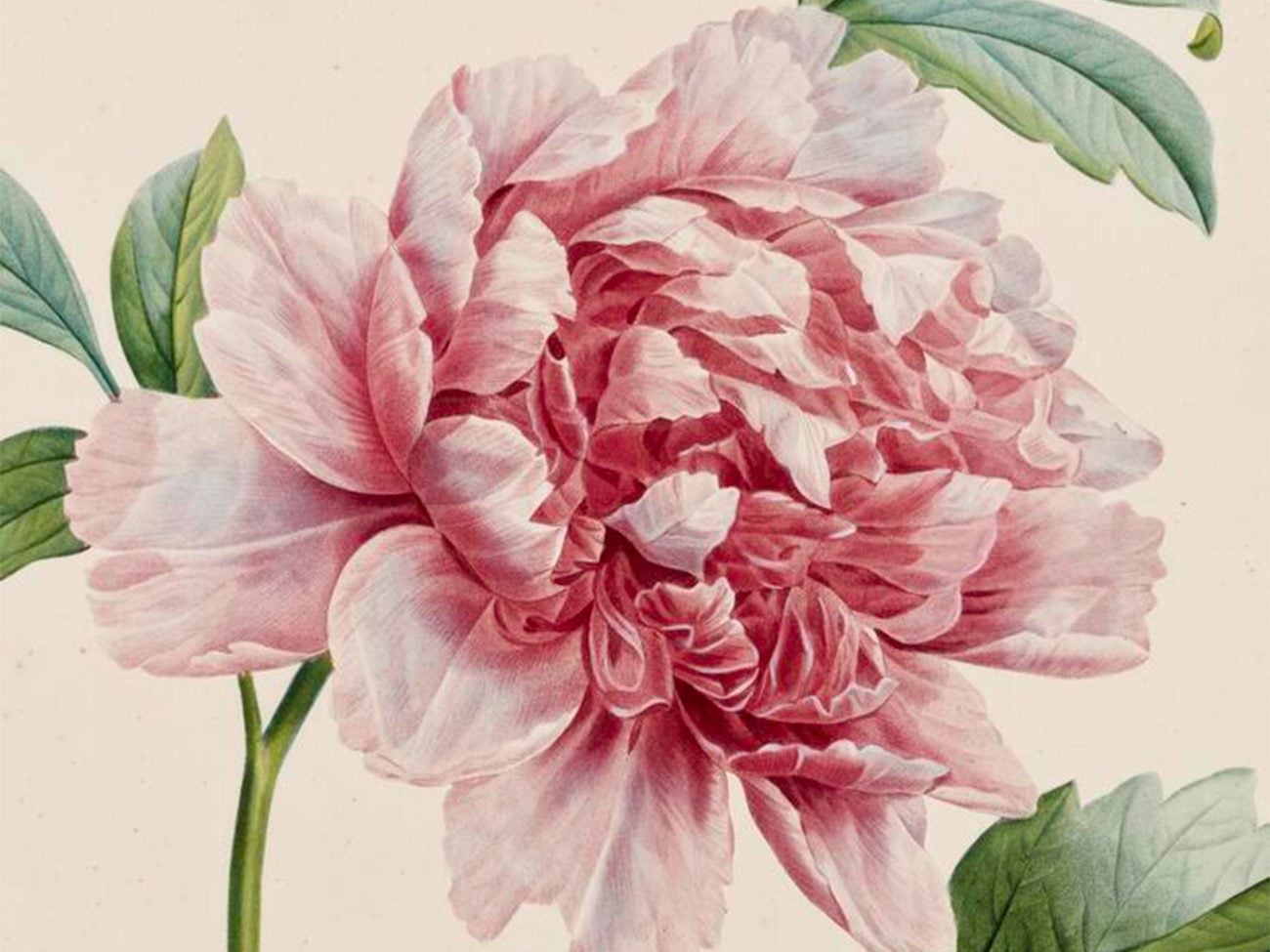
The Delicate Bouquet of Roses and Peonies by Redouté and Thilo Westermann at Malmaison

Le délicat bouquet de roses et de pivoines de Redouté et de Thilo Westermann à Malmaison

An exhibition titled "Roses & Pivoines" has opened at the Château de Bois-Préau in Malmaison, France, pairing the 19th-century botanical watercolors of Pierre-Joseph Redouté with contemporary glass-painting works by German artist Thilo Westermann. Redouté, famous for his meticulous rose and peony illustrations commissioned by Empress Joséphine Bonaparte, is shown alongside Westermann's pointillist technique on glass, which he developed from 2014 onward. The show also includes works by Jan-Frans van Dael and Cornelis van Spaendonck, plus scent stations for visitors to smell rose essences.

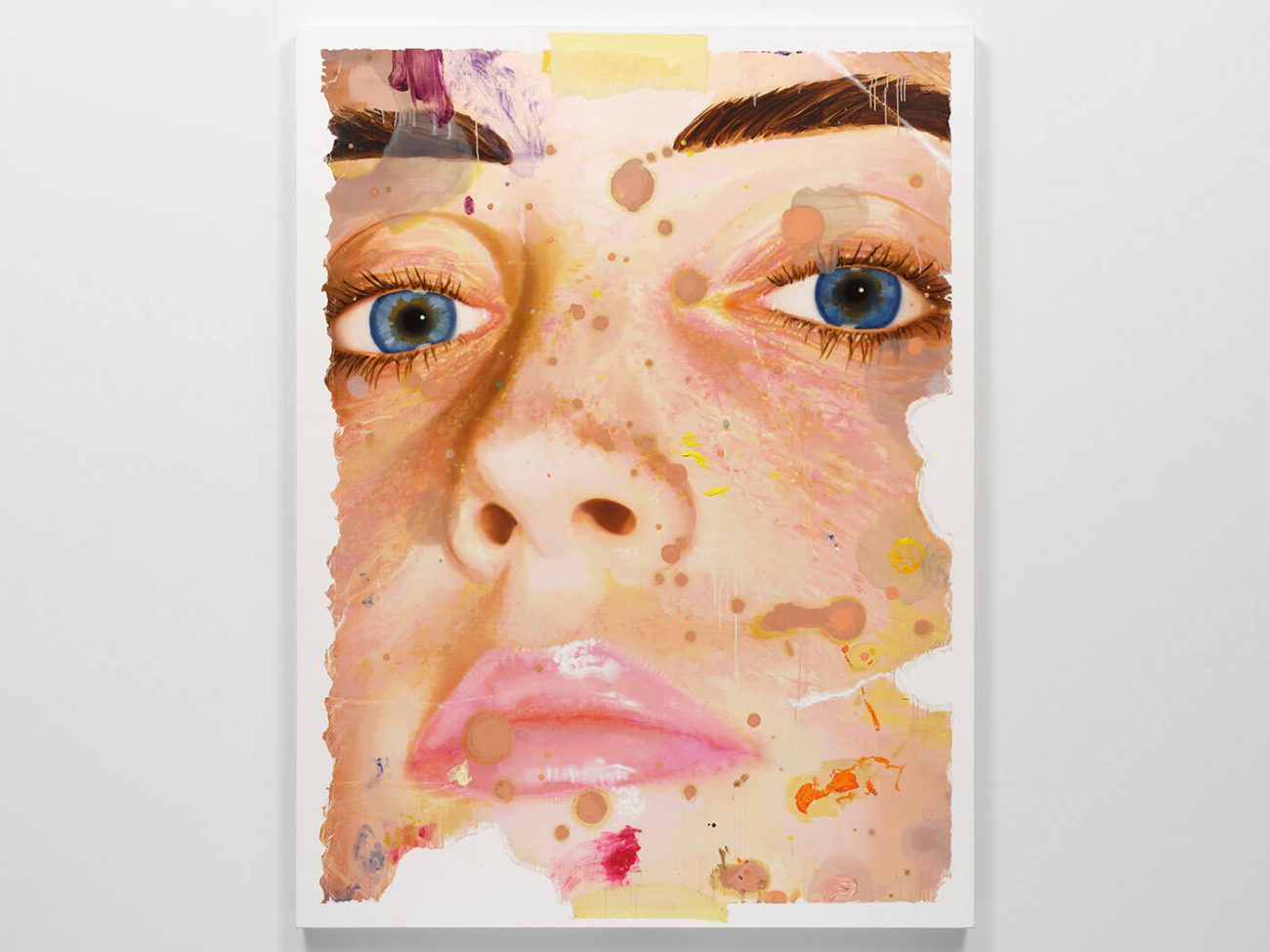
À Nîmes, la peinture sans entrave de Tursic & Mille envahit le Carré d’art

The article covers the retrospective exhibition of French artist duo Ida Tursic and Wilfried Mille at the Carré d'art in Nîmes. Titled "Dissonances à géométries variables," the show traces their career from student works at the École nationale supérieure d'art de Dijon to recent paintings, featuring a critical, humorous, and materially rich approach to figurative painting. The duo draws from press images, internet sources, art history, and archives, disrupting reproductions with paint splatters and odd details, and the exhibition is organized thematically from "happiness" to "melancholy."

Exhibition catalogs printed in China

Les catalogues d’expositions imprimés en Chine

Le Journal des Arts reports on several developments in the art world: the return of American Rousseau works to Paris, the growing trend of outsourcing museum reception services, the New Museum's expansion, challenges facing the Musée des tissus, and Art Brussels adapting to contemporary trends. These stories cover a range of topics from exhibition logistics to institutional change.

Gilles Bloch: "The Museum needs 1.1 billion euros"

Gilles Bloch : « Le Muséum a besoin de 1,1 milliard d’euros »

Gilles Bloch, president of the Muséum national d’histoire naturelle in Paris, has issued an urgent call for €1.1 billion in funding to address the critical state of the institution's infrastructure. Ahead of its 400th anniversary in 2026, a diagnostic report reveals that 74% of the museum's 120 buildings are in poor condition, with several galleries currently closed to the public or suffering from inadequate climate control. The requested funds would cover €500 million in emergency repairs to stabilize decaying structures and a further €600 million for long-term modernization and energy efficiency upgrades.

Alice Riehl Grows a Porcelain Tree Full of Humanity in Jouy-en-Josas

Alice Riehl fait pousser un arbre de porcelaine plein d’humanité à Jouy-en-Josas

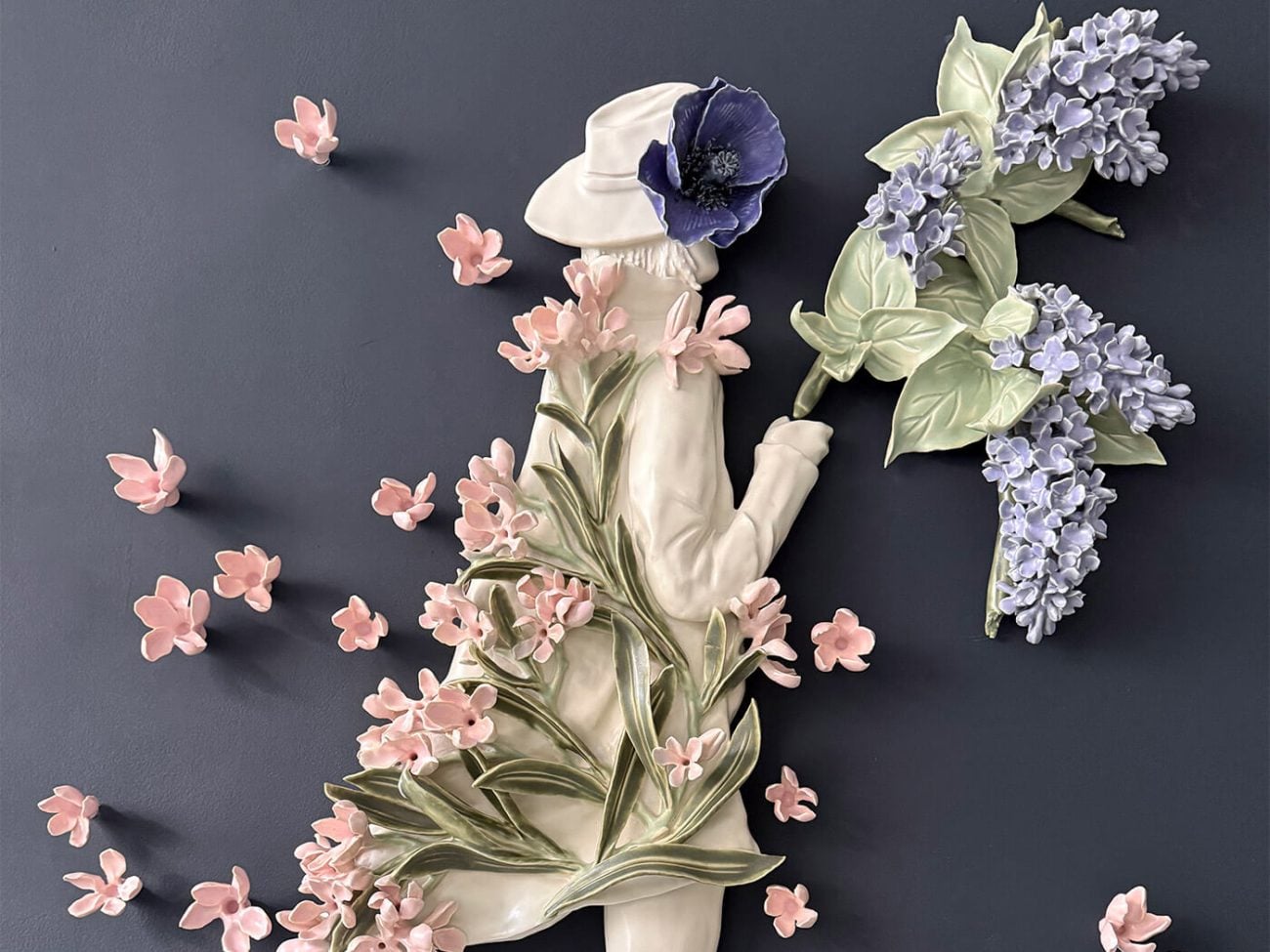
Artist Alice Riehl has unveiled a major porcelain installation titled "Herbarium Interior" at the Musée de la Toile de Jouy in Jouy-en-Josas. The work, a sprawling tree with leaves, branches, and roots, is crafted from porcelain and was inspired by the museum's historical textile collections. The installation is part of a solo exhibition, and a concurrent presentation of her work, "Porcelain Florilegium," is on view at New York's Museum of Arts and Design.

Federal Bill Creating Smithsonian Women’s Museum Scuttled Over Demand That It Honor Only “Biological” Females

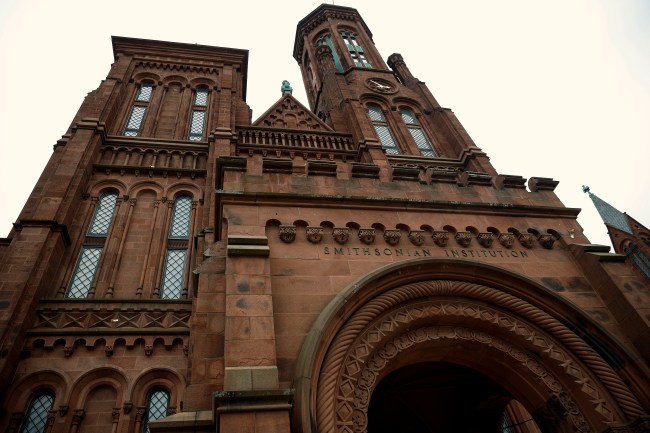
Legislation to advance the construction of the Smithsonian American Women’s History Museum in Washington, DC, failed in the House on May 21 after Democrats rejected amendments added by Republicans. The bill, introduced by Republican Representative Nicole Malliotakis, was defeated 216-204, with six Republicans joining Democrats in opposition. Key changes included language specifying the museum would honor only “biological women” and explicitly barring the depiction of any “biological male as a female,” which critics said would exclude transgender women. Other provisions would have given President Donald Trump unilateral authority to choose an alternative site for the museum, originally planned for the National Mall, and granted approval power over design and construction to commissions controlled by Trump appointees.

Walker Art Center Severs Ties With Restaurant, Citing ‘Core Values’

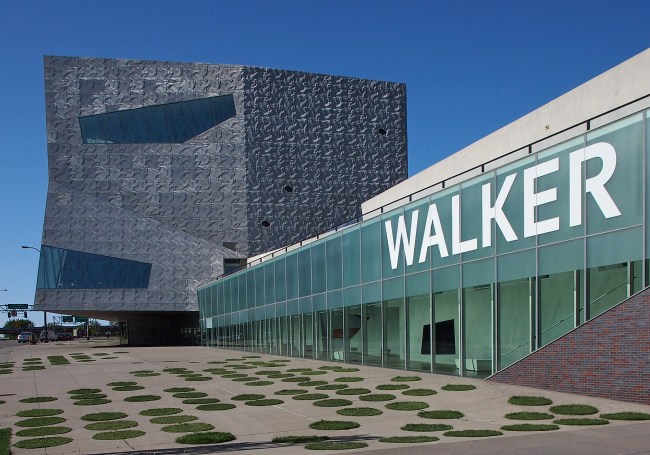
The Walker Art Center in Minneapolis has announced it is severing ties with its in-house restaurant, Cardamom, following the eatery's decision to replace front-of-house staff with a QR code ordering system. The move by the restaurant would have resulted in the immediate termination of sixteen hosts and servers, sparking plans for worker protests and picketing.

V&A Museum Has Acquiesced to Censorship Requests from Chinese Printer: Report

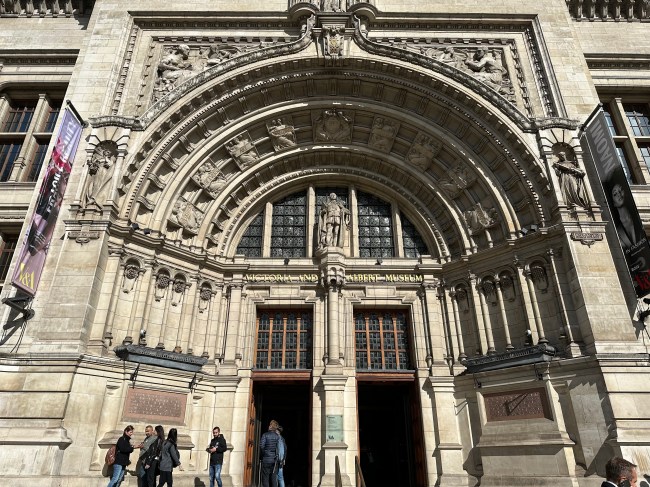
London’s Victoria and Albert Museum (V&A) reportedly complied with censorship demands from its Chinese printing firm, C&C Offset Printing, to alter exhibition catalogues. Internal emails revealed that the museum removed a photograph of Lenin from a Fabergé exhibition book and altered historical maps to align with Chinese government standards after the printers flagged them as "sensitive." Staff noted that while they were aware of contemporary geopolitical sensitivities, the restrictions had expanded to include historical imagery, forcing last-minute editorial changes to avoid production delays.

Morad Montazami Named Artistic Director of 16th Dak’Art Biennial

Morad Montazami has been appointed as the artistic director for the sixteenth edition of the Dak’Art Biennial, scheduled to run from November 19 to December 19. Titled "(Anti)Fragility: Arts of Repair and Counter-Shock Strategies," the upcoming biennial will focus on themes of community, co-creation, and the transformation of vulnerability into artistic strength. Montazami, an esteemed art historian and curator known for his work on global modernism and postcolonial narratives, brings extensive experience from previous roles at Tate Modern and various international exhibitions.

Andy Warhol’s Patek Philippe Poised for $400,000 Sale—and Other Hot Finds on the Market

Christie's will auction a Patek Philippe Calatrava Ref. 570 watch formerly owned by Andy Warhol on June 12, with an estimate of $200,000–$400,000. The timepiece, double-signed by retailer Hausmann & Co., was first sold in Sotheby's 1988 sell-off of Warhol's estate and later resold at Christie's in 2021 for $150,000. The article also highlights other market offerings, including a collection of John Keats letters estimated at $1.5–$2.5 million at Sotheby's, celebrity-painted garden gnomes for a Chelsea Flower Show charity sale, and spy-themed memorabilia at Bonhams.

From a waterfall cube to a field of mushrooms: Vivid Sydney 2026 – in pictures

Vivid Sydney 2026 has launched, transforming the city with bold light installations, projections, and digital art. The festival features a 6.5km light walk from Barangaroo to Darling Harbour, along with live music, panel discussions, and pop-up dining. Highlights include works like 'Vaiola' by Sāmoan/Australian artist Angela Tiatia, projected onto the Museum of Contemporary Art. The event runs until 13 June.

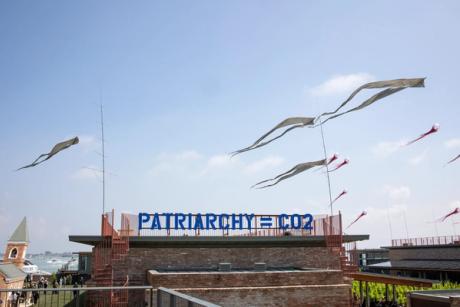
Boats and trains, not planes: reflections on a greener—but sometimes greenwashed—Venice Biennale

The article recounts the author's train journey from London to Venice for the 61st Venice Biennale, highlighting the environmental benefits and pleasant experience of traveling by rail versus flying, despite higher costs and longer duration. It then focuses on the Biennale's central exhibition "In Minor Keys" curated by the late Koyo Kouoh, which foregrounds environmental themes through works that engage with earth, nature, and ecological stakes, featuring artists like Otobong Nkanga, Célia Vasquez Yui, Theo Eshetu, Linda Goode Bryant, and Annalee Davis.

‘It’s like a Ouija board – I listen to the painting’: the supernatural art of Sanya Kantarovsky

Russian-born, New York-based artist Sanya Kantarovsky presents his new exhibition "Basic Failure" at Venice's Institute of Sciences, Letters and Arts, timed to coincide with the Venice Biennale. The show features his signature dishevelled, otherworldly figures—including a pallid boy with a cigarette, a child spinning in innocence, and a glass bust of a young boy with a dead spider under its eye—that explore tension, alienation, and the supernatural. Kantarovsky describes his process as listening to the painting like a Ouija board, and the exhibition includes works that confound narrative expectations, such as a scruffy toy panda and a recreation of Antonello Gagini's 16th-century sculpture.

Photographer Giles Duley brings images of historic and current wars into dialogue in Manhattan pop-up show

British photographer Giles Duley has opened a pop-up exhibition titled "Distortion/Memory/Resilience" in a 77th-floor penthouse at Sutton Tower in Manhattan, running from 12 to 24 May. The show features haunting war photography alongside installations—Youth, Childhood, and Memory—that draw parallels between historic and current conflicts. Duley, who lost both legs and an arm after stepping on a landmine in Afghanistan, uses a camera obscura, children's art from war zones, and side-by-side images of injured children from the London Blitz and Beirut to create an immersive experience. The exhibition is presented by the luxury tower's developer and includes benefit dinners hosted by Duley.

South Korean ceramic artist Jongjin Park wins 2026 Loewe Foundation Craft Prize.

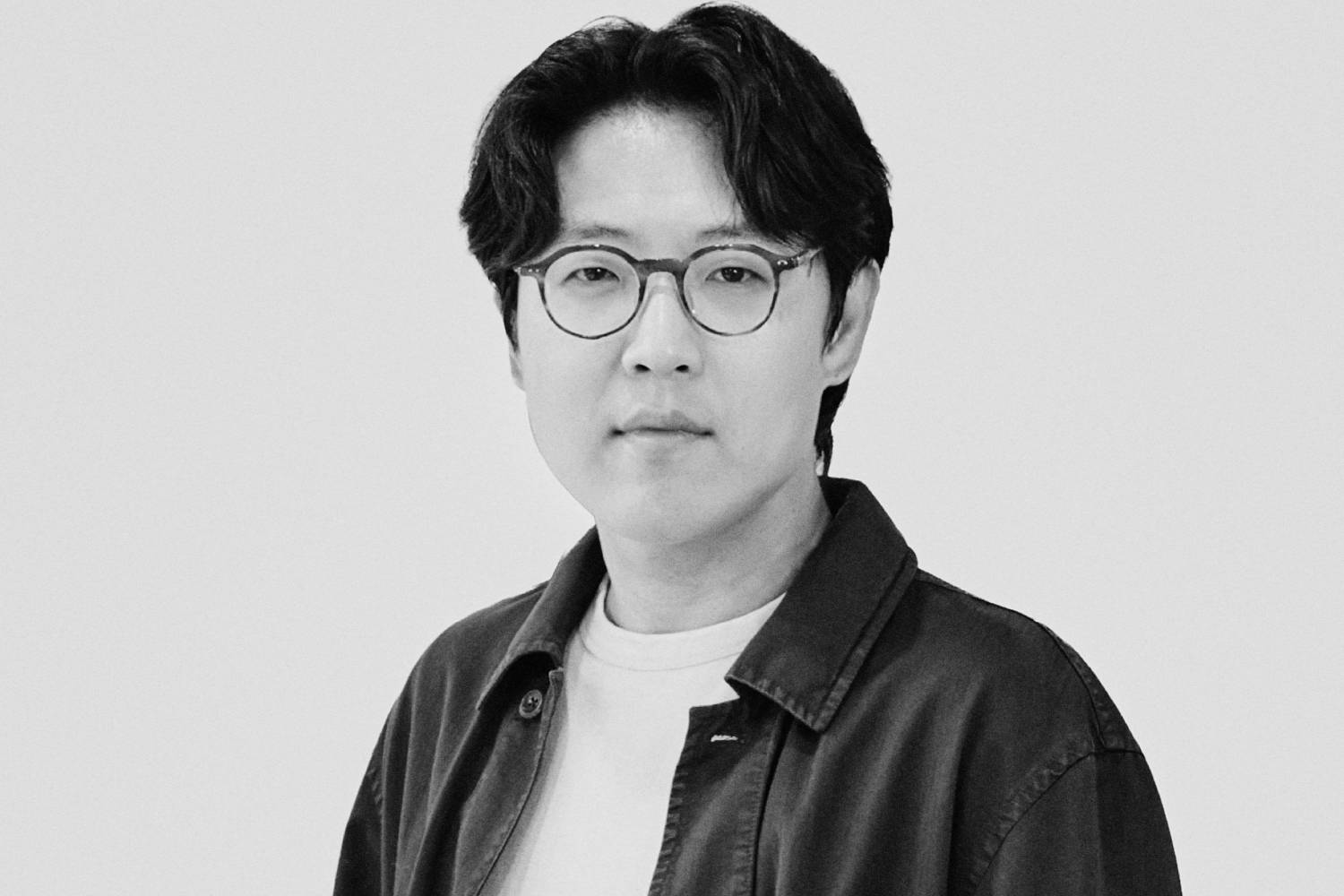
South Korean ceramic artist Jongjin Park has won the 2026 Loewe Foundation Craft Prize for his piece "Strata of Illusion" (2025), a partially-collapsed seat-like form made from paper and coated in porcelain slip. The award comes with a €50,000 ($58,700) prize, and Park's work will be exhibited alongside other shortlisted entries at the National Gallery Singapore, opening tomorrow and running through June 14.

Close encounters: the new wave of women photographers – in pictures

The Saltzman-Leibovitz photography prize, founded in 2025 by Lisa Saltzman and Annie Leibovitz, announces its winners and runners-up for 2026. Bolivian photographer Marisol Mendez wins for her series 'MADRE,' which challenges patriarchal representations of women in Bolivia through portraits of matriarchs and references to the Inca moon goddess. Runner-up Miranda Barnes documents African American debutante cotillions in Detroit, while other featured photographers include Bettina Pittaluga and Cole Ndelu, whose works explore body diversity and the fusion of Zulu cosmology with Catholicism. The exhibition runs at Photo London, Olympia, 13–17 May 2026.

Political Fallout Rocks Venice Biennale Prize System

Dozens of artists participating in the 2026 Venice Biennale have withdrawn from consideration for the newly created Visitor Lion awards, replacing the traditional Gold and Silver Lion prizes. A total of 57 artists from the main exhibition and 22 national pavilions signed a statement published on e-flux on May 9, acting in solidarity with the five-person prize jury that resigned on April 30 over the continued participation of Russia and Israel. The jury had objected to awarding prizes to artists from countries whose leaders face International Criminal Court charges, including Russian president Vladimir Putin and Israeli prime minister Benjamin Netanyahu. In response, the Biennale organizers postponed the awards ceremony to November 22 and introduced visitor voting, a move they described as consistent with openness and dialogue. Meanwhile, the Russian Pavilion, which returned after lending its space to Bolivia in 2024, faced protests, closure after previews, and a €2 million funding pull by the European Union for the 2028 Biennale.

Comment | Flourishing markets beyond the big three will benefit the art ecosystem—and the planet

The article analyzes the shifting dynamics of the global art market, reporting that regions outside the traditional 'big three' hubs of the US, UK, and China have increased their market share from 17% in 2015 to 24% in 2025. This shift is driven by nationally protective regulations like Brexit and tariffs, which have stifled the free circulation of contemporary art. While the US market remains dominant at 44%, countries such as South Korea, Switzerland, Japan, and Australia have seen growth, and emerging cultural energy is noted in places like Bangkok, Warsaw, Margate, and Qatar.

The glories of Francisco de Zurbarán’s paintings | Letters

Two letters to the editor respond to Charlotte Higgins's article on Francisco de Zurbarán. Paul McGilchrist critiques the physical inaccuracy of crucifixion depictions, including Zurbarán's *The Crucified Christ*, noting that most paintings fail to convey the true weight and distortion of a body suspended by nails. Jean Wilson highlights Zurbarán's series *Jacob and his 12 Sons* at Auckland Palace in Bishop Auckland, describing its history since 1756 and its connection to Bishop Trevor's support for Jewish rights.

Drained, Drowning, and Decay: The Best National Pavilions at the Venice Biennale

The 2026 Venice Biennale is defined by themes of ruin and decay, with standout national pavilions exploring bodily, infrastructural, and archaeological collapse. The Slovenian Pavilion features the Nonument Group repurposing materials from past Biennales into a ruin of a mosque for Bosnian Muslim soldiers from World War I. Syria presents its first national pavilion since the Civil War, with Sara Shamma invoking Palmyra, destroyed by ISIS. Germany's pavilion, titled "Ruin," features works by Henrike Naumann (who died in February) and Sung Tieu, questioning the pavilion's fascist architecture and nationalist residue. The Austrian Pavilion, curated by Florentina Holzinger, offers a visceral performance titled "Sea World." The Biennale is also marked by the abrupt resignation of its five-member jury, who refused to consider nations charged with crimes against humanity, leading to awards being chosen by public vote. Additionally, the main exhibition "In Minor Keys" was affected by the death of its curator, Koyo Kouoh.

Fondazione Sandretto Re Rebaudengo’s New Art Island Made a Sunny Splash in a Rainy Venice Vernissage Week

Patrizia Sandretto Re Rebaudengo, an ARTnews Top 200 collector, inaugurated a new art site on the island of San Giacomo in Venice’s Northern Lagoon during the rainy preview week of the Biennale. The island, purchased in 2018, features two Napoleonic-era powder magazines transformed into exhibition spaces: one hosting the group show “Don’t have hope, be hope!” from the Sandretto Re Rebaudengo Collection, and the other presenting “Fanfare/Lament,” a solo exhibition by Matt Copson curated by Hans Ulrich Obrist. The site also includes permanent installations by artists such as Claire Fontaine, Mario Garcia Torres, Hugh Hayden, Goshka Macuga, Pamela Rosenkranz, and Thomas Schütte, and will serve as a venue for exhibitions, performances, and residencies.

An Unprecedented 24-Hour Strike Could Upend the Venice Biennale

An unprecedented 24-hour strike is set to interrupt the Venice Biennale's opening week on Friday, May 8, in protest of Israel's participation in the global art event. The action, organized by the activist group Art Not Genocide Alliance (ANGA), follows a letter signed by over 230 Biennale participants demanding Israel's exclusion. The strike has exposed divisions among participants, with some artists and pavilion teams weighing solidarity against the rare opportunity to platform their own political messages. The Slovenian pavilion, represented by Nika Grabar of the Nonument Group, has committed to the strike, while others like Ecuador's Tawna Collective remain undecided, balancing protest with their mission to highlight ecological crises in the Amazon.

Arch Hades Turns a Venetian Palazzo Into an Emotional Landscape

British artist Arch Hades has transformed the Scoletta Battioro e Tiraoro di Venezia, a historic palazzo on Venice's Grand Canal, into an immersive solo exhibition titled “Arch Hades: Return | Ritorno,” timed to the 61st Venice Biennale. The show features site-specific paintings, sculptures, and a soundscape, anchored by the monumental 22-panel painting *Return* (2025), which draws on Greco-Roman sculpture, Symbolism, Surrealism, and Romanticism, and echoes Gustav Klimt's lost “Faculty Paintings.” New works from Hades's “Confessions” series and the mirrored chrome piece *Sphinx* (2026) further explore themes of memory, connection, and existentialism.

Parasol Unit returns with a showcase of women from Central Asia and beyond

Parasol Unit, the London non-profit exhibition space that closed in 2020 after 16 years, has relaunched with a new exhibition titled "Turandot: To the Daughters of the East" as an official collateral event of the Venice Biennale. Held at the historic Palazzo Franchetti, the show features 11 female artists from Central Asia and surrounding regions, curated by founder Ziba Ardalan. The exhibition spans video, installation, sculpture, painting, textile, and sound works by artists including Lida Abdul, Huma Bhabha, Mona Hatoum, and Tala Madani, and runs from 9 May to 31 October.

Venice Diary Day 2: “In Minor Keys” Is a Major Statement on Perseverance and Play

The article is a diary entry from the 2026 Venice Biennale, focusing on the exhibition "In Minor Keys" curated by the late Koyo Kouoh. The author describes an emotional experience, beginning with a poem by Refaat Alareer on the Arsenale wall, and highlights works by Guadalupe Maravilla, Alexa Kumiko Hatanaka, and others that address themes of perseverance, healing, and survival. Maravilla's sculptures reference a child kidnapped by ICE, while Hatanaka's linocuts explore bipolar disorder as an adaptive trait. The show also features artist-led collectives like Denniston Hill and fierce pussy, emphasizing institution-building and world-making.

First Impressions of a Venice Biennale Torn Apart by the Present

The 61st Venice Biennale, titled "In Minor Keys," opens amid turmoil: its curator Koyo Kouoh died of cancer during planning, and the festival jury resigned after a controversial statement about excluding Israel and Russia from prizes, replaced by a Eurovision-style people's choice award. The main exhibition, completed by a team of five collaborators using Kouoh's plans, features over 110 artists and collectives, with highlights including works by Big Chief Demond Melanchon, Tammy Nguyen, Guadalupe Maravilla, Ayrson Heráclito, and a section focused on Michael Armitage's Nairobi Contemporary Art Institute.

The Biennale Isn’t a Court. Tell That to the Protesters.

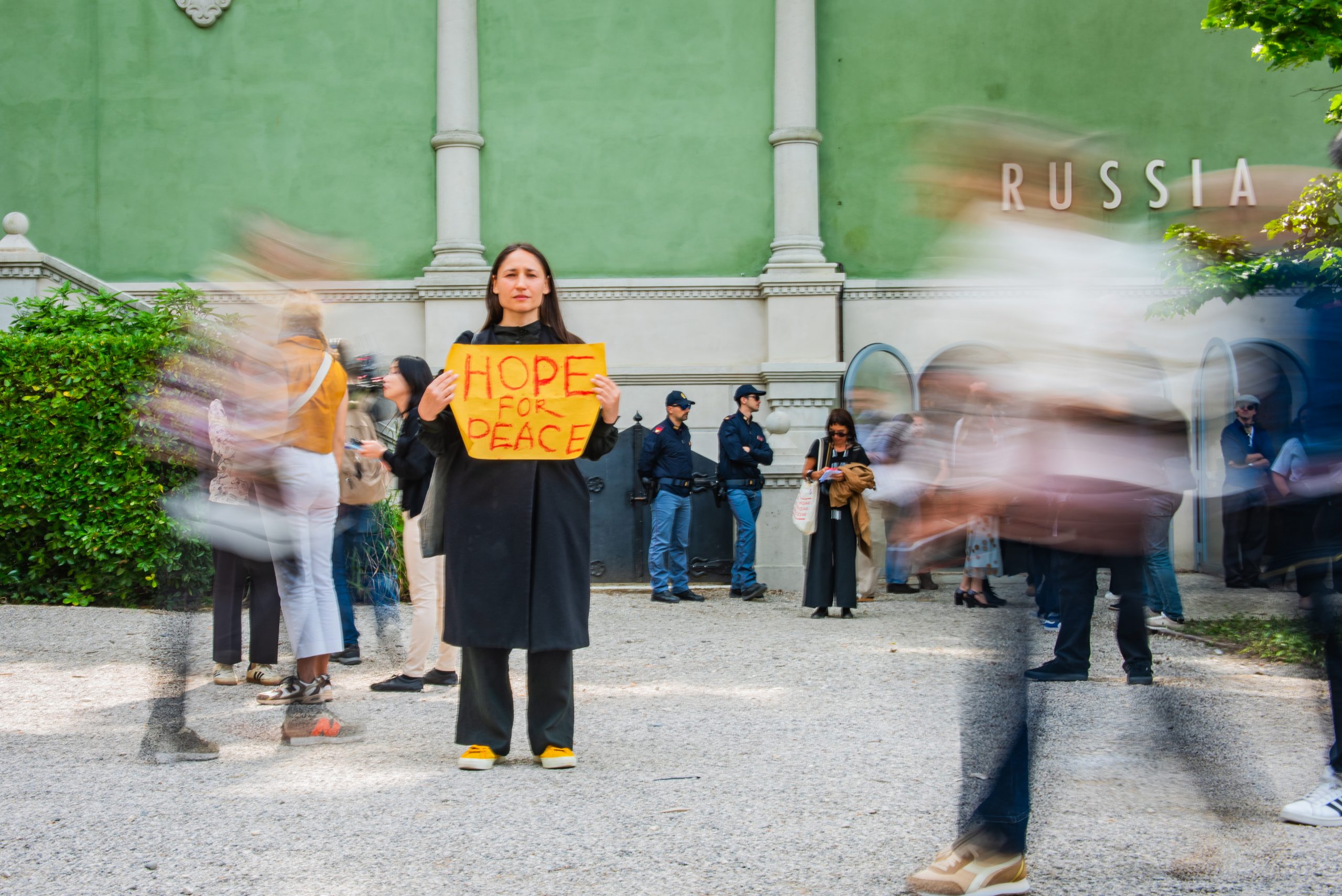
Pietrangelo Buttafuoco, president of the Venice Biennale, defended the decision to allow Russia to reopen its pavilion for the first time since its 2022 invasion of Ukraine, stating that the Biennale is "not a court; it is a garden of peace." The move has sparked widespread backlash, including threats to pull €2.3 million in EU funding. Protests have erupted on the ground, with Pussy Riot and FEMEN staging a theatrical demonstration outside the Russian Pavilion, setting off smoke flares and chanting slogans. Separately, around 60 artists performed a "Solidarity Drone Chorus" to protest Israel's participation, and the Art Not Genocide Alliance has called for a 24-hour strike and rallies across Venice. The Russian Pavilion will be open only during press preview days due to EU sanctions, with video projections visible from outside for the rest of the Biennale's run.

Pussy Riot protest at Venice Biennale forces Russian pavilion to briefly close

On the second day of the Venice Biennale preview, the activist group Pussy Riot staged a chaotic protest at the Russian pavilion, forcing it to temporarily close. Wearing pink balaclavas and carrying flares, about 40 activists—including members of Femen—gathered outside the pavilion, shouting slogans like "Blood is Russia's Art" and attempting to enter before being pushed back by police. Founding member Nadya Tolokonnikova led the protest, condemning Europe for allowing Russian participation despite the war in Ukraine. Separately, the Art Not Genocide Alliance (Anga) demonstrated outside the Israeli pavilion, which was locked from inside, over Israel's war in Gaza.

A Pavilion of Ruins: Germany Reconsiders Its Past in Venice

The German Pavilion at the 61st Venice Biennale features a dual presentation exploring the country's layered political history. Artist Sung Tieu has cloaked the pavilion's fascist-era facade with a mosaic reconstruction of a GDR housing estate for Vietnamese contract workers, where she lived as a child. Inside, the late Henrike Naumann's immersive installation 'The Home Front' uses furniture and design to stage a confrontation between East and West German domestic and political ideologies. Naumann died in February 2025 at age 41, but her fully realized concept was completed collaboratively by her partner and curator Kathleen Reinhardt.