filter_list Showing 546 results for "Mina" close Clear
search
dashboard All 546 museum exhibitions 298article news 76article local 46article culture 36trending_up market 24rate_review review 23candle obituary 17article policy 12person people 11gavel restitution 3
date_range Range Today This Week This Month All
Subscribe

Latino community organisation opens $33m arts centre in Boston

On 15 May, Inquilinos Boricuas en Acción (IBA), a Latino-founded nonprofit community development corporation, will open La Casa, a $33 million, 26,000-square-foot cultural center in Boston's South End. The largest Latino cultural center in New England, La Casa is designed by local firms Studio Enée and Annum Architects and features a terracotta-colored facade, energy-efficient design, and flexible spaces for civic engagement, education, and artistic expression. Initial programming includes artist residencies, workshops, and a mural by local artist Alvin “Acóma” Colon honoring Boston’s Puerto Rican residents. The building incorporates salvaged elements from the original turn-of-the-century Lutheran church that IBA repurposed in the 1960s.

Venice Biennale Jury Resigns in the Wake of Controversial Prize Ban

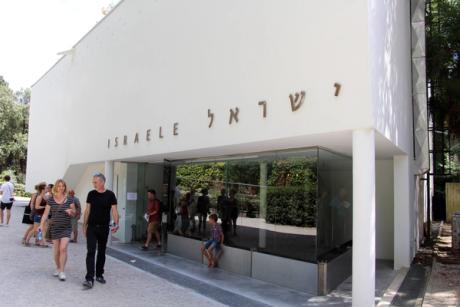
The jury for the 2026 Venice Biennale has resigned just days before the public opening on May 9, after announcing on April 22 that it would not consider artists from countries accused of crimes against humanity for the Golden and Silver Lion prizes. The jury, consisting of Solange Oliveira Farks (president), Zoe Butt, Elvira Dyangani Ose, Marta Kuzma, and Giovanna Zapperi, cited its earlier statement of intention in its resignation, which directly impacted the participation of Russia and Israel—both subject to International Criminal Court warrants. In response, the Biennale postponed the awards ceremony from May 9 to November 22 and replaced the traditional jury with a public vote for best participant and best national participation, framing the move as upholding openness and rejecting censorship.

Venice Biennale Jury Resigns En Masse, Organizers to Award “Visitors’ Lions” in November

The jury for the 2026 Venice Biennale has resigned en masse, announcing the decision via e-flux's Instagram account on April 30 without providing a reason. The five-member jury, including president Solange Oliveira Farks, Zoe Butt, Elvira Dyangani Ose, Marta Kuzma, and Giovanna Zapperi, had previously stated they would not consider national pavilions from countries charged with crimes against humanity by the International Criminal Court, directly affecting Israel and Russia. In response, the Biennale postponed the awards ceremony from May to November 22 and replaced the Golden Lions with two "Visitors' Lions" voted on by the public.

Israel’s foreign ministry accuses Venice Biennale's jury of ‘politicising’ exhibition

Israel’s foreign ministry has accused the Venice Biennale's jury of politicizing the exhibition after jurors announced they would not consider for prizes countries whose leaders face International Criminal Court charges for crimes against humanity. The jury’s statement, which did not name specific nations, is broadly understood to apply to Israel and Russia, both returning to the Biennale for the first time since the Gaza war and the Ukraine invasion, respectively. The Israeli ministry posted on X that the jury had decided to 'boycott' Israeli sculptor Belu-Simion Fainaru, calling it 'a contamination of the art world.' The Biennale distanced itself from the jury’s announcement, stating the jury acts autonomously, while the Russian pavilion is reportedly set to open only for a limited pre-opening period due to budget constraints amid sanctions.

GEORGE FEBRES: TRANSLATION, IRONY, AND LIBERATION. AN ECUADORIAN ARTIST IN THE DIASPORA

The article examines the life and work of George Febres (1943–1996), an Ecuadorian artist who spent most of his career in the United States, primarily in New Orleans. Febres’s practice blends Pop Art, Neo-Surrealism, and Southern US culture with his experiences as a migrant and queer subject, using bilingualism and ironic tropical imagery to create a hybrid, irreverent body of work. Despite his significance, no works by Febres exist in Ecuadorian public collections, and no major retrospective has been held in his home country, reflecting a broader erasure of queer narratives from national art history.

Venice in Crisis Mode

Venedig im Krisenmodus

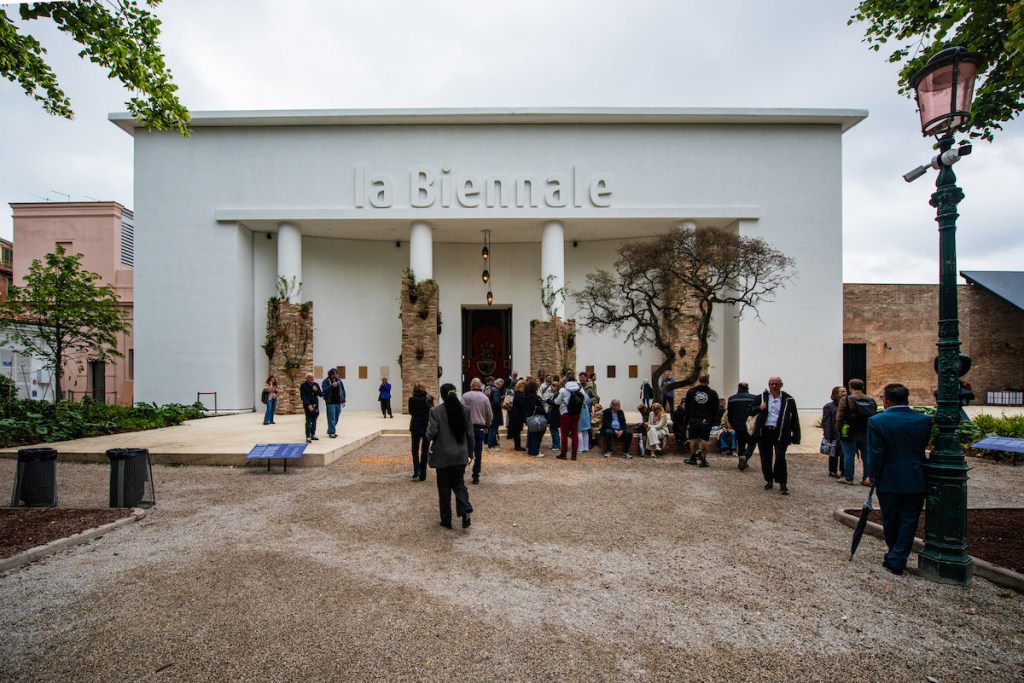
The 61st Venice Biennale has opened under extraordinary circumstances, marked by political protests, a jury resignation, and canceled awards. The Biennale's jury resigned en masse after announcing they would exclude Israeli and Russian contributions from their decisions, leading to the cancellation of the Golden Lion awards and a crisis over the international competition's legitimacy. A newly introduced audience prize also faced boycotts from artists in solidarity. Protests, closed pavilions, and pro-Palestinian actions dominated the preview days, with artists pasting protest posters directly onto their works, reflecting heightened tensions.

What Has the American Inquisition Done to Art?

An exhibition titled "American Inquisition" opened in mid-March at No Place Gallery, an artist-run space in Columbus, Ohio. Featuring paintings by Shiva Addanki and Nikholis Planck, the show draws its name from a statement by the Popular Front for the Liberation of Palestine supporting detained activist Mahmoud Khalil, and its critical framework from Mike Davis's book "Buda's Wagon." Addanki's works depict scenes of US imperial violence, including downed drones and counterinsurgents at detention centers, while Planck's paintings map extractive infrastructure, subverting traditional landscape painting with industrial detritus and petroleum tankers.

Israeli Pavilion artist issued legal warnings before Biennale jury resignation

Belu-Simion Fainaru, the artist representing Israel at the 2026 Venice Biennale, issued legal warnings to the Biennale, the Italian Ministry of Culture, and the Italian Prime Minister’s office after the Golden Lion jury announced it would not consider pavilions from countries whose leaders are charged with crimes against humanity by the International Criminal Court, including Israel and Russia. Fainaru’s legal threats cited alleged antisemitism and nationality-based discrimination. Shortly after, the Biennale jury resigned, prompting organizers to postpone the awards ceremony to the closing day and replace the Golden and Silver Lions with two 'Visitors’ Lions' voted on by attendees, with all national participations eligible.

LILIA CARRILLO IN NEW YORK THE MEXICAN PAINTER WHO WAS AHEAD OF HER TIME

Americas Society in New York has opened "Lilia Carrillo: Ruptures and Premonitions," curated by Tobias Ostrander. The exhibition presents 24 paintings by Mexican artist Lilia Carrillo (1930–1974), created between 1961 and 1974, alongside archival materials. It introduces Carrillo to New York audiences as a key figure of the Generación de la Ruptura, a postwar movement that broke with Mexican muralism in favor of abstraction. The show highlights her experimental techniques—carving and scraping paint, embedding fabric and paper—and her engagement with mortality, Surrealism, and political turmoil, including the 1968 Tlatelolco massacre.

Leonora in the Morning Light review – pioneering British artist who fled convention for the surrealists

A new biopic titled *Leonora in the Morning Light* chronicles the life of British surrealist painter Leonora Carrington, who fled her aristocratic upbringing in London to join the surrealist circle in Paris. The film, adapted from Elena Poniatowska's biographical novel, follows Carrington from her affair with the older Max Ernst through her mental health crisis in Spain and eventual settlement in Mexico, where she created art on her own terms. Olivia Vinall portrays Carrington with a fierce, uncompromising spirit, though the film is criticized for uneven storytelling and clunky dialogue.

Who Won New York’s $2.1 Billion Auction Week?

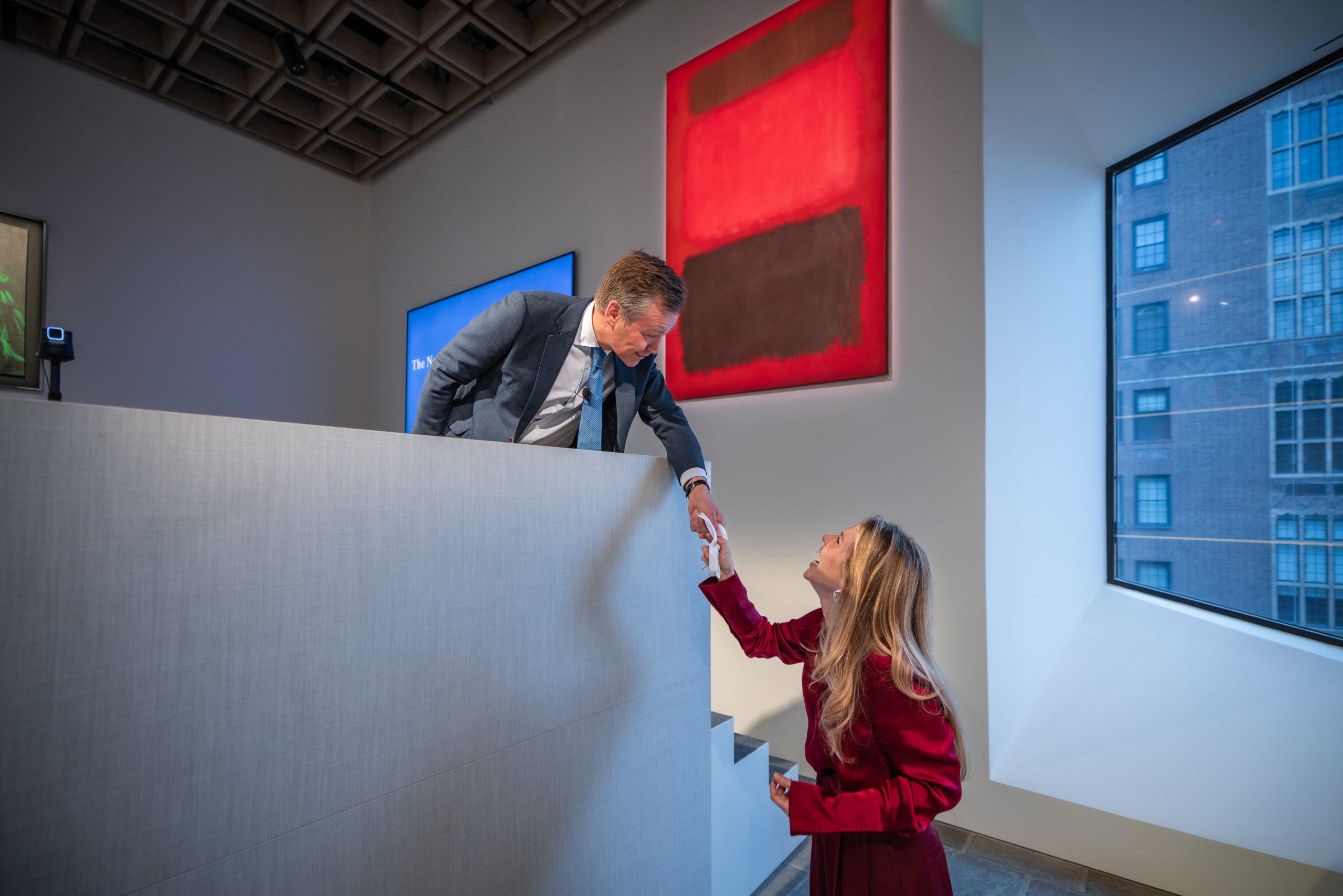
New York City's spring auction week generated approximately $2.1 billion in sales across Christie's, Sotheby's, and Phillips, more than doubling the $1 billion total from May 2024. Christie's led with a $1.3 billion haul, driven by the $630.8 million S.I. Newhouse collection and record prices for works by Jackson Pollock ($181.2 million) and Constantin Brancusi ($107.6 million). Sotheby's netted around $737 million, including a Rothko from the Robert Mnuchin collection, while Phillips rebounded with $115.2 million in a white-glove sale, its strongest New York spring result since 2022.

Final proposals for Billie Holiday monument in New York City revealed

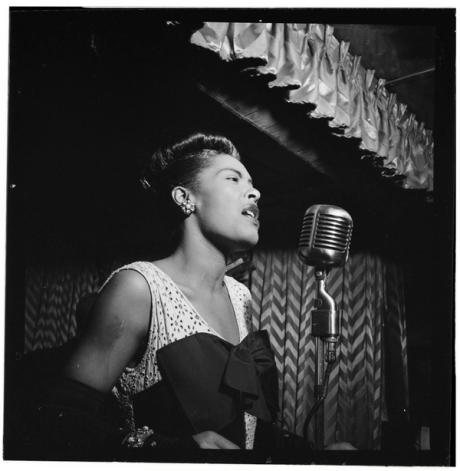
The New York City Department of Cultural Affairs has selected six finalist proposals for a monument to jazz singer Billie Holiday in Queens, where she once lived and performed. The finalists—all Black artists from around the world—include Tavares Strachan, La Vaughn Belle, Tanda Francis, Nikesha Breeze, Thomas J Price, and Nekisha Durrett. Their designs range from realistic to abstract, with some focusing on Holiday's expressive face, her signature gardenia, or symbolic forms. The winning project will be announced this summer and installed near the Jamaica Performing Arts Center (JPAC).

Political Fallout Rocks Venice Biennale Prize System

Dozens of artists participating in the 2026 Venice Biennale have withdrawn from consideration for the newly created Visitor Lion awards, replacing the traditional Gold and Silver Lion prizes. A total of 57 artists from the main exhibition and 22 national pavilions signed a statement published on e-flux on May 9, acting in solidarity with the five-person prize jury that resigned on April 30 over the continued participation of Russia and Israel. The jury had objected to awarding prizes to artists from countries whose leaders face International Criminal Court charges, including Russian president Vladimir Putin and Israeli prime minister Benjamin Netanyahu. In response, the Biennale organizers postponed the awards ceremony to November 22 and introduced visitor voting, a move they described as consistent with openness and dialogue. Meanwhile, the Russian Pavilion, which returned after lending its space to Bolivia in 2024, faced protests, closure after previews, and a €2 million funding pull by the European Union for the 2028 Biennale.

Putin ‘Won’ the Venice Biennale, Quips Italian Culture Minister

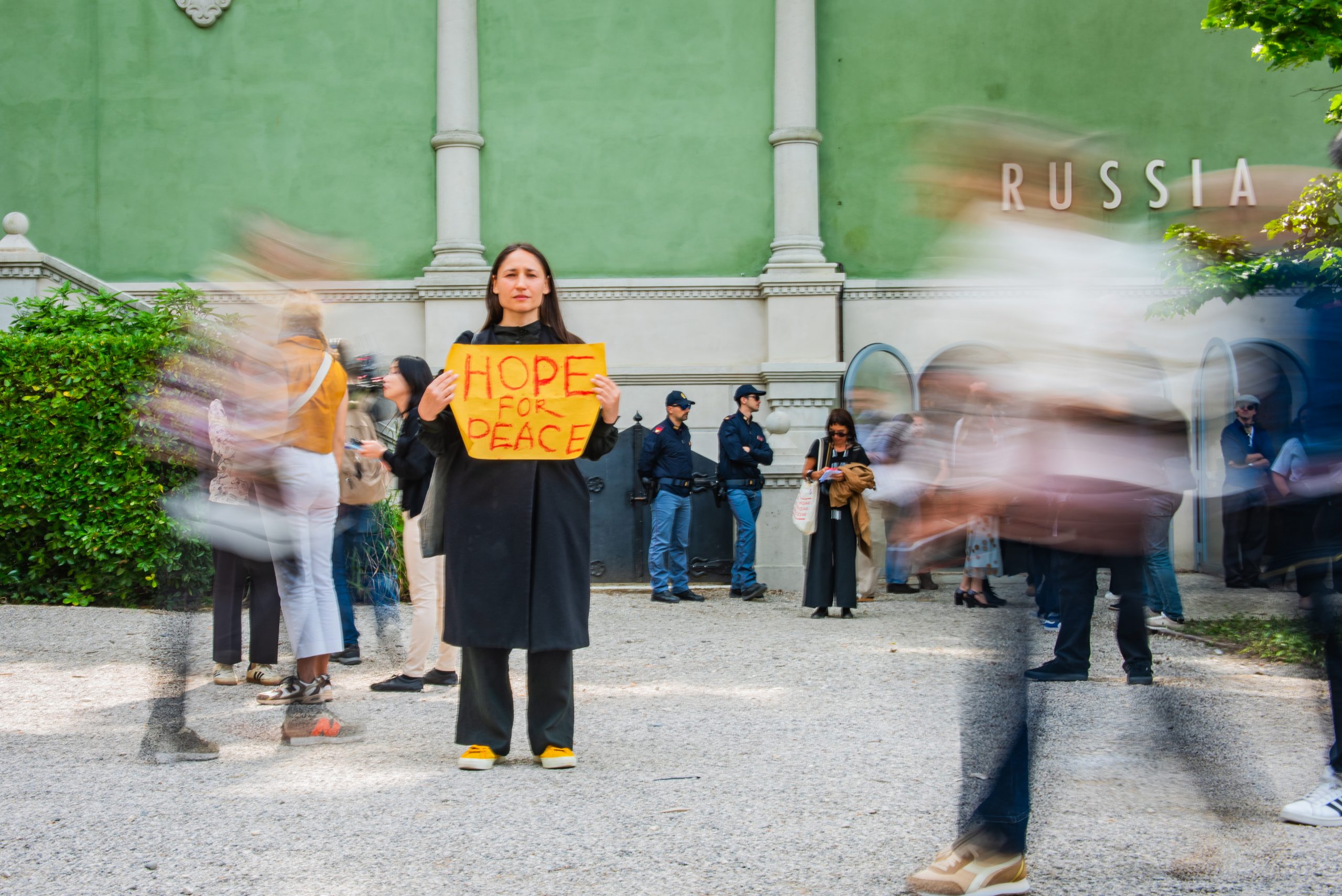
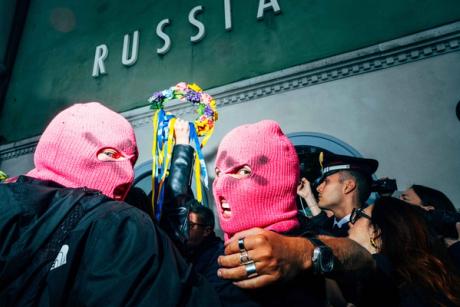
Italian Culture Minister Alessandro Giuli stated that Russian President Vladimir Putin "won" the 2024 Venice Biennale, criticizing Russia's controversial return to the event. Giuli, who repeatedly denounced Russia's presence, told Corriere della Sera that Russian artists in the pavilion cannot express dissent against their regime. The Biennale faced widespread calls to remove Russia, with the EU threatening to withhold a €2 million grant, but organizers argued they lacked legal authority to exclude the country. Protests by Pussy Riot and FEMEN marked the pavilion's opening, while the Biennale's jury resigned en masse after announcing that nations charged with crimes against humanity would be ineligible for Golden Lions.

Comment | Flourishing markets beyond the big three will benefit the art ecosystem—and the planet

The article analyzes the shifting dynamics of the global art market, reporting that regions outside the traditional 'big three' hubs of the US, UK, and China have increased their market share from 17% in 2015 to 24% in 2025. This shift is driven by nationally protective regulations like Brexit and tariffs, which have stifled the free circulation of contemporary art. While the US market remains dominant at 44%, countries such as South Korea, Switzerland, Japan, and Australia have seen growth, and emerging cultural energy is noted in places like Bangkok, Warsaw, Margate, and Qatar.

Venice Biennale Artists Decline Consideration for Golden Lions Chosen by Public Vote

Nearly half of the artists in the main exhibition of the Venice Biennale have signed a statement declining consideration for the Golden Lion awards, in solidarity with the jury that resigned last month. The statement, published by e-flux, includes prominent names such as Alfredo Jaar, Tuan Andrew Nguyen, Otobong Nkanga, and Walid Raad, as well as national pavilion representatives from France, Lithuania, and the Netherlands. The Biennale had planned to replace the jury-selected Golden Lions with "Visitor Lions" decided by public vote, but the artists' refusal marks an unprecedented protest within the exhibition.

Drained, Drowning, and Decay: The Best National Pavilions at the Venice Biennale

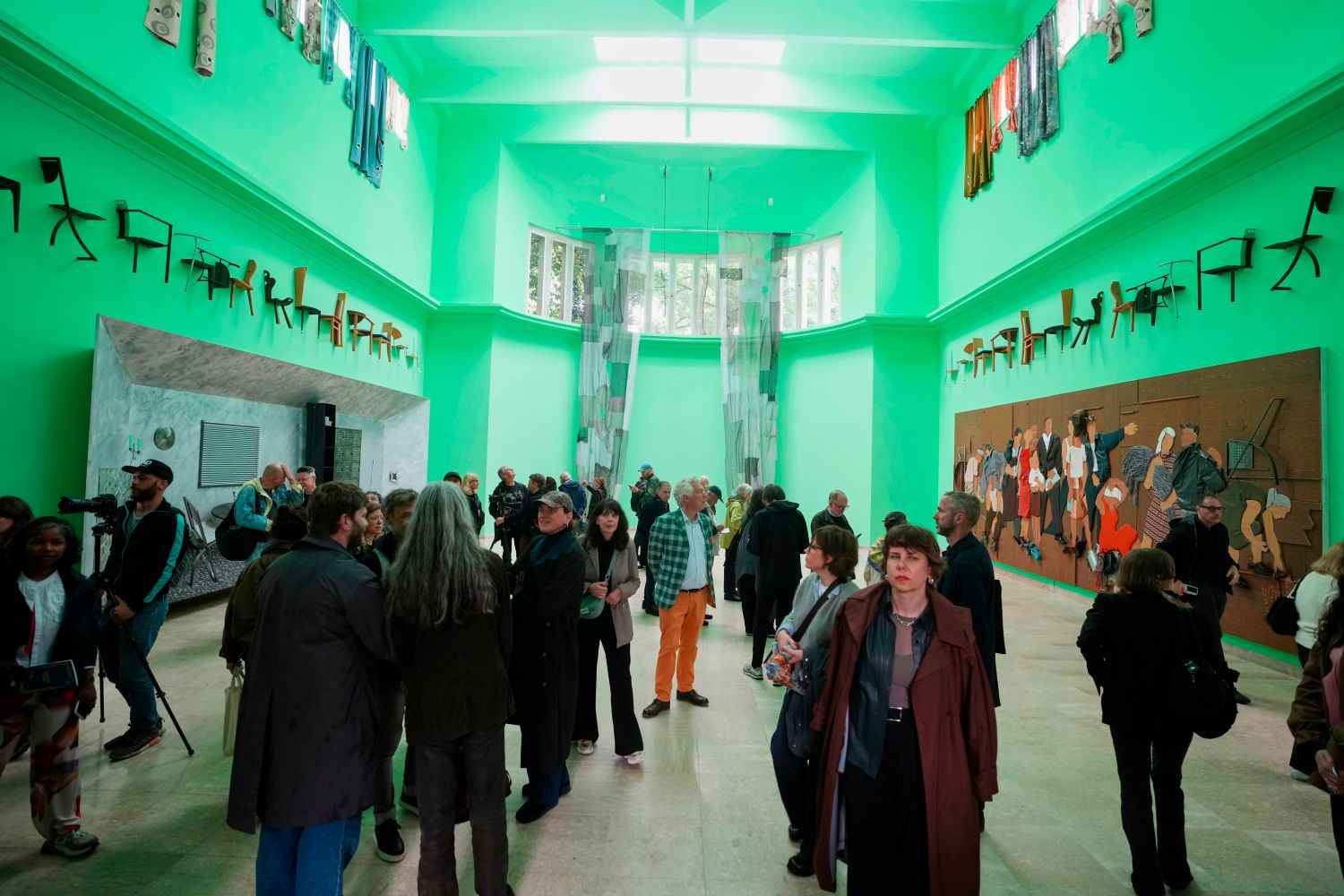
The 2026 Venice Biennale is defined by themes of ruin and decay, with standout national pavilions exploring bodily, infrastructural, and archaeological collapse. The Slovenian Pavilion features the Nonument Group repurposing materials from past Biennales into a ruin of a mosque for Bosnian Muslim soldiers from World War I. Syria presents its first national pavilion since the Civil War, with Sara Shamma invoking Palmyra, destroyed by ISIS. Germany's pavilion, titled "Ruin," features works by Henrike Naumann (who died in February) and Sung Tieu, questioning the pavilion's fascist architecture and nationalist residue. The Austrian Pavilion, curated by Florentina Holzinger, offers a visceral performance titled "Sea World." The Biennale is also marked by the abrupt resignation of its five-member jury, who refused to consider nations charged with crimes against humanity, leading to awards being chosen by public vote. Additionally, the main exhibition "In Minor Keys" was affected by the death of its curator, Koyo Kouoh.

Lithuanian, Latvian, and Estonian Pavilions Stage Pro-Ukraine Procession During Venice Biennale

On May 6, 2026, the Lithuanian, Latvian, and Estonian pavilions at the Venice Biennale organized a procession in solidarity with Ukraine, walking approximately one and a half miles from the Lithuanian Pavilion in the Fucina del Futuro to the Estonian pavilion. The action honored Ukrainian cultural workers creating under war conditions and those who have died. It is one of several political protests at the contentious 2026 Biennale, including demonstrations by Pussy Riot and FEMEN at the Russian pavilion, a "Solidarity Drone Chorus" opposing Israel's inclusion, and a planned 24-hour strike by the Art Not Genocide Alliance.

‘Exclusion can only satisfy the ego’: Venice Biennale president hits out at critics amid Russia and Israel controversy

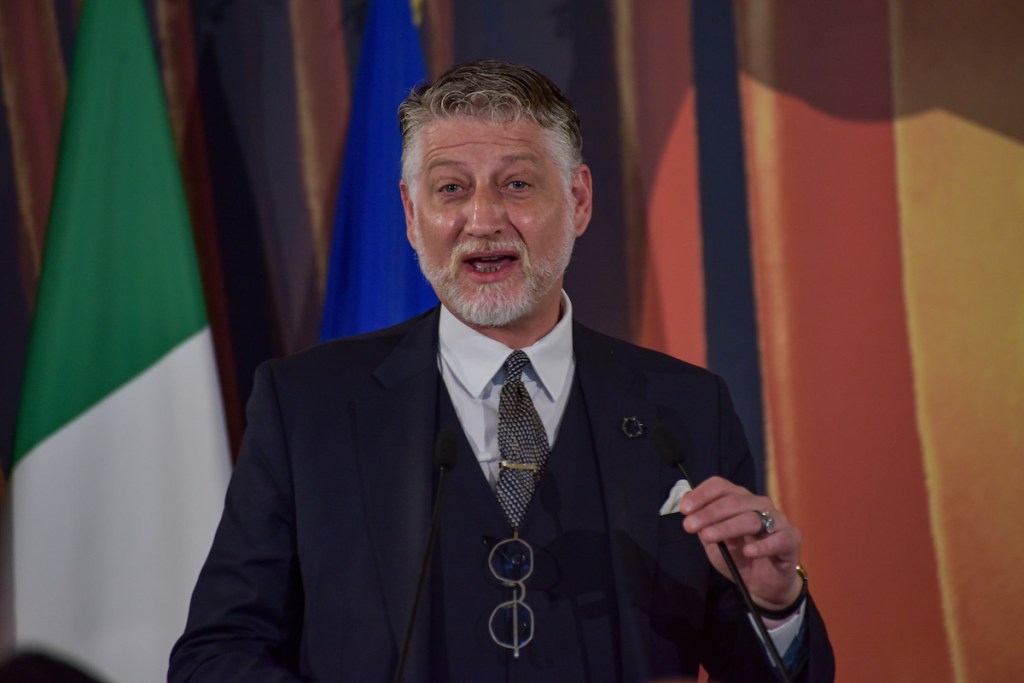
Venice Biennale president Pietrangelo Buttafuoco defended the institution against critics at a conference on May 6, three days before the public opening, amid controversy over Russia's return to the event for the first time since its 2022 invasion of Ukraine and ongoing disputes over Israel's participation. He accused critics of “narcissism” and “censorship,” while Italian culture minister Alessandro Giuli sent inspectors to investigate whether Russia's involvement breached sanctions; a report was submitted to Prime Minister Giorgia Meloni's office. Meanwhile, the Biennale faces legal threats from the artist representing Israel over alleged discrimination, and protests have erupted, including a demonstration by Art Not Genocide Alliance and a Pussy Riot action at the Russia pavilion.

First Impressions of a Venice Biennale Torn Apart by the Present

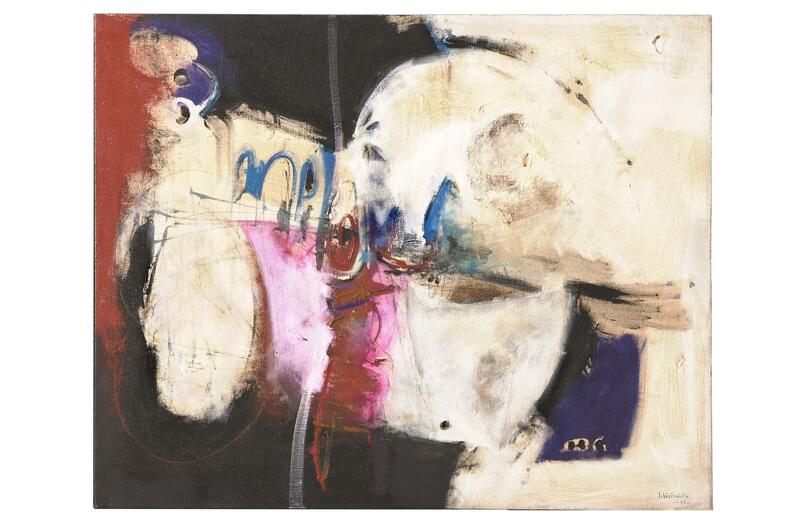
The 61st Venice Biennale, titled "In Minor Keys," opens amid turmoil: its curator Koyo Kouoh died of cancer during planning, and the festival jury resigned after a controversial statement about excluding Israel and Russia from prizes, replaced by a Eurovision-style people's choice award. The main exhibition, completed by a team of five collaborators using Kouoh's plans, features over 110 artists and collectives, with highlights including works by Big Chief Demond Melanchon, Tammy Nguyen, Guadalupe Maravilla, Ayrson Heráclito, and a section focused on Michael Armitage's Nairobi Contemporary Art Institute.

Major protests take place at Venice Biennale previews

Major protests erupted during the preview days of the Venice Biennale, with multiple demonstrations targeting the Israeli and Russian pavilions. On Wednesday, the Art Not Genocide Alliance (ANGA) held a large protest outside the temporary Israeli pavilion in the Arsenale, attended by over 200 people calling for its closure. Separately, the Solidarity Drone Chorus performed a sound composition by Gazan artist Ahmed Muin, with 60 artists wearing T-shirts bearing names of artists from Gaza. Meanwhile, Pussy Riot and FEMEN protested Russian participation, forcing the Russian pavilion to shut its doors. These actions follow the resignation of the entire Golden Lion jury days before the opening, after they stated they would not consider pavilions from countries whose leaders are charged with crimes against humanity by the ICC—widely seen as a reference to Russia and Israel.

‘Still lots to talk about’: UK galleries team up to shine light on female artists

A new exhibition titled 'Making Her Mark' opens at Penlee House in Penzance, Cornwall, featuring works by prominent British female artists such as Tracey Emin, Barbara Hepworth, Laura Knight, Elizabeth Forbes, and Gillian Ayres. The show is a collaboration between Penlee House, Worcester City Art Gallery and Museum, and Kirkcaldy Galleries in Fife, Scotland, with each contributing more than 20 works. It is the first exhibition launched under Art Fund's £5 million 'Going Places' programme, which unites 20 museums across the UK over five years to share and celebrate their collections.

Sharjah Biennial Lines Up 109 Artists for 2027 Edition, Titled ‘What Remains, Sits Restive’

When archaeology was dominated by men | Letters

A reader named Elke Bachler writes a letter to The Guardian challenging a sentence in a review of Thomas Laqueur's book *The Dog's Gaze*. The review described a prehistoric scene as showing "a boy and a dog" standing together in wonder before cave art. Bachler argues there is no evidence the child was a boy, noting that archaeology has historically been dominated by men who interpreted evidence through contemporary gender roles.

The tiniest event can tear a hole. Sara MacKillop by Margaret Kross

Sara MacKillop's exhibition "The Cutaway View" at Good Weather in Chicago presents sculptures made from humble analog materials like blank wall calendars, empty shopping bags, and gift wrapping. The London-based artist alters these objects with minimal interventions—such as surgically cut holes in shopping bags to accommodate vinyl records—drawing attention to the ephemera and texture of retail culture. Her series "Calendar Houses" (2021–ongoing) uses archive boxes and wall calendars to create miniature modernist dwellings that critique systems of order and self-optimization.

Naufus Ramírez-Figueroa “Lugar de Consuelo (Place of Solace)” at MoMA, New York

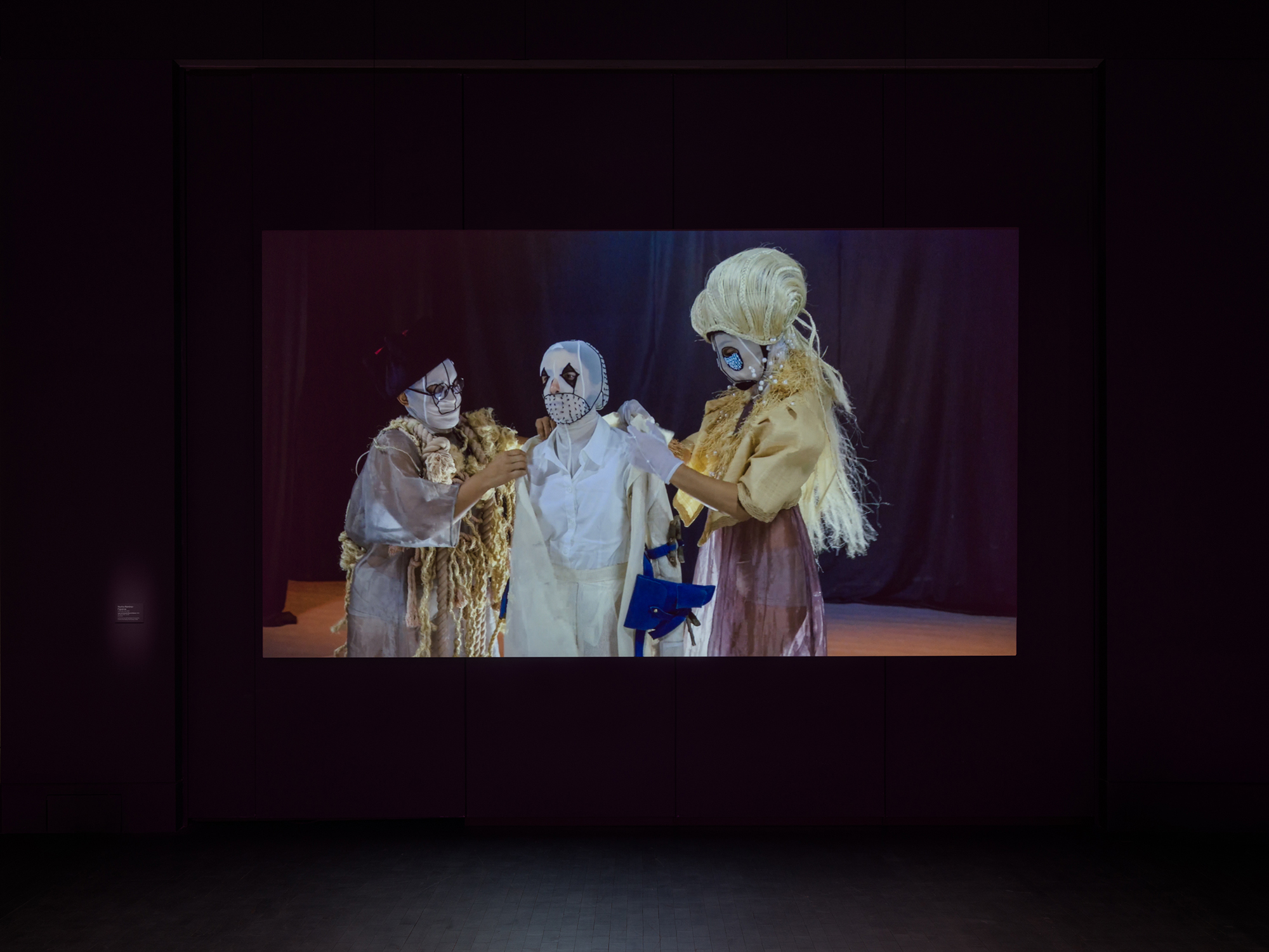
MoMA's Kravis Studio is presenting Naufus Ramírez-Figueroa's multimedia work "Lugar de Consuelo (Place of Solace)" (2020), marking the artist's first solo presentation at the museum. The work, jointly acquired in 2022 through MoMA's Latin American and Caribbean Fund and Fund for the Twenty-First Century, includes prints, drawings, costumes, sculptures, videos, and a related performance that explore political and personal histories of Guatemala.

Headfirst into Eternity

Kopfüber in die Ewigkeit

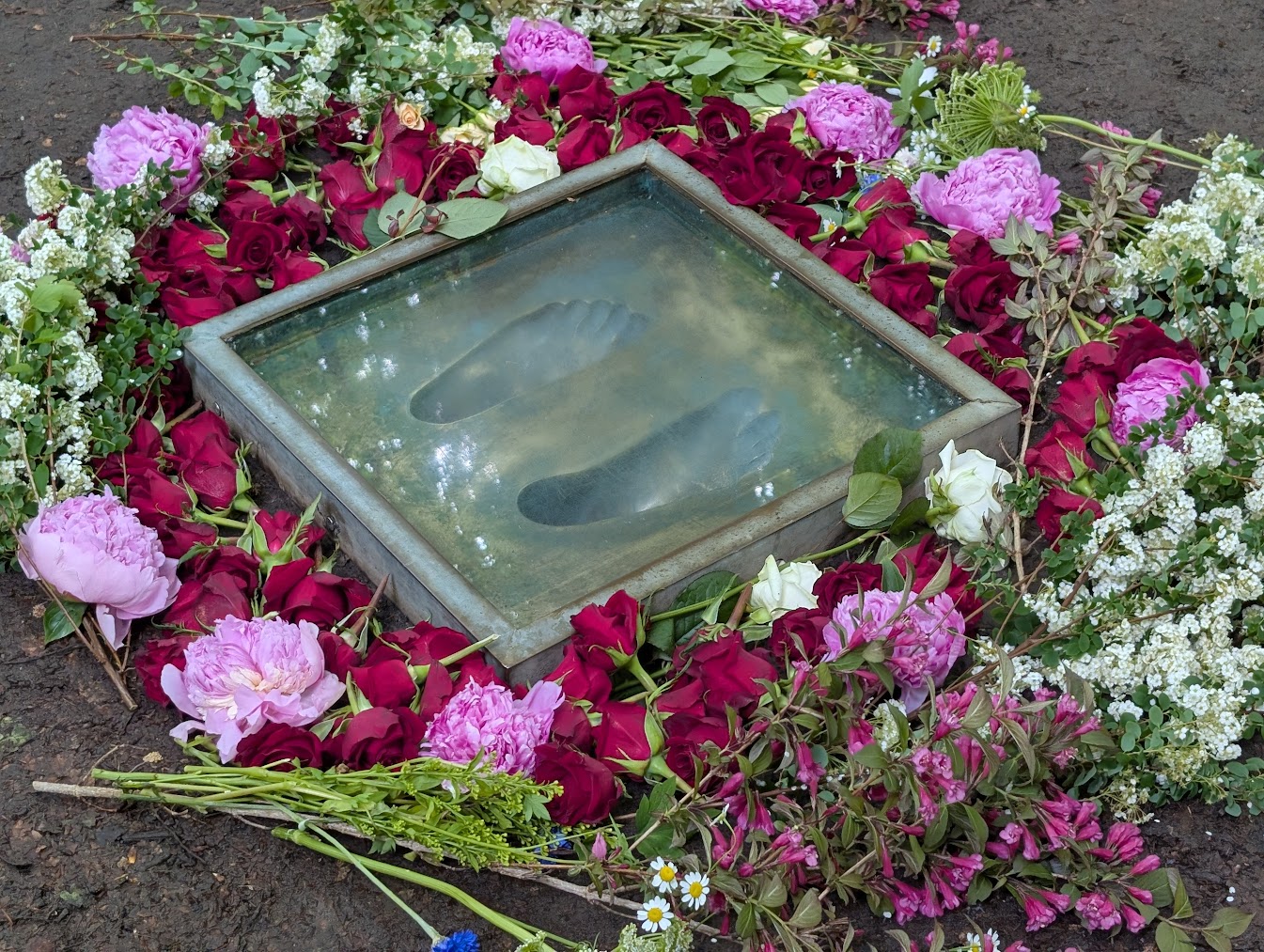
Conceptual artist Timm Ulrichs, who died on April 29 at age 86, has been buried in a self-designed grave in the Künstlernekropole (artists' necropolis) near Kassel, Germany. His tomb features a life-size bronze cast of his body buried head-first in the earth, with only the soles of his feet visible above ground. Ulrichs, a pioneer of West German postwar conceptual art known for provocative works like tattooing himself and locking himself inside a hollowed boulder, was laid to rest in the forest cemetery founded by artist Harry Kramer in 1992.

Marisol Mendez wins 2026 Saltzman-Leibovitz Photography Prize

Bolivian artist Marisol Mendez has won the 2026 Saltzman-Leibovitz Photography Prize for her work *MADRE*. The award includes a $15,000 cash prize, and Mendez's winning piece will be exhibited alongside works by other nominees at Photo London from May 13 to 17. The prize was founded in 2025 by photographers Lisa Saltzman and Annie Leibovitz. Miranda Barnes took second place, with Cole Ndelu, Lindeka Qampi, and Bettina Pittaluga also nominated.

Sharjah Biennial announces theme and artists

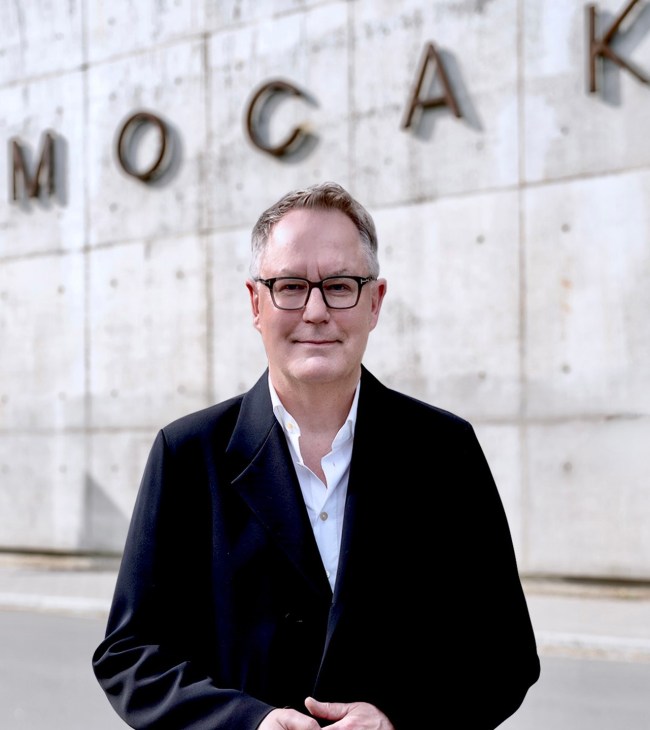
Krakow’s MOCAK Sacks Director Adam Budak, Angering Artists

The City of Krakow dismissed Adam Budak as director of the Museum of Contemporary Art in Krakow (MOCAK) on May 16, citing improper performance of duties related to work organization and team management. Budak, who took the helm last summer, was replaced by acting director Grzegorz Kuźma, formerly the museum's deputy director, and will be officially terminated when his contract ends June 30. The dismissal followed an internal investigation spurred by a complaint signed by thirty-seven MOCAK staffers. In response, artists and curators including Paulina Olowska, Sabine Breitweiser, Alison Gingeras, and Candice Breitz signed a petition demanding Budak be heard, while several artists withdrew from MOCAK's 2026–27 programming.