filter_list Showing 302 results for "Russia" close Clear
dashboard All 302 article news 134museum exhibitions 71article policy 43gavel restitution 15trending_up market 13article culture 12candle obituary 7article local 3person people 2rate_review review 1article events 1
date_range Range Today This Week This Month All
Subscribe

The unstoppable creativity of ceramicist Pippin Drysdale

At 82, ceramicist Pippin Drysdale is the subject of a major retrospective, "Infinite Terrain," which opened in December at the Art Gallery of Western Australia (AGWA). The exhibition, curated by Isobel Wise, spans Drysdale's prolific 40-year career and was sparked by a chance, spirited encounter with AGWA director Colin Walker. Drysdale, who began ceramics in 1981 after earlier ventures in herbs and paper flowers, studied at Perth Tech, Anderson Ranch in Colorado, and Curtin University, and her work has been deeply influenced by travels to Italy, Siberia, and Russia.
Victoria & Albert Museum to expand Gilbert Galleries to explore looting and provenance

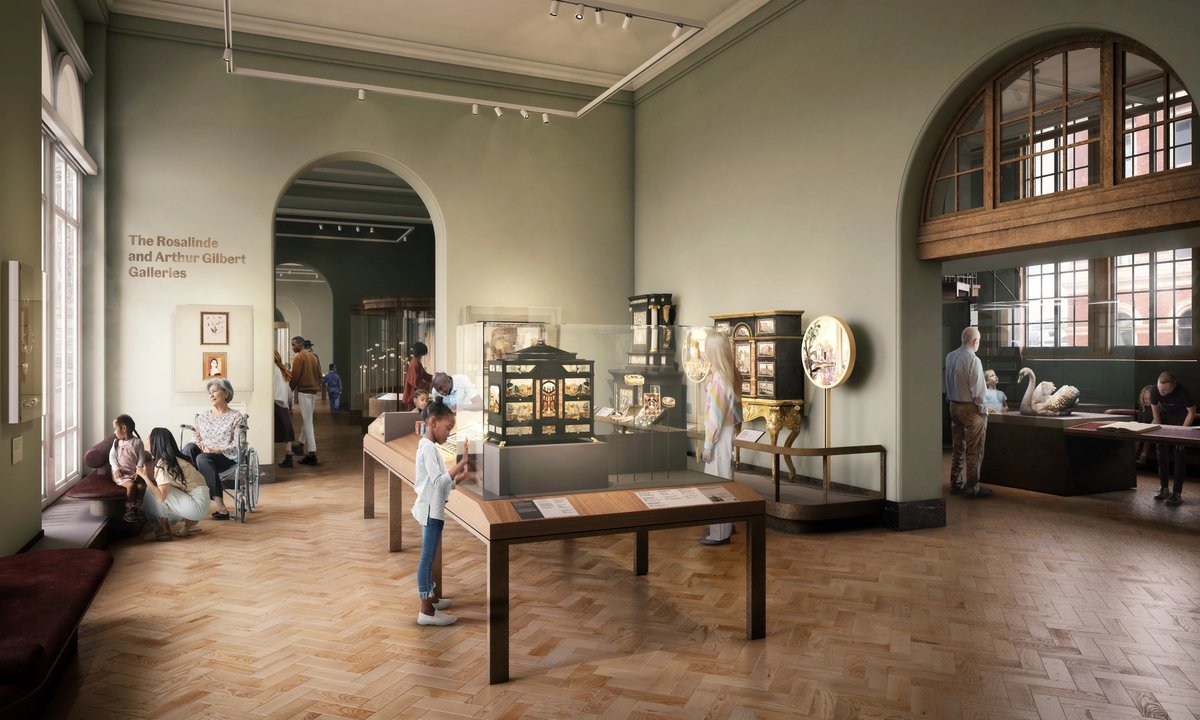
The Victoria and Albert Museum (V&A) in London will revamp its Gilbert Galleries, dedicated to the Rosalinde and Arthur Gilbert Collection, expanding from four to seven galleries. Set to open in March, the redesigned space by Citizens Design Bureau will include a new room focused on Nazi and Soviet looting and provenance research. Highlights include 200 gold boxes, micro-mosaics, and two silver-gilt gates looted from Kyiv’s Pechersk Lavra monastery after the Russian Revolution, acquired by William Randolph Hearst in 1935. The expansion is part of the V&A’s Future Plan development programme, funded by the Gilbert Trust for the Arts and The National Lottery Heritage Fund.

Chinese Dissident Artist Badiucao on His First Solo Gallery Show

Chinese dissident artist Badiucao has opened his first solo gallery show, titled “Disagree Where We Must,” at Goldstone Gallery in Melbourne, Australia, his adopted hometown. The exhibition features nearly three dozen works, including canvases and conceptual pieces that critique developments in mainland China and Hong Kong, as well as geopolitical tensions involving Russia and the Middle East. Badiucao, who has faced threats and censorship for his criticism of the Chinese Communist Party, previously held institutional exhibitions in Europe but had never before had a solo show at a commercial venue.

The World's Most-Visited Museums – and Why Germany is Falling Behind

Die meistbesuchten Museen weltweit – und warum Deutschland hinterherhinkt

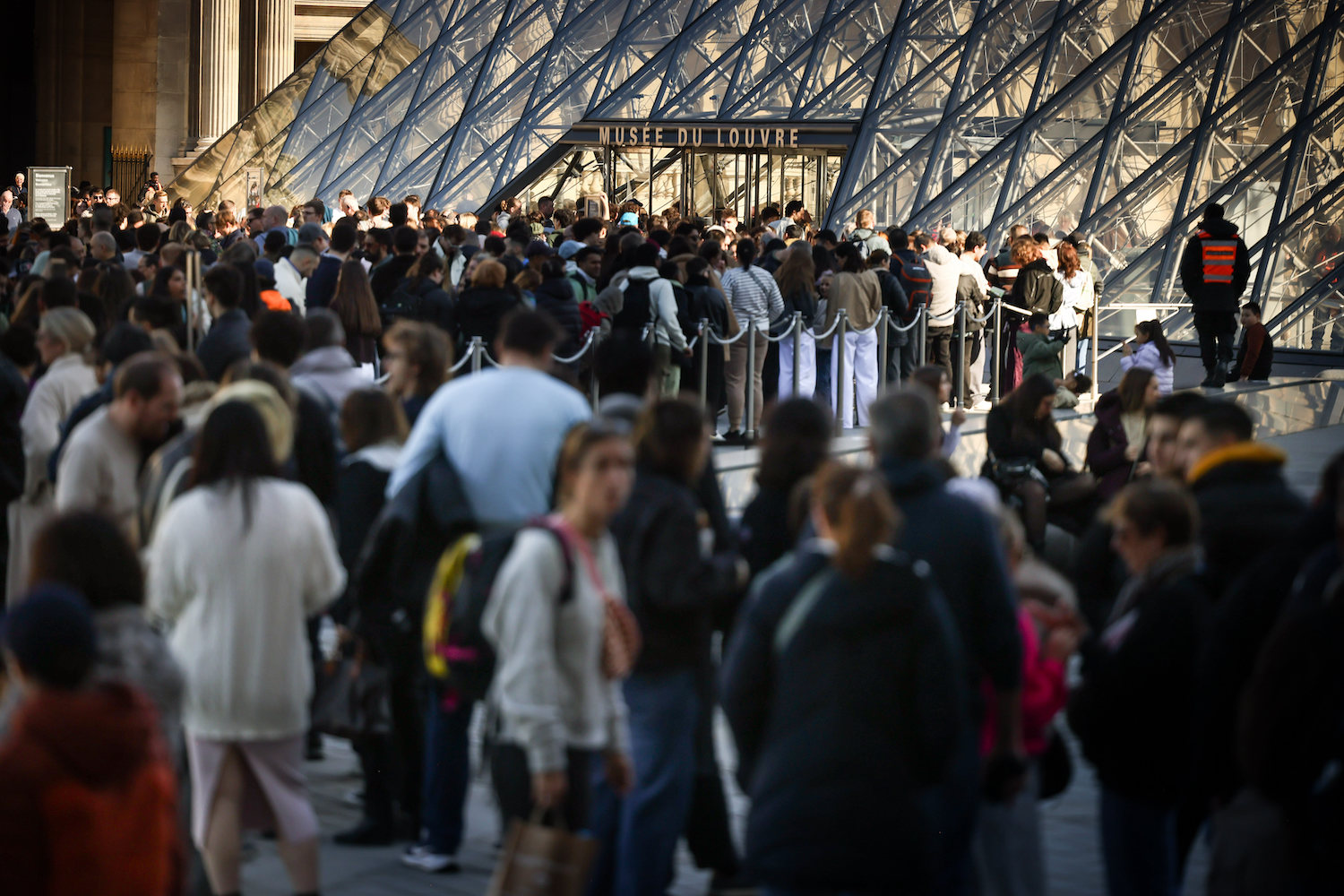
The Art Newspaper's 2025 ranking of the world's most-visited museums reveals a global landscape dominated by institutions in Paris, Seoul, London, and New York. The Louvre leads with just over nine million visitors, followed by the Vatican Museums and Seoul's National Museum of Korea, which doubled its attendance to 6.5 million. Notable trends include strong post-pandemic recoveries at New York's MoMA and the State Russian Museum in St. Petersburg, while London's Tate Modern and National Gallery still lag significantly behind their 2019 numbers.

Ragnar Kjartansson's politically charged soap opera—halted by the Russia-Ukraine war—goes on show in Reykjavík

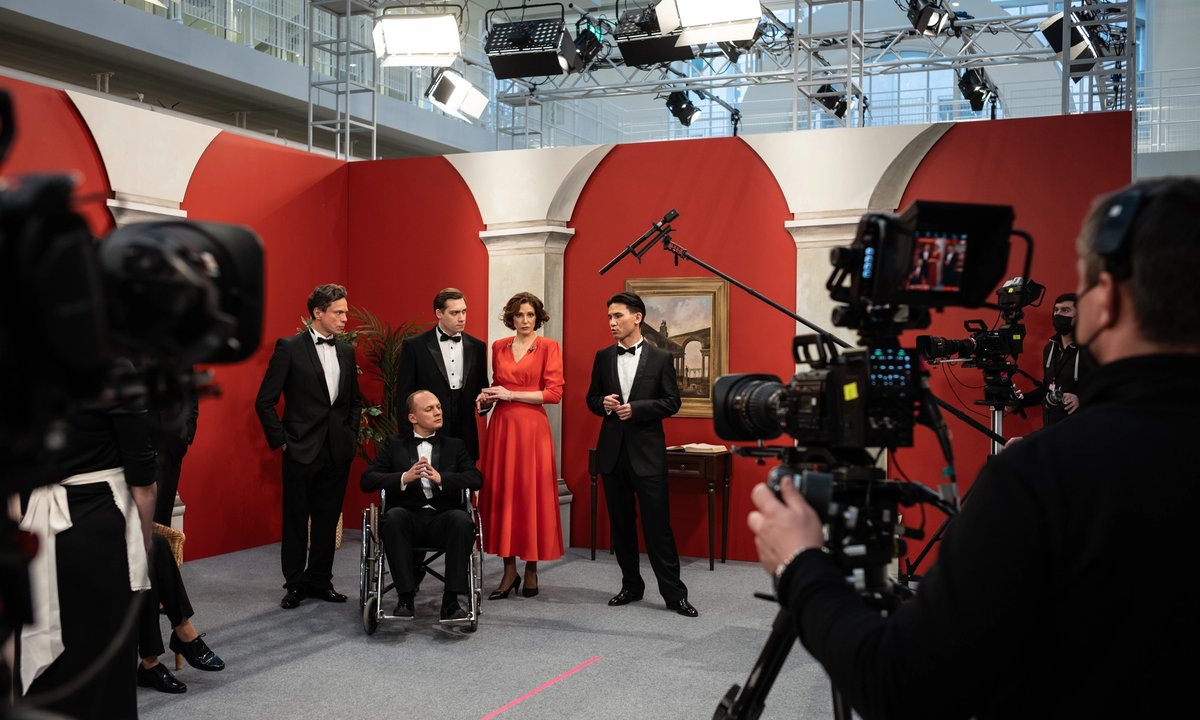
Icelandic artist Ragnar Kjartansson's video work *Soap Opera*—a recording of his durational performance *Santa Barbara: A Living Sculpture*—is on view for the first time at i8 Grandi in Reykjavík. The original performance, staged at the V-A-C Foundation's GES-2 House of Culture in Moscow from December 2021 to February 2022, featured Russian and Ukrainian actors reenacting episodes of the American soap opera *Santa Barbara*, which had been a cultural phenomenon in post-Soviet Russia. The production was halted at episode 81 on February 24, 2022, the day Russia launched its full-scale invasion of Ukraine.

Ukraine-Russia war remains front and centre for Viennacontemporary fair exhibitors

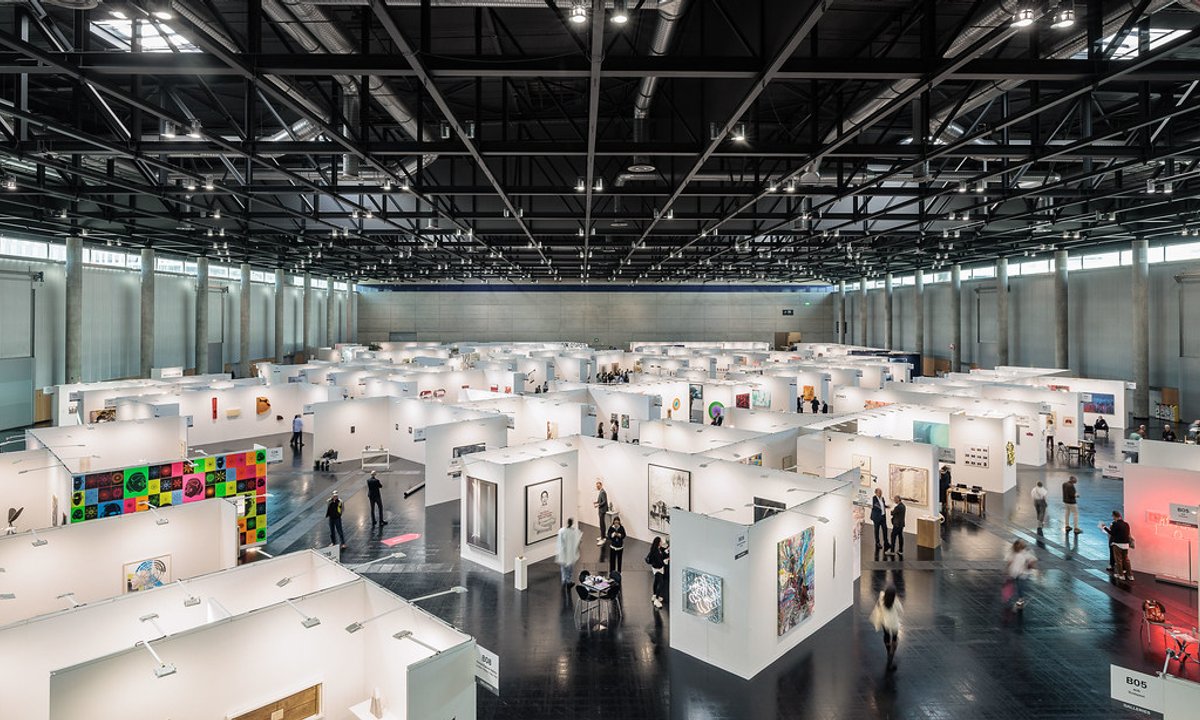
Viennacontemporary fair, held September 11–14 in Vienna, featured 97 exhibitors from 24 countries with a strong focus on Eastern Europe. Galleries from Ukraine, Poland, Slovakia, Slovenia, Lithuania, Latvia, Hungary, Croatia, and Austria participated, many expressing solidarity with Ukraine amid the ongoing war. Artist Kateryna Lysovenko, who fled Ukraine three years ago, won the Münze Österreich Prize for her figurative paintings. Sales were slow, with many galleries reporting no or low-price sales by the second day, reflecting Austria's economic downturn. The fair included a Zone1 section for emerging artists curated by Aliaksei Barysionak and a Context section for historical works, including a booth dedicated to Hermann Nitsch.

Pussy Riot co-founder starts Los Angeles prison performance with existential scream

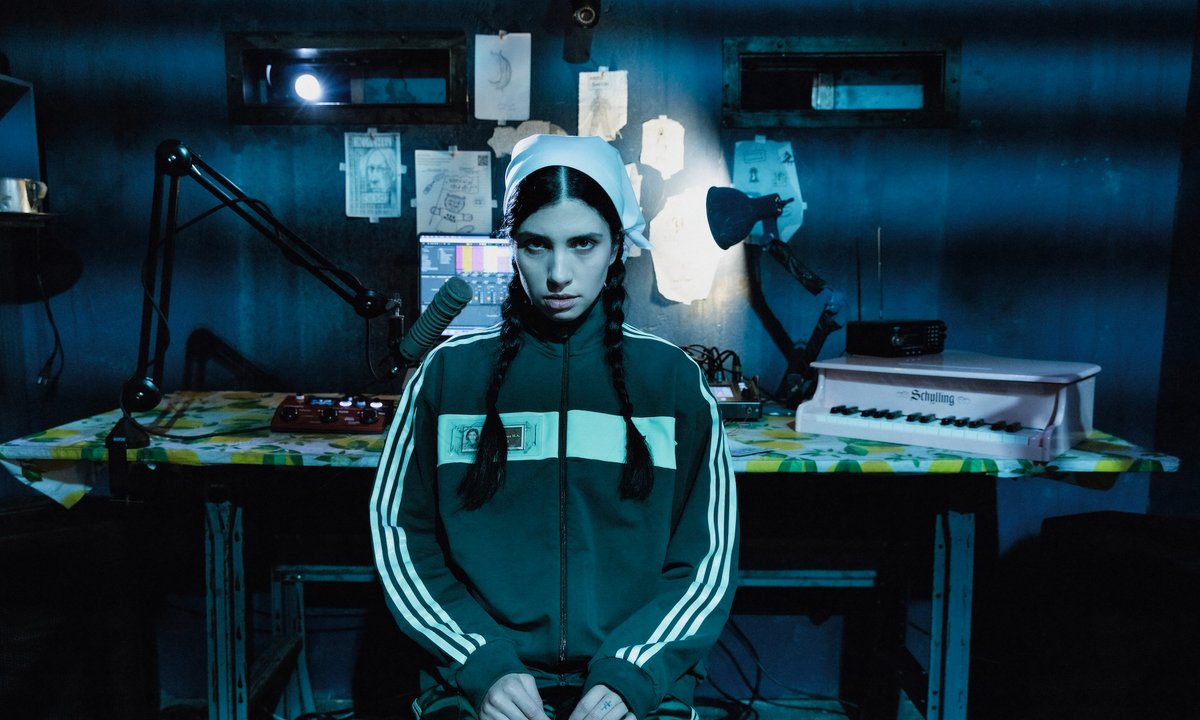
Nadya Tolokonnikova, co-founder of Pussy Riot, began a durational performance titled "Police State" at the Museum of Contemporary Art (MOCA) in Los Angeles on June 5, 2025. Inside a mock prison cell at the Geffen Contemporary, she screams, plays a pink toy piano, synthesizer, and laptop, and layers live music with sampled prison noises to create an 80-hour experimental soundscape. The performance, running until June 15, references her own 2012 imprisonment in Russia for an anti-Putin protest. On the fourth day, MOCA closed due to clashes between ICE agents, the California National Guard, and protesters over immigrant raids, prompting Tolokonnikova to post: "Police State exhibit closed today due to police state."

Hermitage Museum Director and Putin Ally Mikhail Piotrovsky Sanctioned by European Union

The European Union has sanctioned Mikhail Piotrovsky, the longtime director of the State Hermitage Museum in St. Petersburg, for his close association with Vladimir Putin and his active support of Russia's war against Ukraine. Announced on April 23, the sanctions are part of a broader package targeting over a hundred individuals and entities, including other cultural figures like Sergei Obryvalin, Igor Solonin, and Andrey Polyakov, for their roles in the seizure of Ukrainian cultural property and the spread of Russian propaganda in occupied regions.

ukraine adopts new resolution on evacuating museum objects from conflict zones 1234774548

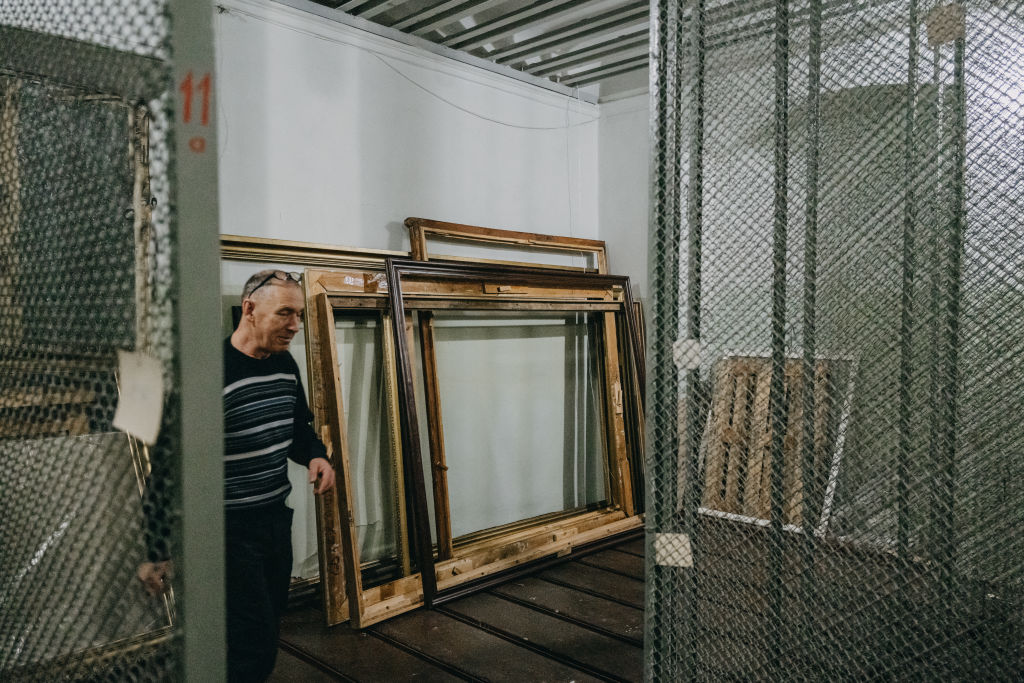
The Ukrainian government has enacted a new resolution to streamline the evacuation of over three million cultural objects from conflict zones as the Russian invasion nears its fourth year. The policy establishes a mandatory evacuation zone for museum items within 50 kilometers of the frontline and requires storage at least 75 kilometers away. Crucially, the resolution empowers museum directors to act independently during crises and introduces a three-stage evacuation system based on the cultural value of the property.

Director of the Hermitage Museum Sanctioned by the European Union

Le directeur du Musée de l'Ermitage sanctionné par l'Union européenne

The European Union has imposed sanctions on Mikhail Piotrovsky, the 81-year-old director of the State Hermitage Museum in Saint Petersburg, as part of its 20th sanctions package against Russia. Piotrovsky was blacklisted for supporting the war in Ukraine and overseeing illegal archaeological excavations in occupied Crimea. The EU cited his use of Kremlin war rhetoric—calling the museum's exhibition policy a "cultural special operation"—and the Hermitage's role in incorporating Ukrainian cultural objects from occupied territories into Russia's state museum fund. Additionally, under his leadership, unauthorized digs were conducted at the ancient Greek site of Myrmekion in Crimea, led by Hermitage archaeologist Alexander Butyagin, who was arrested in Warsaw and later released in a prisoner exchange.

Prokofiev Studio: new gallery devoted to the abstract art of Oleg Prokofiev son of the composer & father of composer Gabriel Prokofiev

Composer Gabriel Prokofiev has opened Prokofiev Studio in Hackney, London, a new gallery dedicated to the abstract art of his father, Oleg Prokofiev (1928-1998). Oleg, son of the famed composer Sergei Prokofiev, created abstract works in the 1950s that defied the Soviet Union’s strict socialist realism doctrine. His career was shaped by his relationship with British art historian Camilla Gray, whom he married in 1969 after hiding his art for a decade; she died two years later. Oleg moved to the UK but believed his abstract works lost until a 1994 return to Moscow revealed they had been preserved. The gallery houses Oleg’s archive, including 1950s abstract artworks, letters, sketchbooks, and sculptures, with an inaugural exhibition titled "Bending Time" reconstructing his 1990s studio in Hackney Wick.

Pussy Riot slams Russia’s return to Venice Biennale

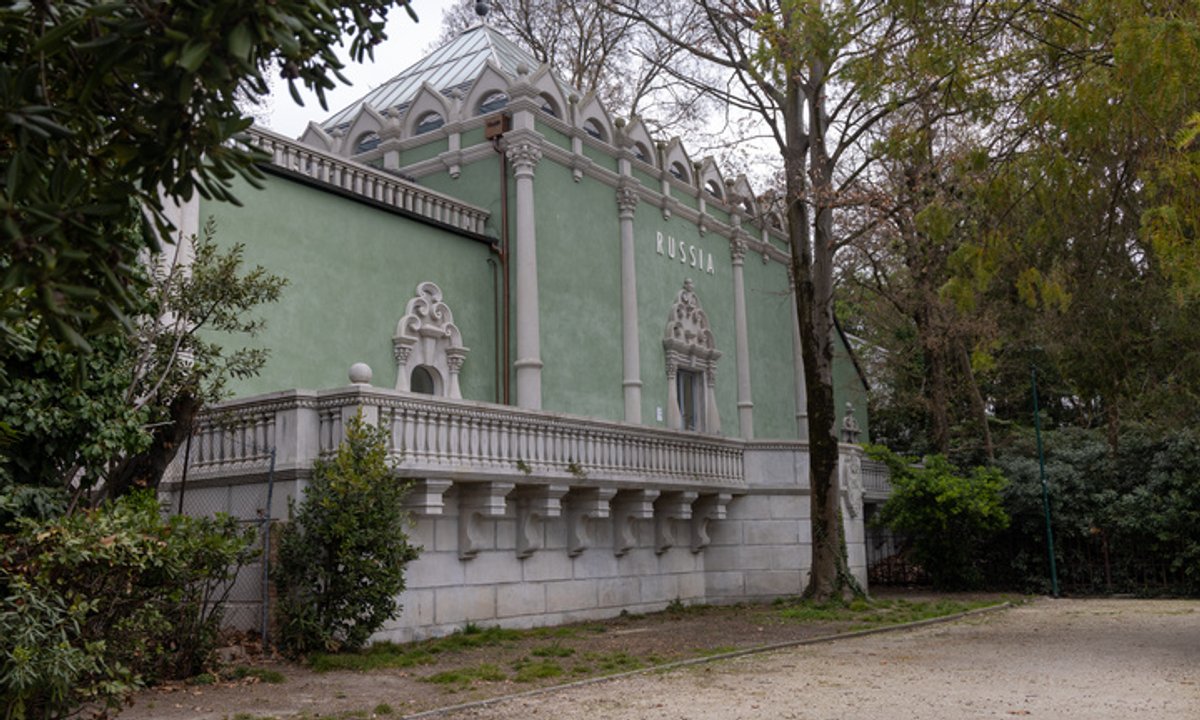
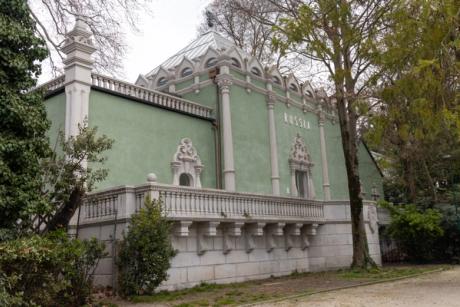
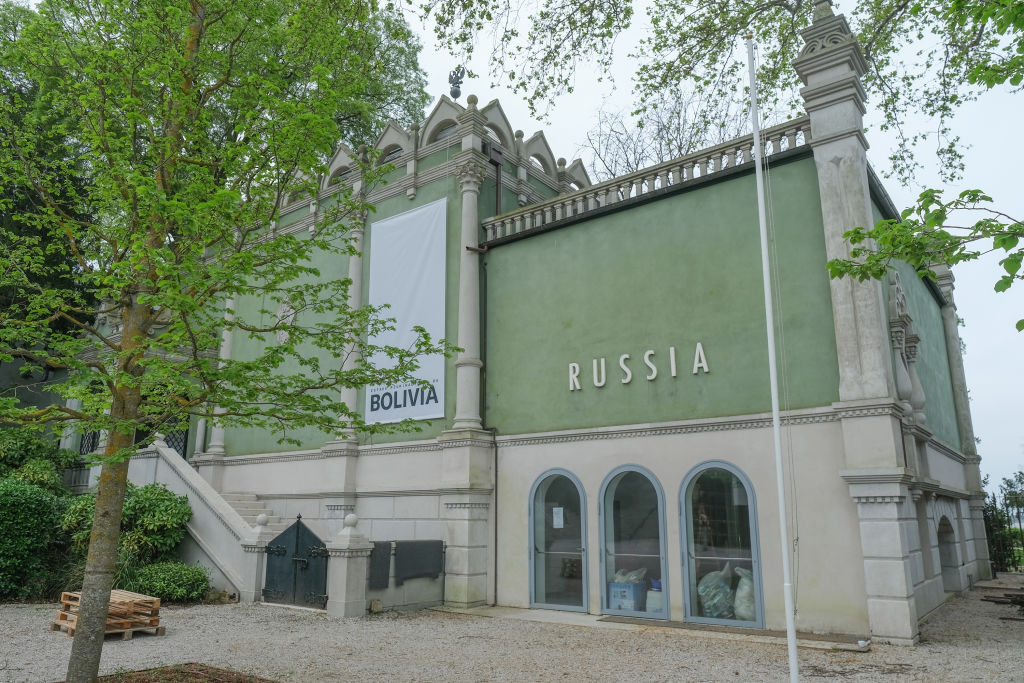
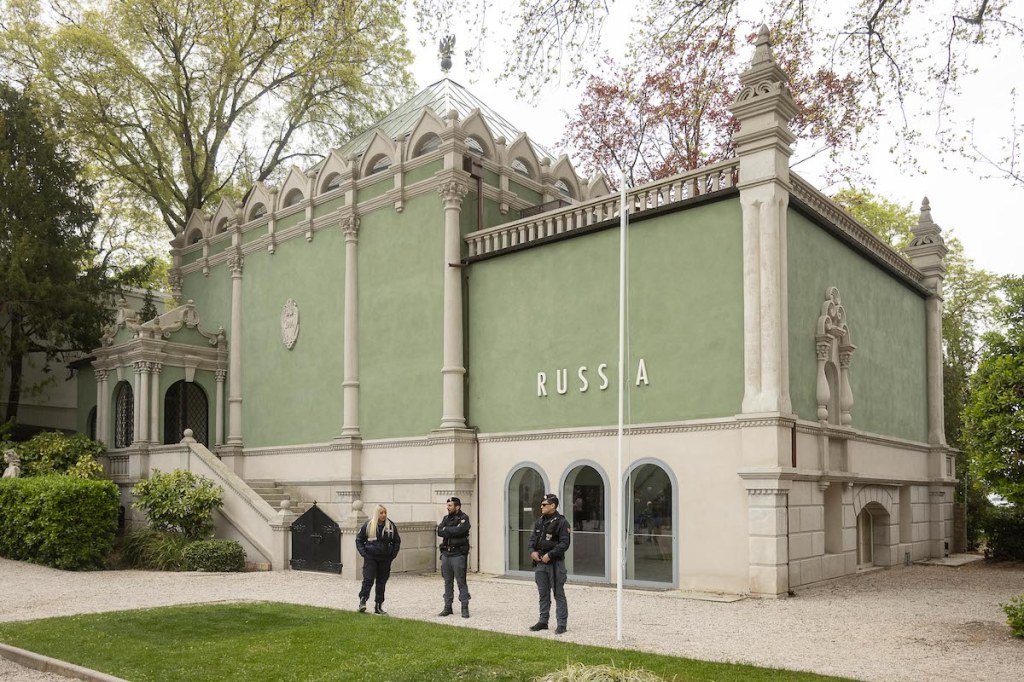
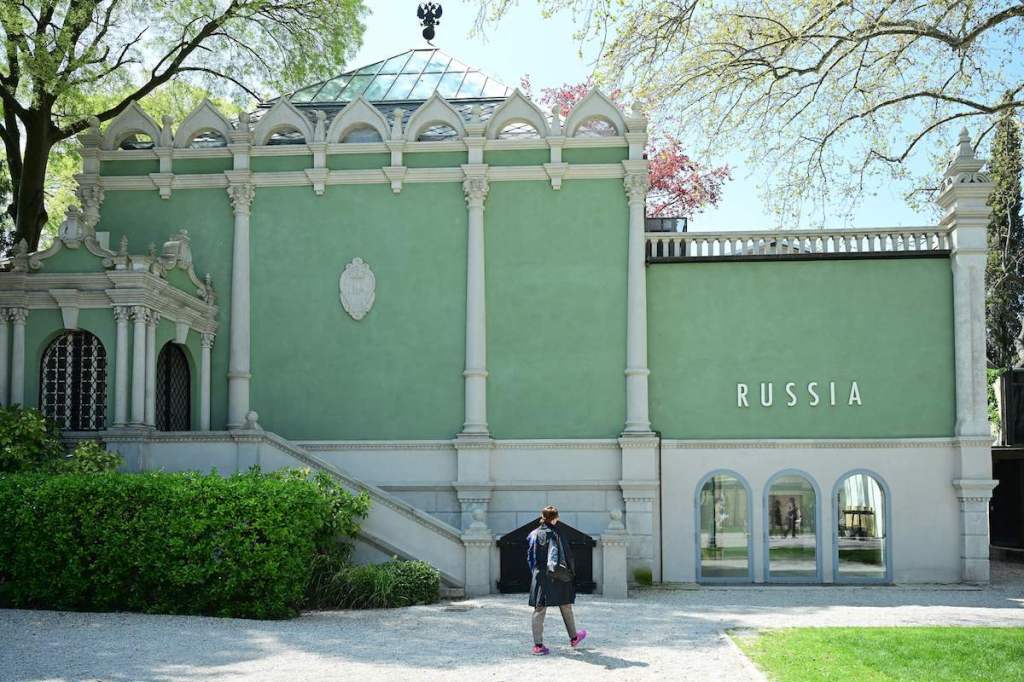
Russia is set to return to the Venice Biennale for the first time since the 2022 invasion of Ukraine, presenting a project titled "The tree is rooted in the sky" focused on folklore and multilingual cultures. The Russian pavilion, commissioned by Anastasia Karneeva and supported by Putin’s cultural envoy Mikhail Shvydkoy, will feature a filmed three-day festival. The Biennale organizers defended the inclusion, citing a policy of non-censorship for any country recognized by Italy that owns a pavilion in the Giardini.

Are These Lost Malevich Masterpieces—or $190 Million Fakes?

An exhibition at the National Museum of Contemporary Art in Bucharest (MNAC) features three purportedly long-lost paintings by Kazimir Malevich, valued between $160 million and $190 million. The works, loaned by Israeli businessman Yaniv Cohen, were allegedly stored under the mattress of his grandmother-in-law, Eva Levando, for decades. However, Ukrainian-American art historian Konstantin Akinsha has publicly questioned their authenticity, citing incomplete provenance and a lack of consensus from international experts. The museum has faced criticism for including the paintings without additional scholarly analysis in the show "Kazimir Malevich: Outliving History," curated by Mariana Dragu and sponsored by a dental clinic owned by Cohen.

Lesia Vasylchenko wins the PinchukArtCentre Prize

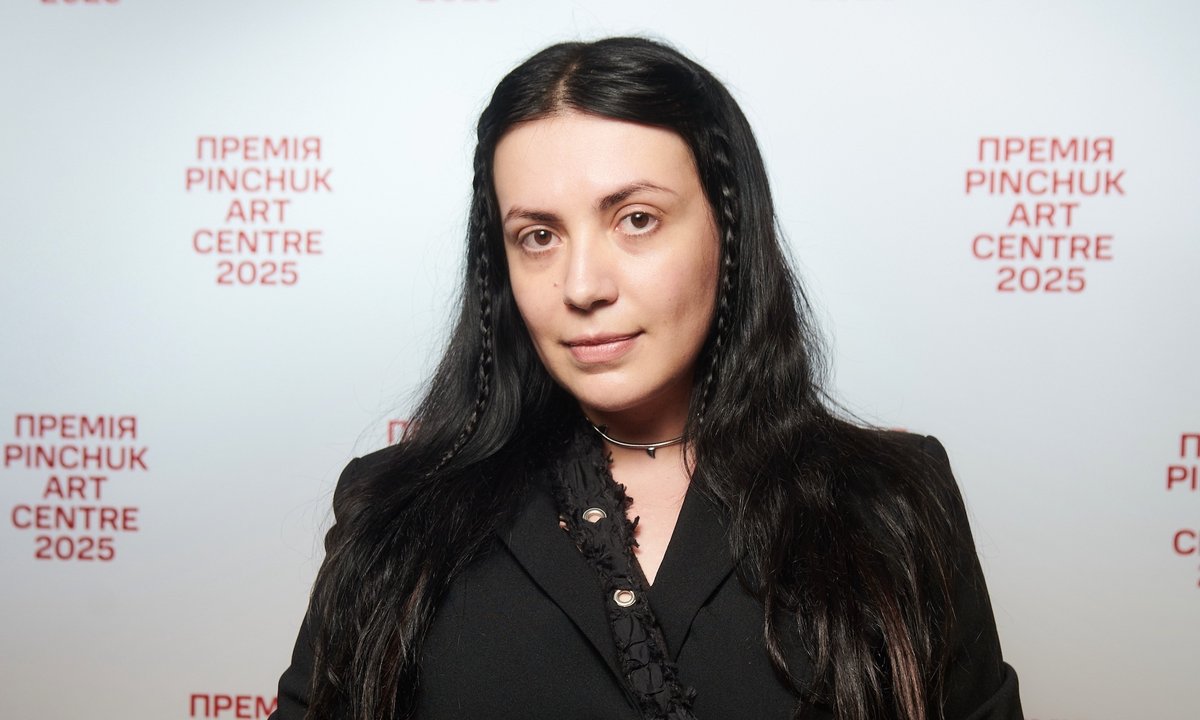
Lesia Vasylchenko, a Kyiv-born artist, has won the 2025 PinchukArtCentre Prize, receiving 400,000 Ukrainian hryvnia (about $10,000). Her winning installation includes two video works: one reflecting on the shelling during Russia's full-scale invasion of Ukraine, and another using AI to compress 30 years of sunrises into a single event. At the awards ceremony held on 18 June in Kyiv—a day after a deadly Russian drone attack killed at least 28 people—Vasylchenko announced she would donate the entire prize to support the Armed Forces of Ukraine. Special prizes were awarded to painter Kateryna Aliinyk and artist Yevhen Korshunov, each receiving 100,000 hryvnia and additional support.

“Double Outsider”: in the London studio of artist Pavel Otdelnov

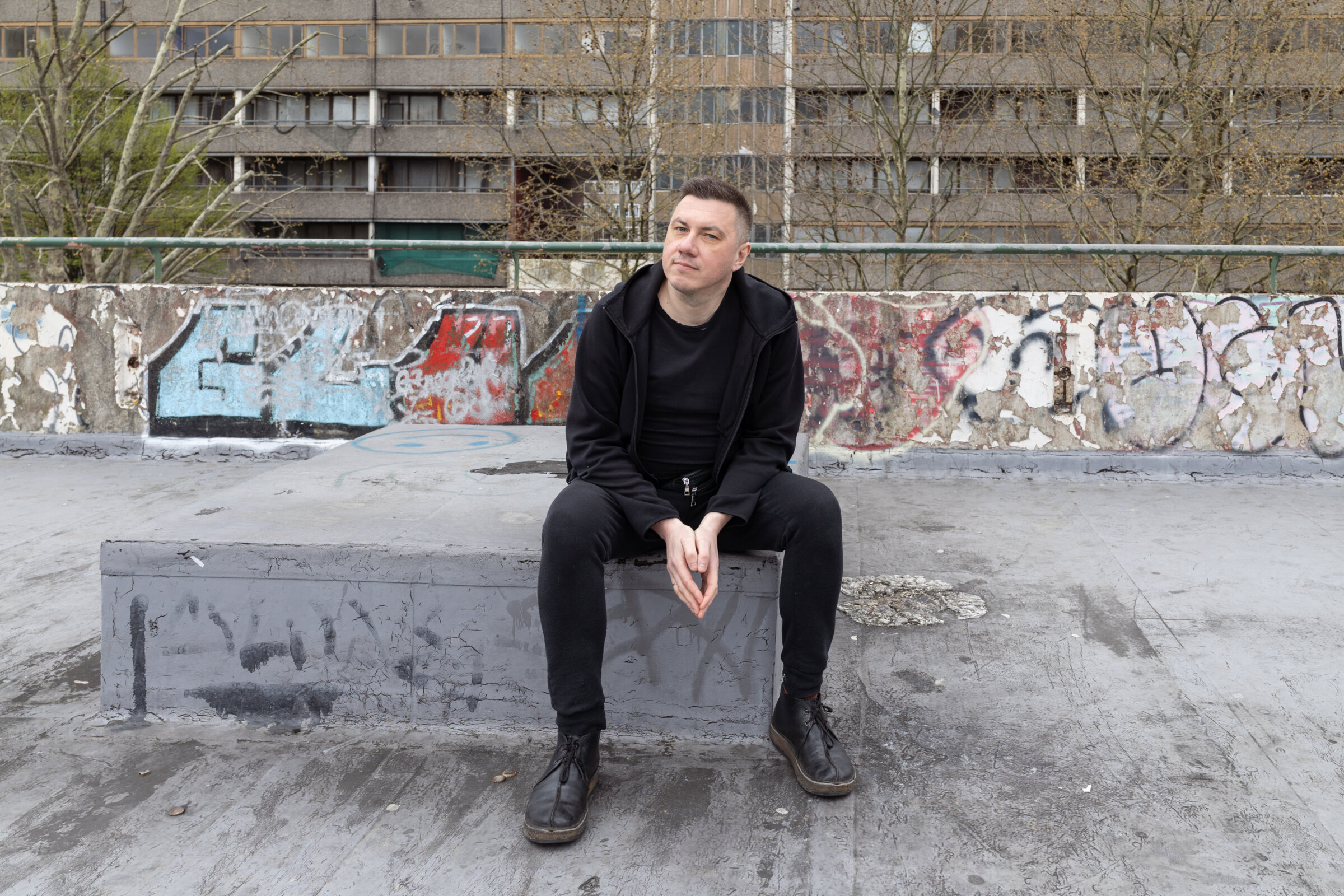
Russian contemporary artist Pavel Otdelnov has established a home studio in London, where his domestic environment serves as an extension of his artistic practice. Following his relocation in 2022, Otdelnov has integrated Soviet-era motifs—such as wall carpets and television color grids—into his English terraced house to explore themes of memory and the 'uncanny.' His recent works, including 'Unheimlich' and 'No Signal,' utilize these familiar objects to critique how nostalgia can be weaponized and how violence often hides within the mundane.

Russia’s pavilion at Venice Biennale will be closed if it features propaganda, city’s mayor says

Luigi Brugnaro, the mayor of Venice, has stated that Russia's pavilion at the upcoming Venice Biennale will be closed if it engages in propaganda. This declaration comes amid controversy over Russia's planned participation, its first since the 2022 invasion of Ukraine, and internal disputes between Biennale president Pietrangelo Buttafuoco and Italy's culture minister, Alessandro Giuli, who has threatened to withdraw ministry support.

Iran Will Not Participate in Venice Biennale, Organizers Say

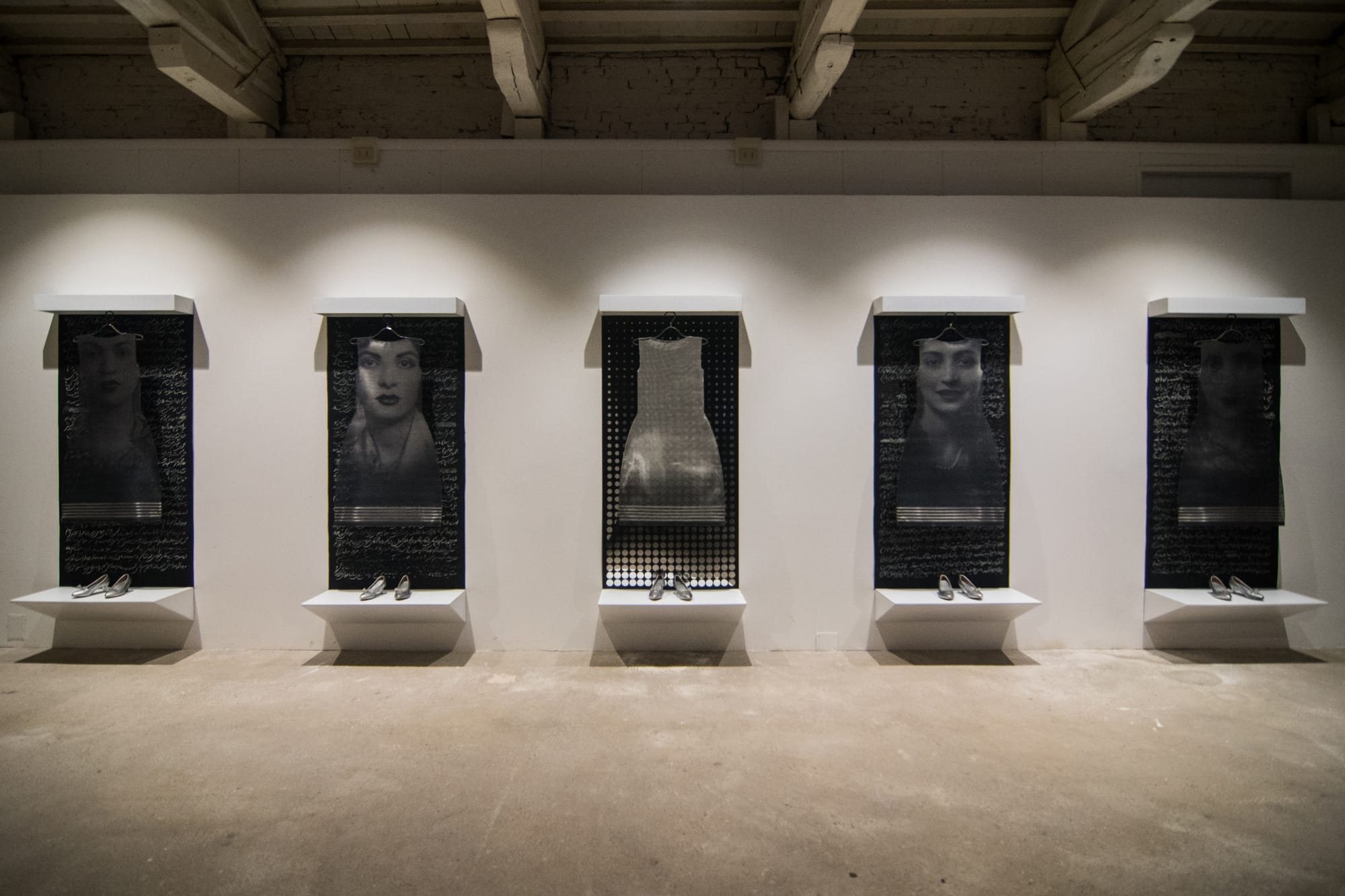
Iran will not participate in the 61st Venice Biennale, which opens for previews this week, the Biennale Foundation announced on May 4. The decision comes two months after the United States and Israel launched strikes across Iran, and amid renewed tensions along the Strait of Hormuz. The Iranian pavilion was to be commissioned by Aydin Mehdizadeh Tehrani, director general of the visual arts office in the Iranian Ministry of Culture. Iran has had inconsistent attendance at the Biennale since 1958, with a long absence between the 1960s and 2003, but has participated semi-consistently over the last two decades, most recently in 2024.

Venice Biennale jury quits amid row over participation of Russia

The entire jury of the Venice Biennale resigned just days before the 61st international art exhibition's opening on May 9, following a dispute over the decision to allow Russia to participate. The five-member panel, led by Solange Farkas and including Zoe Butt, Elvira Dyangani Ose, Marta Kuzma, and Giovanna Zapperi, had previously stated it would not award prizes to artists from countries whose leaders face charges of crimes against humanity, a move seen as targeting Russia and Israel. The Biennale responded by postponing the award ceremony to November 22 and announcing it would give two awards, including one that could go to any national participation, citing its founding principles of openness and rejection of censorship.

Near Parma, the Timeless Elegance of Erté is on Display at Labirinto della Masone

Vicino a Parma c’è l’intramontabile eleganza di Erté in mostra al Labirinto della Masone

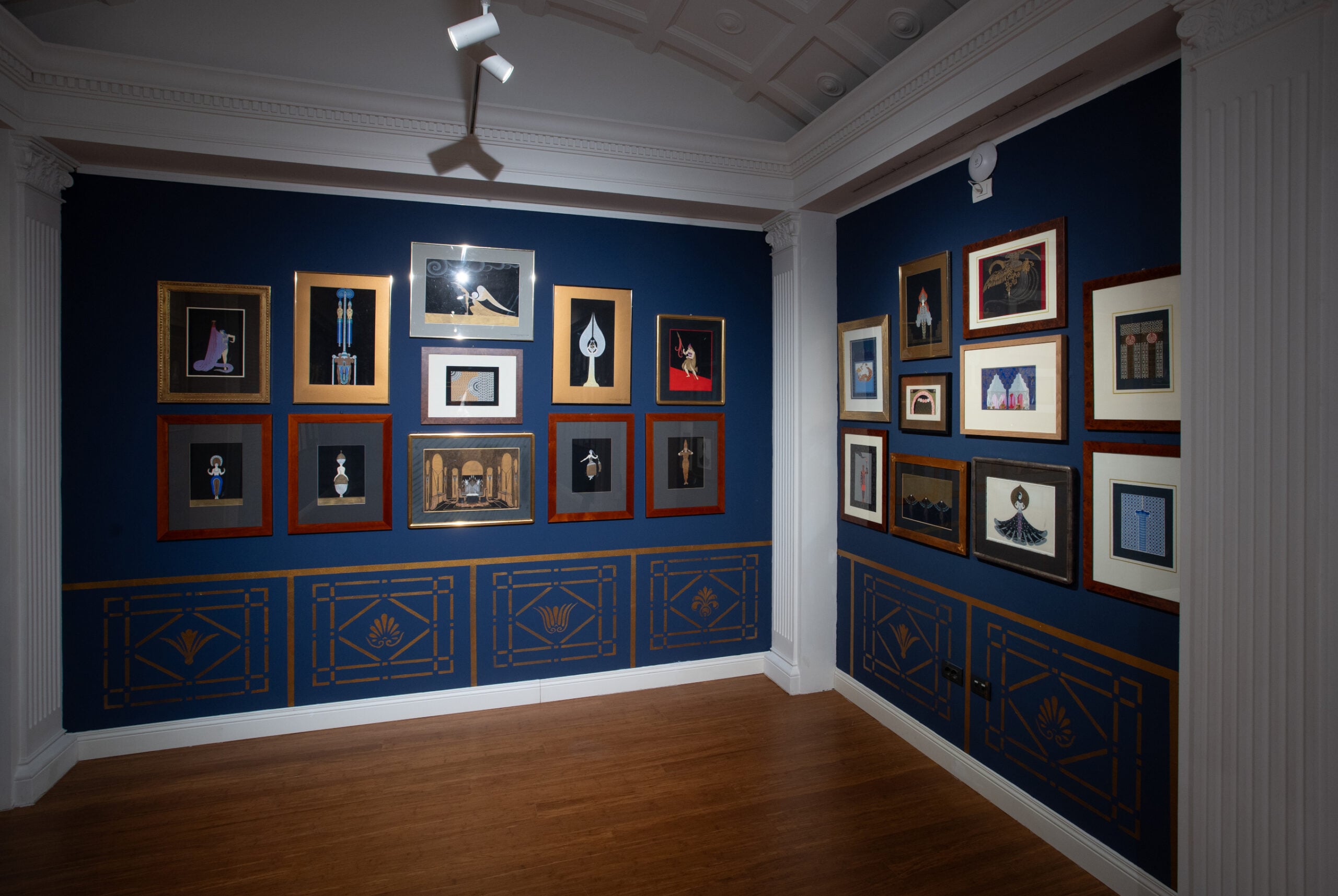
The Labirinto della Masone near Parma is hosting a comprehensive exhibition titled "Erté. Lo stile è tutto," showcasing the work of the Russian-born Art Déco master Romain de Tirtoff, known as Erté. The display features a diverse array of drawings, gouaches, models, and sketches, many of which were originally acquired by the late publisher Franco Maria Ricci. The exhibition traces Erté's journey from his aristocratic Russian roots to his rise in Paris as a collaborator of Paul Poiret and a visionary of theatrical and couture design.

Italian culture minister will not attend opening of Venice Biennale

Italian culture minister Alessandro Giuli has announced he will not attend the opening of the Venice Biennale next week, protesting Russia's involvement in the exhibition. Russia, which has a permanent pavilion in the Giardini, has been absent from the Biennale since 2022 but is returning this year, sparking widespread criticism. The European Union recently cut its €2 million grant to the Biennale following Russia's return, and Golden and Silver Lion jurors have stated they will not consider pavilions from countries whose leaders are charged with crimes against humanity by the International Criminal Court, effectively excluding Russia.

A museum packed with once banned art is flourishing in the Uzbek desert

The I.V. Savitsky State Art Museum in Nukus, Uzbekistan, near the former Aral Sea, houses nearly 100,000 works of 20th-century art, including Russian avant-garde pieces and Central Asian folk art. After a 2024 exhibition in Florence and Venice, the museum underwent a major renovation led by Italian academics and new director Gulbahar Izentaeva, reopening with updated galleries and a new exhibition, "The World of Igor Savitsky." The project is backed by the Art and Culture Development Foundation (ACDF), which also launched the inaugural Bukhara Biennial and partnered with Art Basel Paris.

icom russia president slams calls to eject russia from icom for violating code of ethics as political libel 1234742570

ICOM Russia president Vasilij Pankratov has denounced calls for Russia's expulsion from the International Council of Museums (ICOM) as "political libel." The controversy follows an open letter published in Le Monde on May 5, in which a group of art experts—including art historian Konstantin Akinsha, Francesca Thyssen Bornemisza, and Vitalit Tytych—accused Russia of systematically erasing Ukraine's cultural identity since the 2022 invasion. The signatories threatened to take ICOM to court in France if it failed to oust Russia for violating the organization's code of ethics. Pankratov dismissed the accusations as unfounded, arguing that Russian museum workers operate within the country's constitution and local ethical criteria, and denied claims that Ukrainian cultural property has been appropriated by Russian museums.

Street art festival transforms Morocco's capital into open-air gallery

The 11th JIDAR Rabat Street Art Festival has transformed Morocco's capital into an open-air gallery, with artists from Ecuador, South Africa, Peru, Russia, and Morocco painting large-scale murals on buildings. Works include Oscar Medina's bird clutching the sun and moon, Keya Tama's lion with Arabic script, and Mohamed Roshdi's portrait of a woman holding fish. The festival runs until 27 April.

From Minor Keys to Uproar: The Crisis of the Venice Biennale

DE LAS MINOR KEYS AL ESTRUENDO: LA CRISIS DE LA BIENAL DE VENECIA

The 61st Venice Biennale is engulfed in a structural crisis, marked by geopolitical tensions over the inclusion of Russia (amid its invasion of Ukraine) and Israel (amid the Gaza genocide). The Biennale Foundation, led by Pietrangelo Buttafuoco, defended their participation on legalistic grounds, sparking outrage from over 200 artists, curators, and cultural workers who demanded Israel's exclusion, aligning with Art Not Genocide Alliance (ANGA). The international jury, chaired by Solange Farkas and including Zoe Butt, Elvira Dyangani Ose, Marta Kuzma, and Giovanna Zapperi, resigned collectively on April 30 after deciding not to award prizes to countries whose leaders face International Criminal Court arrest warrants. This led to the cancellation of the traditional Golden and Silver Lions, replaced by audience-voted "Visitor Lions," with awards deferred until November. The European Commission suspended a €2 million subsidy over Russia's participation, and Italian Culture Minister Alessandro Giuli notably skipped the May 9 opening.

Open Letter on Auction of “Tributes” to the Russian Avant-Garde

An open letter signed by art historians, curators, and researchers protests an upcoming auction at Stanley's Auction House in Zaventem, Belgium, scheduled for April 23, titled “Tributes to the Russian Avant-Garde & Constructivists.” The second sale is organized in cooperation with Drouot, a major French auction platform, and offers approximately one hundred works from the so-called Toporovsky collection, which has been linked to a scandal involving forged Russian modernist paintings at the Museum of Fine Arts Ghent. The alleged suppliers, Igor Toporovsky and Olga Toporovsky, face criminal charges including the sale of 171 forged works for about €20 million, with court proceedings beginning in May in Ghent. The signatories argue that the auction, with works priced around €300 each, is deeply troubling given the pending legal case and the undisclosed consignor identity.

Italian Culture Minister Launches Inspection of Venice Biennale’s Russian Pavilion

Italian Culture Minister Alessandro Giuli has launched an official inspection of the Russian Pavilion at the 61st Venice Biennale, just days before the exhibition opens. An inspector has been sent to Venice to review all documentation related to Russia's participation, focusing on potential irregularities such as visa issues for Russian artists and delegation members. The investigation follows the Biennale's international jury decision to exclude Russia and Israel from awards due to accusations of crimes against humanity. The Russian Pavilion will be open only during the pre-opening vernissage, after which it will close, with digital documentation displayed in its windows.

EU Says It ‘Intends’ to Cut Funding to Venice Biennale Because of Russian Pavilion

The European Union has declared its intention to cut its €2 million funding contribution to the Venice Biennale in response to the exhibition's decision to host a Russian national pavilion for the first time since Russia's 2022 invasion of Ukraine. EU foreign policy chief Kaja Kallas stated that allowing Russia to exhibit while it "bombs museums, destroys churches and seeks to erase Ukrainian culture" is morally wrong, marking the union's strongest condemnation to date.

Finland Pulls Back Venice Biennale Presence Over Return of Russian Pavilion

Finland’s political leadership has announced it will boycott the Venice Biennale if the Russian Pavilion proceeds with its planned exhibition. While Finnish public officials will still attend to support their own national artists, the Ministry of Education and Culture stated that Russia should be excluded as long as the war in Ukraine continues. This move follows an open letter from 22 European nations and a warning from the European Commission regarding potential sanctions violations.

European Commission Tells Venice Biennale to ‘Clear Its Name’ Regarding Russian Pavilion or Risk Losing $2.3 M. Grant for 2028

The European Commission has issued a 30-day ultimatum to the Venice Biennale, threatening to withdraw a €2 million ($2.3 million) grant for the 2028 edition unless the organization addresses concerns regarding the Russian Pavilion's inclusion in 2026. The Commission alleges that hosting a government-funded delegation violates EU sanctions and provides a cultural platform for Russian state interests amidst the ongoing war in Ukraine. The Biennale's president, Pietrangelo Buttafuoco, must respond by May 11, just two days after the exhibition's public opening.

Ukraine Sanctions Russian Culture Figures Linked to Country’s Participation in Venice Biennale

Ukrainian President Volodymyr Zelenskyy has issued a decree imposing sanctions on five Russian cultural figures involved in the Russian Pavilion for the 2026 Venice Biennale. The sanctioned individuals include pavilion commissioner Anastasia Karneeva, former culture minister Mikhail Shvydkoy, and three performers from the Intrada Ensemble. Ukrainian officials argue that these figures use international art platforms to legitimize Russian aggression and spread state propaganda, specifically citing past activities in occupied territories like Crimea and Donetsk.