filter_list Showing 344 results for "Russia" close Clear
dashboard All 344 article news 158museum exhibitions 80article policy 43article culture 18gavel restitution 15trending_up market 13candle obituary 7person people 5article local 3rate_review review 1article events 1
date_range Range Today This Week This Month All
Subscribe

burmese curator flees bangkok china censors art exhibition 1234753536

The curator of an exhibition at the Bangkok Arts and Cultural Centre (BACC) fled Thailand two days after its opening, fearing arrest and deportation. The show, titled “Constellation of Complicity: Visualising the Global Machine of Authoritarian Solidarity,” featured exiled artists from China, Russia, Iran, and Myanmar and was curated by an artist from Myanmar known as Sai. After receiving warnings from BACC directors that Thai police were seeking his contact information, Sai learned that the Chinese embassy, Thai Foreign Ministry, and Bangkok city officials had pressured the museum over potential diplomatic tensions. The exhibition was censored: black paint covered artists' names and descriptions of Tibet, Hong Kong, and Xinjiang; a multimedia piece by Tibetan artist Tenzin Mingyur Paldron was nearly entirely removed; and flags representing Tibet and the Uyghur people were taken down. Sai immediately flew to London and plans to restage the exhibition elsewhere without censorship.

russian imperial faberge egg christies auction record 1234764764

A rare Fabergé Winter Egg, made of crystal and adorned with 4,000 diamonds, sold for £22.9 million ($30.2 million) at Christie’s London on Tuesday, setting a new auction record for any Fabergé egg. The sale was part of a 48-lot collection titled “The Winter Egg and Important Works by Fabergé from a Princely Collection,” which achieved a total of £27.8 million ($37.1 million). The egg was created for Russia’s imperial family by Alma Theresia Pihl, one of the few women in Fabergé’s St. Petersburg workshop, and fabricated by her uncle, chief jeweler Albert Holmström. It had previously sold at Christie’s in Geneva in 1994 and in New York in 2002.

burmese artist sai exhibition bangkok arts cultural center 1234749521

An art exhibition at the Bangkok Arts and Cultural Centre titled “Constellation of Complicity: Visualising the Global Machine of Authoritarian Solidarity” was censored after repeated visits by Chinese embassy representatives. The show, featuring exiled artists from China, Russia, Iran, and Burma, had black paint applied over artists' names and descriptions of homelands such as Tibet, Hong Kong, and Xinjiang. Works by Tibetan artist Tenzin Mingyur Paldron were particularly affected, with television screens showing her films switched off and Tibetan and Uyghur flags removed. Burmese artist Sai told BBC News that since the censorship, he and his wife fled to the UK to seek asylum.

david chichkan ukraine artist dead battle russia 1234749326

David Chichkan, a Ukrainian artist known for his explicitly political and often censored work, has died at age 39. The Ukrainian culture ministry reported that his heart stopped after he was wounded in battle against Russian troops. Chichkan founded the Libertarian Club of Underground Dialectics in 2014 and staged provocative exhibitions, including one about the 2013–14 Maidan revolution that was vandalized by masked intruders. He enlisted in the Ukrainian Armed Forces in 2024 as a mortar operator, after being unable to serve earlier for health reasons, and continued to create art depicting antiauthoritarian soldiers until his death.

senator john fetterman proposes bill to apply anti money laundering protections to us art market 1234748148

On July 23, U.S. Senator John Fetterman introduced the Art Market Integrity Act, a bill that would apply anti-money laundering (AML) and counter-terrorism financing regulations to art dealers, auction houses, galleries, advisers, consultants, custodians, museums, collectors, and other intermediaries in the art market. The legislation amends the Bank Secrecy Act, requiring these entities to conduct client due diligence, maintain records, and report suspicious transactions. It exempts artists selling their own work, nonprofits, and businesses with under $50,000 in annual art transactions. The bill is co-sponsored by Senators Chuck Grassley, Sheldon Whitehouse, Bill Cassidy, Andy Kim, and David McCormick.

Hundreds Protest Israel’s “Genocide Pavilion” at Venice Biennale

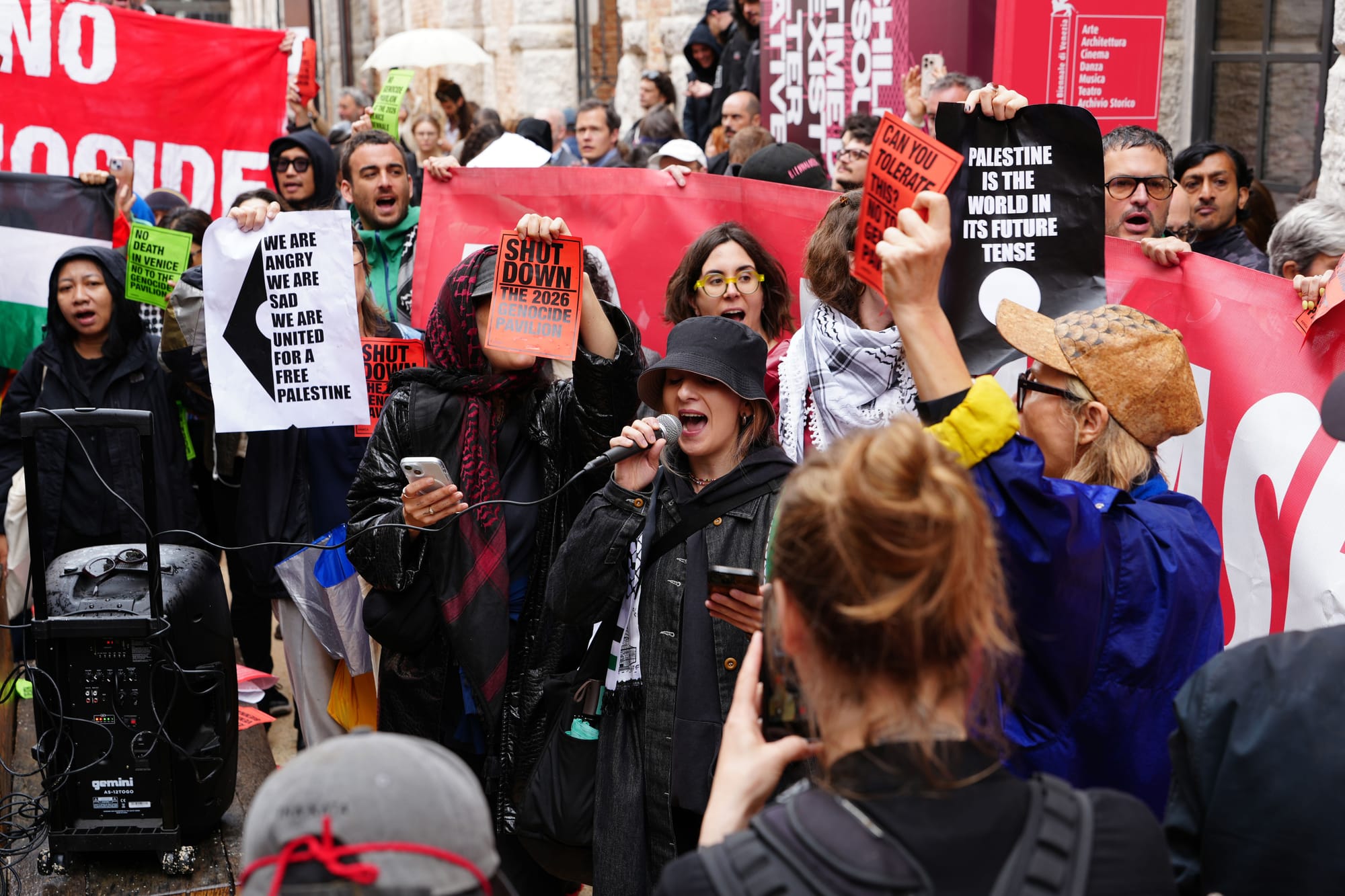
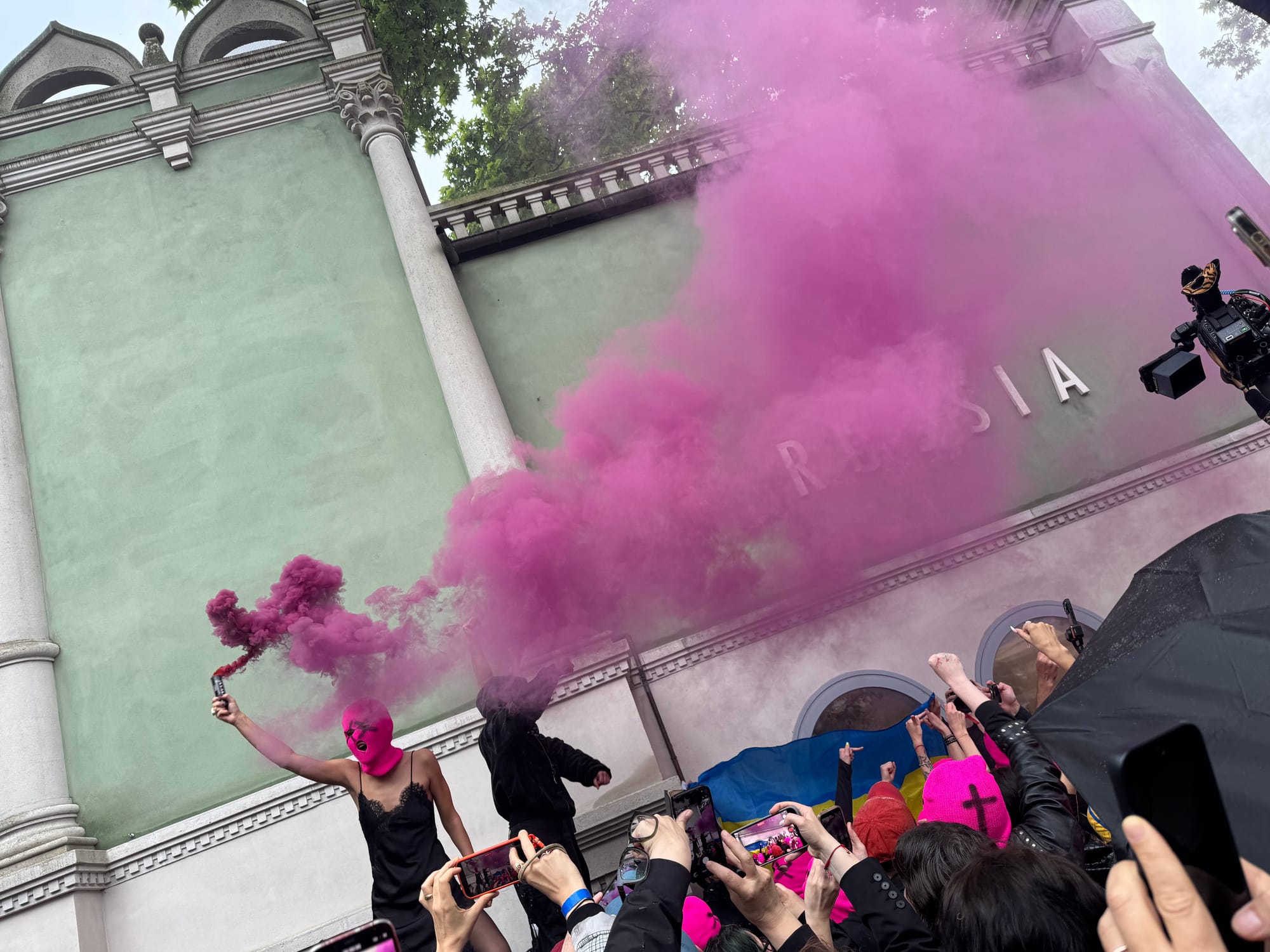
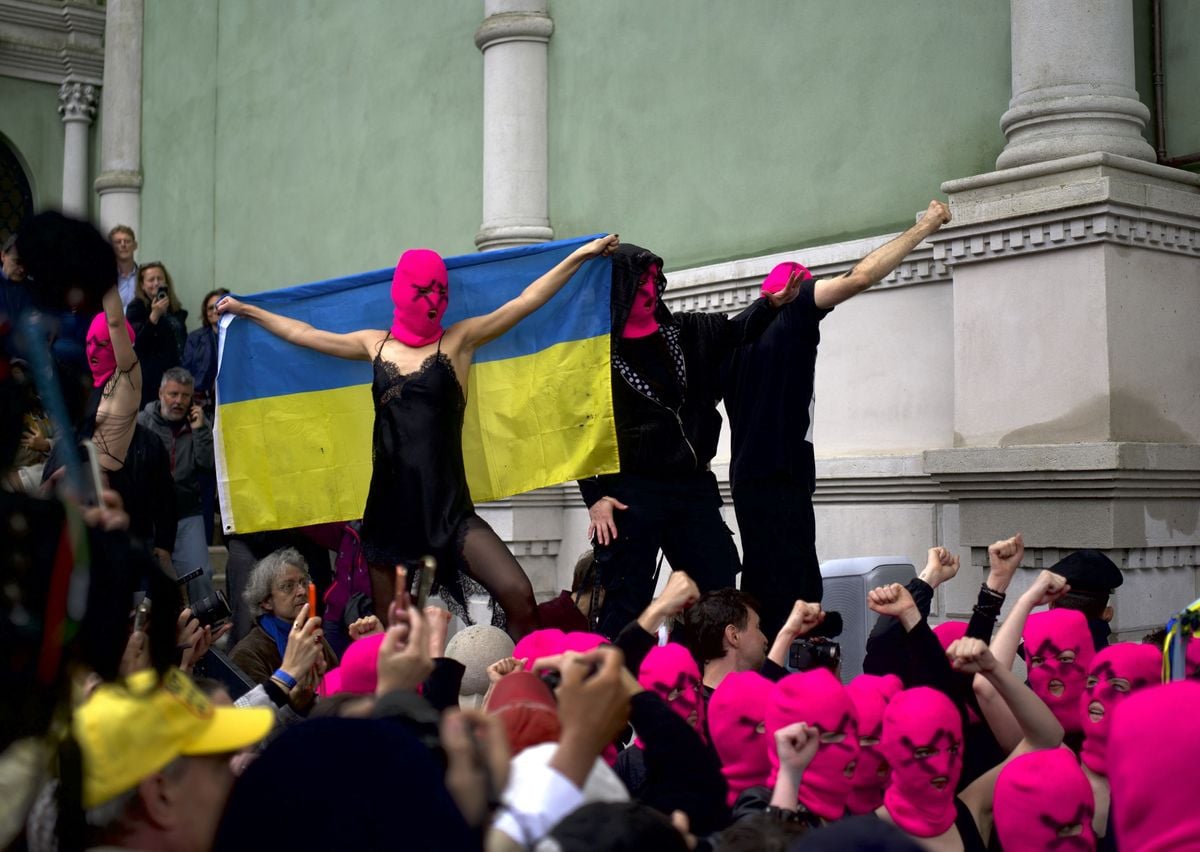
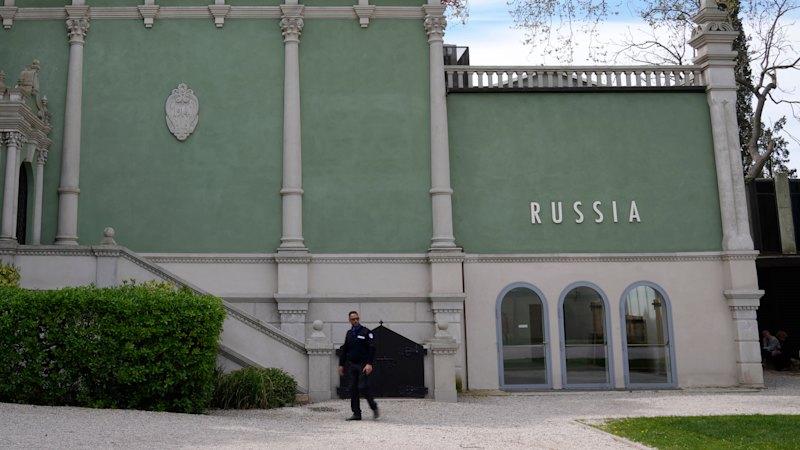
On May 6, 2026, the first day of previews at the Venice Biennale, hundreds of pro-Palestine activists led by the Art Not Genocide Alliance (ANGA) blocked the entrance to the Israeli pavilion, demanding its immediate closure. Protesters waved Palestine flags and banners reading "No Artwashing Genocide" and "No Genocide Pavilion at Biennale," chanting accusations of genocide against Israel. The demonstration temporarily shut down access to Belu-Simion Fainaru's exhibition "Rose of Nothingness" for about half an hour. The protest followed a letter signed by over 200 artists urging the Biennale to exclude Israel, which instead moved the pavilion to an alternative location in the Arsenale due to renovations. Separately, Pussy Riot and FEMEN rallied outside the Russian pavilion, which will only open during preview days due to sanctions. Venice cultural workers plan a 24-hour strike on May 8 in solidarity with Palestinians, potentially disrupting the Biennale's schedule.

Row Over Russia’s Return to the Venice Biennale Deepens

Newly leaked emails reveal that the Venice Biennale has been secretly coordinating with Russia since last summer to facilitate its return to the 2025 edition, despite ongoing international sanctions. The correspondence, published by Italian outlets Open and La Repubblica, shows Biennale president Pietrangelo Buttafuoco, director Andrea Del Mercato, and Russian commissioner Anastasia Karneeva working together on visa issues, pavilion logistics, and a legal strategy to bypass E.U. sanctions prohibiting collaboration with state-backed Russian entities. Russia's pavilion will be open during preview days with performers activating the space, while footage will play for the public from a closed pavilion thereafter.

Russia's Venice Pavilion to Close to the Public in Compliance With Sanctions

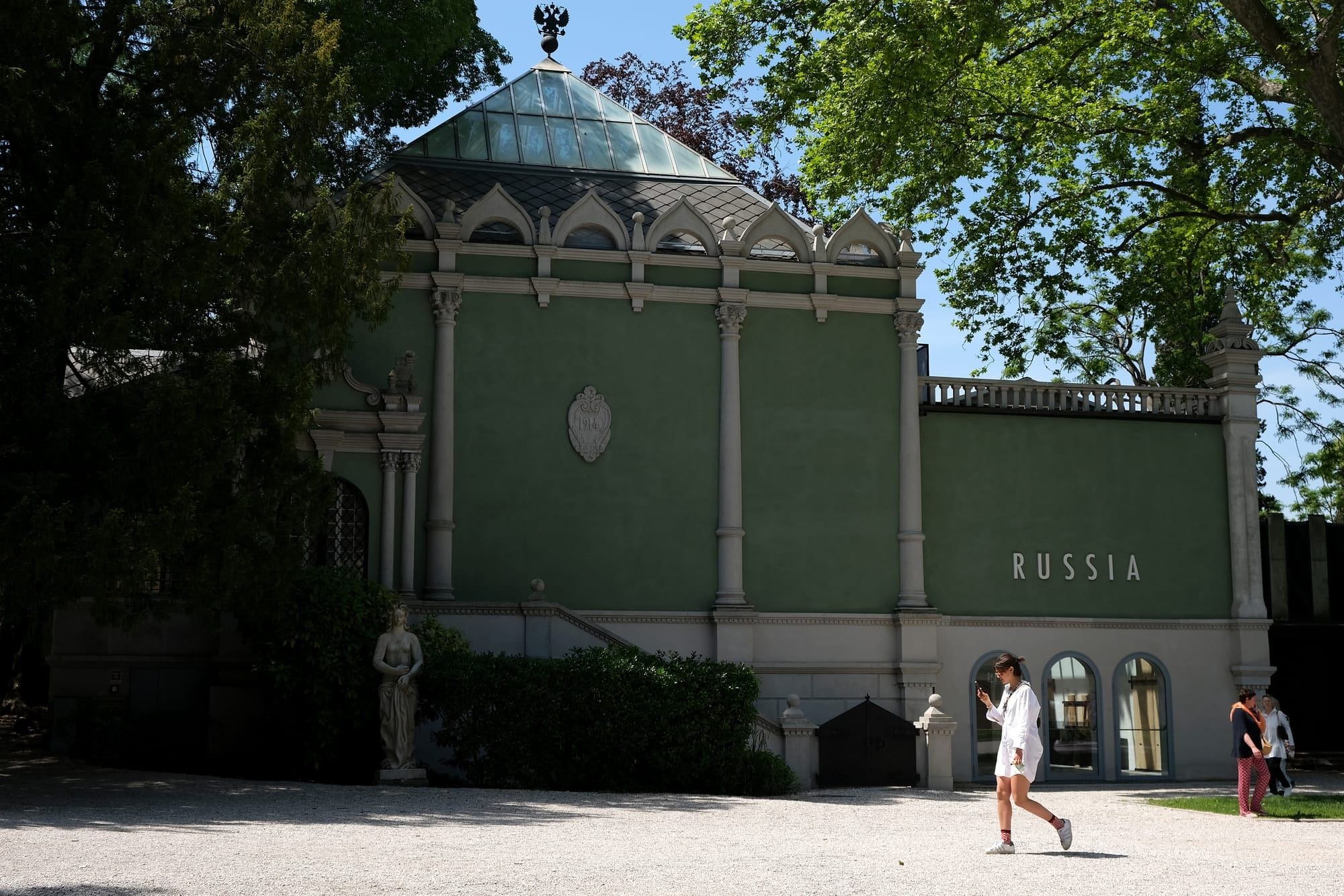
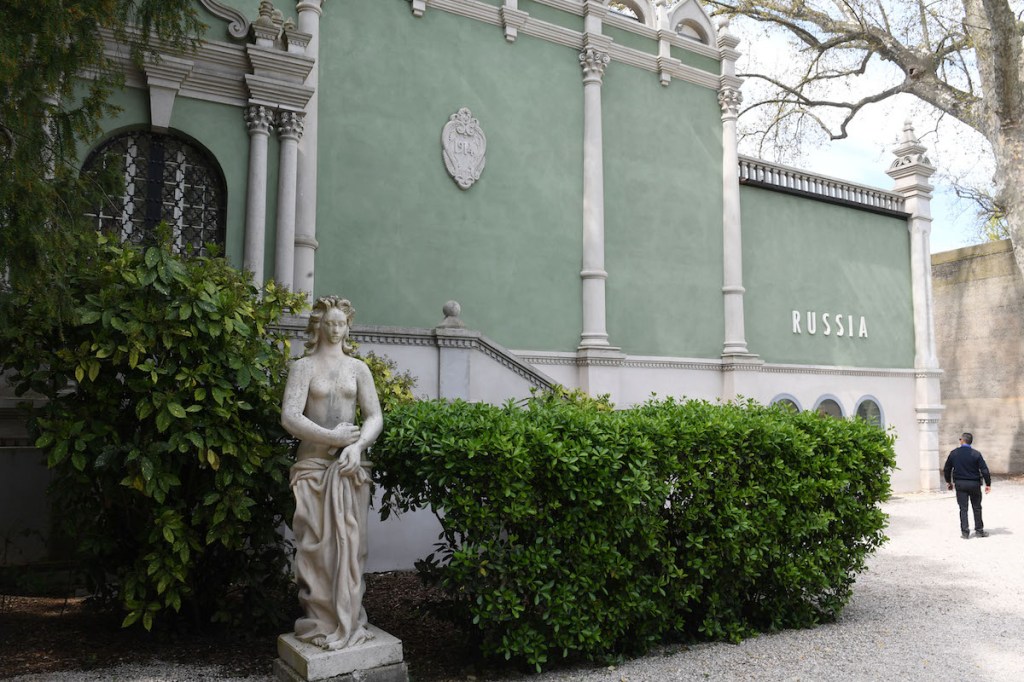
Russia will return to the 61st Venice Biennale with its national pavilion, but the exhibition will only be physically open to the press and select guests during the vernissage dates of May 5–8. From May 9 onward, the pavilion will remain closed to the public, with multimedia documentation of performances displayed on screens at the windows. The arrangement follows leaked emails among Biennale Foundation President Pietrangelo Buttafuoco, General Director Andrea Del Mercato, and Russian Pavilion Commissioner Anastasia Karneeva, revealing efforts to comply with EU sanctions while still allowing Russia's participation after two consecutive absences since its invasion of Ukraine.

faberge winter egg christies auction 2696283

A rare Fabergé Imperial egg, the Winter Egg, sold for £22.8 million ($30.2 million) at Christie’s London on December 2, 2025, setting a new world auction record for any Fabergé work. The egg was a 1913 Easter gift from Tsar Nicholas II to his mother, Maria Feodorovna, and was designed by Alma Pihl, one of the few women working in Fabergé’s St. Petersburg workshops. It had previously sold at Christie’s in 1994 and 2002, each time setting records.

germany colonial restitution conduct 1287815

Germany's culture minister Monika Grütters has released a 130-page code of conduct for museums, titled "Guide to Dealing With Collection Goods From Colonial Contexts," which outlines methods for identifying and confronting colonial-era artifacts in German collections. The guidelines, published by the German Association of Museums, include best practices for provenance research, a list of former and current colonies, and alternatives to full restitution such as long-term loans and joint custody agreements. The release coincides with the Prussian Cultural Heritage Foundation's official ceremony returning nine artifacts to Indigenous Alaskan communities, and follows increased pressure from public outcry over the Humboldt Forum and similar restitution efforts by French president Emmanuel Macron.

president zelenskyy gives pope leo ukrainian icon 2647205

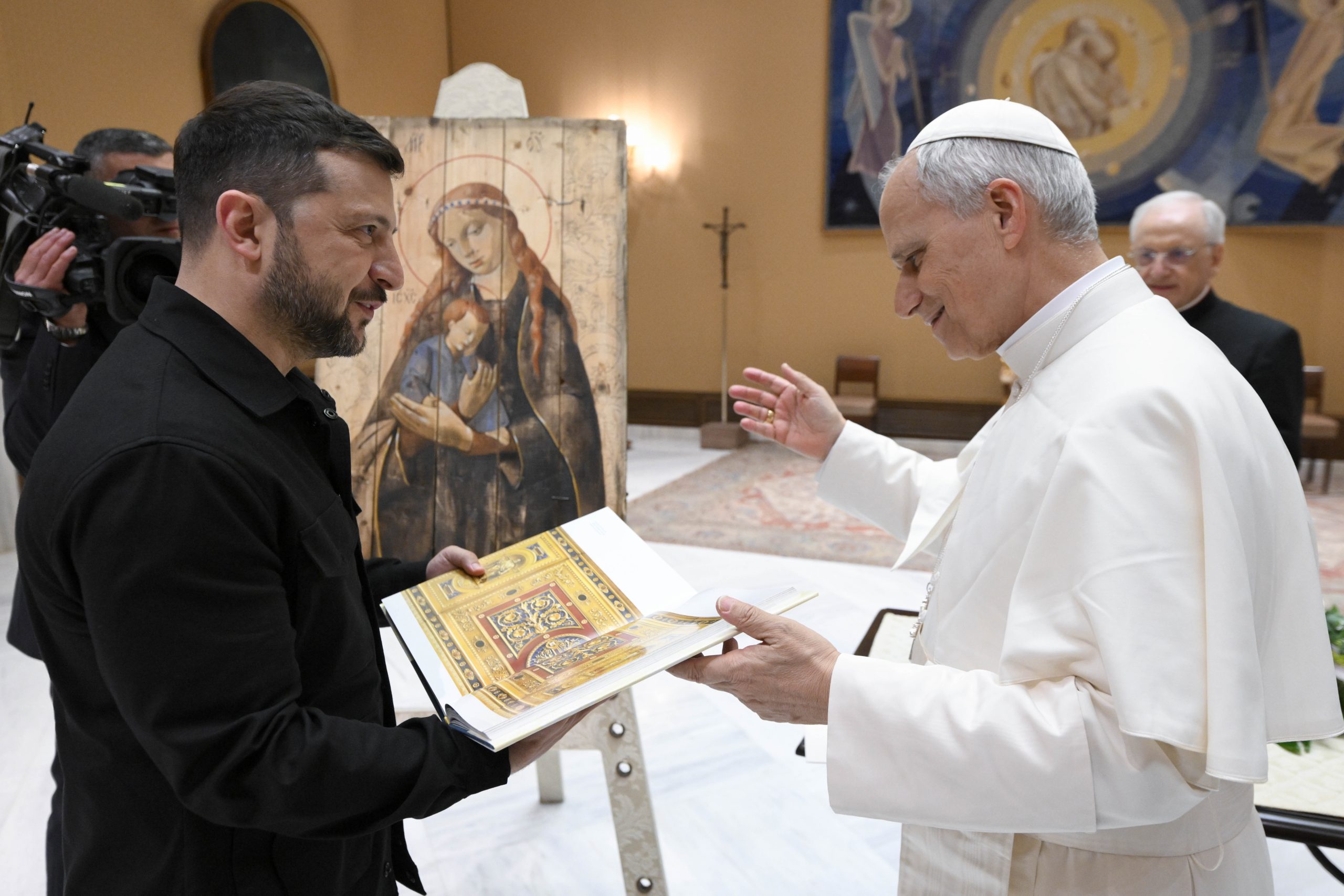
Ukrainian President Volodymyr Zelenskyy presented Pope Leo XIV with a Ukrainian religious icon painted on a fragment of an artillery crate from the front lines in the Kharkiv region, following the Pope's inaugural Mass on May 18, 2025. Zelenskyy described the icon, depicting the Virgin Mary and child, as a symbol of life that must be protected, referencing children affected by Russia's invasion. The meeting in Vatican City also included discussions about peace talks, with the Pope offering to host negotiations between Ukraine and Russia.

From Eurovision to the Venice Biennale, culture contests are being overshadowed by politics

The Venice Biennale and Eurovision Song Contest are being overshadowed by political controversies rather than artistic merit. At the Venice Biennale, the Russian pavilion opened for press previews for the first time since the Ukraine invasion, a decision that may cost the festival €2m in EU funds. The Israeli pavilion will open despite protests from 200 artists and curators, while the South African pavilion will remain empty after its government blocked an artist's tribute to a Palestinian poet. The Iranian pavilion is also shut, and the awarding jury has resigned en masse, meaning no Golden or Silver Lion awards will be given for the first time in 40 years. Similarly, Eurovision's 70th anniversary is dominated by five countries boycotting over Israel's participation, with little focus on the music.

"Hier darf laut gelacht werden"

During the opening week of the Venice Biennale, multiple reports detail controversies surrounding the Israeli and Russian pavilions. According to Hyperallergic, artist Belu-Simion Fainaru of the Israeli pavilion threatened legal action against the Biennale after the jury sought to exclude Israel and Russia from prizes over alleged human rights violations, citing antisemitism and nationality-based discrimination. This may have prompted the jury's sudden resignation. Meanwhile, taz reports that Russia's pavilion is a macabre 'dance of death' blending techno and political denial, while Israel's pavilion faces a 'silent boycott' and social ostracism. Zeit describes protests by Pussy Riot and Femen outside the Russian pavilion as a defining image, with activists chanting 'blood sticks to the art of this country.'

Where to go for the next scandal?

Wo bitte geht's zum nächsten Skandal?

The article reports on the 2024 Venice Biennale preview days, where the atmosphere is dominated by political protests, media stunts, and social-media pressure rather than the art itself. Incidents include a solidarity drone choir for Gaza, a Pussy Riot and FEMEN protest at the Russian Pavilion, and a planned demonstration near the Israeli Pavilion, all amplified by PR agencies and WhatsApp alerts. A journalist describes being pressured by editors to cover scandals and political controversies instead of art reviews, which they say no longer attract clicks.

Venice Biennale denies it helped ‘circumnavigate’ sanctions against Russia with pavilion

The Venice Biennale is facing allegations that it helped Russia circumvent EU sanctions by allowing the Russian pavilion to operate during preview days, when only arts professionals and press are present. Investigative website Open published emails between Biennale officials and Russian pavilion organizers, including requests for visa assistance for artists and staff. The commissioner, Anastasia Karneeva, is the daughter of a Rostec deputy CEO and runs a consultancy with the daughter of Russia's foreign minister. The Biennale denies any wrongdoing, stating it acted in compliance with international law. Russia has been absent from the Biennale since 2022 but retains a permanent pavilion in the Giardini.

Finland’s political leadership to retract from Venice Biennale over Russian Pavilion

Finland's Minister of Science and Culture, Mari-Leena Talvitie, announced that the country's political leadership will not participate in the upcoming Venice Biennale if Russia's national pavilion is allowed to take part. This decision follows a joint letter signed by Talvitie and 21 other European ministers in March, which deemed Russia's return to the Biennale since its 2022 invasion of Ukraine as 'unacceptable'. Finnish public officials and cultural representatives, however, will still attend to support Finnish artists.

Israel’s Artist Said to Have Threatened Legal Action Before Venice Biennale Jury Resignation

Belu-Simion Fainaru, the artist representing Israel at the 2024 Venice Biennale, allegedly threatened legal action against Biennale officials, accusing them of “racial discrimination” and “antisemitism” after the international prize jury announced it would exclude countries whose leaders are charged with crimes against humanity—effectively barring Israel and Russia from awards. The jury, handpicked by late artistic director Koyo Kouoh, resigned en masse on April 30, citing their earlier statement of intent. Fainaru had previously opposed calls to exclude Israel over its military actions in Gaza, arguing for dialogue over boycotts.

Russia’s Venice Pavilion Will Be Closed to Public for Duration of Biennale

Russia's pavilion at the 2026 Venice Biennale will be closed to the public for the duration of the exhibition, from May 9 to November 22, following escalating controversy over the country's participation. The group show, titled “The tree is rooted in the sky,” will only be open to press and industry insiders during the preview days (May 5–8). The move comes after the International Criminal Court accused Russia of crimes against humanity, leading the Biennale to bar Russia and Israel from competing for awards. Italian culture minister Alessandro Giuli has also boycotted the preview and opening ceremony in protest.

European Commission Tells Venice Biennale to Ditch Russian Pavilion

The European Commission has formally accused the Venice Biennale of violating EU sanctions against Russia by planning to reopen the Russian Pavilion for the 2026 edition. In a letter to the Biennale's president, the Commission argues that hosting a government-funded national pavilion constitutes accepting indirect support from the Russian state during its ongoing war in Ukraine. The organization has threatened to withhold a $2.3 million grant intended for the 2028 edition unless the Biennale addresses these concerns by May 11.

Under pressure, the jury of the 61st Venice Biennale will exclude Russian and Israeli pavilions from the awards

Sous pression, le jury de la 61e Biennale de Venise exclura les pavillons russe et israélien du palmarès

The 61st Venice Biennale, titled "In Minor Keys" and running from May 9 to November 22, 2026, has been embroiled in political controversy after organizers decided to reinstate the Russian pavilion, which had been excluded since Russia's 2022 invasion of Ukraine. Under pressure from the European Commission, which threatened to suspend a €2 million grant, the jury announced it will exclude artists from the Russian and Israeli pavilions from winning prizes, citing that leaders Vladimir Putin and Benjamin Netanyahu face International Criminal Court charges for crimes against humanity. The Russian pavilion will remain closed to the public but open for VIP press previews, while the Israeli pavilion stays open to the public. Italian Culture Minister Alessandro Giuli has refused to attend the opening ceremony in protest.

10 Must-See Shows During the Venice Biennale 2026

The 2026 Venice Biennale is embroiled in multiple controversies, including the cancellation and reinstatement of Australia's representative artist Khaled Sabsabi, ongoing calls to bar Israel from participating, criticism over allowing Russia to participate, and mounting voices to exclude the U.S. in response to President Donald Trump's actions in Iran. Despite these disputes, the article highlights that many of the city's most exciting shows will take place away from the main Biennale venues.

Protests and Shutdowns Engulf 61st Venice Biennale Opening

The 61st Venice Biennale preview week, opening to press and professionals ahead of its May 9 public launch, has been engulfed by protests and institutional crises. On May 5, around 60 artists from Koyo Kouoh's exhibition “In Minor Keys” staged a Solidarity Drone Chorus outside the Giardini, drawing on Gazan composer Ahmed Muin's Drone Song (2025) to highlight victims of warfare. On May 6, the Art Not Genocide Alliance (ANGA) organized protests outside Israel's pavilion at the Arsenale, leading to a security-enforced closure, while Pussy Riot and FEMEN demonstrated outside the Russian pavilion. The jury resigned on April 30 after controversy over award eligibility tied to ICC arrest warrants, prompting the Biennale to scrap Golden Lions and transfer prize voting to the public. Iran withdrew its pavilion on May 4, and Russia's will close on May 9, with only exterior video projections remaining. ANGA and Italian unions have announced a 24-hour strike on May 8.

What Did the Golden Lion Die Of? On Judgment and Disavowal at the Venice Biennale

The international jury of the 61st Venice Biennale announced it would exclude from prize consideration countries whose leaders are charged with crimes against humanity by the International Criminal Court, specifically targeting Russia and Israel. This prompted the Italian culture minister to send inspectors to the Biennale's offices, leading the jury to resign. The Biennale then replaced the Golden Lion with "Visitors' Lions" prizes voted by ticket-holders, immediately making Russia and Israel eligible again. The article traces this crisis to the Biennale's historical structure under Mussolini's 1930 Royal Decree, which established the national pavilion system as a diplomatic concession system designed to serve state power, and notes the recent acceptance of a €50 million donation from Qatar for a new permanent pavilion in the Giardini.

venice biennale russian pavilion eu threatens funding 1234776850

The European Union has threatened to withdraw funding from the Venice Biennale if the organization proceeds with hosting a Russian national pavilion for the 2026 edition. EU commissioners Henna Virkkunen and Glenn Micallef issued a joint statement arguing that providing a platform for Russia is incompatible with the EU's response to the ongoing invasion of Ukraine. While the Biennale Foundation maintains a policy of neutrality, stating it rejects the censorship of any country recognized by Italy, the EU warned that continued participation could result in the suspension or termination of active grants.

Anti-Russia Protests Spread Beyond the Biennale and Into Venice

Protests against the reopening of the Russian pavilion erupted at the Venice Biennale and spread across the city on the second day of the 61st edition. Visual artist Shalva Nikvashvili, who grew up in post-Soviet Georgia, began a silent performance wearing a muzzle-style mask and carrying a chair, holding a sign reading “La Biennale di Venezia” and “violence.” Shortly after, a group of about 20 protesters led by Pussy Riot co-founder Nadya Tolokonnikova gathered outside the Russian pavilion, chanting against Vladimir Putin, waving Ukrainian flags, and releasing a pink smoke flare. The protests followed the Biennale's decision to allow Russia to participate for the first time since its 2022 invasion of Ukraine, despite calls from artists and politicians to exclude the country.

Jury for Venice Biennale's art prize resigns after refusing to recognise Israeli, Russian artists

The international jury of the 61st Venice Biennale art exhibition resigned just over a week before the May 9 prize ceremony, after announcing they would not consider artists from countries whose leaders face International Criminal Court charges—an apparent reference to Russia and Israel. The jury included president Solange Farkas, Zoe Butt, Elvira Dyangani Ose, Marta Kuzma, and Giovanna Zapperi. In response, the Biennale established two Visitors’ Lions to be awarded by ticket-holder vote, postponed the awards to November 22, and reaffirmed that all national participations remain eligible, effectively reinstating Russian and Israeli artists.

Venice Biennale jury resigns amid row over Russian entry

The international jury of the Venice Biennale resigned en masse just nine days before the opening of the world's oldest contemporary art fair, amid a dispute over Russia's participation and the panel's decision to bar prizes for countries accused of crimes against humanity by the International Criminal Court. The jury, comprising president Solange Farkas and members Zoe Butt, Elvira Dyangani Ose, Marta Kuzma, and Giovanna Zapperi, stepped down without explanation, following tensions that also involved Italy's Culture Ministry cutting €2 million in EU funding over Russia's presence and sending inspectors to the Russian Pavilion.

Births, deaths and a first kiss: life near the frontline in Ukraine – in pictures

British-Iranian artist Aria Shahrokhshahi's long-term photographic project "Wet Ground" captures daily life in Ukraine during Russia's full-scale invasion, focusing on moments of youth, subculture, and fragile continuity rather than traditional war imagery. The series, developed through repeated stays and volunteering since 2019, includes scenes from teenage discos, hospital wards, a birth during a missile attack, and a first kiss near the frontline, all shot in stark black and white.

Ukrainian installation at Burning Man destroyed by dust storm

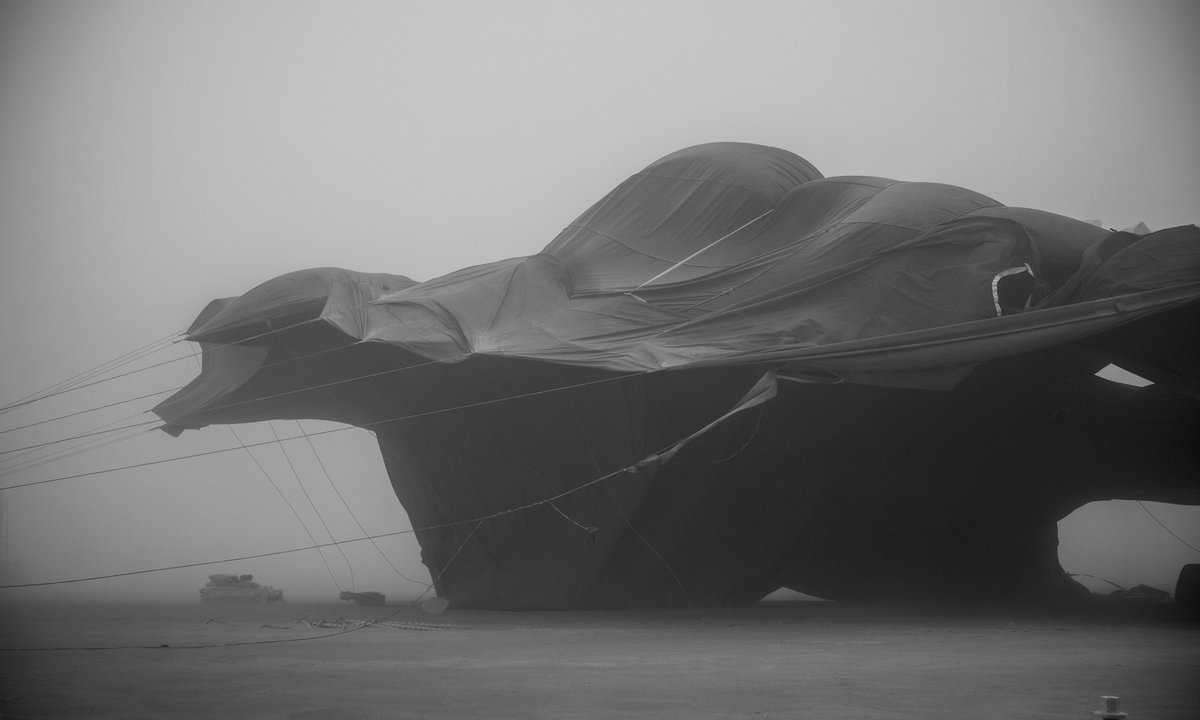
Ukrainian artist Oleksiy Sai's installation *Black Cloud* (2025) was destroyed by a hurricane-force dust storm at the Burning Man festival in Nevada on 24 August, coinciding with Ukrainian Independence Day. The 100-foot-tall, eight-ton inflatable sculpture, funded by private donors from Ukraine and the US, featured strobe lights and a soundscape of missiles and sirens by war veteran DJ Tapolsky. The team behind the work is rebuilding it, and the installation had previously premiered in Kyiv with an edited soundscape to avoid traumatizing residents.

Art freedom under fire

The Bangkok Art and Culture Centre (BACC) censored an exhibition titled 'Constellation of Complicity: Visualising the Global Machinery of Authoritarian Solidarity' after pressure from the Chinese embassy. The exhibition, which opened on July 24, featured works by exiled artists from Myanmar, Iran, Russia, and Syria exploring authoritarian alliances. Following a visit by Chinese embassy staff, several works were removed, including a multimedia installation by a Tibetan artist, and texts mentioning 'Hong Kong', 'Tibet', and 'Uyghur' were redacted. The curator, Sai, a Myanmar artist in exile, said the interference was not unexpected.