filter_list Showing 344 results for "Russia" close Clear
dashboard All 344 article news 158museum exhibitions 80article policy 43article culture 18gavel restitution 15trending_up market 13candle obituary 7person people 5article local 3rate_review review 1article events 1
date_range Range Today This Week This Month All
Subscribe

Renowned Mexican art collection to be managed by Spanish bank

Banco Santander announced on 21 January that it will manage 160 works from the Gelman Collection of 20th-century Mexican art, following a long-term agreement with the Zambrano family, which acquired the collection in 2023. The newly branded Gelman Santander Collection will debut this summer at Faro Santander, the bank's new venue in Cantabria, Spain. The collection, started by Russian-born film producer Jacques Gelman and his wife Natasha, includes major works by Frida Kahlo, Diego Rivera, Rufino Tamayo, and others, but has been largely out of public view since 2008 amid inheritance disputes. The agreement is complicated by Mexican law, which designates many works as National Artistic Monuments, restricting their permanent export and requiring oversight by the Instituto Nacional de Bellas Artes y Literatura (INBAL).
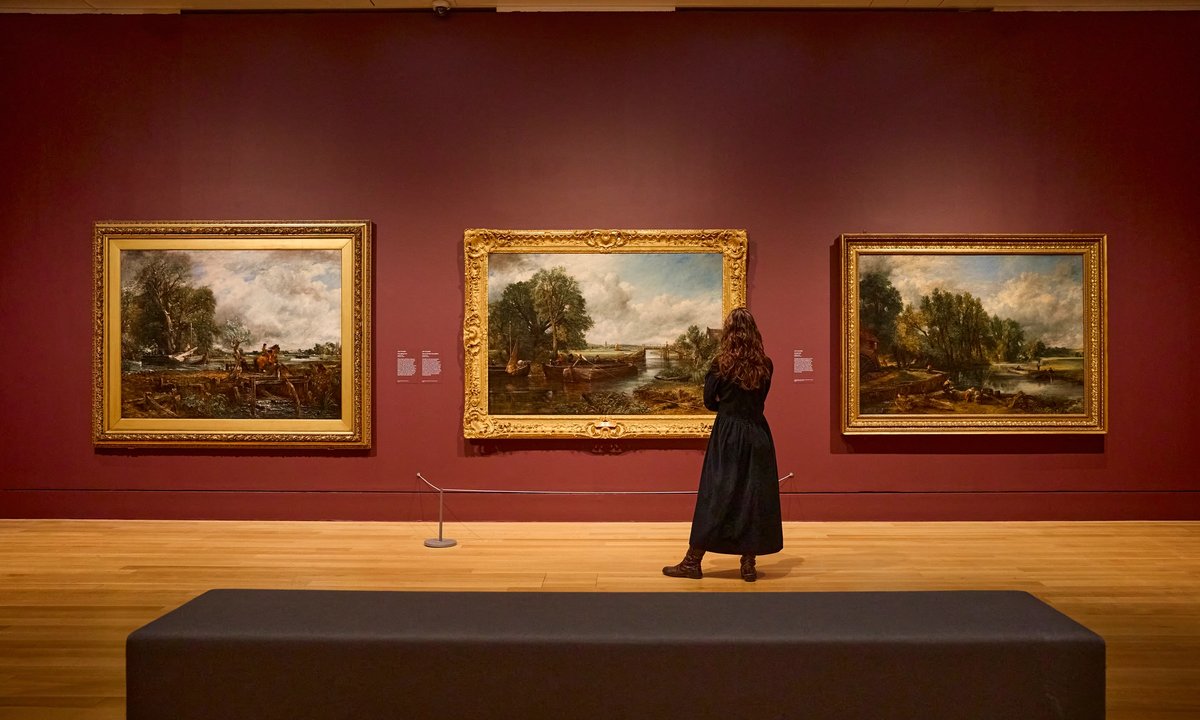
Comment | Tate Britain’s Turner and Constable show got me thinking about Marxist art history

The author recounts traveling from Scotland to London to see Tate Britain's exhibition "Turner and Constable: Rivals and Originals," despite costly and slow train travel. The article also covers the Old Master sales at Sotheby's, Christie's, and Bonhams, noting mixed results: a Flemish triptych sold for £5.7m, a Hans Eworth portrait set a record at £3.2m, and a Gerrit Dou fetched £3.8m, while a Panini capriccio lost value since 2005.

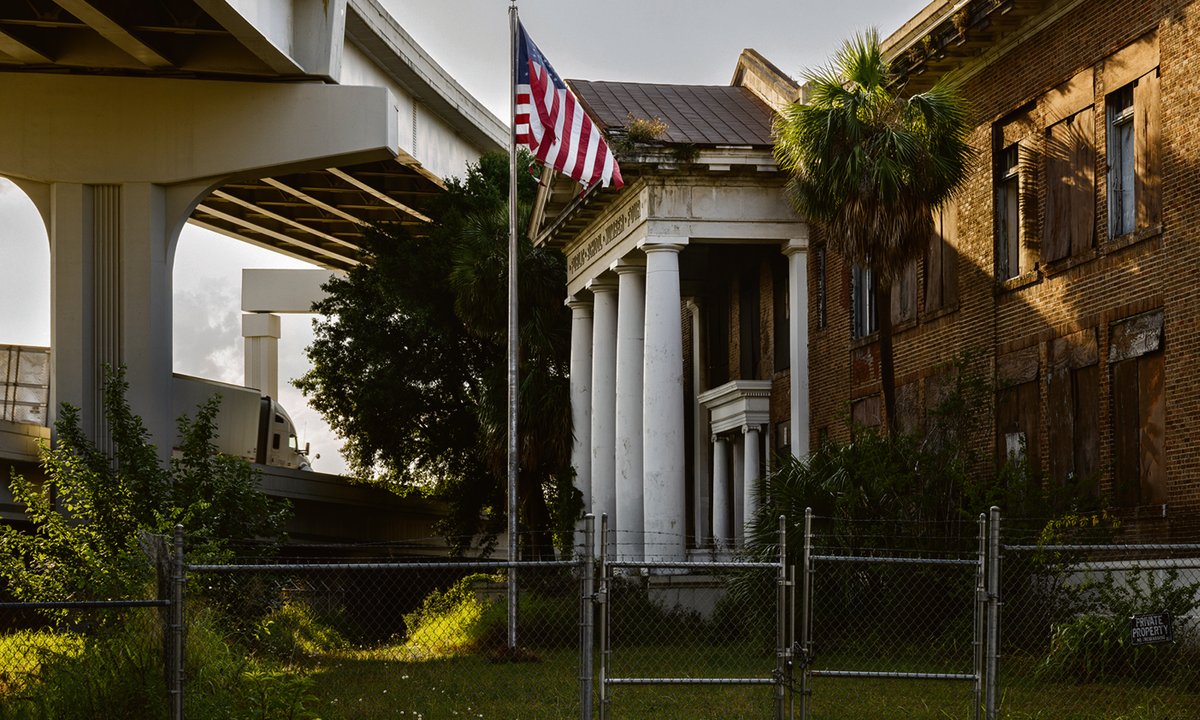
In pictures: meet the ghosts of the US’s East Coast

Photographer Anastasia Samoylova presents her latest exhibition and photobook, "Atlantic Coast," at the Norton Museum of Art in West Palm Beach. The project documents a road trip along the old US Route 1 on the East Coast, inspired by Berenice Abbott's 1954 journey. Through her lens, Samoylova captures a country in transition, juxtaposing decaying Americana with modern structures and political commentary, including images of a statue of John C. Calhoun being removed after the George Floyd protests and the collapsed Francis Scott Key Bridge. She draws parallels between her work and Paul Thomas Anderson's film "One Battle After Another," both centering on road trips and shared anxieties.

Despite Putin’s repressive regime, a new private museum opens in Moscow

A new private museum called Zilart is set to open in Moscow on December 2, founded by billionaire couple Andrey and Yelizaveta Molchanov. The museum will showcase their collection of roughly 10,000 works, spanning Russian avant-garde, Soviet nonconformist art, international contemporary art, photography, and African art. Originally conceived in 2015 as a modern art branch of the State Hermitage Museum, the project underwent significant changes: architect Hani Rashid was replaced by Sergei Tchoban in 2021, and the Hermitage withdrew in 2023. The museum is entirely funded by the Molchanovs' LSR Group and receives no state support.

Seattle Art Museum exhibit explores France's food identity

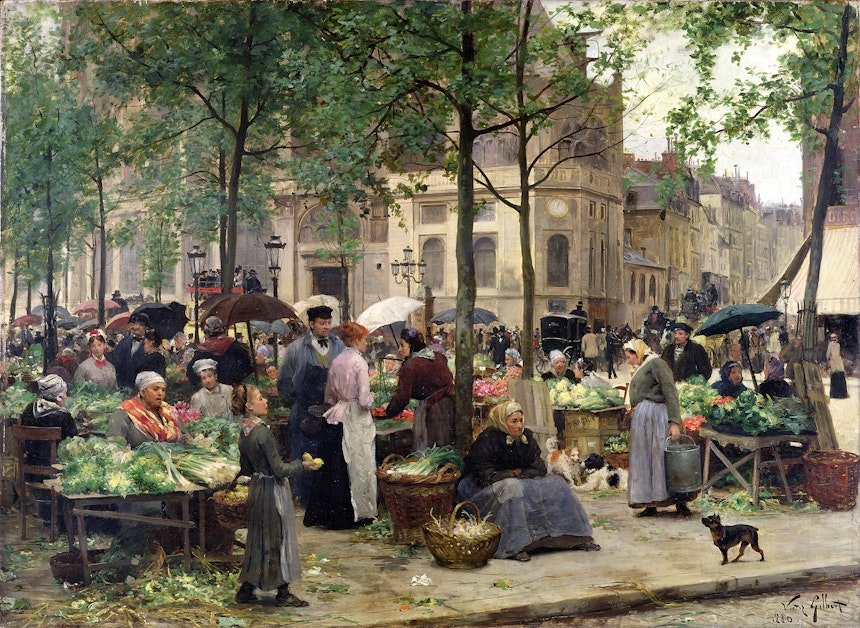
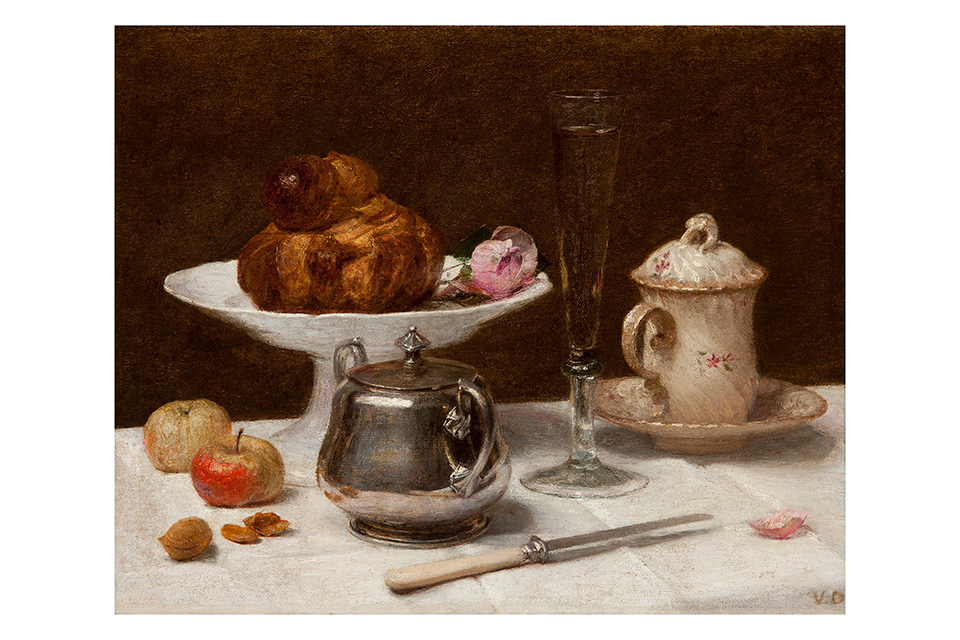
The Seattle Art Museum has opened a new exhibition titled "Farm to Table: Food and Identity in the Age of Impressionism," featuring over 50 works by Impressionist artists such as Claude Monet and Paul Gauguin. The show explores how late 19th-century France, emerging from the Franco-Prussian War and social upheaval, turned to food imagery in art as a symbol of national pride and resilience. Curator Theresa Papanikolas highlights scenes of farmers, food workers, and markets like Les Halles, which also depict class interactions. The exhibition includes a dining table installation with prompt cards to encourage conversation, and Seattle is the final stop on its national tour, running through Jan. 18, 2026.

Cincinnati Exhibition Explores Why These Late 1800s French Artists Focused on Food

The Cincinnati Art Museum presents "Farm to Table: Food and Identity in the Age of Impressionism," a new exhibition running from June 13 to September 21, 2025. Curated by Peter Bell, the show features over 60 paintings and sculptures from late 1800s France, exploring how artists depicted food production and consumption in the aftermath of the Franco-Prussian War and the Paris Commune. Works by artists such as Julien Dupré, Victor Gilbert, Rosa Bonheur, James Tissot, and Gustave Courbet are included, with the exhibition divided into sections on production and consumption, juxtaposing images of labor, market scenes, and dining practices.

Why is the art market turning Gulf-wards?

The art market is shifting its focus toward the Gulf region, particularly Saudi Arabia and the United Arab Emirates, following a sharp decline in Chinese luxury goods sales (18–20% drop in 2024) and a 31% slump in Chinese art sales. Auction houses like Sotheby’s and Christie’s have established outposts in Saudi Arabia, with Sotheby’s first auction in Diriyah generating $17.3 million and attracting 35% new buyers. The UAE’s tax-haven status and lack of sanctions on Russians have drawn wealthy residents, while Saudi Arabia’s Vision 2030 campaign, led by Mohammed bin Salman, is pouring money into cultural projects such as AlUla, Art Week Riyadh, the Islamic Arts Biennale, and a new teamLab Borderless museum in Jeddah.

Comment | Muted grey, bloody red, or dark blue—here’s why the colour of museum walls matters more than you might think

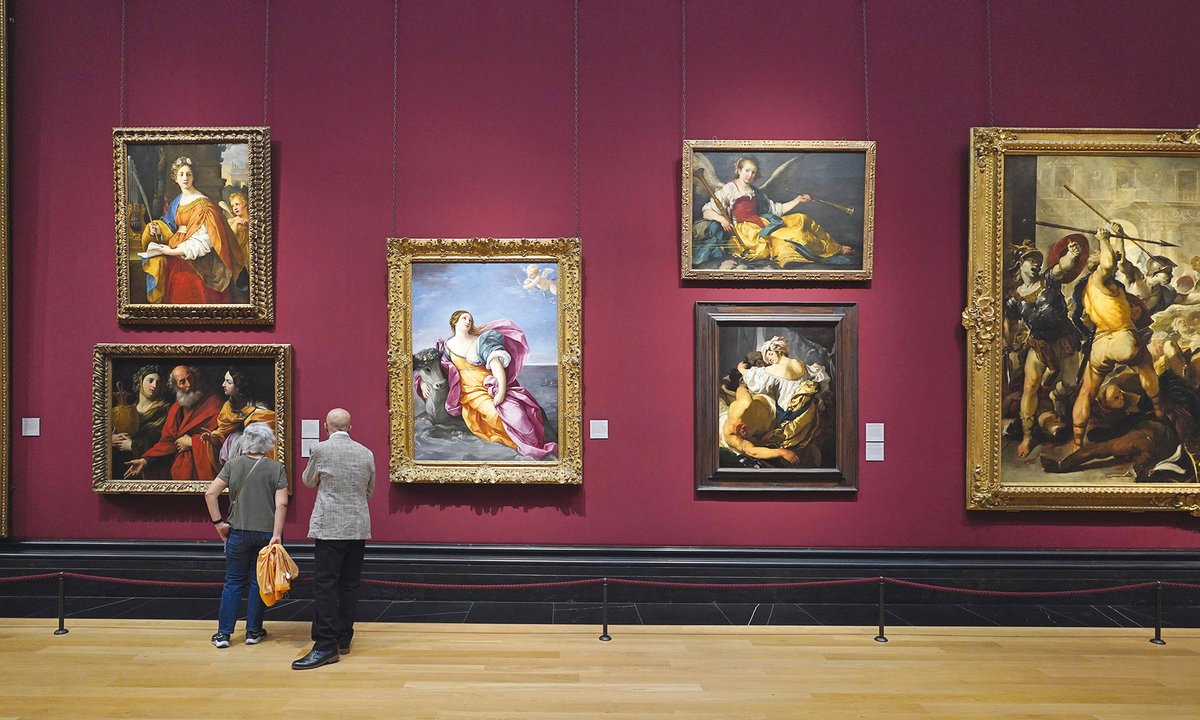
The article explores the often-overlooked significance of color in museum spaces, prompted by a conversation with architect Annabelle Selldorf about her $220 million renovation of New York's Frick Collection. Selldorf describes the new auditorium's muted grey as creating a calm, meditative environment, contrasting sharply with Tate Modern's Starr Cinema, which architect Jacques Herzog painted shocking red to symbolize the space as the museum's "brain." The piece traces historical approaches to gallery wall colors, from Charles Eastlake's advocacy at the National Gallery in London—informed by Goethe's color theory—to the enduring orthodoxy of reds and greens, and a notable departure with deep Prussian blue for a Gainsborough exhibition at Tate Britain. It also recounts Henri Matisse's 1946 project in Paris, where he covered his room's grimy beige walls with cut-paper forms, creating the screens "Océanie, Le Ciel" and "Océanie, La Mer."

Dozens of Venice Biennale Artists Demand Israel’s Exclusion

A coalition of 182 artists, curators, and art workers participating in the 2026 Venice Biennale, organized under the Art Not Genocide Alliance (ANGA), formally delivered a letter demanding the exclusion of Israel from the exhibition. The signatories, including prominent artists like Yto Barrada, Alfredo Jaar, and Miet Warlop, argue that the Biennale must not normalize Israeli policies towards Palestinians.

A Theatre Group of Exiled Belarusian Artists Arrive in Venice, With an Exhibition That Shows What Repression Feels Like

The Belarus Free Theatre, an exiled underground theater group, will stage its first official collateral exhibition at the 61st Venice Biennale, titled “Official. Unofficial. Belarus.” The show, held in the historic La Chiesa di San Giovanni Evangelista di Venezia, features site-specific paintings, a sound installation, and large-scale sculptures that aim to immerse visitors in the experience of repression under authoritarian rule. This marks only the fifth time Belarus has been present at the Biennale, and the first time it appears not as a state but as a self-governing cultural body, challenging the official narratives of nations like Russia.

The soap opera continues. Minister Giuli will boycott the inauguration of the Venice Biennale

La telenovela continua. Il Ministro Giuli diserterà l’inaugurazione della Biennale di Venezia

Alessandro Giuli, Italy's Minister of Culture, has announced he will boycott the pre-opening and inauguration ceremony of the 61st Venice Biennale on May 9, 2026, escalating a political and cultural crisis. The dispute began when Biennale president Pietrangelo Buttafuoco allowed the Russian pavilion to reopen, absent since 2022 due to the Ukraine invasion, citing artistic freedom. Giuli demanded the removal of ministry representative Tamara Gregoretti from the Biennale board for failing to oppose the decision. Tensions flared during the Italy Pavilion press conference, where journalists were confined to a separate streaming room and questions were restricted. The European Commission condemned the Russian pavilion's reopening, cutting €2 million in funding and issuing a 30-day ultimatum, while 22 European countries signed a letter pressuring the institution. The Biennale's international jury, led by Solange Oliveira Farkas, then excluded Russia and Israel from award consideration, citing ethical guidelines against countries whose leaders face International Criminal Court charges for crimes against humanity.

Culture Workers Announce Venice Biennale Strike in Israeli Pavilion Protest

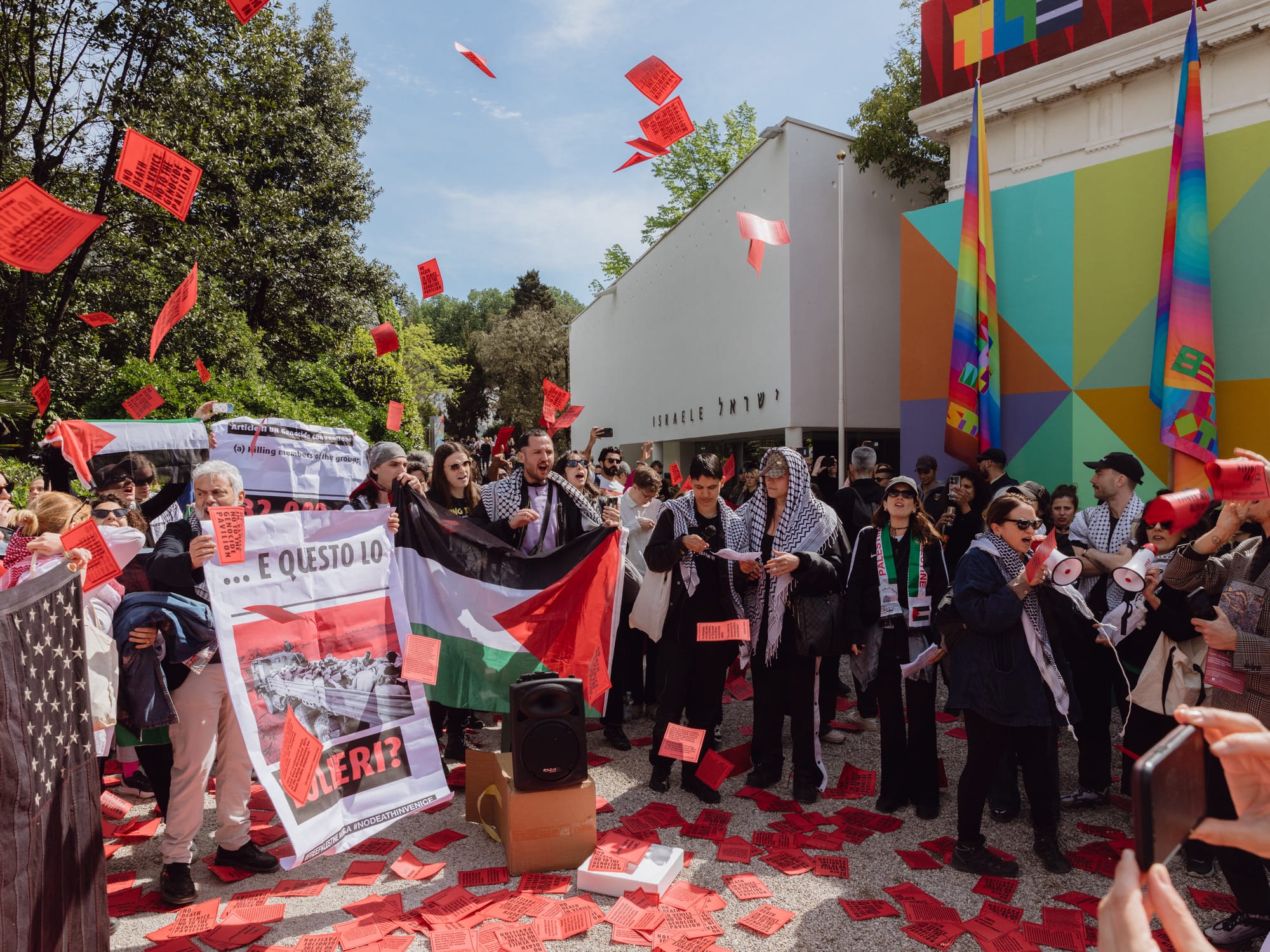
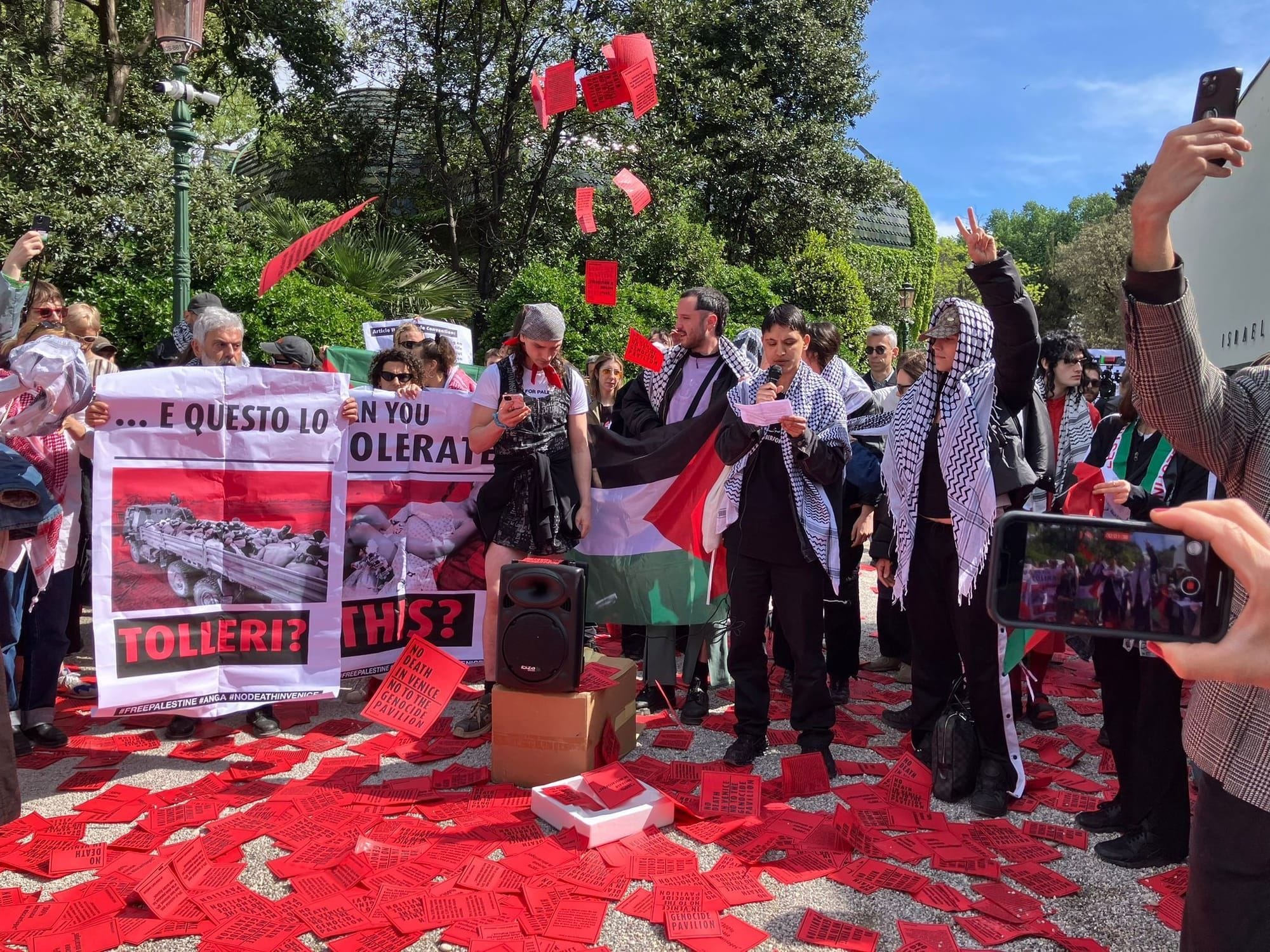
Cultural workers, unions, and grassroots groups are planning a 24-hour strike on Friday, May 8, at the Venice Biennale to protest Israel's participation amid the ongoing genocide in Gaza. Organized by the Art Not Genocide Alliance (ANGA), the action includes a rally on Viale Garibaldi and calls for a boycott of Israel's "genocide pavilion." Participating groups include Biennaleocene, Sale Docks, Mi Riconosci, Vogliamo Tutt’altro, and several Italian trade unions. The strike follows months of activism, including a letter signed by over 200 event participants, and comes after the Biennale jury resigned over award eligibility rules that initially excluded Israel and Russia.

Pussy Riot Shows Art by Russia’s Prisoners in New Protest Exhibition

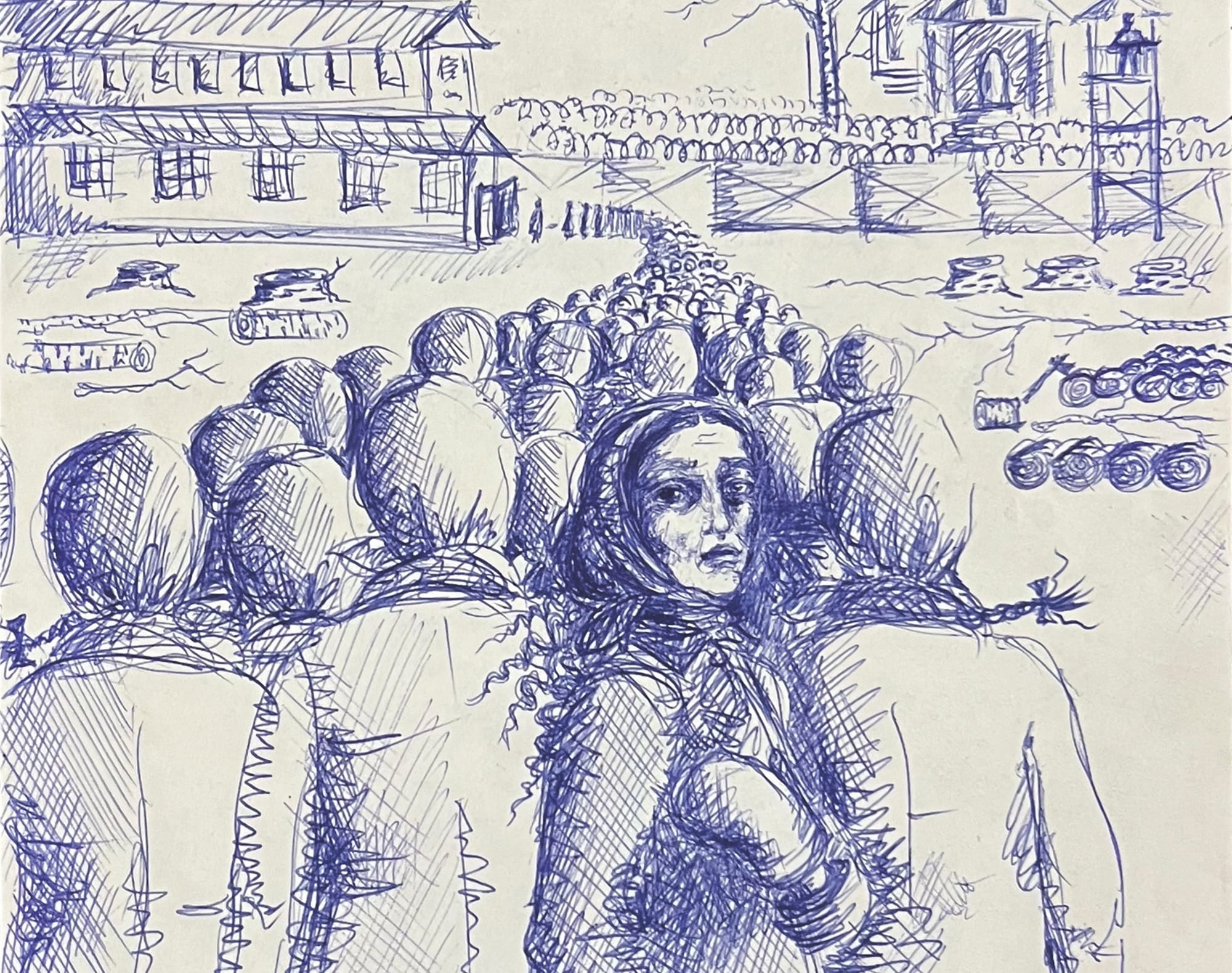
Pussy Riot founder Nadya Tolokonnikova co-curated "Resistance Imprisoned," a protest exhibition at Ritsch-Fisch Galerie in Strasbourg, France, featuring artwork created by people currently or formerly imprisoned in Russia, including Ukrainian civilians. The show opened April 19 and runs through May 31, timed to coincide with the first month of the Venice Biennale, which opens May 9. Works include a pen sketch by Lyudmila Razumova, a photojournalist arrested for anti-war graffiti in 2022 and serving a seven-year sentence, alongside pieces by other political prisoners and Ukrainian POWs. The exhibition aims to highlight the human cost of Russia's war and its participation in international cultural events.

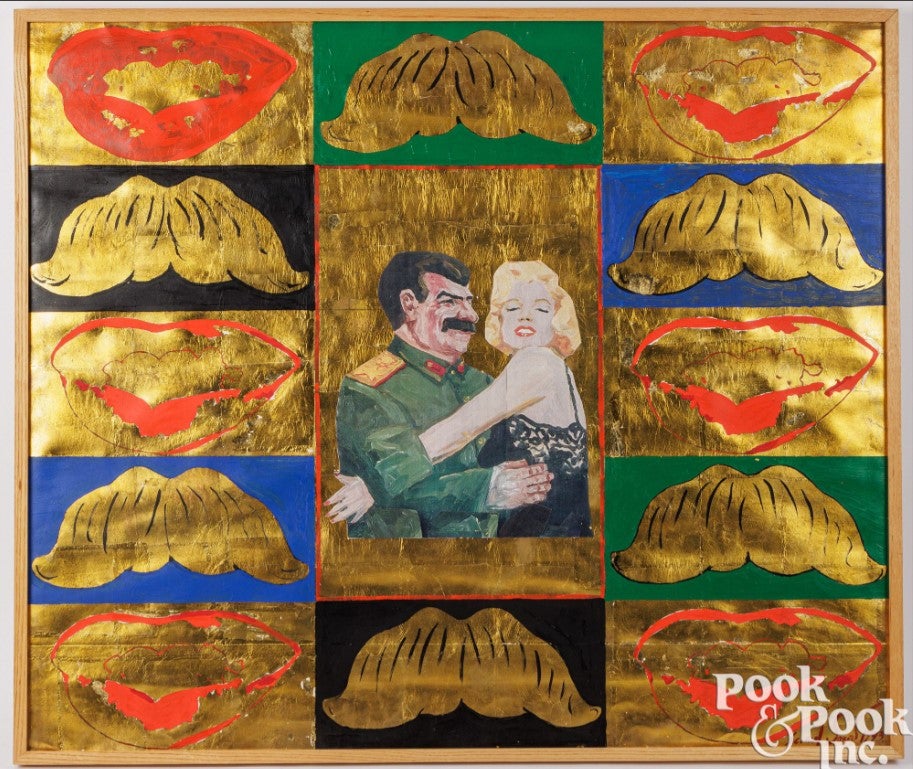
Pook & Pook Presents Exceptional Works of Modern and Post-war Art in its Upcoming Auction

Pook & Pook will hold an online auction on July 16, 2025, featuring over 500 lots of modern and post-war art deaccessioned from a distinguished East Coast educational institution. Highlights include eight works by Romare Bearden, over one hundred pieces by Leonid Sokov, paintings by Mikhail Turovsky, conceptual works by Lydia Dona, and a sculpture by Frederick Eversley. The auction will be accessible via PookLive, Bidsquare, and Invaluable, with in-person previews at Pook & Pook's Downingtown, Pennsylvania gallery on July 14-15.

Iran Withdraws From 2026 Venice Biennale

Iran has withdrawn from the 2026 Venice Biennale, the world's most important art event, organizers announced on May 4. No official reason was given, but the withdrawal comes amid an uncertain ceasefire in Iran's war with the United States and Israel. The Biennale confirmed the decision in a statement, noting that 100 countries will still participate, including newcomers Tanzania and Seychelles. This follows South Africa's withdrawal over a legal dispute concerning a Gaza-focused artwork, and the closure of the Russian Pavilion to the public after the EU withdrew €2 million in funding over Russia's involvement.

Activist glues herself to museum display case

Aktivistin klebt sich an Museumsvitrine

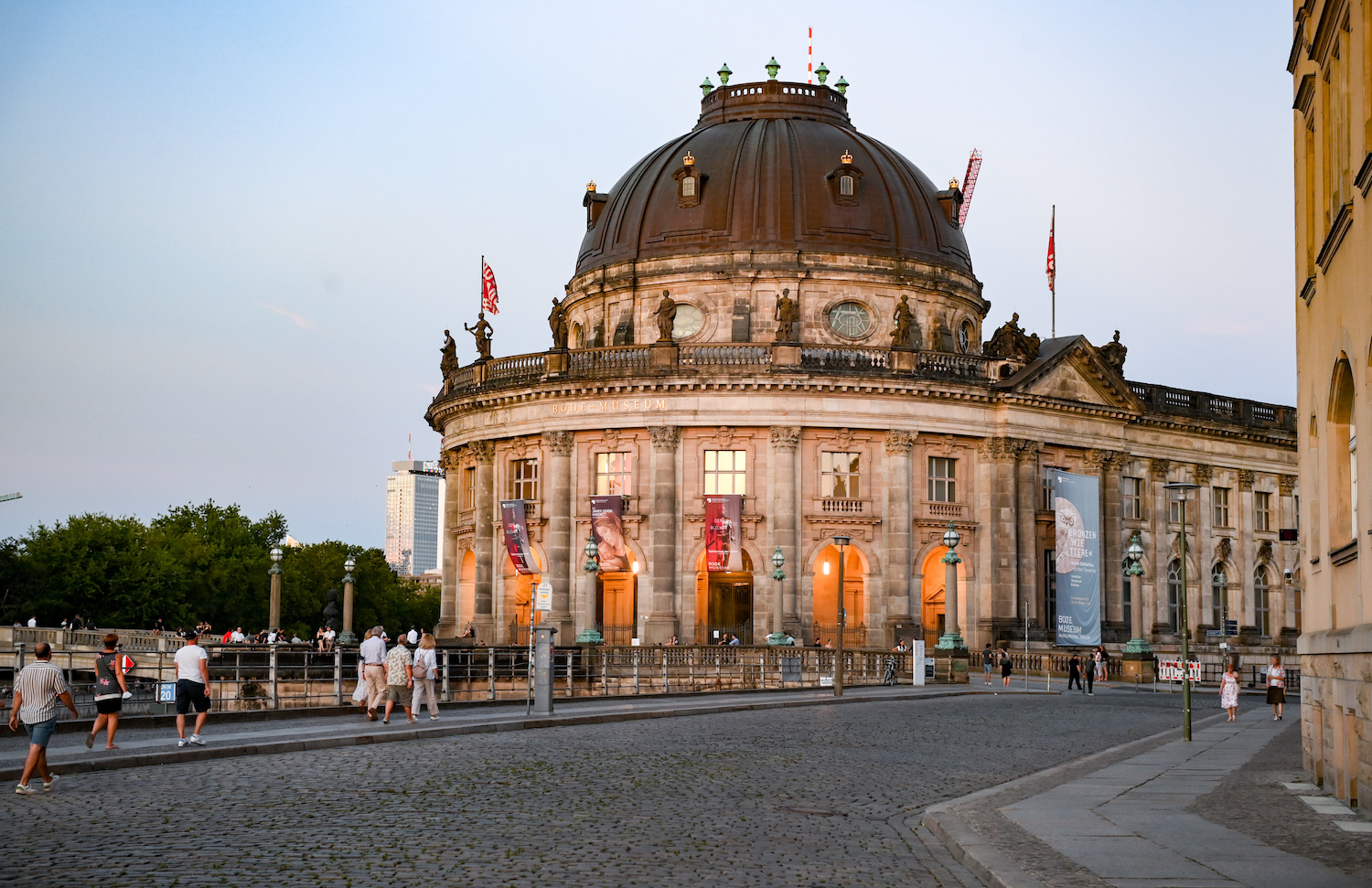
A protester from the activist group Neue Generation glued herself to a display case in the Coin Cabinet of the Bode-Museum on Berlin's Museum Island. Dressed as Federal Minister for Economic Affairs Katherina Reiche, the activist targeted the museum to protest the minister's perceived lack of independence from corporate interests. Police were called to the scene to remove the woman, and the Prussian Cultural Heritage Foundation confirmed that while the glass case was targeted, no historical artifacts were damaged.

Director of the Hermitage Museum Sanctioned by the European Union

Le directeur du Musée de l'Ermitage sanctionné par l'Union européenne

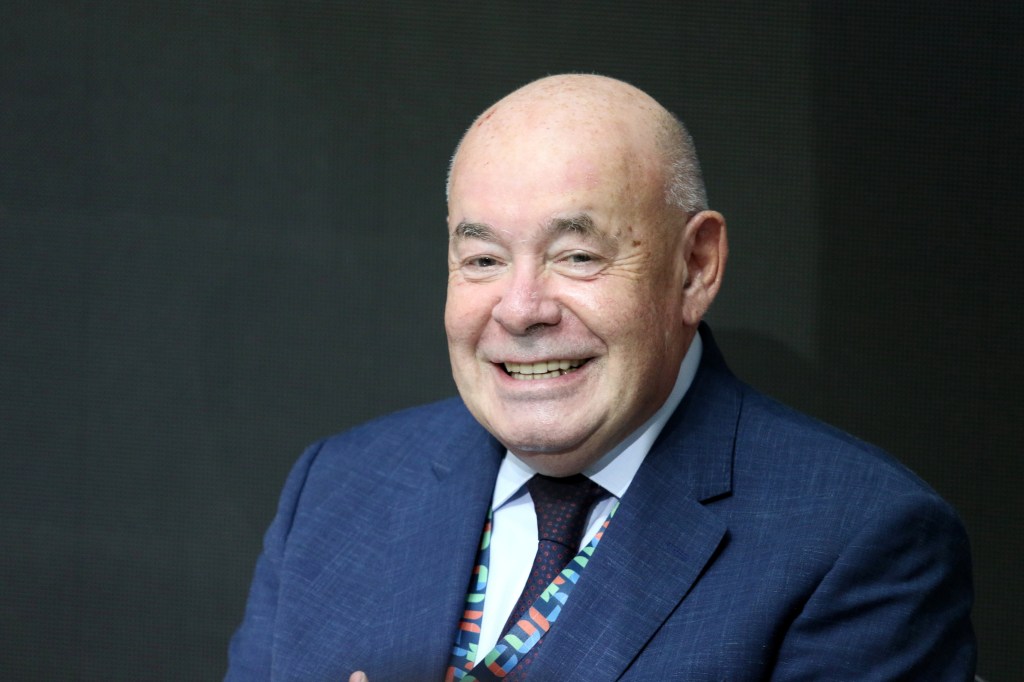
The European Union has imposed sanctions on Mikhail Piotrovsky, the 81-year-old director of the State Hermitage Museum in Saint Petersburg, as part of its 20th sanctions package against Russia. Piotrovsky was blacklisted for supporting the war in Ukraine and overseeing illegal archaeological excavations in occupied Crimea. The EU cited his use of Kremlin war rhetoric—calling the museum's exhibition policy a "cultural special operation"—and the Hermitage's role in incorporating Ukrainian cultural objects from occupied territories into Russia's state museum fund. Additionally, under his leadership, unauthorized digs were conducted at the ancient Greek site of Myrmekion in Crimea, led by Hermitage archaeologist Alexander Butyagin, who was arrested in Warsaw and later released in a prisoner exchange.

Venice Biennale Awards Jury Won’t Consider Russia and Israel

The international awards jury for the 61st Venice Biennale has announced it will not consider countries whose leaders are charged with crimes against humanity by the International Criminal Court (ICC) for prizes. The all-women jury, chaired by Solange Farkas, published a statement on e-flux declaring this policy, which implicitly targets Russia and Israel, whose leaders Vladimir Putin and Benjamin Netanyahu face ICC warrants. The jury is responsible for awarding Golden Lions for the best national pavilion and best artist in the central exhibition. A majority of artists in the main show issued an open letter supporting the decision, while the Biennale Foundation faces criticism for allowing both nations to participate in 2026.

A Delightful Short Film Highlights the Remarkable Self-Taught Art of George Voronovsky

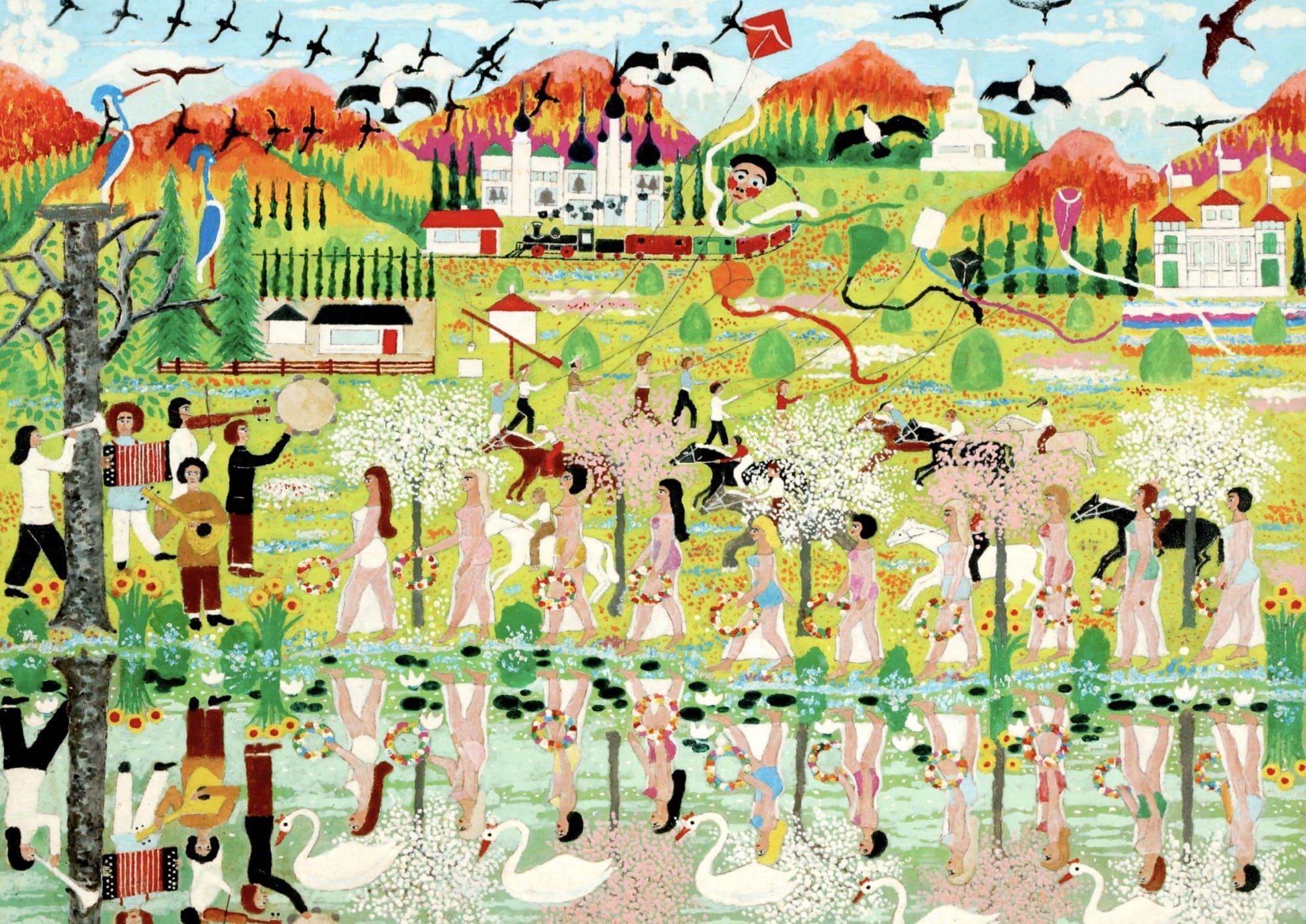
Ukrainian-born artist Jonko “George” Voronovsky transformed his modest retirement room at Miami’s Colony Hotel into a dense, vibrant sanctuary of over 5,000 artworks. After surviving the horrors of the Russian Revolution, Nazi labor camps, and permanent separation from his family, Voronovsky immigrated to the U.S. and spent his final years creating "memoryscapes." These works, crafted from found materials like pizza boxes and soda cans, depicted idyllic, colorful scenes of his youth in Ukraine, contrasting sharply with the trauma of his past.

art coumba samba young artist

Coumba Samba, a 25-year-old artist based in New York, is featured in Cultured's 2025 Young Artists list. Her recent installation at Kunsthalle Basel uses 176 steel poles spaced four inches apart to evoke the U.S.-Mexico border wall, referencing policies from the George W. Bush and Trump administrations. Born in New York and partly raised in Senegal, Samba creates work about the permeability and absurdity of international borders. Her show “Red Gas” at Arcadia Missa incorporates found home radiators painted with colors from a photo of former Senegalese President Macky Sall shaking hands with Vladimir Putin at the 2023 Russia-Africa Summit, blending abstraction with global politics.

Seen in Venice, Bought in Venice

"In Venedig gesehen, in Venedig gekauft"

The article reports on multiple developments surrounding the Venice Biennale. Iran has withdrawn from the Biennale, citing political and economic crises, with logistical challenges such as no flights or postal service making participation nearly impossible. Artist Anish Kapoor has called for the exclusion of the United States from the Biennale, criticizing its "abhorrent policy of hate" and "ongoing warmongering." A memorial installation by Derrick Adams for the late curator Koyo Kouoh, who was set to lead the main exhibition, will be displayed near the Arsenale. Additionally, the Biennale faces a funding cut from the EU due to Russia's continued participation despite the Ukraine war, leading to the resignation of the jury and the culture minister's withdrawal.

"Etwas zaghaft, etwas ängstlich, etwas sicher"

The article surveys recent art-world commentary, focusing on a critical review of the Turner Prize shortlist in The Guardian, where Eddy Frankel calls the selection "timid, anxious, safe" and laments a self-perpetuating, elitist system. It also covers a Hyperallergic essay by Lisa Siraganian questioning whether artworks can possess personhood, sparked by Pierre Huyghe's Venice exhibition. Additionally, it reports on controversy at the Venice Biennale, where the jury preemptively excluded countries whose leaders are sought by the International Criminal Court—namely Russia and Israel—drawing sharp criticism from Die Welt's Marcus Woeller. A podcast interview with US sculptor Alma Allen, selected for the US Pavilion, rounds out the coverage.

The Underrated Architect of the Avant-Garde

Der unterschätzte Architekt der Avantgarde

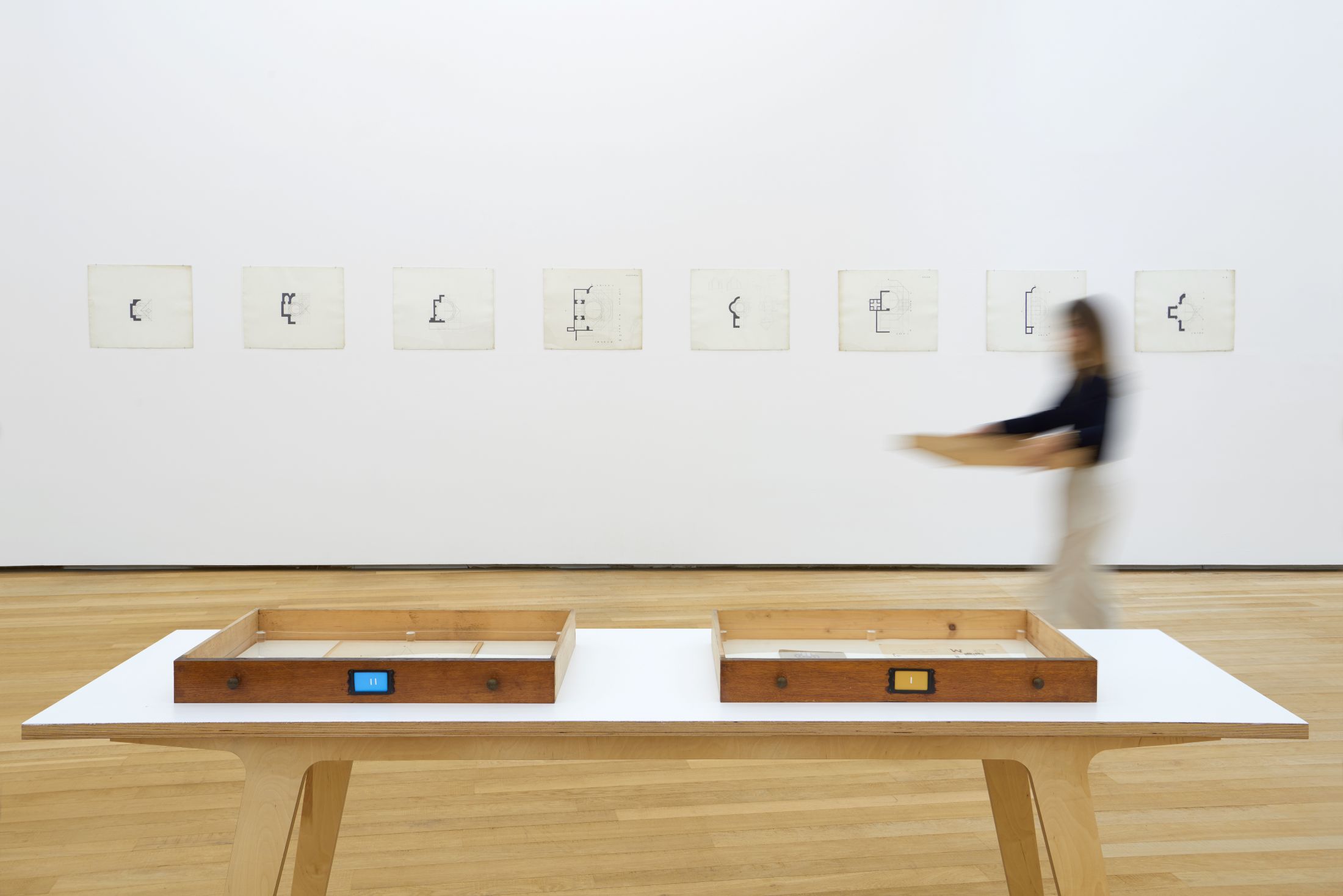
The Fondazione Antonio Dalle Nogare in Bolzano is hosting a comprehensive retrospective dedicated to Ilja Sdanewitsch, known as Iliazd, a Georgian-Russian-French avant-garde polymath. The exhibition, titled "Toutité Iliazd. Die Erforschung der Form," showcases his diverse output as a writer, designer, and publisher who viewed the book as a primary art object. The display includes architectural reliefs, textile designs for Coco Chanel, and his significant collaborations with icons like Picasso and Duchamp.

Venice Biennale, no prize for Russia or Israel

Biennale de Venise, pas de prix pour la Russie ou Israël

The Venice Biennale has announced that neither Russia nor Israel will receive awards at this year's edition. The decision reflects ongoing geopolitical tensions and controversies surrounding the participation of these nations in the prestigious international art exhibition.

Lithuanian, Latvian, and Estonian Pavilions Stage Pro-Ukraine Procession During Venice Biennale

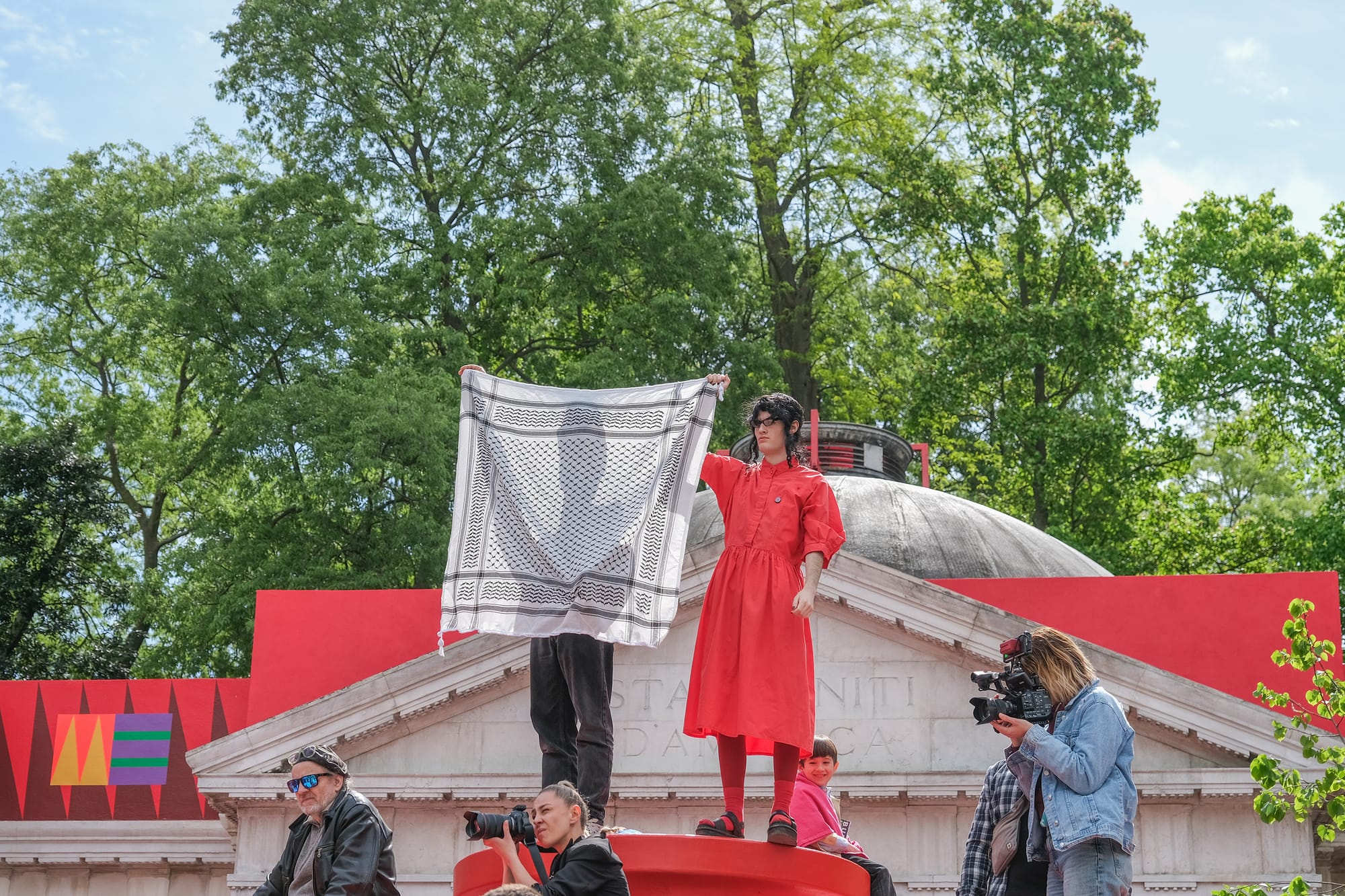
On May 6, 2026, the Lithuanian, Latvian, and Estonian pavilions at the Venice Biennale organized a procession in solidarity with Ukraine, walking approximately one and a half miles from the Lithuanian Pavilion in the Fucina del Futuro to the Estonian pavilion. The action honored Ukrainian cultural workers creating under war conditions and those who have died. It is one of several political protests at the contentious 2026 Biennale, including demonstrations by Pussy Riot and FEMEN at the Russian pavilion, a "Solidarity Drone Chorus" opposing Israel's inclusion, and a planned 24-hour strike by the Art Not Genocide Alliance.

The Biennale Isn’t a Court. Tell That to the Protesters.

Pietrangelo Buttafuoco, president of the Venice Biennale, defended the decision to allow Russia to reopen its pavilion for the first time since its 2022 invasion of Ukraine, stating that the Biennale is "not a court; it is a garden of peace." The move has sparked widespread backlash, including threats to pull €2.3 million in EU funding. Protests have erupted on the ground, with Pussy Riot and FEMEN staging a theatrical demonstration outside the Russian Pavilion, setting off smoke flares and chanting slogans. Separately, around 60 artists performed a "Solidarity Drone Chorus" to protest Israel's participation, and the Art Not Genocide Alliance has called for a 24-hour strike and rallies across Venice. The Russian Pavilion will be open only during press preview days due to EU sanctions, with video projections visible from outside for the rest of the Biennale's run.

Israel Addresses Venice Biennale Jury’s ‘Boycott’ of Pavilion: ‘A Contamination of the Art World’

Israel’s foreign ministry has condemned a statement by the Venice Biennale jury, in which the five curators declared they would not consider pavilions from countries charged with crimes against humanity by the International Criminal Court. The jury’s decision effectively boycotts Israel and Russia, whose leaders face ICC arrest warrants. Israel called the move a “contamination of the art world,” while the artist representing Israel, Belu-Simion Fainaru, also denounced the jury for creating a hostile environment. The Biennale’s organizers have distanced themselves from the jury, stating they cannot exclude any recognized state from the exhibition.

Venice Biennale Jury Says It Won’t Consider Countries Charged with Crimes Against Humanity, Including Israel and Russia

The Venice Biennale's jury announced it will not consider nations whose leaders are charged with crimes against humanity by the International Criminal Court, effectively excluding Israel and Russia from competing for top honors. The jury, led by Videobrasil founder Solange Farkas, stated this decision aligns with curator Koyo Kouoh's vision and the Biennale's historical role as a platform connecting art to urgent issues. The ICC has issued arrest warrants for Israeli Prime Minister Benjamin Netanyahu and Russian President Vladimir Putin, while other indicted leaders like Sudan's Omar al-Bashir and Afghan officials lack Biennale pavilions.

Venice Biennale Breaks No Sanctions Over Russia Pavilion

venice biennale no sanctions broken russia pavilion 1234777769

The Venice Biennale organizers have reaffirmed their decision to allow Russia to participate in the upcoming exhibition, despite intense pressure from the European Commission and Italy’s own Culture Minister, Alessandro Giuli. The Biennale maintains that it has fully complied with all international sanctions and that its mission is to reject censorship while providing a platform for artistic freedom. This stance has been bolstered by Italian Deputy Premier Matteo Salvini, who argued against "Russophobia" and stated that culture should serve as a bridge rather than a tool for division.

russian pavilion 2026 venice biennale return 1234775410

Russia has announced it will reopen its national pavilion at the 2026 Venice Biennale after a four-year hiatus following the invasion of Ukraine. The pavilion, which remained closed in 2022 and was loaned to Bolivia in 2024, will host an exhibition titled "The Tree is Rooted in the Sky" featuring a "musical festival" with over 50 participants from Russia and countries including Argentina, Brazil, Mali, and Mexico.