filter_list Showing 3691 results for "Light" close Clear
search
dashboard All 3691 museum exhibitions 2002article local 613article news 298article culture 260trending_up market 217rate_review review 97person people 83article policy 56gavel restitution 38candle obituary 24article event 3
date_range Range Today This Week This Month All
Subscribe

A sonic tribute to the act of speech on New York City’s Roosevelt Island

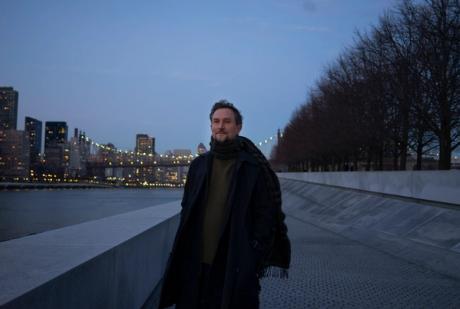
Sound artist Hans Rosenström has launched a site-specific sound installation titled "Out of Silence" at Four Freedoms Park on New York City's Roosevelt Island, running until 21 June. The multi-speaker work features layered voices sung by the Estonian choir Vox Clamantis, arranged across four sections of the park as an homage to Franklin D. Roosevelt's 1941 Four Freedoms speech. Rosenström, a Finnish artist based in Stockholm, developed the project during an International Studio & Curatorial Program residency in New York in 2024, after being approached by Latvian curator Alina Girshovich to mark the 90th birthday of composer Arvo Pärt. The park's memorial to FDR was designed by architect Louis Kahn, who was born in Estonia and benefited from New Deal programs.
19th-century European weapons found in cenote in Mexico

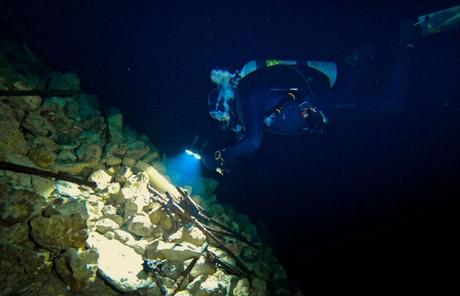
Archaeologists from Mexico's National Institute of Anthropology and History (INAH) have discovered 153 Spanish and British muskets and rifles, along with an iron cannon, in the Síis Já cenote beneath the 16th-century former convent San Bernardino de Siena in Valladolid, Mexico. The weapons were likely discarded by the Yucatecan government during the early years of the Caste War of Yucatán (1847-1901) to prevent them from falling into Maya rebels' hands. The site also yielded Maya ceramic pieces and 18th-century Chinese porcelain, and INAH reported debris and pollution affecting the cenote.

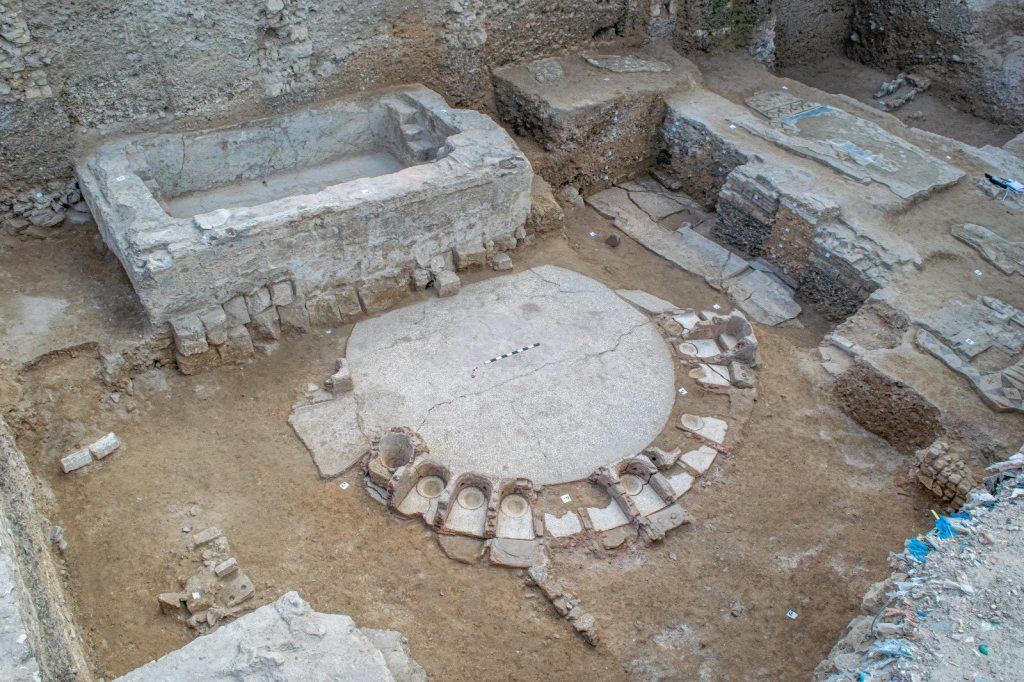
Ancient Greek and Roman Statues Found in Alexandria

An excavation in the Moharam Bek neighborhood of Alexandria, Egypt, has uncovered a significant trove of artifacts from the Greek, Roman, and Byzantine periods, including statues of deities such as Bacchus, Asclepius, and Minerva, as well as coins, lamps, ceramic vessels, a public bathhouse, mosaic flooring from a Roman villa, and advanced water systems. The discovery was announced by Egypt’s Ministry of Tourism and Antiquities and reported by Greek City Times, with officials from the Supreme Council of Antiquities highlighting the site’s comprehensive view of ancient residential and service architecture.

Fade to black: inside the US’s abandoned movie theatres

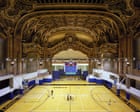
Photographers Yves Marchand and Romain Meffre have documented abandoned early 20th-century movie theatres across the United States, capturing the haunting beauty of their decline. These once-grand cinemas, converted from 1920s music halls and theatres, have been left as hybrid ruins due to the rise of television, streaming platforms, and individualized media consumption. The work is exhibited at Kyotographie 2026 in Japan until 17 May.

‘I waited half an hour for one of Hong Kong’s iconic red taxis to pass by’: William Shum’s best phone picture

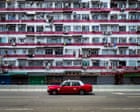
William Shum captured a photograph of a red taxi passing through Yau Ma Tei, Hong Kong, using an iPhone 13 Pro Max. He waited half an hour for the taxi to align perfectly with a dense residential building in the background, creating a contrast between the simple vehicle and the layered architecture. The image earned him a win in the 2025 Mobile Photography awards.

Federal Panel Considers Plan to Paint Granite Eisenhower Executive Office Building White

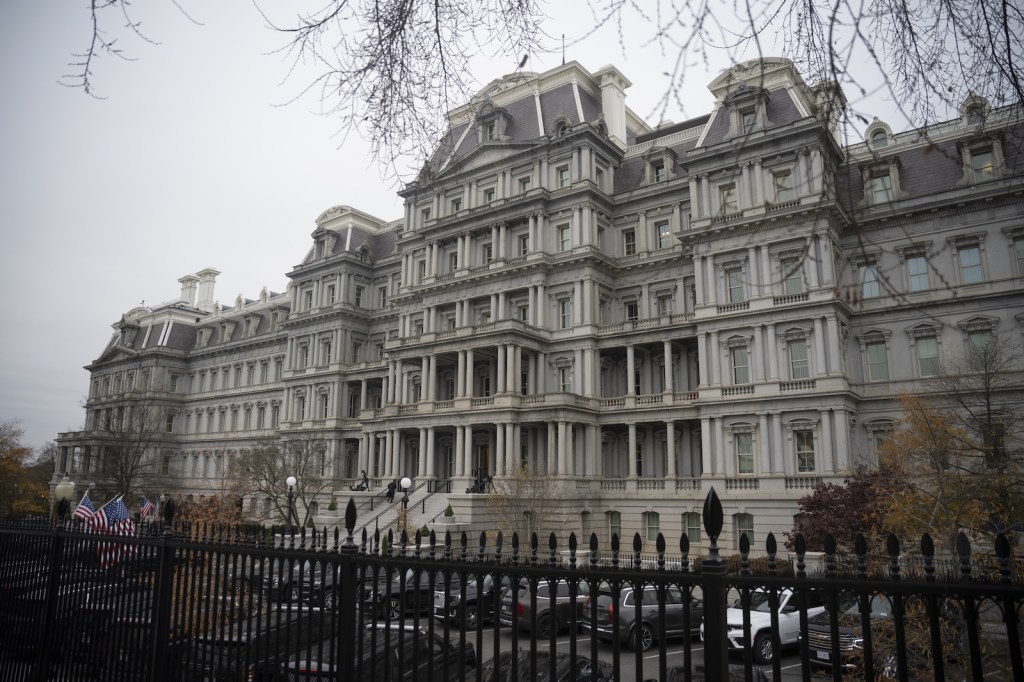
The Trump administration has proposed painting the granite Eisenhower Executive Office Building in Washington, D.C., white. The National Capital Planning Commission met on May 7, 2026, to review the plan, which was also submitted to the U.S. Commission of Fine Arts on April 16. That commission approved the idea conditionally, pending successful paint testing. The project, estimated to cost $7.5 million, has drawn over 2,000 public comments, most negative.

Israel’s Artist Reportedly Pressured Venice Biennale Before Jury’s Resignation

Artist Belu-Simion Fainaru, Israel’s representative at the Venice Biennale, reportedly pressured the exhibition’s organizers before the five-person jury abruptly resigned last week. The jury, tasked with selecting Golden Lion winners, had stated it would not consider nations charged with crimes against humanity by the International Criminal Court—applying to Israel and Russia. According to Italian news agency Adnkronos, Fainaru alleged “racial discrimination” and “antisemitism,” threatened to take his claims to the European Court of Human Rights, and the Biennale warned jury members they could be held personally liable for damages. Hyperallergic confirmed the threats of legal action, and a Biennale spokesperson acknowledged the reports were true.

How sweet it is: chocolate Russell Crowe at the Malta Pavilion

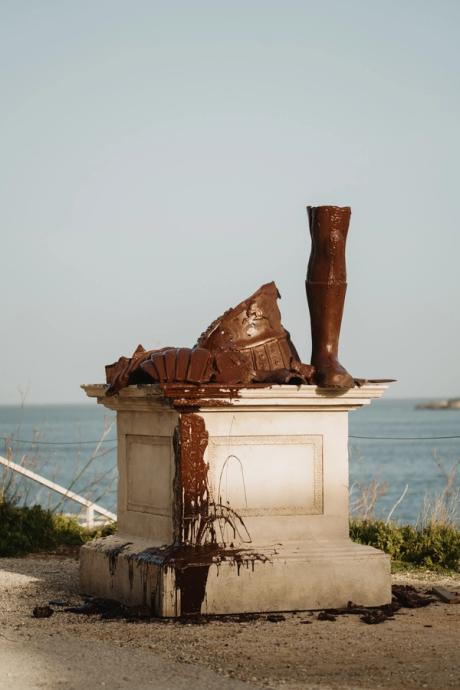
Artist Charlie Cauchi presents a 150-kg chocolate sculpture of Russell Crowe as Maximus from *Gladiator* in her installation *Dolce* at the Malta Pavilion's group exhibition *No Need To Sparkle: Experiments in Love and Revolution* in the Arsenale during the Venice Biennale. The chocolate effigy, originally made by Tiziano Cassar for the Hamrun Chocolate Festival in 2023, was previously admired by Crowe himself, who joked about being made of chocolate.

Manhattan D.A.’s Office Returns More Than 650 Looted Artifacts to India

On April 28, Manhattan District Attorney Alvin L. Bragg, Jr., announced the return of 657 trafficked antiquities valued at nearly $14 million to India. The items were recovered by the D.A.'s Antiquities Trafficking Unit and Homeland Security Investigations, and formally returned at a ceremony in New York. Among the repatriated pieces are a bronze figure of Avalokiteshvara (valued at $2 million), stolen from the Mahant Ghasidas Memorial Museum in Raipur in 1982; a red sandstone Buddha statue (valued at $7.5 million) smuggled by convicted dealer Subhash Kapoor; and a sandstone Ganesha sculpture looted by trafficker Vaman Ghiya and sold through Christie's by Nancy Wiener, who was later convicted of antiquities trafficking.

US Border Wall Construction Damages 1,000-Year-Old Indigenous Land Art in Arizona

Construction crews building a barrier between the United States and Mexico have damaged a 200-foot-long etching of a fish embedded in the land in Arizona, known as the Las Playas Intaglio, which is thought to be 1,000 years old. According to a report in the Washington Post, workers destroyed a 60-to-70-foot portion of the ancient Indigenous land art as part of President Donald Trump’s $46.5 billion border-wall project. Satellite imagery confirmed the destruction, showing bulldozer marks running through about a third of the fish formation. U.S. Customs and Border Protection acknowledged the incident, stating that a contractor inadvertently disturbed the cultural site on April 23, 2026, and that the remaining portion has been secured.

From Eurovision to the Venice Biennale, culture contests are being overshadowed by politics

The Venice Biennale and Eurovision Song Contest are being overshadowed by political controversies rather than artistic merit. At the Venice Biennale, the Russian pavilion opened for press previews for the first time since the Ukraine invasion, a decision that may cost the festival €2m in EU funds. The Israeli pavilion will open despite protests from 200 artists and curators, while the South African pavilion will remain empty after its government blocked an artist's tribute to a Palestinian poet. The Iranian pavilion is also shut, and the awarding jury has resigned en masse, meaning no Golden or Silver Lion awards will be given for the first time in 40 years. Similarly, Eurovision's 70th anniversary is dominated by five countries boycotting over Israel's participation, with little focus on the music.

Stitches in time: the artist chronicling the DRC’s blood-soaked history in tapestry

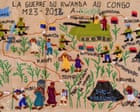
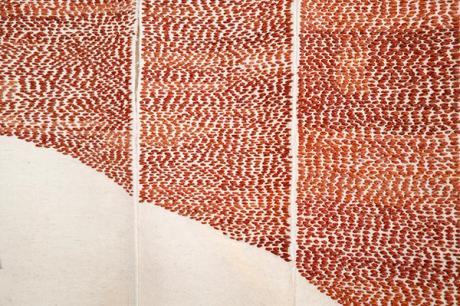
Lucie Kamusekera, an 82-year-old artist in Goma, Democratic Republic of the Congo, creates embroidered tapestries on tobacco sacks that chronicle the country's violent history. Born in 1944 and taught sewing by Italian nuns, she began documenting contemporary conflicts after witnessing a military truck filled with corpses. Her more than 70 works depict events from the colonial Belgian Congo era to the 1961 assassination of Patrice Lumumba and the second Congo war, as well as personal tragedies including her husband's murder by rebels. Despite ongoing danger from rebel offensives, she continues to stitch from her home studio, training her children and great-granddaughter to carry on her work.

1,000-year-old archaeological site bulldozed during construction of Mexico-US border wall

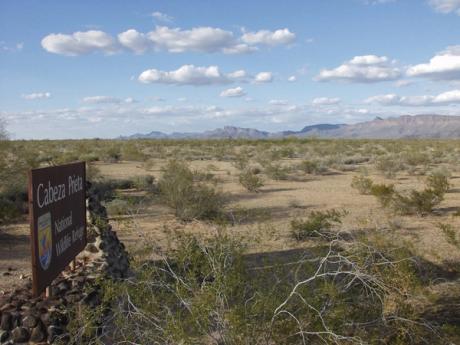
On 24 April, a Department of Homeland Security contractor bulldozed a 1,000-year-old intaglio—a 280ft by 50ft etching in the desert sand—during construction of the US-Mexico border wall in Arizona's Cabeza Prieta National Wildlife Refuge. The site, sacred to local Indigenous communities including the Hia-Ced O’odham, was part of a UNESCO biosphere and contained over 3,000 petroglyphs. Despite warnings from tribal members and refuge staff, the contractor destroyed a 70ft stretch of the fish-shaped intaglio, which elders and archaeologists describe as an irreplaceable cultural and archaeological treasure.

A Landmark Benjamin Franklin Collection Is Hitting the Auction Block

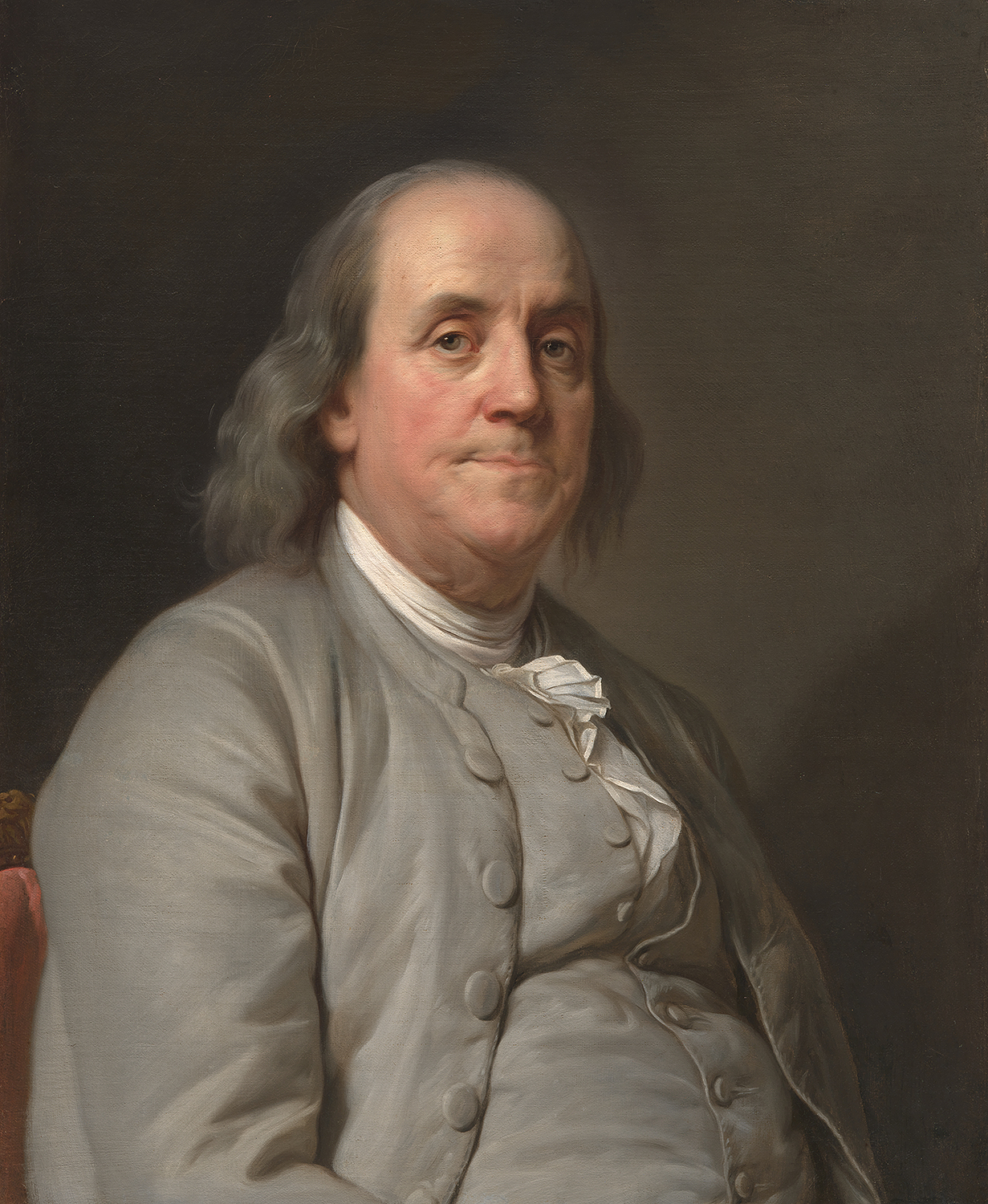
A landmark collection of Benjamin Franklin memorabilia assembled by sports and entertainment mogul Jay Snider is heading to Sotheby’s New York on June 24. The collection includes over 150 items—books, broadsides, letters, and manuscripts—tracing Franklin’s career from printer to scientist to diplomat. Highlights include a 1758 letter to Joseph Galloway (estimated $70,000–$100,000), a 1778 letter from George Washington introducing the Marquis de Lafayette (which sold for over $1 million in January), and a bound volume of Franklin’s electrical experiments ($75,000–$125,000). The full catalogue is valued at $3 million to $4.5 million, and 40 artifacts will be displayed at the Library Company of Philadelphia from May 5 to 7.

Billionaire Collector Ken Griffin Buys Second Rare Constitution Printing

Billionaire collector Ken Griffin has quietly acquired a second rare first printing of the US Constitution, known as the Van Sinderen copy, through a private deal after it was pulled from a planned Sotheby’s auction in 2022. Griffin, who previously paid $43.2 million at Sotheby’s in 2021 for another copy, now holds the only two copies of the 1787 document still in private hands. The newly acquired document will go on public display starting May 27 at the South Street Seaport Museum in New York, headlining an exhibition titled “The Promise of Liberty” that includes other foundational texts.

A Grandmother’s Keepsake Turns Out to Be an Imperial Chinese Robe Worth Thousands

A collection of Chinese antiques, including an Imperial robe from the 19th century, was discovered in a chest in London after being kept as family mementos for decades. The items were acquired by Nan Brake, a British translator living in Beijing during the 1950s, who purchased them on excursions around the city. The collection, which features Ming dynasty paintings, Qing dynasty embroidered robes, and jade ornaments, will be auctioned by Roseberys on May 12 with an estimated total value of £40,000 ($54,100). The standout piece is a turquoise silk Imperial robe embroidered with nine five-clawed dragons, likely made for a male member of the emperor's family.

Preemptive Listening review – artist’s film about sirens is buzzing with sonic ideas

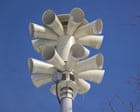
The Guardian reviews Aura Satz's art film "Preemptive Listening," which explores the cultural and political meanings of sirens as warning devices. The film features a drone shot of a siren in a residential area, a soundtrack by composer Laurie Spiegel, and commentary from British-Egyptian actor Khalid Abdalla on sirens during the 2011 Arab Spring protests. It also covers sirens on Nakba day in Palestine, a US activist linking emergency vehicle lights to danger for Black women, clocks frozen at the time of the Fukushima disaster, and a Maori activist discussing environmental catastrophe. The reviewer finds the film's ideas interesting but notes it lacks coherence as a feature-length experience, suggesting it would be better suited to a gallery setting.

Iran Abruptly Drops Out of Venice Biennale as US and Israel’s War Continues

Iran has abruptly withdrawn from the 61st Venice Biennale, scheduled for May 9–November 22, 2026, reducing the number of participating nations from 101 to 100. The Biennale confirmed the withdrawal in a statement but did not provide a reason; Iran is now the only country listed without any artist representatives, though Aydin Mahdizadeh Tehrani remains listed as the pavilion's commissioner. The announcement comes as the Biennale opens to press amid ongoing controversy over the participation of Israel and Russia, whose pavilions have drawn protests from artists and politicians.

Morocco debuts at the Biennale with an exploration of its age-old craft traditions

Morocco is debuting its first national pavilion at the Venice Biennale with a monumental installation titled "Asetta" by artist Amina Agueznay. The 300-square-meter site-specific work, located in the Arsenale, draws on centuries-old Moroccan craft traditions, including weaving, beadwork, and embroidery. Agueznay conducted field research across Morocco and collaborated with over 130 artisans, mostly women, some of whom she has worked with for decades. The installation explores the transmission of traditional craftsmanship and shared memory, and incorporates the concept of the threshold (âatba) from Moroccan vernacular architecture, offering visitors both an immersive experience and functional seating.

Reaching for the stars: enduring symbols of Soviet science – in pictures

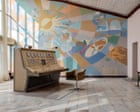
Photographer Eric Lusito documents Soviet-era scientific institutes across former USSR states in his book "Soviet Scientific Institutes," published by FUEL. The photo essay captures decaying facilities and enduring equipment at locations including the Institute of Radio Astronomy in Kharkiv, Ukraine; the Byurakan astrophysical observatory in Armenia; the Andronikashvili Institute of Physics in Tbilisi, Georgia; and the Fesenkov Astrophysical Institute in Kazakhstan, among others.

What Biennials Reveal About the Art World

Ben Davis and Jo Lawson-Tancred of Artnet News have published complementary projects analyzing global art biennials. Davis compiled data from major biennials including Istanbul, Gwangju, São Paulo, Sharjah, and Venice over the past four years, tracking which artists have been shown most frequently worldwide since the 2022 Venice Biennale. Lawson-Tancred examined the upcoming Venice Biennale, titled "In Minor Keys" and curated by the late Koyo Kouoh, comparing the demographics of its artists to previous editions to trace shifts in the global art conversation.

Italian Culture Minister Launches Inspection of Venice Biennale’s Russian Pavilion

Italian Culture Minister Alessandro Giuli has launched an official inspection of the Russian Pavilion at the 61st Venice Biennale, just days before the exhibition opens. An inspector has been sent to Venice to review all documentation related to Russia's participation, focusing on potential irregularities such as visa issues for Russian artists and delegation members. The investigation follows the Biennale's international jury decision to exclude Russia and Israel from awards due to accusations of crimes against humanity. The Russian Pavilion will be open only during the pre-opening vernissage, after which it will close, with digital documentation displayed in its windows.

A Theatre Group of Exiled Belarusian Artists Arrive in Venice, With an Exhibition That Shows What Repression Feels Like

The Belarus Free Theatre, an exiled underground theater group, will stage its first official collateral exhibition at the 61st Venice Biennale, titled “Official. Unofficial. Belarus.” The show, held in the historic La Chiesa di San Giovanni Evangelista di Venezia, features site-specific paintings, a sound installation, and large-scale sculptures that aim to immerse visitors in the experience of repression under authoritarian rule. This marks only the fifth time Belarus has been present at the Biennale, and the first time it appears not as a state but as a self-governing cultural body, challenging the official narratives of nations like Russia.

Russia's Venice Pavilion to Close to the Public in Compliance With Sanctions

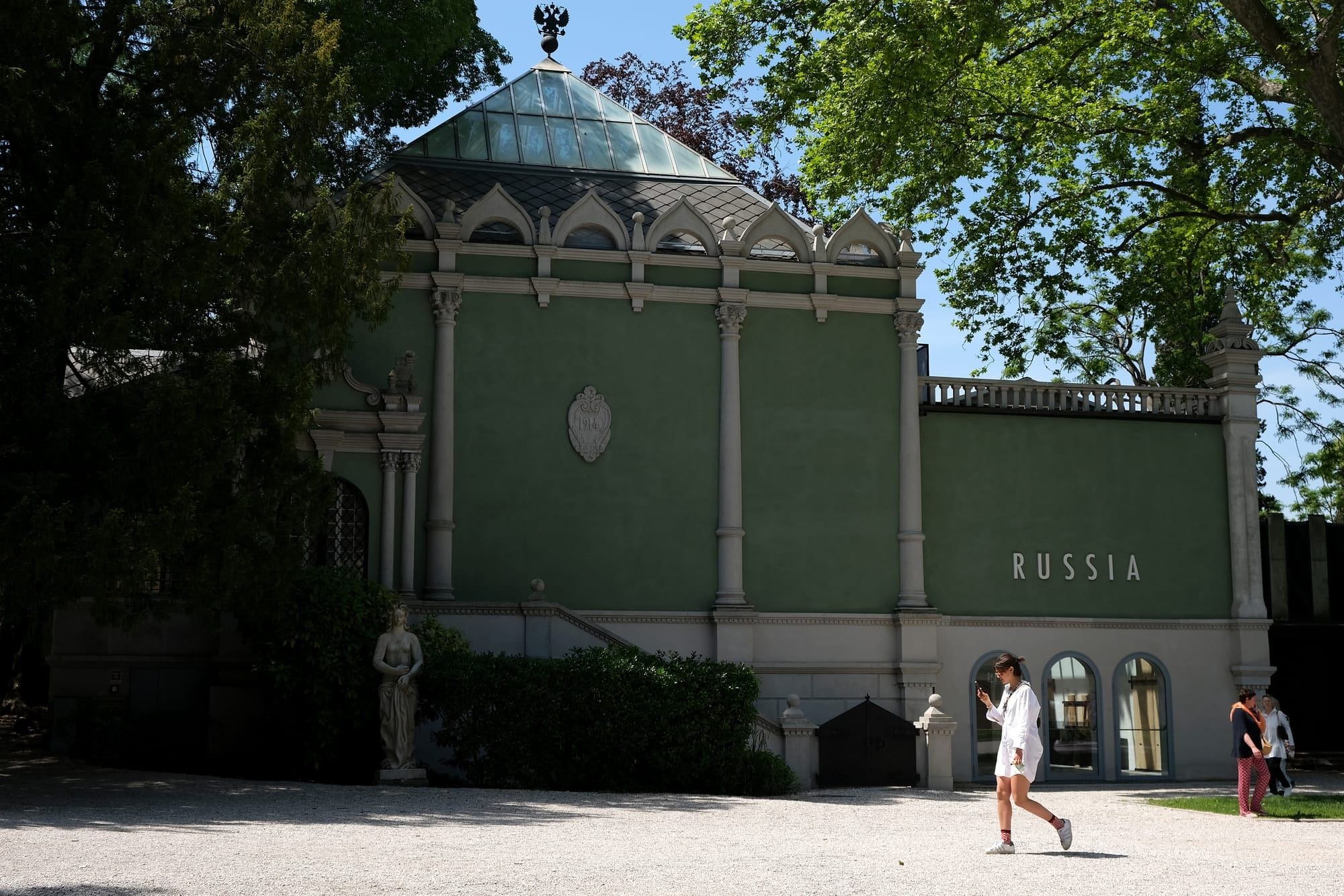
Russia will return to the 61st Venice Biennale with its national pavilion, but the exhibition will only be physically open to the press and select guests during the vernissage dates of May 5–8. From May 9 onward, the pavilion will remain closed to the public, with multimedia documentation of performances displayed on screens at the windows. The arrangement follows leaked emails among Biennale Foundation President Pietrangelo Buttafuoco, General Director Andrea Del Mercato, and Russian Pavilion Commissioner Anastasia Karneeva, revealing efforts to comply with EU sanctions while still allowing Russia's participation after two consecutive absences since its invasion of Ukraine.

Co-Working Meets Art at Brooklyn’s Newest Experimental Space

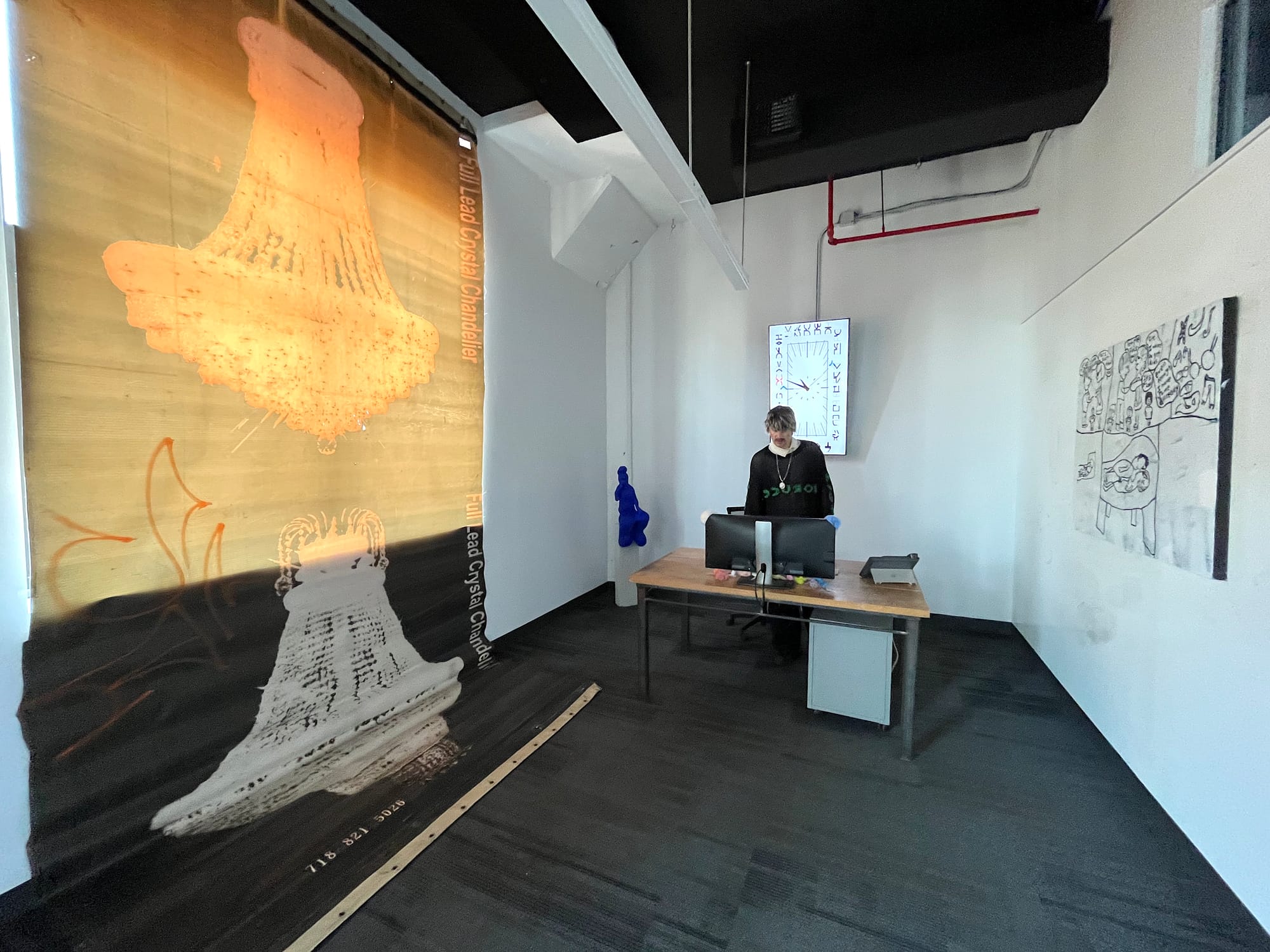
Brooklyn’s newest experimental art space, The Gallery (stylized as “The Gallry”), has opened on the fourth floor of a former automobile service station in Prospect Heights, now converted into creative offices. Curated by artist Florian Meisenberg, the exhibition features site-specific works by over 40 artists installed throughout a former guitar-string manufacturer’s office, including cubicle walls, utility closets, and HVAC systems. The space also functions as a co-working hub, with free daily spots for subscribers. The show runs through May 24 and includes events like screenings, poetry readings, and satirical corporate-themed programming.

Shelley’s hair to Schindler’s list: the most fascinating objects in the State Library of NSW – in pictures

The State Library of NSW is celebrating its 200th anniversary with a new exhibition featuring 200 objects from its collection of 6 million items. Lead curator Elise Edmonds and her team selected highlights including a lock of Mary Shelley's hair, the smallest book in the library's collection (measuring 6mm by 6mm), bread wrappers from the 1960s, a colonial sketchbook from 1817, a Dharawal Indigenous language wordlist, Australia's oldest surviving political cartoon from 1808, and a contemporary artwork by Wiradjuri artist Karla Dickens. The objects span literature, colonial history, Indigenous culture, sport, and everyday life.

‘It’s a huge, futuristic space with massive skylights’: Ali Zolghadri’s best phone picture

Ali Zolghadri, a Tehran-born fine art photographer, captured a composite image of the central atrium of the Iran Mall in Tehran—the world's largest shopping mall—which was shortlisted in the creative category of the 2026 Sony World Photography Awards. The photograph, taken four months before the US and Israel launched their war on Iran, depicts the mall's futuristic architecture with sweeping curved lines, metallic surfaces, and massive skylights, and includes a lone passerby to emphasize scale. Zolghadri emphasizes that his process involves manual editing in Photoshop without AI, blending three frames and removing unnecessary elements to construct meaning.

A Buddha Is Reborn on the High Line

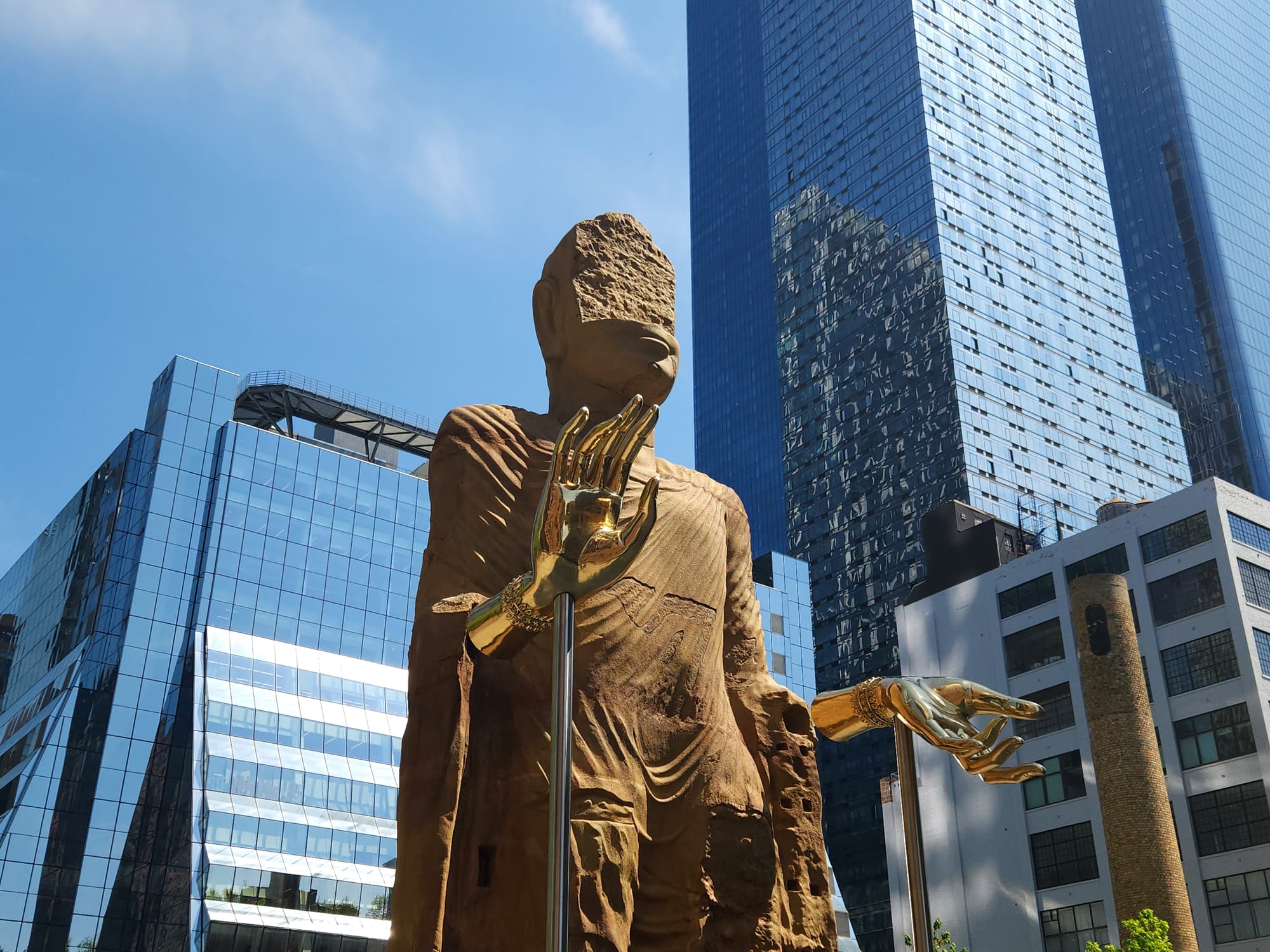
Tuan Andrew Nguyen's sandstone and brass sculpture "The Light That Shines Through the Universe" (2026) has been installed on the High Line in Manhattan as the park's fifth site-specific commission. The 27-foot-tall work, selected from nearly 60 proposals, resurrects the destroyed Bamiyan Buddhas of Afghanistan, which were demolished by the Taliban in 2001. Nguyen sourced artillery brass from Afghanistan to cast the sculpture's mudra hand gestures, symbolizing fearlessness and compassion, and had the sandstone carved in Vietnam. The piece is on view through Spring 2027.

Amid Epstein Blowback, Bard President Leon Botstein Talks About Succession Plan But With No Timeline: Report

Leon Botstein, president of Bard College since 1975, has discussed retiring and transitioning to a faculty role as a historian and musician once a successor is found, following backlash over his ties to Jeffrey Epstein. According to a Times Union report, no timeline has been set, and the 79-year-old appears to have no immediate plans to leave. Botstein has held multiple meetings with students and staff since February, when details of his relationship with Epstein—including over 2,800 mentions in Epstein-related files—were revealed. He has characterized his eventual departure as a consequence of age, not the controversy, and stated that a search for a successor will begin after a law firm review of his Epstein interactions concludes by the end of May.

FROM SÃO PAULO TO NEW YORK: THE MUSEUM OF ERRANCY OF ÉDOUARD GLISSANT

DE SÃO PAULO A NUEVA YORK: EL MUSEO DE LA ERRANCIA DE ÉDOUARD GLISSANT

The exhibition "La tierra, el fuego, el agua y los vientos: Por un Museo de la Errancia con Édouard Glissant" has traveled from the Instituto Tomie Ohtake in São Paulo to the Center for Art, Research and Alliances (CARA) in New York, marking its first U.S. presentation. Curated by Manuela Moscoso with Marian Chudnovsky, and building on prior work by Ana Roman and Paulo Miyada, the show engages with the philosophy of Martinican poet and philosopher Édouard Glissant, particularly his concepts of errantry, Relation, opacity, and the Tout-Monde. It centers on Glissant's unrealized idea of a museum as a fluid, porous space that resists colonial frameworks and fixed origins, featuring works by artists such as Melvin Edwards, Gerardo Chávez, and Eduardo Zamora.