filter_list Showing 5381 results for "Hall" close Clear
search
dashboard All 5381 museum exhibitions 2796article news 539article local 467article culture 464trending_up market 355person people 251rate_review review 170article policy 149candle obituary 111gavel restitution 71article event 3article events 2article gallery 1article satire 1article museums & heritage 1
date_range Range Today This Week This Month All
Subscribe

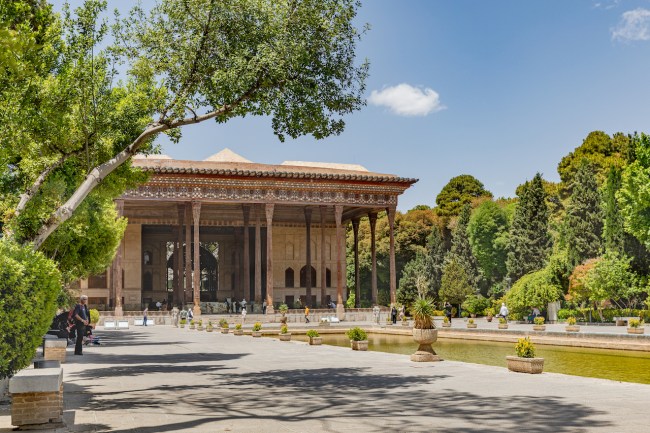
US-Israel Strikes Damage 17th-Century Chehel Sotoun Palace In Isfahan, Iran

Airstrikes conducted by the United States and Israel on Isfahan, Iran, have caused significant damage to the 17th-century Chehel Sotoun Palace and several other nearby cultural landmarks. The palace, a UNESCO World Heritage Site, suffered shattered windows, damaged vaulted ceilings, and cracked historic murals, likely due to shock waves from strikes on a nearby government building.
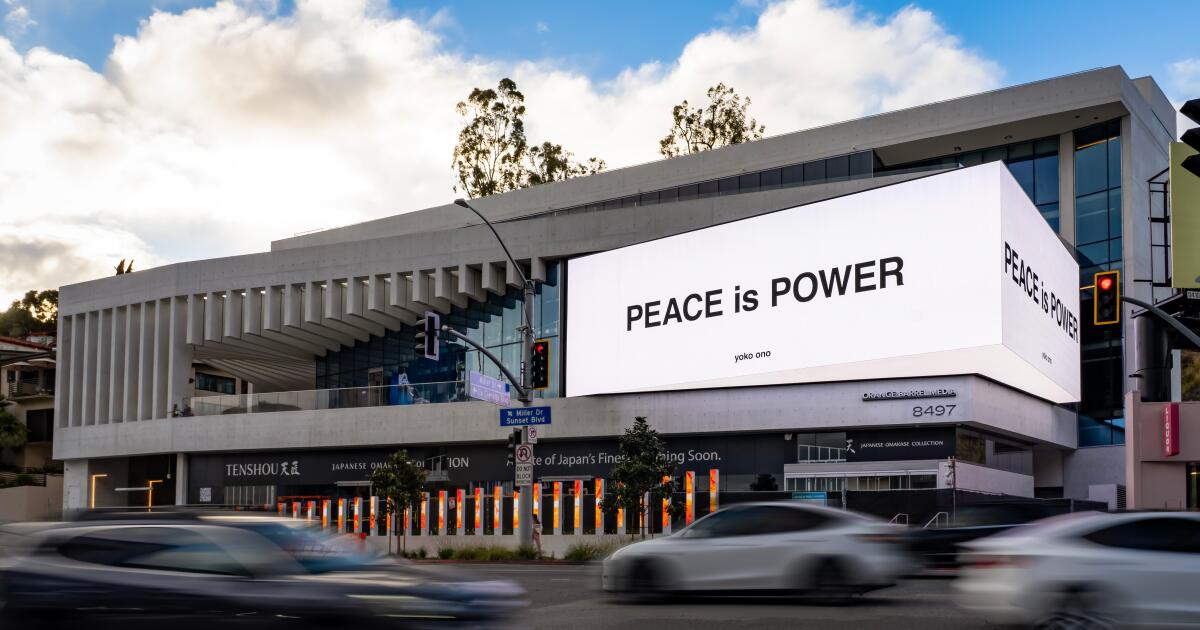
Billboards celebrating peace will arrive in L.A. as part of the Broad's Yoko Ono exhibit

Yoko Ono will install seven digital billboards across Los Angeles bearing peace messages like "THINK PEACE" and "IMAGINE PEACE," as part of her upcoming exhibition "Yoko Ono: Music of the Mind" at the Broad museum opening May 23. The billboards echo her 1969 "WAR IS OVER!" campaign with John Lennon. Ancillary programming includes re-creations of her performance works "Cut Piece" (1964) and "Sky Piece to Jesus Christ" (1965), plus a concert series "Yoko Only" guest-curated by Yuka Honda featuring Yo La Tengo, Nels Cline, Sleater-Kinney, and others.

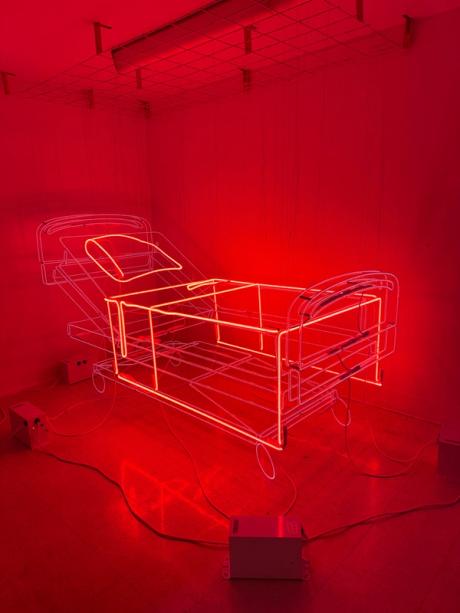
Los Angeles’s new Hospital of Emotions pop-up gives artists keys to the asylum

The Hospital of Emotions, a new pop-up exhibition in Los Angeles, has transformed the defunct St Vincent Medical Center into a sprawling art experience. Curator Yaara Sachs, founder of House of Art and Dreams, selected around 70 artists through an open call to take over 80 spaces—including examination rooms and operating chambers—in the building, which is slated for renovation into a behavioral health center. Each artist received $4,000 for their project and up to $10,000 for materials. The exhibition is organized into thematic "departments" dedicated to emotional states such as joy, fear, anger, and sadness, aiming to guide visitors toward catharsis. Featured artists include Kamil Cazpiga (Cosmodernism), Guy "Dioz" Bloom, Pablo Thomas, and Napo, among others.

Stripteases, ecstatic embraces and a dog in a dress: the full-on photos celebrating queer dancefloors worldwide

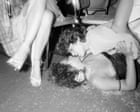
A new photo book titled *Sex, Clubs, Dissent: Visualising Queer Nightlife*, edited by writer Amelia Abraham, collects photographs from the 1960s to today that document queer nightlife around the world. The anthology features works by artists such as Wolfgang Tillmans, Sunil Gupta, Kia LaBeija, Phyllis Christopher, Roxy Lee, Ajamu X, and Del LaGrace Volcano, alongside images from trans community archives in Mexico City and Buenos Aires. The book is organized into sections on sex, clubs, and dissent, and includes a range of media from film stills to a Grindr screenshot, aiming to capture the messy, sexy, and politically charged atmosphere of queer social spaces.

Photographer Giles Duley brings images of historic and current wars into dialogue in Manhattan pop-up show

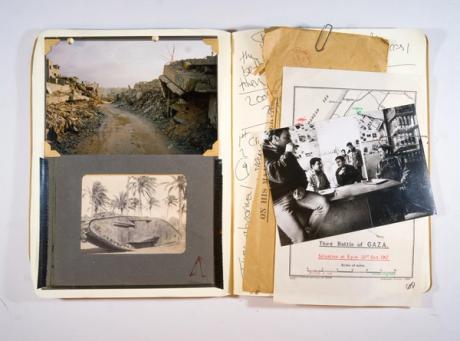
British photographer Giles Duley has opened a pop-up exhibition titled "Distortion/Memory/Resilience" in a 77th-floor penthouse at Sutton Tower in Manhattan, running from 12 to 24 May. The show features haunting war photography alongside installations—Youth, Childhood, and Memory—that draw parallels between historic and current conflicts. Duley, who lost both legs and an arm after stepping on a landmine in Afghanistan, uses a camera obscura, children's art from war zones, and side-by-side images of injured children from the London Blitz and Beirut to create an immersive experience. The exhibition is presented by the luxury tower's developer and includes benefit dinners hosted by Duley.

A woman with a bull costume exuding masculine energy: Marisol Mendez’s best photograph

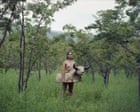
Marisol Mendez, a Bolivian photographer based in Paris, describes the creation of her striking 2019 photograph featuring Marta Salinas, a theatre actor, holding a bull costume in a field. The image is part of Mendez's series "Madre," which explores womanhood and challenges traditional feminine depictions in Bolivia. Mendez explains that the bull costume, inspired by the Bolivian dance waka tokori, symbolizes masculinity, and the photograph aims to portray a woman comfortable with her masculine energy. The work was inspired by a dream and executed with the help of Mendez's mother, who scouted the location. Mendez is the winner of this year's Saltzman-Leibovitz prize, and her work is featured at Photo London.

Enter the unsettled space of Asian American abstraction

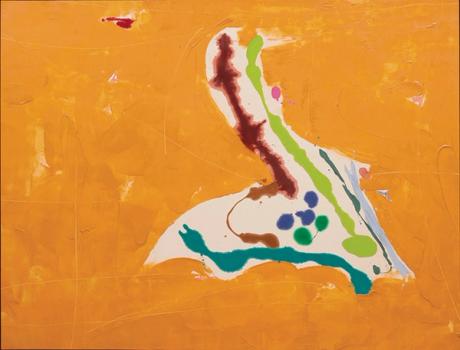
The Milton Resnick and Pat Passlof Foundation in New York is hosting the exhibition "How Asian Is It?", featuring 12 pioneering East Asian American abstractionists born between 1928 and 1955. Curated by Lilly Wei, the show includes works by Barbara Takenaga, Emily Cheng, Charles Yuen, and David Diao, among others. These artists navigated an art world where downplaying their Asian identities often felt necessary for survival, especially after the 1965 Immigration and Nationality Act reshaped US immigration policy. The exhibition explores how their abstraction—marked by attention to interval, pause, and what remains unsaid—reflects a disciplined negotiation with space rather than a shared style or manifesto.

Basquiat’s Former Dealer on the Making of an Art World Icon

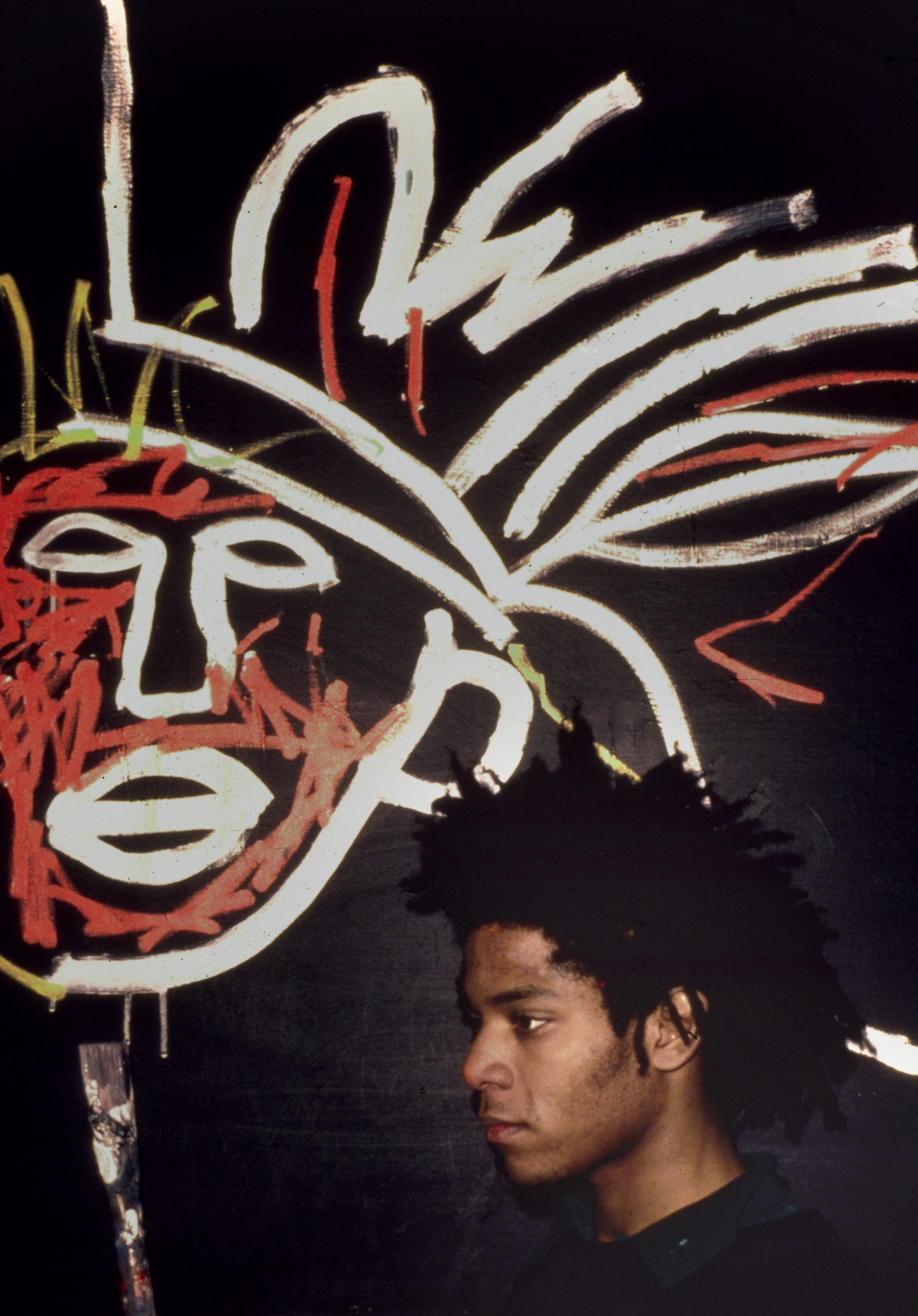
Bruno Bischofberger, who served as Jean-Michel Basquiat's exclusive worldwide dealer from 1982 until the artist's death in 1988, reflects on Basquiat's life and legacy in an excerpt from the forthcoming book *Basquiat: The World of Jean-Michel*, published by Assouline. Bischofberger contrasts Basquiat's raw, politically charged approach with Andy Warhol's detached, commercial style, and recounts personal memories of Basquiat's visits to Switzerland, where he absorbed everything from visual art to folk art and design.

Close encounters: the new wave of women photographers – in pictures

The Saltzman-Leibovitz photography prize, founded in 2025 by Lisa Saltzman and Annie Leibovitz, announces its winners and runners-up for 2026. Bolivian photographer Marisol Mendez wins for her series 'MADRE,' which challenges patriarchal representations of women in Bolivia through portraits of matriarchs and references to the Inca moon goddess. Runner-up Miranda Barnes documents African American debutante cotillions in Detroit, while other featured photographers include Bettina Pittaluga and Cole Ndelu, whose works explore body diversity and the fusion of Zulu cosmology with Catholicism. The exhibition runs at Photo London, Olympia, 13–17 May 2026.

Political Fallout Rocks Venice Biennale Prize System

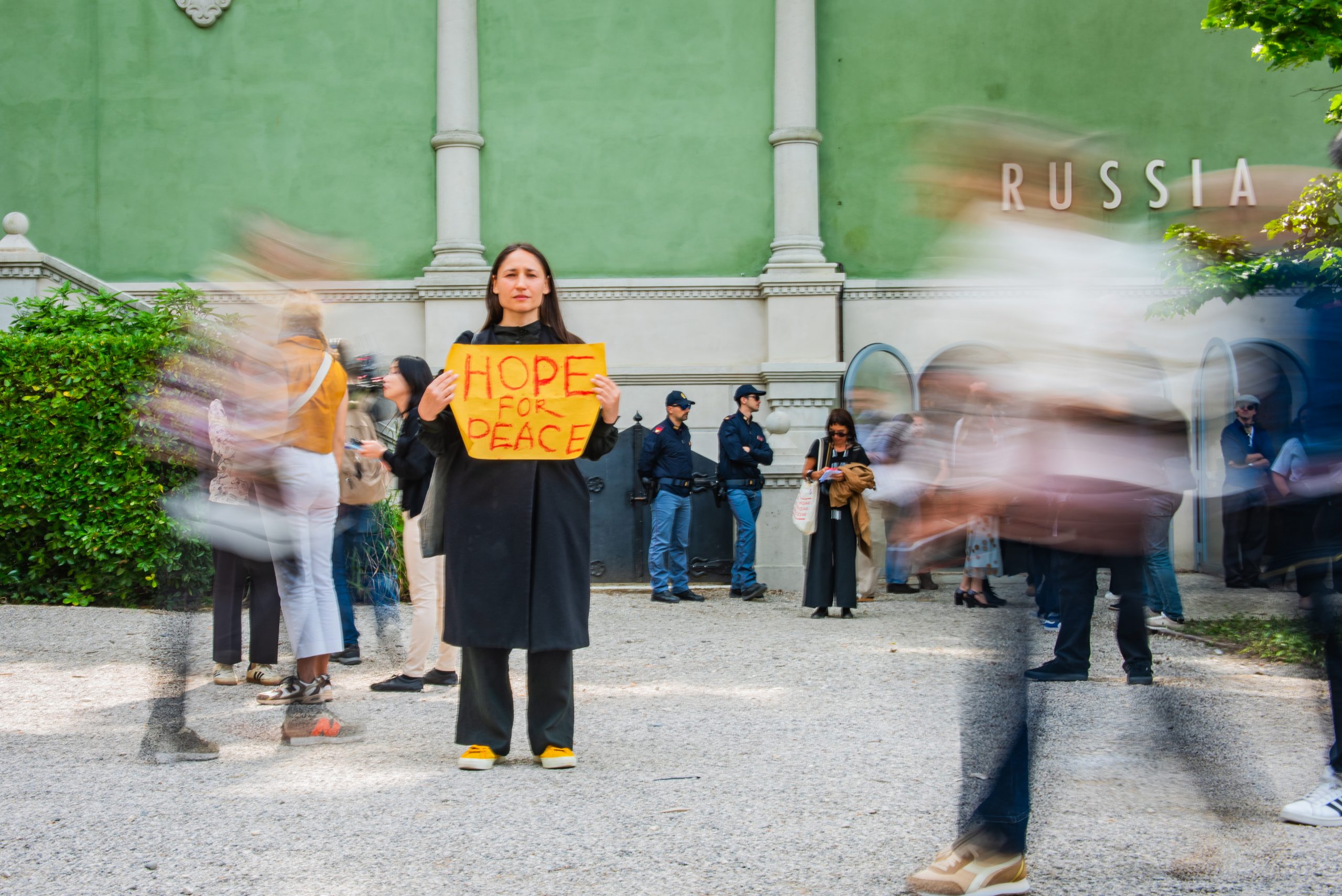
Dozens of artists participating in the 2026 Venice Biennale have withdrawn from consideration for the newly created Visitor Lion awards, replacing the traditional Gold and Silver Lion prizes. A total of 57 artists from the main exhibition and 22 national pavilions signed a statement published on e-flux on May 9, acting in solidarity with the five-person prize jury that resigned on April 30 over the continued participation of Russia and Israel. The jury had objected to awarding prizes to artists from countries whose leaders face International Criminal Court charges, including Russian president Vladimir Putin and Israeli prime minister Benjamin Netanyahu. In response, the Biennale organizers postponed the awards ceremony to November 22 and introduced visitor voting, a move they described as consistent with openness and dialogue. Meanwhile, the Russian Pavilion, which returned after lending its space to Bolivia in 2024, faced protests, closure after previews, and a €2 million funding pull by the European Union for the 2028 Biennale.

Comment | Flourishing markets beyond the big three will benefit the art ecosystem—and the planet

The article analyzes the shifting dynamics of the global art market, reporting that regions outside the traditional 'big three' hubs of the US, UK, and China have increased their market share from 17% in 2015 to 24% in 2025. This shift is driven by nationally protective regulations like Brexit and tariffs, which have stifled the free circulation of contemporary art. While the US market remains dominant at 44%, countries such as South Korea, Switzerland, Japan, and Australia have seen growth, and emerging cultural energy is noted in places like Bangkok, Warsaw, Margate, and Qatar.

At the Venice Biennale, Ukraine’s Pinchuk Art Centre finds fragile moments of joy amid loss

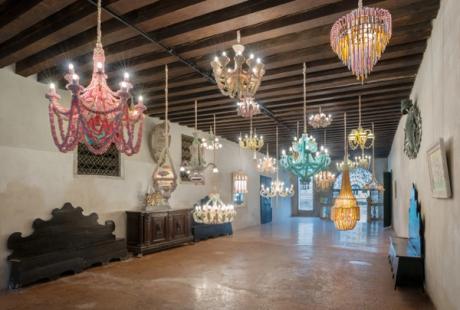
The Pinchuk Art Centre in Kyiv has transformed its Venice Biennale presentation from a glamorous celebration of young artists into a somber exhibition responding to the Russian invasion of Ukraine. This year's show, titled "Still Joy — From Ukraine into the World" (9 May-1 August) at the Palazzo Contarini-Polignac, features works by international artists like Tacita Dean and Julian Charriere alongside Ukrainian artists, as well as testimonials from soldiers collected by former marine Hlib Stryzhko. The exhibition explores how joy can persist amid trauma, with installations including pink scrolls bearing survivors' quotes, light box photographs of bombed interiors with rescued pot plants, and a sculpture of bells with displaced women's fingerprints.

Drained, Drowning, and Decay: The Best National Pavilions at the Venice Biennale

The 2026 Venice Biennale is defined by themes of ruin and decay, with standout national pavilions exploring bodily, infrastructural, and archaeological collapse. The Slovenian Pavilion features the Nonument Group repurposing materials from past Biennales into a ruin of a mosque for Bosnian Muslim soldiers from World War I. Syria presents its first national pavilion since the Civil War, with Sara Shamma invoking Palmyra, destroyed by ISIS. Germany's pavilion, titled "Ruin," features works by Henrike Naumann (who died in February) and Sung Tieu, questioning the pavilion's fascist architecture and nationalist residue. The Austrian Pavilion, curated by Florentina Holzinger, offers a visceral performance titled "Sea World." The Biennale is also marked by the abrupt resignation of its five-member jury, who refused to consider nations charged with crimes against humanity, leading to awards being chosen by public vote. Additionally, the main exhibition "In Minor Keys" was affected by the death of its curator, Koyo Kouoh.

Keith Haring Before the End of the World

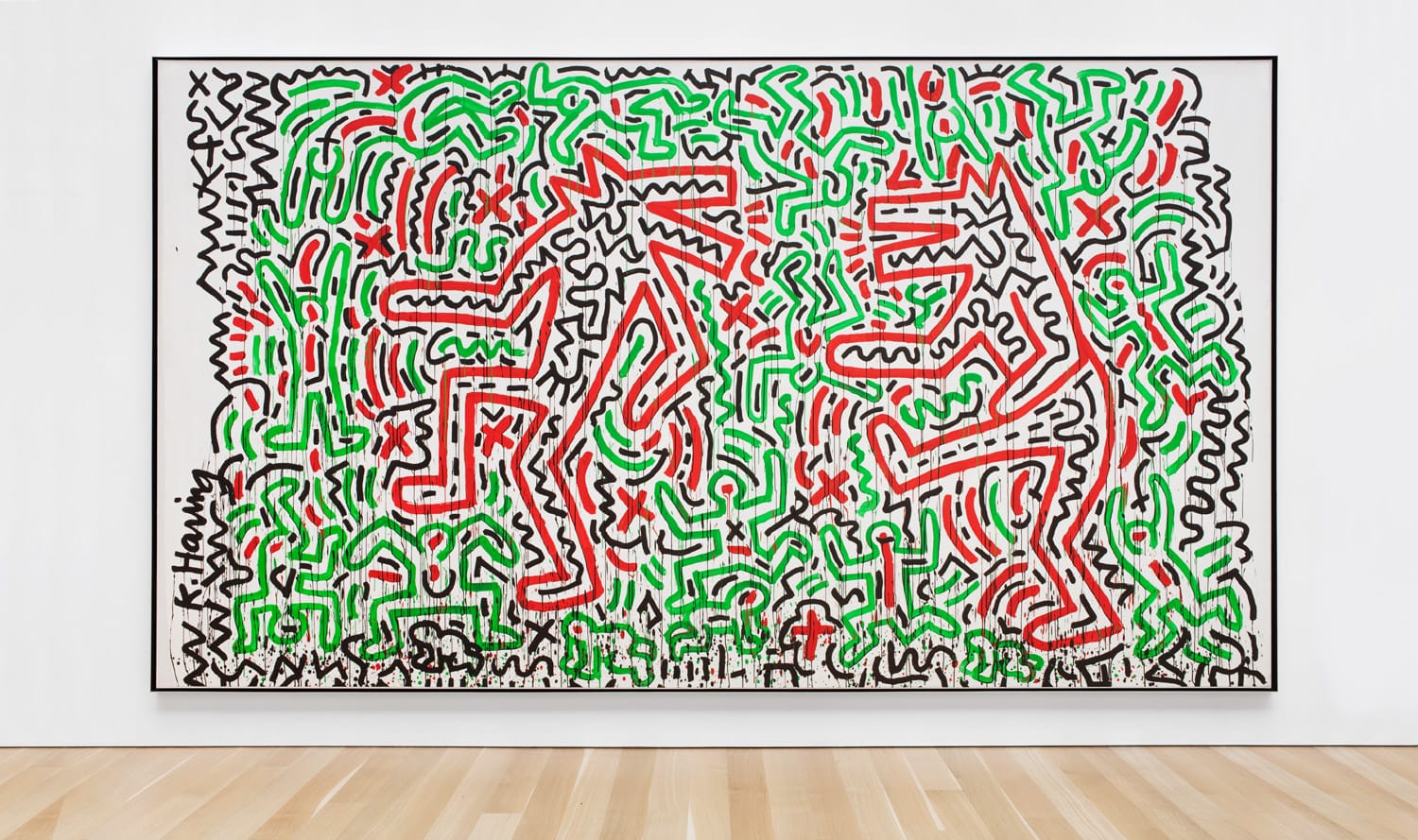
The article reviews Keith Haring's early work from 1980 to 1983, currently on view at the Brant Foundation in New York. The author reflects on initially dismissing Haring's graffiti-inspired style as trite and playful, but now sees darker, prophetic themes in pieces featuring apocalyptic imagery, UFOs, nuclear power, and mindless obedience to higher powers. The exhibition, curated by Dieter Buchhart and Anna Karina Hofbauer, runs through May 31.

‘Exclusion can only satisfy the ego’: Venice Biennale president hits out at critics amid Russia and Israel controversy

Venice Biennale president Pietrangelo Buttafuoco defended the institution against critics at a conference on May 6, three days before the public opening, amid controversy over Russia's return to the event for the first time since its 2022 invasion of Ukraine and ongoing disputes over Israel's participation. He accused critics of “narcissism” and “censorship,” while Italian culture minister Alessandro Giuli sent inspectors to investigate whether Russia's involvement breached sanctions; a report was submitted to Prime Minister Giorgia Meloni's office. Meanwhile, the Biennale faces legal threats from the artist representing Israel over alleged discrimination, and protests have erupted, including a demonstration by Art Not Genocide Alliance and a Pussy Riot action at the Russia pavilion.

David Nahmad maintains that his Modigliani was not looted by the Nazis

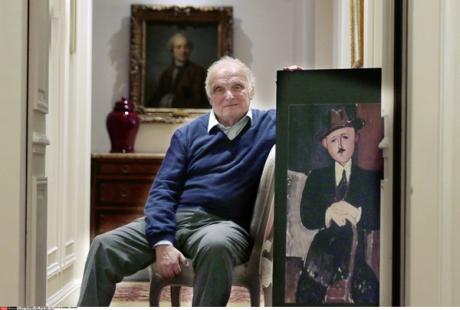
David Nahmad is continuing his legal battle to prove that his Modigliani painting, *Seated Man with a Cane* (1918), was not looted by the Nazis from the Jewish dealer Oscar Stettiner. Despite a recent New York ruling against him, Nahmad’s lawyers have filed a motion to review the case based on new eyewitness testimony. Two witnesses claim the painting they saw in the Van der Klip family—which bought the Nazi-looted work in 1944—is completely different from Nahmad’s painting, lacking a seated man or a cane. Nahmad’s legal team also cites a 1946 French bailiff report and a recent catalogue raisonné by Marc Restellini to argue that Mondex, the restitution firm working for Stettiner’s heirs, misidentified the work.

How the adoption of canvas in Venice changed the way artists painted

Art historian Cleo Nisse has published a new book, *Venetian Canvas and the Transformation of Painting*, examining how 16th-century Venetian painters such as Titian, Veronese, and Tintoretto pioneered the use of canvas as a painting support. Nisse reveals that canvas was not a uniform material—artists experimented with different weaves, including tabby and herringbone patterns, and even repurposed sailcloth and tablecloth-quality fabrics to achieve specific visual effects. The book argues that canvas was already familiar in the late Middle Ages for banners and alternatives to tapestry, and that Vittore Carpaccio was the first master of the medium, varying canvas types for expressive purposes in his *Legend of St Ursula* series.

‘We are complicit’: Austrian artist Florentina Holzinger’s immersive Venice Biennale pavilion brings apocalypse to the city

Austrian artist Florentina Holzinger has created 'Seaworld Venice,' an immersive and confrontational installation for the Austrian Pavilion at the 2024 Venice Biennale. The work explores climate change, technology, and a dystopian flooded future, drawing comparisons to the 1995 film 'Waterworld'—though neither Holzinger nor curator Nora-Swantje Almes had seen it. Known for extreme performance art involving nudity, blood, live piercing, and heavy machinery, Holzinger's previous works have caused audience members to faint or require medical treatment. The pavilion marks a significant platform for her radical, hybrid practice that blends theatre, dance, opera, and performance art.

Seen a ghost? The eeriest images from Fotografia Europea – in pictures

Fotografia Europea, the international photography festival in Reggio Emilia, Italy, has opened with 20 exhibitions and related events under the theme 'ghosts of the moment'. The festival features works by artists including Tania Franco Klein, Giulia Vanelli, Felipe Romero Beltrán, and Salvatore Vitale, exploring themes of memory, migration, identity, and the unseen forces shaping contemporary life. The festival runs until 14 June 2026.

What It Takes to Build the Venice Biennale

Three weeks before the Venice Biennale opens on May 5, the city remains a construction site, with the Giardini closed and parts of the Arsenale requiring special access. Artist Faustin Linyekula rehearses his performance *The Galeazze Project* in a 16th-century roofless complex, working with the existing gravel, natural light, and lagoon acoustics rather than imposing a structure. Geopolitical conflicts, supply chain disruptions, and the sudden resignation of the Biennale’s international jury via Instagram add pressure to the already challenging logistics of mounting the global exhibition.

Lucas Museum Aims to Tell the History of Storytelling via 1,200 Objects

The Lucas Museum of Narrative Art in Los Angeles has announced details of its inaugural exhibitions, set to open on September 22, 2026. Founded by filmmaker George Lucas and his wife Mellody Hobson, the museum will feature over 1,200 objects across 30 galleries, tracing the history of visual storytelling from ancient sculptures to Renaissance paintings, photography, comics, and manga. The collection draws from Lucas's personal trove of more than 40,000 works of illustrator art, including pieces by N.C. Wyeth, Norman Rockwell, Frank Frazetta, Beatrix Potter, and Jack Kirby, as well as large-scale murals and photography by artists like Judy Baca and Dorothea Lange. The museum, designed by Ma Yansong of MAD Architects, also includes archives of Lucas's film sets, props, and costumes.

Nancy Holt review – cosmic thrills as the universe’s hidden power is unleashed

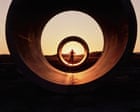
The Guardian reviews a major UK exhibition of land artist Nancy Holt (1938-2014) at Goodwood in West Sussex, the largest show of her work to date. The exhibition features two large outdoor installations—Ventilation System, a metallic tubular structure resembling building lungs, and Hydra’s Head, six concrete pools arranged like the Hydra constellation in a chalk quarry—alongside indoor photographs, diagrams, and light works. The review praises the cosmic scale and bodily connection of the outdoor pieces but finds the indoor works less effective at conveying Holt’s themes of universal vastness and interconnectedness.

‘Sensitive, sexy and surreal’: Japan’s Kyotographie festival

Kyotographie, Japan's leading international photography festival, opened its 2025 edition with the theme 'Edge,' featuring 14 exhibitions across Kyoto. The festival includes a major retrospective of Daido Moriyama, the 86-year-old pioneer of the 'are-bure-boke' aesthetic, showcasing over 200 images, 400 magazines, and 100 books. Also featured are British artist Linder Sterling, known for her punk-era feminist photomontages and album art for Buzzcocks, and Kenyan photographer Thandiwe Muriu, this year's African artist in residence, who uses patterned kitenge fabric to explore identity and female empowerment.

Comment | The slopification of political art

The article critiques the rise of AI-generated political imagery, such as Donald Trump depicted as Jesus and viral Lego videos of the Iranian Revolutionary Guard Corps, arguing that these shallow, generic visuals fail to provide meaningful or lasting cultural commentary on current conflicts. The author contrasts this with the inventive, humorous resistance seen during the 2013 Gezi Park protests in Istanbul, which later influenced a generation of Turkish artists.

The forgotten Chinese conceptualists: Melbourne show brings together works by New Measurement Group

An exhibition at Buxton Contemporary in Melbourne, titled "Poetry Goes No Further Than Language: a Historical Moment of Art Becoming Art Again," brings together the complete artistic output of the New Measurement Group, a pioneering Chinese conceptual art collective from Beijing, alongside four conceptual experiments by Shanghai-based artist Qian Weikang. Curated by Carol Yinghua Lu and artist Liu Ding, the show aims to reassess early Chinese conceptual art, featuring works by the New Measurement Group (Chen Shaoping, Gu Dexin, Wang Luyan), pieces from the New Wave art movement, and new commissions by Melbourne artist Darcey Bella Arnold. The curators faced challenges locating the group's five publications, including one purchased on eBay from Europe, and used re-enactment and re-fabrication to recreate lost works like Qian's "Ladder Poem" (1990).

Is A Random Unknown Artist More Valuable Than Picasso? AI Thinks So.

An experiment using a custom AI model to evaluate artistic value independent of market context found that the model assigned a seven-figure price to an unknown street artist's work while valuing a Picasso at under $1,000. The project, run by an art journalist with a data scientist and an AI expert, trained a Fine Art Large Vision Model on millions of images and price data. Without metadata like artist name or gallery affiliation, the model's predictions were technically interesting but commercially useless; only when those market signals were added did predictions align with real auction outcomes.

When archaeology was dominated by men | Letters

A reader named Elke Bachler writes a letter to The Guardian challenging a sentence in a review of Thomas Laqueur's book *The Dog's Gaze*. The review described a prehistoric scene as showing "a boy and a dog" standing together in wonder before cave art. Bachler argues there is no evidence the child was a boy, noting that archaeology has historically been dominated by men who interpreted evidence through contemporary gender roles.

The Tabloids Are Fouling Mayor Mamdani Over His Knicks Art. Here’s the Story

Artist Tom Sanford loaned his hand-painted wooden "Knicks Cutout" portraits of legendary New York Knicks players to New York City Hall at the invitation of Mayor Zohran Mamdani, intended to celebrate the team's playoff run. Tabloid media, including the New York Post and New York Times, framed the gesture as a "curse" on the team, suggesting fans blamed the mayor for the Knicks' losses. Sanford defends the artwork as a sincere, community-driven tribute rooted in New York street-corner cutout traditions, not a cheap stunt.

Pittsburgh Shows Off New Public Art Projects in Advance of NFL Draft

Pittsburgh has unveiled over 35 new public art installations across its downtown area in preparation for the influx of visitors for the NFL Draft. The projects, funded by the Pittsburgh Downtown Partnership, include light installations, murals, and window displays by local artists, designed to revitalize empty storefronts and underused blocks.

Has A.I. Solved the Mystery of This El Greco Painting?

New research using artificial intelligence has challenged the long-held belief that El Greco's altarpiece *The Baptism of Christ* was largely painted by his son and workshop assistants. A machine-learning model called Patch, developed by researchers at Western Reserve University, analyzed the painting's microscopic surface texture and found underlying connections suggesting El Greco himself painted the majority of the work, with only a small region at the bottom attributed to other hands.