filter_list Showing 250 results for "Minor Keys" close Clear
search
dashboard All 250 museum exhibitions 157article news 67rate_review review 9article policy 6person people 5article culture 4trending_up market 1article event 1
date_range Range Today This Week This Month All
Subscribe

Morocco is for the first time with a Pavilion at the Venice Art Biennale. Homage to the weaving of Amina Agueznay

Il Marocco è per la prima volta con un Padiglione alla Biennale d’Arte di Venezia. L’omaggio alla tessitura di Amina Agueznay

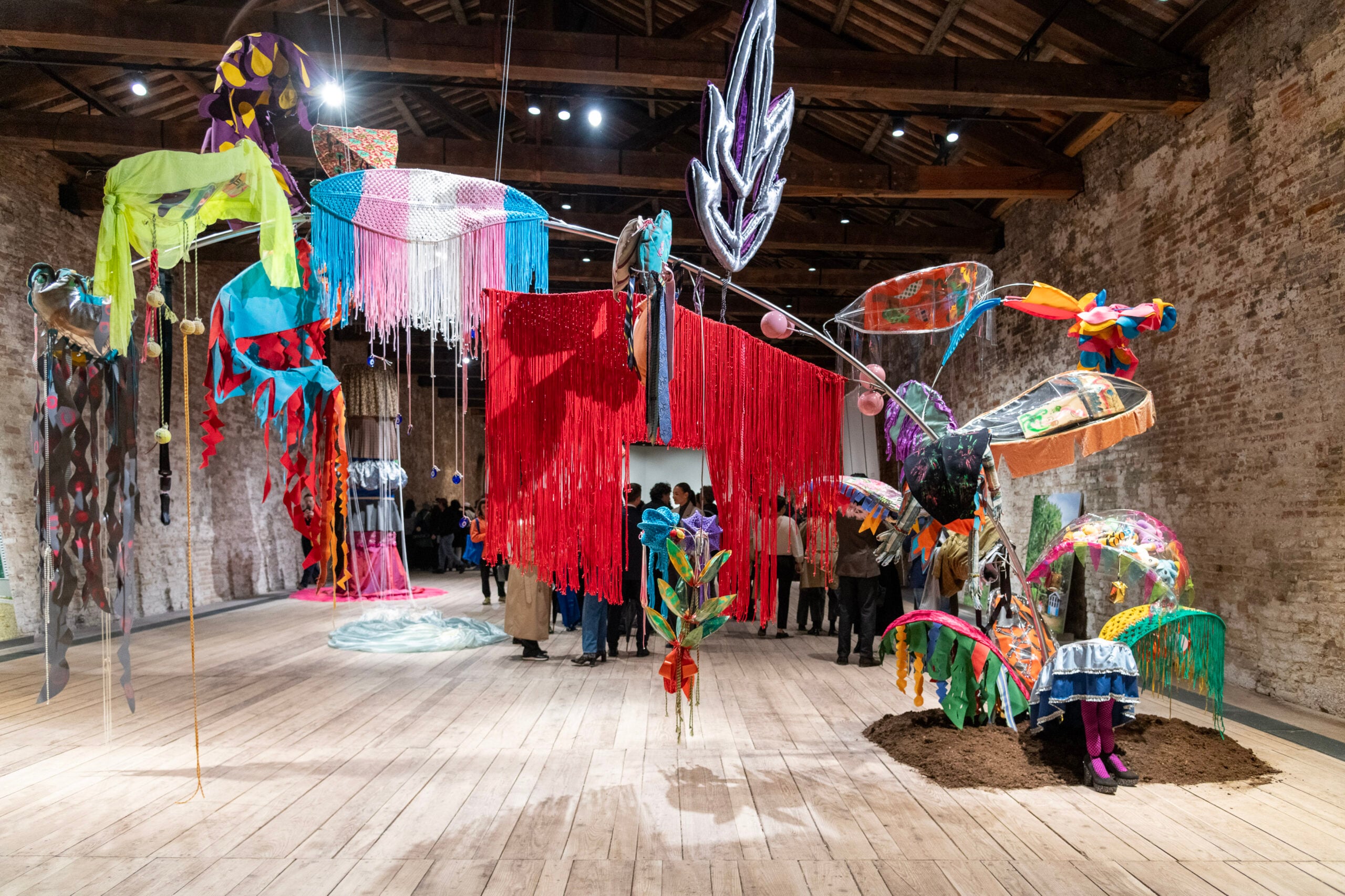
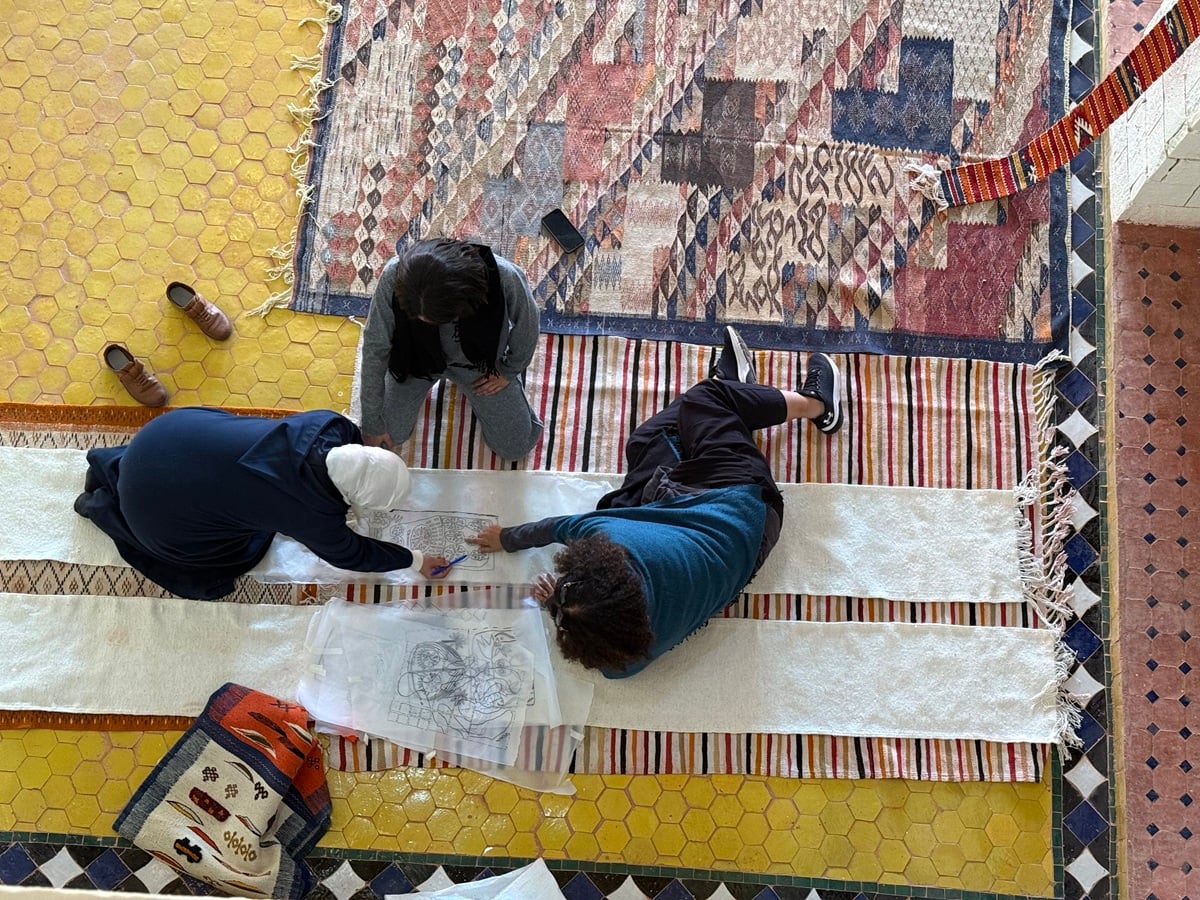
Morocco is participating for the first time with an official national pavilion at the Venice Art Biennale, presenting a monumental installation by artist Amina Agueznay. Titled "Asǝṭṭa" (2026), the site-specific work at the Arsenale's Artiglierie space explores ritual weaving and the transmission of traditional craftsmanship, using sewn panels to create a second skin over the 300-square-meter pavilion. Curated by Meriem Berrada, the project draws on Agueznay's two-decade-long research in dialogue with Moroccan artisan communities, including spinners, embroiderers, basket makers, and goldsmiths.
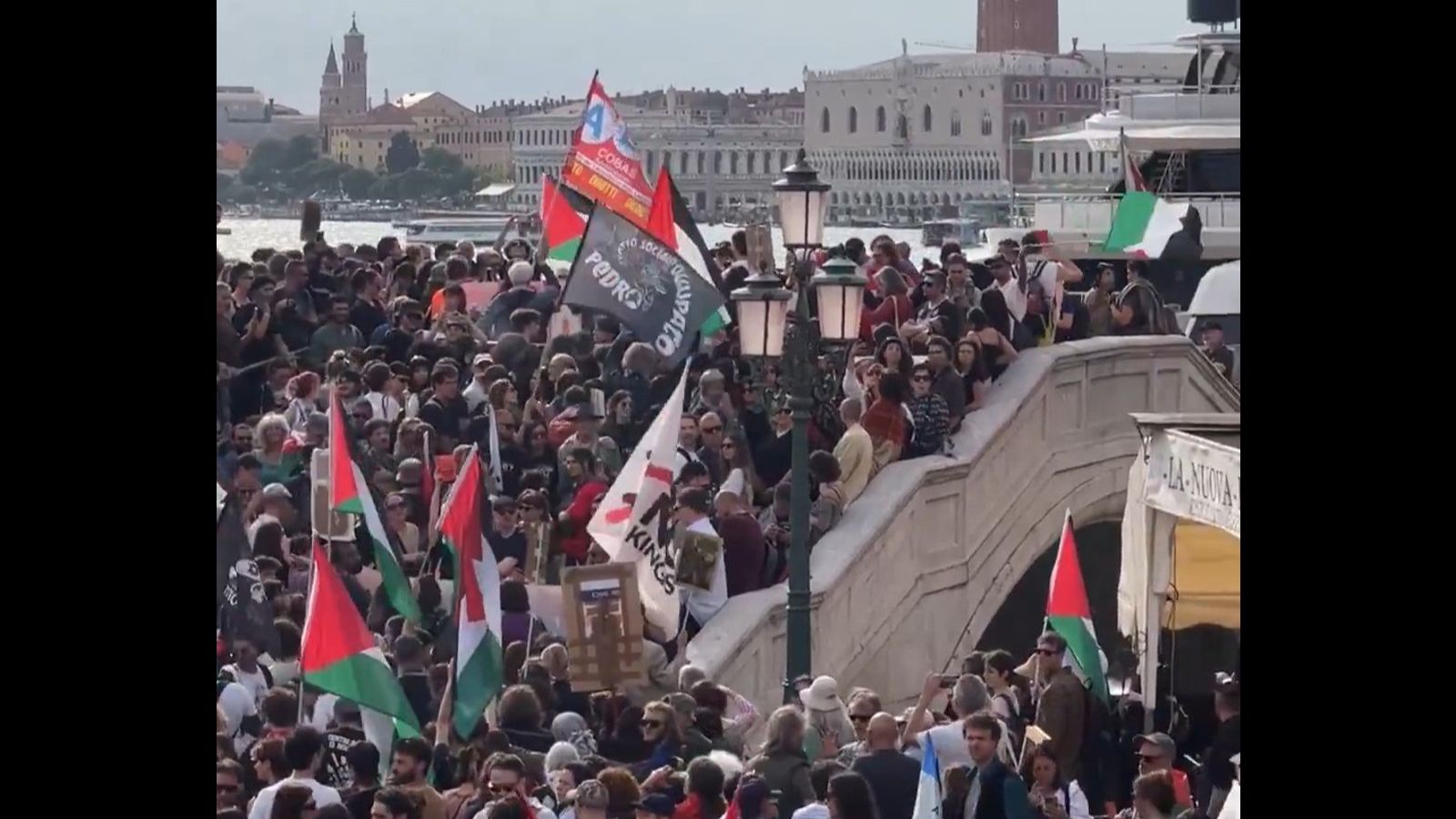
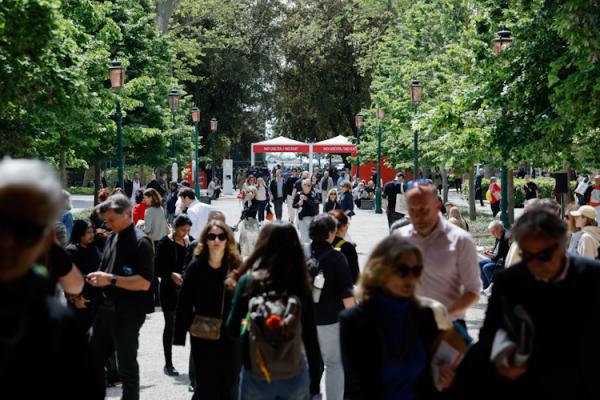
61st Venice Biennale: Cultural workers and artists strike and protest against the Israeli genocide in Gaza

Thousands of artists, cultural workers, and protesters marched through Venice on May 8, 2026, one day before the opening of the 61st Venice Biennale, to protest the Israeli genocide in Gaza and Lebanon. The strike, organized by the Art Not Genocide Alliance (ANGA), led to the closure of approximately 27 of the Biennale's 100 national pavilions, with signs reading "We Stand with Palestine." The Israeli pavilion remained closed and guarded by armed police, who clashed with protesters. Meanwhile, the European Commission threatened to suspend €2 million in EU grants to the Biennale Foundation over its decision to allow Russia to participate, citing incompatibility with EU sanctions and the invasion of Ukraine.

Two Visitors’ Lions have been established for the Biennale Arte 2026

La Biennale di Venezia has announced the establishment of two Visitors' Lions for the 61st International Art Exhibition, following the resignation of the International Jury appointed by curator Koyo Kouoh. The awards ceremony, originally scheduled for May 9, has been moved to November 22, the final public day, echoing a similar shift during the 2021 Architecture Exhibition due to COVID-19. The Visitors' Lions will be voted on by ticket holders who visit both exhibition venues between May 9 and November 22, with one award for the Best Participant in the exhibition "In Minor Keys" by Koyo Kouoh and another for the Best National Participation.

Jury of the Venice Biennial resigns, Russia and Israel return to Award Contention

The five-member international jury of the 61st Venice Biennale, led by Brazilian curator Solange Farkas, has resigned effective April 30, 2026. The jury—comprising Solange Oliveira Farkas, Zoe Butt, Elvira Dyangani Ose, Marta Kuzma, and Giovanna Zapperi—announced their resignation in a written statement, referencing a prior Statement of Intention issued on April 22. In response, La Biennale di Venezia postponed the Awards Ceremony from May 9 to November 22, the final public day, and introduced two new "Visitors' Lions" awards—one for the Best Participant in the main exhibition "In Minor Keys" by Koyo Kouoh, and one for the Best National Participation—to be decided by ticket-holder vote.

Inauguration of Moroccan Pavilion at 61st Venice Biennale International Art Exhibition

Morocco inaugurated its national pavilion at the 61st Venice Biennale International Art Exhibition on Friday, with Head of Government Aziz Akhannouch presiding over the ceremony. The pavilion features the project “Asǝṭṭa,” led by artist Amina Agueznay and curator Meryem Berrada, and will be on view at the Doges through November. The presentation aligns with the Biennale’s overarching theme, “In Minor Keys,” and showcases Moroccan heritage through contemporary artistic expression.

Artist Presents 20 Years of “Cosmic Breath” Research at the Venice Biennale

The Hungarian Pavilion at the 61st Venice Biennale has opened with Endre Koronczi's exhibition "Pneuma Cosmic (Cosmic Breath)," a three-part installation based on nearly 20 years of research into visualizing air currents. The exhibition features elements including ventilation system components from the Hungarian Academy of Sciences, a video of a year-long walk seeking the most significant sigh, and a breathing wall, complemented by a composition by Máté Balogh. The pavilion opened to professionals on Wednesday and will be open to the public from May 9 to November 22.

Equatorial Guinea debuts at the Venice Biennale with Paraguayan artist Ingrid Seall and the theme of undergrowth

Equatorial Guinea makes its debut at the Venice Biennale with a national pavilion at Palazzo Donà dalle Rose, featuring Paraguayan artist Ingrid Seall and her work "Manar." The pavilion, titled "The Forest: The Undergrowth," runs from May 9 to November 22, 2026, and presents an immersive journey inspired by Equatorial Guinea's forests. Seall's piece uses materials like paper, cellulose, iron, and cassava paste to create a vertical, living organism that transforms waste into vital matter. The exhibition includes works by multiple international artists and is curated by Joan Abelló, with Brazilian commissioner Paulo Speller.

The 2026 Venice Biennale, Explained

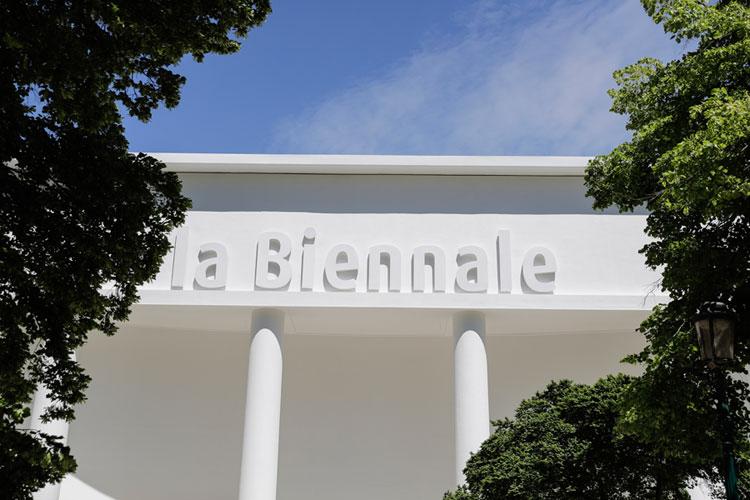
The 2026 Venice Biennale, the 61st edition of the world's oldest and most prestigious contemporary art biennial, will run from May 9th to November 22nd, with previews from May 6th to 8th. Its central curated exhibition is titled "In Minor Keys," and it will be accompanied by a series of national pavilions.

The Biennale and the Weight of Flags. What Is the Point of National Pavilions?

La Biennale e il peso delle bandiere. Che senso hanno i padiglioni nazionali?

The article examines the inherent contradiction within the Venice Biennale: its historical structure of national pavilions, a legacy of 19th-century world fairs and state-sponsored art, clashes with the transnational, post-identity vision of the international exhibition curated by Koyo Kouoh. The return of the Russia Pavilion amid geopolitical conflict and the international show titled "In Minor Keys," which rejects national belonging as an interpretive criterion, highlight this tension. The piece also addresses the controversy over the lack of Italian artists in the main exhibition, questioning whether a Biennale hosted in Italy should guarantee national representation.

Here's what the much-talked-about Russian Pavilion at the Venice Biennale looks like. Photos and video

Ecco com’è il chiacchieratissimo Padiglione Russia della Biennale di Venezia. Foto e video

The Russian Pavilion at the 2026 Venice Biennale has opened amid intense controversy over its unauthorized participation. The pavilion, housed in a 1914 building recently restored by Italian architects 2050+, features a program of musical improvisations, ensemble performances, techno concerts, and interactive actions, including free used clothing. The space is designed as a fragrant flower shop with a chill-out room featuring a conifer grove and video installations. The exhibition, titled "L’Albero Radicato nel Cielo" (The Tree Rooted in the Sky), is organized by young poets, musicians, and philosophers who prefer to remain anonymous as a collective, coordinated by the Gnessin Russian Academy of Music. However, due to sanctions, the pavilion is only open from May 5 to 8, as organizers cannot obtain the necessary permit to operate beyond the private opening.