
La Biennale e il peso delle bandiere. Che senso hanno i padiglioni nazionali?
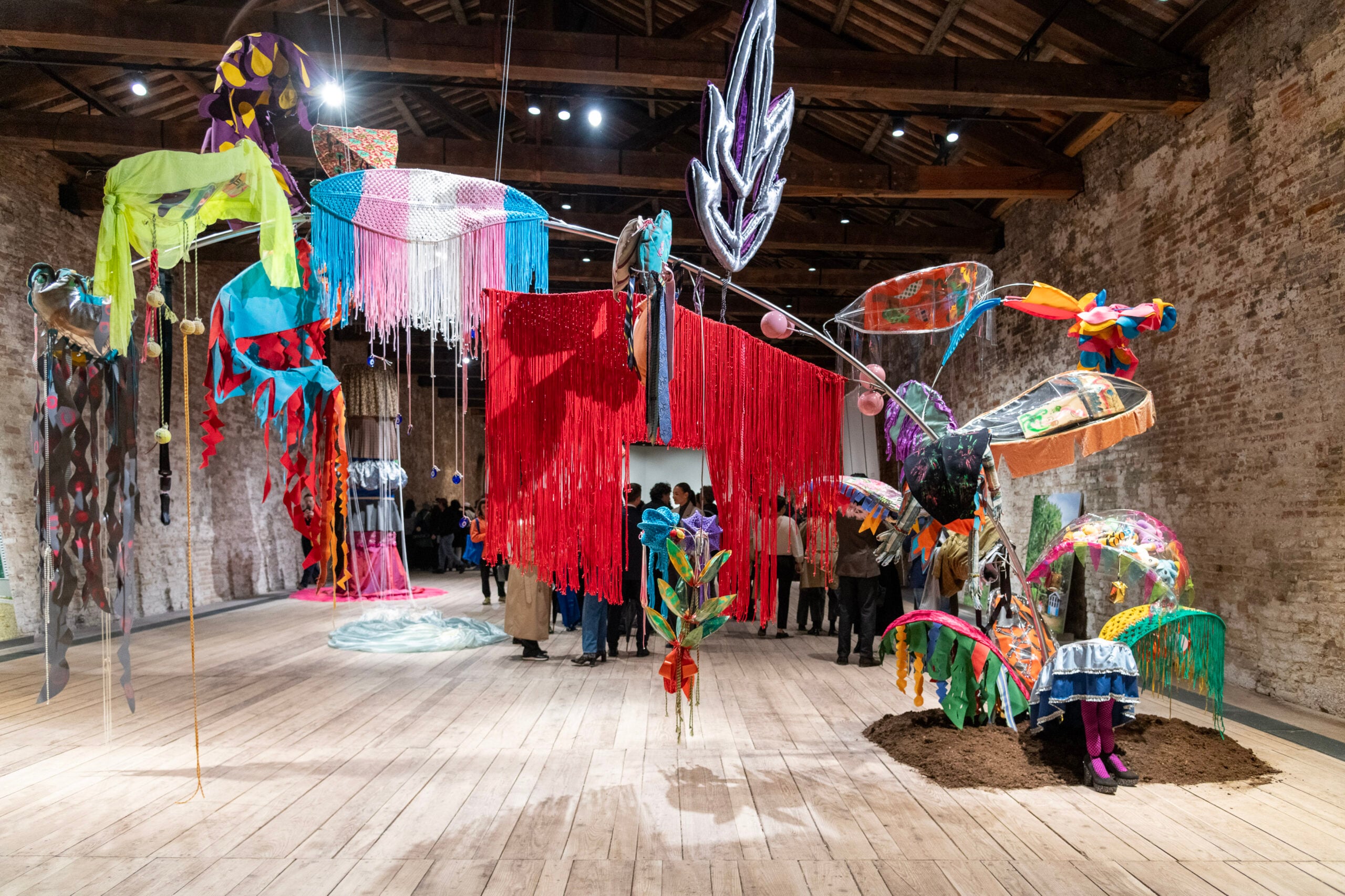
The article examines the inherent contradiction within the Venice Biennale: its historical structure of national pavilions, a legacy of 19th-century world fairs and state-sponsored art, clashes with the transnational, post-identity vision of the international exhibition curated by Koyo Kouoh. The return of the Russia Pavilion amid geopolitical conflict and the international show titled "In Minor Keys," which rejects national belonging as an interpretive criterion, highlight this tension. The piece also addresses the controversy over the lack of Italian artists in the main exhibition, questioning whether a Biennale hosted in Italy should guarantee national representation.
This matters because the Venice Biennale remains the only major art event that simultaneously upholds a nation-based pavilion system and a curatorial approach that aims to transcend national boundaries. As artists increasingly work across borders and reject singular national identities, the model of national pavilions appears anachronistic. The debate reflects broader questions about art, diplomacy, and representation in an era of geopolitical conflict and shifting global power dynamics, making it a critical case study for the future of international art exhibitions.