filter_list Showing 7 results for "Agnus Dei" close Clear
search
dashboard All 7 rate_review review 4museum exhibitions 2article news 1
date_range Range Today This Week This Month All
Subscribe

Zurbarán in London, the Carnegie International, Walter Sickert’s Ennui—podcast

This episode of The Art Newspaper's podcast covers three major art events opening this weekend. The largest career survey of 17th-century Spanish master Francisco de Zurbarán since the 1980s opens at the National Gallery in London, co-curated by Francesca Whitlum-Cooper. The 59th Carnegie International, titled "If the word we," opens at the Carnegie Museum of Art and other venues in Pittsburgh, directed by Eric Crosby. The Work of the Week is Walter Sickert's "Ennui" (c.1914), featured in the exhibition "Walter Sickert: Working Notes" at Charleston in Lewes, curated by Robert Travers of Piano Nobile in partnership with Charleston.
Zurbarán review – ecstatic visions, primitive surrealism … and the finest loincloths ever painted

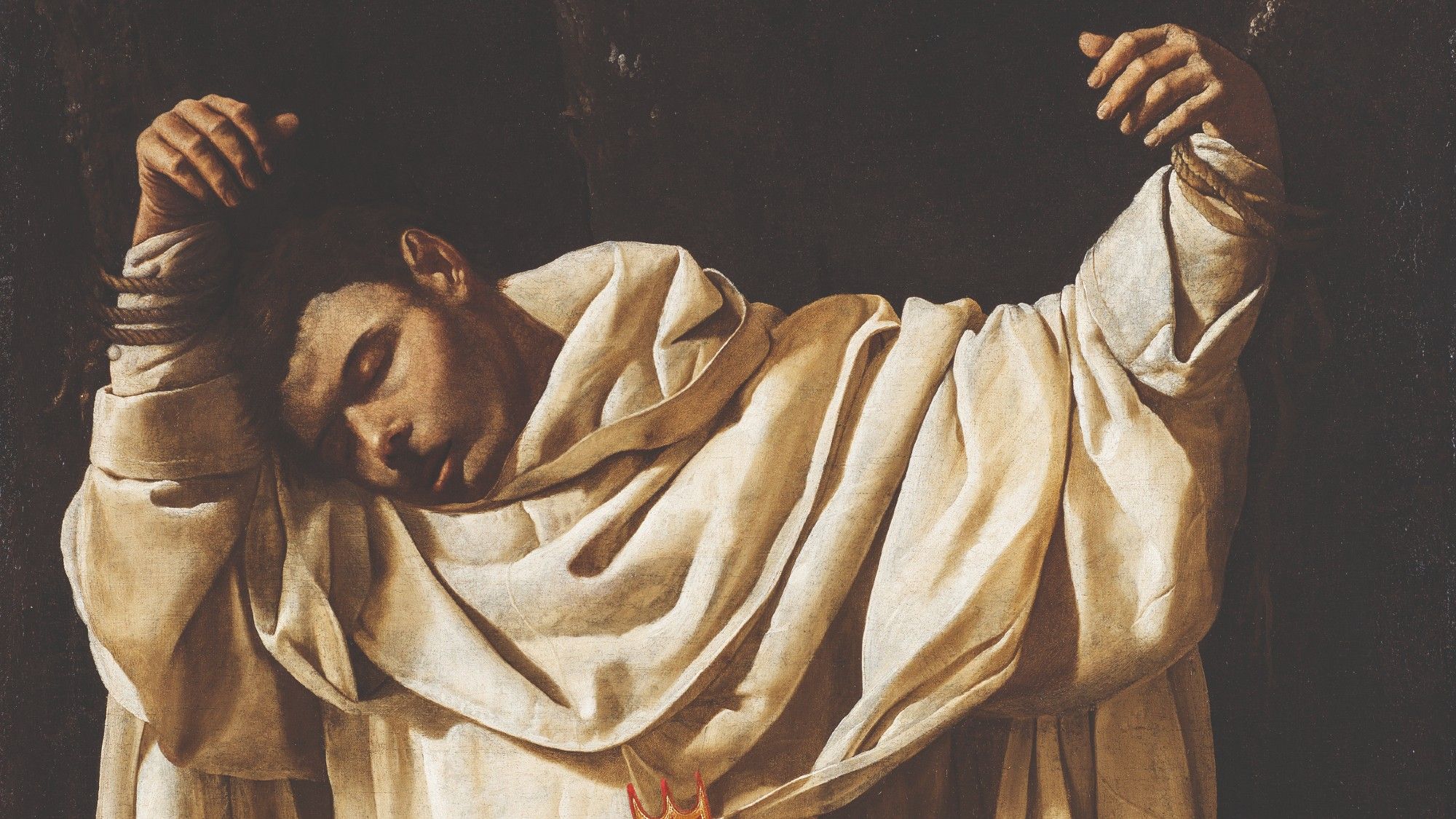
The Guardian reviews a major exhibition of 17th-century Spanish painter Francisco de Zurbarán, highlighting his visionary and surrealist qualities. The show features works such as "The Apparition of Saint Peter to Saint Peter Nolasco" (1629), newly attributed paintings including a giant mask, and iconic pieces like "The Crucified Christ" and "Saint Serapion," all drawn from collections including the Prado and the National Gallery, London. The review emphasizes Zurbarán's ability to paint supernatural subjects with naturalistic conviction, his exquisite rendering of fabrics—especially loincloths—and his influence on modern artists like Salvador Dalí.

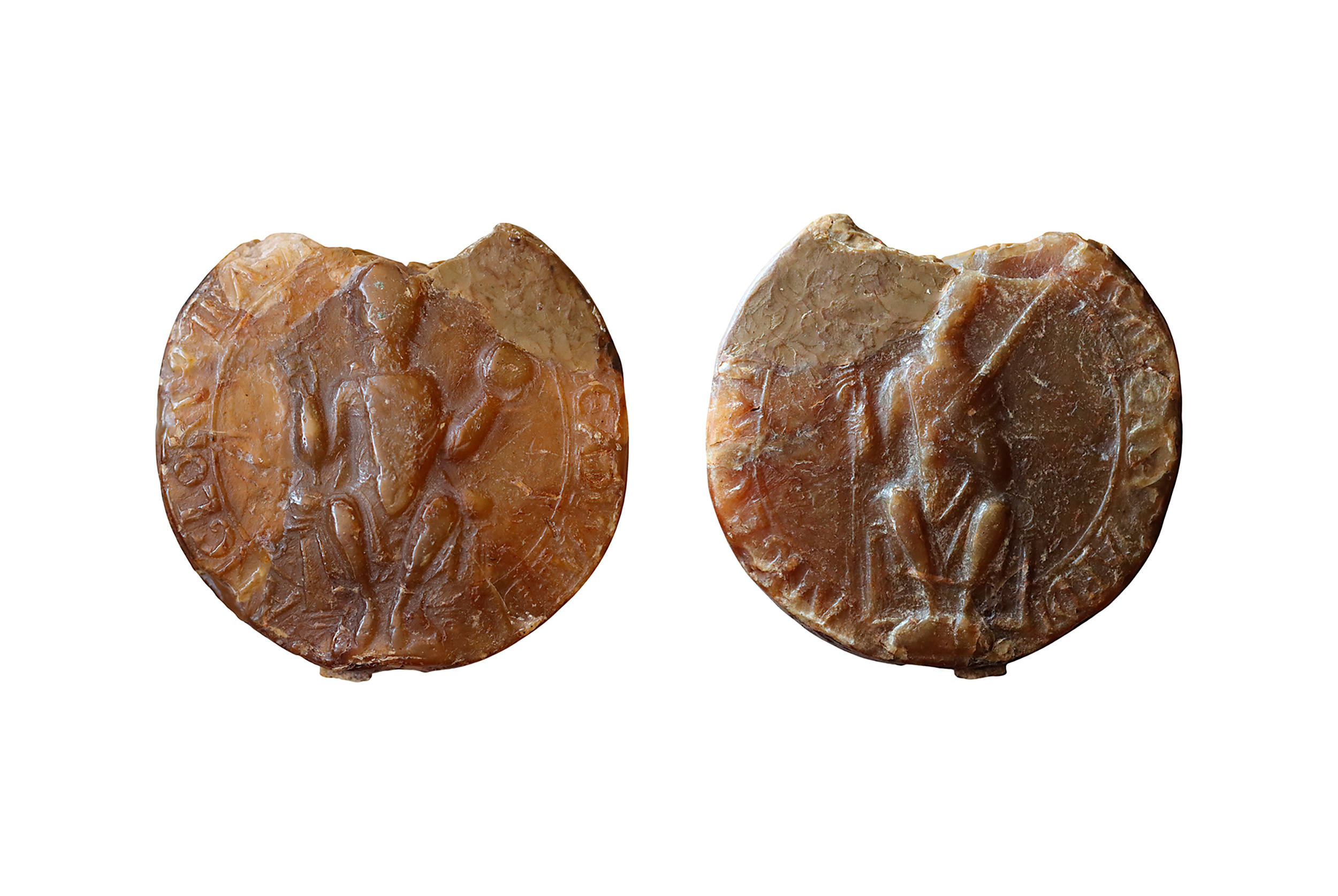
Rare Medieval Seal Rediscovered After 40-Year Disappearance

A rare 11th-century wax seal belonging to the Anglo-Saxon king Edward the Confessor has been rediscovered in France’s National Archives after being missing for over 40 years. The artifact, known as the Saint-Denis seal, was not stolen but rather misplaced due to a clerical error during a conservation transfer decades ago. It was identified by doctoral student Guilhem Dorandeu, who noticed the misfiled item while conducting research.

Zurbarán: a ‘magnificently choreographed’ showing of the Spanish ‘genius’

The article reviews the first-ever British exhibition dedicated to Spanish Baroque painter Francisco de Zurbarán, held at the National Gallery in London. The show brings together 40 works from collections spanning Seville to San Diego, featuring his hyper-real religious paintings and radiant still lifes, described as a 'magnificently choreographed' trawl through his oeuvre. Critics praise the exhibition for its dramatic lighting and revelatory presentation, though some note uneven quality in his later works.

Zurbarán at the National Gallery - an unmissable show of baroque genius

The National Gallery in London presents a landmark exhibition of Francisco de Zurbarán (1598-1664), the first major retrospective of the Spanish Baroque master in Britain. In collaboration with the Louvre and the Art Institute of Chicago, the gallery has assembled over 40 works from institutions worldwide, including Seville and San Diego. The show features Zurbarán's electrifying religious paintings and radiant still lifes, displayed in darkened galleries that echo the chiaroscuro of his compositions. Highlights include the shattering *The Crucifixion* (1627) and *Saint Peter Nolasco's Vision of Saint Peter the Apostle* (1629), which demonstrate his hyper-real, sculptural approach to sacred subjects.

Zurbarán at the National Gallery is more agony than ecstasy

The article reviews the exhibition 'Zurbarán' at the National Gallery in London, arguing that the show fails to capture the spiritual intensity and emotional power of the Spanish Baroque painter's work. It criticizes the curatorial choices, suggesting the display feels flat and lacks the ecstatic religious fervor that defines Zurbarán's best paintings, leaving viewers with a sense of agony rather than transcendence.

Zurbarán review: Even the godless will be enraptured by this drama

The article reviews a major exhibition of 17th-century Spanish painter Francisco de Zurbarán, highlighting his dramatic religious works such as a stark crucifixion, a depiction of St. Peter crucified upside down, and a series of saintly princesses. It notes the exhibition's effective hanging, the artist's use of vivid color and theatrical lighting, and includes recently attributed works like a mysterious giant head. The review emphasizes the blend of high drama, emotion, and Catholic piety in Zurbarán's paintings, as well as his still lifes that rival those of Velázquez.