
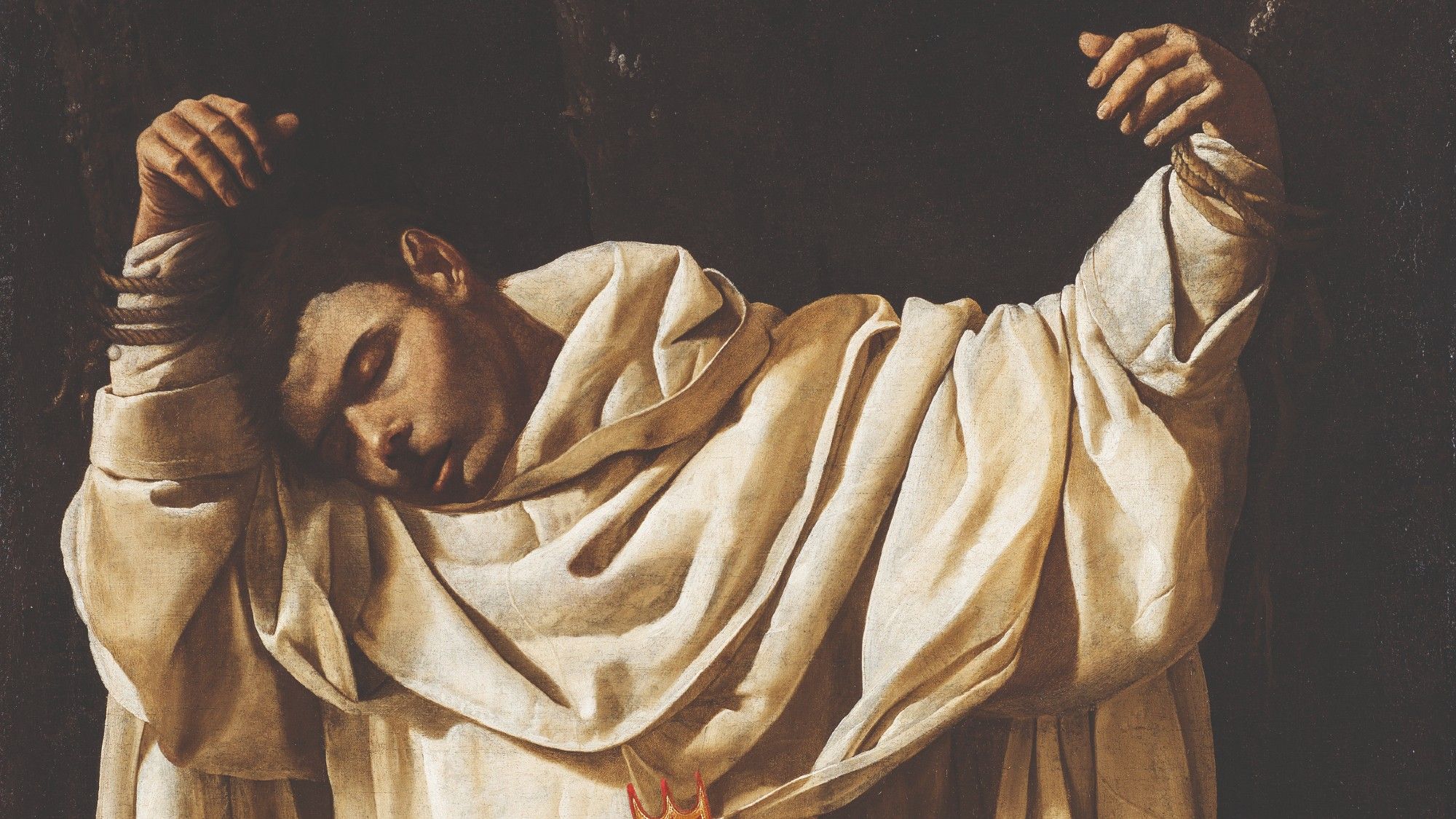
The article reviews the first-ever British exhibition dedicated to Spanish Baroque painter Francisco de Zurbarán, held at the National Gallery in London. The show brings together 40 works from collections spanning Seville to San Diego, featuring his hyper-real religious paintings and radiant still lifes, described as a 'magnificently choreographed' trawl through his oeuvre. Critics praise the exhibition for its dramatic lighting and revelatory presentation, though some note uneven quality in his later works.
This exhibition matters because it fills a significant gap in British art history—no previous UK show has focused solely on Zurbarán, largely due to museums' reluctance to loan his major works. The show offers a rare opportunity to reassess an artist often overshadowed by contemporaries like Velázquez, highlighting his unique blend of mystical Catholicism and scientific precision, and his influence on later artists such as Salvador Dalí. It also underscores the logistical achievement of securing loans from international collections.