filter_list Showing 6 results for "Amerika" close Clear
dashboard All 6 museum exhibitions 3article culture 1person people 1rate_review review 1
date_range Range Today This Week This Month All
Subscribe

What You Should Definitely Avoid in Venice

Was man in Venedig unbedingt vermeiden sollte

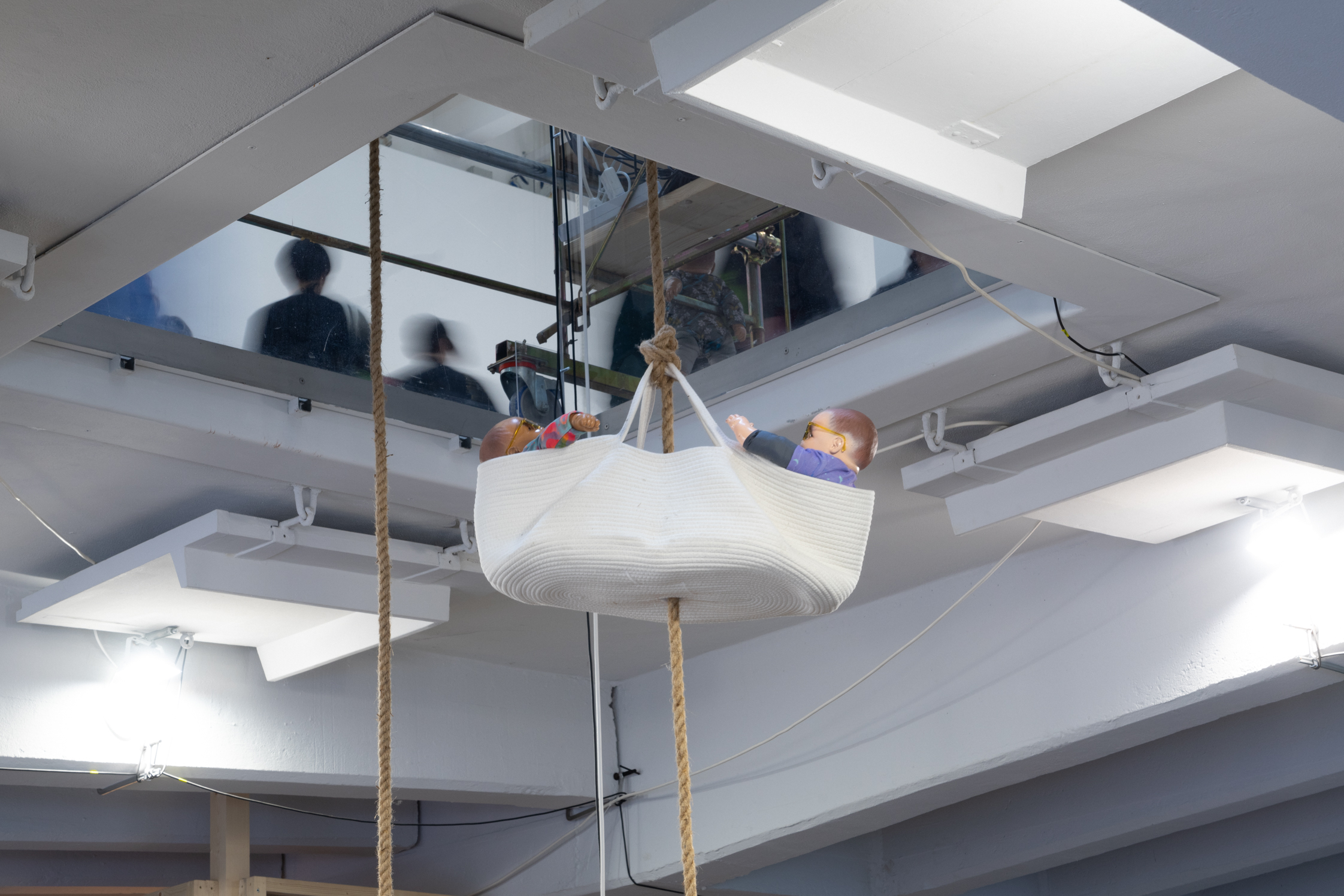
The article humorously critiques the Venice Biennale, highlighting several disappointments. It describes a Japanese pavilion installation by Ei Arakawa-Nash featuring baby dolls for diaper-changing, which a critic dismisses as a male artist over-romanticizing parenthood. Other flops include long queues for the German and Austrian pavilions, underwhelming main exhibition "In Minor Keys," and annoying self-promotional performers outside venues. The piece also laments the presence of loud American collectors and donors who dominate the event.

javier tellez wins pamm perez prize 1234761900

The Pérez Art Museum Miami (PAMM) has awarded its annual Pérez Prize to New York–based artist Javier Téllez, accompanied by an unrestricted $50,000 grant. The prize was presented at the museum's Art of the Party Fundraiser on November 15. Téllez, known for film, installation, and collage works addressing marginalization of immigrants and people with disabilities, was recognized for his empathetic and imaginative practice. His recent film "Amerika" (2024) responds to the displacement of Venezuelans, reflecting his own background as a Venezuelan-born artist living in New York.

How Art Libraries Make Art Accessible

Wie Artotheken Kunst zugänglich machen

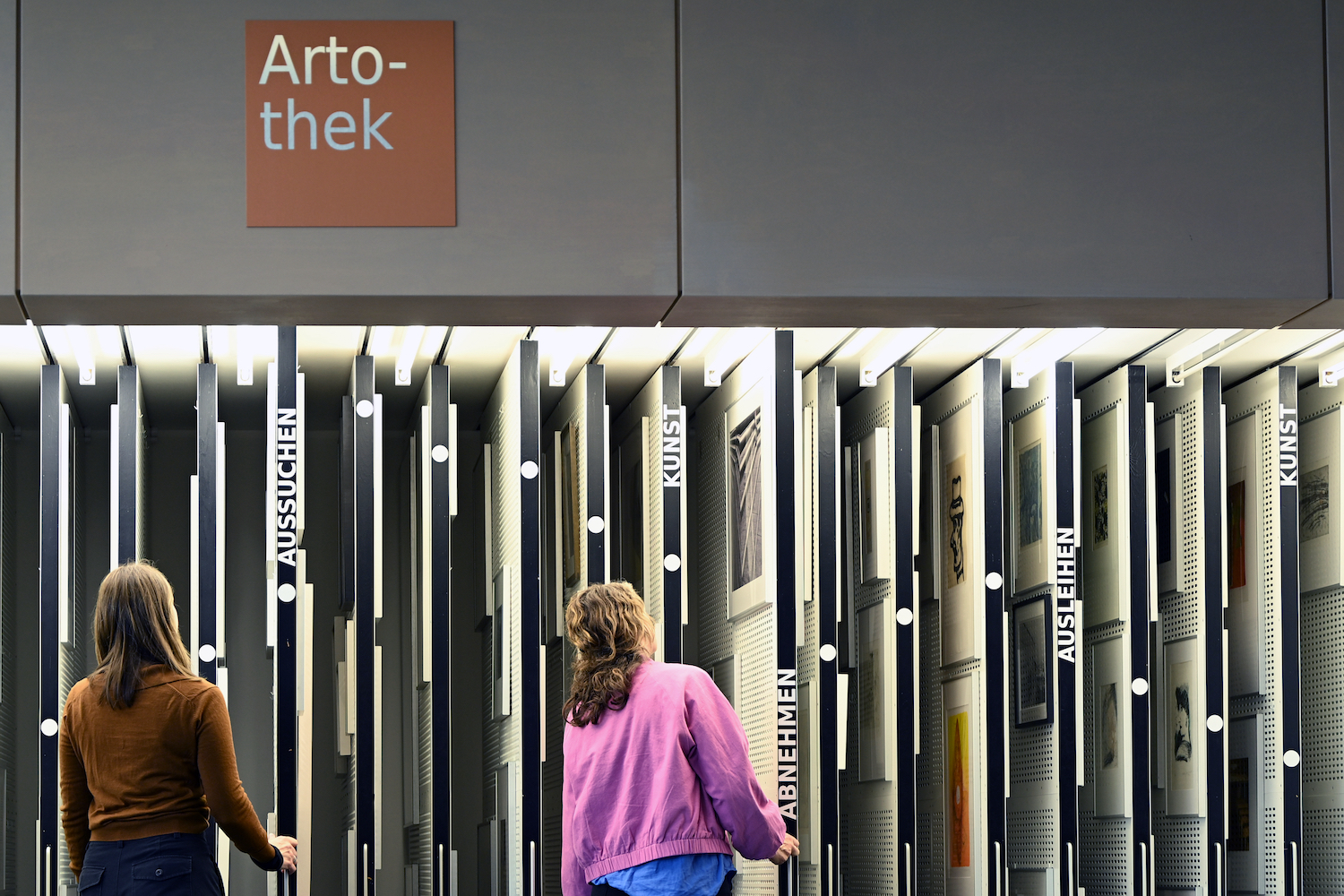
Artotheken, or art libraries, are public institutions that lend artworks to anyone with a library card, making art accessible beyond the traditional museum or gallery system. In Germany, over 100 such artotheken exist, often housed in public libraries, art associations, or museums. The Amerika-Gedenkbibliothek in Berlin, for example, has a collection of 2,000 works, with around 300 currently on loan to homes, doctors' offices, and law firms. The lending process is informal: borrowers can eat, drink, and even touch the works, and transport by bus or bike is encouraged. A jury selects up to 15 new works annually, and the collection includes major names like Roy Lichtenstein and Niki de Saint Phalle, though most users choose pieces based on personal connection rather than prestige.

Los Angeles Metro’s Stunning D Line Art Turns Stations Into Galleries

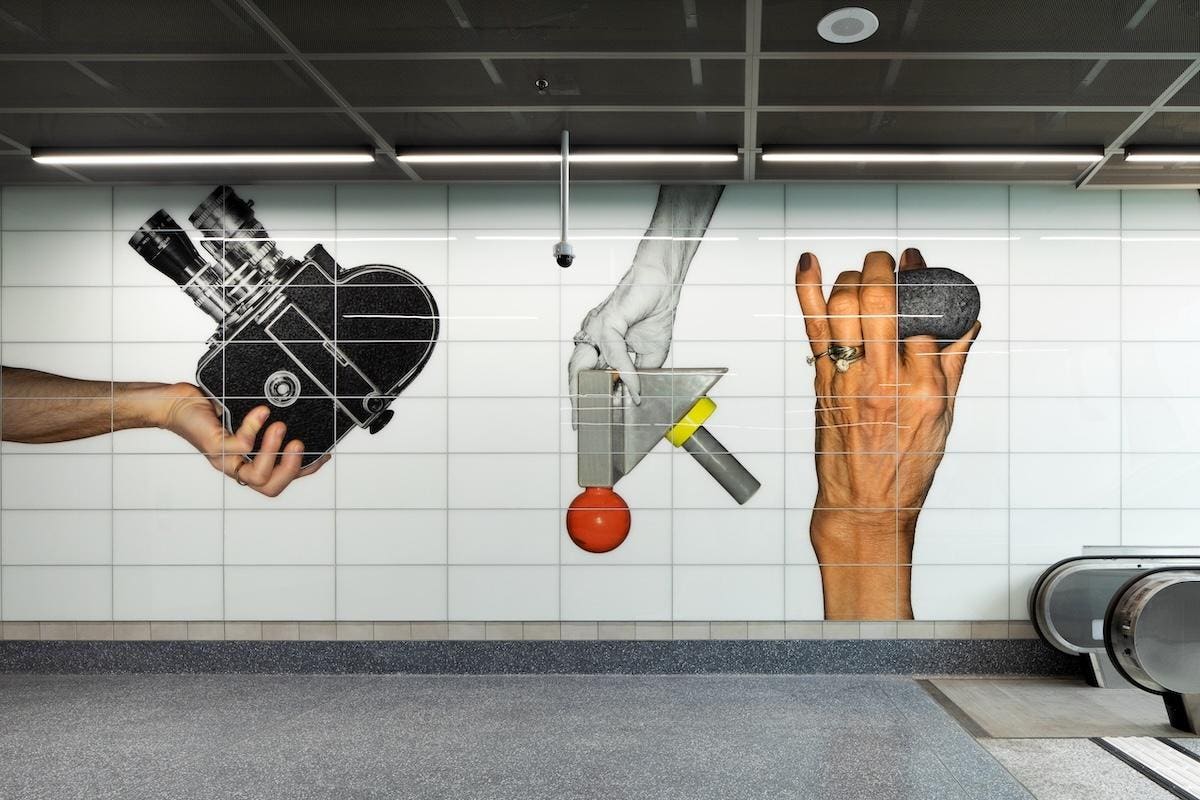
Los Angeles Metro unveiled a major public art installation on May 8 with the opening of the 3.92-mile D Line extension, connecting downtown to Beverly Hills. Nine artists were selected from over 1,400 applicants to create works across three stations—Wilshire/La Brea, Wilshire/Fairfax, and Wilshire/La Cienega. Notable pieces include Karl Haendel's "Hands and Things" at the Wilshire/Fairfax station, featuring photorealist pencil drawings of hands holding objects sourced from nearby cultural institutions, and Susan Silton's "WE, OUR, US." The artworks are mounted using durable porcelain enameling that resists corrosion, scratching, fading, and graffiti.

'Amerika Samoa' exhibit at Field Museum meant to highlight Samoan community in Chicago, introduce art, culture

The Field Museum in Chicago has opened 'Amerika Samoa,' an exhibition curated by Samoan artists to provide an authentic introduction to Samoan art and culture. The show highlights traditional practices such as tattooing and siapo (painted barkcloth), and features a collaborative barkcloth created during workshops with Chicago's Samoan community, museum staff, and master artists from American Samoa. The exhibition is located in the Halls of the Pacific and will run for two years.

New exhibition sheds light on thriving traditional Samoan art in American Samoa

The Field Museum in Chicago is set to debut "Amerika Samoa," a temporary exhibition opening March 6, 2026, in the Regenstein Halls of the Pacific. Co-curated by Reggie Meredith Fitiao and Su’a Uilisone Fitiao of the nonprofit Fa’asamoa Arts, the show focuses on two primary Samoan art forms: siapo mamanu (painted barkcloth) and tatau (tattoo). The exhibition features contemporary works alongside historical pieces from the museum's collection, including a collaborative large-scale siapo created with the Chicago Samoan community.