filter_list Showing 26 results for "Artishock Revista" close Clear
search
dashboard All 26 museum exhibitions 17article culture 4person people 3article news 1rate_review review 1
date_range Range Today This Week This Month All
Subscribe

The Strong Presence of Guatemalan Indigenous Artists at the Sydney Biennale

LA FUERTE PRESENCIA DE ARTISTAS INDÍGENAS GUATEMALTECOS EN LA BIENAL DE SYDNEY

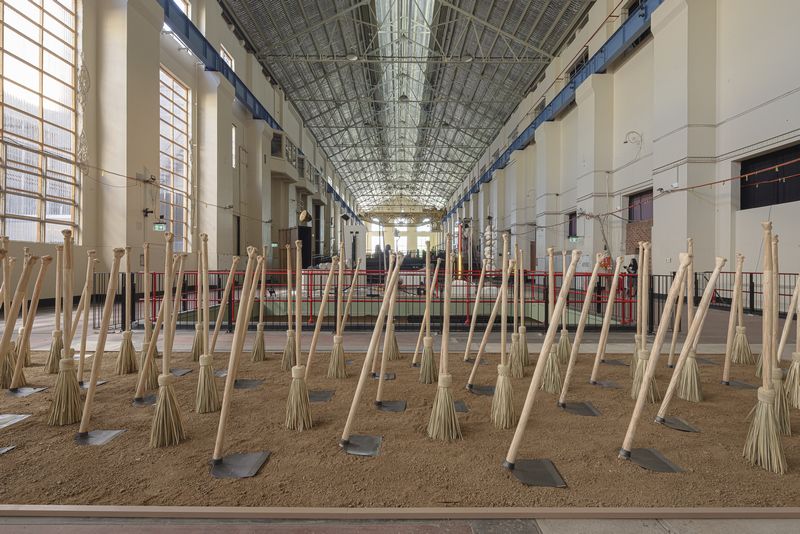
The 25th Sydney Biennale, titled "Rememory" and curated by Hoor Al Qasimi, centers on colonialism and historical reparation, featuring a strong presence of Indigenous and First Nations artists. Notably, five Maya artists from Guatemala—Sandra Monterroso, Angélica Serech, Ángel Poyón, Fernando Poyón, and Edgar Calel—are participating, exploring ancestral knowledge, community practices, and tensions between Indigenous cosmologies and modernity. Their work engages with Australian debates on Indigenous sovereignty and colonial repair, challenging historical institutional representation.
A Journey Through the Work of Lucía Pizzani on the Occasion of Her First Institutional Exhibition in London

UN RECORRIDO POR LA OBRA DE LUCÍA PIZZANI A PROPÓSITO DE SU PRIMERA MUESTRA INSTITUCIONAL EN LONDRES

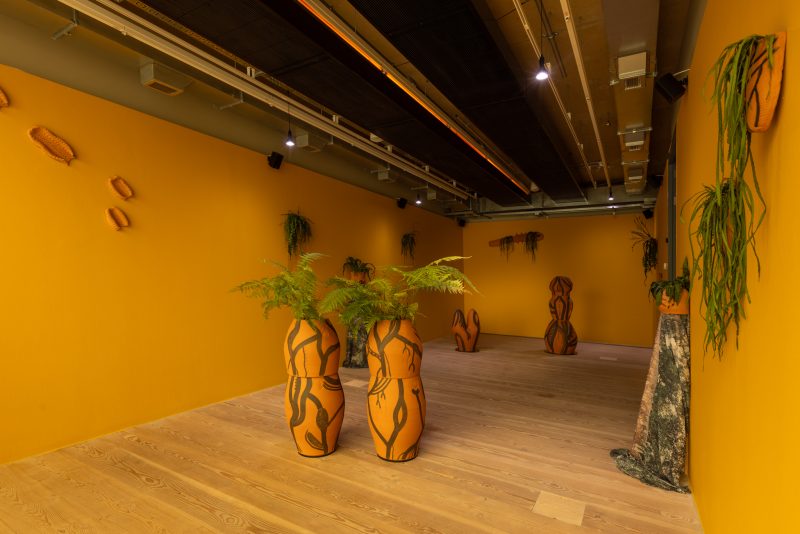
Venezuelan artist Lucía Pizzani presents her first institutional exhibition in the United Kingdom, titled "Faunal Succession," at Focal Point Gallery in London, running through May 30. The show features new works created in collaboration with artists Cecilia Bonilla, Jaime Gili, and Javier Weyler, as well as community groups and local schools, reimagining the Essex coastline through the concept of deep time. The exhibition links geological transformation with contemporary issues such as climate change, migration, and social change, as explored in an interview with curator Inês Costa.

A Poetic and Material Institutional Critique: Gala Porras-Kim at kurimanzutto and the Venice Biennale

UNA CRÍTICA INSTITUCIONAL POÉTICA Y MATERIAL: GALA PORRAS-KIM EN KURIMANZUTTO Y LA BIENAL DE VENECIA

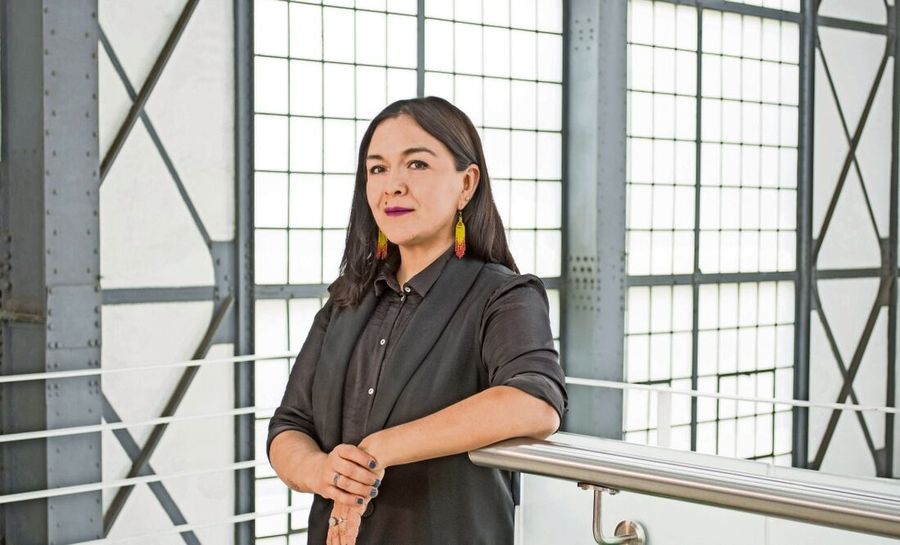
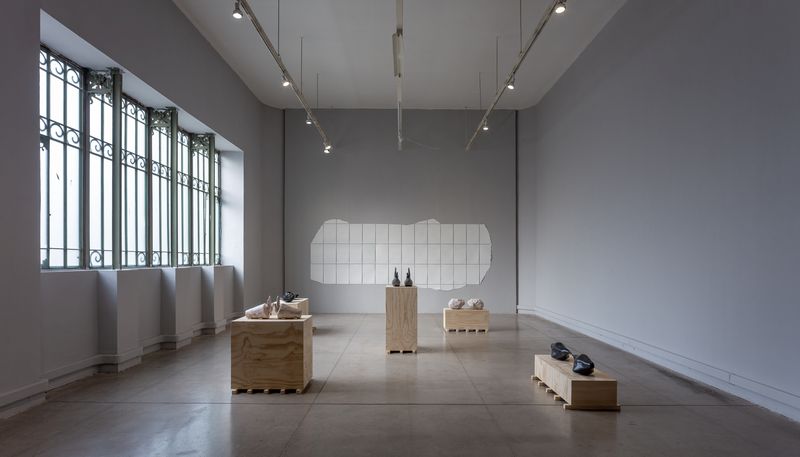
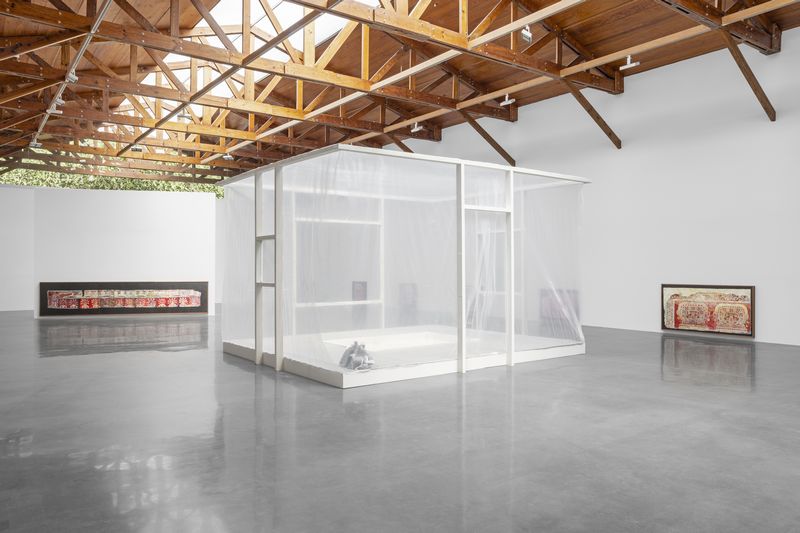
Colombian artist Gala Porras-Kim presents her first solo exhibition at kurimanzutto gallery in Mexico City, titled "Espacios del futuro replican los del pasado" (2026), alongside her participation in the 2026 Venice Biennale. The show critically examines how museum conservation protocols transform objects by detaching them from their original material, ritual, and spiritual contexts. Central to the exhibition is "The Motion of an Alluvial Record" (2024), a greenhouse that recreates the humidity and temperature of Yucatecan mangroves, allowing clay and sediment to shift continuously, resisting the linear, stratified time of Western archives and evoking cyclical Maya cosmologies. Another series, "Uprooted" (2026), reproduces fragments of looted Teotihuacan murals from Techinantitla, now held by the Metropolitan Museum of Art and the Ethnological Museum of Berlin, reinstalling them near the floor to restore their original architectural scale and orientation.

VARINIA BRODSKY ZIMMERMANN: “ENTIENDO AL MUSEO COMO UN CAMPO DE REVERBERACIÓN”

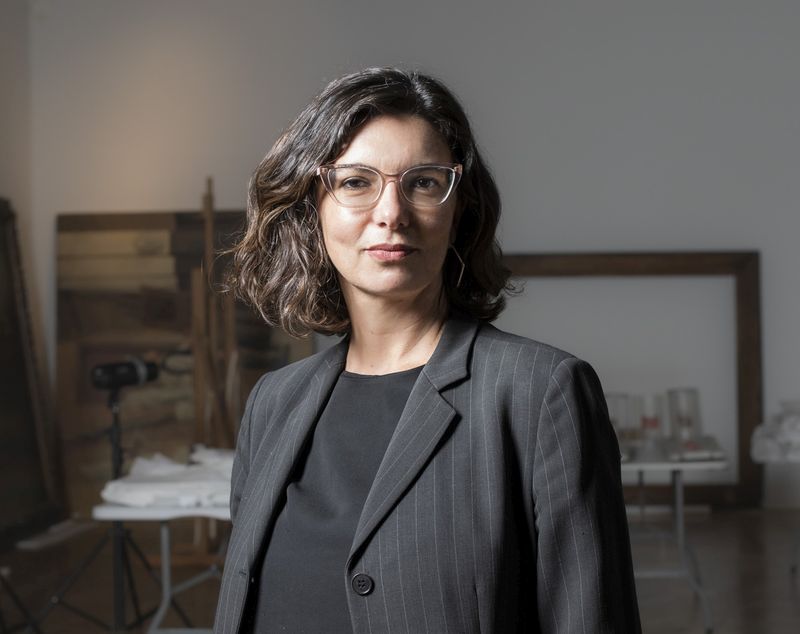
Varinia Brodsky Zimmermann, director of the Museo Nacional de Bellas Artes de Chile, is interviewed as part of a series on contemporary museums in Latin America. She describes the museum as a "field of reverberation" that amplifies social, cultural, and political questions without reacting mechanically to demands. The conversation covers structural challenges facing public museums in Chile, including budget precarity and suspended exhibition projects, and Brodsky advocates for more permeable, horizontal, and sustainable institutions that maintain critical depth while engaging diverse communities.

LATIN AMERICA AT THE VENICE BIENNALE: A VISUAL TOUR OF THE CENTRAL EXHIBITION

LATINOAMÉRICA EN LA BIENAL DE VENECIA: UN RECORRIDO VISUAL POR LA MUESTRA CENTRAL

The 61st Venice Biennale, titled "In Minor Keys," opened its preview days on May 8, 2025, curated by the late Koyo Kouoh (1967–2025). The central exhibition, realized by a team she selected before her death, features 110 participants from around the world, with a strong Latin American presence of 15 artists, collectives, and organizations. The show explores themes of colonial history, plantation economies, geological memory, and environmental crisis through works that emphasize shared materials, politics, and poetics across geographies from Dakar to San Juan.

Form in the Age of Living Materials. Interview with Curator Pablo José Ramírez

LA FORMA EN LA ERA DE LOS MATERIALES VIVOS. ENTREVISTA AL CURADOR PABLO JOSÉ RAMÍREZ

The Hammer Museum in Los Angeles is presenting "Several Eternities in a Day: Form in the Age of Living Materials," an exhibition curated by Pablo José Ramírez running until August 23. Featuring 22 artists from the Americas, the show explores materials such as avocado, cacao, achiote, cochineal, stone, clay, and natural dyes that evolve, degrade, or transform over time. Organized into three acts, the exhibition challenges conventional notions of the art object by treating these materials as living agents with memory and agency, rooted in Indigenous knowledge and the concept of "brownness." In an interview, Ramírez discusses how these materials destabilize extractivist logics and institutional frameworks, forcing a rethinking of conservation protocols and the very conditions of exhibition-making.

GEORGE FEBRES: TRANSLATION, IRONY, AND LIBERATION. AN ECUADORIAN ARTIST IN THE DIASPORA

The article examines the life and work of George Febres (1943–1996), an Ecuadorian artist who spent most of his career in the United States, primarily in New Orleans. Febres’s practice blends Pop Art, Neo-Surrealism, and Southern US culture with his experiences as a migrant and queer subject, using bilingualism and ironic tropical imagery to create a hybrid, irreverent body of work. Despite his significance, no works by Febres exist in Ecuadorian public collections, and no major retrospective has been held in his home country, reflecting a broader erasure of queer narratives from national art history.

GEORGE FEBRES: TRADUCCIÓN, IRONÍA Y LIBERACIÓN. UN ARTISTA ECUATORIANO EN LA DIÁSPORA

George Febres (Guayaquil, 1943 – New Orleans, 1996) was an Ecuadorian artist whose work blended pop art, neo-surrealism, and Southern U.S. culture, shaped by his experience as a migrant and queer individual. The article traces his life from a privileged but unstable childhood in Ecuador to his migration to the United States, where he was drafted during the Vietnam War and eventually settled in New Orleans. Febres used bilingualism and ironic appropriation of tropical imagery to create a hybrid, irreverent body of work that challenges the official historiography of Ecuadorian art.

LA LECHUZA DE MINERVA

The Círculo de Bellas Artes in Madrid, founded in 1926 by a small group of artists, has launched a centenary exhibition titled "La lechuza de Minerva" (The Owl of Minerva). Curated by Isabella Lenzi, the project revisits the institution's most disruptive exhibition, "El sueño imperativo" (1991), curated by Mar Villaespesa, which invited twelve artists to intervene in both exhibition spaces and transit areas, challenging traditional display logic. The new exhibition features works by artists including Dagoberto Rodríguez, Elo Vega, Rogelio López Cuenca, Isidoro Valcárcel Medina, Itziar Okariz, Los Carpinteros, María Salgado, Pedro G. Romero, Regina Silveira, Silbatriz Pons, and Tino Sehgal, who activate hidden and unexpected corners of the building through visual and sound actions. The project also restores Nancy Spero's 1991 intervention "Minerva, Sky Goddess," which had largely disappeared, through archaeological research led by restorer Rocío Casasus.

BLANCA DE LA TORRE Y EL “MUSEO ANFIBIO”: “A MÍ ME INTERESA EL PÚBLICO, NO NECESARIAMENTE LAS MASAS”

Blanca de la Torre, director of the Institut Valencià d’Art Modern (IVAM), discusses her concept of the "Museo Anfibio" (Amphibious Museum) in an interview for Artishock Revista's series on Ibero-American museum leaders. She proposes reimagining the museum as a relational institution that mediates between physical and symbolic territories, communities, and ecosystems, structured around two axes: Territories-Earth and Aquatic Environments. The interview is part of a series leading up to International Museum Day, with previous entries including Nicolás Gómez Echeverri of the Banco de la República de Colombia.

LUCRECIA LIONTI: GRAFISMOS DESTERRADOS

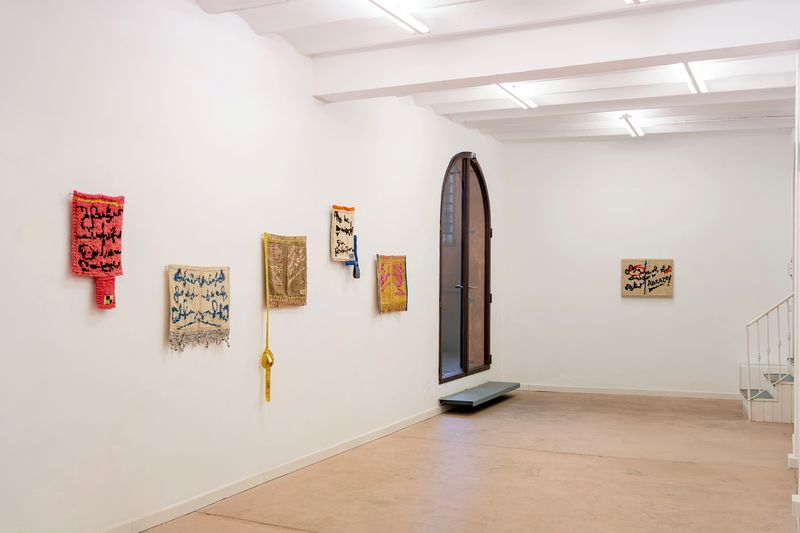
Lucrecia Lionti, an Argentine textile artist from Tucumán, is the subject of a feature examining her solo exhibition "Grafismos desterrados" at Sorondo Projects in Barcelona (2026). The article details how Lionti's practice, spanning over fifteen years, merges modern art with craft, using textiles as a political and affective device. It highlights her involvement since 2018 with the feminist collective La Lola Mora – Trabajadoras de las Artes de Tucumán, and her recent exhibition at MALBA titled "Fabril la mirada." The show presents works where language becomes material—woven, knotted, and frayed—featuring illegible marks that blur writing and drawing, evoking loss and exile.

MANUEL SEGADE: “PRESERVAR LA COMPLEJIDAD DEL MUNDO ES UNA DE LAS TAREAS FUNDAMENTALES DEL MUSEO”

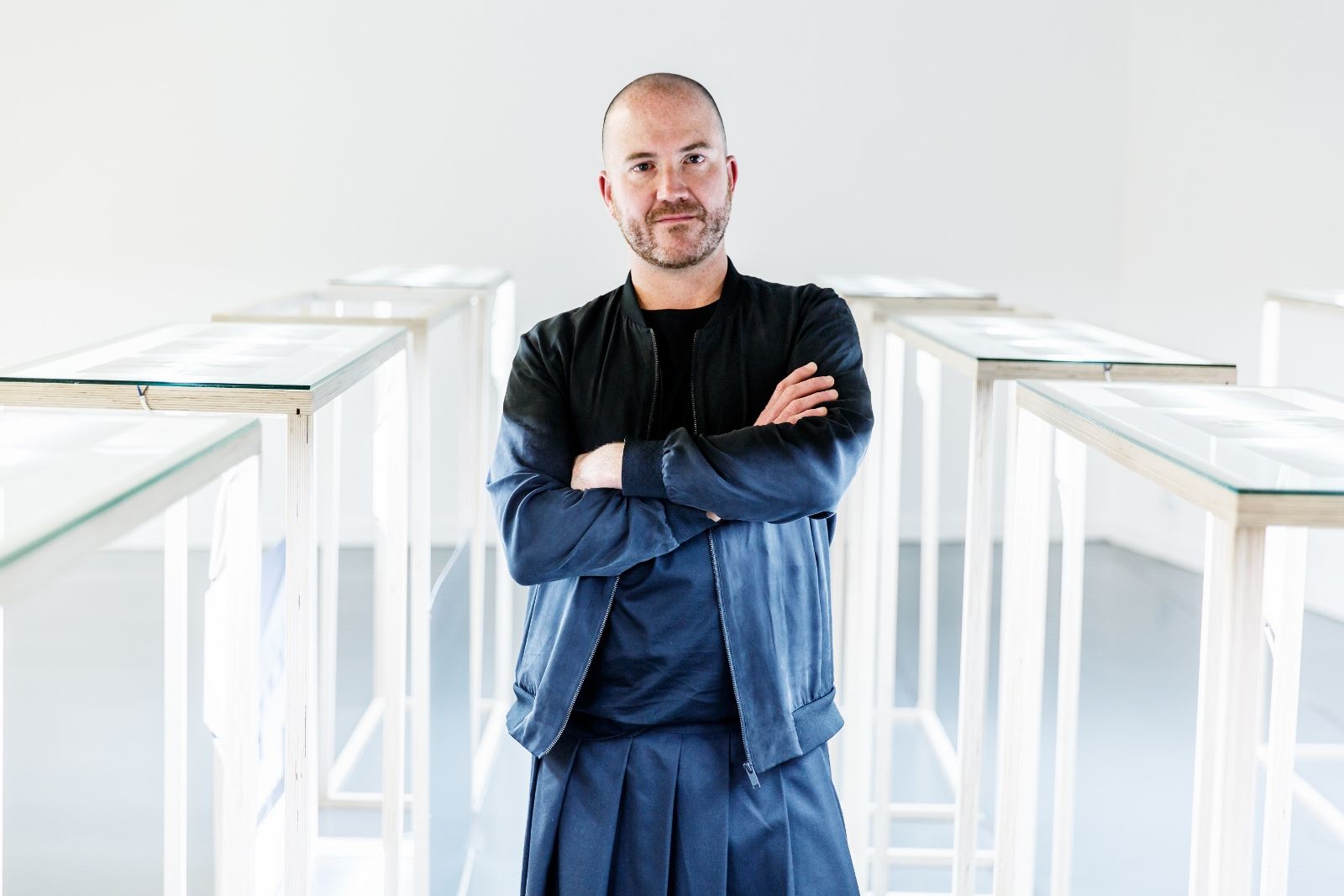
Manuel Segade, director of the Museo Nacional Centro de Arte Reina Sofía, is interviewed as part of a series for International Museum Day. He discusses the museum's role as a space historically tied to critique, conflict, and negotiation with tradition, emphasizing the need to preserve the world's complexity. Segade advocates for institutions that can speak on multiple levels, from introductory lectures to para-academic research, and stresses transforming internal structures toward more horizontal and interdependent models.

CUANDO LOS OBJETOS HABLAN. MUSEO HECHIZO, DE JUAN JOSÉ SANTOS

Juan José Santos's book "Museo hechizo" (Metales Pesados, 2025) challenges the perceived neutrality of the Western museum, presenting it as an institution shaped by colonial logics of classification, extraction, and representation. The essay centers on the concept of "lo hechizo"—understood as both artisanal precariousness and disruptive enchantment—and explores small, community-based Latin American museum experiences that operate from precarity, reciprocity, and care. Santos argues that the museum is a space of conflict where voices, narratives, and ways of constructing history are contested, and he proposes thinking of the museum through its minor, situated, and alternative forms in Latin America.

SOL HENARO: “BAJAR LA VELOCIDAD ES POLÍTICO Y, AUNQUE CUESTA MUCHO, HAY QUE SEGUIR INTENTÁNDOLO”

Sol Henaro, director of the Museo Universitario del Chopo in Mexico City, argues in an interview for Artishock Revista that museums must resist neoliberal pressures to accelerate production, spectacularize content, and convert cultural experience into immediate consumption. She advocates for the museum as a space of plurality, deceleration, and critical thought, emphasizing the need for horizontal, careful practices that allow for dissent and coexistence. The interview is part of a series on International Museum Day featuring directors from Latin American and Ibero-American institutions.

JOSÉ WOLFF: DÍAS HONDOS

JOSÉ WOLFF: DÍAS HONDOS

José Wolff, a Guatemalan artist who grew up in the 1980s watching television with his family, has developed a unique visual language that oscillates between digital and traditional media. After studying at SCAD in Georgia and working in Miami and Los Angeles for channels like MTV Latino, NBC, and Locomotion, he created 3D animations, music videos, and TV interstitials. Now based back in Guatemala, Wolff continues to paint in oil while also producing digital installations, such as his 2026 multi-channel piece "Sin Novedad." His practice reflects a lifelong dialogue between the tangible and the intangible, influenced by artists like Laurie Anderson and Nam June Paik.

ON THE IM-POSSIBILITY OF COMMUNICATING. “DICHO A MANO”, BY FELIPE PINEDA

SOBRE LA IM-POSIBILIDAD DE COMUNICARSE. “DICHO A MANO”, DE FELIPE PINEDA

The exhibition "Dicho a mano" by Chilean artist Felipe Pineda, curated by Ayelén Ruiz at the Museo de Arte Contemporáneo de Santiago, explores the difficulty of communication when words fail, turning to the body and hands as alternative languages. Pineda draws on his migratory experience in London and references mutilated classical sculptures from the British Museum, while a recent theft of one piece adds an unexpected dimension. The show reflects on barriers in art and human connection, proposing that even failed communication carries a desire to be understood.

Between Ritual and Institution: Andrea Canepa's Interventions in Spain

ENTRE EL RITO Y LA INSTITUCIÓN: LAS INTERVENCIONES DE ANDREA CANEPA EN ESPAÑA

Andrea Canepa, a Peruvian artist born in 1980, has installed "Fardo" at the Palacio de Cristal in Madrid's Parque del Retiro, running from January 13, 2026 to January 1, 2027. The work wraps the building's perimeter in a printed fabric bearing patterns from Paracas funerary textiles, a pre-Columbian culture from southern Peru. Created during the palace's ongoing restoration (which began in 2023), the installation challenges the building's colonial history—it was built for the 1887 Exhibition of the Philippine Islands—by introducing indigenous visual and ritual references. Canepa also presented "Entre lo profundo y lo distante" at the IVAM in Valencia until April 12, 2026, which uses Andean huacas (sacred spaces) to propose a non-linear relationship between time, body, and space. Both works transform passive contemplation into active, bodily participation, using ritual as a means to reorganize the exhibition experience.

Ex-Votos of Disobedience: Débora Arango in Dialogue with Alfonso Quijano

EXVOTOS DE LA DESOBEDIENCIA: DÉBORA ARANGO EN DIÁLOGO CON ALFONSO QUIJANO

The exhibition "Exvotos de la desobediencia: Débora Arango en diálogo con Alfonso Quijano" at the Claustro de San Agustín of the Universidad Nacional de Colombia, curated by María Belén Sáez de Ibarra, brings together paintings and watercolors by Débora Arango (born 1907) alongside woodcuts by Alfonso Quijano (born 1927). The show proposes a dialogue that addresses persistent violence, inequality, and exclusion in contemporary life, with sacred symbols coexisting with bodies marked by desire, guilt, hunger, and resistance. Arango's work is presented as one of the earliest and most radical expressions of feminism in Latin American art, challenging patriarchal structures that have historically marginalized women and their images from public spaces.

WAYAMOU: LENGUAS DE LO COMÚN. LAURA ANDERSON BARBATA Y SHEROANAWE HAKIHIIWE

The exhibition "Wayamou: Lenguas de lo común" at the Museo Tamayo in Mexico City presents the collaborative work of artists Laura Anderson Barbata and Sheroanawe Hakihiiwe, whose artistic and political relationship spans over three decades. The show traces their shared history, beginning in the early 1990s when Barbata traveled to the Venezuelan Amazon and taught handmade papermaking using local plant fibers, introducing Hakihiiwe to a sustained visual exploration of Yanomami cosmology, oral tradition, and legacy. In 1992, they co-founded Yanomami Owë Mamotima ("Yanomami art of papermaking"), a project enabling the community to tell its own stories through its own visual and linguistic codes, exemplified by the handmade book "Shapono (Casa)" (1996).

FROM SÃO PAULO TO NEW YORK: THE MUSEUM OF ERRANCY OF ÉDOUARD GLISSANT

DE SÃO PAULO A NUEVA YORK: EL MUSEO DE LA ERRANCIA DE ÉDOUARD GLISSANT

The exhibition "La tierra, el fuego, el agua y los vientos: Por un Museo de la Errancia con Édouard Glissant" has traveled from the Instituto Tomie Ohtake in São Paulo to the Center for Art, Research and Alliances (CARA) in New York, marking its first U.S. presentation. Curated by Manuela Moscoso with Marian Chudnovsky, and building on prior work by Ana Roman and Paulo Miyada, the show engages with the philosophy of Martinican poet and philosopher Édouard Glissant, particularly his concepts of errantry, Relation, opacity, and the Tout-Monde. It centers on Glissant's unrealized idea of a museum as a fluid, porous space that resists colonial frameworks and fixed origins, featuring works by artists such as Melvin Edwards, Gerardo Chávez, and Eduardo Zamora.

MARILYN BOROR BOR, SEBA CALFUQUEO, JULIETH MORALES. PERFORMANCE Y DISIDENCIAS

On April 18, 2026, the performance cycle "Atravesar el lago" (Crossing the Lake) took place in open spaces of Casa del Lago UNAM in Chapultepec Park, curated by Adonay Bermúdez. Artists Marilyn Boror Bor, Seba Calfuqueo, and Julieth Morales activated performances that destabilize dominant knowledge frameworks and confront narratives imposed by colonial modernity. Boror Bor's "Lo que el cemento no puede cubrir" turned the body into a living archive summoning ancestral memories; Calfuqueo's "Guardo mis semillas para el futuro" opened fissures in imposed borders; and Morales's "Enchumbarnos: Cuerpo, Norma y Territorio. Ritual para dos cuerpos" configured a threshold of listening and transformation. The article includes a curatorial text fragment exploring water as a dissident force, drawing on Silvia Rivera Cusicanqui's thought.

From Minor Keys to Uproar: The Crisis of the Venice Biennale

DE LAS MINOR KEYS AL ESTRUENDO: LA CRISIS DE LA BIENAL DE VENECIA

The 61st Venice Biennale is engulfed in a structural crisis, marked by geopolitical tensions over the inclusion of Russia (amid its invasion of Ukraine) and Israel (amid the Gaza genocide). The Biennale Foundation, led by Pietrangelo Buttafuoco, defended their participation on legalistic grounds, sparking outrage from over 200 artists, curators, and cultural workers who demanded Israel's exclusion, aligning with Art Not Genocide Alliance (ANGA). The international jury, chaired by Solange Farkas and including Zoe Butt, Elvira Dyangani Ose, Marta Kuzma, and Giovanna Zapperi, resigned collectively on April 30 after deciding not to award prizes to countries whose leaders face International Criminal Court arrest warrants. This led to the cancellation of the traditional Golden and Silver Lions, replaced by audience-voted "Visitor Lions," with awards deferred until November. The European Commission suspended a €2 million subsidy over Russia's participation, and Italian Culture Minister Alessandro Giuli notably skipped the May 9 opening.

RAFAEL TAMAYO: “TODO EL SECTOR DE LOS MUSEOS EN COLOMBIA DEBE REPENSARSE”

Rafael Tamayo Franco, director of the Museo de Arte Moderno de Medellín (MAMM), argues in an interview that the entire museum sector in Colombia must rethink itself. He discusses the opportunities and risks of museums engaging with social crises, emphasizing the need for museums to be critical spaces that complexify and confront tensions through art, while avoiding both sanitized debate and the violation of visitors. Tamayo also highlights structural challenges facing Latin American museums, including budget constraints and bureaucratic hurdles, but praises the region's professionals for their resourcefulness and resilience.

NICOLÁS GÓMEZ ECHEVERRI: “LA TRASCENDENCIA DEL MUSEO ES VULNERABLE A LA IMPOSICIÓN DE MODAS POR PARTE DEL ALGORITMO”

Nicolás Gómez Echeverri, director of the Unidad de Artes y Otras Colecciones at the Banco de la República de Colombia, reflects on the challenges facing museums in Iberoamérica in an interview published for International Museum Day. He oversees institutions including the Museo de Arte Miguel Urrutia (MAMU), the Museo Botero, and the Casa de Moneda. Gómez Echeverri describes the museum as a "radar" that captures decentralized artistic practices and integrates them into collective narratives, while emphasizing the need for mediation, public debate, and long-term cultural projects amid economic constraints and the pressures of digital immediacy.

Four Latin American Voices Around the Montevideo Curatorial Intensive

CUATRO VOCES LATINOAMERICANAS EN TORNO AL INTENSIVO CURATORIAL DE MONTEVIDEO

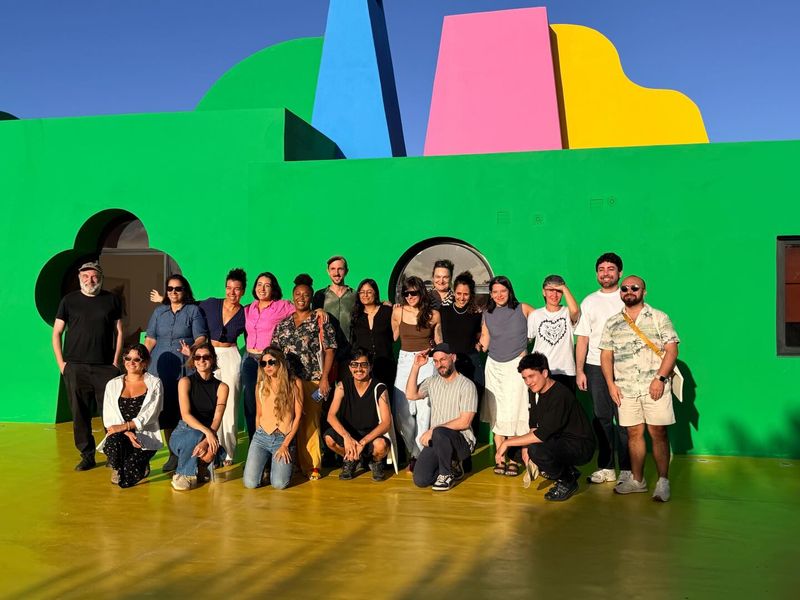
Independent Curators International (ICI) held the Montevideo Curatorial Intensive in March 2026, in partnership with the ESTE ARTE fair and the Faculty of Arts at the University of the Republic (Udelar). This was the first time the program took place in Uruguay, bringing together twelve emerging curators from Uruguay, Brazil, Argentina, Chile, Venezuela, Ecuador, Colombia, and the United States for eight days of seminars, debates, and mentorship. Led by independent curator Marina Reyes Franco, the intensive included visits to local cultural spaces such as CasaMario, SUBTE, and the Espacio de Arte Contemporáneo, as well as a trip to Punta del Este to tour galleries and artist studios. The program featured presentations by international faculty including Ionit Behar, Victoria Noorthoorn, Maya Juracán, and Keyna Eleison, and concluded with a public symposium at the Museo Nacional de Artes Visuales (MNAV).

𓇽𓇽𓇽 CATALINA BAUER: EL VOLCÁN, LA BALLENA Y OTROS MUNDOS 𓇽𓇽𓇽

Chilean artist Catalina Bauer presents her exhibition "El volcán, la ballena y otros mundos" at the Sala Capilla of Centro Cultural Montecarmelo in Santiago de Chile, 2026. The show features an immersive installation centered on a whale-like sculptural form that has beached inside the chapel, surrounded by cosmic and natural elements such as stars, ferns, and maranta plants, creating a dreamlike ecosystem that invites tactile and contemplative engagement.