filter_list Showing 8 results for "Baldi" close Clear
dashboard All 8 article news 4article culture 1museum exhibitions 1candle obituary 1rate_review review 1
date_range Range Today This Week This Month All
Subscribe

Look Inside the Art-Filled Home of New York City's Cultural Crusaders

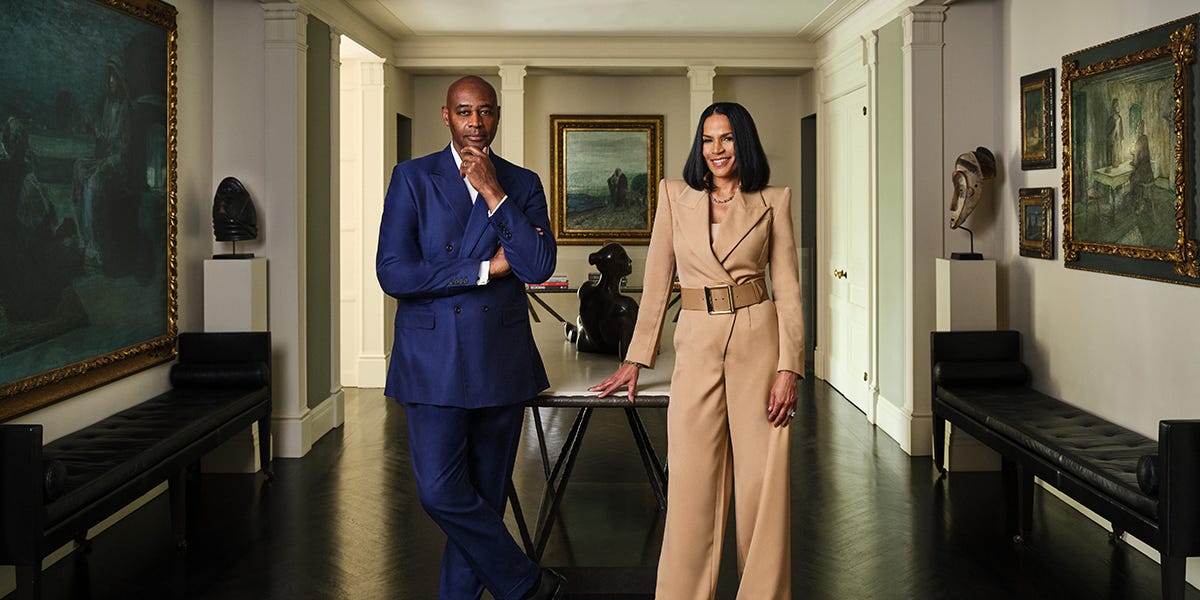
This profile explores the Upper West Side residence of Crystal McCrary McGuire and Raymond J. McGuire, a power couple deeply embedded in New York City’s cultural and financial sectors. Their home serves as a private gallery for a significant collection of African American art, featuring masterworks by Norman Lewis, Henry Ossawa Tanner, Elizabeth Catlett, and Romare Bearden. The couple’s shared passion for collecting began independently, sparked by their formative years studying in France, and has since evolved into a joint mission to preserve and live alongside Black artistic heritage.
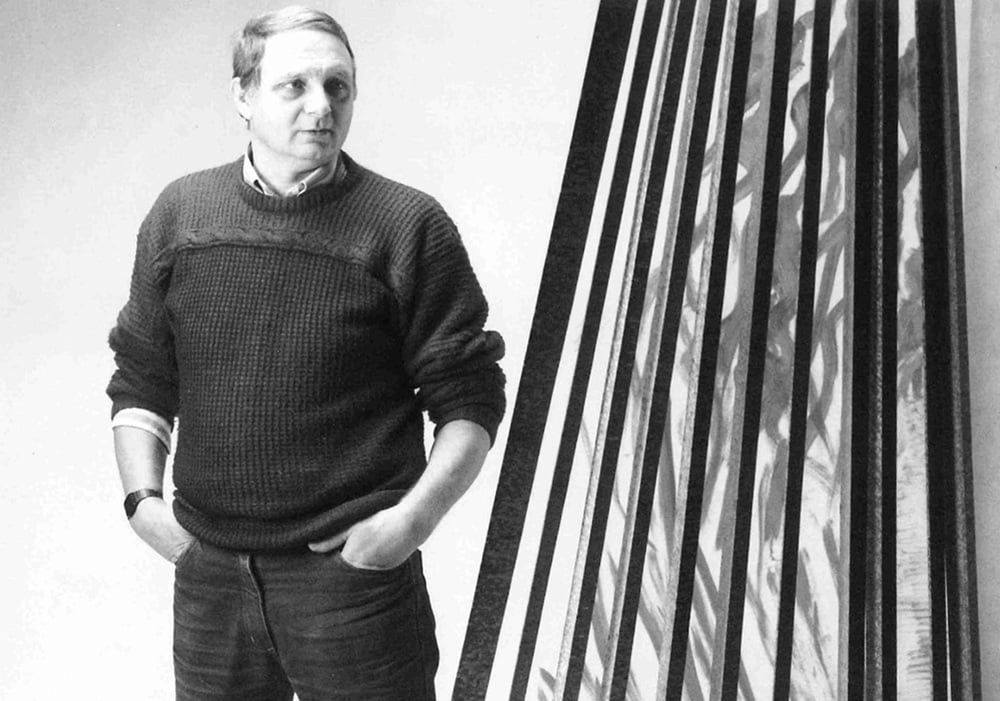
È morto Paolo Masi. La lunga ricerca dell’artista fiorentino sulla trasformazione dei materiali poveri

Paolo Masi, the Florentine artist known for his lifelong exploration of poor materials and their transformation, died in Florence on Wednesday, May 6, just days before his 93rd birthday. His career spanned from informal experiments in the 1950s through a rigorous investigation of materials in the 1960s, including his first solo show at the Strozzina in 1960. He joined the aesthetic research group Centro F/Uno alongside Baldi, Lecci, and Nannucci, and later co-founded the collective spaces Zona (1974) and Base (1998) with Mario Mariotti and Maurizio Nannucci. Masi participated in the Venice Biennale (1978) and the Rome Quadriennale (1986), and his works are held by major museums and foundations internationally. His later years saw significant retrospectives at the Museo MAGA in Gallarate (2018) and at Le Murate in Florence (2018), as well as a 2023 solo show at Florence's Galleria Frittelli, which remembered him as an extraordinary artist and dear friend.

Historic Strike Disrupts Biennale as Thousands March in Venice

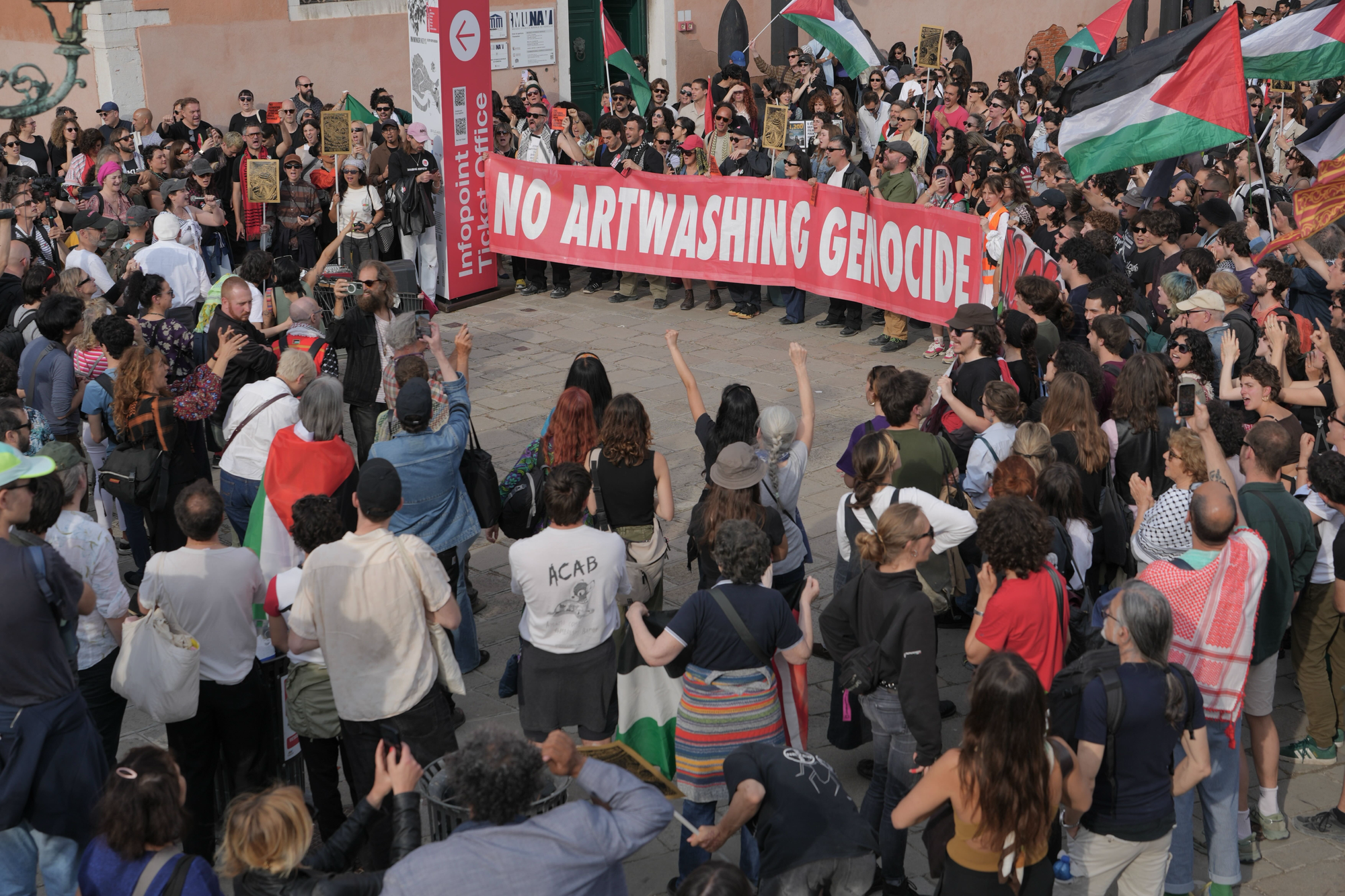
On May 8, 2026, artists and cultural workers staged the first strike in the 131-year history of the Venice Biennale, disrupting the pre-opening of the international exhibition. At least 27 of the 100 national pavilions were partially or fully shut down, and thousands marched through Venice to the Arsenale, which was barricaded by Italian riot police. The strike, organized by the Art Not Genocide Alliance (ANGA) and local activist groups, was a 24-hour action for Palestine and workers' rights, with some artists altering or draping their works in the main exhibition, "In Minor Keys."

What You Should Definitely Avoid in Venice

Was man in Venedig unbedingt vermeiden sollte

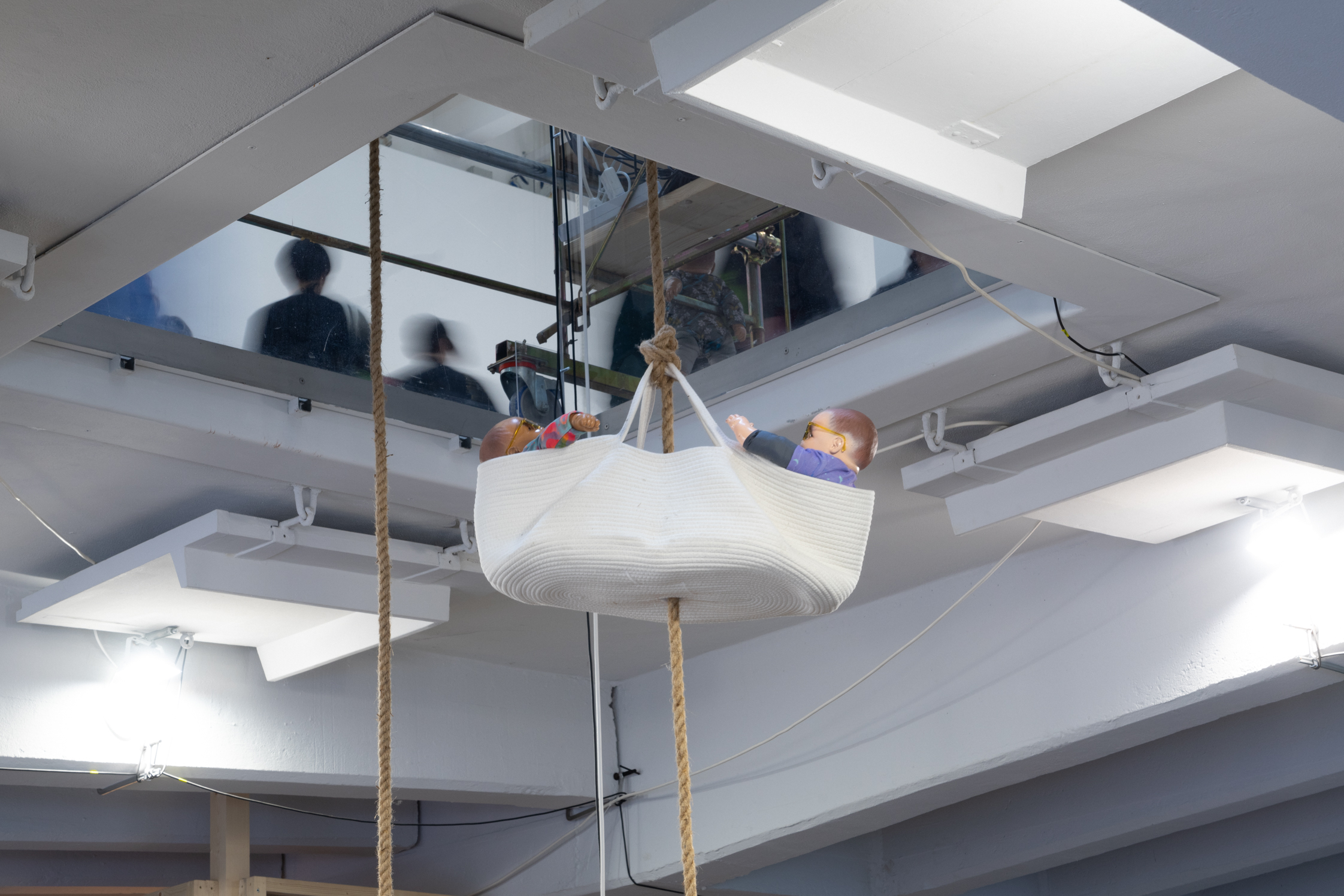
The article humorously critiques the Venice Biennale, highlighting several disappointments. It describes a Japanese pavilion installation by Ei Arakawa-Nash featuring baby dolls for diaper-changing, which a critic dismisses as a male artist over-romanticizing parenthood. Other flops include long queues for the German and Austrian pavilions, underwhelming main exhibition "In Minor Keys," and annoying self-promotional performers outside venues. The piece also laments the presence of loud American collectors and donors who dominate the event.

Venice Biennale Swamped in Protests Ahead of Planned Strike

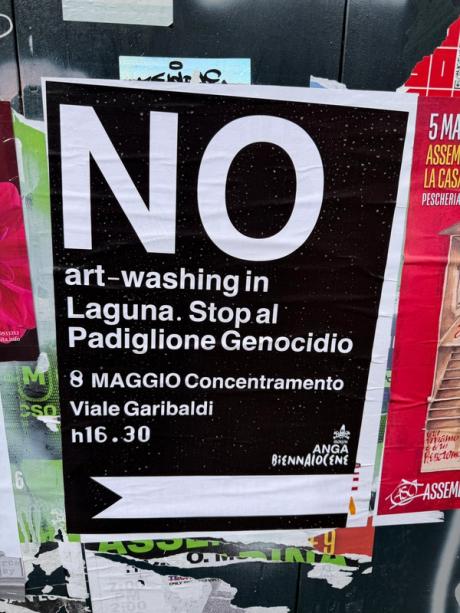
The Art Not Genocide Alliance (ANGA) has announced a 24-hour strike for Friday, May 8, coinciding with previews of the 2026 Venice Biennale, alongside a protest rally organized by local group Biennalocene and Italian trade unions. Earlier this week, sixty artists staged a sonic protest at the Giardini entrance to draw attention to the plight of those affected by genocide and war in Palestine and elsewhere. The Latvian pavilion has also encouraged attendees to wear a design by artist Krišs Salmanis reading “Death in Venice – Russia go home!” Meanwhile, dissident artists Pussy Riot stormed the Russian pavilion waving Ukrainian flags, and the entire 2026 Biennale jury resigned after the decision to exclude countries whose leaders are charged with crimes against humanity by the International Criminal Court from competing for top prizes.

Cultural workers at Venice Biennale to strike over Israel’s participation

Cultural workers and participants at the Venice Biennale plan to strike on 8 May during the opening week of the 61st edition, protesting Israel’s participation in the event. The strike, organized by the Art Not Genocide Alliance (ANGA) and supported by Italian trade unions, includes a rally near the Arsenale site. ANGA previously sent a letter signed by over 230 artists and curators demanding the cancellation of the Israeli pavilion, citing opposition to "genocide normalisation in culture" and precarious labor conditions. Israel is represented this year by sculptor Belu-Simion Fainaru, who opposes cultural boycotts.

Culture Workers Announce Venice Biennale Strike in Israeli Pavilion Protest

Cultural workers, unions, and grassroots groups are planning a 24-hour strike on Friday, May 8, at the Venice Biennale to protest Israel's participation amid the ongoing genocide in Gaza. Organized by the Art Not Genocide Alliance (ANGA), the action includes a rally on Viale Garibaldi and calls for a boycott of Israel's "genocide pavilion." Participating groups include Biennaleocene, Sale Docks, Mi Riconosci, Vogliamo Tutt’altro, and several Italian trade unions. The strike follows months of activism, including a letter signed by over 200 event participants, and comes after the Biennale jury resigned over award eligibility rules that initially excluded Israel and Russia.

MARGARET WHYTE TURNS FRAGILITY INTO LANGUAGE AT THE 2026 VENICE BIENNALE

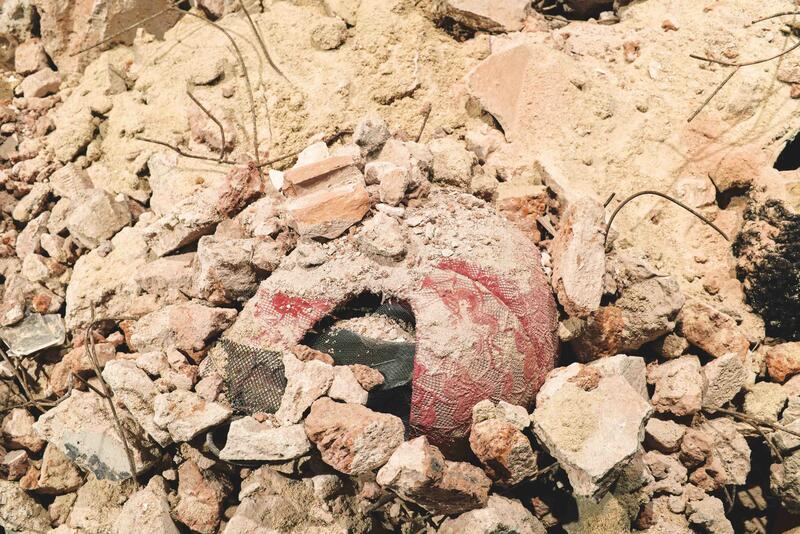
The Uruguay Pavilion at the 2026 Venice Biennale presents "ANTIFRAGIL," a new installation by artist Margaret Whyte, curated by Patricia Bentancur. The work combines textiles with obsolete technological objects such as old machines, motorcycle helmets, and waste fragments, embodying the concept of antifragility developed by Nassim Taleb—systems that grow stronger through disorder and instability. Whyte's practice transforms fragility and vulnerability into poetic resistance, challenging traditional hierarchies between craft and contemporary art.