
filter_list Showing 2 results for "Bergen-Belsen" close Clear
dashboard All 2 museum exhibitions 2
date_range Range Today This Week This Month All
Subscribe

Immediately after the Second World War, how did six exhibitions attempt to make sense of the atrocities?

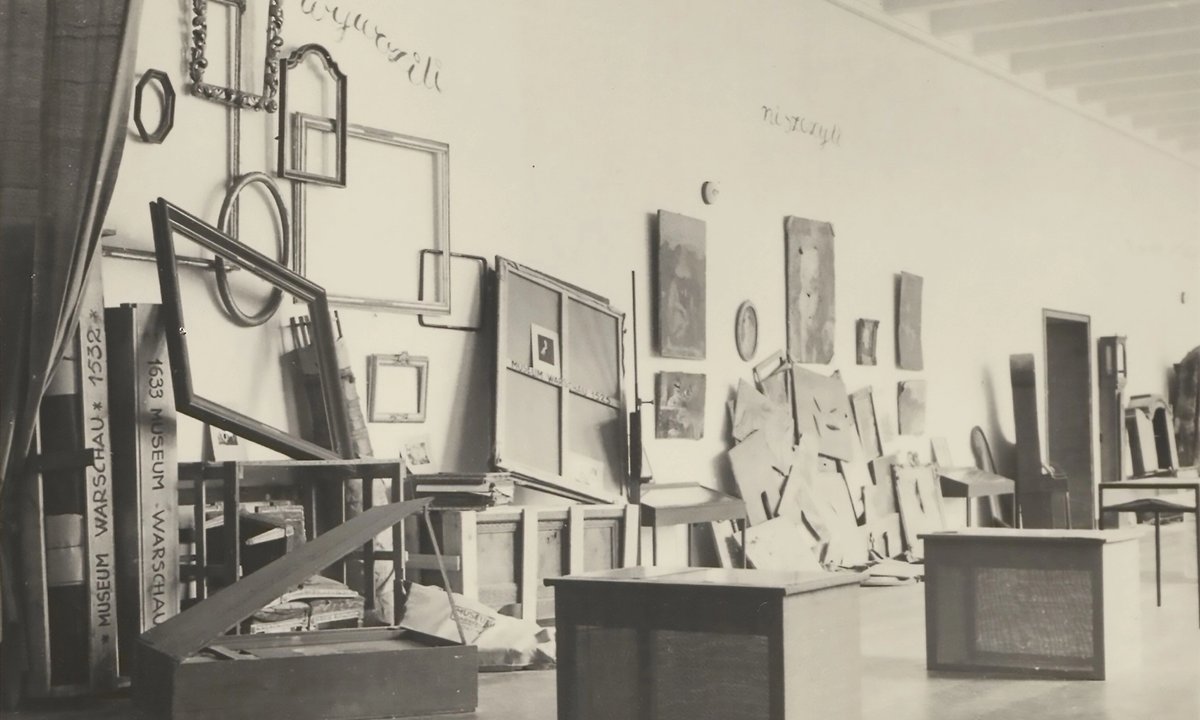
Berlin's Deutsches Historisches Museum has opened an exhibition titled "On Displaying Violence: First Exhibitions on the Nazi Occupation in Europe, 1945-48," which revisits six post-World War II exhibitions that attempted to process the atrocities of the war. These shows took place in venues ranging from the Grand Palais in Paris to a Czech villa formerly occupied by a Nazi official, and included displays such as the UK's Daily Express "The Horror Camps" (1945), the French traveling show "Hitlerian Crimes" (1945), "Warsaw Accuses" (1945) at the National Museum in Warsaw, and "Our Path to Freedom" (1947) at the Bergen-Belsen concentration camp. The Berlin exhibition uses original objects, film footage, photographs, and recordings to recreate the experience of these early post-war shows.
La Seconda guerra mondiale con gli occhi dei grandi fotografi in una mostra a Gorizia

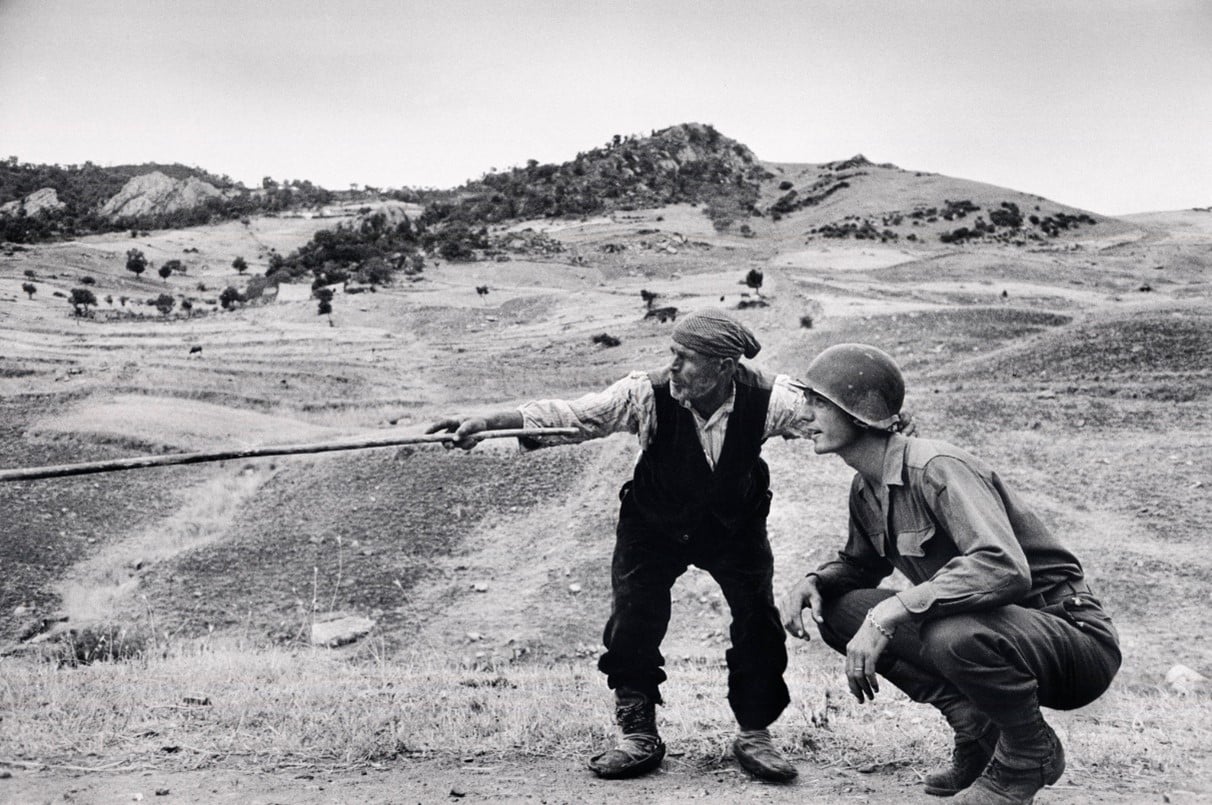
Palazzo Attems-Petzenstein in Gorizia hosts the exhibition "Back to Peace? La guerra vista dai grandi fotografi Magnum," which presents the Second World War and its aftermath through two hundred photographs, video installations, and soundscapes by legendary Magnum photographers. The show features iconic works by Robert Capa, Eve Arnold, Henri Cartier-Bresson, David Seymour, Eric Hartmann, René Burri, Thomas Hoepker, George Rodger, Wayne Miller, and Werner Bischof, covering the Normandy landings, the liberation of Bergen-Belsen, the atomic devastation of Hiroshima, and the return of French prisoners. Curated by Andrea Holzherr and Marco Minuz, the exhibition is divided into two sections: one focusing on wartime imagery and the other on the immediate consequences of the conflict, including the suffering of civilians and the fragile hope of reconstruction.