filter_list Showing 30 results for "Biennale d’Arte" close Clear
search
dashboard All 30 museum exhibitions 17article news 6article culture 3rate_review review 3person people 1
date_range Range Today This Week This Month All
Subscribe

The best and worst we saw at the Venice Art Biennale 2026. Artribune's hits and flops

Il meglio e il peggio che abbiamo visto alla Biennale d’Arte di Venezia 2026. Top e flop di Artribune

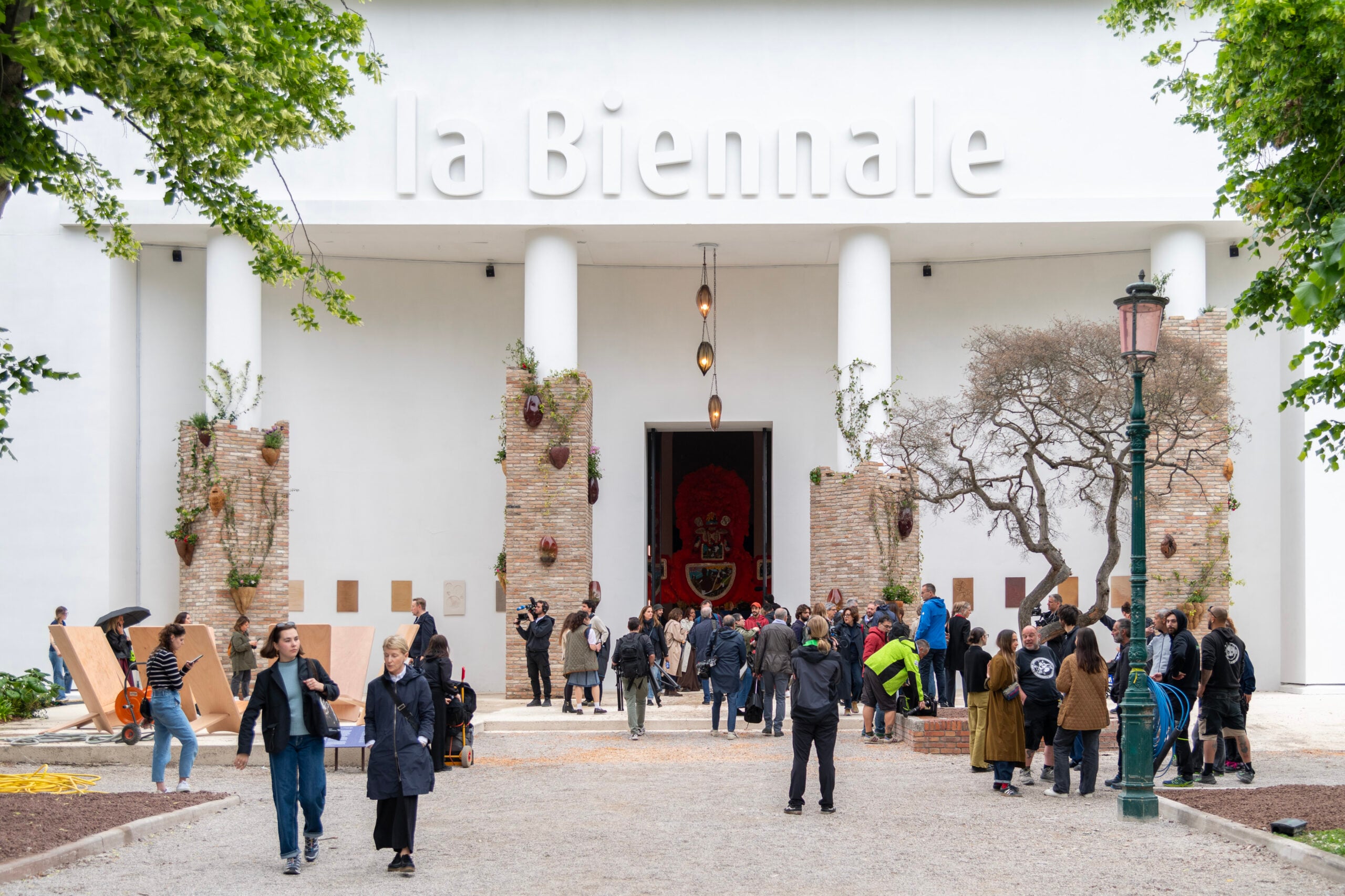
The 61st Venice Biennale, titled "In Minor Keys" and directed by Koyo Kouoh, opened amid significant turmoil: the death of a newly appointed curator, diplomatic tensions over the presence of Russia and Israel, political protests, and the unprecedented collective resignation of the jury, which led to the Golden Lions being awarded by public vote for the first time. Despite this chaotic backdrop, the exhibition—featuring a record 100 national pavilions—has been widely praised for avoiding moralistic pedagogy and instead embracing visual seduction, formal quality, and sensory joy while addressing themes of identity, memory, colonialism, ecological crisis, and violence. The article highlights top and flop moments from the opening week, including strong showings by Biennale president Pietrangelo Buttafuoco and a standout exhibition at Fondazione Prada.
Interview with the artist of the enchanting New Zealand Pavilion at the 2026 Venice Biennale

Intervista all’artista dell’ammaliante Padiglione Nuova Zelanda alla Biennale Arte 2026

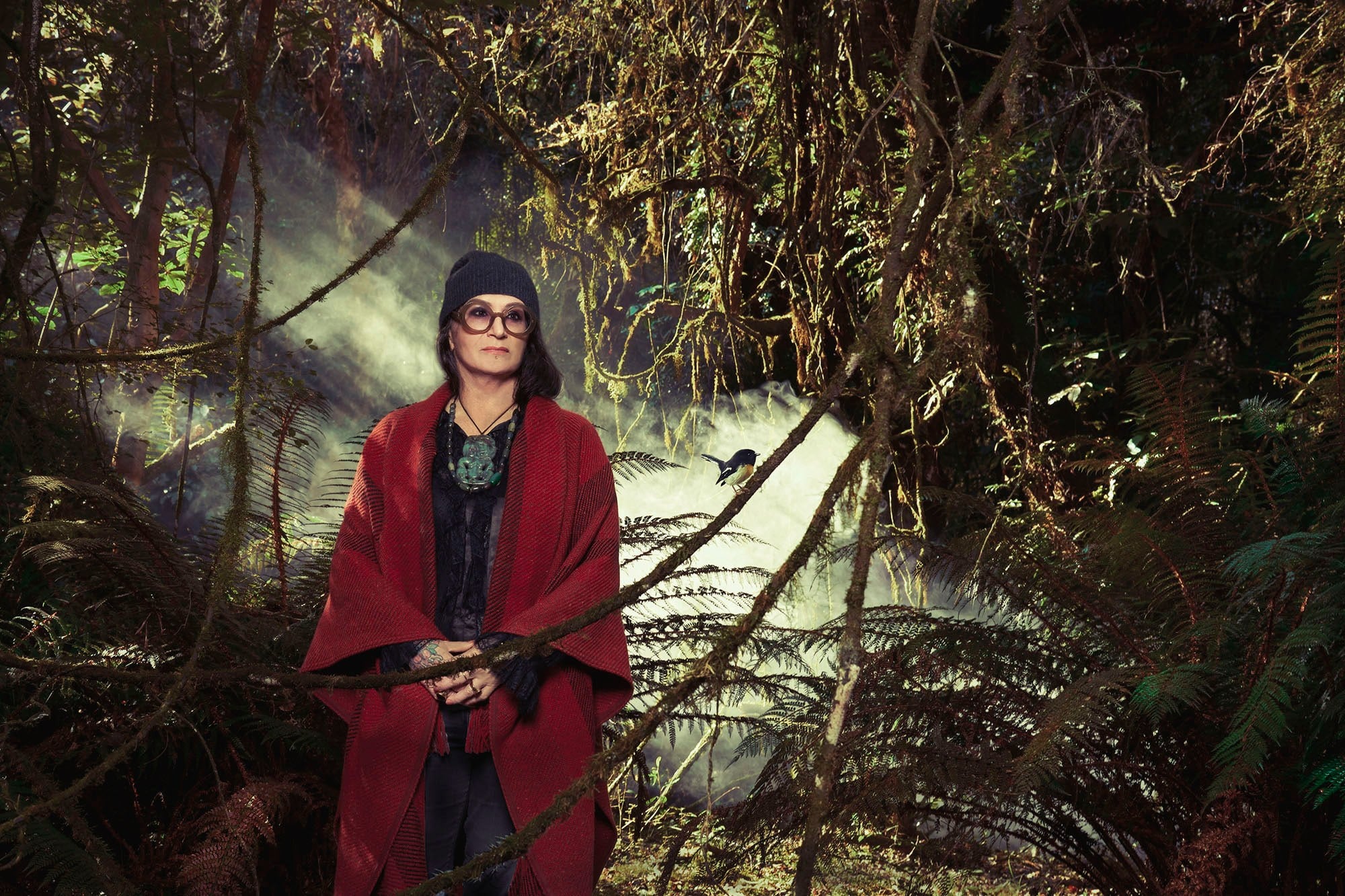
Fiona Pardington, a Māori artist from Devonport (1961), will represent New Zealand at the 2026 Venice Biennale with a deeply spiritual and ecologically conscious installation in the national pavilion. Her project centers on the takahe, a bird long thought extinct, using photography, sound, and immersive space to evoke loss, memory, and transformation. Pardington’s work draws on Ngāi Tahu culture, colonial history, and natural history, featuring a taxidermied takahe specimen from the British Museum that she re-photographed and chromatically restored.

Here is the first and for now only interview with the curators of the 2026 Venice Art Biennale

Ecco la prima e per ora unica intervista ai curatori della Biennale d’Arte di Venezia 2026

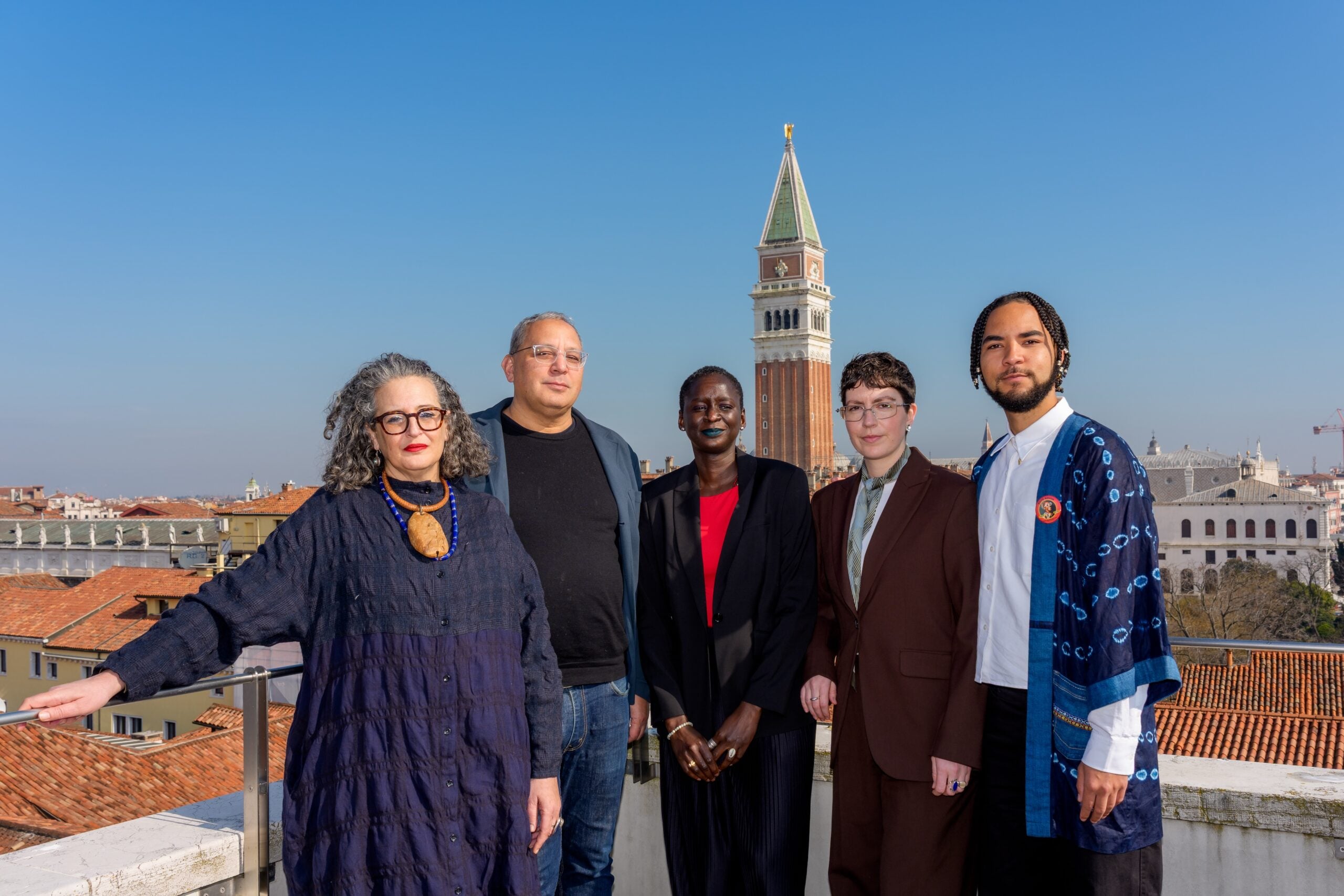
The team of the late curator Koyo Kouoh has completed the 61st International Art Exhibition of the Venice Biennale, titled "In Minor Keys," which opens to the public on May 9, 2026. In an exclusive interview, curators Gabe Beckhurst Feijoo, Marie Helene Pereira, Rasha Salti, Siddhartha Mitter, and Rory Tsapayia discuss the challenges of realizing Kouoh's vision after her death, including fundraising, installation design by Wolff Architects of Cape Town, and the use of cardboard as a non-invasive material to create thresholds between spaces.

The Jury of the 2026 Venice Art Biennale Will Be Completely Composed of Women

La giuria della Biennale d’Arte di Venezia 2026 sarà tutta composta da donne

The organizing body of the Venice Biennale has announced the international jury for its 61st International Art Exhibition, titled 'In Minor Keys.' For the first time, the five-member jury is composed entirely of women: Solange Oliveira Farkas (president), Zoe Butt, Elvira Dyangani Ose, Marta Kuzma, and Giovanna Zapperi. They will award the prestigious Golden Lions and special mentions during the awards ceremony on May 9.

Fondazione Bvlgari Bets on the Venice Biennale: Beyond the Pavilion in the Giardini, an Exhibition at the Biblioteca Marciana

Fondazione Bvlgari scommette sulla Biennale di Venezia: oltre al padiglione ai Giardini, una mostra alla Biblioteca Marciana

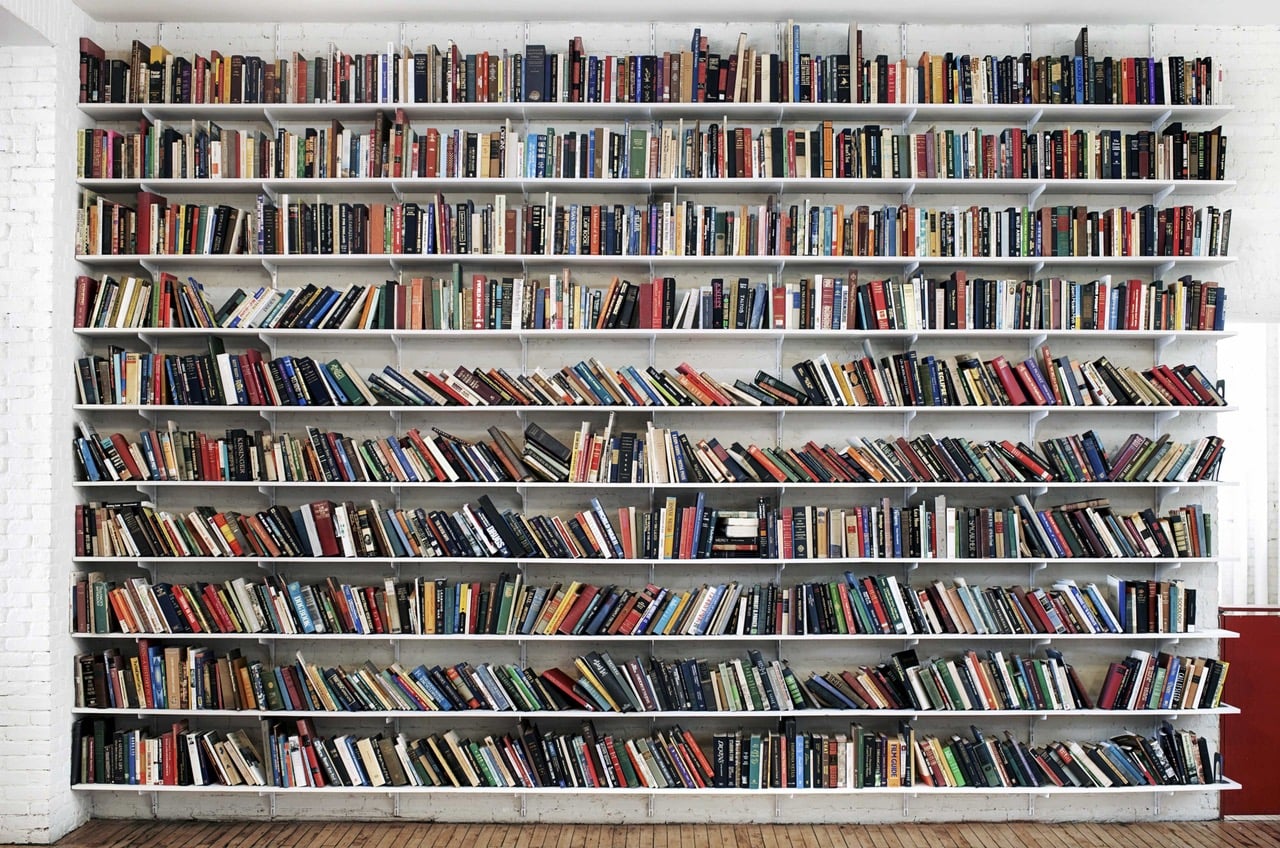
Fondazione Bvlgari is making its debut at the Venice Biennale with a collateral exhibition at the Biblioteca Nazionale Marciana, featuring site-specific works by Monia Ben Hamouda and Lara Favaretto. The show runs from May 9 to November 22, 2025, alongside the 61st International Art Exhibition. Ben Hamouda presents 'Fragments of Fire Worship,' neon sculptures in the Vestibule that explore language and cultural heritage, while Favaretto installs the final edition of 'Momentary Monument – The Library' in the Salone Sansovino, inviting public consultation of donated books. Additionally, Bvlgari has a pavilion in the Giardini featuring Canadian artist Lotus L. Kang, as part of a three-edition partnership with the Biennale through 2030.

The 10 best pavilions to see at the 2026 Venice Art Biennale. Artribune's top ten

I 10 migliori padiglioni da vedere alla Biennale d’Arte di Venezia 2026. La top ten di Artribune

Artribune presents its top ten must-see national pavilions at the 2026 Venice Biennale, which features a record 100 participating countries. The article highlights standout projects including Greece's escape room by Andreas Angelidakis critiquing nationalist populism, Belgium's participatory dance installation by Miet Warloop, and Canada's greenhouse-like pavilion by Abbas Akhavan exploring colonial botany. The Biennale, curated by Koyo Kouoh under the theme "In Minor Keys," is marked by last-minute jury resignations leading to public voting for the Golden Lions, as well as protests over the participation of Russia and Israel.

Kazakhstan's creative industry accelerates. A new foundation supporting the art scene emerges

L’industria creativa del Kazakhstan accelera. Spunta una nuova fondazione che sostiene la scena artistica

A new private foundation called TOVA Foundation, based in Geneva, has been established to promote contemporary art from Central Asia, specifically focusing on Kazakhstan's art scene. The foundation debuted at the Venice Biennale with an exhibition titled "Trading Treasures" featuring Kazakh artists Saule Suleimenova and Sayan Baigaliyev at Casa dei Tre Oci. The initiative is backed by Togzhan Wertheimer, a Kazakh-born entrepreneur and philanthropist connected to the fashion industry through her husband David Wertheimer, and includes a board with figures like Tatiana de Pahlen and art consultant Jean-Olivier Despres. The foundation's curator is Vladislav Sludskiy, who previously worked at Ethan Cohen Gallery and co-founded the ARTBAT FEST and Eurasian Cultural Alliance.

The Craziest Venice Biennale Ever: One Week Before Opening, the Jury Resigns (The Public Will Decide the Lions!)

La Biennale di Venezia più pazza di sempre: a una settimana dall’apertura si dimette la giuria (I Leoni li deciderà il pubblico!)

The entire international jury of the 61st Venice Biennale has resigned en masse just one week before the opening. The jury, chaired by Solange Oliveira Farkas and including Zoe Butt, Elvira Dyangani Ose, Marta Kuzma, and Giovanna Zapperi, had publicly announced they would not consider countries whose leaders are accused of crimes against humanity by the International Criminal Court—effectively excluding Russia and Israel from the Golden Lion competition. This decision came amid ongoing tensions between Italian Culture Minister Alessandro Giuli and Biennale President Pietrangelo Buttafuoco over Russia's participation, as well as controversy surrounding Israel's presence. After a meeting with Buttafuoco, the jury resigned, leaving the Biennale without a key body to award its top prizes.

There is an absent pavilion at the 2026 Venice Art Biennale that no one has talked about: Venezuela

C’è un padiglione assente alla Biennale d’Arte di Venezia 2026 di cui nessuno ha parlato: il Venezuela

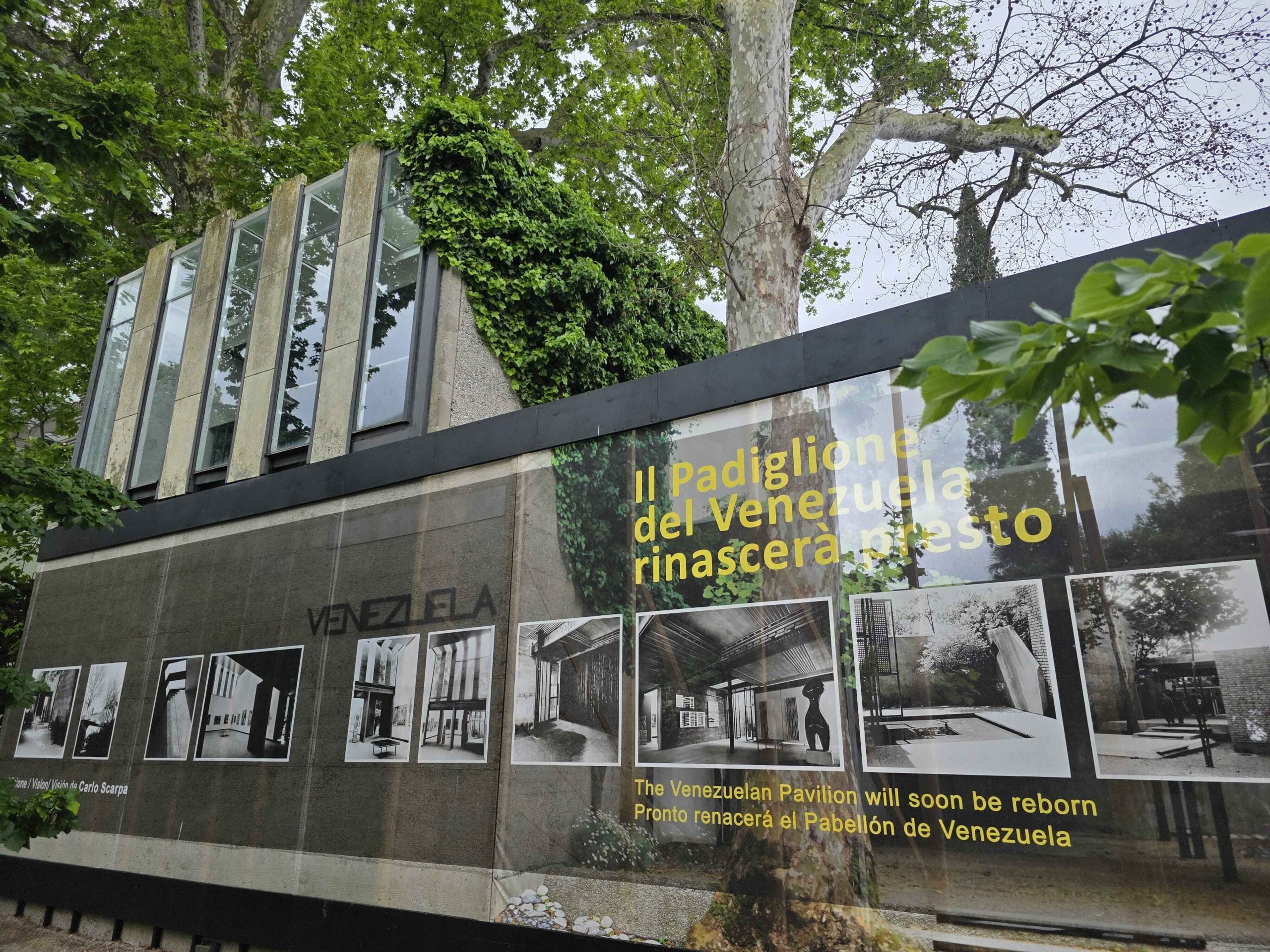
The Venezuelan pavilion at the 2026 Venice Art Biennale remains closed, an absence that has gone largely unnoticed amid other controversies surrounding the Russian, Israeli, South African, and Iranian pavilions. Designed by architect Carlo Scarpa and built between 1953 and 1956, the pavilion now displays a trilingual sign stating it will "rise again soon," reflecting the country's collapse after the kidnapping and imprisonment of President Nicolás Maduro by the United States and the installation of a fragile pro-American interim government.

Body as Device. Guide and Reflection on the Performances of the Venice Biennale

Corpo come dispositivo. Guida e riflessione sulle performance della Biennale di Venezia

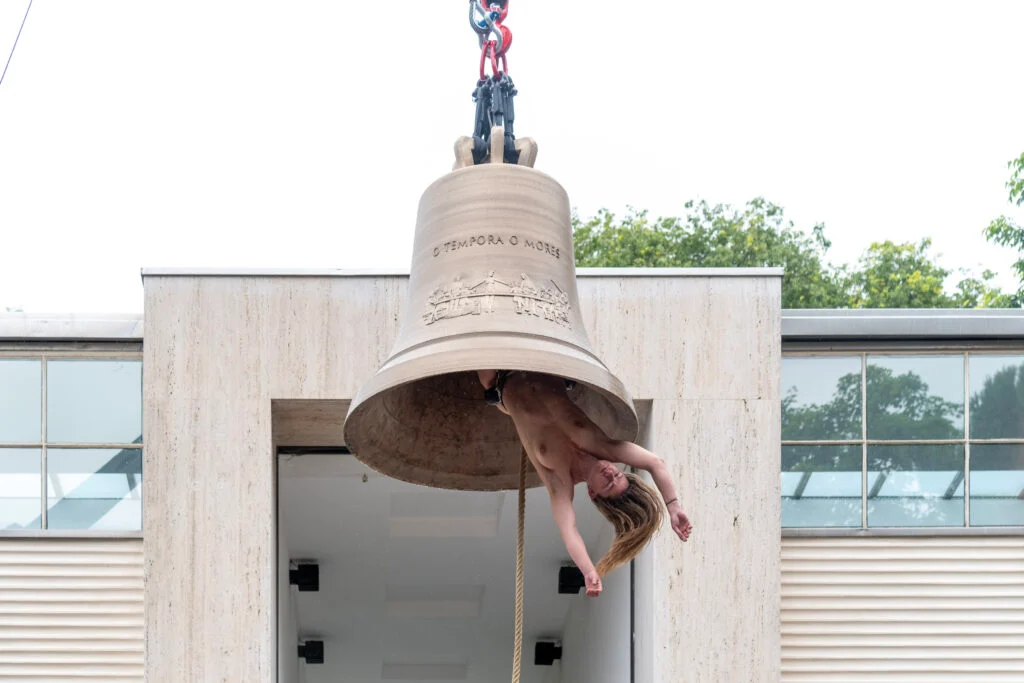
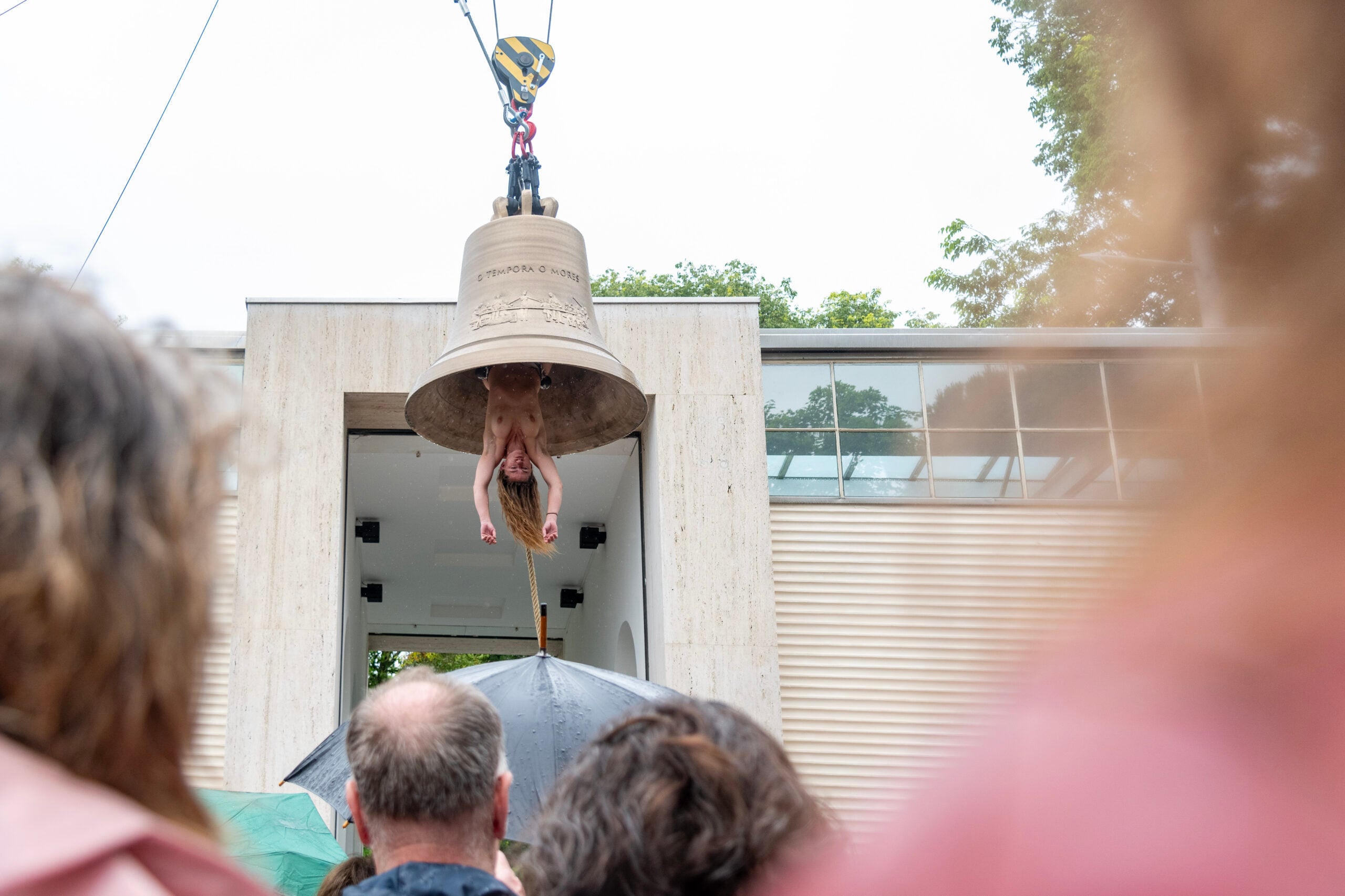
The article analyzes the role of performance art at the 2026 Venice Biennale, arguing that performance is no longer a rediscovered genre but a structurally institutionalized primary form of experience production. It examines how the body reemerges not as an alternative to image-based works but as an internal interruption of the artwork system, preventing closure and reintroducing instability. Key pavilions are discussed: Austria's Florentina Holzinger with "Sancta" draws on 1970s radical performance and feminist body art, creating an immersive environment of continuous movement; Belgium's Miet Warlop with "IT NEVER SSST" engages post-dramatic theater and postmodern dance repetition; Japan's Ei Arakawa-Nash with "Grass Babies, Moon Babies" activates Gutai avant-garde legacies through viewer interaction with soft dolls.

L’artista Kader Attia ci racconta la sua opera alla Biennale di Venezia 2026. L’intervista

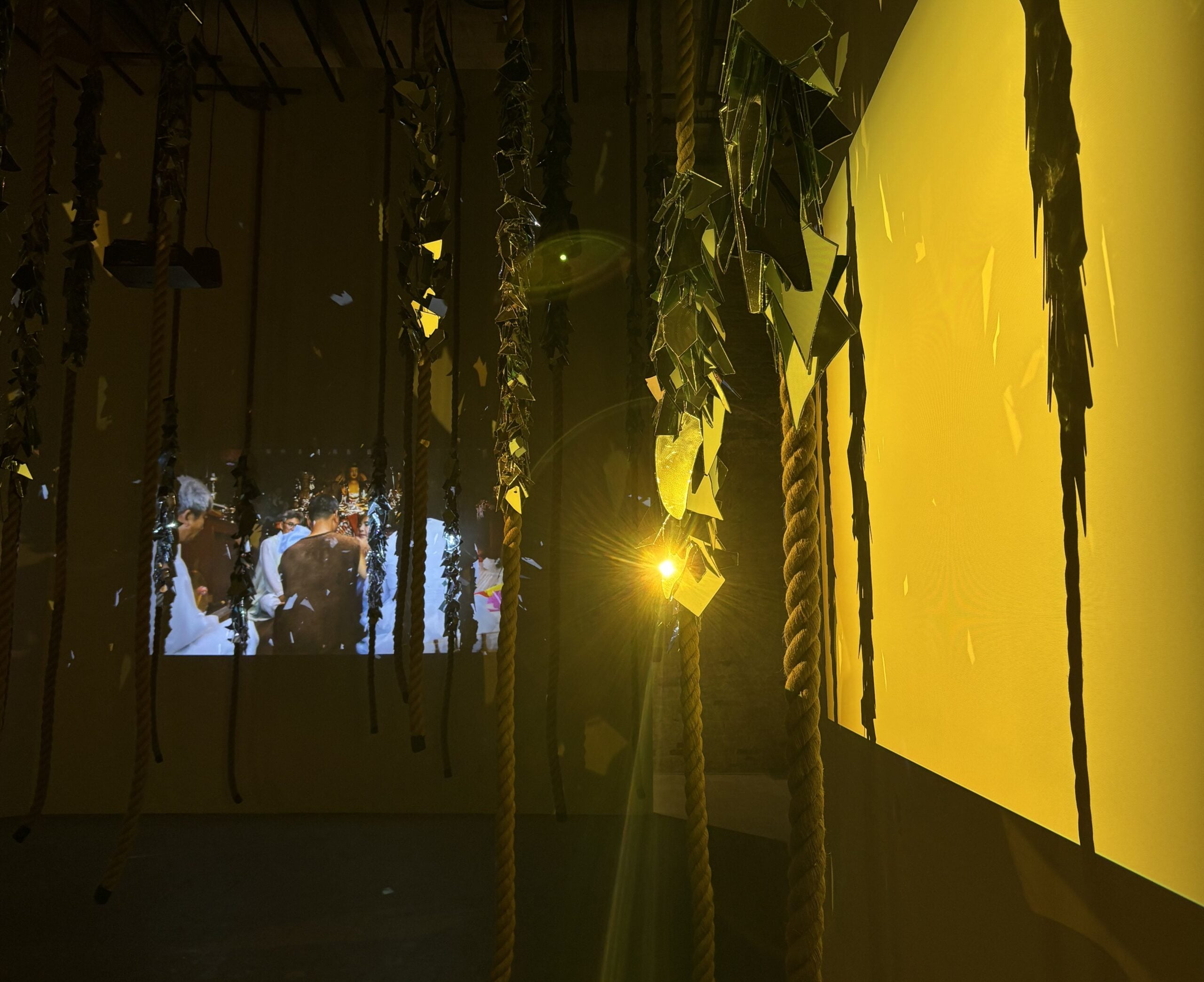
Kader Attia presents his multimedia installation "Whisper of Traces" at the 2026 Venice Biennale, curated by Koyo Kouoh under the theme "In Minor Keys." The work explores the intersections of magic, spirituality, traditional healing, and digitalization, drawing on Attia's long-standing interest in how colonialism, neoliberalism, and technology have transformed shamanic and healing practices. Attia describes the project as an accumulation of psychic traces from human history, which his mother called "ghosts."

At the 2026 Venice Biennale, pavilions shut down for pro-Palestine strike. The map of protests

Alla Biennale di Venezia 2026 serrata dei padiglioni per sciopero pro Palestina. La mappa delle proteste

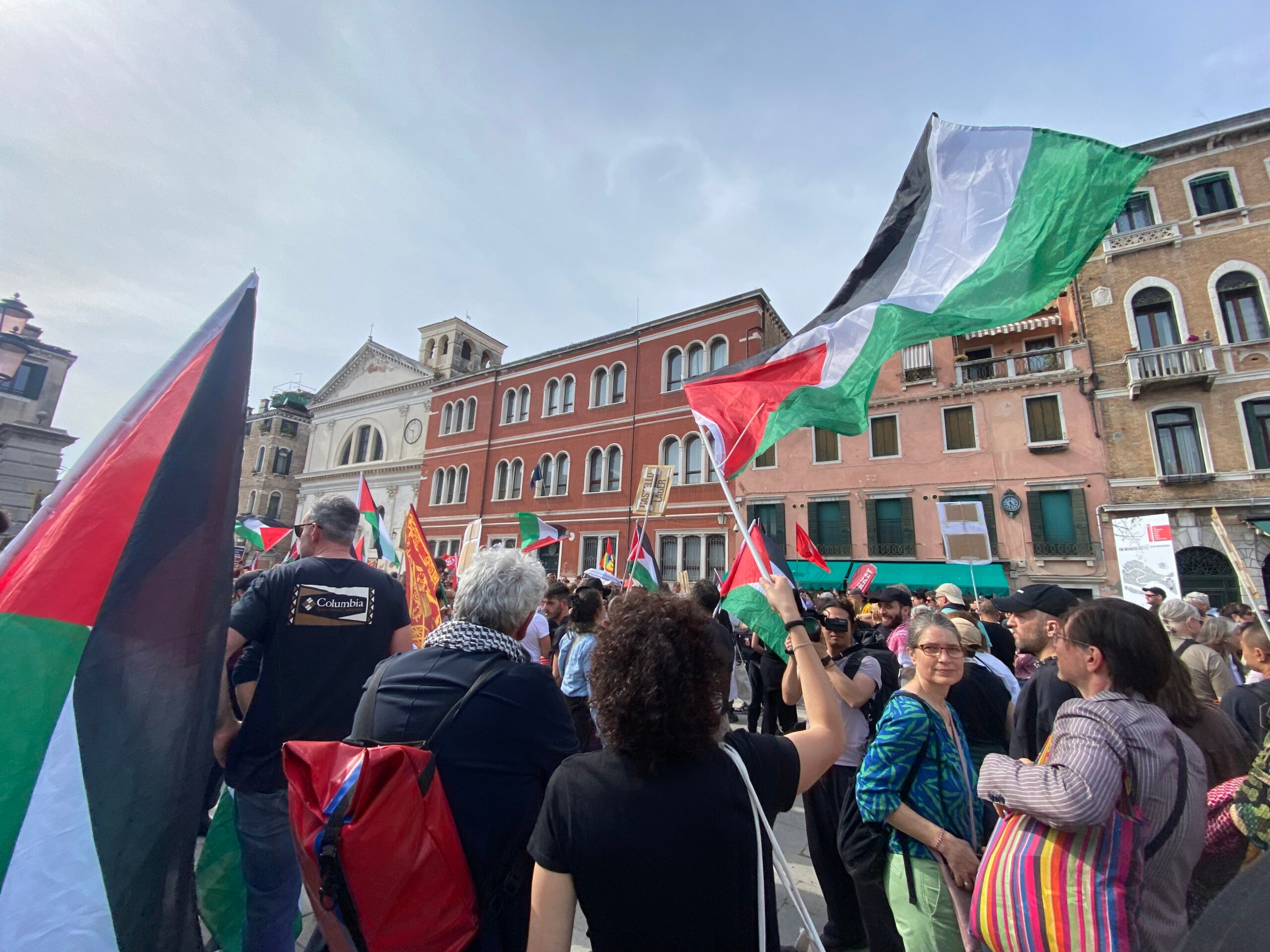
On May 8, 2026, the third VIP preview day of the 61st Venice Biennale, a massive strike shut down numerous national pavilions and disrupted the exhibition. Led by the Art Not Genocide Alliance (Anga), the protest demands Israel's exclusion from the Biennale over allegations of genocide in Palestine, and also targets poor labor conditions in the cultural sector. Pavilions closed one after another due to staff shortages, and protest posters appeared around artworks at the Giardini and Arsenale. The strike involved the Biennale Foundation itself, along with about twenty contractors managing services and national pavilions, with unions Adl Cobas, USB Lavoro privato, and Cub supporting the action. Tensions rose when the UK Pavilion reportedly replaced striking staff to remain open, and the Foundation issued a statement falsely denying that its employees were covered by the strike.

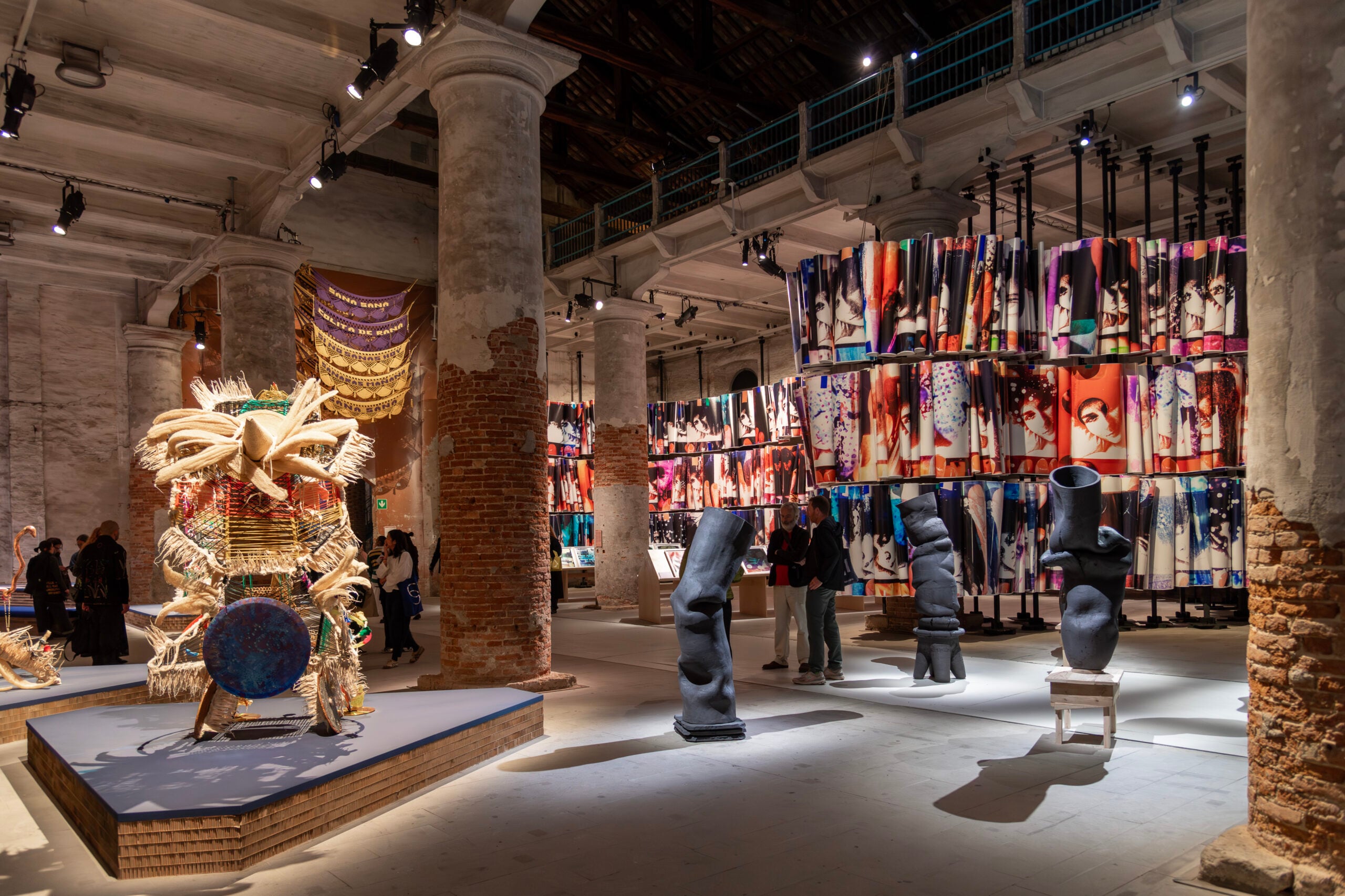
The 2026 Venice Biennale is light and conscious

Quella del 2026 è una Biennale di Venezia leggera e consapevole

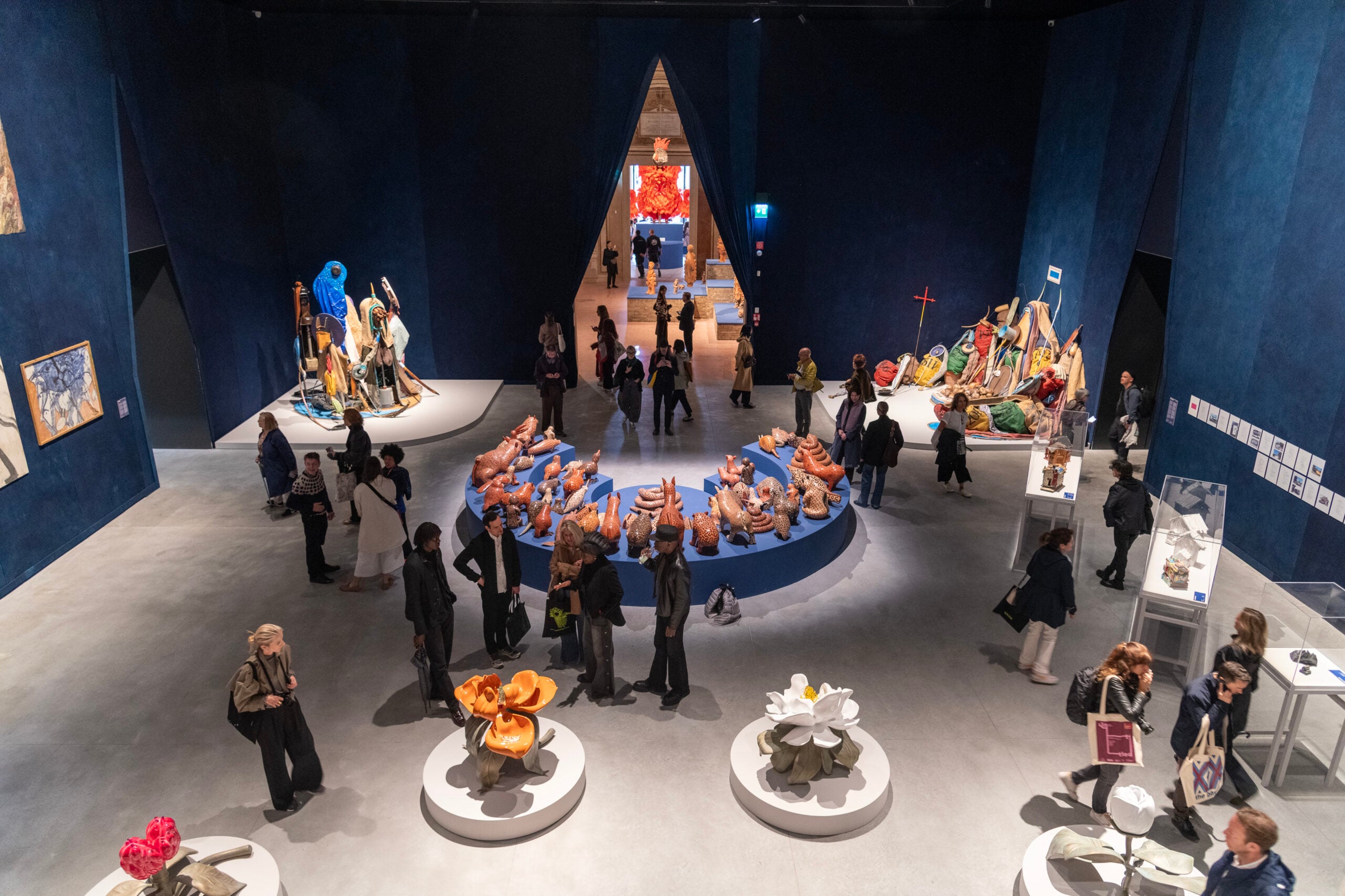
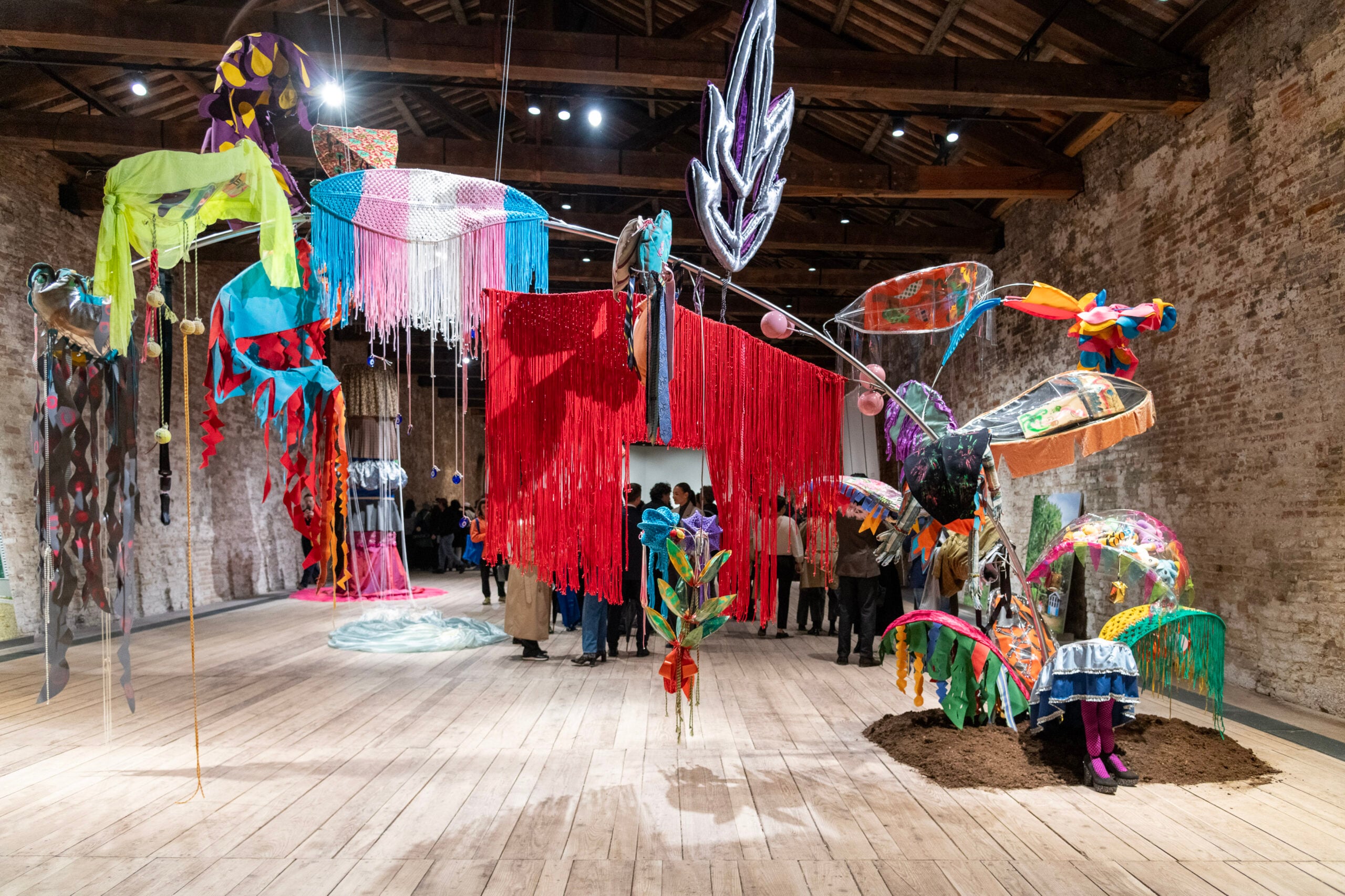
The 2026 Venice Biennale, titled "In Minor Keys" and curated by the late Koyo Kouoh, has opened with a focus on ecology and humanity's relationship with nature. The central pavilion at the Giardini presents a festive, craft-heavy exhibition that emphasizes connections with plants and animals, while the Arsenale offers a more spacious, symphonic experience featuring standout works such as Alfredo Jaar's "End of the World" (2023-2024) and Kader Attia's "Whisper of Traces" (2026). National pavilions, including those of Austria, Denmark, France, Germany, and Spain, explore themes of the body, memory, and ruin with notable installations.

Pussy Riot and FEMEN protest at the Russian Pavilion at the Venice Biennale. "Blood is the true language of Russia"

Le Pussy Riot e le FEMEN in protesta al Padiglione russo alla Biennale di Venezia. “Il sangue è il vero linguaggio della Russia”

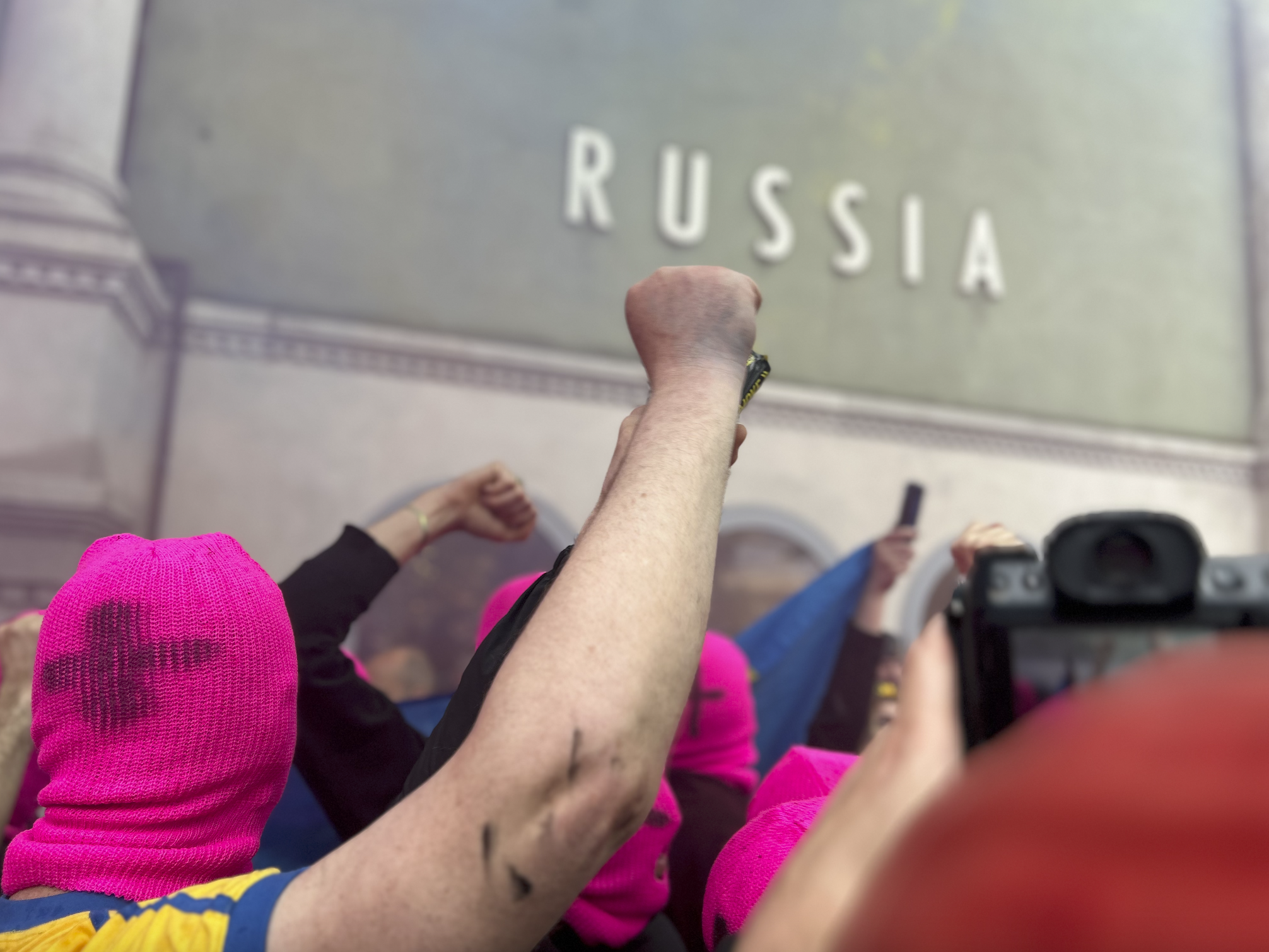
On May 6, 2026, during the preview days of the 61st Venice Biennale, Pussy Riot and FEMEN staged a joint protest outside the Russian Pavilion. Led by Nadya Tolokonnikova, the activists denounced Russia's participation in the Biennale as a form of political normalization while the war in Ukraine continues. The action included chants and slogans such as "Russia kills, Biennale exhibits. Blood is Russia's art," and targeted the Russian ambassador present inside the pavilion. The protest was unannounced and caught Biennale security off guard, drawing a crowd of journalists, visitors, and art professionals.

What is the international exhibition of the Venice Biennale like? Review of "In minor keys" by Koyo Kouoh

Com’è la mostra internazionale della Biennale di Venezia? Recensione di “In minor keys” di Koyo Kouoh

The 2026 Venice Biennale, titled "In minor keys" and curated by the late Koyo Kouoh, opens to the public on May 9 amid controversies including the absence of the president's name in the colophon at the Arsenale entrance. The exhibition, organized by Kouoh's team (Rory Tsapayi, Siddharta Mitter, Marie Helene Pereira, Gabe Beckhurst Feijoo, and Rasha Salty), unfolds across the Giardini and the Arsenale's Corderie, featuring works that balance strength and beauty with a harmonious mix of voices and themes. The Giardini section is particularly compelling, with a non-linear, polycentric layout that feels like a living organism, while the Arsenale offers further depth.

This unpublished comic tries to tell us what the Biennale of the future will be like

Questo fumetto inedito prova raccontarci come sarà la Biennale del futuro

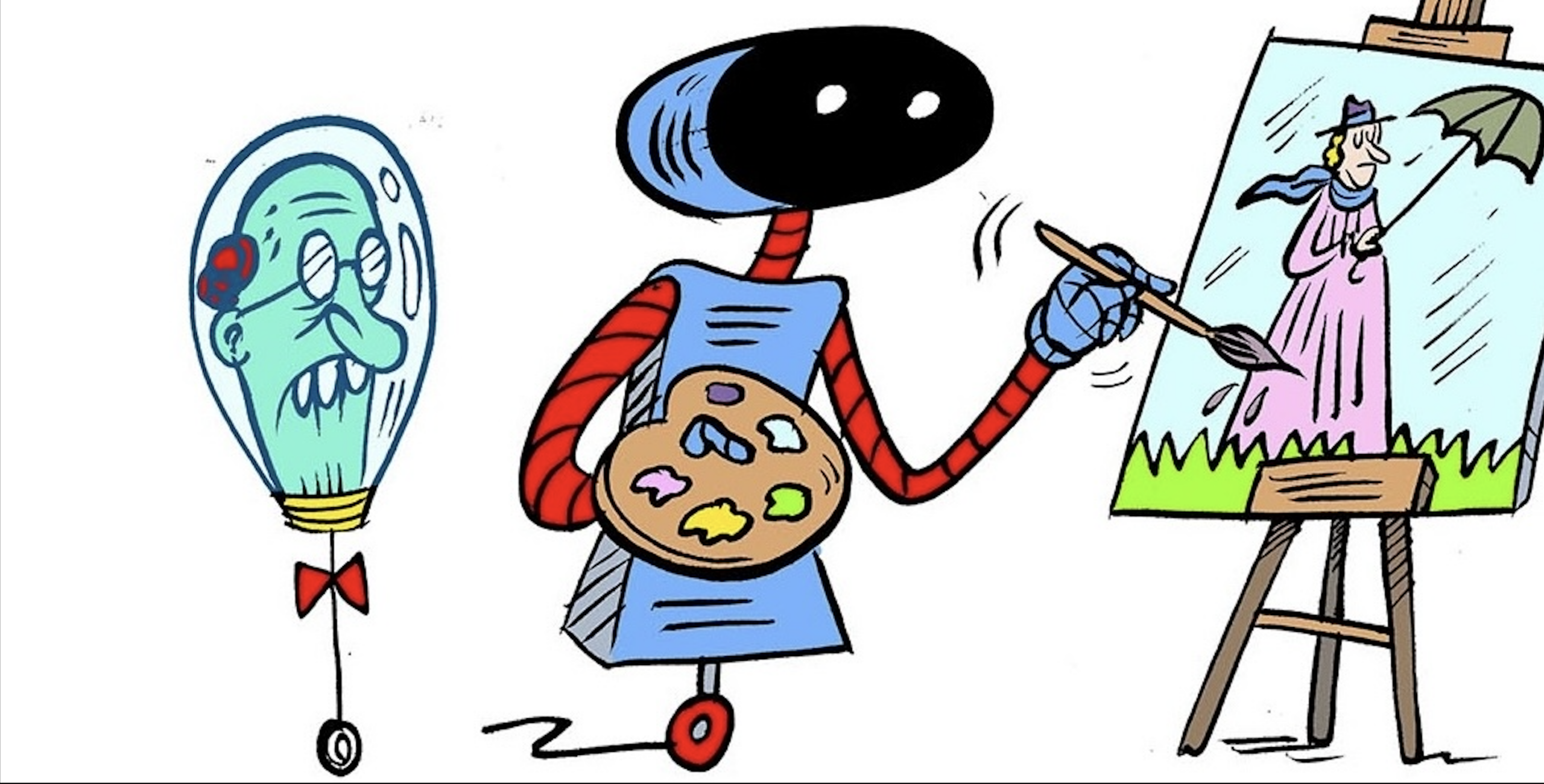
Hurricane (Ivan Manuppelli), a leading figure in Italian underground comics, creates an original comic titled "Biennale 2126" for Artribune, imagining what the Venice Biennale might look like in the future. In an accompanying interview, he discusses his satirical approach, the enduring relevance of underground comics, and the importance of critiquing power through art.

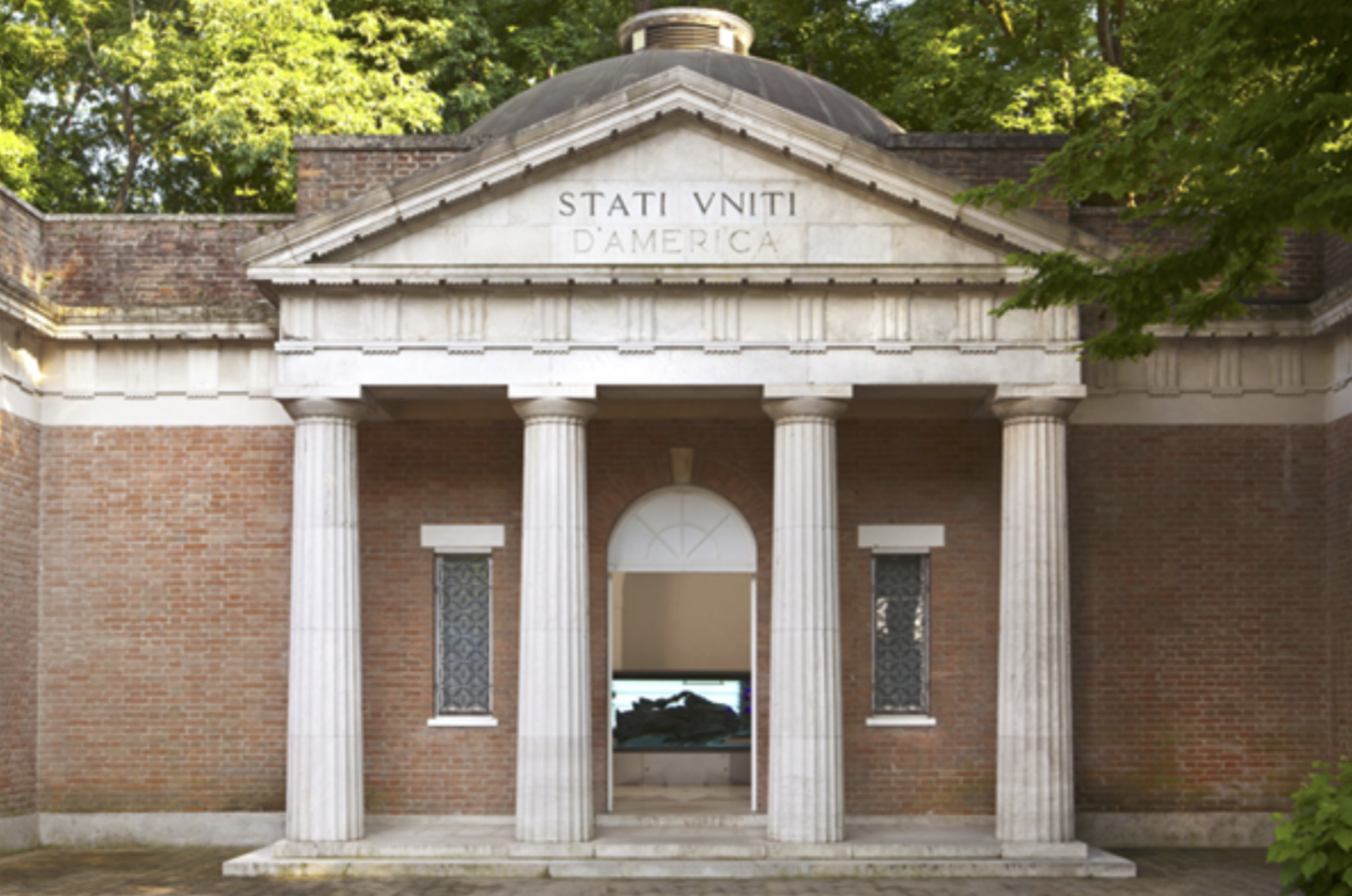
The Biomorphic Sculptures of Alma Allen in the U.S. Pavilion at the 2026 Venice Art Biennale (Amid Controversy)

Le sculture biomorfiche di Alma Allen nel Padiglione USA alla Biennale d’Arte di Venezia 2026 (tra le polemiche)

Alma Allen, a self-taught American sculptor, has been selected to represent the United States at the 61st Venice Biennale in 2026 with the exhibition "Call Me the Breeze." The pavilion, curated by Jeffrey Uslip, will feature site-specific biomorphic sculptures that explore the concept of "elevation" through a hybrid creative process combining pre-industrial carving and hand-modeling with advanced robotic sculpting. Works will incorporate local American materials such as walnut burl, Cantera green volcanic rock, and Yule marble from Colorado, and the pavilion is tied to America250, the celebration of the 250th anniversary of the U.S. Declaration of Independence.

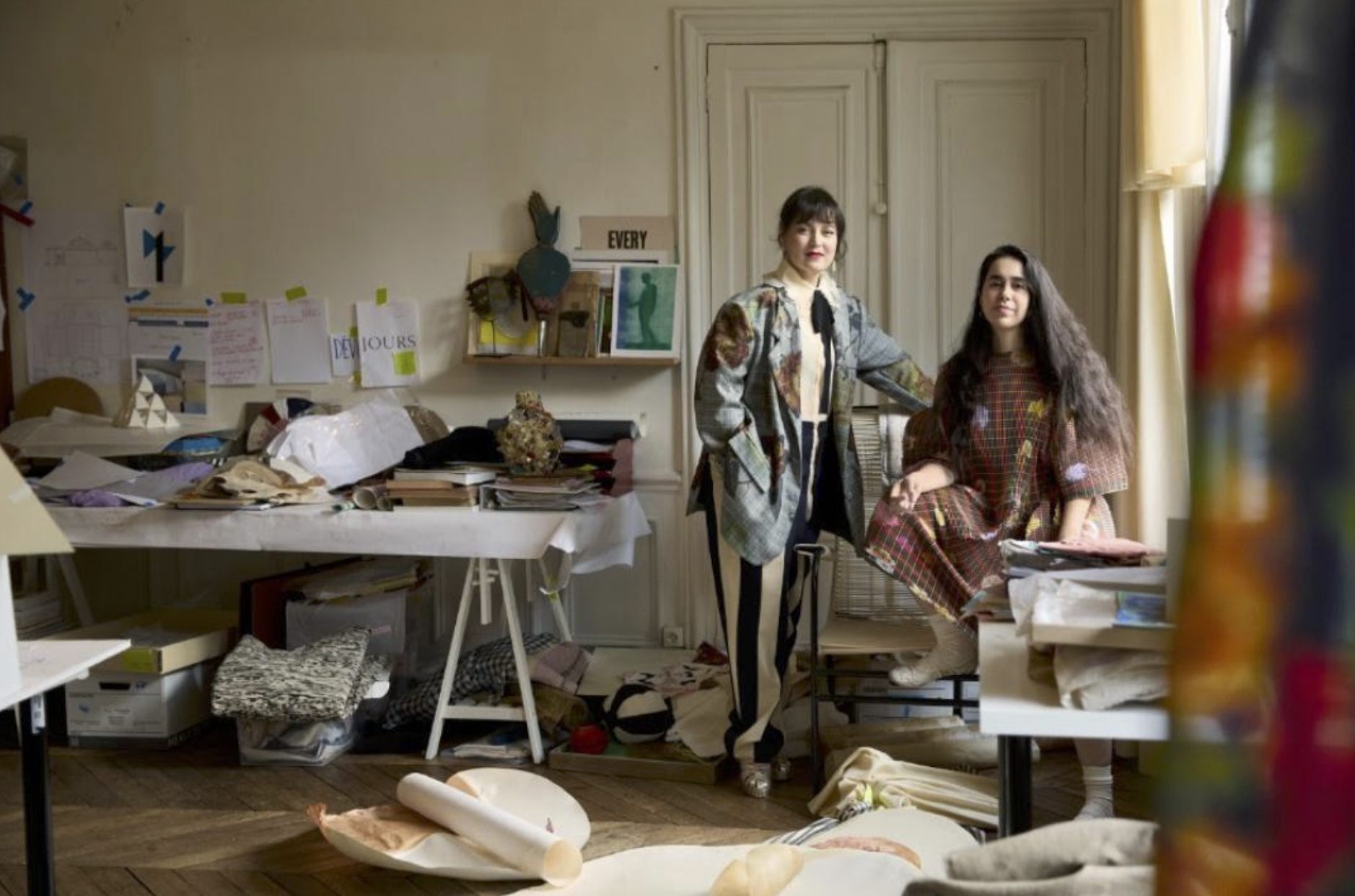
France reopens its historic pavilion at the 2026 Venice Art Biennale after restorations with artist Yto Barrada

La Francia riapre il suo storico padiglione alla Biennale Arte 2026 dopo i restauri con l’artista Yto Barrada

France will reopen its historic pavilion at the 61st Venice Biennale (May 9–November 22, 2026) after restoration, with Franco-Moroccan artist Yto Barrada (b. 1971) presenting the immersive textile-based project "Comme Saturne," curated by Myriam Ben Salah. The exhibition uses the "dévoré" technique—acid selectively corrodes fabric—as a metaphor for destruction and creation, featuring a goat-skin kite, a Room of Folds with wool drapery that fades in natural light, a Laboratory inspired by Saturnalia, and a Study Room linked to Barrada's garden of dye plants in Tangier, culminating in the Room of the Devoured where chemically attacked material fragments into an aesthetic of wear and formlessness.

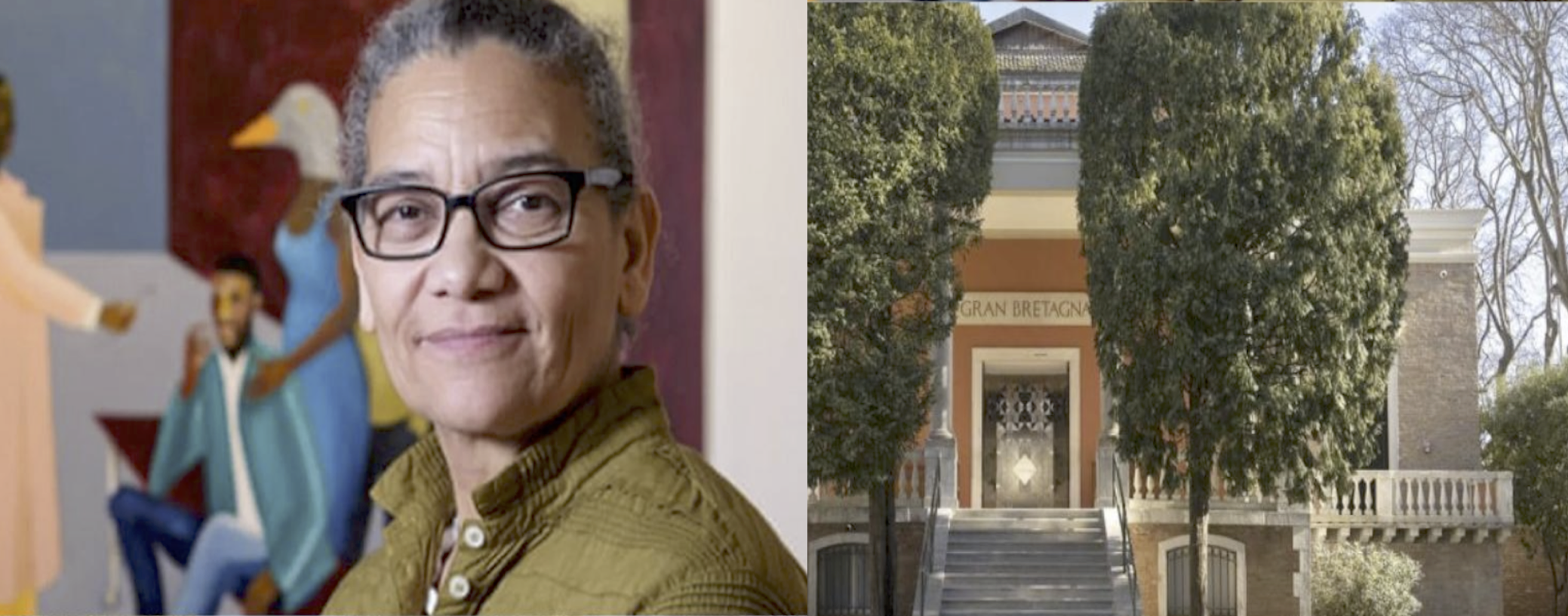
Il Padiglione della Gran Bretagna alla Biennale d’Arte di Venezia 2026 spiega cos’è l’appartenenza

The British Council has selected artist Lubaina Himid to represent Great Britain at the 2026 Venice Biennale. Her exhibition, titled "Predicting History: Testing Translation," will transform the British Pavilion into a large-scale installation exploring belonging, displacement, and the recreation of home in new contexts. Created in collaboration with artist Magda Stawarska, the show features multi-panel paintings and a surreal soundscape that engages with the neoclassical architecture of the pavilion. Himid, a Turner Prize winner and pioneer of the Black British Art Movement, focuses on cultural memory and identity, challenging Eurocentric narratives and highlighting overlooked Black figures in Western history.

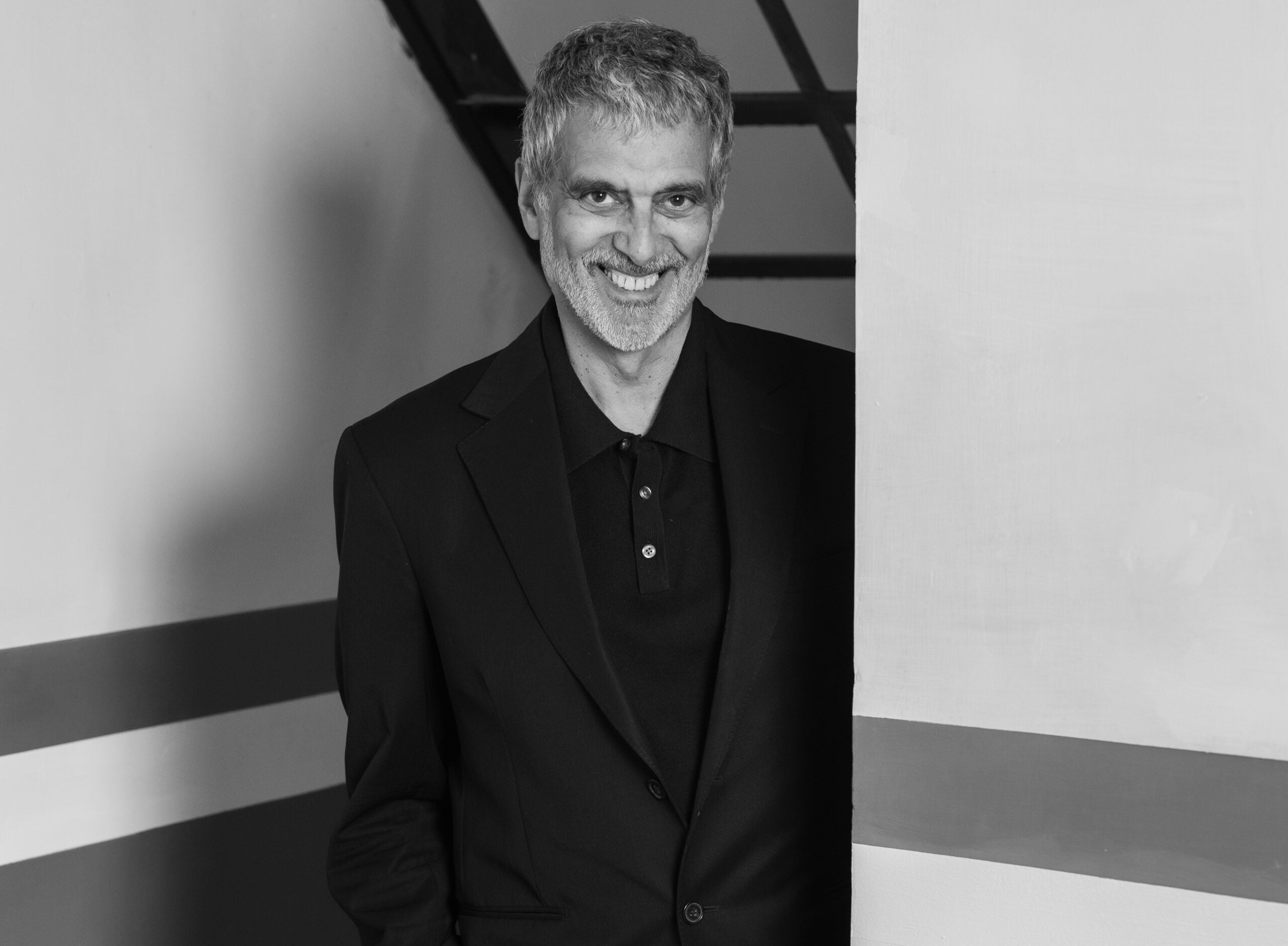
Interview to discover Theo Eshetu, the only Italian artist at the 2026 Venice Biennale

Intervista per scoprire Theo Eshetu, unico artista italiano alla Biennale di Venezia 2026

Theo Eshetu (London, 1958), the only Italian artist invited to the central exhibition "In Minor Keys" of the 2026 Venice Biennale curated by Koyo Kouoh, is profiled in an interview. Born to an Ethiopian father and Dutch mother, Eshetu trained in the Netherlands and London before settling in Rome in the early 1980s. He discusses his cosmopolitan background, his early struggles with belonging, and how he transformed that into artistic strength. The interview covers his career, his memories of the Roman art scene in the 1980s and 1990s, and his current work presented at the Biennale, including the piece "The Return of the Axum Obelisk" (2010).

The Austrian Pavilion at the Biennale brings performances and installations around the Venice Lagoon

Il Padiglione Austria in Biennale porta performance e installazioni in giro per la Laguna di Venezia

Austrian artist and choreographer Florentina Holzinger (Vienna, 1986) will represent Austria at the 61st International Art Exhibition of the Venice Biennale with a project titled "SeaWorld Venice." Curated by Nora-Swantje Almes, the interdisciplinary initiative combines a permanent installation at the Austrian Pavilion with a series of site-specific performances and actions spread across Venice and its lagoon. The project explores the body, water, and the tensions between nature and technology, drawing on mythological and classical imagery populated by aquatic creatures. It includes "Études," performative formats developed by Holzinger since 2020, which activate urban spaces through participatory and immersive experiences, engaging both spectators and citizens.

In Venice, an unprecedented space in the Arsenale opens to the public for the first time. It will host performances.

A Venezia apre al pubblico per la prima volta uno spazio inedito dell’Arsenale. Ospiterà performance

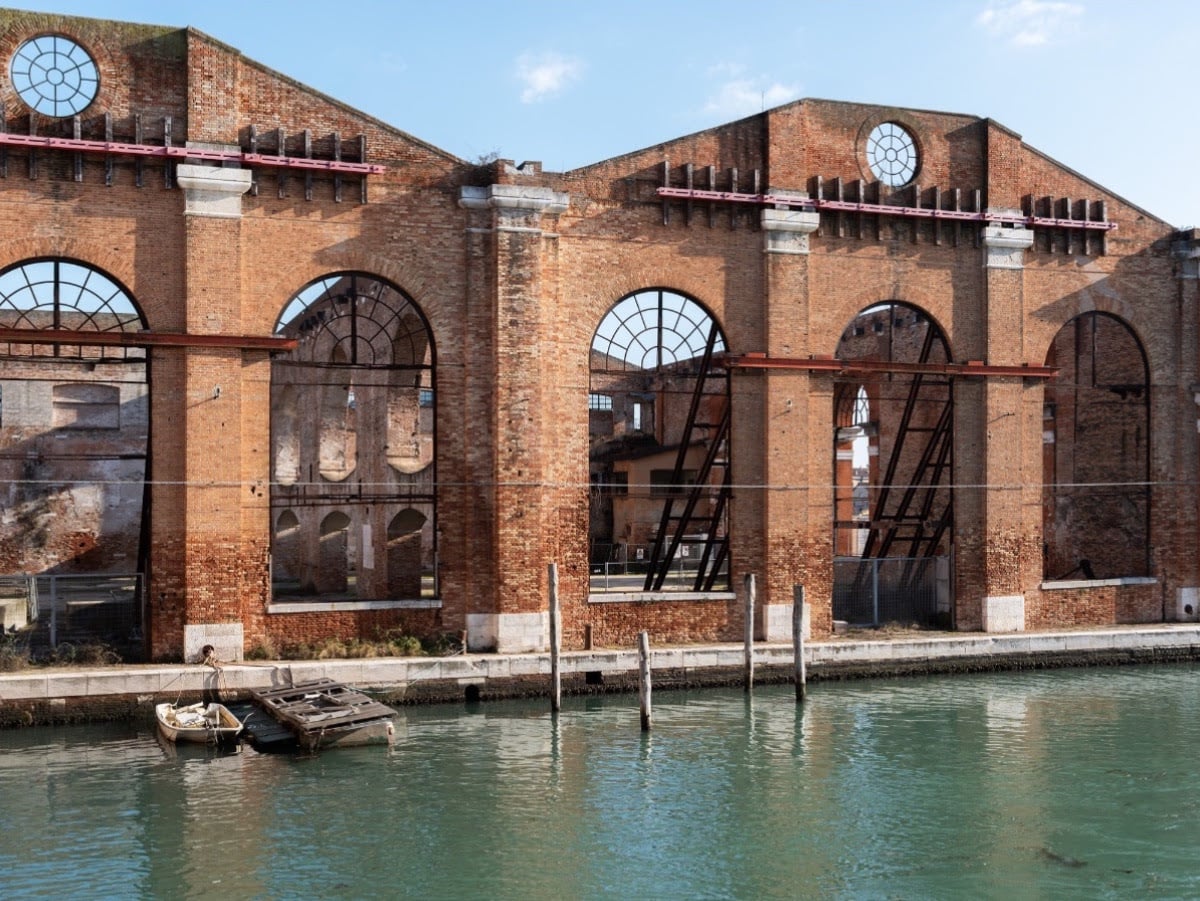
For the first time, the Galeazze—historically used for constructing the Serenissima fleet—will open to the public during the 2026 Venice Art Biennale on May 5 and 6. Artist and choreographer Faustin Linyekula has conceived a site-specific performance titled The Galeazze Project, activating the monumental, water-adjacent spaces of the Arsenale Nord. Collaborating with musician Heru Shabaka-Ra, Linyekula integrates the architecture into the performance, involving local performers and musicians. The project, conceived by Cosimo Ferrigolo and Dirk Bell and curated by Edoardo Lazzari, features scaffolding, platforms, and an irregular lighting system, inviting the audience to move freely and redefine the relationship between bodies and space.

The Language Beyond the Human in the Surprising Polish Pavilion at the 2026 Venice Biennale. The Interview

Il linguaggio oltre l’umano nel sorprendente Padiglione Polonia alla Biennale di Venezia 2026. L’intervista

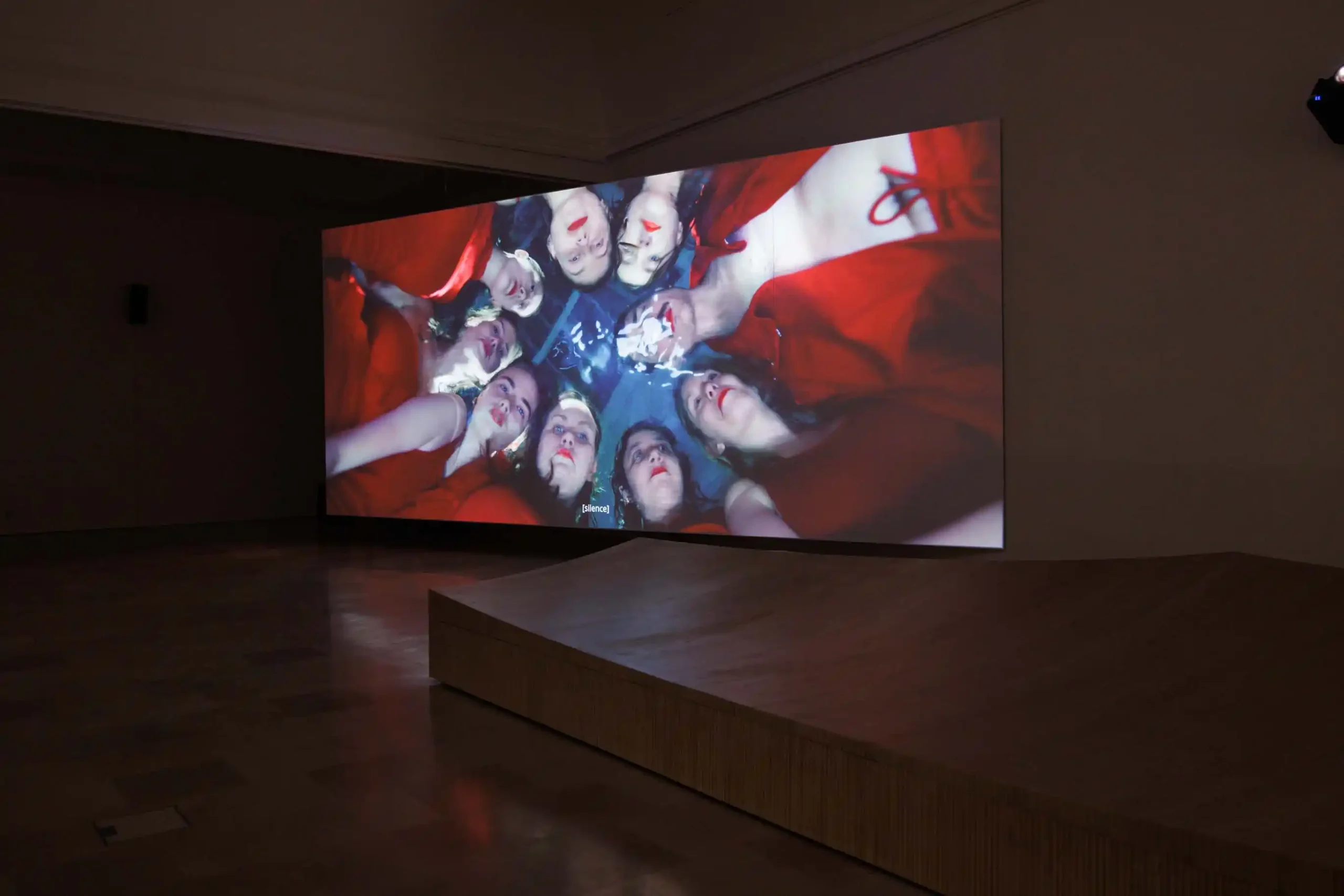
The Polish Pavilion at the 2026 Venice Biennale presents "Liquid Tongues," a project by artists Bogna Burska and Daniel Kotowski, curated by Ewa Chomicka and Jolanta Woszczenko with the collective Choir in Motion. The installation eschews spectacle for a subtle, immersive exploration of language beyond the human voice, incorporating sign language, underwater immersion, choreography, and whale songs to destabilize conventional communication.

Il Padiglione della Natura alla Biennale di Venezia. Ovvero due gabbiani che mettono in crisi il patriarcato

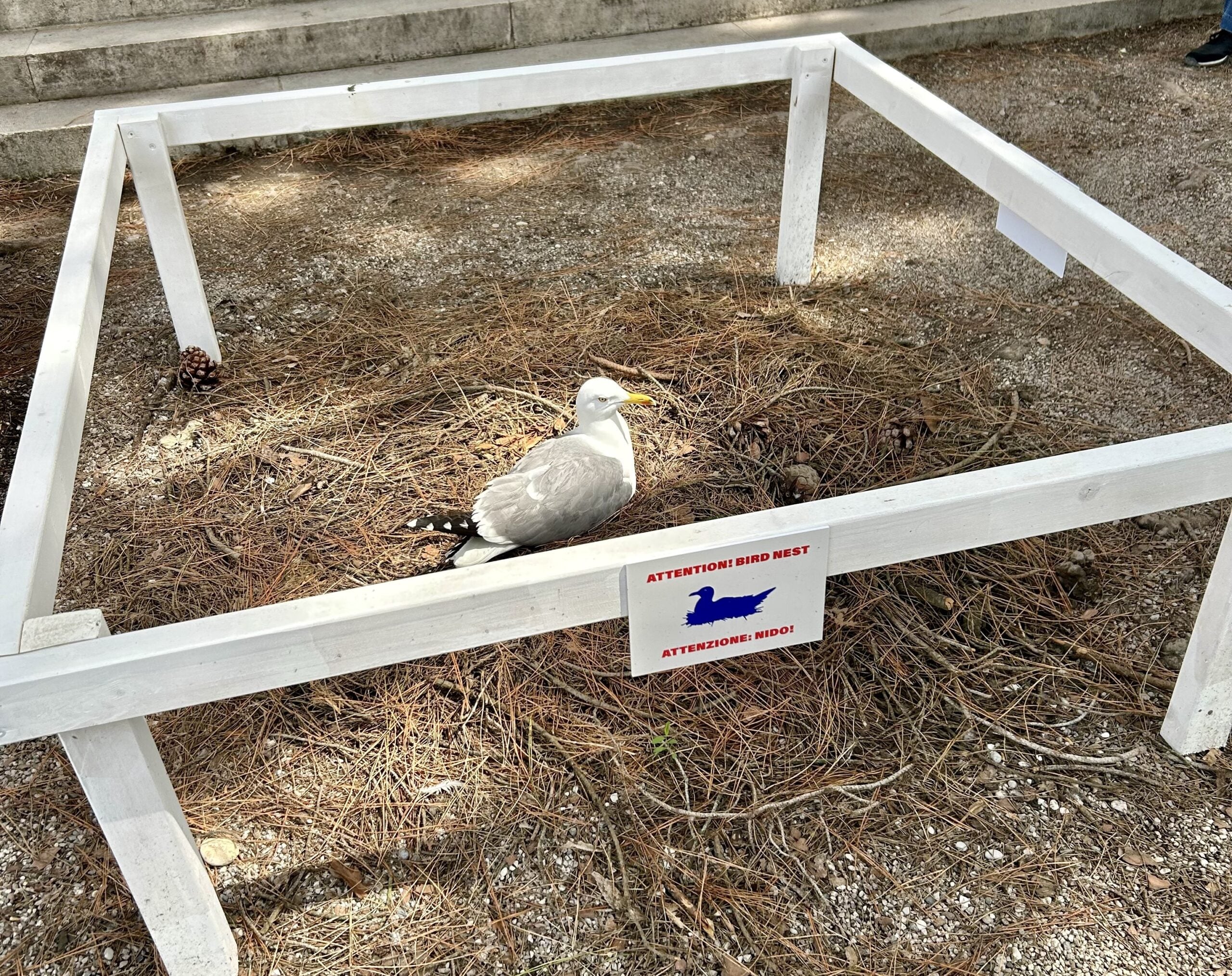
At the 2026 Venice Biennale, two seagulls built a nest in front of the Polish Pavilion in the Giardini. Organizers chose to protect the nest with a small fence and a sign, turning it into an unofficial "Nature Pavilion." The birds share incubation duties equally, drawing large crowds who pause to watch their cooperative behavior amid the Biennale's intense geopolitical tensions, including protests against the Russian Pavilion, pro-Palestinian actions, and debates over Israel's cultural role.

A review of the 2026 Venice Biennale without naming a single artist

Una recensione della Biennale di Venezia 2026 senza nominare neppure un artista

This review of the 2026 Venice Biennale describes an exhibition that overcame dire circumstances—the death of curator Koyo Kouoh early in preparations, losses of key artists, and international political controversies—to deliver a surprisingly joyful and engaging show. Titled "In Minor Keys," the Biennale features a well-conceived, flowing presentation across the Giardini and Arsenale that prioritizes beauty, craftsmanship, and hope over a punitive or documentary tone.

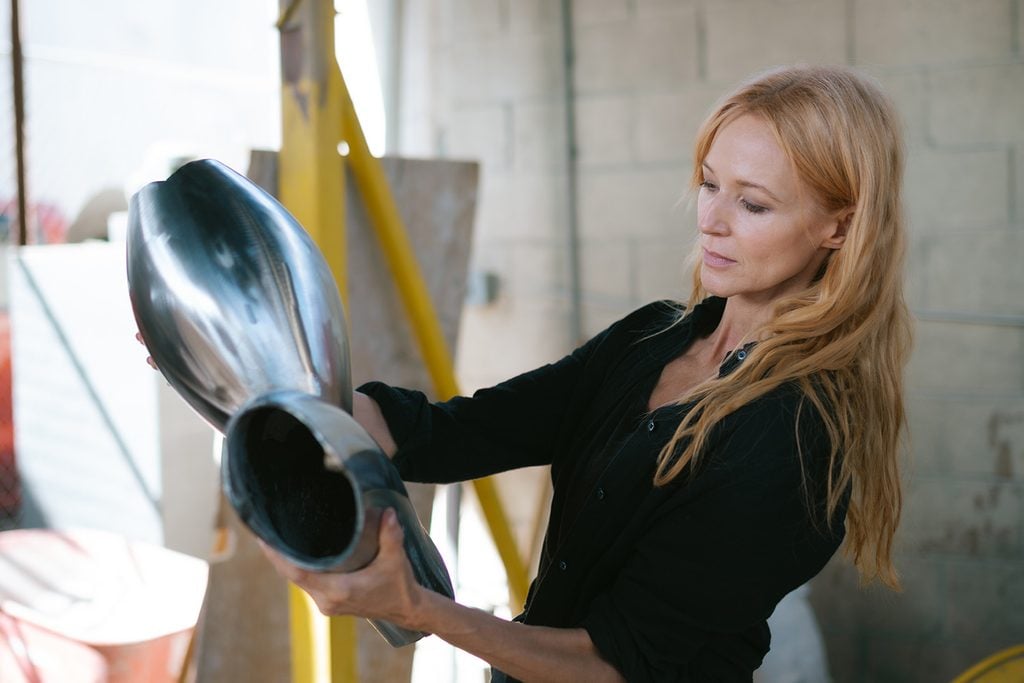
1990s pop icon Jewel is the protagonist in Venice with an exhibition that rewrites the geographies of the feminine

L’icona pop Anni ‘90 Jewel è protagonista a Venezia con una mostra che riscrive le geografie del femminile

Singer-songwriter Jewel, a 1990s pop icon with four Grammy nominations, is presenting her largest exhibition to date in Venice. Titled "Matriclysm: An Archaeology of Connections Lost," the immersive show runs from May 6 to November 22, 2026, at the Salone Verde, coinciding with the 2026 Venice Biennale. Curated by Joe Thompson, the exhibition blends painting, textiles, sculpture, sound, and installation to explore themes of femininity, motherhood, care, and intergenerational knowledge, drawing on forgotten rituals and marginalized mythologies.

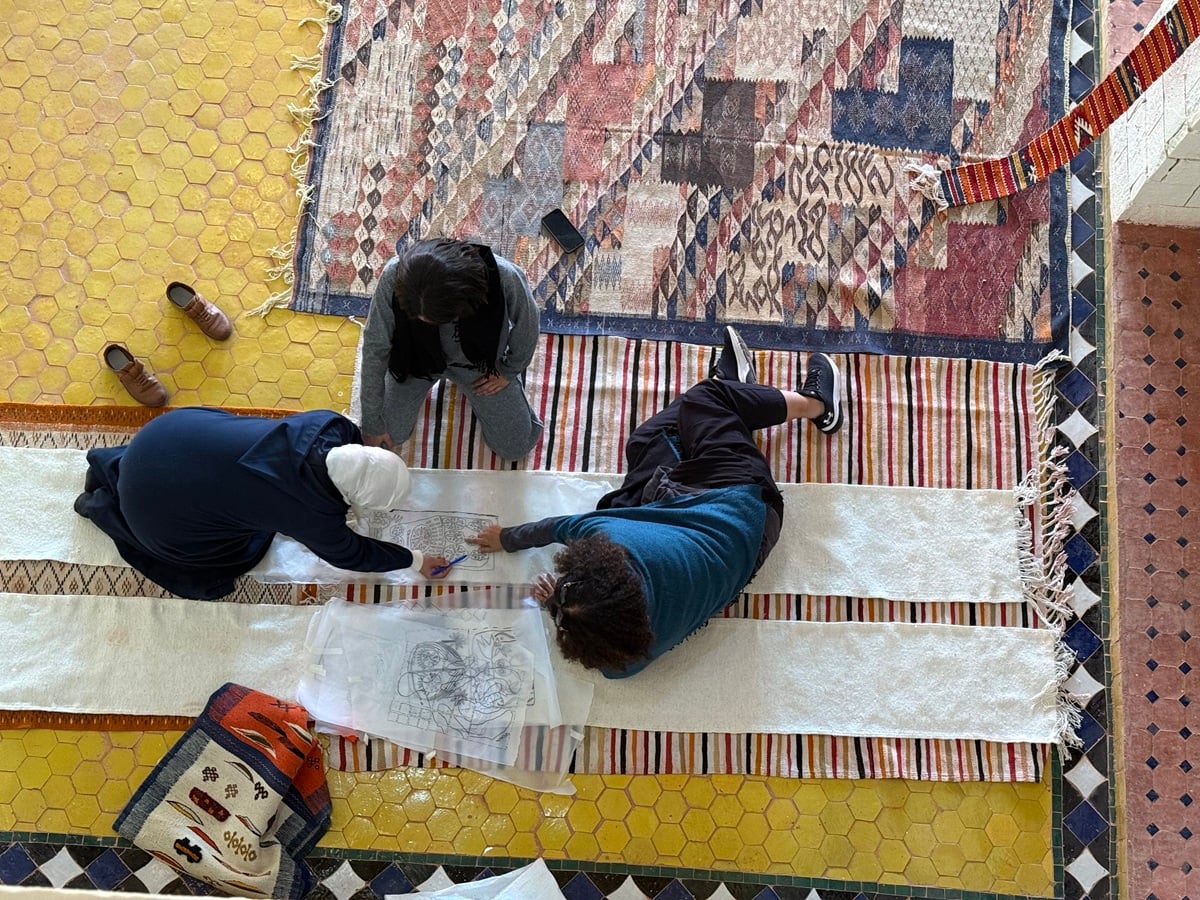
Morocco is for the first time with a Pavilion at the Venice Art Biennale. Homage to the weaving of Amina Agueznay

Il Marocco è per la prima volta con un Padiglione alla Biennale d’Arte di Venezia. L’omaggio alla tessitura di Amina Agueznay

Morocco is participating for the first time with an official national pavilion at the Venice Art Biennale, presenting a monumental installation by artist Amina Agueznay. Titled "Asǝṭṭa" (2026), the site-specific work at the Arsenale's Artiglierie space explores ritual weaving and the transmission of traditional craftsmanship, using sewn panels to create a second skin over the 300-square-meter pavilion. Curated by Meriem Berrada, the project draws on Agueznay's two-decade-long research in dialogue with Moroccan artisan communities, including spinners, embroiderers, basket makers, and goldsmiths.

The Biennale and the Weight of Flags. What Is the Point of National Pavilions?

La Biennale e il peso delle bandiere. Che senso hanno i padiglioni nazionali?

The article examines the inherent contradiction within the Venice Biennale: its historical structure of national pavilions, a legacy of 19th-century world fairs and state-sponsored art, clashes with the transnational, post-identity vision of the international exhibition curated by Koyo Kouoh. The return of the Russia Pavilion amid geopolitical conflict and the international show titled "In Minor Keys," which rejects national belonging as an interpretive criterion, highlight this tension. The piece also addresses the controversy over the lack of Italian artists in the main exhibition, questioning whether a Biennale hosted in Italy should guarantee national representation.

During the Venice Biennale there is also the Ibiza Pavilion, inside a takeaway pizzeria

Durante la Biennale di Venezia c’è anche il Padiglione Ibiza, dentro una pizzeria da asporto

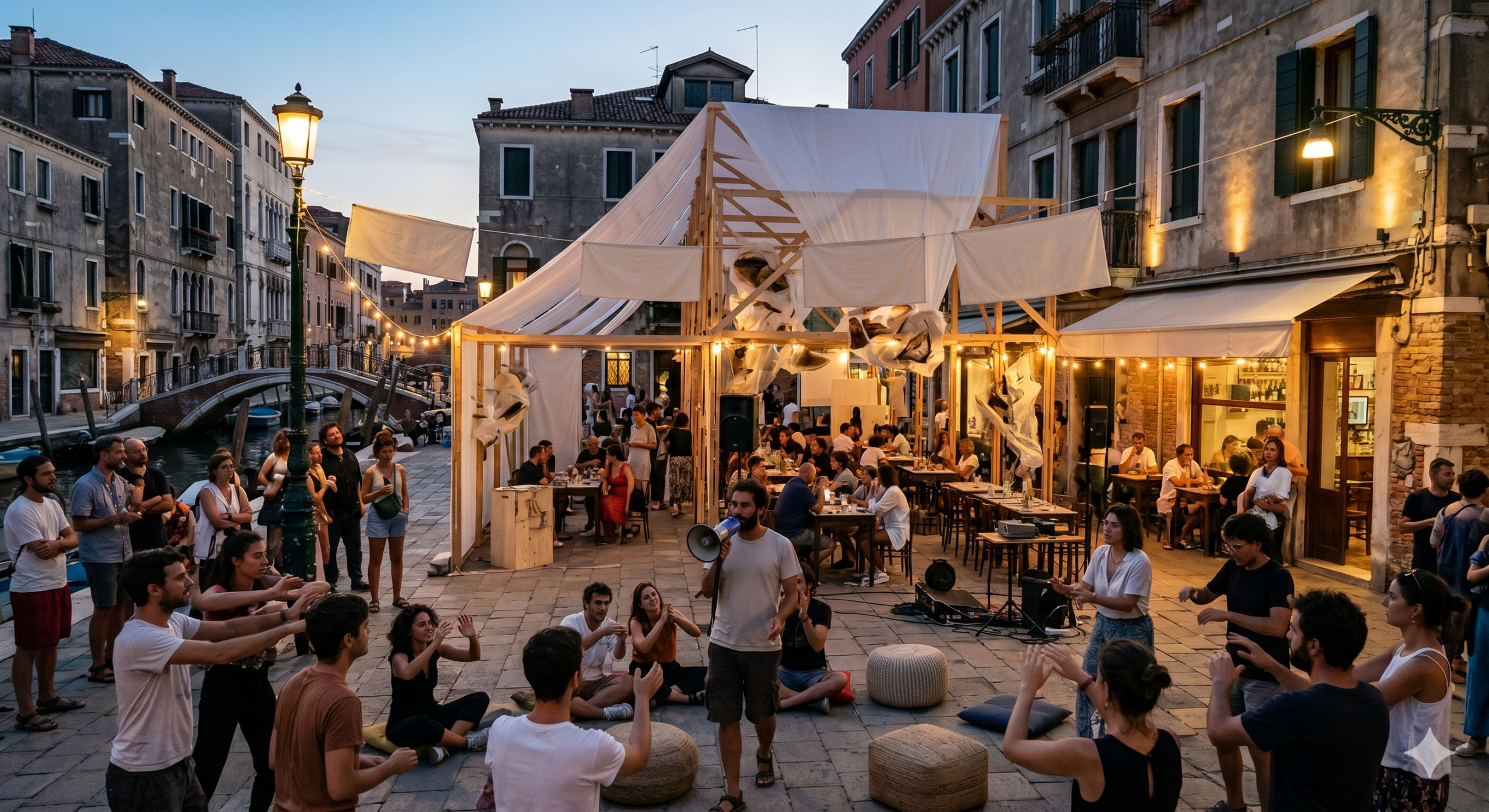
During the Venice Art Biennale, an independent project called the Ibiza Pavilion opens from May 7 to 9, 2026, inside Pizza al Volo, a popular takeaway pizzeria in Campo Santa Margherita, Dorsoduro. Conceived and curated by Margherita Chiarva with support from Victoria Genzini and Gabriele Della Maddalena, the three-day initiative features a group exhibition, performances, collective embroidery, tarot readings, and somatic practices by international artists connected to Ibiza through experience or collaboration, including Noemi Manser, Beatrice Dettori, Liz Kueneke, COSIMA, and Maria Giulia Alvigini.

Golden Lions of the Biennale voted by the public? 7 reasons why they cannot work

Leoni d’Oro della Biennale votati dal pubblico? 7 motivi per cui non possono funzionare

On April 30, 2026, the International Jury of the Venice Art Biennale resigned en masse. In response, the Biennale Foundation hastily announced a new initiative called the "Visitor Lions" (Leoni dei Visitatori), where paying visitors would vote to award the Golden Lions for best artist and best national participation. The voting system would rely on ticket tracking to verify attendance at the main venues, the Giardini and the Arsenale. However, just a week before the public opening, no further details had been released, raising numerous practical concerns about the mechanism's feasibility.