filter_list Showing 31 results for "Biennale di Venezia" close Clear
search
dashboard All 31 museum exhibitions 27article news 1candle obituary 1article policy 1rate_review review 1
date_range Range Today This Week This Month All
Subscribe

Abbiamo visto tutte le mostre del Roma Gallery Weekend: ecco le 10 migliori

The third edition of the Roma Gallery Weekend has concluded, with around thirty galleries forming an official association with legal status and a dedicated budget. The event featured a VIP program of breakfasts, guided tours, and performances, aiming to attract collectors, curators, and local audiences. While the quality of exhibitions was high—28 out of 33 shows were reviewed—logistical challenges remain, including Rome's sprawling layout, limited public transport, and taxi availability. The article highlights 10 standout shows, such as Petra Feriancová's archaeological-inspired installation at Gilda Lavia and Elisa Montessori's exhibition at Monitor.
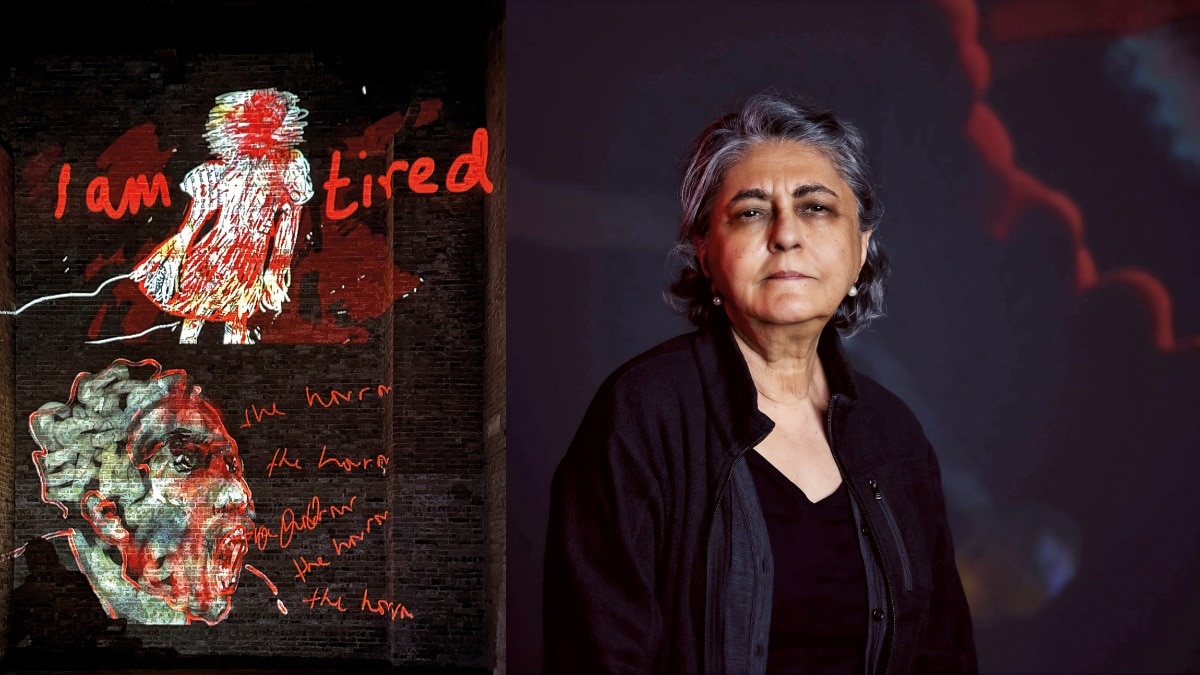
Nalini Malani’s Venice Biennale 2026 exhibition confronts violence, myth, and motherhood

Artist Nalini Malani will present a solo exhibition titled "Of Woman Born" at the 61st Venice Biennale in 2026. The show features a site-specific installation commissioned by the Kiran Nadar Museum of Art, comprising 67 animations with over 30,000 iPad drawings and a haunting soundscape. The work centers on the Greek myth of Orestes, who kills his mother Clytemnestra, and explores themes of violence against women, motherhood, and justice. Malani, now 80, has been a key figure in bringing Indian contemporary art to global prominence, with her work held by major institutions including Tate, MoMA, and Centre Pompidou.

The art of chaos

The 61st Venice International Art Biennale has opened in Venice, running until November, amid unprecedented turmoil. The main exhibition, "In Minor Keys," was curated by Koyo Kouoh, who died of cancer shortly after presenting her vision featuring 111 artists including Carsten Höller, Alvaro Barrington, and Laurie Anderson. Her death has eliminated the Lifetime Achievement Award this year. Additionally, the Biennale faces a funding crisis as the EU threatens to withdraw its €2 million subsidy over Russia's participation with 38 artists following the invasion of Ukraine. Iran, Nigeria, and Israel are absent from their pavilions, while the US Pavilion, now organized by the American Arts Conservancy under inexperienced leadership, features self-taught artist Alma Allen.

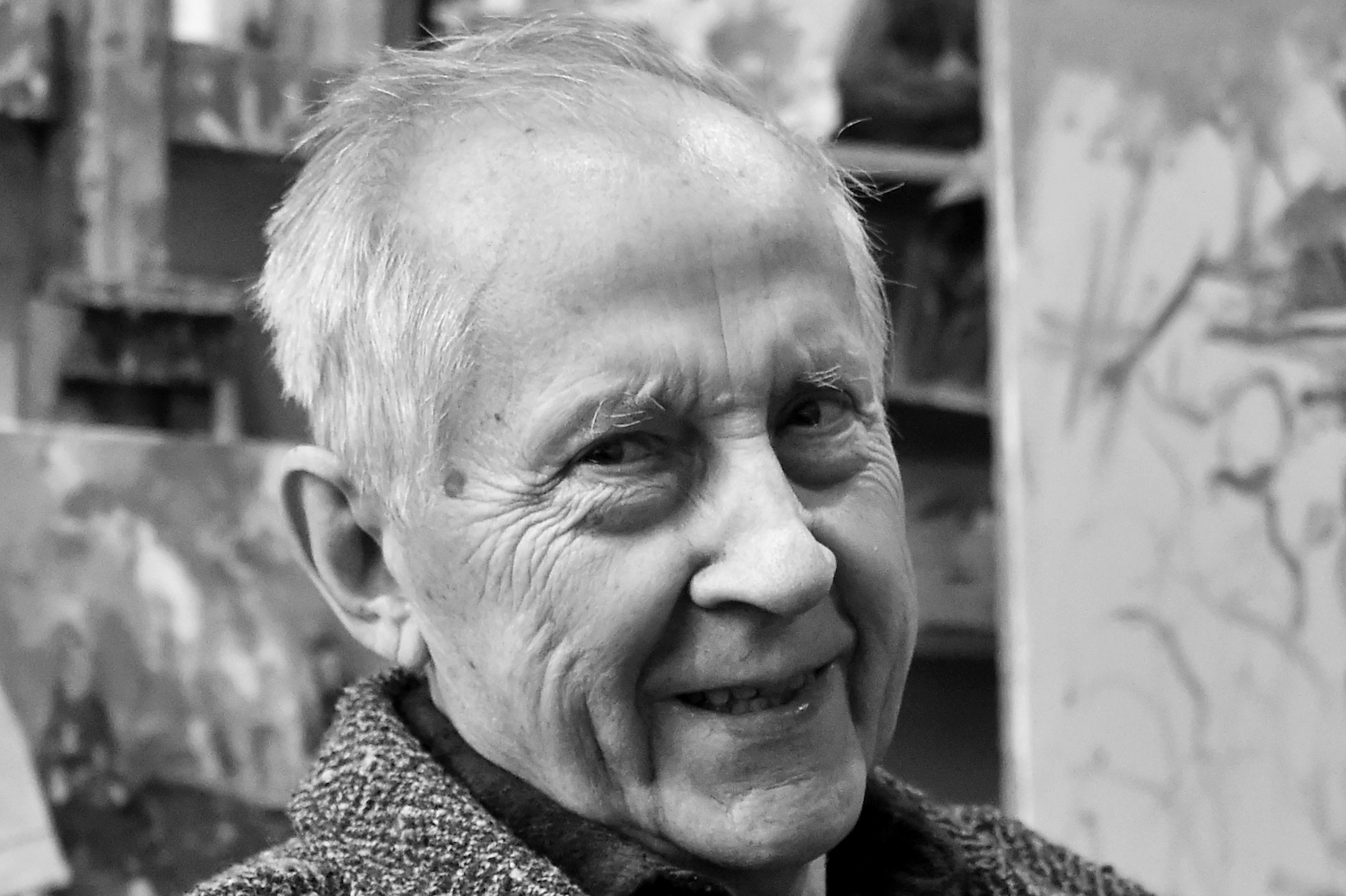
Künstler Harald Metzkes ist tot

German painter Harald Metzkes has died at the age of 97 in Wegendorf, Brandenburg, surrounded by his family. His son, sculptor Robert Metzkes, confirmed the news to the German Press Agency. Metzkes, who grew up in East Germany, was a leading figure of the Berlin School of painting and resisted the official doctrine of socialist realism, instead creating a personal "world theatre" of harlequins, circus scenes, and theatrical figures inspired by Rembrandt, Velázquez, and Paul Cézanne. His best-known work includes "Der Abtransport der sechsarmigen Göttin." After training as a stonemason and studying at the Dresden Academy of Fine Arts, he worked as a freelance artist in Berlin, supporting himself with book illustrations. His work gained international attention when one of his paintings was sent to the Venice Biennale in 1984, and after the fall of the Berlin Wall he built connections with Western collectors.

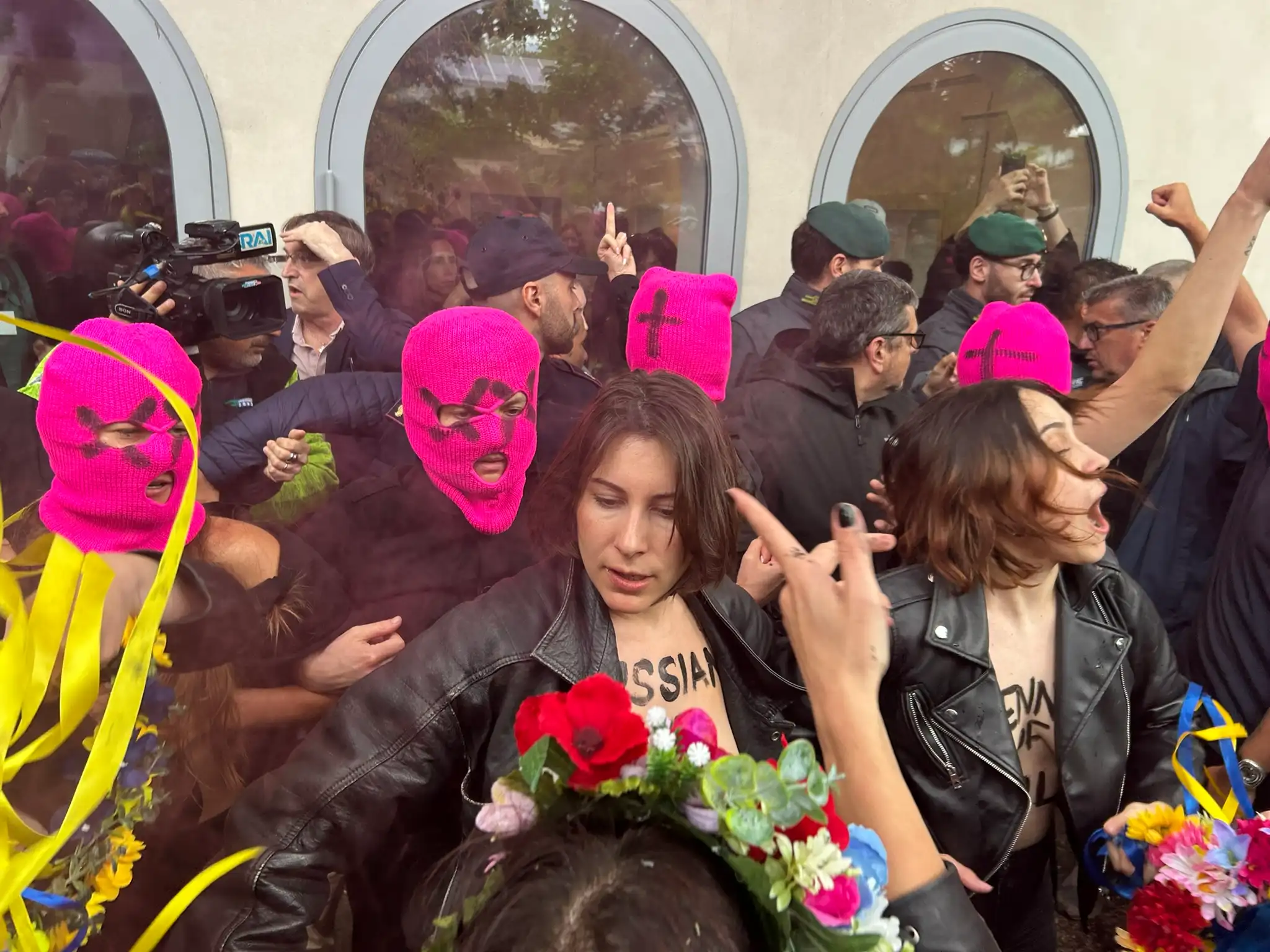
Russian art today is blood. A tough interview with Pussy Riot

“L’arte russa oggi è il sangue”. Una dura intervista alle Pussy Riot

During the preview of the 2026 Venice Biennale, the Russian Pavilion became the site of a protest by Pussy Riot and FEMEN, who staged an action called "STORM OF VENICE." Wearing pink balaclavas and carrying radical slogans, they denounced Russia's presence at the Biennale, accusing the Kremlin and the European cultural system of complicity. The protest centered on the phrase "Blood is Russia's art." In an interview, Pussy Riot member Nadya Tolokonnikova argues that artists who represent the official Russian Pavilion become instruments of the aggressive imperial state, and that the Biennale confuses cultural dialogue with political normalization.

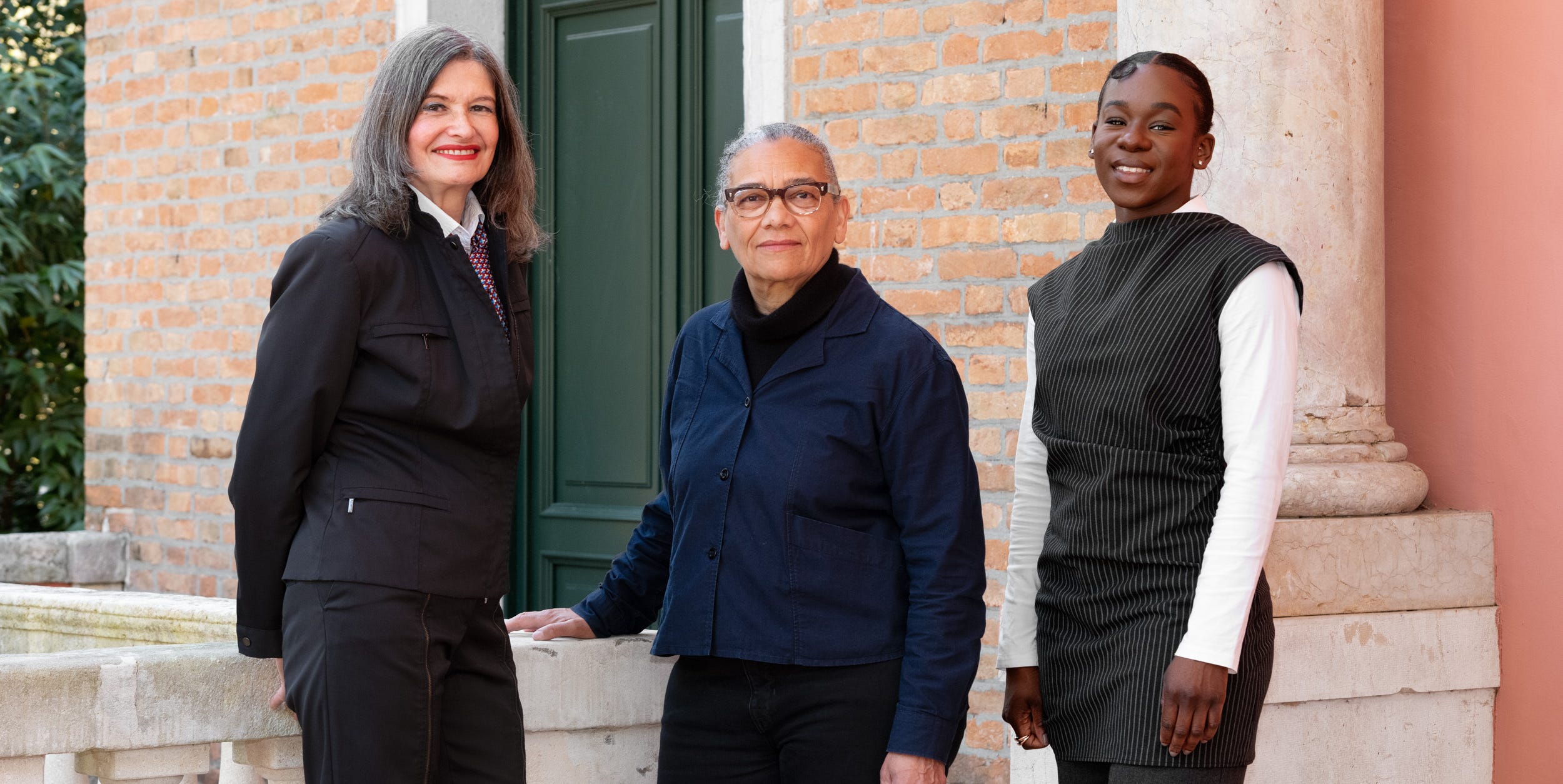
Meet Ese Onojeruo: the exciting new talent behind the Venice Biennale’s British Pavilion

Ese Onojeruo has been appointed the Shane Akeroyd associate curator for the British Pavilion at the 2025 Venice Biennale, working with Turner Prize-winning artist Lubaina Himid on her exhibition 'Predicting History: Testing Translation'. The show features Himid's paintings—including 'Boatbuilders', 'Architects', 'Chefs', 'Tailors', and 'Gardeners'—which depict two figures negotiating belonging in a place they did not originally come from. Onojeruo, who previously held roles at South London Gallery, Chisenhale, and Tate, describes the collaboration as a 'full circle moment', having discovered Himid's work only after her formal art education.

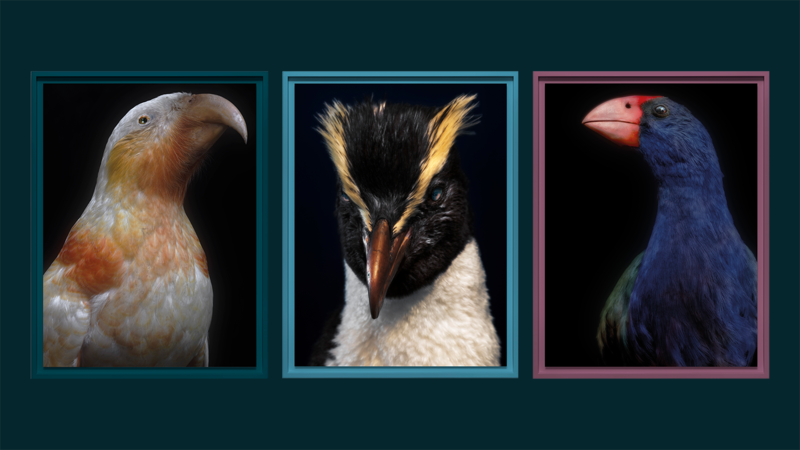
NEW ZEALAND PHOTOGRAPHER FIONA PARDINGTON REPRESENTS AOTEAROA AT THE VENICE BIENNALE

New Zealand photographer Fiona Pardington (born 1961, Auckland) is representing Aotearoa at the 61st Venice Biennale with her exhibition *Taharaki Skyside*, on view from May 9 to November 22, 2026, at the Aotearoa New Zealand Pavilion. The show features large-scale portraits of taxidermied birds from museum collections across New Zealand and Australia, focusing on endemic species including the extinct huia and whēkau. Curated by Felicity Milburn and Chloe Cull, the exhibition is presented by the Arts Council of New Zealand Toi Aotearoa (Creative New Zealand) and Christchurch Art Gallery Te Puna o Waiwhetū.

In Minor Keys A Cacophony At 61st Venice Biennale – Miranda Carroll

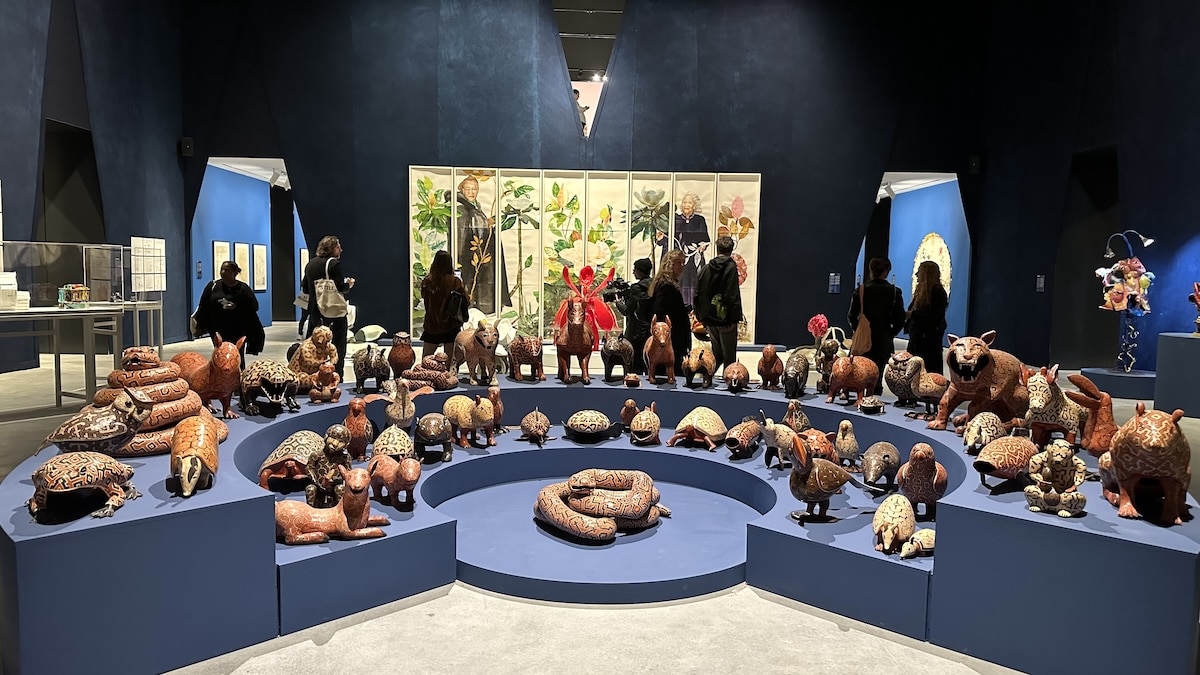
The 61st Venice Biennale, titled 'In Minor Keys,' opened with a central exhibition curated by the late Koyo Kouoh, who died in 2025. The show features 110 artists and collectives, realized by a team of five curators known as 'la squadra di Koyo.' The exhibition spans the Giardini and Arsenale venues, with works including Otobong Nkanga's living facade installation, Theo Eshetu's dying olive tree, and Nick Cave's vibrant sculptures. Poems and quotes by Refaat al-Areer, Etel Adnan, Toni Morrison, and Ben Okri punctuate the spaces, encouraging visitors to pause and reflect.

Wallace Chan in Venice and Shanghai

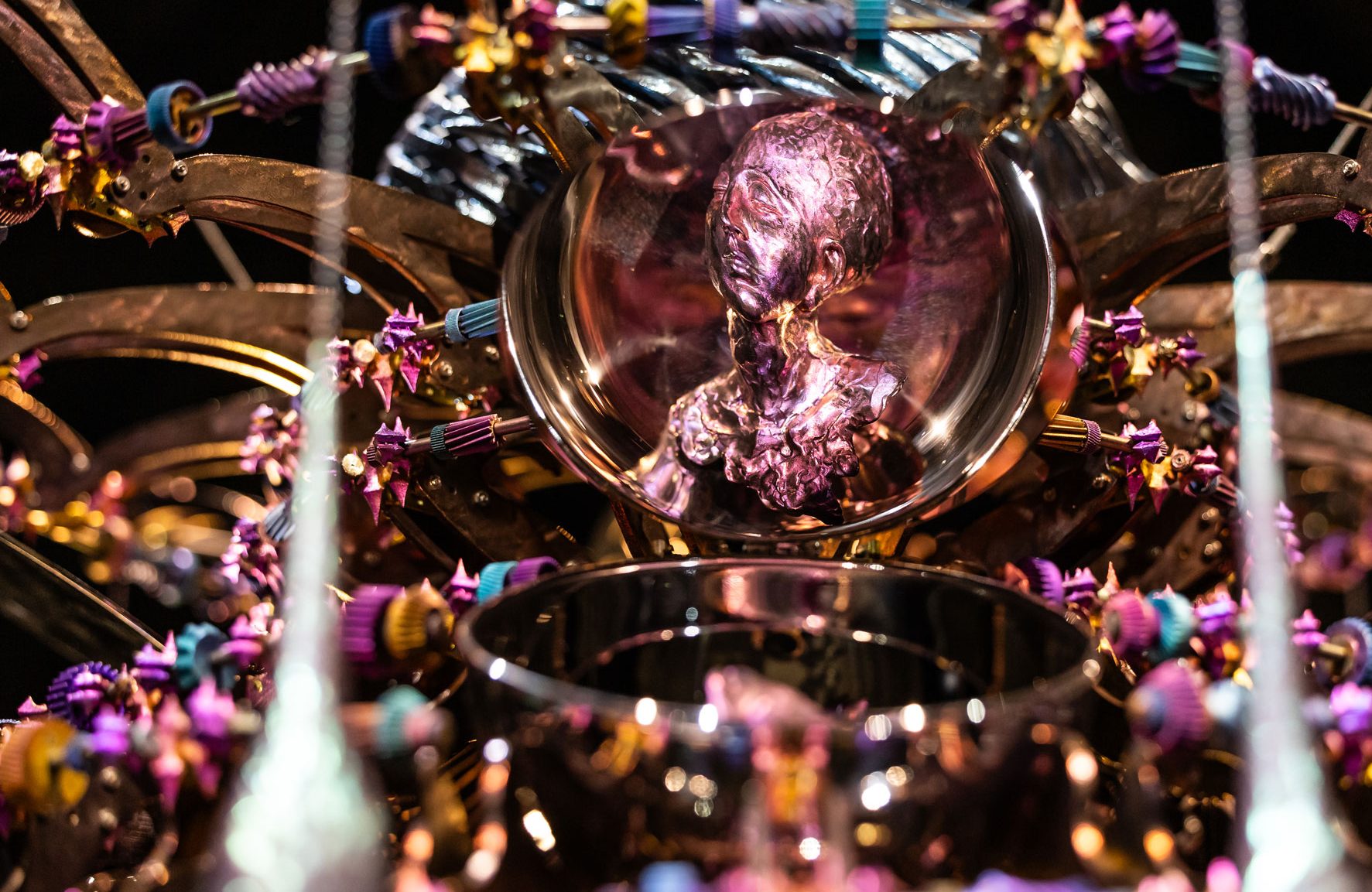
Wallace Chan will present "Vessels of Other Worlds," a monumental dual-site exhibition across Venice and Shanghai in 2026, coinciding with his 70th birthday and the 61st Venice Biennale. The exhibition premieres on May 8, 2026, at the Chapel of Santa Maria della Pietà in Venice, featuring a new series of titanium sculptures inspired by the three sacred oils of the Catholic Church, with a parallel exhibition opening on July 18, 2026, at the Long Museum (West Bund) in Shanghai, where the sculptures will be displayed at a dramatically larger scale. Curated by James Putnam, the project also includes a complementary site-specific exhibition, "Mythos," at Scala Contarini del Bovolo in Venice from April to October 2026.

India pavilion returns to the Venice Art Biennale 2026 with a bang after seven-year hiatus

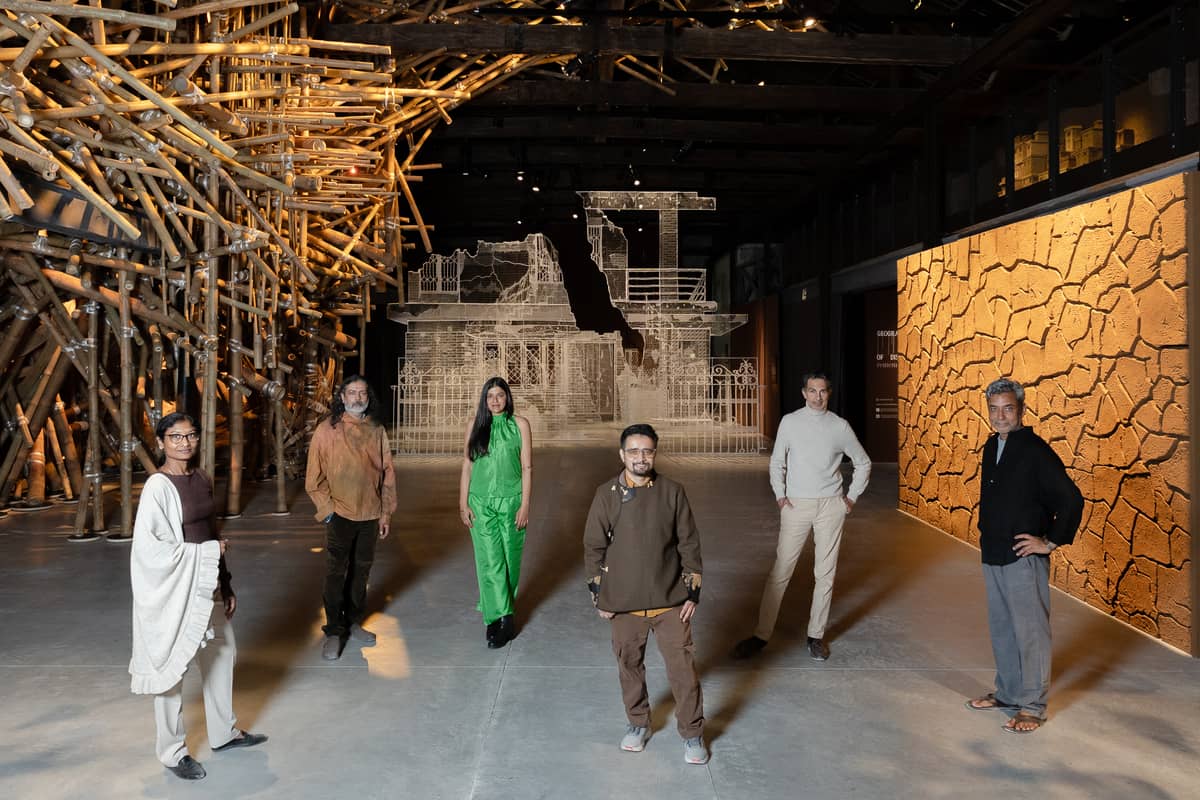
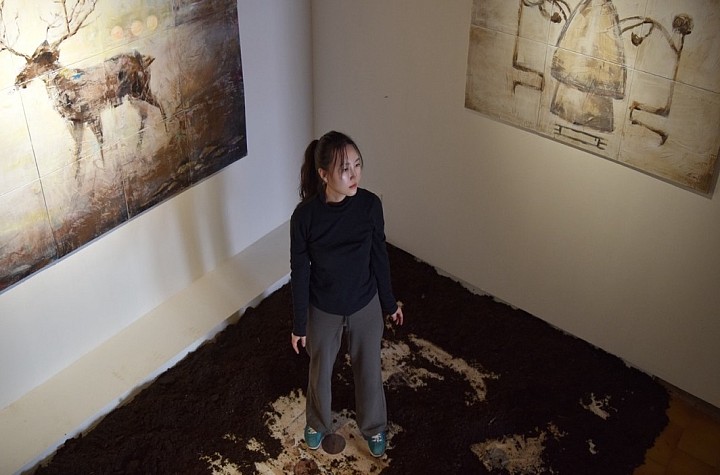
India has returned to the Venice Art Biennale with a national pavilion at the 61st International Art Exhibition, after a seven-year hiatus. The pavilion, titled "Geographies of Distance: Remembering Home," is presented by India's Ministry of Culture in partnership with the Nita Mukesh Ambani Cultural Centre and Serendipity Arts Foundation, curated by Amin Jaffer. It features five artists—Alwar Balasubramaniam, Sumakshi Singh, Ranjani Shettar, Skarma Sonam Tashi, and Asim Waqif—whose works explore themes of home, loss, displacement, and cultural memory through materials like soil, thread, bamboo, and clay.

Finally, Culture Minister Giuli visited the Italy Pavilion at the 2026 Venice Biennale and made peace with President Buttafuoco

Finalmente il Ministro della Cultura Giuli ha visitato il Padiglione Italia alla Biennale di Venezia 2026 e ha fatto pace con il Presidente Buttafuoco

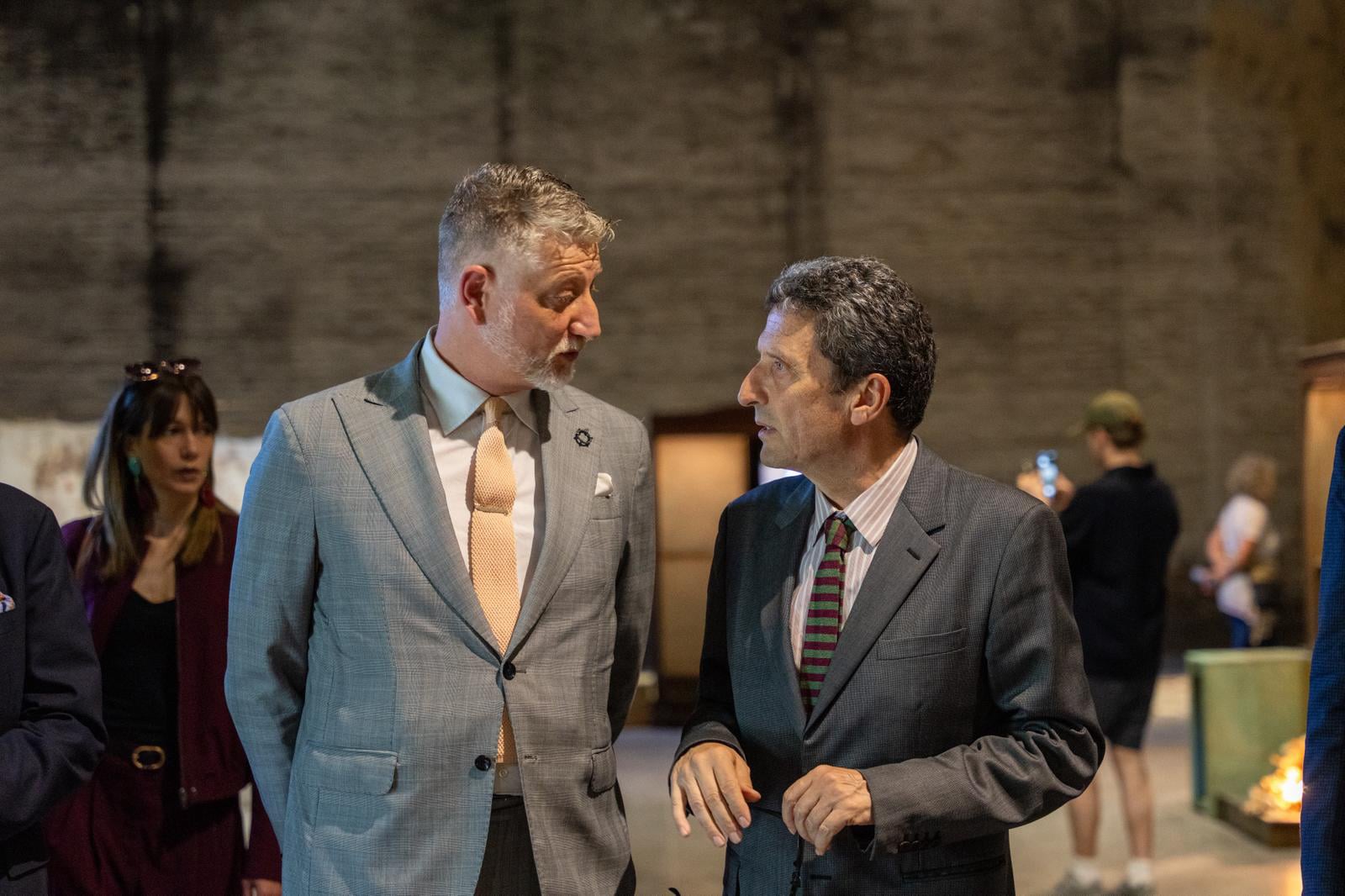
Italian Culture Minister Alessandro Giuli finally visited the Italy Pavilion at the 2026 Venice Biennale alongside Biennale President Pietrangelo Buttafuoco, marking their first public appearance together after earlier tensions led Giuli to skip the opening ceremony. During the visit, Buttafuoco proposed that the work of artist Chiara Camoni, whose exhibition "Con te con tutto" is curated by Cecilia Canziani, should find a permanent home after the Biennale ends, sparking discussion about the future of pavilion artworks.

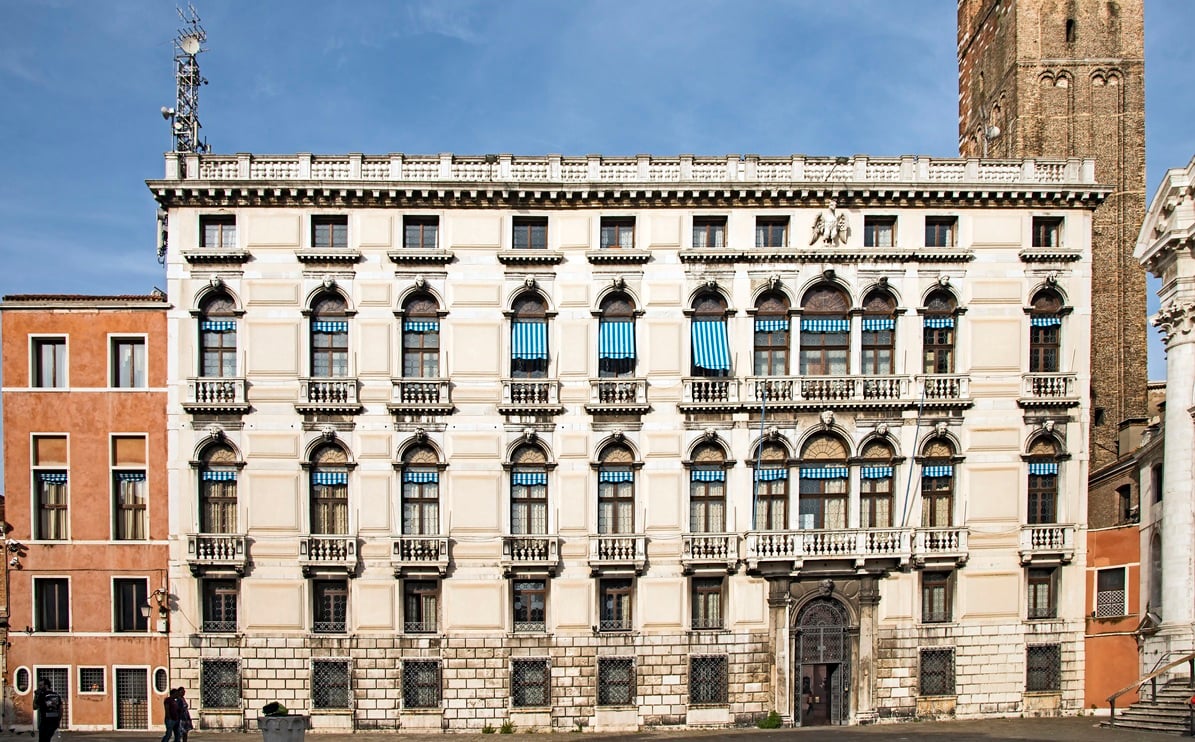
Giuli Buys Everything! The Ministry of Culture Also Wants to Take Over Rome's Teatro delle Vittorie and Venice's Palazzo Labia?

Giuli compra tutto! Il Ministero della Cultura vuole prendersi anche Il Teatro delle Vittorie di Roma e Palazzo Labia a Venezia?

Italian Minister of Culture Alessandro Giuli is pursuing an aggressive acquisition campaign for cultural properties. After high-profile purchases including Antonello da Messina's *Ecce Homo* and Caravaggio's *Portrait of Monsignor Maffeo Barberini* (€30 million), the Ministry has now expressed interest in acquiring Rome's Teatro delle Vittorie and Venice's Palazzo Labia—both part of a real estate portfolio being sold by state broadcaster Rai. The Ministry also recently bought Verona's historic Cinema Astra (with a €7.5 million restoration plan) and Naples' Teatro Sannazzaro after a fire.

US SCULPTURES AMID CONTROVERSY AT THE VENICE BIENNALE

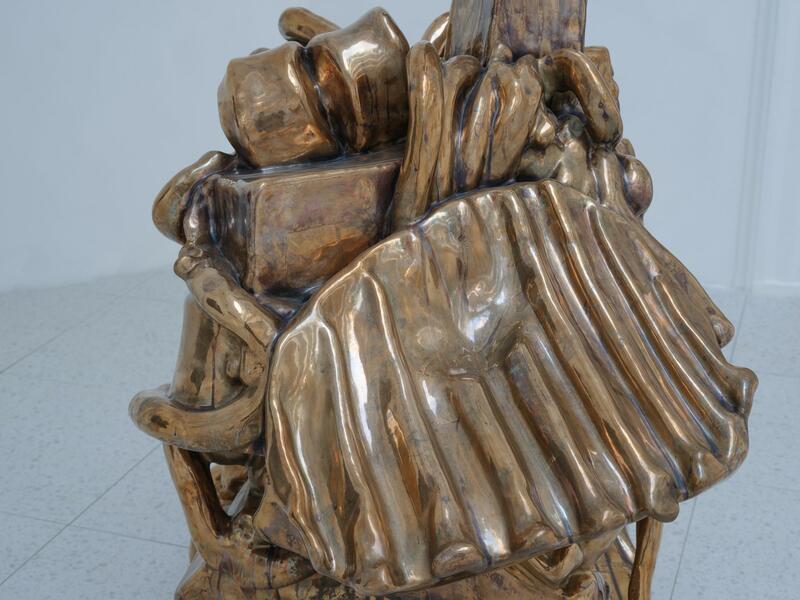
The United States Pavilion at the 61st Venice Biennale features sculptor Alma Allen's exhibition "Call Me the Breeze," which opened with no clear funding just ten days prior. Unlike previous pavilions supported by major foundations like Ford and Mellon, Allen's show relies on a $375,000 US government contribution and public donations via the American Arts Conservancy. The selection process was unconventional: the State Department, which took over after Trump's NEA budget cuts, imposed restrictions on DEI policies and required proposals promoting "American exceptionalism." Curator Jeffrey Uslip directly approached Allen without a formal proposal, leading the artist's two galleries—Olney Gleason and Mendes Wood DM—to drop him when he accepted the commission.

ENTRE PERRO Y LOBO CANADA LLEVA EL CREPUSCULO A LA BIENAL DE VENECIA

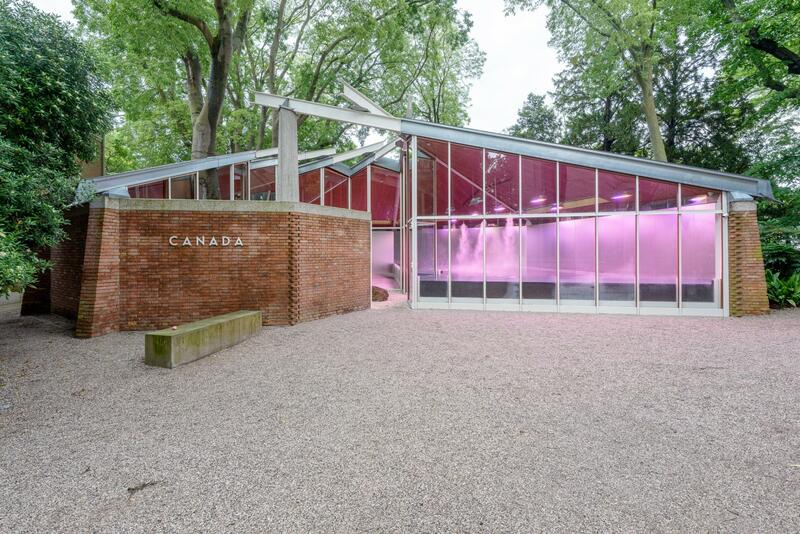
Abbas Akhavan, born in Tehran in 1977, will represent Canada at the 61st Venice Biennale in 2026 with an exhibition titled "Entre chien et loup" (Between Dog and Wolf). Commissioned by the National Gallery of Canada and curated by Kim Nguyen, the Canada Pavilion is transformed into a monumental Wardian case—a 19th-century plant transport device—serving as a greenhouse for Victoria water lilies. The seeds were germinated at the Orto Botanico di Padova in collaboration with the Royal Botanic Gardens, Kew, and the installation will be on view until November 22, 2026.

BETWEEN DOG AND WOLF CANADA BRINGS TWILIGHT TO THE VENICE BIENNALE

Abbas Akhavan, born in Tehran in 1977, represents Canada at the 61st Venice Biennale with an exhibition titled "Entre chien et loup" (Between Dog and Wolf). Commissioned by the National Gallery of Canada and curated by Kim Nguyen, the installation transforms the Canada Pavilion into a monumental Wardian case—a 19th-century plant transport device—converted into a greenhouse for Victoria water lilies. The lilies, native to South America and germinated at the Orto Botanico di Padova from seeds provided by the Royal Botanic Gardens, Kew, reference their prominent display in the Crystal Palace during the 1851 Great Exhibition. The exhibition runs until November 22, 2026.

Story of Max Peiffer Watenphul, the Bauhaus painter who found his new homeland in Italy

Storia di Max Peiffer Watenphul, il pittore del Bauhaus che trovò in Italia la sua nuova patria

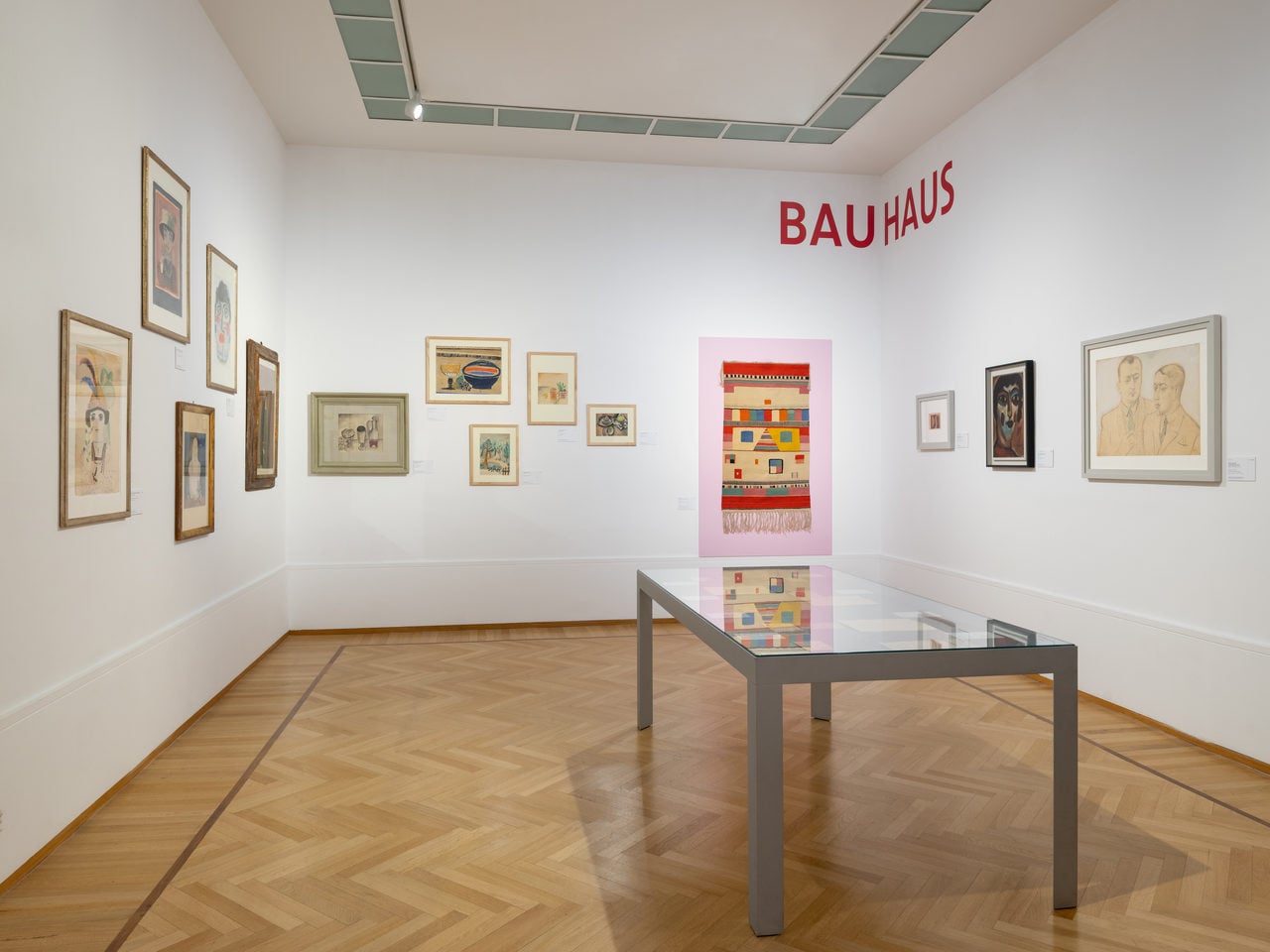
A major retrospective titled "Max Peiffer Watenphul. Pittore del Bauhaus" has opened at the Galleria Nazionale d'Arte Moderna e Contemporanea (GNAMC) in Rome, curated by Gregor H. Lersch, director of the Museo Casa di Goethe. The exhibition explores the complex artistic journey of Max Peiffer Watenphul (1896–1976), a German Bauhaus-trained painter who found a second home in Italy. It highlights his multidisciplinary approach, his troubled painting style marked by unusual materials and scratched surfaces, and his deep connection to Italy, where he fled after Nazi persecution and where he lived until his death.

The great artist who designed precious rings for an Italian brand inspired by crabs

La grande artista che ha disegnato preziosissimi anelli per un brand italiano ispirandosi ai granchi

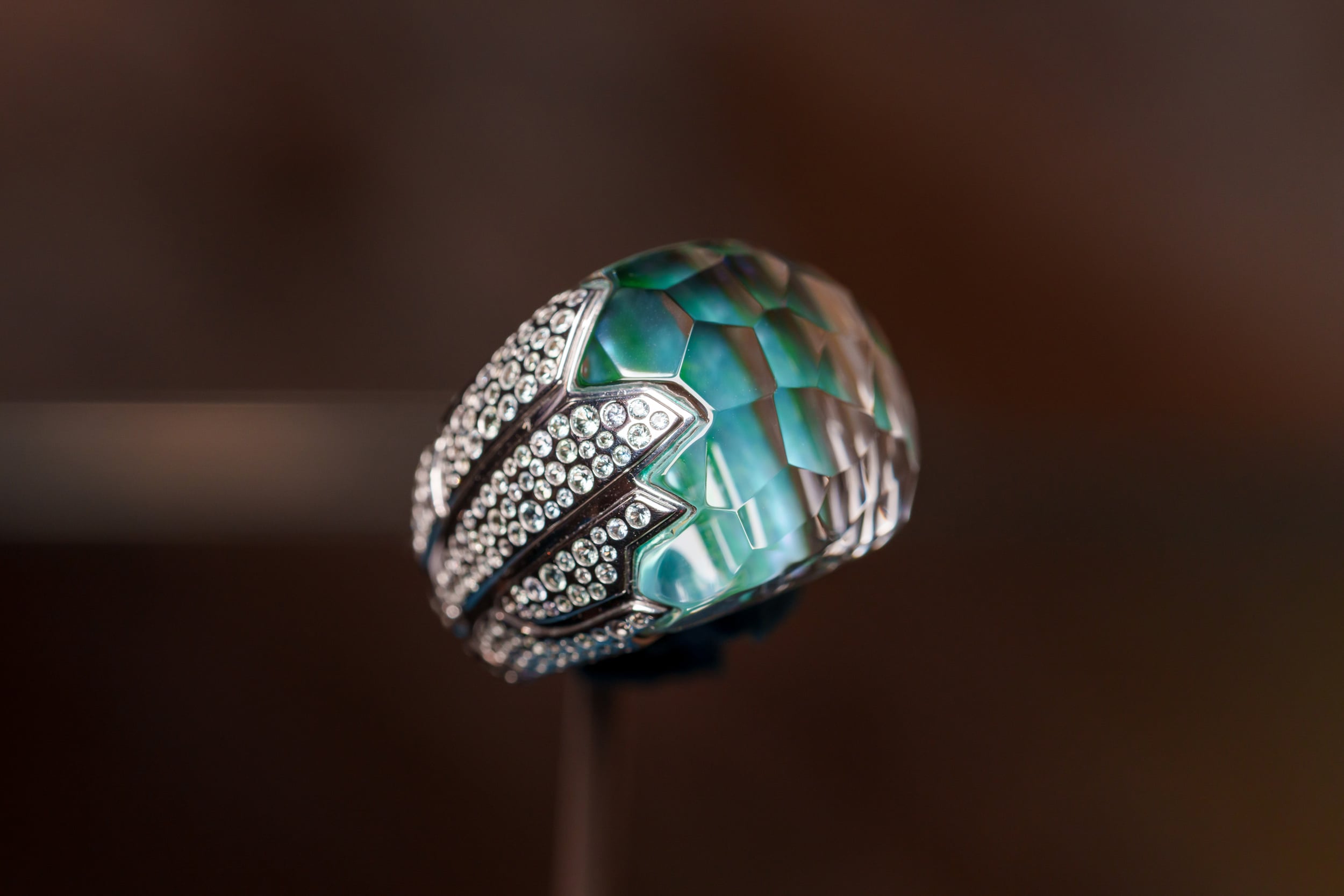
American multidisciplinary artist Pae White has collaborated with Milanese jewelry house Maison Vhernier to create a limited-edition ring collection inspired by crabs and marine life. The collection was unveiled in Venice during the launch days of the Venice Biennale, following a preview in Los Angeles at collector Eugenio Lopez's home. White drew inspiration from crab exoskeletons and shells found on the California coast, working with Vhernier's master artisans in Valenza to produce ten ring designs—each limited to two pieces—featuring abalone mother-of-pearl, jade, rock crystal, sapphires, and diamonds set in white gold.

Video interview with Cecilia Canziani and Chiara Camoni, curator and artist of the Italy Pavilion at the Venice Biennale

Video intervista a Cecilia Canziani e Chiara Camoni curatrice e artista del Padiglione Italia alla Biennale di Venezia

The article is a video interview with curator Cecilia Canziani and artist Chiara Camoni about the Italy Pavilion at the 61st Venice Biennale. Camoni's installation, titled "Con te e con tutto," features large, monumental figures called "Sisters" that evoke ancient yet contemporary presences, created through a slow, collective, and materially responsive process. The pavilion is divided into two spaces: a vertical, sacred-like area and a horizontal, convivial one that includes a sub-exhibition called "Dialoghi." The project builds on years of friendship and collaboration between Canziani and Camoni, and involves a fluid community of international students, weavers, midwives, and artists working at Camoni's studio in Fabbiano, on the Apuan Alps.

Body as Device. Guide and Reflection on the Performances of the Venice Biennale

Corpo come dispositivo. Guida e riflessione sulle performance della Biennale di Venezia

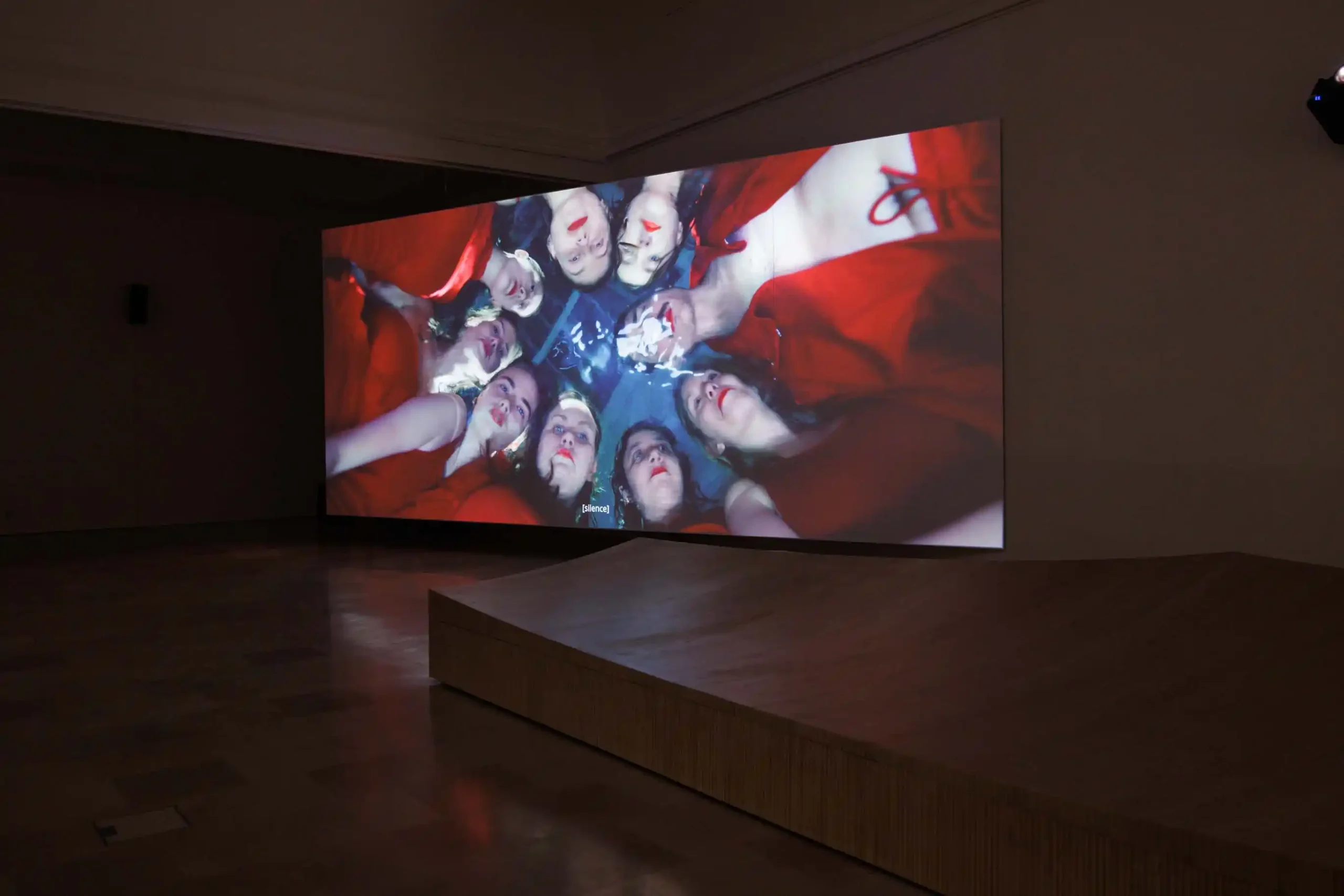
The article analyzes the role of performance art at the 2026 Venice Biennale, arguing that performance is no longer a rediscovered genre but a structurally institutionalized primary form of experience production. It examines how the body reemerges not as an alternative to image-based works but as an internal interruption of the artwork system, preventing closure and reintroducing instability. Key pavilions are discussed: Austria's Florentina Holzinger with "Sancta" draws on 1970s radical performance and feminist body art, creating an immersive environment of continuous movement; Belgium's Miet Warlop with "IT NEVER SSST" engages post-dramatic theater and postmodern dance repetition; Japan's Ei Arakawa-Nash with "Grass Babies, Moon Babies" activates Gutai avant-garde legacies through viewer interaction with soft dolls.

Theme and title announced for Wang Shu and Lu Wenyu’s 2027 Venice Architecture Biennale

Wang Shu and Lu Wenyu have announced the theme and title for the 2027 Venice Architecture Biennale: "Do Architecture – For the Possibility of Coexistence Facing a Real Reality." The curators posed a series of questions addressing global climate change, the coexistence of land and architecture, natural materials versus modern construction, and urban-rural development conflicts. They emphasized that architecture is not just theoretical but must be practiced firsthand, confronting real reality through real construction. The duo, founders of Amateur Architecture Studio, have a long history with the Biennale, having participated in 2006 and 2010, where they received a Special Mention for their project 'Decay of a Dome.' The twentieth edition of the Architecture Biennale opens in May 2027.

Venice Biennale 2026 Roundup

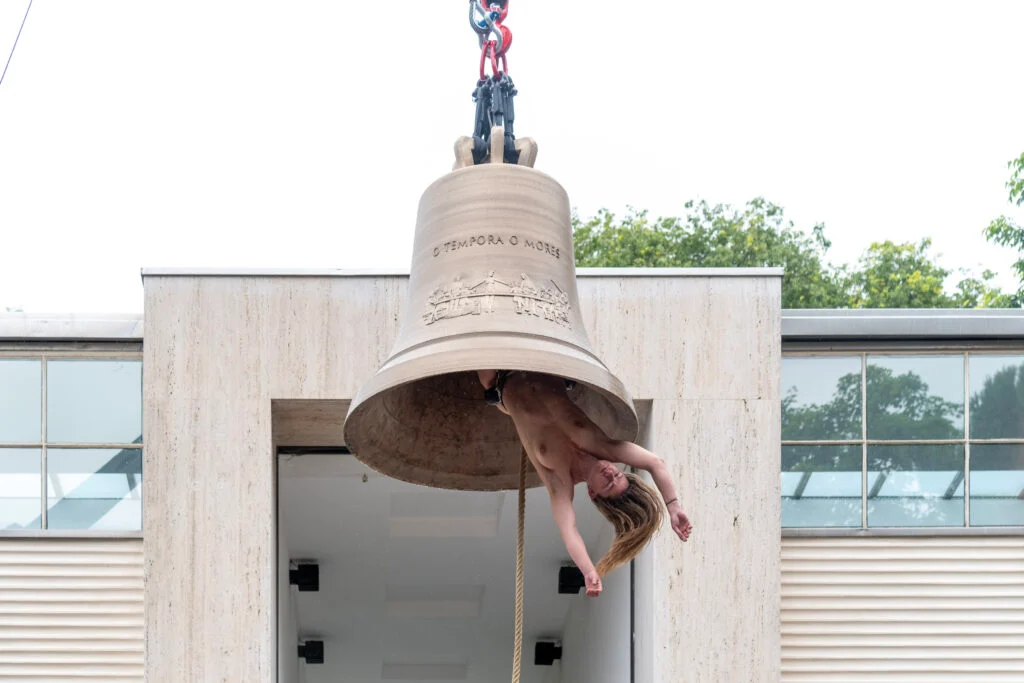
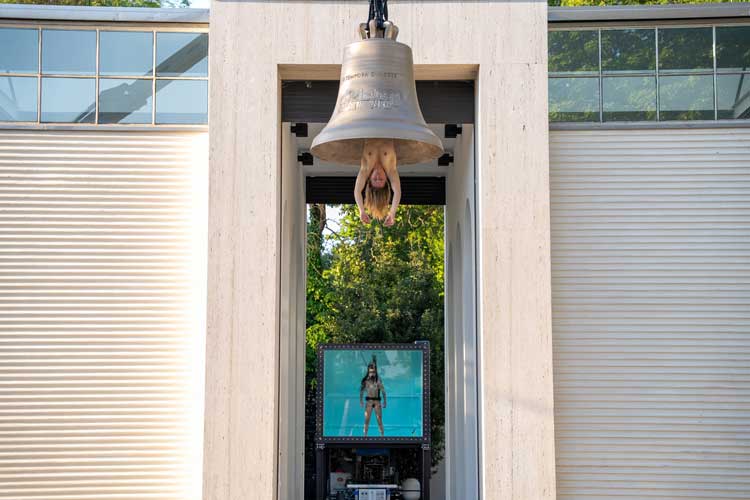
The 61st Venice Biennale, titled "In Minor Keys" and curated by the late Koyo Kouoh, opened in May 2026 amid significant turmoil. The Austrian Pavilion features Florentina Holzinger's performance piece "Seaworld Venice," centered on a giant bell that chimes hourly. The biennale has been marked by the death of its curator, the resignation of the international jury over the inclusion of Russia and Israel, protests by Pussy Riot and the Art Not Genocide Alliance, and the cancellation of the South African Pavilion over Gabrielle Goliath's "Elegy," which honors murdered women including a Palestinian poet. The US Pavilion's state-sponsored offerings have also drawn criticism.

Al Padiglione Emirati della Biennale di Venezia l’ascolto passa dall’architettura

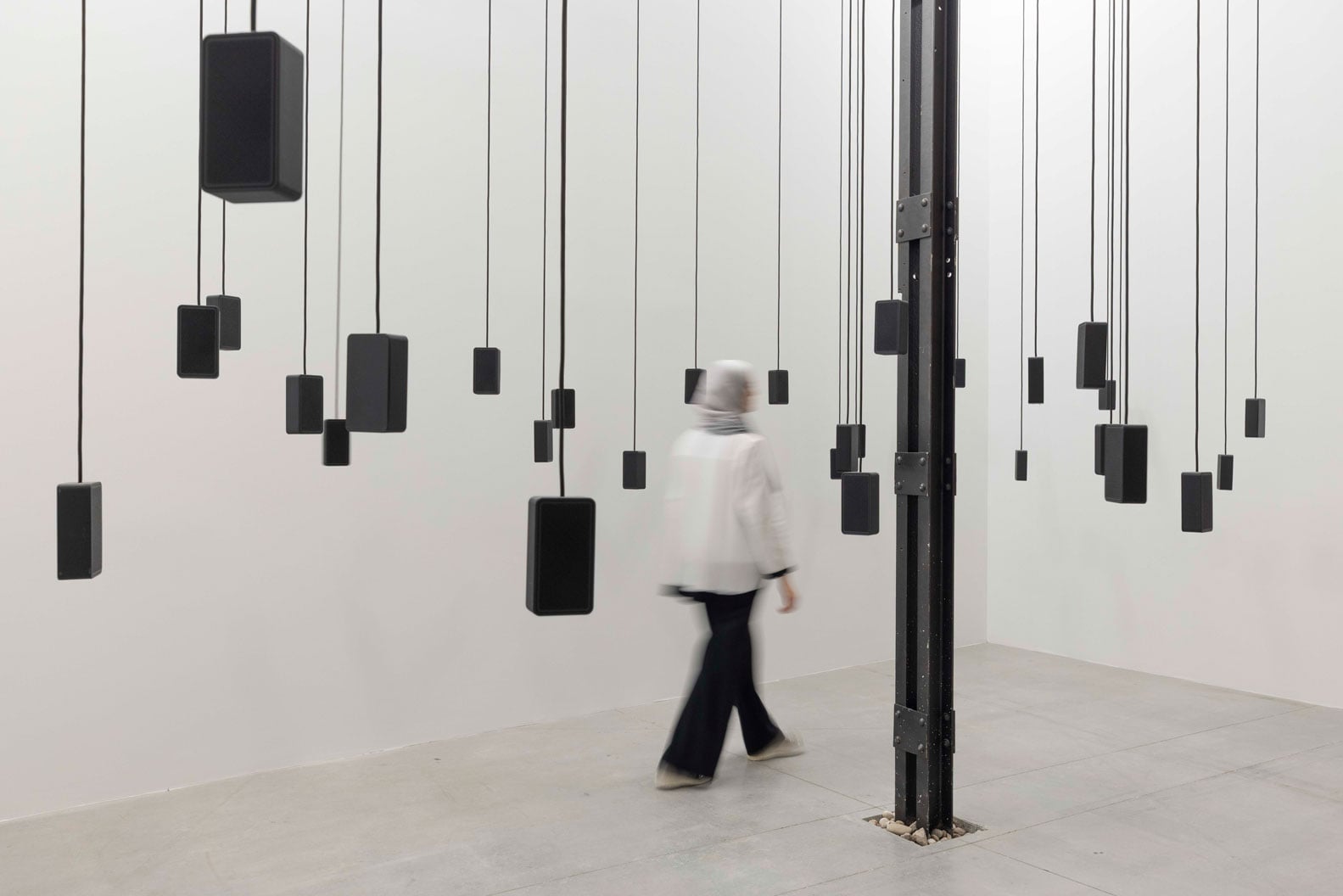
At the Venice Biennale, the UAE Pavilion at the Arsenale presents 'Washwasha,' a project curated by Bana Kattan that focuses on sound as an invisible infrastructure crossing cultures, memories, and identities. Featuring artists Tala Safié, Farah Al Qasimi, and Ala Younis, the pavilion eschews visual shock and political slogans for an immersive, auditory experience that prioritizes listening, proximity, and disorientation. Architect Koray Duman, who designed the space, explains in an interview that the pavilion is a deliberate counter to the contemporary culture of hyperstimulation and monetized attention, using architecture not as a container but as a system that organizes perception and emotional tension.

Before Language: An Interview with Song E Yoon at Biennale Arte 2026

Song E Yoon's exhibition "Songs Across Time" at Spazio 996/A in Venice, presented as a Collateral Event of the 61st International Art Exhibition – La Biennale di Venezia, pairs her Song E Code with Frédéric Bruly Bouabré's Bété alphabet. In an interview with Kun Sok, Yoon discusses how her work uses dots, intervals, and repetition to create a visual language that exists before conventional meaning, emphasizing bodily encounter, sensation, and the productive role of misreading.

Agitate, Educate, Organize. A Conversation with the Indonesian Collective That Is in Venice with Two Projects

Agitare, educare, organizzare. Una conversazione con il collettivo indonesiano che è a Venezia con due progetti

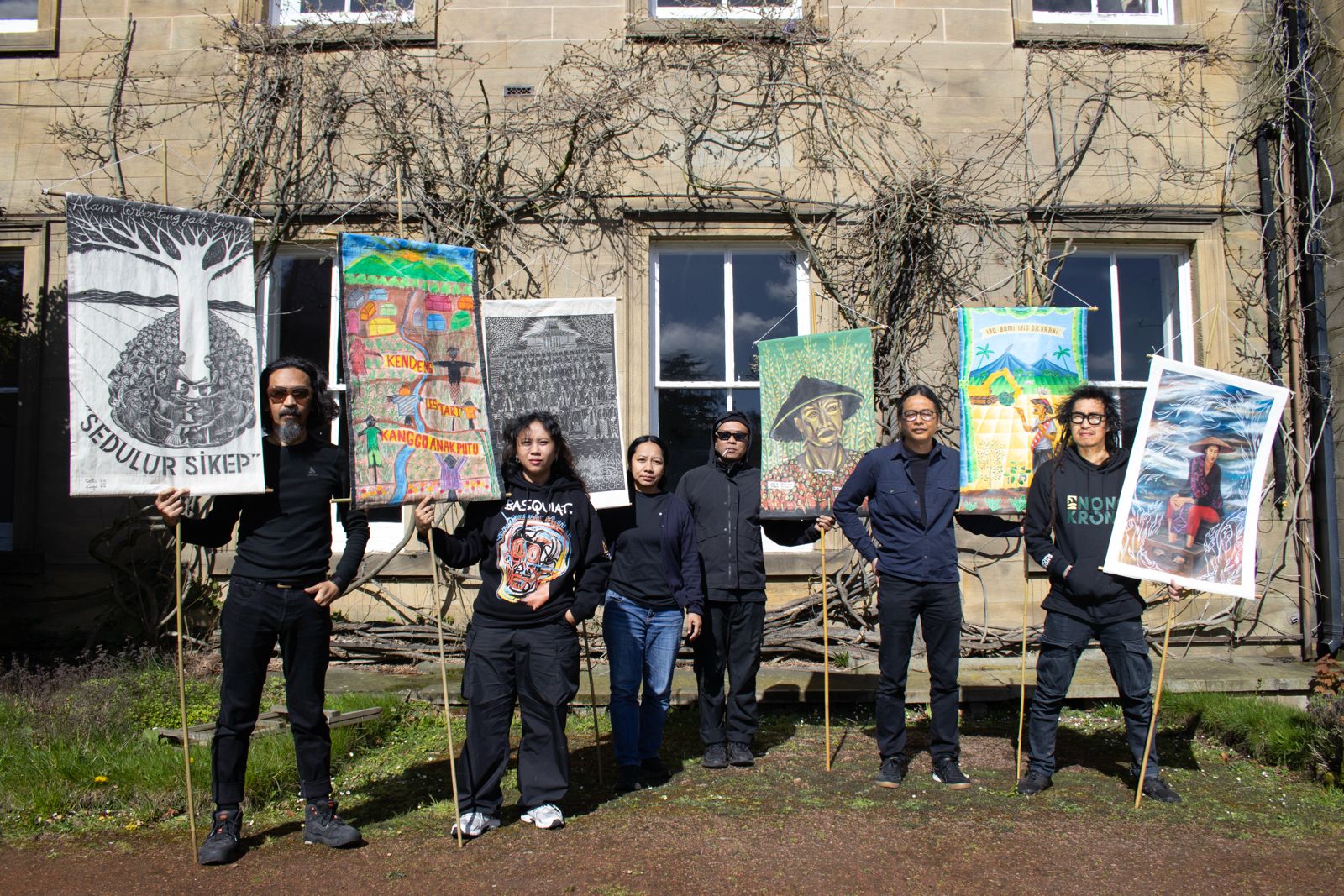
Sale Docks, an activist art space born from a 2007 occupation in Venice, has invited the Indonesian collective Taring Padi to collaborate on two projects. The first is the exhibition "Taring Padi: People's Liberation," which reactivates banners as tools for propaganda, mobilization, and resistance. The second is a public intervention in Venice, where the collective and local community will repaint the walls of the historic social center Laboratorio Occupato Morion. The article includes an interview with Taring Padi, which was founded in 1998 in Yogyakarta by students and activists, and discusses their use of wayang shadow-puppet imagery and collaborative processes to agitate, educate, and organize communities.

How Do You Curate an Exhibition on Genocide? Faisal Saleh and the Palestinian Question That Crosses the Venice Biennale

“Come si cura una mostra sul genocidio?”: Faisal Saleh e la domanda palestinese che attraversa la Biennale di Venezia

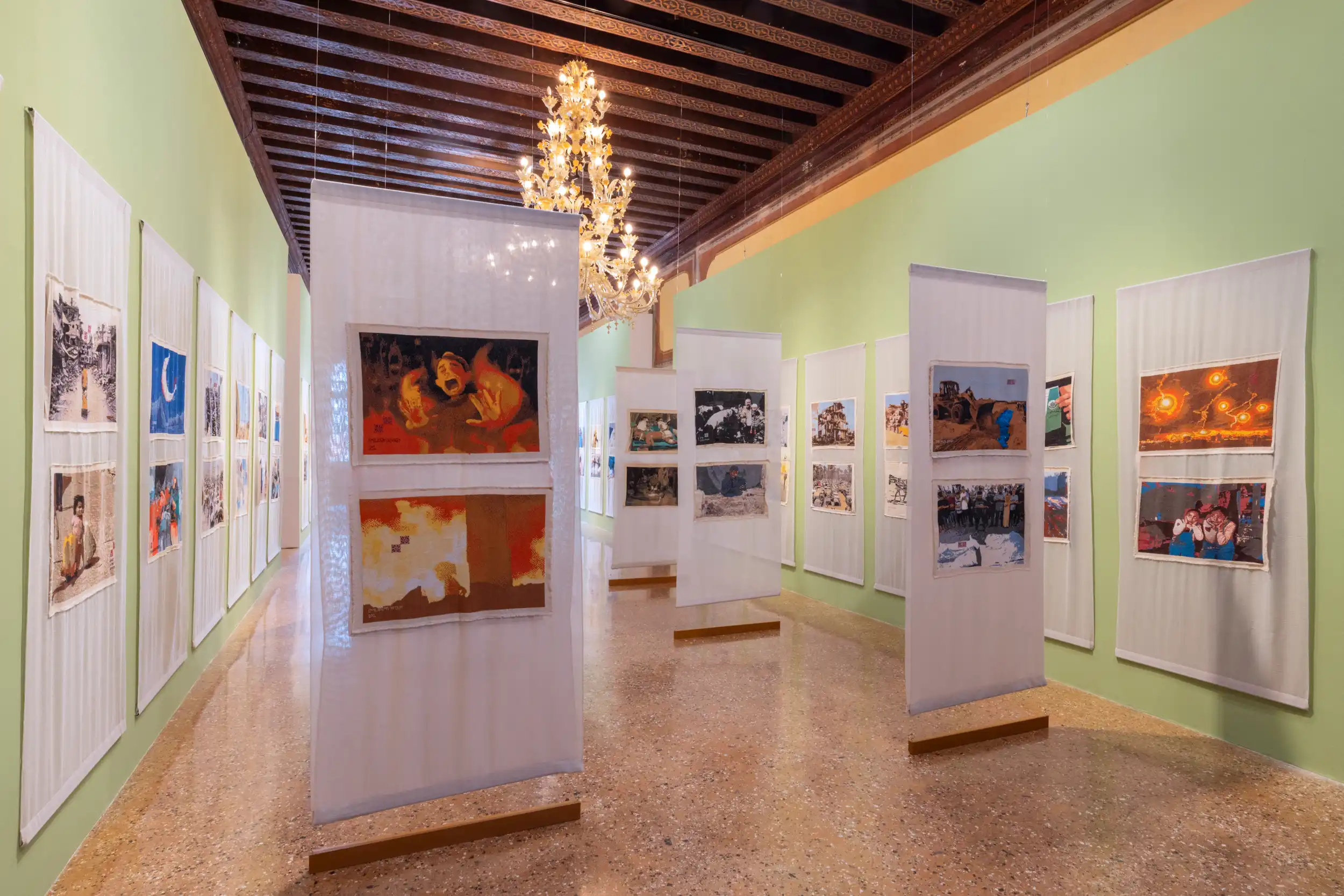
At the 2026 Venice Biennale, a collateral exhibition titled “Gaza – No Words – See the Exhibit” presents 100 embroidered works using the traditional Palestinian technique of Tatreez. Curated by artist Faisal Saleh, founder of the Palestine Museum US, the show transforms embroidery from decoration into political testimony, reconstructing scenes from Gaza over the past two and a half years: shrouded bodies, killed children, mothers bidding farewell, bombed hospitals. The exhibition is housed at Palazzo Mora and has been called by many visitors “the real Palestinian Pavilion” of the Biennale, though it is not an official national pavilion.

Ashfika Rahman's art lands in New York Times Critics' Top 6

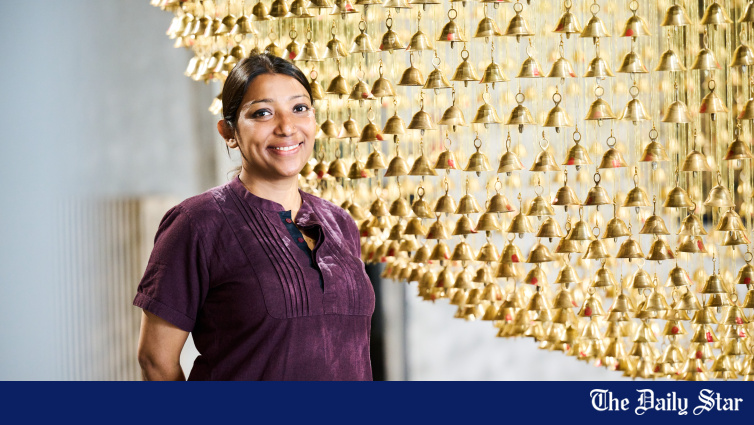
Bangladeshi visual artist Ashfika Rahman has been recognized by The New York Times as one of the six must-see shows at the Venice Biennale, with her work "Than Para — No Land Without Us" featured in the collateral exhibition "Still Joy — From Ukraine into the World." The installation, presented by the PinchukArtCentre and curated by Björn Geldhof and Oleksandra Pohrebnyak, incorporates thousands of small temple bells gathered from different spiritual traditions and draws on testimonies from Ukraine as well as the struggles of Indigenous communities in Bangladesh's Hill Tracts.

Inside Saudi Arabia’s pavilion at the Venice Biennale

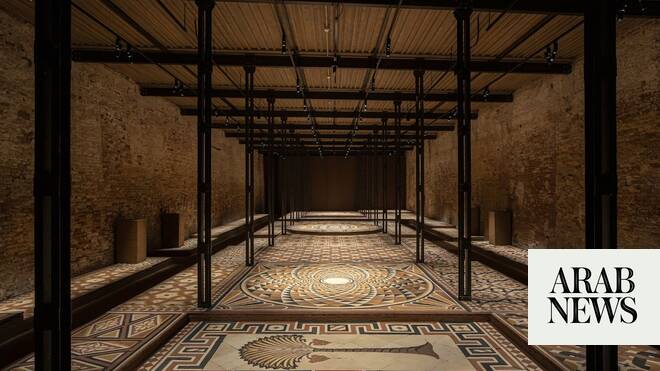
Saudi Arabia's national pavilion at the 61st Venice Biennale features a new installation by Saudi-Palestinian artist Dana Awartani titled "May your tears never dry, you who weep over stones." Curated by Art Jameel's director Antonia Carver and assistant curator Hafsa Alkhudairi, the work comprises over 29,000 handmade clay bricks arranged in intricate mosaics referencing 23 threatened cultural heritage sites across the Arab world, including Syria, Lebanon, and Palestine. The installation, which took more than 30,000 labor hours with 32 artisans, has become a crowd favorite since the biennale opened on May 9.

The Language Beyond the Human in the Surprising Polish Pavilion at the 2026 Venice Biennale. The Interview

Il linguaggio oltre l’umano nel sorprendente Padiglione Polonia alla Biennale di Venezia 2026. L’intervista

The Polish Pavilion at the 2026 Venice Biennale presents "Liquid Tongues," a project by artists Bogna Burska and Daniel Kotowski, curated by Ewa Chomicka and Jolanta Woszczenko with the collective Choir in Motion. The installation eschews spectacle for a subtle, immersive exploration of language beyond the human voice, incorporating sign language, underwater immersion, choreography, and whale songs to destabilize conventional communication.

Spain: Oriol Vilanova and the Abolition of the Museum and the Archive

ESPANA ORIOL VILANOVA Y LA ABOLICION DEL MUSEO Y EL ARCHIVO

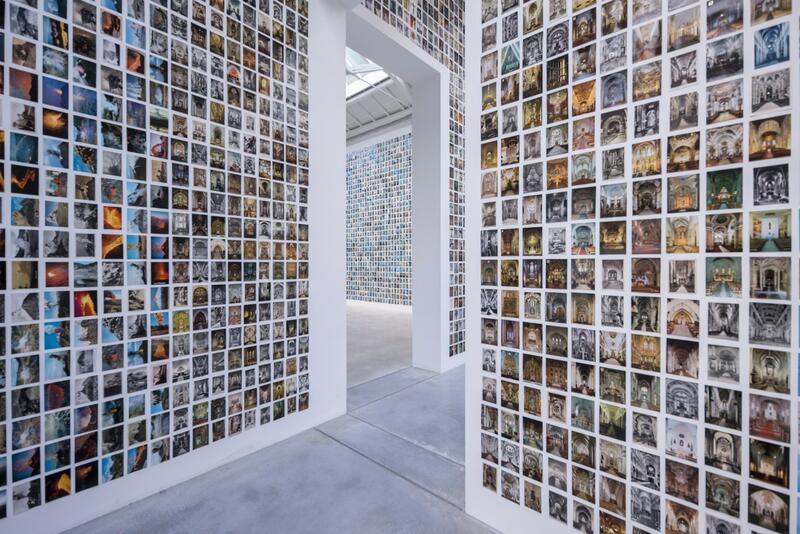
The Spanish Pavilion at the 61st Venice Biennale presents "Los restos," a project by Catalan artist Oriol Vilanova, curated by Carles Guerra. The installation transforms the pavilion into an anti-museum or pseudo-museum, featuring over twenty years of postcards collected from flea markets, arranged in a wall-based accumulation that challenges linear narrative and archival hierarchy. The project also includes a publication and a performative action titled "El fantasma de la libertad" (2026), inspired by Luis Buñuel, which will take place across the Giardini and Arsenale through unannounced encounters.

SPAIN ORIOL VILANOVA AND THE ABOLITION OF THE MUSEUM AND THE ARCHIVE

The Spanish Pavilion at the 61st Venice Biennale presents "Los restos," a project by Catalan artist Oriol Vilanova, curated by Carles Guerra. The installation transforms the pavilion into an anti-museum or pseudo-museum, featuring Vilanova's collection of postcards sourced from flea markets over more than twenty years. The work critiques traditional archival systems through accumulation, repetition, and fragmentation, and includes a publication and a performative action titled "El fantasma de la libertad" (2026), inspired by Luis Buñuel, which will take place across the Giardini and Arsenale.