
filter_list Showing 2 results for "Book of the Dead of Ramose" close Clear
search
dashboard All 2 museum exhibitions 1article news 1
date_range Range Today This Week This Month All
Subscribe

ancient egyptians correction fluid book of the dead

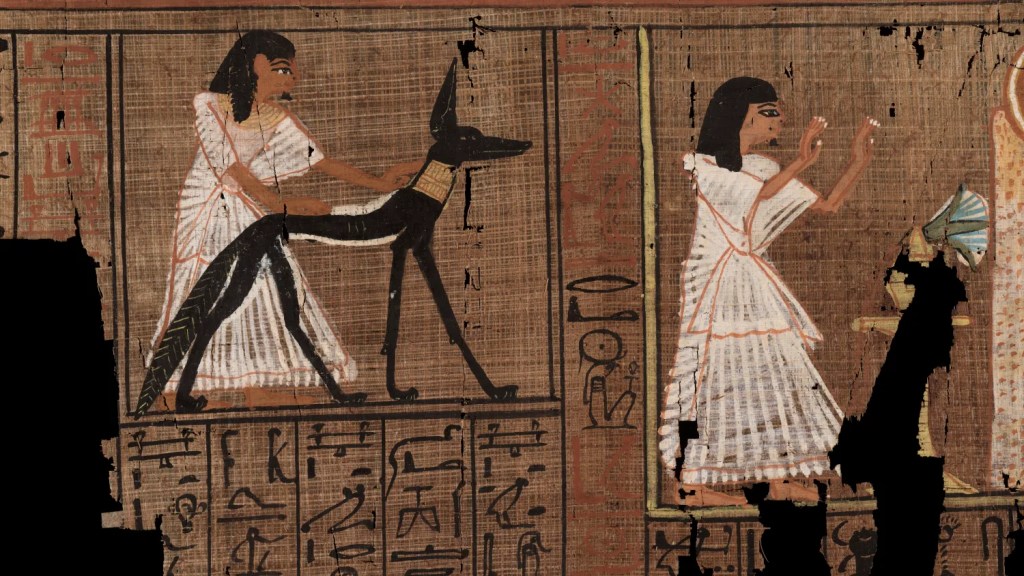
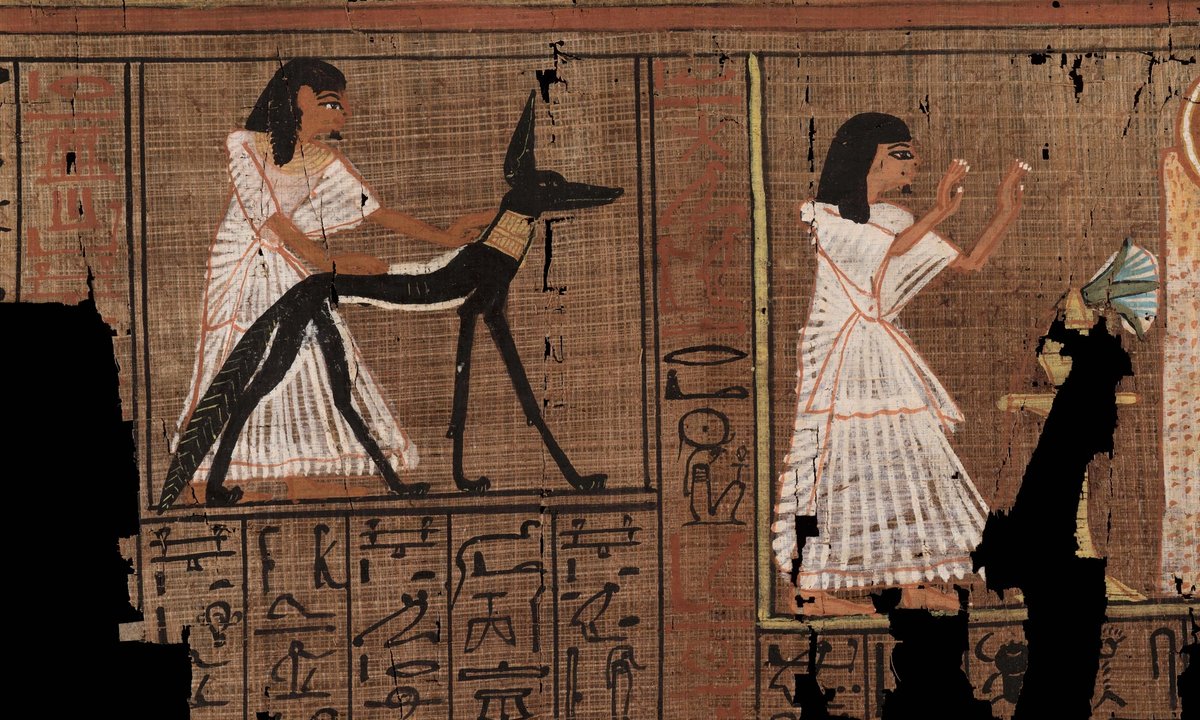
Researchers at the Fitzwilliam Museum have discovered that ancient Egyptian scribes used a primitive form of correction fluid to amend errors on papyrus scrolls. While preparing a 3,300-year-old copy of the Book of the Dead for the tomb of the scribe Ramose, conservators noticed white lines of huntite and calcite mixed with yellow orpiment used to slim down a painted jackal. This 'ancient Wite-Out' was specifically blended to match the cream-colored tone of fresh papyrus, concealing revisions made during the artistic process.
Ancient Egyptian form of ‘Tipp-Ex’ identified on papyrus at UK’s Fitzwilliam Museum

Researchers at the Fitzwilliam Museum in Cambridge have discovered a 3,300-year-old form of corrective fluid on an Ancient Egyptian papyrus. Analysis of a 'Book of the Dead' created for a royal archivist named Ramose revealed that a mixture of huntite, calcite, and yellow orpiment was used to paint over a jackal figure to make it appear slimmer. This 'ancient Tipp-Ex' was specifically tinted to match the cream-colored papyrus, demonstrating a sophisticated level of aesthetic correction and attention to detail by Egyptian craftspeople.