filter_list Showing 10 results for "Catalonia" close Clear
dashboard All 10 gavel restitution 5article news 3museum exhibitions 2
date_range Range Today This Week This Month All
Subscribe

paint drippings art industry news jun 16 2657309

This week's art industry roundup covers major developments across art fairs, auction houses, and galleries. Ahead of Art Basel in Basel, Artnet's Editor-in-Chief Naomi Rea investigates how the trade lost control of the pricing narrative amid a market breakdown. The Armory Show announces its 2025 edition with over 230 galleries and new curated sections, while Frieze will open a gallery space in Seoul. Sotheby's London will auction Pauline Karpidas's collection estimated at over $81 million, and a rare Rodin marble sold for $1.2 million. Caroline Lang steps down as chair of Sotheby's in Switzerland after four decades. Gallerist Kamel Mennour donates 180 works to Paris's Musée d'Art Moderne, and Marian Goodman Gallery now represents the estate of Ana Mendieta.


Spain’s Culture Minister Rejects Guernica Transfer, but Basque Leaders Refuse to Take No for an Answer

Spain’s Culture Minister, Ernest Urtasun, has officially rejected a request from the Basque regional government to temporarily transfer Pablo Picasso’s iconic painting, Guernica, to the Guggenheim Museum Bilbao. Citing conservation reports from the Museo Reina Sofía, Urtasun argued that the 1937 masterpiece is too fragile to travel and that his primary duty is to preserve the work for future generations. Basque leaders, led by Lehendakari Imanol Pradales and Senator Igotz López, have challenged this decision, calling for an independent feasibility study and appealing directly to Prime Minister Pedro Sánchez.

Sketches of Spain at arms: Sim, the anarchist illustrator who drew the civil war from the frontline

The Guardian reports on José Luis Rey Vila, known as Sim, an anarchist illustrator who documented the Spanish Civil War from the frontlines in Catalonia. His bold, colorful sketches captured street battles, militias, nurses, and milicianas, and were widely reproduced in booklets and exhibitions, raising international awareness before Picasso's Guernica. After the war, Sim fell into obscurity and died in near-anonymity in 1983. Now, on the 90th anniversary of the conflict, Barcelona's Museu Nacional d'Art de Catalunya (MNAC) is exhibiting 40 recently acquired Sim illustrations, highlighting his role as a key visual chronicler of the conflict.

is spains sistine chapel of romanesque art at risk 2656768

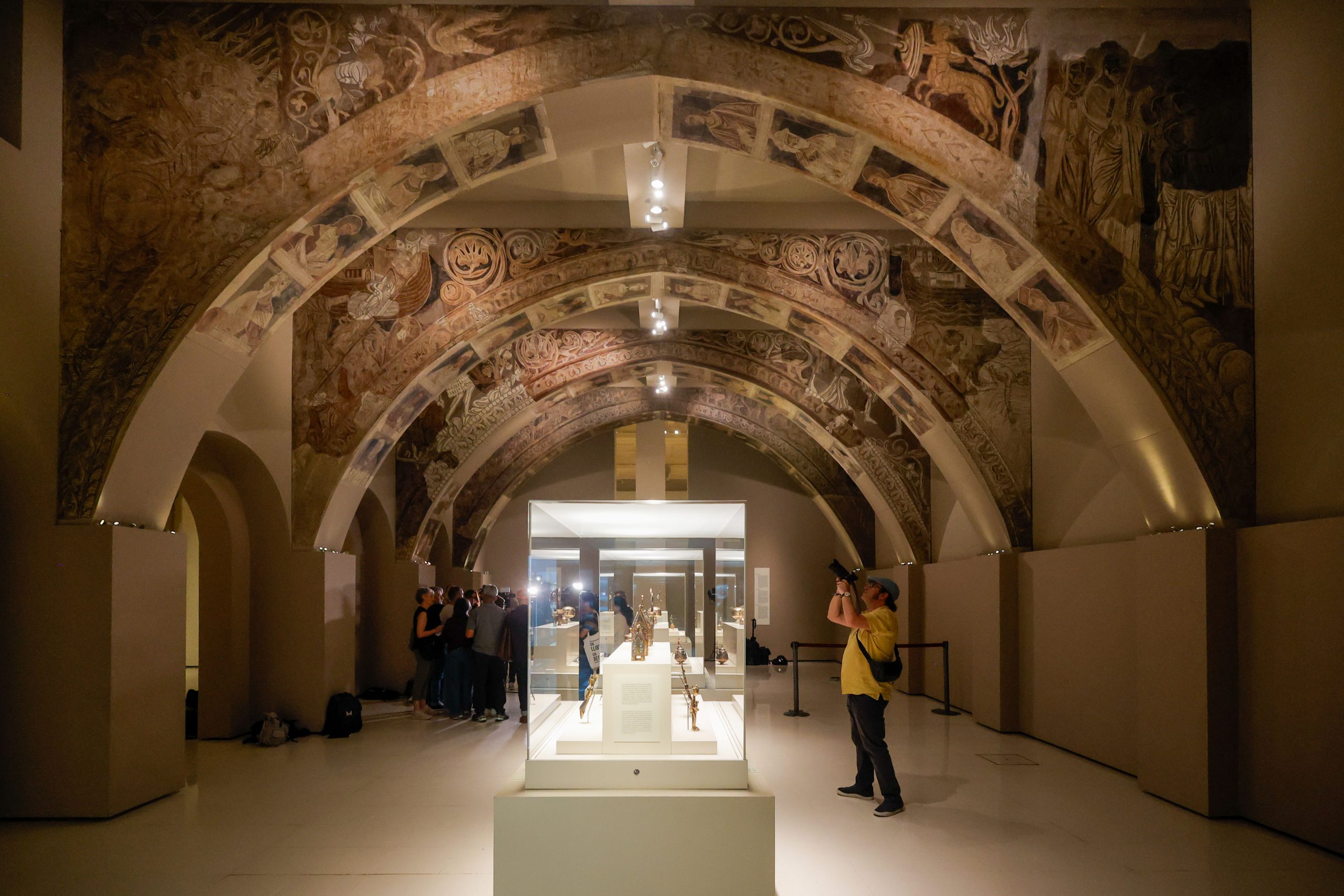
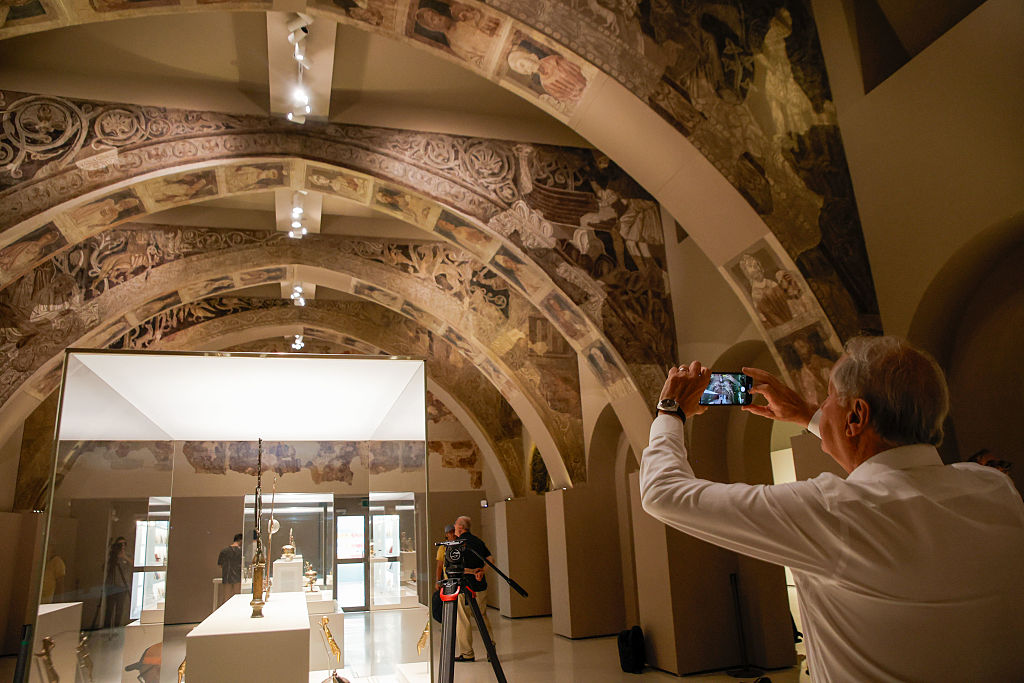
The Spanish Supreme Court has ordered the return of the Sijena Murals, 12th-century Romanesque frescoes known as the "Sistine Chapel of Romanesque Art," from the National Art Museum of Catalonia (MNAC) in Barcelona to their original monastery in Huesca, Aragon, by June 25. However, the MNAC is resisting the move, arguing that transporting the fragile, fire-damaged murals poses a "real risk of irreparable damage." The museum has requested more information about the destination and conditions at the Sijena monastery, and has suggested a longer timeline for the return of particularly delicate sections, while the Sijena City Council has proposed installing the works elsewhere if necessary.

Historic Strike Disrupts Biennale as Thousands March in Venice

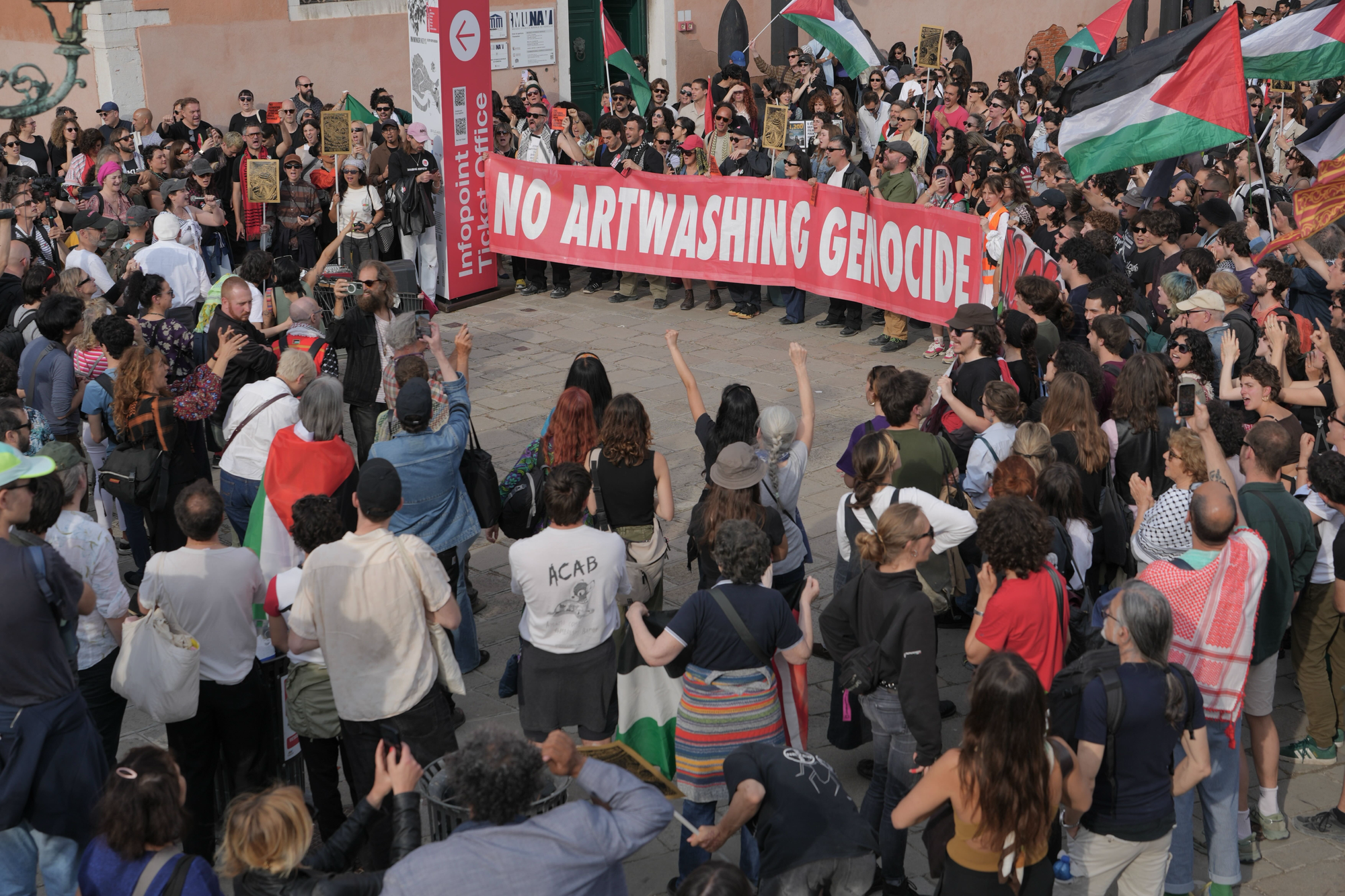
On May 8, 2026, artists and cultural workers staged the first strike in the 131-year history of the Venice Biennale, disrupting the pre-opening of the international exhibition. At least 27 of the 100 national pavilions were partially or fully shut down, and thousands marched through Venice to the Arsenale, which was barricaded by Italian riot police. The strike, organized by the Art Not Genocide Alliance (ANGA) and local activist groups, was a 24-hour action for Palestine and workers' rights, with some artists altering or draping their works in the main exhibition, "In Minor Keys."

Gaudí Attribution Confirmed for Xalet del Catllaràs

gaudi xalet catllaras attribution 2747886

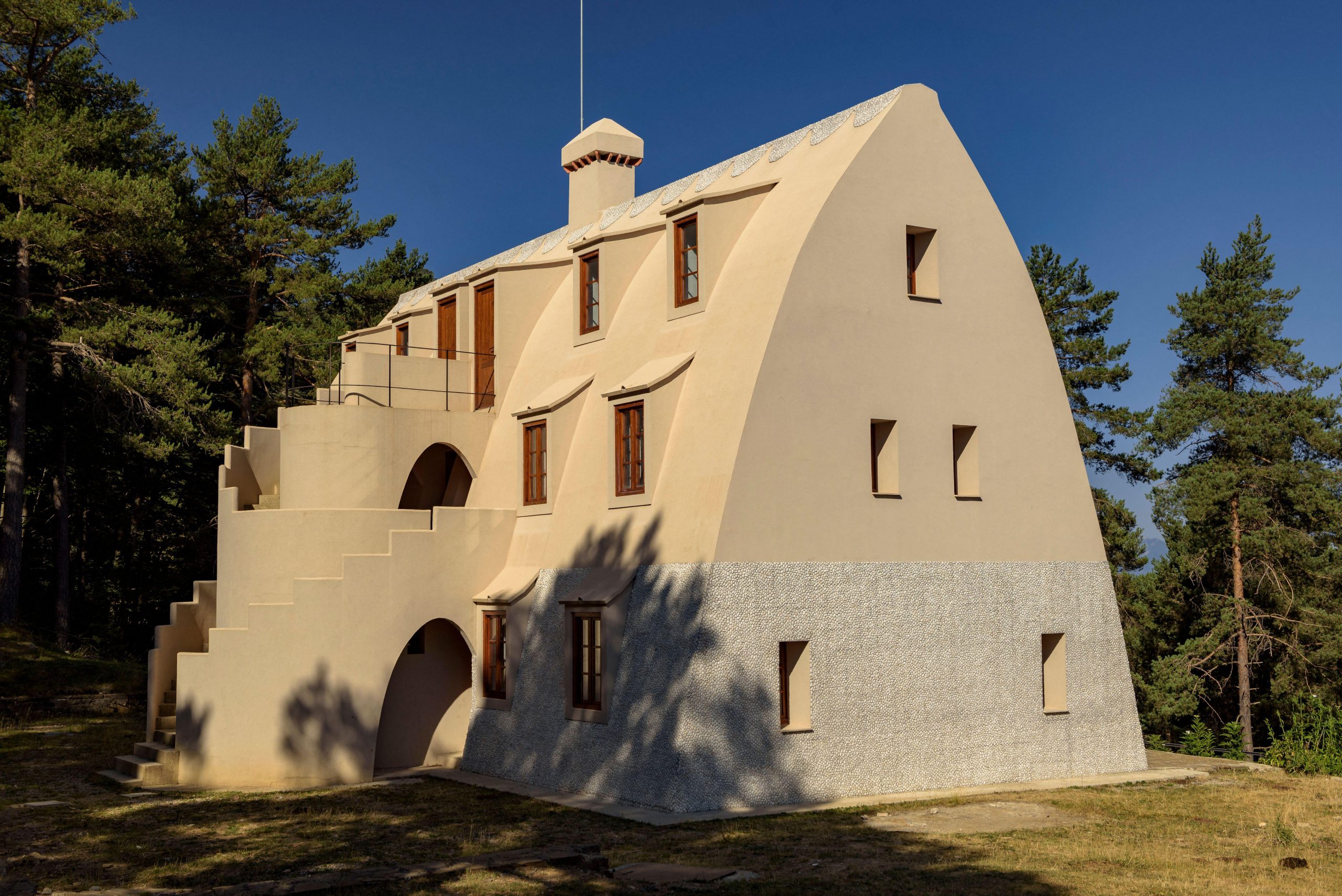
A comprehensive architectural report commissioned by the Government of Catalonia has officially confirmed that Antoni Gaudí designed the Xalet del Catllaràs, a remote chalet in the Catalan mountains. Built between 1901 and 1908 for engineers working at coal mines owned by Gaudí’s patron Eusebi Güell, the building’s attribution was previously suspected but unverified. Researchers used structural analysis of the canted arches, room distribution, and specific lime plastering techniques to link the pyramidal structure to Gaudí’s signature modernist style.

Catalan Museum Has Yet to Follow Through on Court Order to Return Contested Murals to Aragon Monastery

The National Art Museum of Catalonia (MNAC) in Barcelona has failed to comply with a May 2025 Spanish Supreme Court ruling ordering the return of 13th-century Romanesque murals to the Sijena Monastery in Aragon. Despite the legal mandate ending a decade-long dispute, the museum continues to house the works, citing significant technical and conservation risks associated with transporting the delicate canvases.

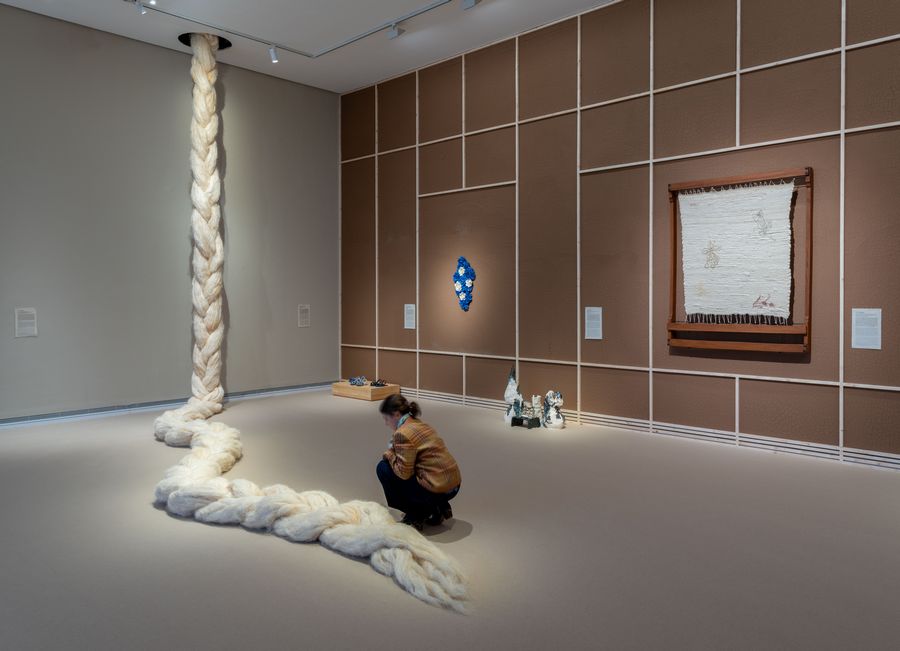
AT A LOW FLAME. CLAY AND NATURAL FIBERS IN THE WORK OF IBERO-AMERICAN ARTISTS

A MEDIA LUMBRE. BARRO Y FIBRAS NATURALES EN LA OBRA DE ARTISTAS IBEROAMERICANOS

The exhibition 'A media lumbre' presents a collection of works by Ibero-American artists that engage with materials and knowledge historically considered minor arts, such as ceramics, clay, wool, textiles, embroidery, and natural fibers. The show integrates sound and oral tradition as tools for transmitting memory, drawing inspiration from communal gatherings like the 'filandones.' It unfolds across four autonomous exhibitions in Valencia, Mallorca, Aragon, and Catalonia, connecting urban museums like the IVAM with rural contexts.

protest sparks over sijena murals 1234748359

A small protest of fewer than 50 demonstrators, organized by the Catalan National Assembly and joined by former Catalan president Laura Borràs and ANC president Lluís Llach, gathered outside the National Art Museum of Catalonia (MNAC) on Monday morning as Aragonese technicians arrived to inspect a set of contested 13th-century Romanesque murals. The murals, originally from the Sijena Monastery, were ordered returned by Spain’s Supreme Court after more than a decade of litigation, concluding that the original religious order never lawfully transferred ownership after the works were removed in 1936 following a fire during the Spanish Civil War. The inspection team, led by restorer Natalia Martínez de Pisón, began with less fragile sections using photogrammetry to assess transport viability, while MNAC officials warn that moving the more delicate frescoes could cause irreversible damage and plan to formally contest the execution order on conservation grounds.

romanesque murals return sijena monastery court ruling 1234747979

Spain's Supreme Court has ruled that 13th-century Romanesque murals removed from the Sijena Monastery during the Spanish Civil War must be returned to their original home in Aragon. The artworks have been housed at the National Art Museum of Catalonia (MNAC) since 1936, after a fire gutted the monastery's chapter house. The ruling dismisses previous agreements that Catalan authorities claimed legitimized their custody, finding that the Sijena religious order never ceded ownership. The decision caps over a decade of legal battles and jurisdictional disputes between Aragon and Catalonia.