
filter_list Showing 3 results for "Colorado State University" close Clear
dashboard All 3 article news 3
date_range Range Today This Week This Month All

Native Americans Played Dice Games Far Earlier Than Previously Known, Study Shows

A groundbreaking study from Colorado State University reveals that Native Americans in the western Great Plains were using dice for gaming over 12,000 years ago. Researcher Robert J. Madden identified two-sided dice made of bone or wood from archaeological sites in Wyoming, Colorado, and New Mexico, pushing the known history of games of chance back significantly further than previously recorded.
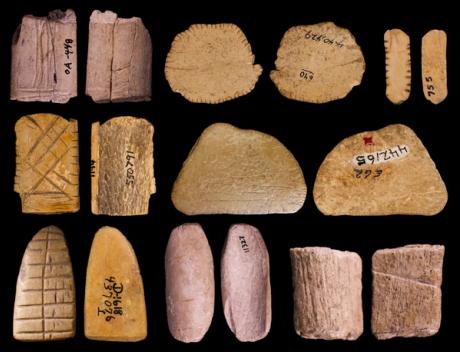
Native Americans created dice more than 12,000 years ago, study finds

Archaeological research from Colorado State University has identified the world's oldest known dice, created by Native American hunter-gatherers on the western Great Plains over 12,000 years ago. These two-sided "binary lots," found at Folsom-period sites in Wyoming, Colorado, and New Mexico, predate the earliest known Old World dice by more than 6,000 years. The study reclassifies artifacts previously overlooked or misidentified, highlighting that these objects were the only decorated, non-utilitarian items found at these late-Pleistocene sites.

Native Americans created dice more than 12,000 years ago, study finds

Archaeologist Robert J. Madden of Colorado State University has identified the world's oldest known dice, created by Native American hunter-gatherers on the western Great Plains over 12,000 years ago. By re-examining artifacts from Late Pleistocene Folsom-period sites in Wyoming, Colorado, and New Mexico, Madden discovered that these "binary lots" predate the earliest known Old World dice by more than 6,000 years. These objects are often the only decorated, non-utilitarian items found at these ancient sites, featuring artistic markings that distinguish them from everyday tools.