
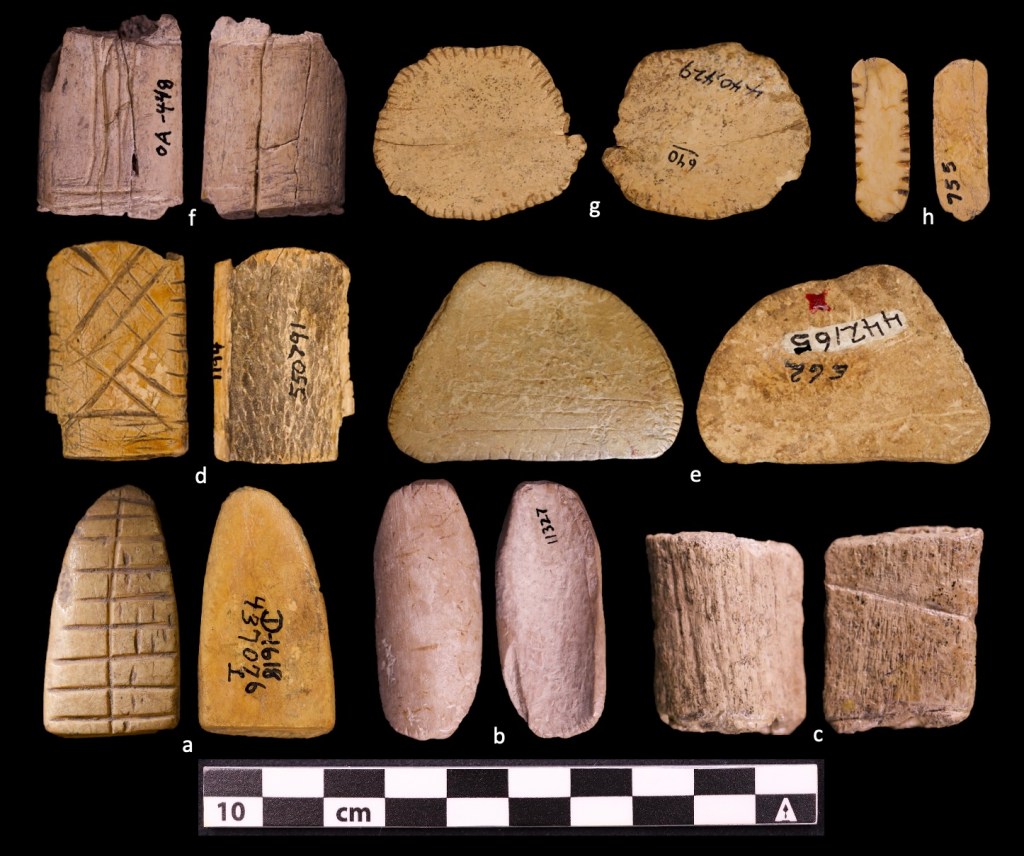
A groundbreaking study from Colorado State University reveals that Native Americans in the western Great Plains were using dice for gaming over 12,000 years ago. Researcher Robert J. Madden identified two-sided dice made of bone or wood from archaeological sites in Wyoming, Colorado, and New Mexico, pushing the known history of games of chance back significantly further than previously recorded.
This discovery challenges the long-held belief that structured gaming and probabilistic thinking originated in Mesopotamia and the Indus Valley roughly 5,500 years ago. By proving that hunter-gatherer societies engaged with randomness during the late Pleistocene, the research highlights a remarkable cultural continuity, as these specific binary dice games are still practiced by Indigenous groups today.