filter_list Showing 5 results for "Convelio" close Clear
dashboard All 5 trending_up market 4article policy 1
date_range Range Today This Week This Month All
Subscribe

tefaf new york art fair trump tariffs impact 1234740253

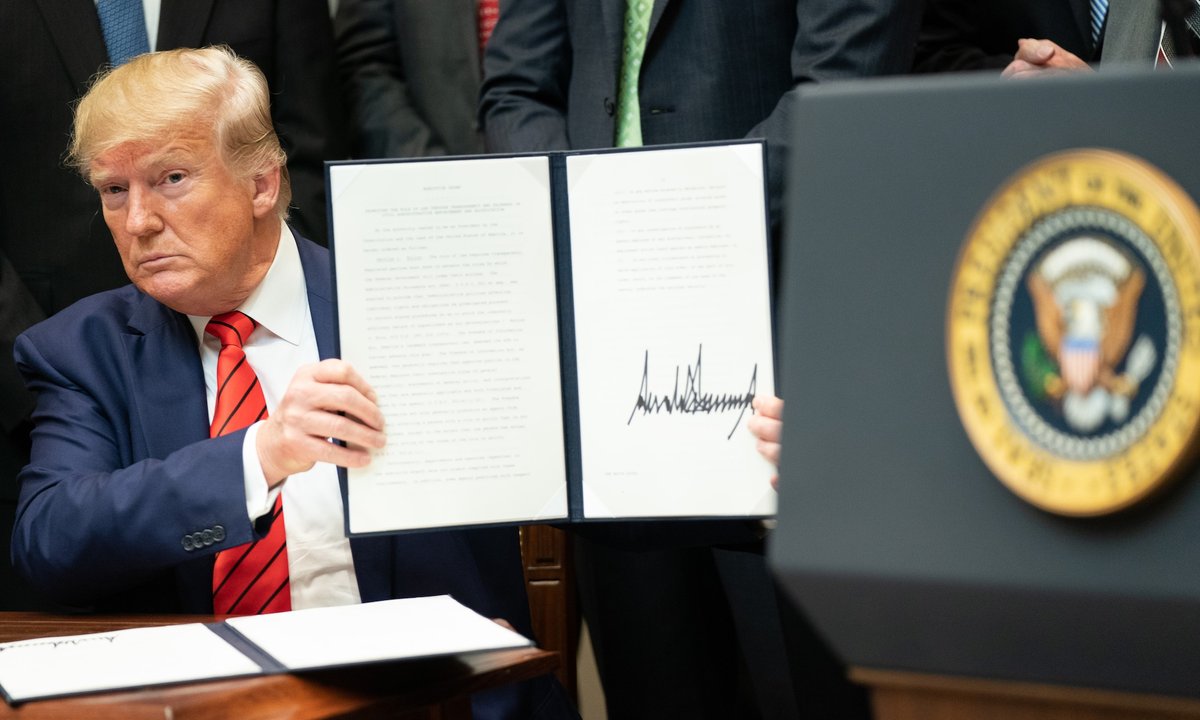
New tariffs imposed under the Trump administration are causing significant disruptions for art professionals shipping works to major New York art fairs, particularly TEFAF New York. Shipping companies report a 'torturous road' as galleries navigate complex import taxes—including 7.5% on Chinese artworks, 25% on steel and aluminum sculptures, and 10% on jewelry, furniture, and design pieces—while many original artworks, antiques over 100 years old, and collector's pieces remain exempt. Galleries are modifying operations by renting booth furniture, showing items already stored in the US, and avoiding shipments from China, with some classifying antiquities broadly as 'sculpture' to simplify customs clearance.

art shipping in turmoil as tariffs trigger delays 2636325

President Trump's tariff policies are causing significant disruption in the art shipping industry, despite artworks themselves remaining largely exempt from import taxes under U.S. law. While Section 1702(b) of the IEEPA protects artworks, books, and films from presidential trade restrictions, antiques and design objects are subject to a 10 percent universal tariff, creating confusion for customs officers. Meanwhile, changes to de minimis rules—lowering the threshold for formal customs processing from $2,500 to $800—have forced DHL to temporarily suspend certain shipments and caused multi-day delays. Smaller art dealers relying on global logistics firms are particularly affected, as bespoke fine-art shippers like Crozier, UOVO, and Cadogan Tate are often too expensive for lower-value works under $10,000.

ai art market revolution 2666766

A survey by PwC found that 88% of U.S. companies plan to increase AI budgets, and the art world is following suit. The article explores how AI is infiltrating the art market beyond controversial authentication and IP issues, covering topics like autonomous agents, data privacy, logistics partnerships (Carpenters Workshop Gallery with Convelio), and new AI-powered search tools being developed by Artnet using Google's Gemini. It also notes that collector Jorge Pérez used AI assistance to acquire 24 works at Art Basel in Basel.

us antiques and decorative arts hit hard by trump tariffs 1234760257

Import tariffs imposed by the Trump administration on October 14 are causing unintended harm to the international trade of antiques and decorative arts. The executive order, signed on September 29, placed 25 percent tariffs on wood imports and products like upholstered furniture and kitchen cabinets, with further increases scheduled for January 1, 2026. While painting, sculpture, and fine art are exempt under the 1977 International Emergency Economic Powers Act, collectibles such as antique furniture, watches, wine, and classic cars are not protected. Dealers like Millicent Ford Creech and Michael Pashby report that the costs are unpredictable and largely absorbed by businesses, with shippers struggling to quote rates amid constant fluctuations.

Amid uncertainty over Trump’s tariffs, many collectors pause purchases while others ‘hold their noses and pay’

US President Donald Trump's proposed tariff regime for around 60 countries has created uncertainty in the art and antiques markets. Dealers and collectors are grappling with questions about whether art, antiques, and decorative objects are exempt, and how import duties might affect pricing and attendance at US art fairs. Margo Thoma of Tai Modern in Santa Fe reports that a 24% tariff on Japanese goods would likely have prevented two out of four recent sales. Steven J. Chait of Ralph M. Chait Galleries notes that while top-tier collectors may accept higher prices for extraordinary objects, the middle market may balk. Art adviser Todd Levin warns that newer, younger collectors could be most affected, and dealer Eric Zetterquist has canceled his spring buying trip to Asia due to economic uncertainty.