
filter_list Showing 3 results for "Crucifix" close Clear
search
dashboard All 3 museum exhibitions 2rate_review review 1
date_range Range Today This Week This Month All
Subscribe

Venice Biennale 2026 Highlights: Off-Site Exhibitions

ArtReview editors highlight off-site pavilions and exhibitions at the 61st Venice Biennale, running from 9 May through 22 November 2026. Featured works include Li Yi-Fan's film *Screen Melancholy* at Palazzo delle Prigioni, which uses motion capture and a free-trial videogame engine to explore digital alienation and the 'enshittosphere,' and Roberto Diago's installation *Free Men* at the Pavilion of Cuban Republic, comprising rusted iron heads, fragmented wooden figures, and text works critiquing political oppression in Cuba.
Did Zurbarán Believe What He Painted?

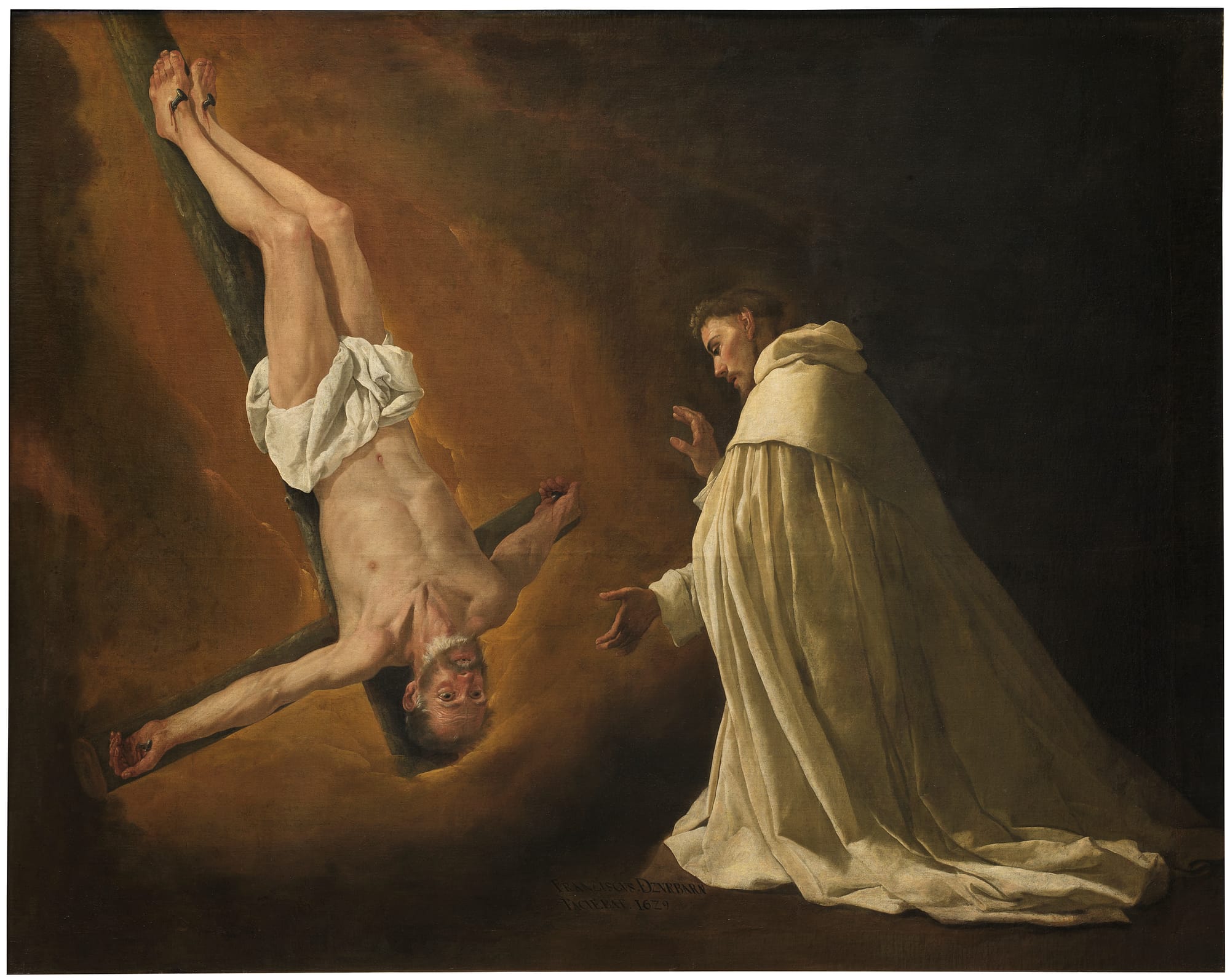
An exhibition of Francisco de Zurbarán's 17th-century religious paintings at London's National Gallery prompts a critic to question whether the artist's personal faith influenced his artistic skill. The show features monumental works from Spanish churches and monasteries, displayed dramatically against black walls, including crucifixion scenes, monks, and saints. The critic notes that no personal records of Zurbarán survive—only contracts—leaving his beliefs unknown, and compares him to Agnolo Bronzino, who painted pious scenes but wrote obscene verses. A small painting of a crucified Christ with a painter, possibly a self-portrait of Bronzino, is presented as ambiguous evidence of faith.

Sacramental Value: “The Holy Sepulcher” at the Kimbell Art Museum, Fort Worth

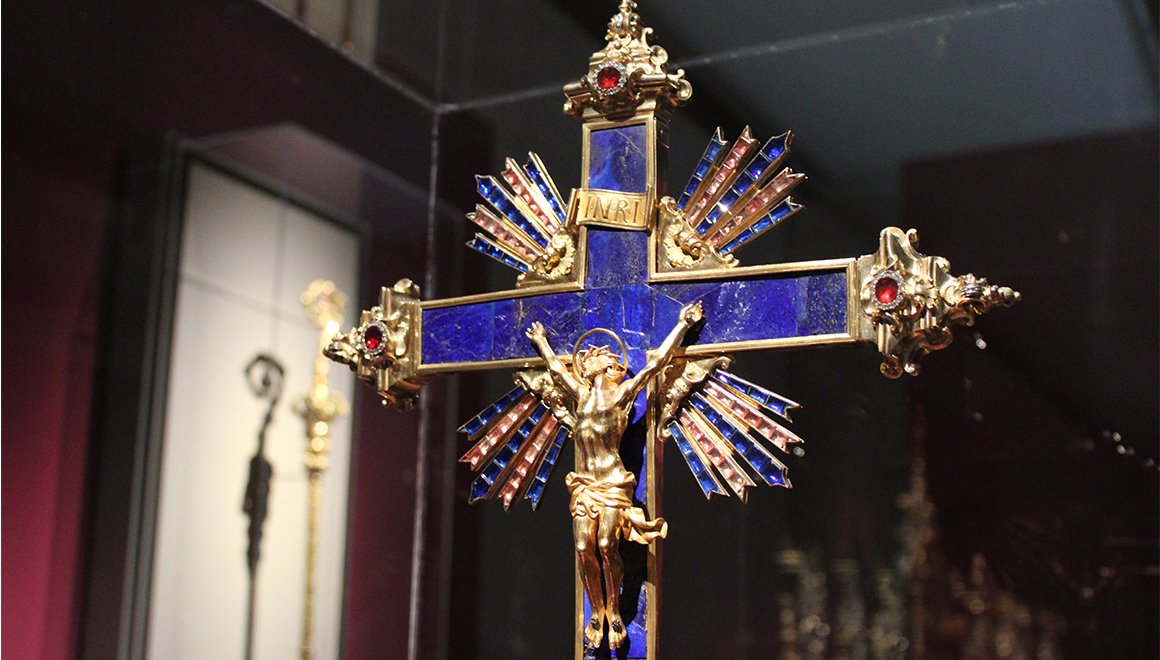
The Kimbell Art Museum in Fort Worth is hosting "The Holy Sepulcher: Treasures from the Terra Sancta Museum, Jerusalem," a rare exhibition of sacred objects from the Church of the Holy Sepulcher. Curated by Xavier F. Salomon, the show features ornate metalwork, textiles, and vestments dating from the 16th to 18th centuries, drawn from the Terra Sancta Museum's collection and traveling to only two U.S. venues. The exhibition includes pieces such as a gilt silver reliquary from 1628-29 and a gold crucifix from 1756, displayed in low lighting to evoke a candlelit church atmosphere.