filter_list Showing 21 results for "Degenerate Art" close Clear
search
dashboard All 21 museum exhibitions 9article culture 8trending_up market 2article policy 2
date_range Range Today This Week This Month All
Subscribe

scarcity rarity artnet 20th century art auction

Artnet Auctions has launched its "20th Century Art" sale, featuring works by blue-chip masters including Joan Miró, Yves Klein, and Andy Warhol. The auction, curated by specialists Sylvie François Sturtevant and Jason Rulnick, highlights the distinction between "rarity"—objects that are unusual due to limited production or historical loss—and "scarcity"—where high market demand outstrips the available supply of editioned works.

paula modersohn becker degenerate doubles auction record

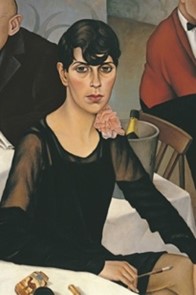
A 1906 self-portrait by German modernist Paula Modersohn-Becker, titled *Selbstbildnis nach halblinks (Self-Portrait Looking Slightly Left)*, sold for €1.3 million ($1.5 million) at Berlin's Grisebach auction house on Thursday—more than quintupling its low estimate and more than doubling the artist's previous auction record. The work was acquired by an unnamed European private collector. The painting had previously been seized by the Nazis as "degenerate" art from the St. Annen Museum in Lübeck and was later acquired by the collector Bauer, who aimed to rehabilitate persecuted artists.

7 art history facts

Frieze Week in New York has arrived, drawing tens of thousands of visitors to The Shed for displays from over 65 international galleries. The article offers a collection of art historical trivia to help attendees impress peers, including tales of a potentially fake Picasso gifted to Robin Williams by Disney, Piet Mondrian's fondness for Disney's *Snow White and the Seven Dwarfs*, and a legend that Raphael's pupil Giulio Romano created erotic frescos in the Vatican's Sala di Constantino out of anger over delayed payment from Pope Clement VII.

Paul Klee: Other Possible Worlds

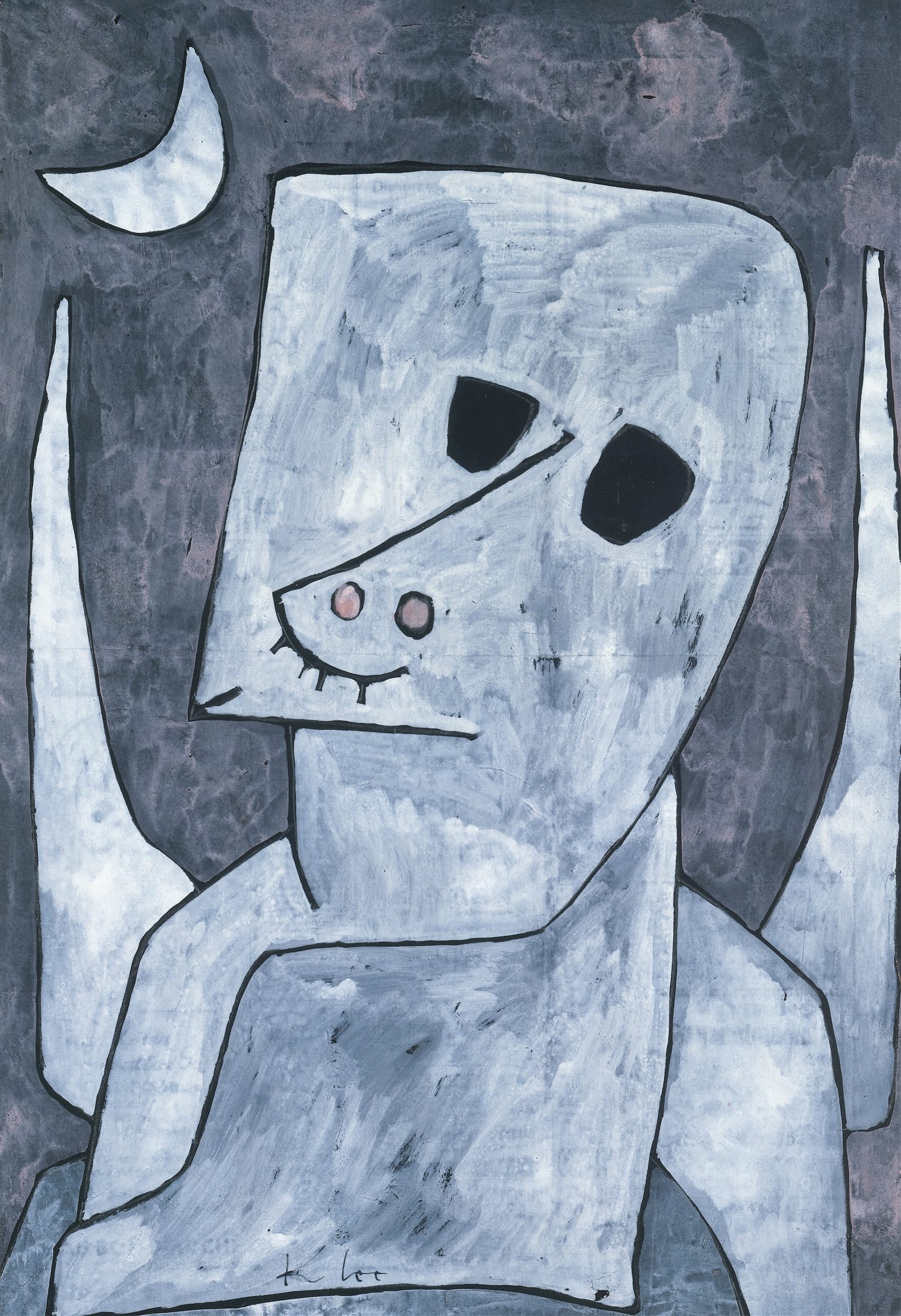
The Jewish Museum in New York has launched "Paul Klee: Other Possible Worlds," the first U.S. museum exhibition dedicated specifically to the artist’s late-period works. Featuring 100 paintings and drawings, the show focuses on the final decade of Klee’s life (1930–1940), a period marked by his dismissal from the Düsseldorf Academy by the Nazis, his exile to Switzerland, and his battle with a fatal autoimmune disease.

chris kraus novel

Chris Kraus, the influential contemporary art writer, co-editor of Semiotext(e), and novelist best known for her 1997 autobiographical novel *I Love Dick*, has released a new novel titled *The Four Spent the Day Together*. The book follows a character named Catt Greene, who closely mirrors Kraus's own life: a childhood in Connecticut, later success as an art critic and novelist with *I Love Dick* (adapted into an Amazon series), a marriage to an addiction counselor struggling with his own addiction, and online backlash for being a landlord. In the third part, Greene investigates a real-life murder in rural Minnesota, seeking new material as her own life feels depleted.

art nicole eisenman 52 walker politics

Nicole Eisenman's solo exhibition "STY" is on view at 52 Walker in New York through January 10, 2026. The show features recent paintings including "The Auction" (2025) and "Archangel (The Visitors)" (2024), which blend styles from realism to post-Cubist caricature. Curated by Ebony L. Haynes, the gallery is transformed into a single room lined with Homasote board, creating an intimate studio-like atmosphere that includes reference ephemera from Eisenman's Brooklyn studio, such as a printout of Martin Kippenberger's 1984 abstraction.

‘The pictures are evil!’ The great art-quake of 1910

The article reviews David Boyd Haycock's slim new book 'Art-Quake, 1910,' which examines the explosive 1910 exhibition 'Manet and the Post-Impressionists' at London's Grafton Galleries. The show introduced British audiences to revolutionary artists like Cézanne, van Gogh, Gauguin, Matisse, and Picasso, provoking outrage from critics and the public, who called the works 'evil,' 'hysterical,' and a threat to civilization. The book is part of a series from Old Street publishing that also includes titles on the Degenerate Art exhibition and the Cultural Revolution.

Modern Art and Politics in Germany 1910–1945

The article examines the complex and often fraught relationship between modern art and political power in Germany from 1910 to 1945. It details how avant-garde movements like Expressionism, Dada, and the Bauhaus initially flourished, only to be systematically suppressed and labeled "degenerate" by the Nazi regime after 1933.

Commentary | Art is more than its original context

Comment | Art is more than its original context

This commentary explores the tension between historical context and the immediate, physical experience of viewing art in the modern age. While art historians often focus on restoring works to their original origins—such as the rare, unmoved Giovanni Bellini altarpiece in Venice—the author argues that over-emphasizing biographical or political context can reduce a masterpiece to a mere illustration or a token in a power game.

Albuquerque exhibition depicts German art made during the tragic ascent of authoritarianism

The Albuquerque Museum has opened a landmark exhibition titled "Modern Art and Politics in Germany 1910–1945: Masterworks from the Neue Nationalgalerie, Berlin," featuring German and European art from the early 20th century. The show traces the trajectory from the German Empire through World War I, the Weimar Republic, Nazi rule, and World War II, including works by Max Beckmann, George Grosz, Hannah Höch, Ernst Ludwig Kirchner, Paul Klee, and others. Many pieces were originally condemned as "degenerate art" by the Nazis. The exhibition, which has three U.S. stops, is currently in Albuquerque after appearing at the Kimbell Art Museum in Fort Worth and will travel to the Minneapolis Institute of Art.

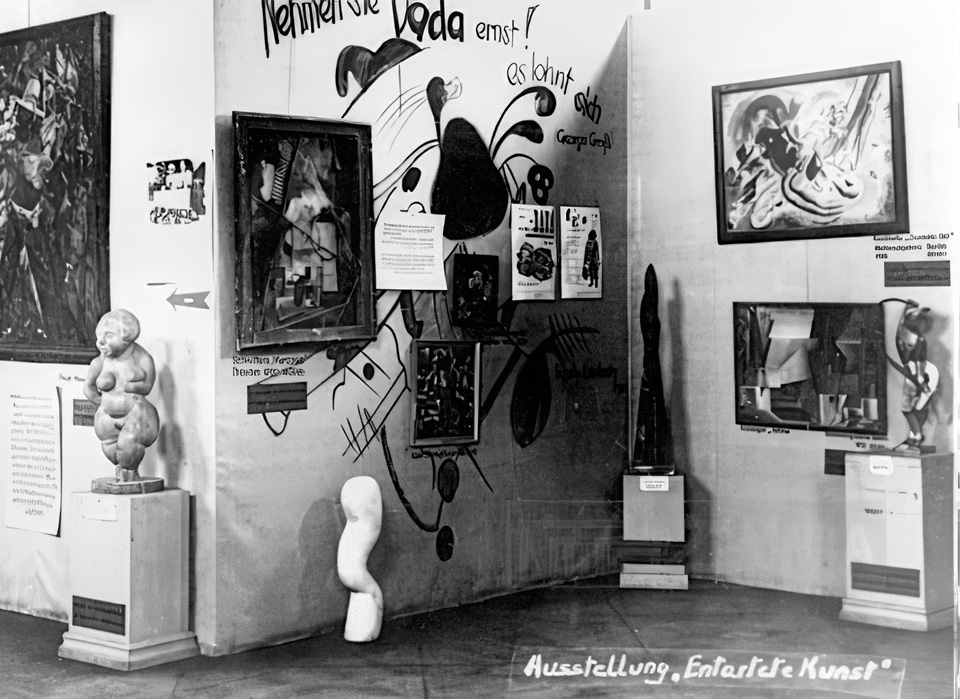
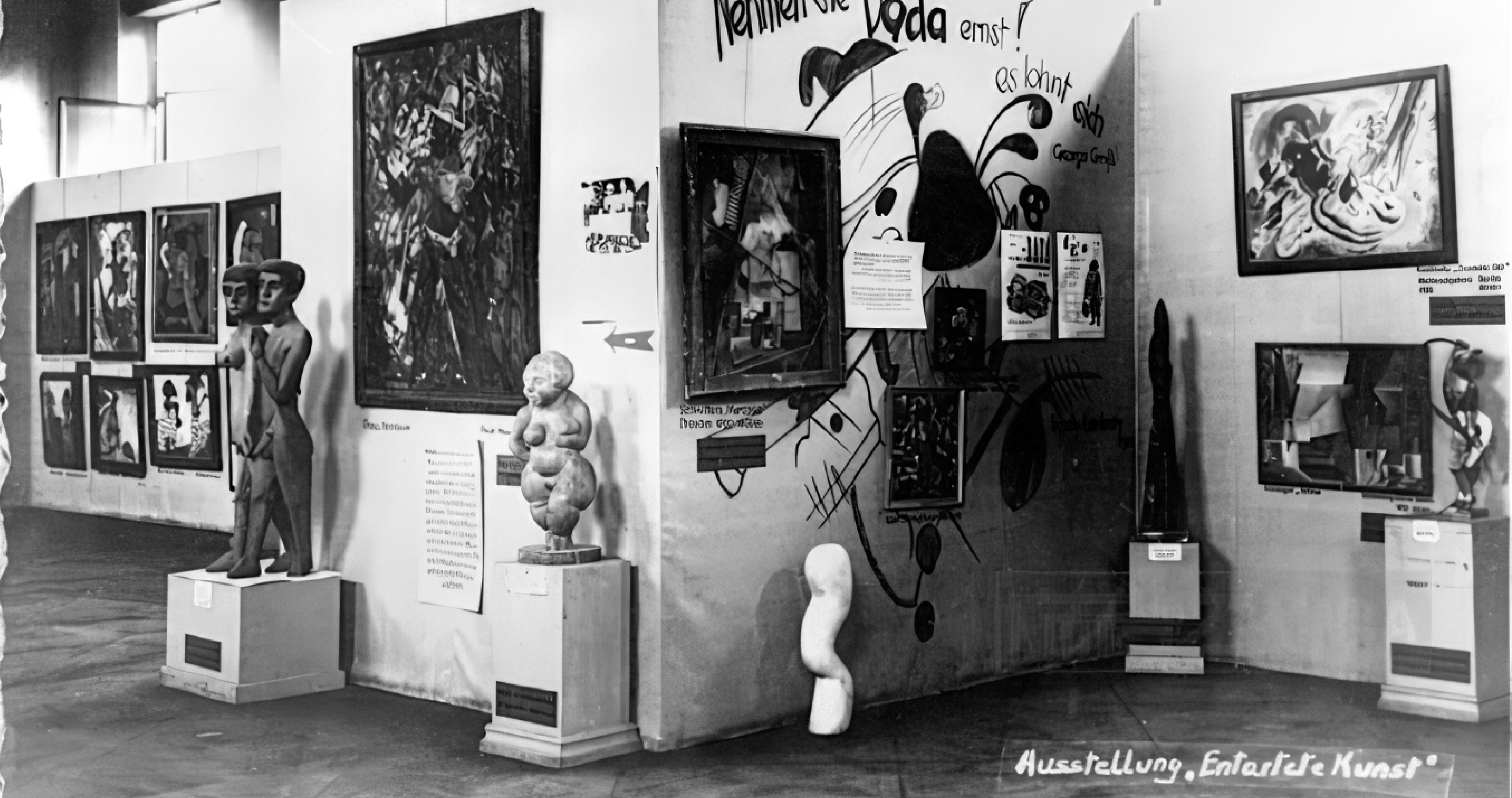
The Disturbing Lessons of the 1937 ‘Degenerate Art’ Show

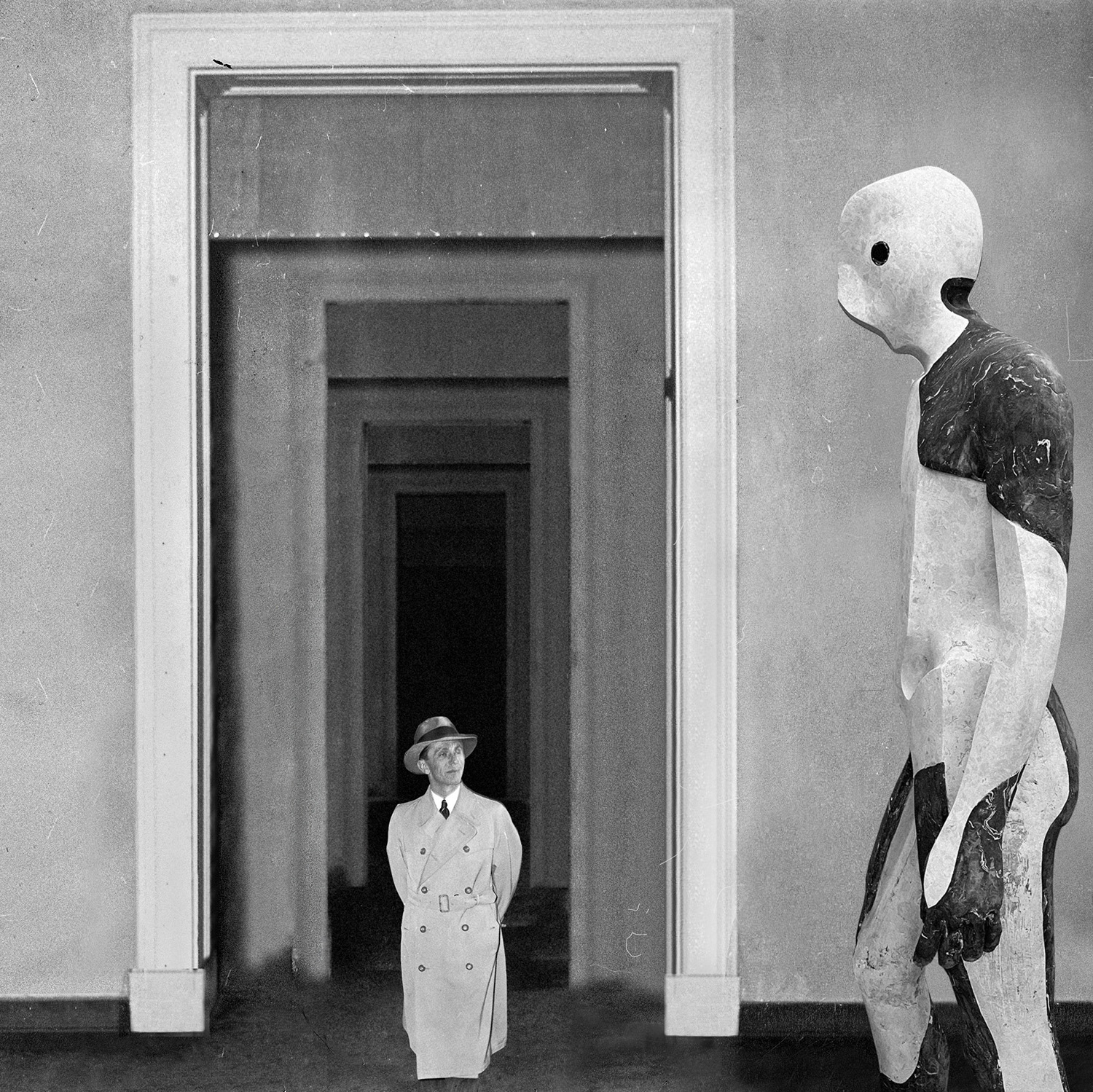
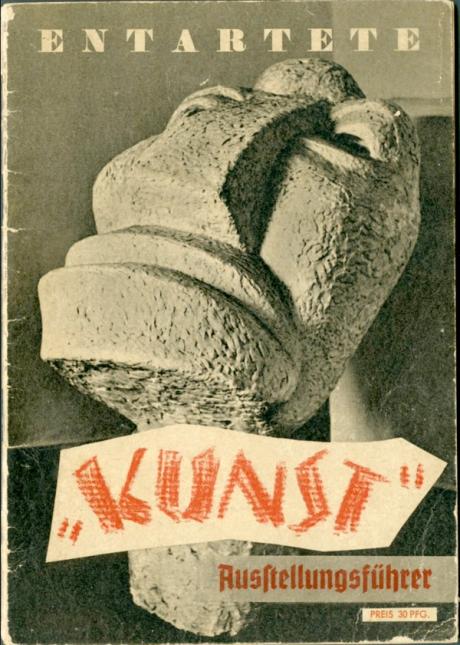
The article examines the historical context and enduring relevance of the 1937 Nazi-organized 'Degenerate Art Show' (Entartete Kunst) in Munich, which displayed hundreds of works by modern artists like George Grosz, Wassily Kandinsky, and Paul Klee as examples of moral and cultural corruption. It traces the concept's roots in 19th-century Social Darwinism, its adoption by Adolf Hitler and the Nazi Party to denigrate modern art, and the gradual escalation of cultural purification policies after Hitler seized power in 1933, including the firing of museum directors and the construction of the Haus der Deutschen Kunst.

Artists and scholars respond to White House’s list of Smithsonian grievances

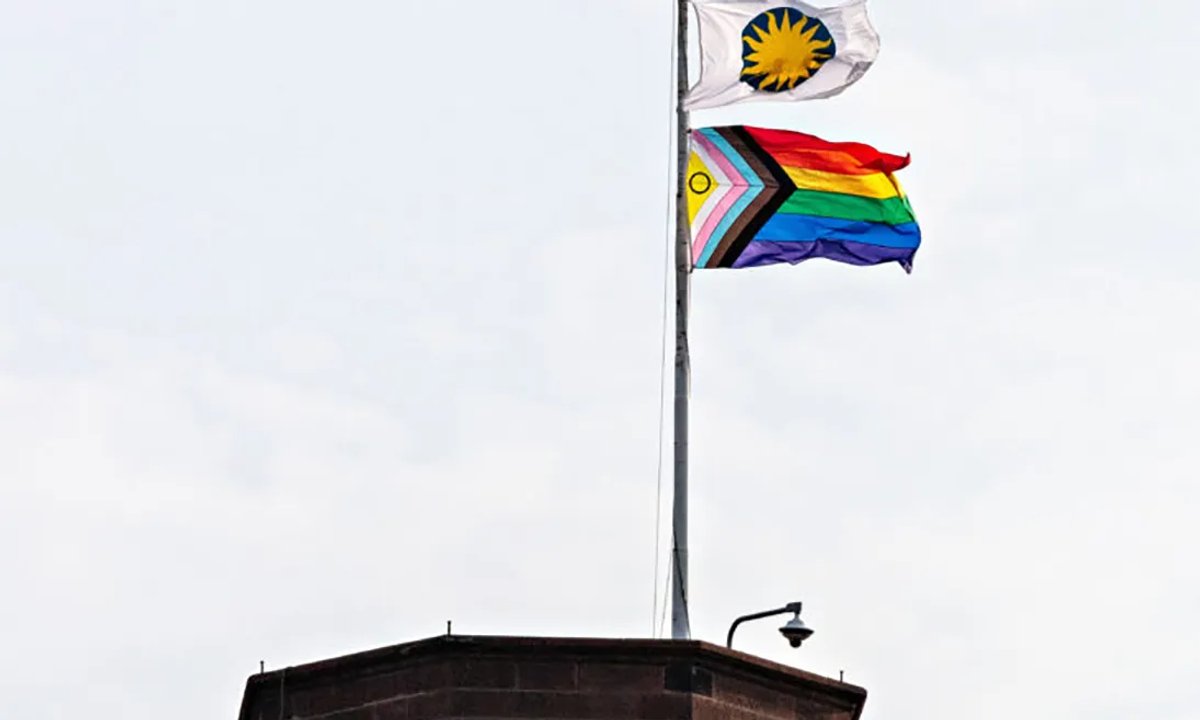
Over the weekend, artists, scholars, and concerned citizens responded to the White House's list of objectionable Smithsonian Institution exhibits and texts, released under the heading 'President Trump Is Right About the Smithsonian.' The list includes bullet points targeting exhibits on white culture, LGBTQ+ history, Afrofuturism, and works by artists such as Ibram X. Kendi, Ayana V. Jackson, Hugo Crosthwaite, Rigoberto A. Gonzalez, and Amy Sherald. Those singled out defended their work, with some comparing the administration's actions to Jim Crow-era censorship or Nazi Germany's 'degenerate art' campaigns, while others expressed pride in being included and vowed to continue making political art.

Albuquerque Museum Presents German Modernism Amid Empire, Democracy, and Dictatorship

The Albuquerque Museum will present "Modern Art and Politics in Germany 1910-1945: Masterworks from the Neue Nationalgalerie, Berlin" from August 23, 2025, to January 4, 2026. The exhibition features over 70 paintings and sculptures tracing German modern art from the early 20th-century avant-garde through the Weimar Republic to the Nazi dictatorship, including works by Max Beckmann, Otto Dix, George Grosz, Hannah Höch, Wassily Kandinsky, Paul Klee, and Salvador Dalí, many rarely shown in the U.S.

Key member of Die Brücke art movement gets museum in hometown

A new museum dedicated to Karl Schmidt-Rottluff, a founding member of the German Expressionist group Die Brücke, has opened in his hometown of Rottluff, a village on the western edge of Chemnitz. The Karl Schmidt-Rottluff Haus, acquired by the city in 2023 and opened in April, displays works spanning the artist's entire career, including early pieces never before shown publicly. The museum also features works by fellow Brücke artists and a secretly painted 1944 self-portrait created in the same house during the Nazi era, when Schmidt-Rottluff was branded a degenerate artist and banned from painting.

‘Degenerate’ or ‘woke,’ Paris museum exhibit shows what happens to art in the crosshairs of politics

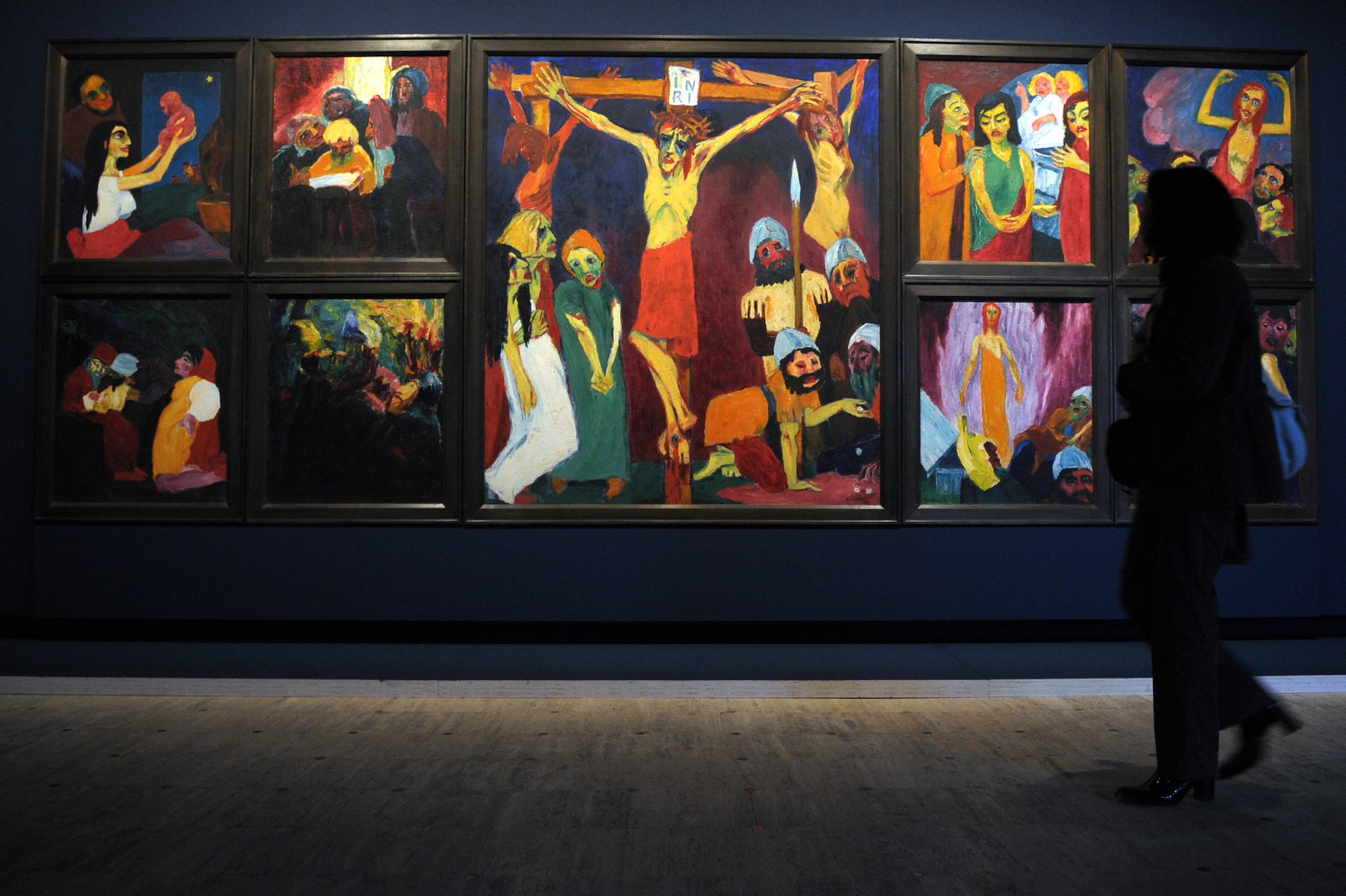
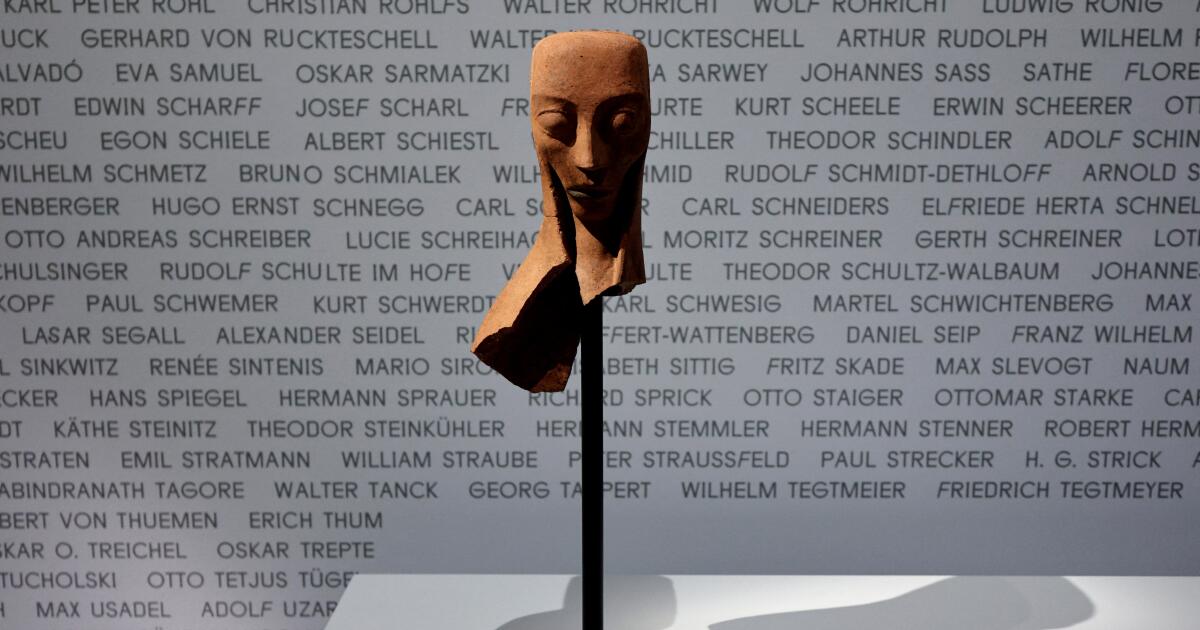
The Picasso Museum in Paris has opened an exhibition titled "Degenerate Art: Modern Art on Trial Under the Nazis," the first such show in France, running until May 25. It features works by Van Gogh, Klee, Picasso, Kandinsky, Chagall, and others that were condemned by Hitler and the Third Reich as "degenerate" — targeted for destruction, sale, or concealment. The exhibition is organized thematically around Nazi persecution, including sections on race, museum purges, and the art trade, and highlights the fates of artists like Ernst Ludwig Kirchner, who died by suicide, and Otto Freundlich, who was murdered in a concentration camp.

The AfD Rehearses the Seizure of Power

Die AfD probt die Machtergreifung

The article reports that in the German state of Saxony-Anhalt, the far-right party AfD could achieve an absolute majority in the upcoming September election—a first in postwar German history. The state government has preemptively introduced a cultural funding law to protect the arts. The AfD's platform includes a "new patriotic cultural policy" under the slogan "#deutschdenken," which explicitly targets the Bauhaus and modernist art as symbols of an "identity disorder" they promise to "heal."

Comment | Degenerate art all over again? Nazi attack on Modern art is not far away from trends in today’s world

The article draws a provocative parallel between the Nazi regime's attack on modern art—epitomized by the 1937 "Degenerate Art" (Entartete Kunst) exhibition—and contemporary political aesthetics, particularly around President Donald Trump. It traces the Nazi party's early use of visual spectacle, mass rallies, and monumental art to forge a national identity, contrasting this with Trump's proposed National Garden for American Heroes and stalled White House Ballroom, which the author dismisses as kitsch but lacking the cohesive fascist aesthetic of Albert Speer's masterplans.

Comment | Museums must be the leaders in a moral revolution

Dutch historian Rutger Bregman, in his 2025 BBC Reith Lectures and book 'Moral Ambition,' argues that Europe risks becoming a stagnant, museum-like relic and calls for a moral revolution to counter societal decline driven by unserious leadership. He positions museums, with their high public trust and status as democratic civic spaces, as crucial leaders in this revolution, urging them to move beyond passive neutrality and actively establish ethical standards, combat misinformation, and engage with urgent societal issues like authoritarianism and climate crisis.

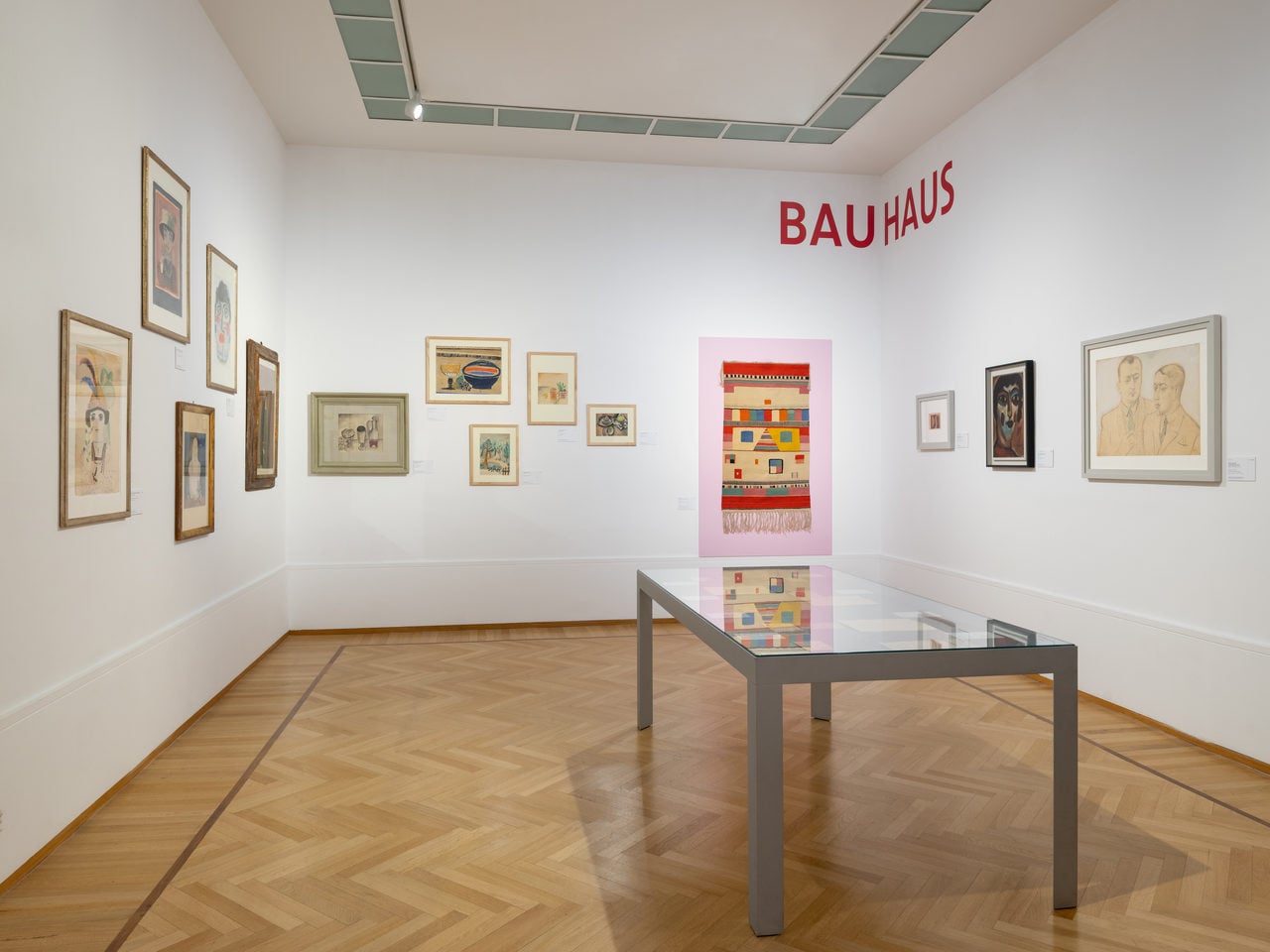
Story of Max Peiffer Watenphul, the Bauhaus painter who found his new homeland in Italy

Storia di Max Peiffer Watenphul, il pittore del Bauhaus che trovò in Italia la sua nuova patria

A major retrospective titled "Max Peiffer Watenphul. Pittore del Bauhaus" has opened at the Galleria Nazionale d'Arte Moderna e Contemporanea (GNAMC) in Rome, curated by Gregor H. Lersch, director of the Museo Casa di Goethe. The exhibition explores the complex artistic journey of Max Peiffer Watenphul (1896–1976), a German Bauhaus-trained painter who found a second home in Italy. It highlights his multidisciplinary approach, his troubled painting style marked by unusual materials and scratched surfaces, and his deep connection to Italy, where he fled after Nazi persecution and where he lived until his death.

The National WWII Museum Hosting Special Exhibit Highlighting Nazi Campaign against Modern Art

The National WWII Museum in New Orleans has opened a special exhibit titled 'Degenerate! Hitler’s War on Modern Art,' on loan from the Jewish Museum Milwaukee and running through May 10, 2026. The exhibit features over 65 works by artists deemed 'degenerate' by the Nazi regime, including Wassily Kandinsky, Max Beckmann, Pablo Picasso, and Marc Chagall, alongside documents and artifacts that explore how modernist art was suppressed and weaponized as propaganda. The museum has expanded the original exhibit to include a focus on suppressed music, featuring instruments from the era, such as a tenor saxophone played by Eddie Powers and a clarinet played by George Lewis, on loan from the New Orleans Jazz Museum.

Degenerate! Hitler’s War on Modern Art

The National WWII Museum in New Orleans will host the traveling exhibition "Degenerate! Hitler's War on Modern Art" from November 6, 2025, through May 10, 2026. Originally created by the Jewish Museum Milwaukee, the show examines the Nazi campaign against modern art and music, featuring over 65 original works by artists such as Wassily Kandinsky, Max Beckmann, Pablo Picasso, and Marc Chagall. It explores how modernist art was labeled "degenerate" by the Third Reich, used as propaganda, and systematically suppressed, with many works seized, destroyed, or sold. The exhibition also expands into music, highlighting the suppression of jazz and works by Jewish composers.