filter_list Showing 5 results for "Entrance" close Clear
dashboard All 5 museum exhibitions 2rate_review review 2article culture 1
date_range Range Today This Week This Month All
Subscribe

Artist Henry Ossawa Tanner

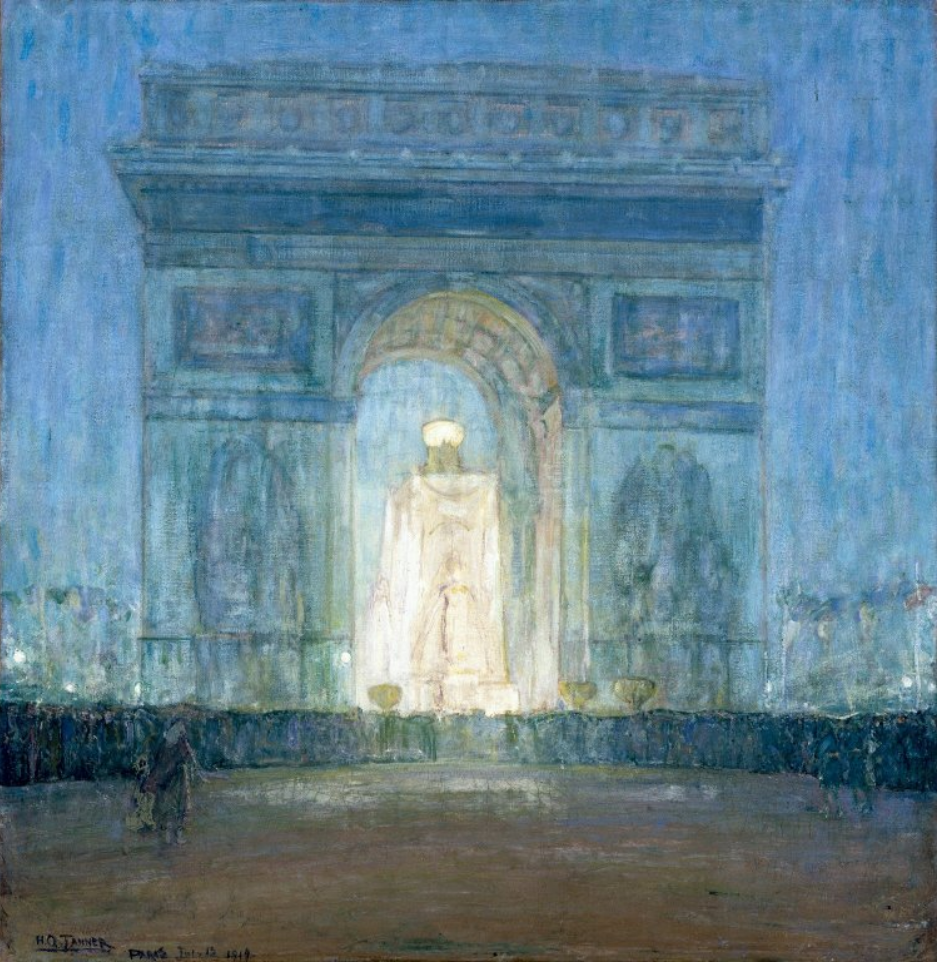
This article profiles Henry Ossawa Tanner (1859–1937), the pioneering African American artist who achieved international fame in the 19th and early 20th centuries. Born in Pittsburgh to a bishop father and a mother who escaped slavery, Tanner studied under Thomas Eakins at the Pennsylvania Academy of Fine Arts before moving to Paris to escape racial discrimination. He studied at the Académie Julian, became a mentor to Black artists including Aaron Douglas and Hale Woodruff, and gained renown for his biblical paintings such as "Daniel in the Lions' Den" (1896). Tanner traveled widely—to Egypt, Morocco, and Palestine—and was named a chevalier of the French Legion of Honor in 1927. The article lists numerous works by Tanner held in major collections, including the first painting by an African American artist acquired for the White House Collection.

Mary Frank Creates Her Own Pantheon

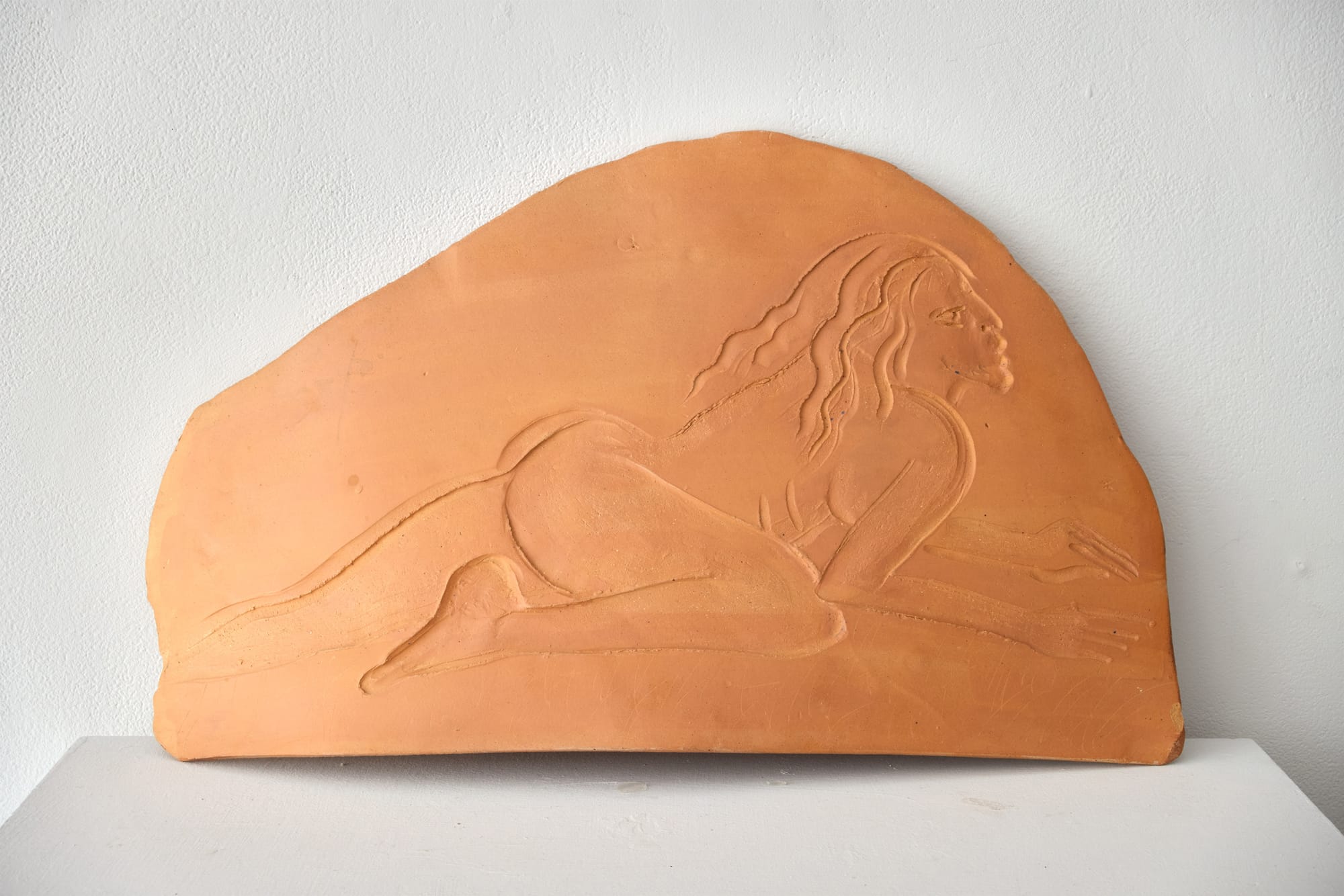
Mary Frank, an artist in her early 90s known for mythologically rooted sculpture and works on paper, is the subject of a focused exhibition at Steven Harvey Fine Art Projects in New York. Curated by Steven Harvey, the show presents 11 sculptures in wood, bronze, and ceramic from 1958 to 1985, alongside five works on paper, including a monotype and an oil-on-paper piece. Frank’s work, influenced by her study with Martha Graham, centers on self-sustaining female figures that embody agency, tenderness, and survival, often rendered in ceramic slabs or carved wood.

The Ukrainian Pavilion’s Deer Seen Around the World

Zhanna Kadyrova's concrete sculpture "The Origami Deer" (2019) is prominently displayed at the entrance to the Giardini during the 61st Venice Biennale, part of her project "Security Guarantees" in the Ukrainian Pavilion. Originally installed in Pokrovsk, eastern Ukraine, the work was removed in 2024 as Russian forces advanced, then traveled through Vienna, Warsaw, Prague, Berlin, and Paris before reaching Venice—a journey mirroring the displacement of millions of Ukrainians. The sculpture, shaped like a deer and evoking folded paper, references the 1994 Budapest Memorandum, in which Russia, the UK, and US guaranteed Ukraine's security in exchange for its nuclear disarmament—guarantees that proved worthless after Russia's invasions.

À Deauville, un vitrail monumental de Clara Rivault fête les cinq ans des Franciscaines

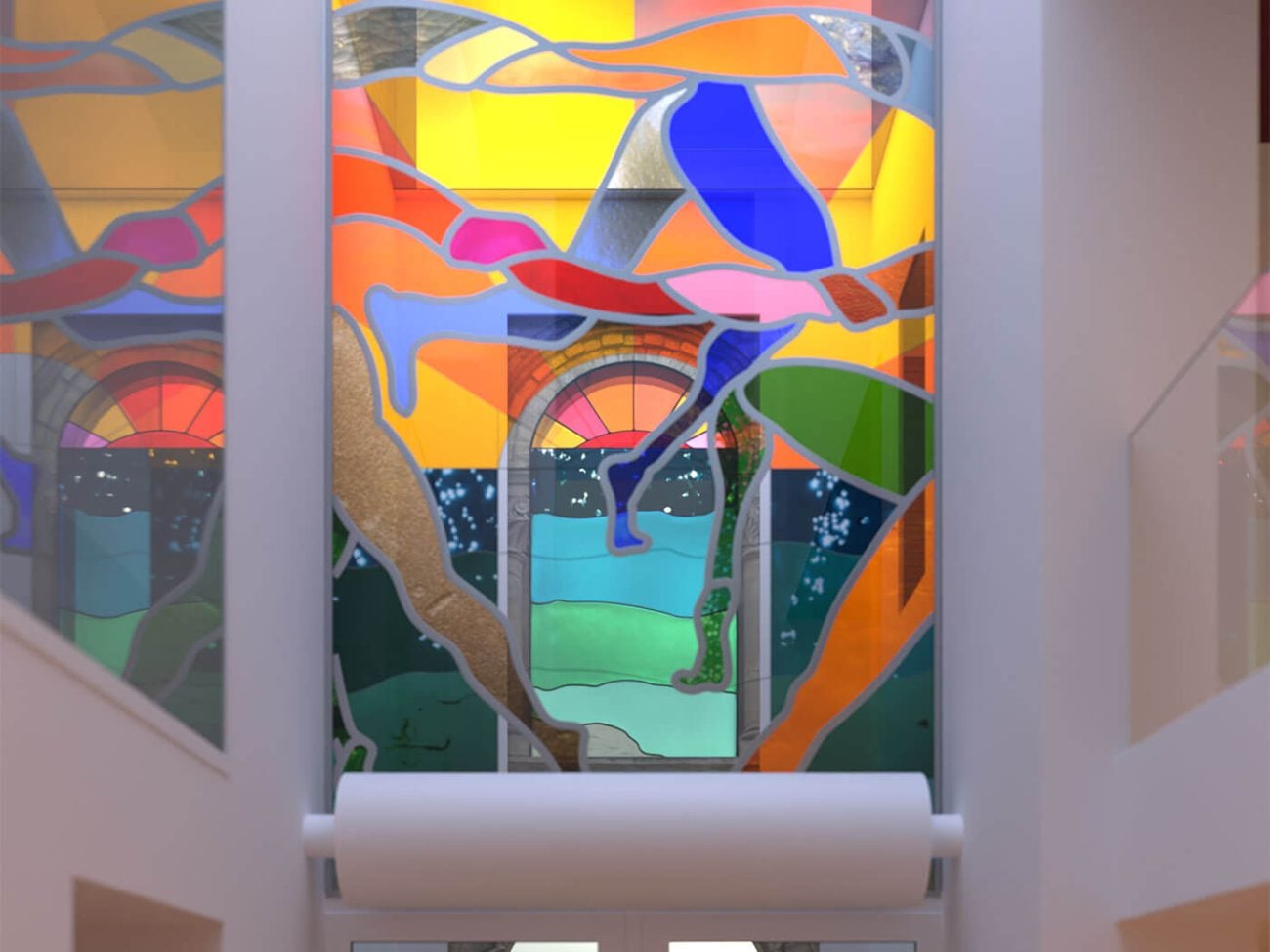
Les Franciscaines de Deauville, a former convent turned cultural center, celebrates its fifth anniversary by unveiling its first permanent commission: a monumental contemporary stained glass window by Clara Rivault. Titled "Ceux qui traversent," the double-sided work spans the entrance of the Grande Galerie, blending traditional glass techniques with photographic transfers, lead, and light. Rivault, born in 1991 and trained at Montpellier's École supérieure des beaux-arts, La Cambre in Brussels, and the Centre international d'Art verrier de Meisenthal, has previously created works for the Institut français in Paris and the church of Saint-Paterne in Saint-Pair-sur-Mer.

kazakhstan pavilion turns silence into a sensory landscape at venice biennale

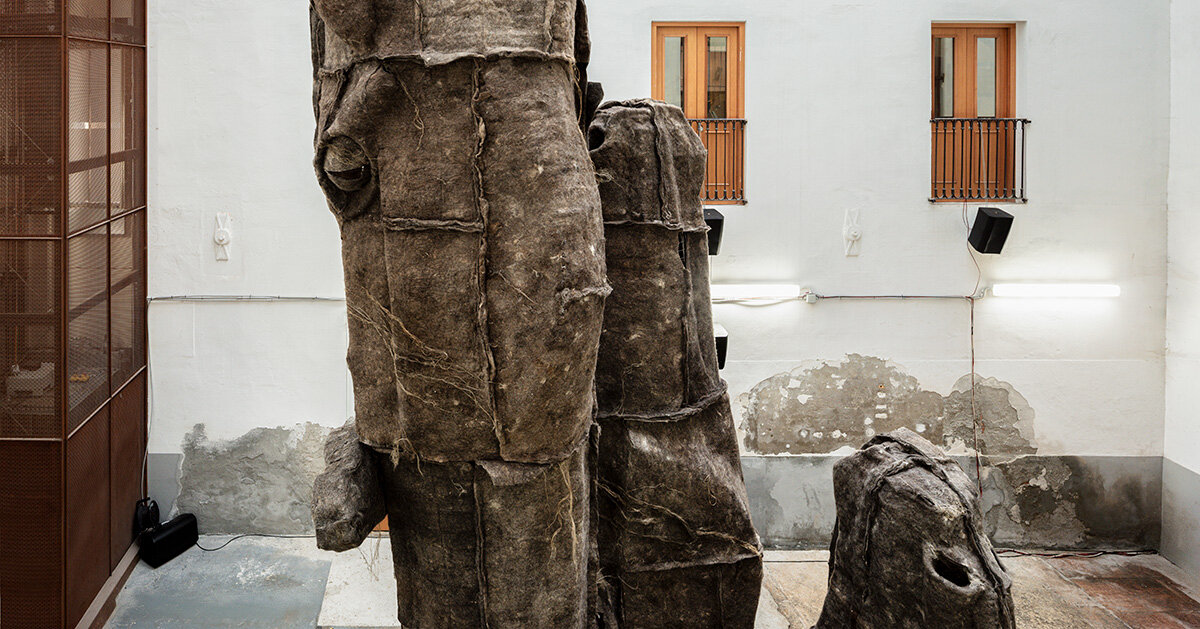
Kazakhstan presents its third national pavilion at the Venice Biennale, titled 'Qoñyr Äulie: Immersion into Quiet Depths' by artist Ardak Mukanova. The exhibition, called 'Qoñyr: the Archive of Silence,' is housed at the Museo Storico Navale near the Arsenale entrance and transforms silence into a sensory landscape.