filter_list Showing 8 results for "Franchetti" close Clear
dashboard All 8 museum exhibitions 5article culture 1trending_up market 1rate_review review 1
date_range Range Today This Week This Month All
Subscribe

Collateral Events Not to Miss at 61st Venice Biennale

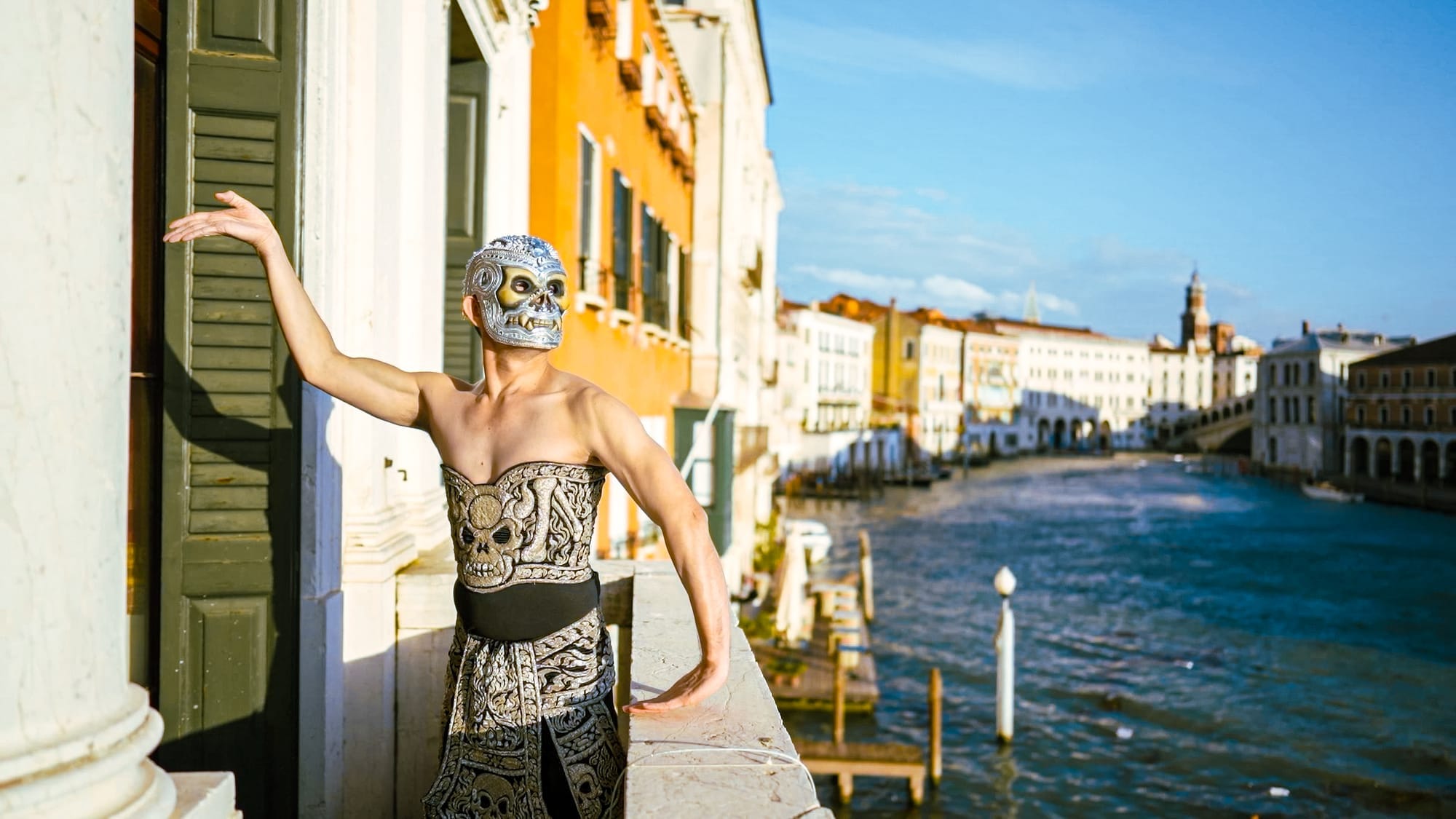
The article highlights several collateral events not to miss at the 61st Venice Biennale, including "The Spirits of Maritime Crossing 2026" at Palazzo Rocca Contarini Corfù, featuring 20 artists from Southeast Asia, Ireland, and Serbia, anchored by Marina Abramović's performance piece "Sea Punishing" (2006). Other notable exhibitions include a seven-decade survey of Korean artist Lee Ufan at San Marco Art Centre, "TURANDOT: To the Daughters of the East" at ACP Palazzo Franchetti featuring 11 female artists from Central Asia, Li Yi-Fan's "Screen Melancholy" at Palazzo delle Prigioni, and Nalini Malani's "Of Woman Born" at Magazzini del Sale.
What does a woman swimming in urine tell us about the state of the world? Lots! – Venice Biennale review

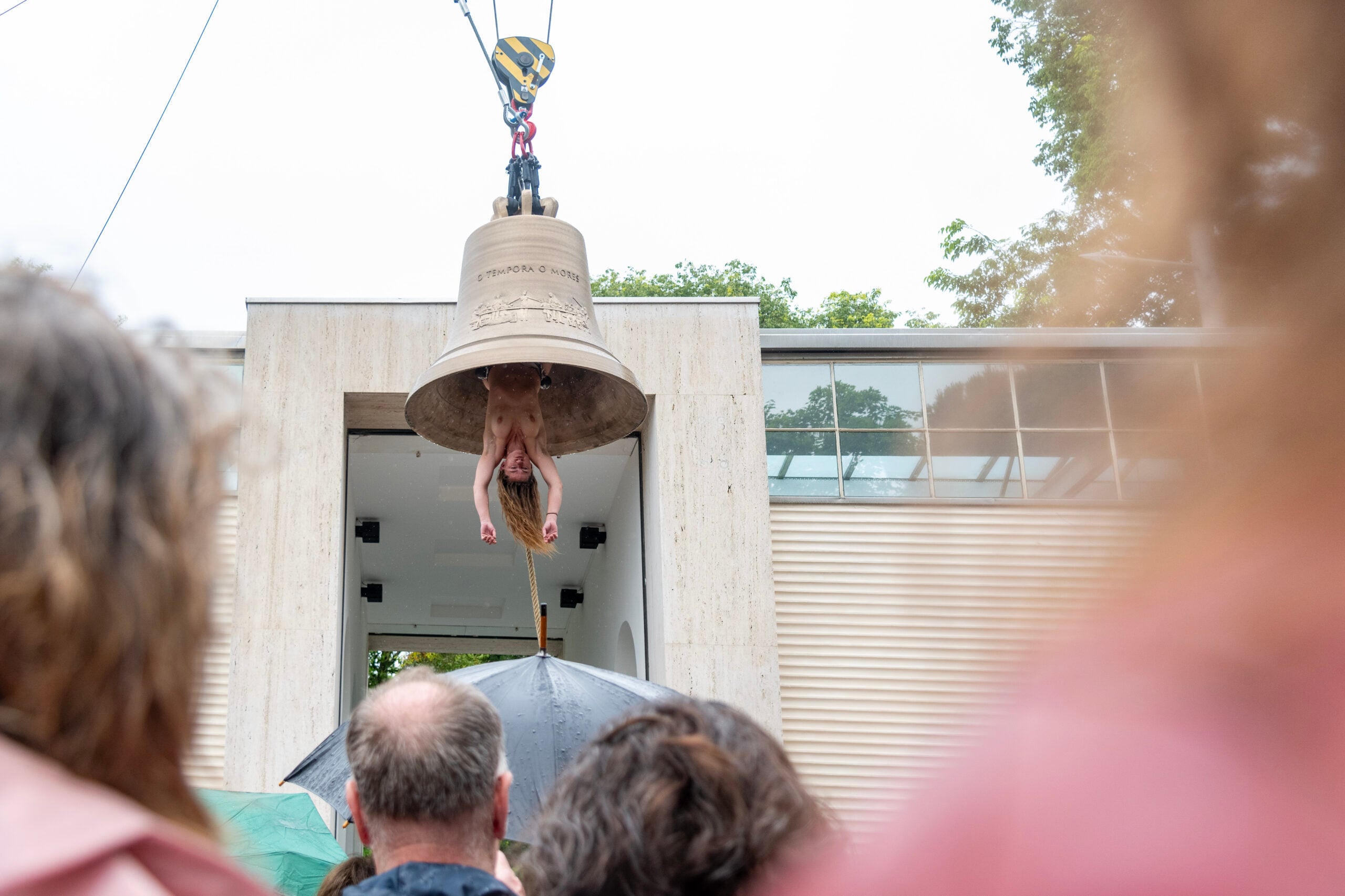
The 2026 Venice Biennale, curated by the late Koyo Kouoh under the theme "In Minor Keys," has been plagued by months of turmoil including countries withdrawing, artists being fired, exhibitions cancelled, funding pulled, and protests during the preview. A five-person curatorial team took over after Kouoh's death, resulting in what the critic describes as a disjointed, committee-driven exhibition that prioritizes quiet contemplation and healing over direct political engagement. The central shows in the Giardini and Arsenale feature a vast, poorly explained array of art from the global south, with installations of ceramics, textiles, slide projectors, and serene natural scenes that the critic finds anachronistic and dull.

The Venice Biennale has long been a sales platform—now no one is pretending otherwise

The Venice Biennale, traditionally a government-subsidized non-commercial institution where sales were downplayed, is experiencing an unprecedented open embrace of commerce. For the first time, Christie's is hosting an invitation-only selling exhibition in Venice, offering works ranging from Old Masters like Lucas Cranach to Modern and contemporary giants such as Andy Warhol, Louise Bourgeois, and Mark Bradford, with prices from $500,000 to over $35 million. Dealers, auction houses, and private foundations are openly pricing and selling works to collectors, spurred partly by Italy's reduced 5% VAT rate on art imports, now Europe's lowest.

Dale Chihuly Is Synonymous With Seattle. But Venice Gave Him a Medium, a Career Blockbuster, and a Son.

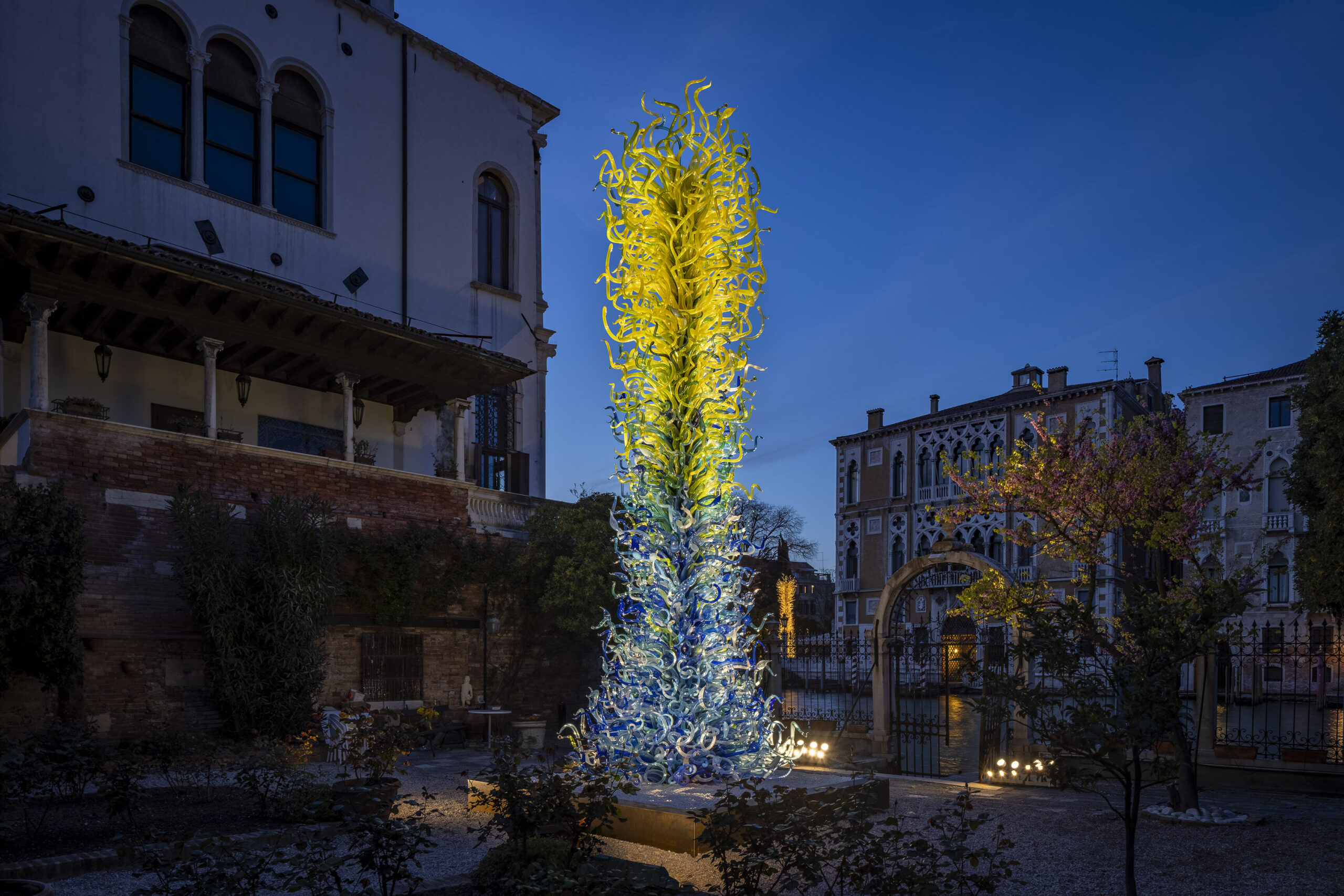
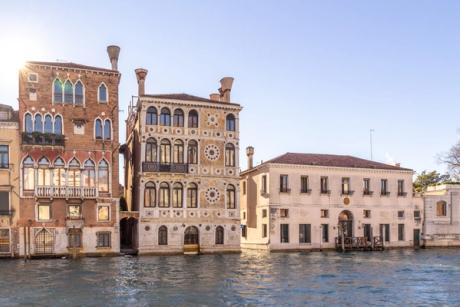
Dale Chihuly returns to Venice with "Chihuly: Venice 2026," a public exhibition marking the 30th anniversary of his landmark 1996 project "Chihuly Over Venice." The new show features three large-scale glass sculptures installed along the Grand Canal, viewable from the Accademia Bridge, at Palazzo Franchetti, Palazzo Querini alla Carità, and Palazzo Balbi-Valier Sammartini. The article also recounts Chihuly's 1968 Fulbright-funded study at Venini, where he learned Murano glassblowing and embraced glass as his primary medium, and reveals that his son Jackson Chihuly was conceived in Venice after a party hosted by the late Paul Allen.

Venice off the beaten track

The article highlights collateral exhibitions at the 2024 Venice Biennale that take place beyond the main venues of the Giardini and Arsenale, offering visitors unexpected discoveries in historic Venetian palazzos and warehouses. Featured shows include Hernan Bas's 'The Visitors' at Ca' Pesaro, exploring tourism's contradictions; 'Turandot: To the Daughters of the East' at Palazzo Franchetti, a group exhibition of women artists from Central Asia; and Amoako Boafo's first solo show in Italy at Palazzo Grimani, presented by Gagosian.

The best and worst we saw at the Venice Art Biennale 2026. Artribune's hits and flops

Il meglio e il peggio che abbiamo visto alla Biennale d’Arte di Venezia 2026. Top e flop di Artribune

The 61st Venice Biennale, titled "In Minor Keys" and directed by Koyo Kouoh, opened amid significant turmoil: the death of a newly appointed curator, diplomatic tensions over the presence of Russia and Israel, political protests, and the unprecedented collective resignation of the jury, which led to the Golden Lions being awarded by public vote for the first time. Despite this chaotic backdrop, the exhibition—featuring a record 100 national pavilions—has been widely praised for avoiding moralistic pedagogy and instead embracing visual seduction, formal quality, and sensory joy while addressing themes of identity, memory, colonialism, ecological crisis, and violence. The article highlights top and flop moments from the opening week, including strong showings by Biennale president Pietrangelo Buttafuoco and a standout exhibition at Fondazione Prada.

Parasol Unit returns with a showcase of women from Central Asia and beyond

Parasol Unit, the London non-profit exhibition space that closed in 2020 after 16 years, has relaunched with a new exhibition titled "Turandot: To the Daughters of the East" as an official collateral event of the Venice Biennale. Held at the historic Palazzo Franchetti, the show features 11 female artists from Central Asia and surrounding regions, curated by founder Ziba Ardalan. The exhibition spans video, installation, sculpture, painting, textile, and sound works by artists including Lida Abdul, Huma Bhabha, Mona Hatoum, and Tala Madani, and runs from 9 May to 31 October.

New book explores the complex history of Jewish country houses

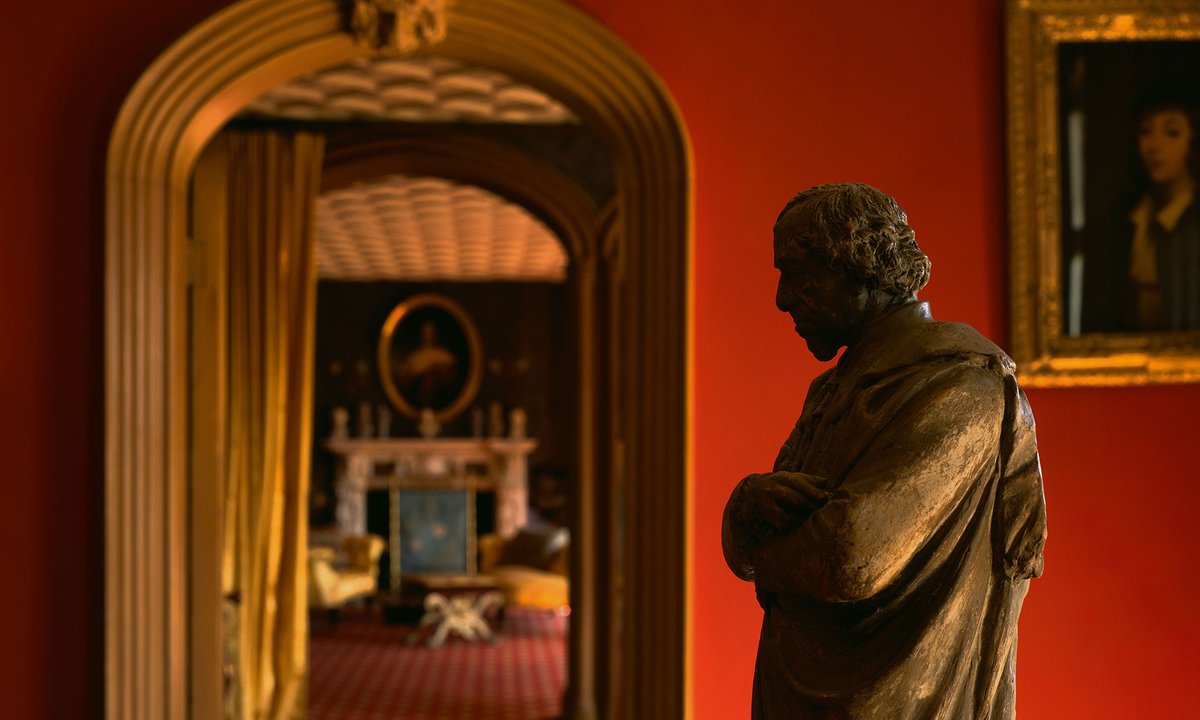
A new book titled *Jewish Country Houses*, edited by Juliet Carey and Abigail Green, explores the history of approximately 1,000 country estates built or remodeled by wealthy Jewish families across Great Britain and Continental Europe from the French Revolution until World War II. These houses, such as Waddesdon Manor and Château de Champs-sur-Marne, served as symbols of social arrival and assimilation, blending eclectic architectural styles with art collections from European auction houses. The volume, published by Profile and Brandeis University Press in association with the National Trust, features contributions from an international team of historians and curators, with photographs by Hélène Binet, and includes case studies of a dozen houses now open to the public.