filter_list Showing 4 results for "Merleau-Ponty" close Clear
dashboard All 4 museum exhibitions 2article culture 1rate_review review 1
date_range Range Today This Week This Month All
Subscribe

“Human Being Human” at The Private Museum

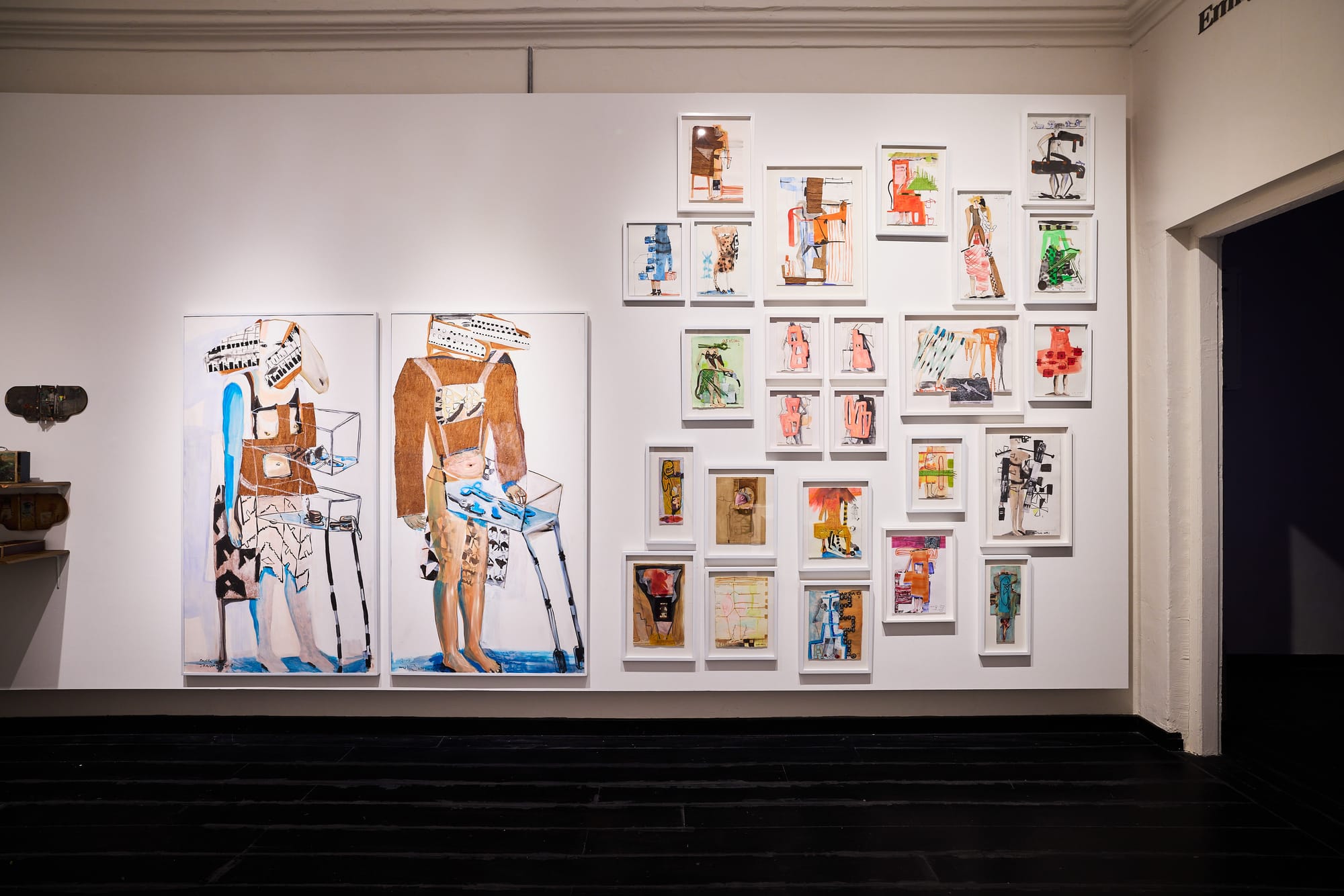
The Private Museum in Singapore presents "Human Being Human: Selections from the Collection of John and Cheryl Chia," an exhibition running from January 19 to April 26, 2026. Organized into four chapters—"Stateless," "State," "Statehood," and "Rebirth"—the show features works by artists including Joseph Beuys, Lee Wen, Eadweard Muybridge, Sherman Ong, John Clang, Sun Xun, and Green Zeng, exploring the body as a central site of inquiry into identity, vulnerability, and societal conditioning. The collection, amassed over 25 years by doctors John and Cheryl Chia, uses the body to examine themes of statelessness, state control, collective ideology, and rebirth, with works that challenge linear narratives and embrace conceptual loops.
In a Rome exhibition, an artist draws his own atlas: the body becomes world

In una mostra a Roma un artista disegna un proprio atlante: il corpo diventa mondo

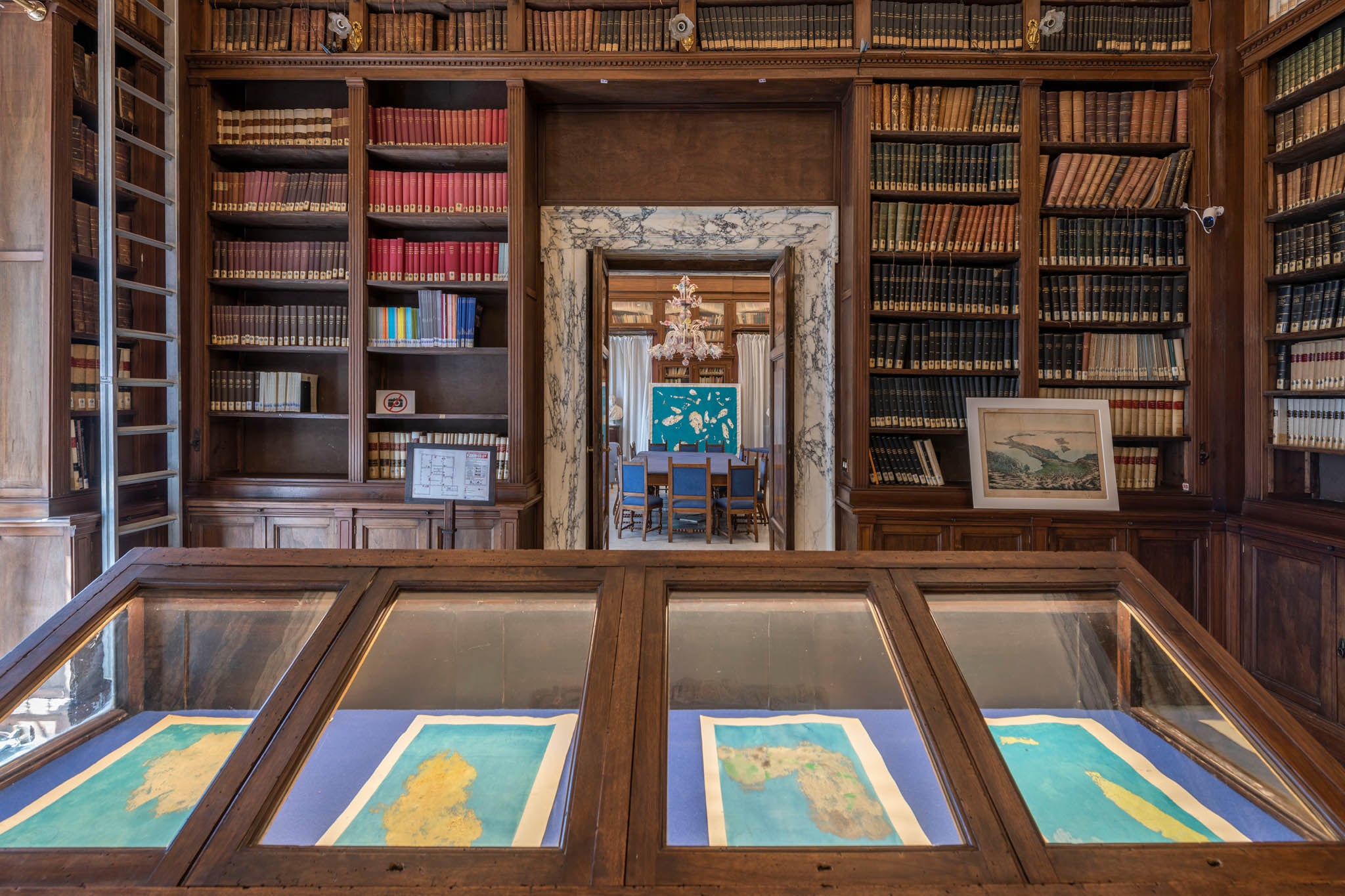
Luca di Luzio's exhibition "Atlas ego imago mundi" at Palazzo Mattei in Rome, hosted by the Italian Geographical Society, presents a personal geography where the artist's body becomes landscape and world. Curated by Anna Cestelli Guidi, the show features around 40 maps, three large canvases, and a handmade book created between 2015 and 2023. Di Luzio uses his body as a palette, pressing skin directly onto paper or canvas to generate imaginary territories that merge sensory experience with artistic expression, referencing Merleau-Ponty's philosophy and Leonardo da Vinci's Vitruvian Man.

On the Background in the Cinema

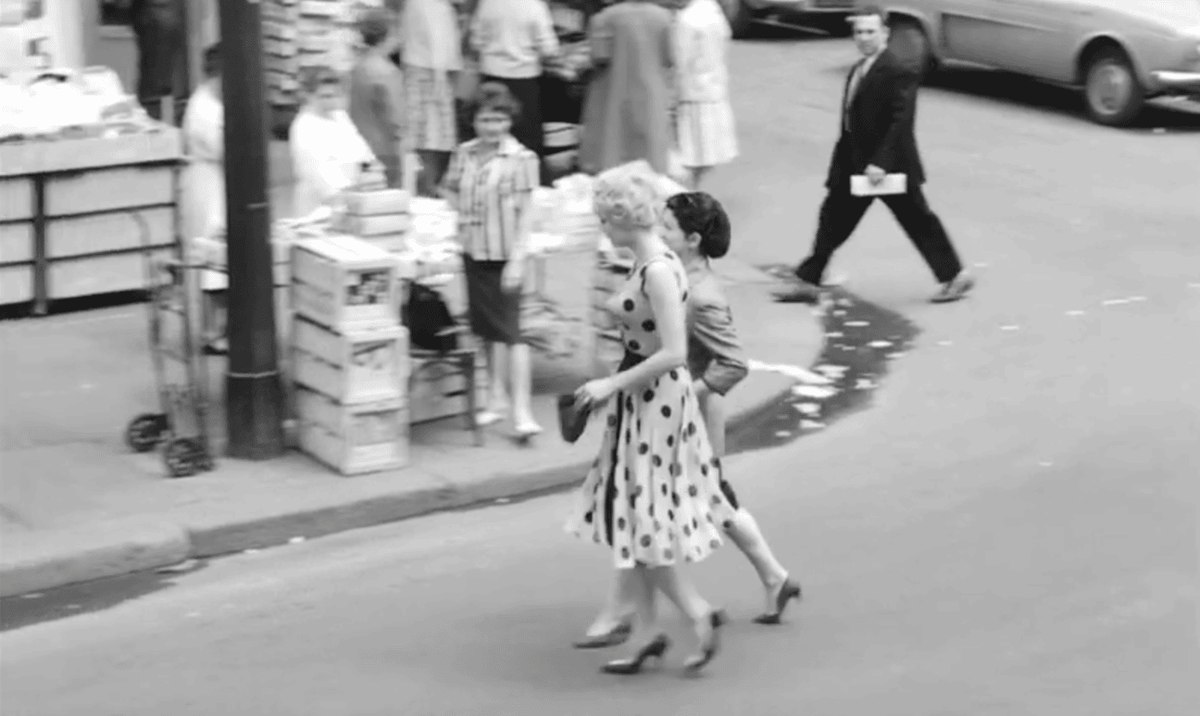
Film Notes has published a new essay by scholar Tiago de Luca, drawn from his research on environment and cinema. The essay focuses on the conceptual and aesthetic role of the background in film, tracing its technical history and examining its relation to power, marginalization, and environmental crisis.

Book offers fresh perspectives on why Cubism came into being

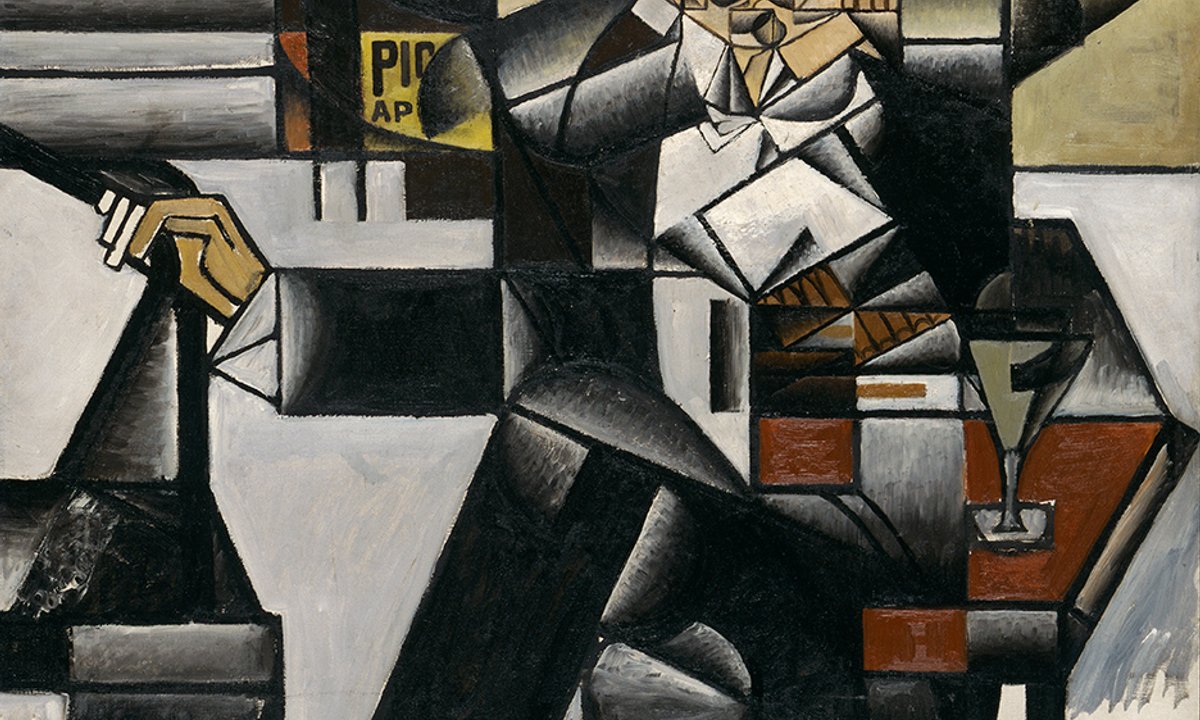
Christopher Green, a leading scholar of Cubism, has published a new book titled *Cubism and Reality*, which reexamines the origins and intentions of early Cubism through the works of Georges Braque, Pablo Picasso, and Juan Gris. The book focuses on the years immediately before World War I, arguing that Cubism was not a step toward abstraction but a deliberate reinvention of reality based on lived visual experience. Green draws on decades of research, including his own earlier works and the foundational 1959 study by John Golding, and contrasts the movement with mass-produced imagery in chapters on Roy Lichtenstein and Francis Picabia.