
filter_list Showing 3 results for "Micronesia" close Clear
dashboard All 3 museum exhibitions 2article culture 1
date_range Range Today This Week This Month All
Subscribe

The Met opens reimagined Arts of Oceania galleries showcasing works from the Pacific

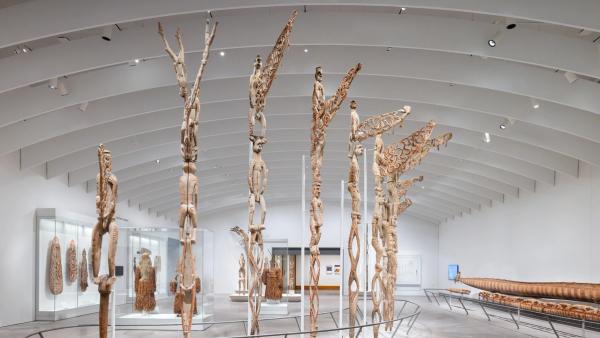
New York's Metropolitan Museum of Art is reopening its Galleries of the Arts of Oceania to the public for the first time since 2021, following a major renovation that allowed curators to reimagine the presentation of art from the vast Pacific region. The galleries feature more than 600 artworks from Melanesia, Polynesia, Micronesia, Australia, and New Zealand, including the iconic Kwoma ceiling installation from Papua New Guinea, which has been reconfigured with input from the artists' descendants to accurately reflect clan groupings. The renovation is part of a broader $70 million overhaul of the Michael C. Rockefeller Wing, which also houses collections from the ancient Americas and Africa.
'Ocean of Peace' Micronesian art exhibition opens at Honolulu Hale

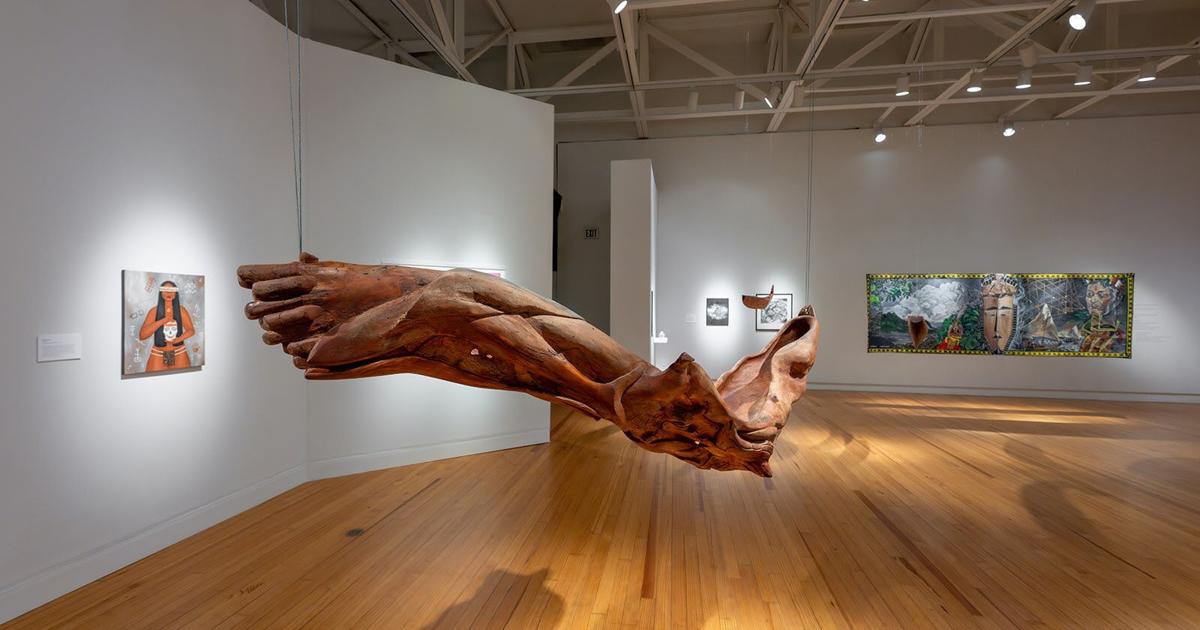
The Mayor’s Office of Culture and the Arts, in collaboration with the East-West Center Arts Program, will present 'Ocean of Peace,' a group exhibition featuring seven artists of Micronesian heritage at Honolulu Hale from May 8 to June 11, 2026. The exhibition centers on the 'Ocean of Peace' declaration, a political and cultural framework endorsed at the Pacific Islands Forum Leaders’ meeting in the Solomon Islands in September 2025, which envisions Pacific Island nations as sovereign and free from geopolitical conflict and coercion. Participating artists include James Bamba, Carol Ann Carl, Gillian Duenas, Kalany Omengkar, Anthony Watson, Lissette Yamase, and Manny Crisostomo, exploring themes of Indigenous Pacific knowledge, identity, and storytelling.

Arts of Oceania

The article explores the rich artistic traditions of Oceania, emphasizing how the vast network of islands and ocean passageways fostered a dynamic exchange of cultures, materials, and ideas over millennia. It describes Oceanic art as vessels for metaphysical journeys, with objects like fishhooks, stick charts, and carved figures serving as tangible expressions of ancestral power and cultural knowledge. The text highlights the role of artists as chiefs and orators who manipulate local materials to manifest spirits, and traces the region's entanglements with European colonial powers from the sixteenth century onward.