
filter_list Showing 3 results for "Mutant" close Clear
dashboard All 3 museum exhibitions 3
date_range Range Today This Week This Month All
Subscribe

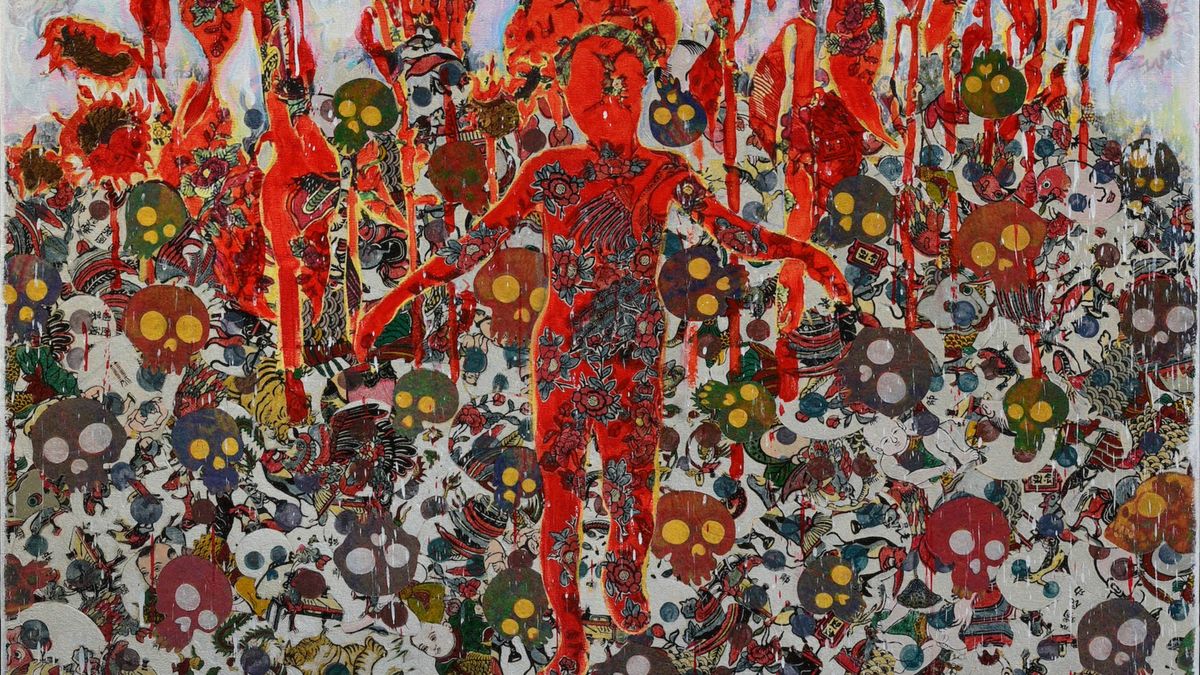
Exhibition | Bùi Thanh Tâm, 'Here on and after' at Eli Klein Gallery, New York, United States

Eli Klein Gallery in New York is presenting "Bùi Thanh Tâm: Here on and after," the Hanoi-based artist's first solo exhibition in the United States. The show features 13 new and recent paintings that explore Vietnam's colonial history, the aftermath of war, and the persistence of memory. Tâm, a leading Vietnamese painter of the postwar generation, incorporates traditional folk woodblock prints—Đông Hồ, Hàng Trống, and Kim Hoàng—into layered, collaged works. The sunflower emerges as a central symbol of resilience and rebirth, influenced by Anselm Kiefer and Francis Bacon, while addressing trauma from French colonialism to Agent Orange. The exhibition includes series such as "Searching for the Sunflower," "Hello. God is here," "Utopia," and "Mutant," each examining themes of healing, endurance, and cultural transformation.
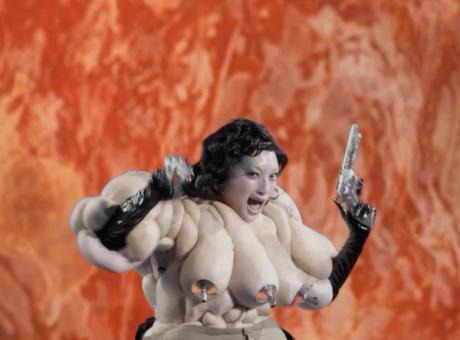
Muscle memory: Natasha Tontey’s wild Venice installation explodes perceptions of Indonesian history

Natasha Tontey's new installation "The Phantom Combatants" at the Ateneo Veneto in Venice reimagines the story of Len Karamoy, a woman who was part of the CIA-funded Permesta resistance movement in North Sulawesi, Indonesia (1957-1961). The 22-minute film, commissioned by the LAS foundation and Amos Rex, features absurdly muscular mutant warriors and draws on Indigenous belief systems, video games, Indonesian soap operas, and B-movie aesthetics to explore themes of autonomy, resistance, and historical perspective.

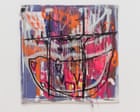
‘It was a way of processing violences I’ve survived’: how iconoclastic musician Arca beat burnout with frenzied painting

The acclaimed Venezuelan electronic musician Arca, born Alejandra Ghersi, is transitioning into the visual arts with her first institutional exhibition at the Institute of Contemporary Arts (ICA) in London. Titled "Angels," the body of work consists of visceral, heavily textured paintings created using a chaotic mix of oils, acrylics, melted plastic, and latex. Ghersi turned to the physical medium as a therapeutic response to professional burnout, using the permanent nature of painting to process personal trauma and reconnect with the raw creative enthusiasm she felt before her music career became a global profession.