filter_list Showing 27 results for "Naked" close Clear
dashboard All 27 museum exhibitions 21candle obituary 5article culture 1
date_range Range Today This Week This Month All
Subscribe

Georg Baselitz, Lion of German Neo-Expressionism, Dead at 88

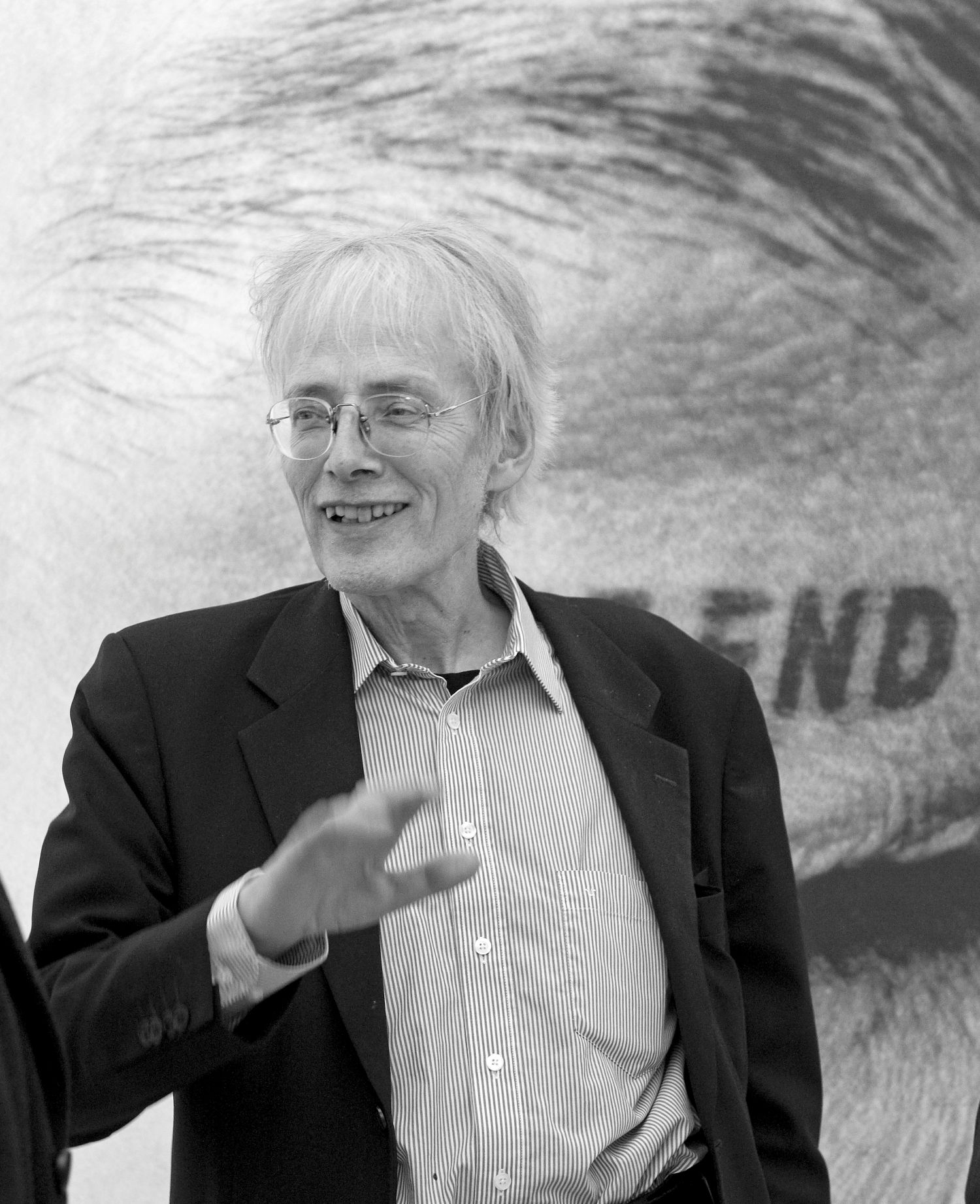
Georg Baselitz, the influential German Neo-Expressionist painter, printmaker, and sculptor, died on April 30 at age 88. His death was announced by Thaddaeus Ropac gallery, his longtime representative. Born Hans-Georg Kern in 1938 in Saxony, Baselitz was profoundly shaped by his childhood experience of war and the destruction of Nazi Germany. He was expelled from art school in East Berlin for "socio-political immaturity," moved to West Berlin, and adopted his pseudonym from his hometown. His first solo exhibition in 1963 was raided by police for obscenity, cementing his reputation as a provocateur. Known for his upside-down figures and fierce brushwork, he created series such as "Heroes" and "Fracture" that addressed trauma, violence, and the psychic toll of postwar life.

Remembering Desmond Morris, James Hayward, and Flo Oy Wong

This week's obituaries mark the passing of several significant figures in the visual arts. They include British surrealist painter and zoologist Desmond Morris, known for his 'biomorph' paintings and experiments with chimpanzee art; West Coast monochrome abstractionist James Hayward, who developed a cult following for his thickly painted canvases; and Chinese American artist Flo Oy Wong, a foundational storyteller of Oakland's Chinatown and the Asian American experience. Also remembered are assemblage artist Aldwyth, Ethiopian painter and educator Behailu Bezabih, Anglo-Irish conservator and designer Alec Cobbe, Bangladeshi art director Tarun Ghosh, and New Mexico painter Michael Hurd.

Getting Messy in the Archive at LA’s Art Book Fair

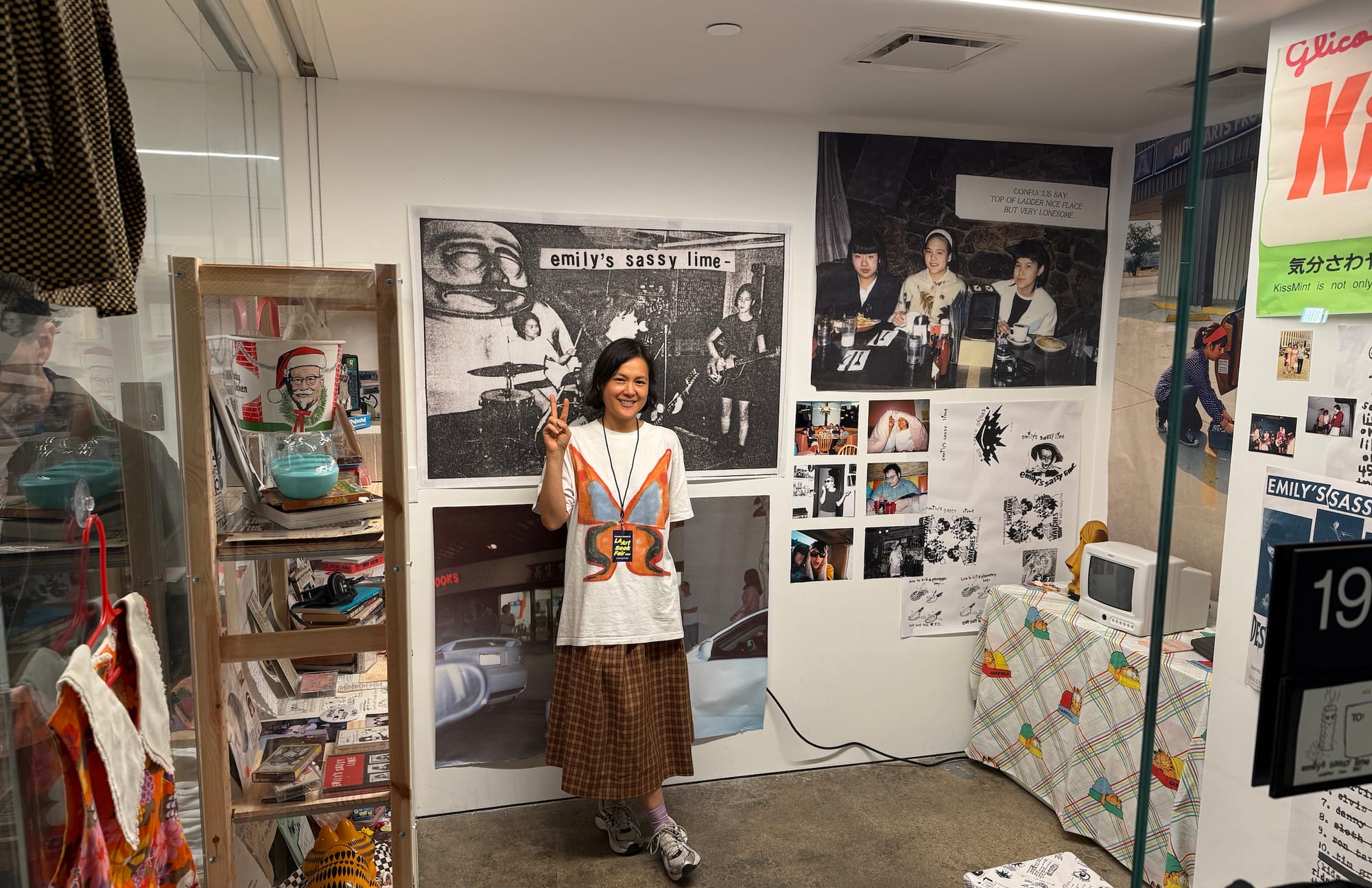
Printed Matter's Los Angeles Art Book Fair returned to the Art Center College of Design in Pasadena for its 13th edition, featuring over 250 exhibitors—slightly fewer than last year—with about a fifth participating for the first time. A common thread across the fair was the archive: publications that excavate, remix, and repurpose historical media, from a book chronicling a 1960s hoax about animal nudity to a compendium of vintage photographs that subvert male subjectivity, and a collection of found photos from abandoned houses in rural Maine. The fair also highlighted diasporic and personal archives, including a Palestinian-American artist's cassette mixtape tracing music from the Middle East and an artist-run press focusing on translation as cultural resistance.

Venice Biennale 2026 Highlights: Arsenale & Giardini

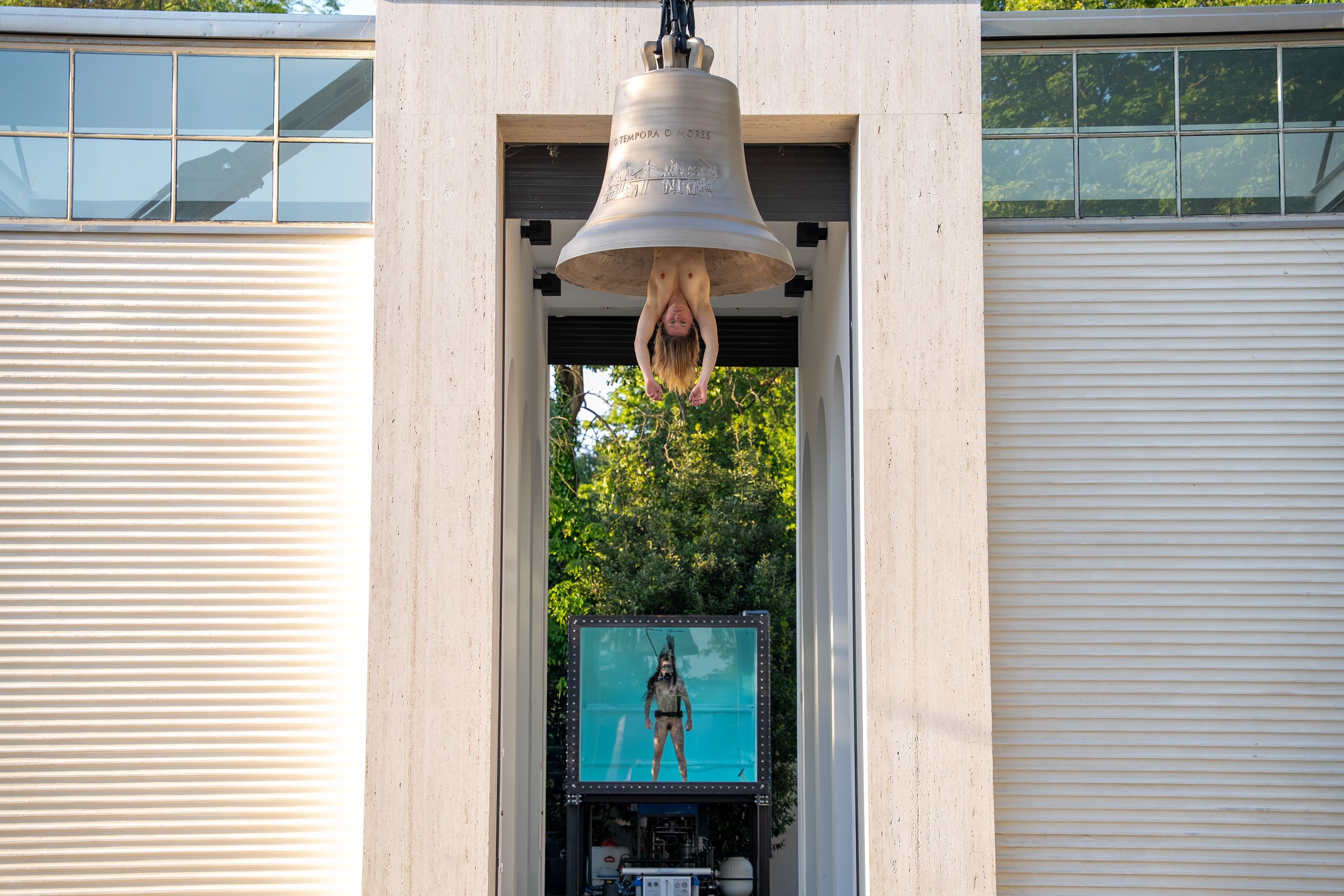
ArtReview editors highlight the must-see national pavilions at the 61st Venice Biennale, running from 9 May to 22 November 2026. Notable presentations include Austria's Florentina Holzinger turning her pavilion into a toilet and sewage-treatment plant with naked performers, and Germany's pavilion featuring works by Sung Tieu and the late Henrike Naumann, who died in February 2026, exploring East German memory and conceptual minimalism.

Venice Diary Day 3: Offsite Highlights Include Fleshy Films and Vegetarian Videos

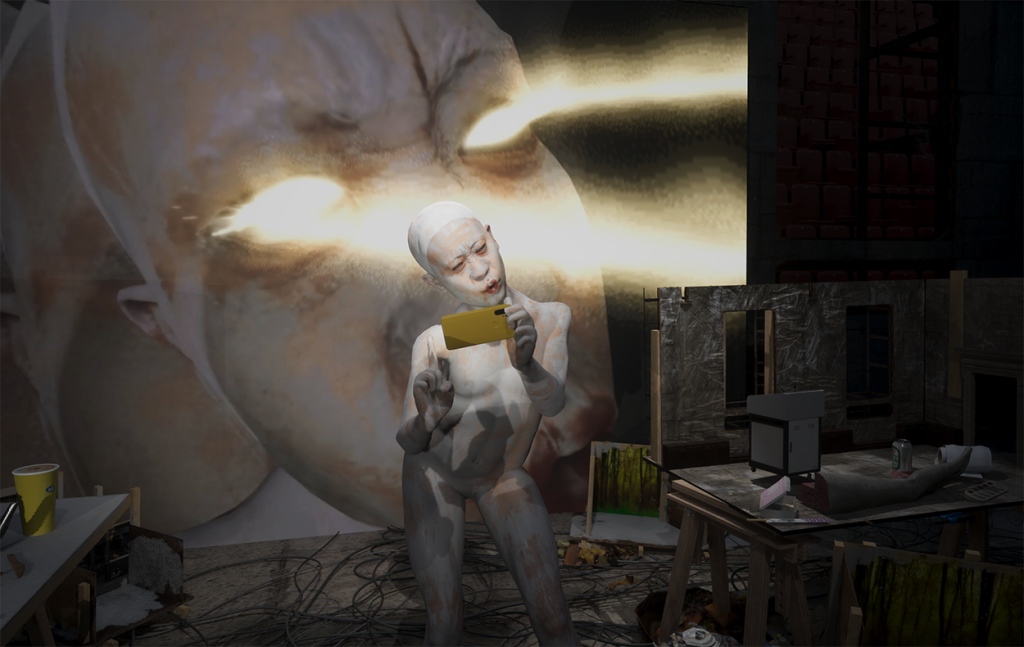
The article reports on the author's third day at the Venice Biennale, focusing on offsite exhibitions. Highlights include Li Yi-Fan's animated video "Screen Melancholy" (2026) at the Taiwan Pavilion, described as chaotic, absurdist, and uncanny, featuring a naked CGI character interacting with ChatGPT. The author also praises Janis Rafa's video installation "Baby I'm Yours, Forever" (2026) at Fondazione In Between Art Film, which transforms scenes from a meat refrigeration plant into haunting surreal imagery. The piece notes the resurgence of video art, aided by LED screens that create immersive environments.

Timm Ulrichs, Pioneering Conceptual Artist, is Dead at 86

German conceptual artist Timm Ulrichs has died at age 86. His death on April 29 in Berlin was announced by the Kunstverein Hannover, where he was the oldest member. Ulrichs studied architecture before declaring himself a “total artist” in 1961, inspired by Kurt Schwitters. His provocative works included displaying himself as a living artwork in a glass case, running naked with a lightning rod, and spending hours inside a hollowed boulder. He also created concrete poetry, computer art, and copy art, and taught sculpture at the Kunstakademie Münster from 1972 to 2005. His work appeared in Documenta 6 and solo exhibitions at the Sprengel Museum Hannover and Kunstverein Hannover.

The Prototype of an Artist

Der Prototyp eines Künstlers

Timm Ulrichs, the self-proclaimed "Totalkünstler" (total artist) known for his boundary-pushing performances—tattooing himself, locking himself inside a hollowed boulder, and running naked in thunderstorms—has died at age 86 in Berlin. A pioneer of Land Art, Body Art, concrete poetry, and endoscopic imaging, Ulrichs created works that anticipated later artists like Isa Genzken, and was invited to Documenta 6 in 1977. Despite his prolific output and influence on younger generations, he often lamented being overlooked by the international art market compared to peers like Georg Baselitz and Gerhard Richter.

Desmond Morris, zoologist, presenter and surrealist painter, 1928–2026

Desmond Morris, the zoologist, author, television presenter, and surrealist painter, has died at the age of 98. He was best known for his 1967 book *The Naked Ape* and the television program *Zoo Time*, but maintained a parallel, influential career in the visual arts as a painter and curator.

Fraenkel Gallery Partners with New York’s Metrograph for Artist-Curated Series

Fraenkel Gallery has partnered with New York's Metrograph theater to present a film series curated by six of its represented artists. The series, titled "Fraenkel Gallery Presents," runs from May 8–17, with each artist selecting a film and several introducing their screenings. The collaboration includes an opening event featuring artist Carrie Mae Weems and director Joel Coen.

Chicago’s Neighbors and Barely fairs show the strengths of smaller, alternative formats

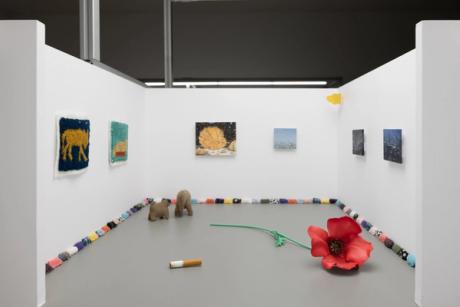
Chicago’s art week is being defined by the success of alternative, small-scale satellite fairs like Barely Fair and Neighbors, which offer an intimate counterpoint to the massive Expo Chicago. Barely Fair, located in a storefront in McKinley Park, features 32 exhibitors presenting works in 20-inch-square miniature booths. This format encourages rigorous curation and creative risk-taking from a mix of artist-run spaces and established galleries, with price points ranging from $20 to $8,000.

Art Dealers Try Their Hand as Artists in This Unusual Exhibition

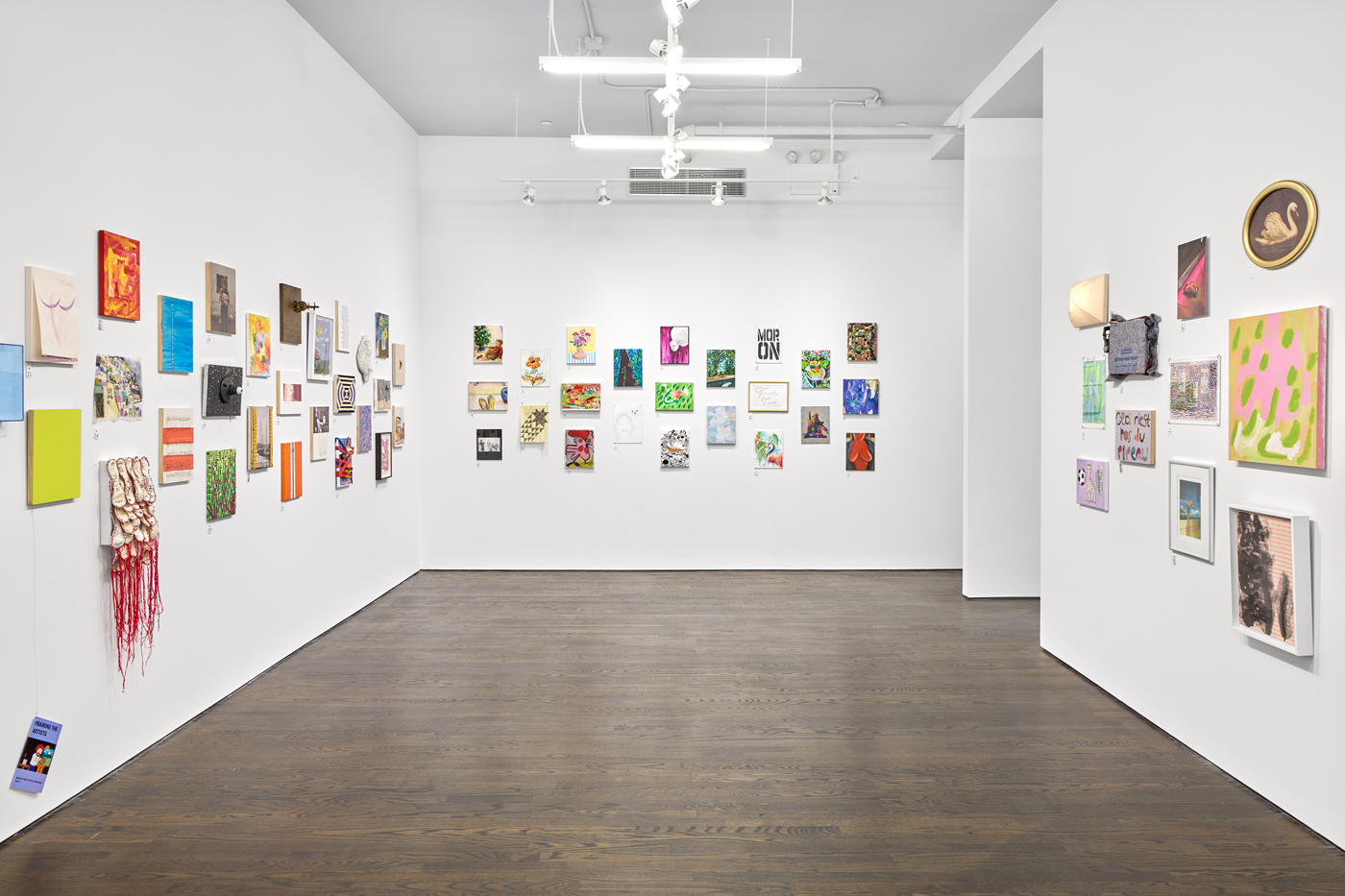
White Columns, New York’s oldest alternative nonprofit art space, has launched a unique fundraising exhibition titled “Art (by) Dealers.” The show features works created by over 90 art dealers and gallery professionals rather than the artists they represent. Organized by Kathy Huang and Will Leung, the exhibition presents uniform 12-by-9-inch works priced at $500 each, sold anonymously to benefit the nonprofit's programming.

Met Museum show at new Costume Institute puts fashion in same spotlight as Egyptian artefacts

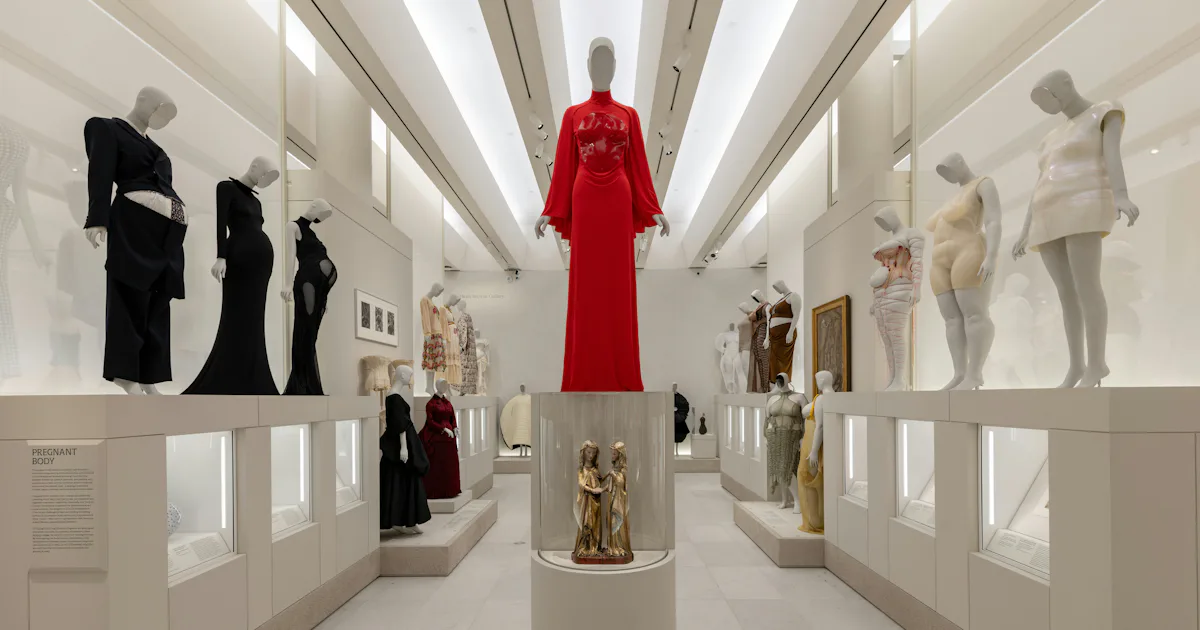
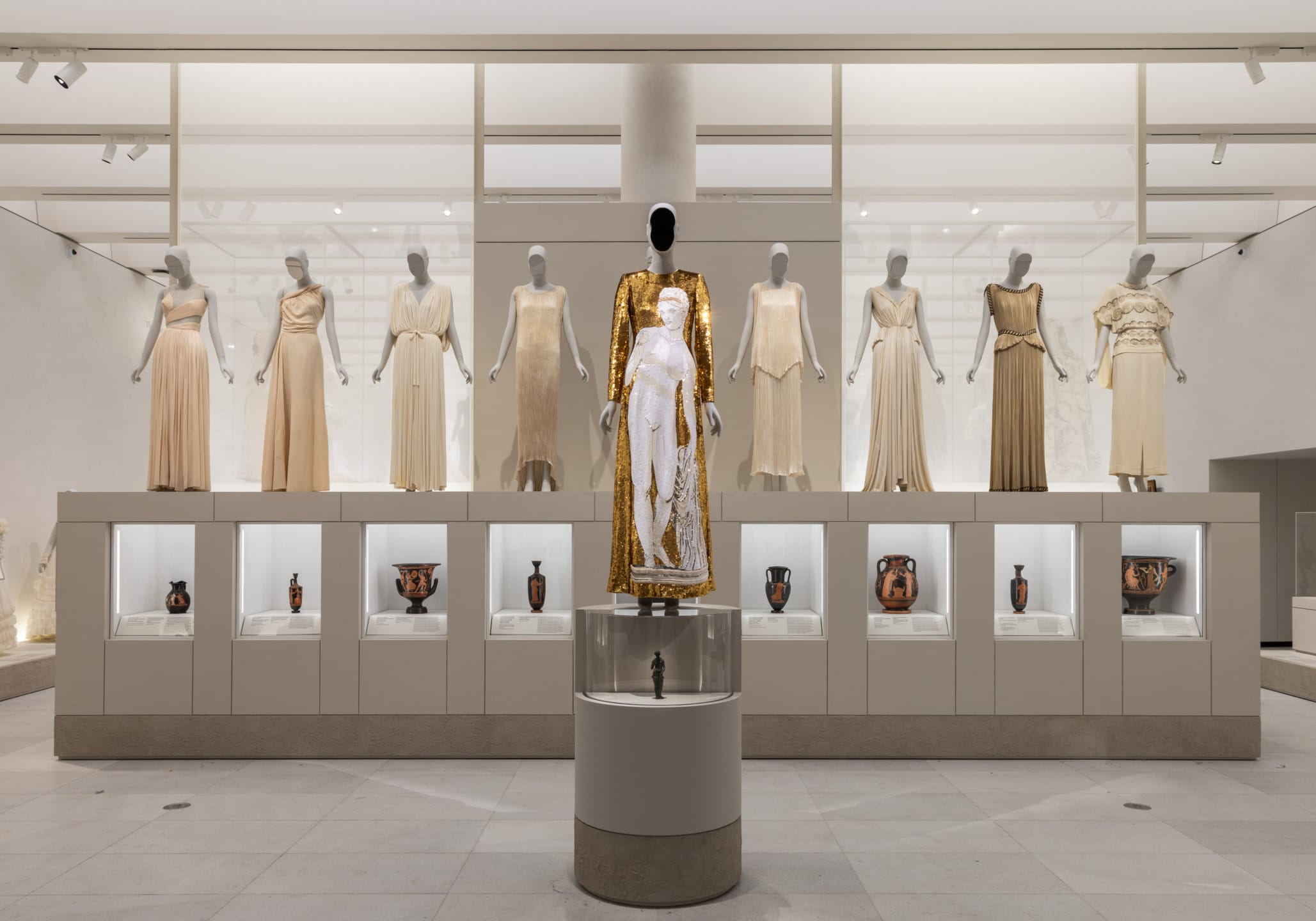
The Metropolitan Museum of Art's Costume Institute has opened its spring exhibition 'Costume Art' in a new 12,000-square-foot space called the Condé M Nast Galleries, located off the museum's Great Hall. The show pairs 200 garments and accessories with 200 artworks from the Met's collection, organized into 13 thematic body types such as Naked and Nude, Abstracted Body, Corpulent Body, Disabled Body, and Mortal Body. Lead curator Andrew Bolton aims to challenge traditional hierarchies by placing fashion on equal footing with fine art. The exhibition's launch is overshadowed by controversy over sponsorship by Jeff Bezos and Lauren Sánchez Bezos for the Met Gala.

When Fashion Meets the Body, Can a Whole Museum Come Alive?

The Metropolitan Museum of Art's Costume Institute will open its latest fashion exhibition, "Costume Art," in a new gallery space adjacent to the Great Hall, formerly the museum's gift shop. Curated by Andrew Bolton, the show features 400 objects from the permanent collection, organized thematically around the dressed body—exploring the naked, classical, anatomical, and mortal body—rather than chronologically. The exhibition aims to connect artistic representations of the body with fashion as an embodied art form.

There is a major Paulo Nazareth exhibition to see in Venice (but the artist himself hasn't seen it)

C’è una grande mostra di Paulo Nazareth da vedere a Venezia (ma l’artista stesso non l’ha vista)

A major exhibition of Brazilian artist Paulo Nazareth, titled "Algebra," has opened at Punta della Dogana in Venice, but the artist himself is absent. Nazareth has kept a promise not to set foot in Europe until he has crossed African territories on foot, as they existed before the arbitrary divisions imposed by the 1884 Berlin Conference. He did not participate in the installation or opening, instead staging a simultaneous event in Veneza, a working-class district of Ribeirão das Neves, Brazil—a gesture he also made when invited to the 2013 Venice Biennale. The exhibition centers on structural violence and uses attention and care as strategies for healing, with the word "algebra" referring to the act of recomposing what was broken.

Inside The Met's New 'Costume Art' Exhibition

The Metropolitan Museum of Art's Costume Institute has announced a new exhibition titled 'Costume Art,' opening to the public on May 10 and running through January 10, 2027. The show inaugurates the Met's nearly 12,000-square-foot expansion adjacent to the Great Hall, providing a permanent home for the Costume Institute's annual spring exhibitions. Featuring nearly 400 objects—half garments and half traditional art like sculpture and painting—the exhibition explores how clothing alters and enhances the human body, dividing 'the body' into 13 types such as 'The Classical Body' and 'The Corpulent Body.' The show includes works from designers like Coco Chanel, Jean Paul Gaultier, Thom Browne, and Alexander McQueen, paired with historical artifacts and contemporary art. The exhibition follows this year's Met Gala, co-chaired by Beyoncé, Nicole Kidman, Venus Williams, and Anna Wintour, which raised a record $42 million for the Costume Institute.

The Met Gala May Be Over, But the Museum's New Exhibit Will Celebrate Costumes as Art all Year

The Metropolitan Museum of Art has opened a new exhibition titled "Costume Art," curated by Andrew Bolton, which pairs historical and contemporary garments with artworks from the museum's collection spanning 5,000 years. The exhibition is housed in the new 12,000-square-foot Condé Nast Galleries and runs from May 10, 2026 to January 10, 2027. It was launched in conjunction with the 2026 Met Gala, co-chaired by Beyoncé, Nicole Kidman, Venus Williams, and Anna Wintour, with celebrities like Emma Chamberlain, Naomi Watts, and Hunter Schafer wearing looks inspired by masterpieces in the Met's collection.

The Metropolitan Museum of Art's new exhibition celebrates the human body as art

The Metropolitan Museum of Art's Costume Institute opened a new exhibition titled "Costume Art," curated by Andrew Bolton, which pairs historical and contemporary garments with artworks from the Met's collection spanning 5,000 years. The exhibition debuted at the 2026 Met Gala, co-chaired by Beyoncé, Nicole Kidman, Venus Williams, and Anna Wintour, with celebrities like Rihanna, Emma Chamberlain, and Hunter Schafer wearing looks inspired by masterpieces such as Van Gogh's "The Starry Night" and Klimt's "Mäda Primavesi." The show runs from May 10, 2026, to January 10, 2027, in the new Condé Nast Galleries, a 12,000-square-foot space that centralizes fashion displays within the museum.

A History of the Human Body at “Costume Art,” the New Costume Institute Exhibit

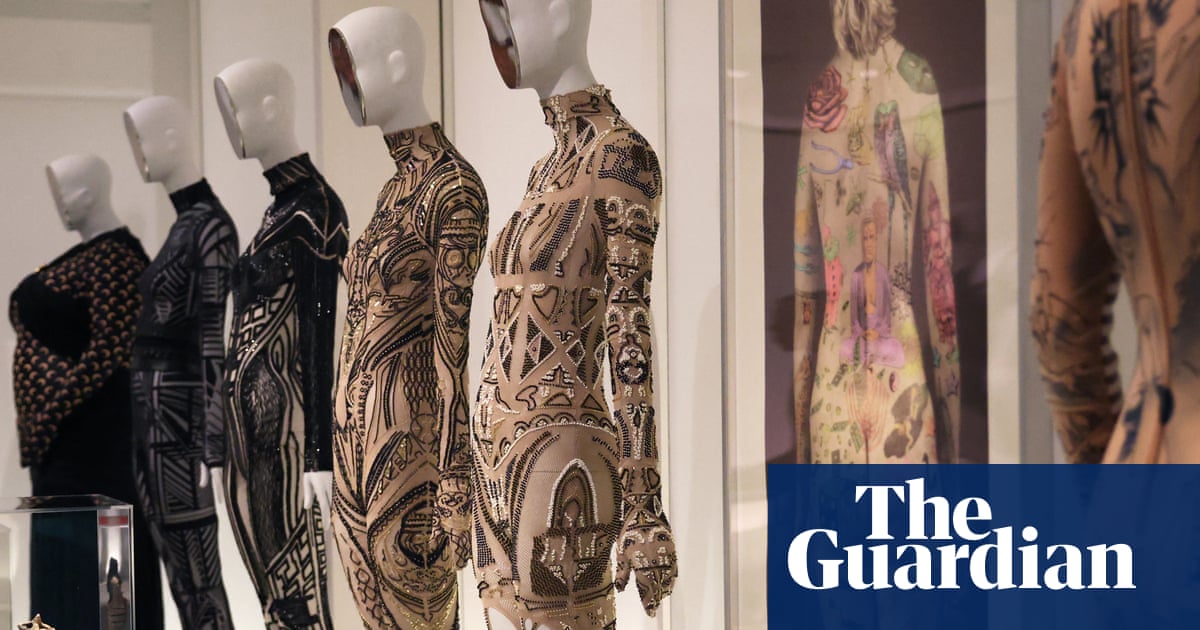
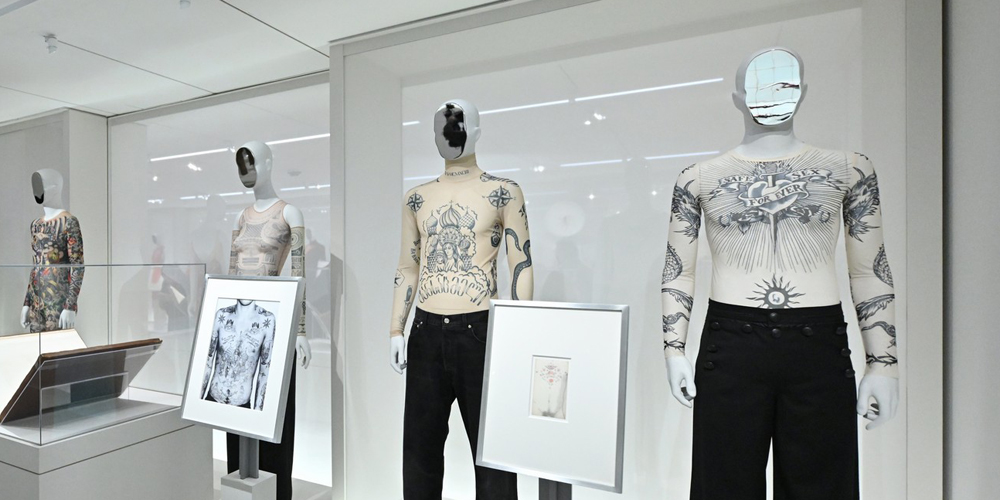
The Metropolitan Museum of Art's Costume Institute has announced its latest exhibition, "Costume Art," opening May 10. Curated by Andrew Bolton, the show brings together garments and objects from across the museum's curatorial departments to explore the relationship between fashion and the human body. The exhibition is organized into thematic sections including the Naked & Nude Body, Classical Body, Abstract Body, Reclaimed Body, Pregnant Body, Corpulent Body, and Disabled Body, featuring works by designers such as Walter Van Beirendonck, LÛCHEN, Georgina Godley, Ann-Sofie Back, Di Petsa, Alessandro Michele for Gucci, and Vivienne Westwood, alongside historical art objects from Greek ceramics to Mesopotamian sculptures.

This Y/Project Suit Defines The Met’s “Costume Art” Exhibition

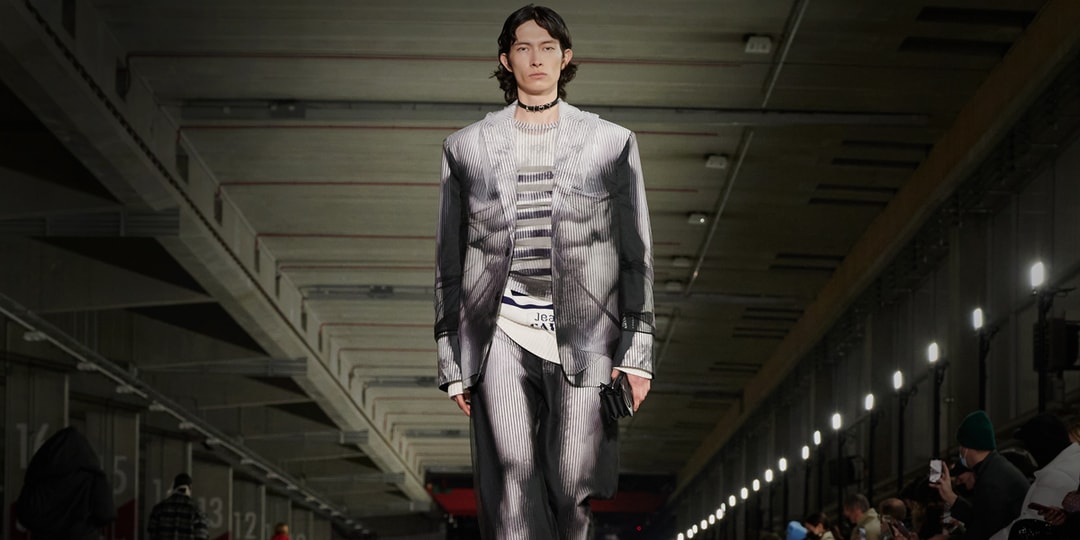
The Metropolitan Museum of Art has announced its 2026 exhibition "Costume Art," which will inaugurate the new Condé M. Nast Galleries. Curator Andrew Bolton explains the show will focus on the dressed body's connection to art history, emphasizing materiality and corporeality over visuality. A key preview piece is a Y/Project suit from FW22, designed by Glenn Martens and Jean Paul Gaultier, featuring a trompe-l'oeil nude male figure that will be displayed alongside a 1st–2nd century CE marble statue of Diadoumenos. Other sections include "The Naked Body," "The Aging Body," and "The Anatomical Body."

Lauren Sánchez Bezos unveils Met’s new exhibit amid gala backlash

Lauren Sánchez Bezos appeared alongside Anna Wintour at a press conference in New York to unveil the Metropolitan Museum of Art's new Costume Art exhibit, which opens May 10 ahead of the Met Gala. Sánchez Bezos and her husband Jeff Bezos are primary sponsors of this year's gala and exhibit, a role that has sparked backlash and a boycott campaign from the activist group Everyone Hates Elon. The exhibit explores themes of the dressed body through garments paired with ancient artifacts, featuring categories like "the naked body," "classic body," and "disabled body."

First Look at the Met’s ‘Costume Art’ Where Every Body Matters, Really

The Metropolitan Museum of Art has unveiled its spring exhibition "Costume Art" in the Condé M. Nast Galleries, featuring around 200 pairings of garments and artworks that trace connections across centuries. The show prioritizes fashion over art, displaying dresses, jeans, body stockings, and bustiers to explore the human form through sections like "Naked and Nude Body," "Corpulent Body," and "Disabled Boy." Chief curator Andrew Bolton emphasizes celebrating body diversity amid threats from AI and politics, with nine individuals—including fashion designer Michaela Stark—scanned to create more realistic mannequins.

The Great Shitshow

Die große Shitshow

Florentina Holzinger has transformed the Austrian Pavilion at the Venice Biennale into a radical performance installation titled "Seaworld Venice." The piece features naked performers suspended from meat hooks, a performer ringing a bell while dangling upside down from a crane, a woman on a jetski circling inside a flooded pavilion, and a system where visitors are invited to urinate into portable toilets, with the waste processed and recirculated into the water. The work combines extreme physical stunts, nudity, and bodily fluids to create a visceral, immersive experience that has drawn long queues and stunned reactions from the art world.

Rika Nakajima: A New Book of the Dead, Part 3

連載 中島りか 新しい死者の書 第三回

Japanese artist Rika Nakajima reflects on the trial of Tetsuya Yamagami, who assassinated former Prime Minister Shinzo Abe in 2022, weaving together her own experience running the project space "Datsuisho – (a) place to be naked" in Tokyo's Yanaka district. As the space faced demolition in late 2025, Nakajima draws parallels between the trial's timing and the closure of her venue, recalling earlier events at the space that discussed the state funeral controversy and the cult issues exposed by the assassination. She describes attending the trial in Nara, observing Yamagami's demeanor, and connecting the case to broader themes of political aesthetics, fascism, and the theatricality of the judicial system.

Ahead of the Met Gala, “Costume Art” Connects Fashion and the Body

On May 4, 2026, the Metropolitan Museum of Art previewed the Costume Institute's new permanent galleries and its inaugural exhibition, "Costume Art," ahead of the Met Gala. The exhibition features over 400 objects from the Met's collections, organized around themes of the body such as "The Classical Body" and "The Disabled Body," with mannequins featuring mirrored faces to reflect viewers. Speakers at the press event included Anna Wintour, Venus Williams, and Lauren Sánchez Bezos, with the Met Gala raising over $42 million for the museum.

Look Inside the Met Gala 2026’s Exhibit & See What Celebs Will Be Viewing Tonight!

The Metropolitan Museum of Art has revealed photos from inside the Costume Institute's latest exhibition, 'Costume Art,' ahead of the 2026 Met Gala. Curated by Andrew Bolton, the show explores the relationship between clothing and the body, organized around thematic body types such as the Naked Body, Pregnant Body, and Aging Body. It features garments and artworks from The Met's collection, both historical and contemporary, and will be the first exhibition held in the new Condé M. Nast Galleries, a 12,000-square-foot space adjacent to the Great Hall. The exhibition opens to the public on May 10, 2026, and runs through January 10, 2027.

Vibrant Victorian-Era Transparencies Illuminate a Host of Microscopic Creatures

Osh Gallery in London is exhibiting 'The Hudson Transparencies,' a collection of 58 original illustrations by Charles Thomas Hudson, a 19th-century educator and amateur scientist. Created for his lectures, these large-scale transparencies (37.8 by 29.5 inches) combine painted paper and perforated pinholes to depict microscopic creatures such as rotifers, algae, protozoa, and marine organisms. When back-lit, the dark, seemingly unfinished images transform into vivid, detailed visions of life invisible to the naked eye, showcasing the intersection of Victorian-era optical innovation and scientific discovery.

What Brakes Through: “Teresa Tyszkiewicz. Stories That Tell Themselves” at Profile Foundation.

Teresa Tyszkiewicz's exhibition "Stories That Tell Themselves" at Profile Foundation in Warsaw showcases the Polish artist's process-driven practice spanning video, performance, and relief-like paintings made with pins, nails, metal plates, ropes, and fabrics. Curated by Bożena Czubak, the show highlights Tyszkiewicz's use of the body as a medium—often naked and immersed in organic materials—to explore emotions, intuition, and unconscious desires, as seen in works like the 1980 film "Grain." The artist, who began her career in the late 1970s alongside Polish neo-avantgarde filmmakers but rejected their conceptual tendencies, developed a tactile, laborious approach that invites sensory engagement.