filter_list Showing 5 results for "Namibia" close Clear
dashboard All 5 article news 3museum exhibitions 1gavel restitution 1
date_range Range Today This Week This Month All
Subscribe

Artists Criticize Somalia’s First-Ever Venice Biennale Pavilion: ‘This Pavilion Does Not Speak for Us’

Somalia's inaugural pavilion at the Venice Biennale has sparked significant backlash from the nation's domestic art community. Four major Somali art spaces and nine local artists issued a joint statement criticizing the pavilion for failing to include or consult artists currently living and working within Somalia. The controversy centers on the selection of three diaspora artists based in Europe and the appointment of a Venice-based co-curator, which critics argue ignores the cultural workers who have rebuilt the country's art scene under difficult conditions.

The Founders of Open Restitution Africa (ORA) on Their New Open Data Platform

On March 31, the research initiative Open Restitution Africa (ORA) launched the ORA Open Data Platform, a database providing information on the restitution of African artifacts and ancestral remains. Developed over six years by ORA’s all-woman, pan-African team, the site uses case histories and AI-powered tools to offer practical insights into the return process, available in French and English. It presents 25 case histories spanning 200 years, using data visualizations, essays, and interactive tools to help individuals and communities develop their own restitution strategies. ARTnews interviewed founders Chao Tayiana Maina and Molemo Moiloa about the project's origins and goals.

Gabrielle Goliath Discusses Her Canceled South African Pavilion as She Shows New Work in a Venice Church

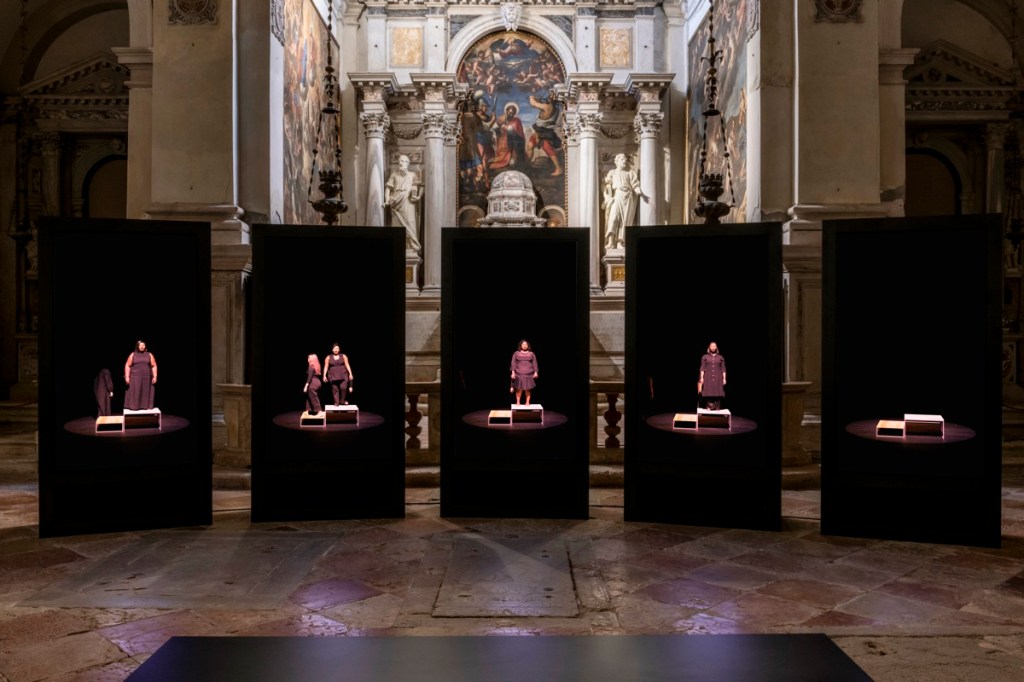
South African artist Gabrielle Goliath’s planned pavilion for the South Africa Pavilion at the Venice Biennale was canceled by culture minister Gayton McKenzie, who deemed it “highly divisive.” Despite the cancellation, Goliath has installed her work, a multi-screen iteration of her ongoing performance series *Elegy*, at the Chiesa di Sant’Antonin, half a mile from the Giardini. The new piece mourns victims of atrocities including South African femicide, the Herero and Nama genocide, and the death of Gazan poet Hiba Abu Nada, killed by an Israeli airstrike. Goliath stated that McKenzie explicitly demanded removal of the Palestinian content while deeming the other subjects acceptable.

The Interview: Gabrielle Goliath

Gabrielle Goliath, a South African artist, created the performance work "Elegy" in 2015 after hearing a father mourn his daughter, Ipeleng Christine Moholane, who was raped and murdered. The piece features seven operatic women sustaining a single note in relay for an hour, evolving over a decade into a series of iterations that address systemic violence and grief. In January 2026, South Africa's Minister of Sport, Arts and Culture, Gayton McKenzie, cancelled Goliath's presentation of the latest version of "Elegy" at the 61st Venice Biennale, which was to include tributes to victims in South Africa, Namibia, and Gaza, including journalist Hiba Abu Nada. Goliath refused to alter the work, took legal action, and will now show it independently at the Chiesa di Sant'Antonin in Venice, while the official South African Pavilion will remain empty for the first time since 2011.

As the South African Pavilion Sits Empty, Gabrielle Goliath Continues a ‘Life-Work of Mourning’

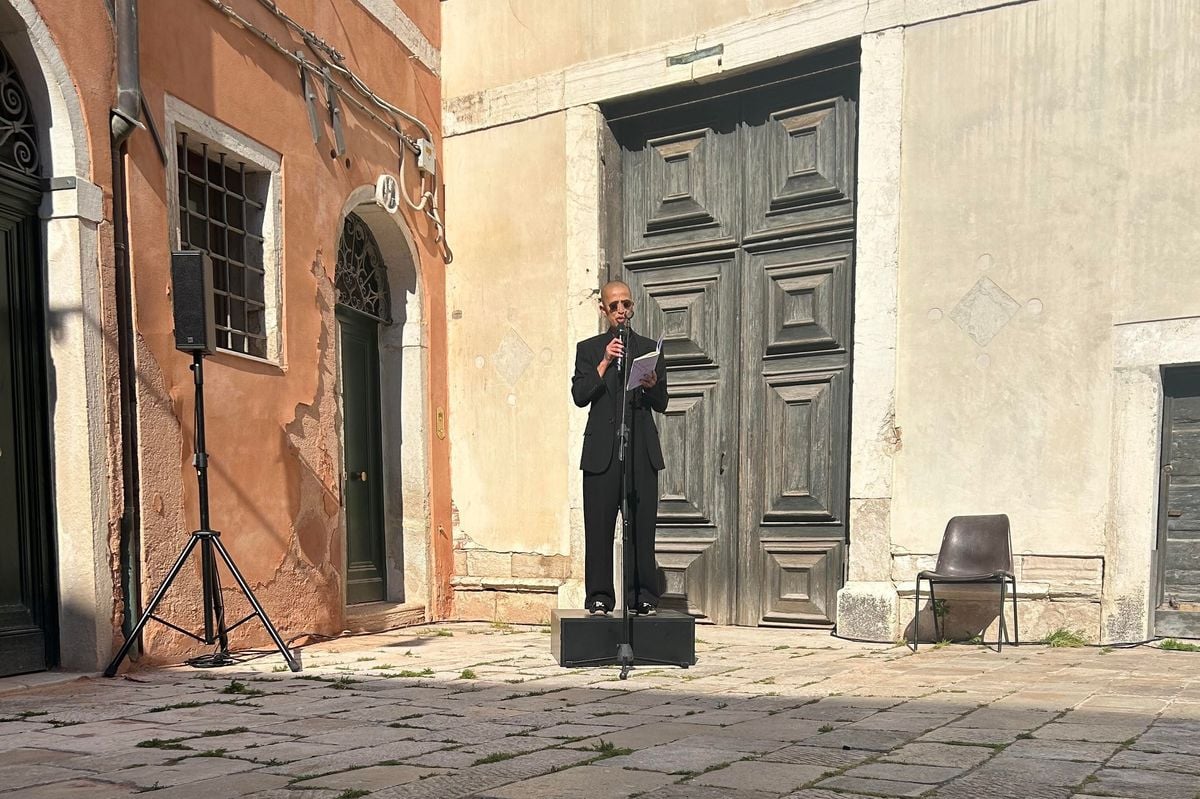
South African artist Gabrielle Goliath inaugurated an off-site Venice exhibition with a public poetry reading after her official presentation at the South African Pavilion was canceled. The performance, part of her ongoing series *Elegy* (2015), features seven singers sustaining a single tone for an hour as a mourning ritual. The work addresses femicide, rape culture, and the killing of Palestinian civilians, and includes new video and sound installations lamenting specific victims: South African teenager Ipeleng Christine Moholane, Nama women killed during Germany’s colonization of Namibia, and Palestinian poet Hiba Abu Nada. The South African Department of Sport, Arts and Culture rescinded Goliath’s invitation in January, deeming the work “related to an ongoing international conflict that is widely polarising.” Goliath unsuccessfully challenged the decision in South Africa’s high court, and the exhibition now runs throughout the Venice Biennale outside the official program before traveling to London in October.