filter_list Showing 4 results for "Nazi Party" close Clear
dashboard All 4 article culture 2gavel restitution 1museum exhibitions 1
date_range Range Today This Week This Month All
Subscribe

32 million klimt sale falls through 2637831

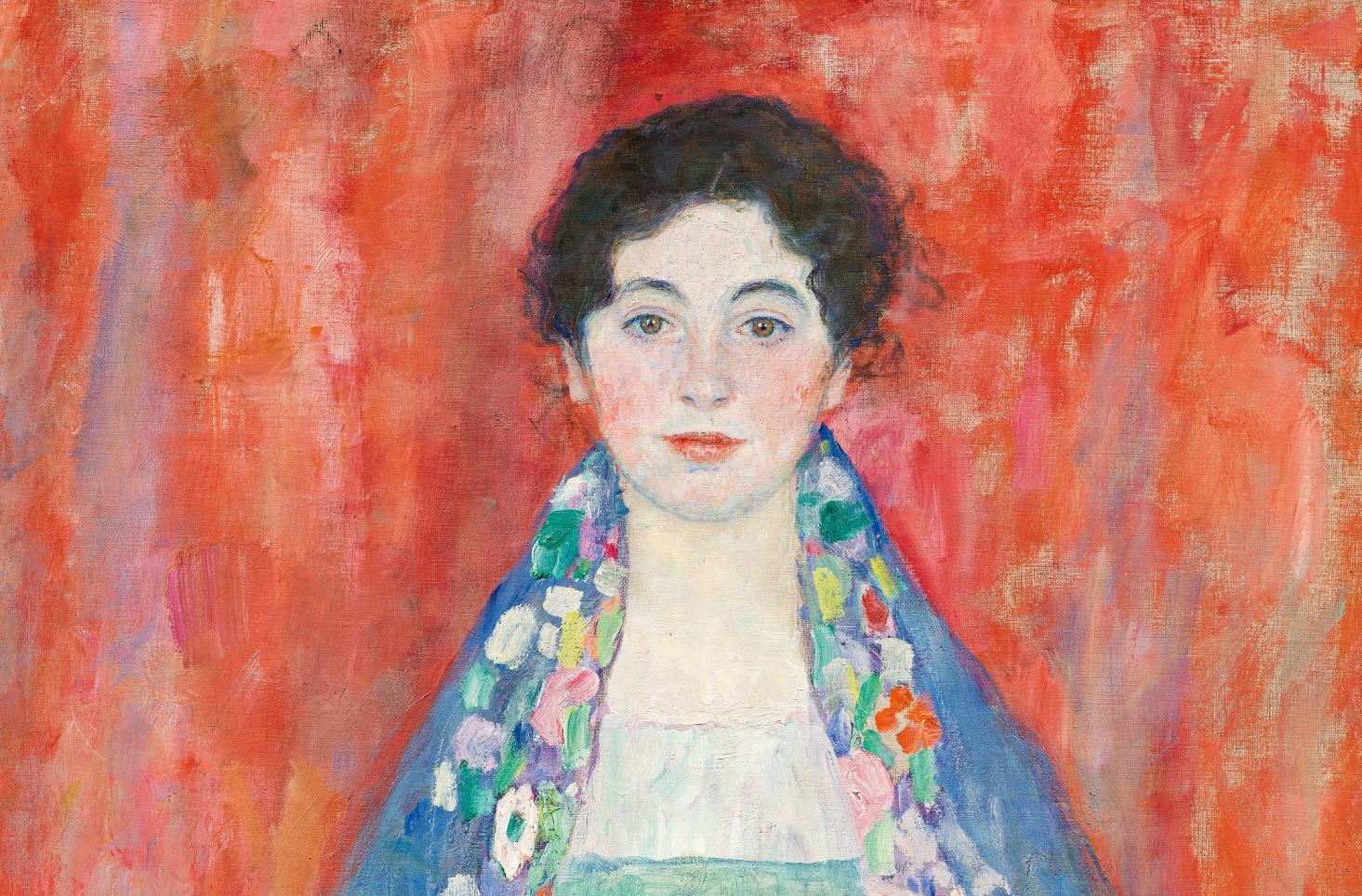
The record-setting $32 million sale of Gustav Klimt's "Portrait of Fräulein Lieser" (1917) has fallen through after a restitution settlement failed to resolve gaps in its provenance. The painting, discovered in early 2024 and sold at Im Kinsky auction house in Vienna to an anonymous Hong Kong buyer in April, was mired in controversy over its history during the Nazi era. The work's whereabouts between 1925 and 1961 were unknown, a period including Austria's annexation by Nazi Germany. The auction house proposed the work was commissioned by Henriette Lieser, who was deported and murdered at Auschwitz, but conflicting theories about the sitter's identity and the painting's path through a Nazi party member's family complicated restitution efforts. A new potential legal heir emerged after the sale, and the buyer ultimately pulled out.

Drained, Drowning, and Decay: The Best National Pavilions at the Venice Biennale

The 2026 Venice Biennale is defined by themes of ruin and decay, with standout national pavilions exploring bodily, infrastructural, and archaeological collapse. The Slovenian Pavilion features the Nonument Group repurposing materials from past Biennales into a ruin of a mosque for Bosnian Muslim soldiers from World War I. Syria presents its first national pavilion since the Civil War, with Sara Shamma invoking Palmyra, destroyed by ISIS. Germany's pavilion, titled "Ruin," features works by Henrike Naumann (who died in February) and Sung Tieu, questioning the pavilion's fascist architecture and nationalist residue. The Austrian Pavilion, curated by Florentina Holzinger, offers a visceral performance titled "Sea World." The Biennale is also marked by the abrupt resignation of its five-member jury, who refused to consider nations charged with crimes against humanity, leading to awards being chosen by public vote. Additionally, the main exhibition "In Minor Keys" was affected by the death of its curator, Koyo Kouoh.

The Disturbing Lessons of the 1937 ‘Degenerate Art’ Show

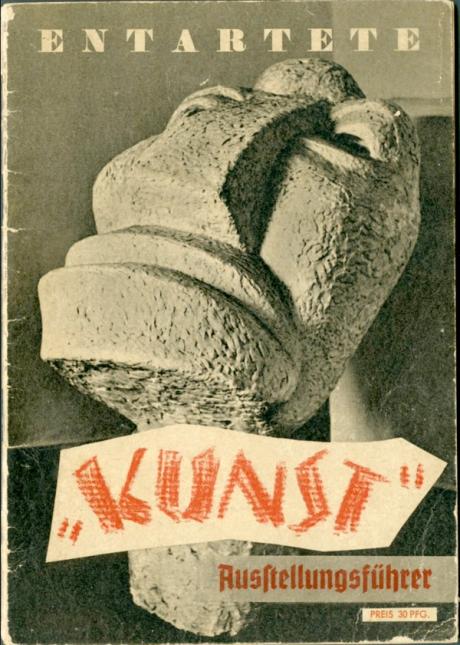
The article examines the historical context and enduring relevance of the 1937 Nazi-organized 'Degenerate Art Show' (Entartete Kunst) in Munich, which displayed hundreds of works by modern artists like George Grosz, Wassily Kandinsky, and Paul Klee as examples of moral and cultural corruption. It traces the concept's roots in 19th-century Social Darwinism, its adoption by Adolf Hitler and the Nazi Party to denigrate modern art, and the gradual escalation of cultural purification policies after Hitler seized power in 1933, including the firing of museum directors and the construction of the Haus der Deutschen Kunst.

Comment | Degenerate art all over again? Nazi attack on Modern art is not far away from trends in today’s world

The article draws a provocative parallel between the Nazi regime's attack on modern art—epitomized by the 1937 "Degenerate Art" (Entartete Kunst) exhibition—and contemporary political aesthetics, particularly around President Donald Trump. It traces the Nazi party's early use of visual spectacle, mass rallies, and monumental art to forge a national identity, contrasting this with Trump's proposed National Garden for American Heroes and stalled White House Ballroom, which the author dismisses as kitsch but lacking the cohesive fascist aesthetic of Albert Speer's masterplans.