filter_list Showing 10 results for "Orly" close Clear
search
dashboard All 10 article culture 3museum exhibitions 3trending_up market 2article local 1rate_review review 1
date_range Range Today This Week This Month All
Subscribe

What does a woman swimming in urine tell us about the state of the world? Lots! – Venice Biennale review

The 2026 Venice Biennale, curated by the late Koyo Kouoh under the theme "In Minor Keys," has been plagued by months of turmoil including countries withdrawing, artists being fired, exhibitions cancelled, funding pulled, and protests during the preview. A five-person curatorial team took over after Kouoh's death, resulting in what the critic describes as a disjointed, committee-driven exhibition that prioritizes quiet contemplation and healing over direct political engagement. The central shows in the Giardini and Arsenale feature a vast, poorly explained array of art from the global south, with installations of ceramics, textiles, slide projectors, and serene natural scenes that the critic finds anachronistic and dull.
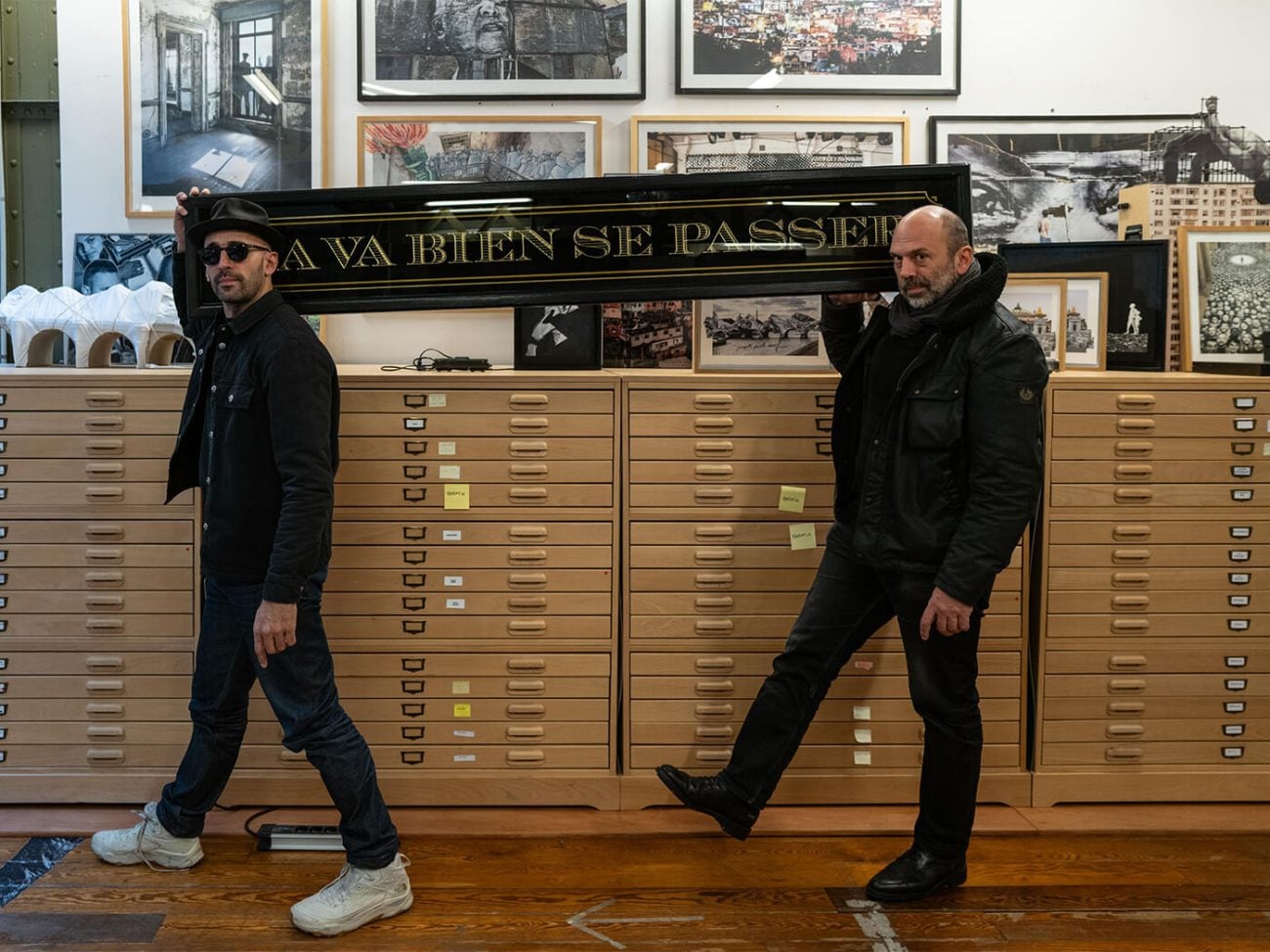
JR: 'Reflecting on the cave is to look at our deep humanity, our origins, art in general'

JR : « Réfléchir à la caverne, c’est se pencher sur notre humanité profonde, sur nos origines, sur l’art en général »

French artist JR is transforming the Pont-Neuf in Paris into a giant inflatable cave structure, titled "La Caverne du Pont-Neuf," set to debut on May 23, 2026. The project, conceived with producer Vladimir Yavachev, pays homage to Christo and Jeanne-Claude's 1985 wrapped Pont-Neuf, using inflatable techniques inspired by Christo's unrealized designs. JR's team built a prototype in a hangar at Orly, and the work involves complex permissions from the French president, the Paris mayor, and local authorities.

A Rosso for the Metropolitan

Un Rosso pour le Metropolitan

The Metropolitan Museum of Art in New York has acquired a painting by Rosso Fiorentino, a master of Italian and French Mannerism, after restoration revealed an earlier overpaint that had obscured the composition. The work, a Virgin and Child, now shows Saint John the Evangelist in the foreground at right, confirming it as an original by the artist.

Art Beat

A roundup of current art exhibitions and calls for work in Taos, New Mexico, highlights shows such as "Nicolai Fechin: Figures, Nature, and Expression" at the Taos Art Museum, "Taos Reimagined: Modernist Experiments in the High Desert," and "Rag Made Quilts" at the Taos Public Library. Other featured venues include 203 Fine Art, Stables Gallery, Revolt Gallery, and the Wheaton Museum of World Artifacts, with openings and deadlines spanning through fall 2026.

Forgotten 'environment' of 11 women artists brought back to life at Leeum

The Leeum Museum of Art in Seoul has opened "Inside other spaces: Environments by women artists 1956-1976," an exhibition restoring immersive artworks by 11 women artists from Asia, Europe, and South America, including Jung Kang-ja, Judy Chicago, Tsuruko Yamazaki, and Aleksandra Kasuba. The show revives pieces that were often dismantled after their original displays, such as Jung Kang-ja's "Incorporeal Exhibition," which was destroyed in 1970 after being deemed political propaganda under South Korea's authoritarian regime. Curators Andrea Lissoni and Marina Pugliese, who first organized the project at Haus Der Kunst in Munich, worked with researchers to reconstruct the works using archival materials, correspondence, and blueprints.

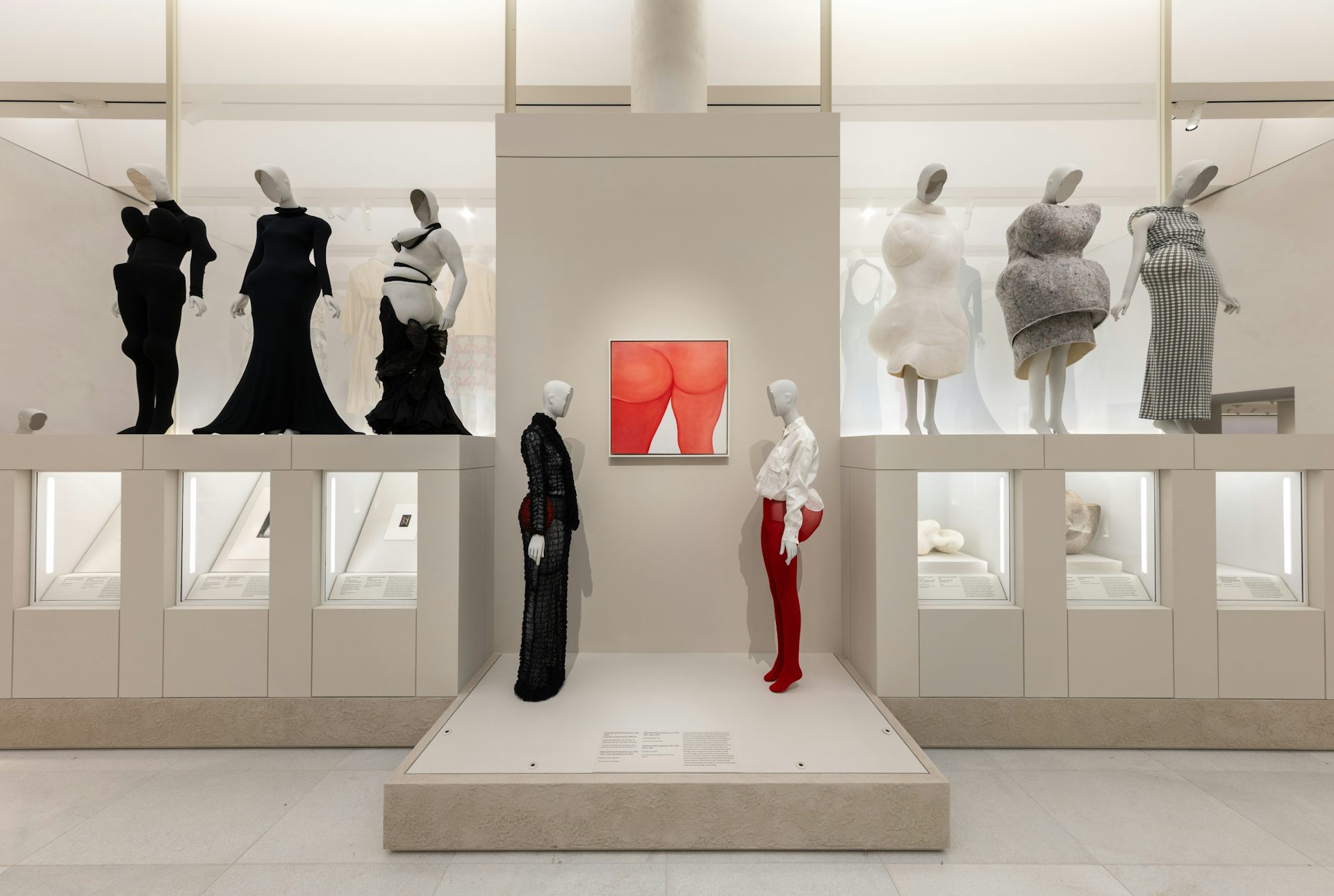
How super-skinny red carpet trend at Met Gala clashes with own its body-positive Costume Art show

The Met Gala, organized by Vogue and themed around "costume art," was accompanied by an exhibition of the same name at New York's Metropolitan Museum of Art opening May 10, focusing on the dressed body. While the exhibition has been praised for using inclusive mannequins representing diverse body types—including variously abled, fat, thin, and pregnant forms—the red carpet was criticized for its overwhelming thinness and the involvement of honorary chairs Jeff Bezos and Lauren Sánchez Bezos, who reportedly sponsored the event for $10 million, sparking boycott calls. Fashion commentators like Diet Prada noted the Gala was more poorly received than ever, with some celebrities absent.

At Maya Gallery, a Benefit Sale Becomes a Map of Israeli Contemporary Art

Maya Gallery in New York is hosting a benefit sale that features works by over 50 Israeli contemporary artists, including prominent names like Michal Rovner and Sigalit Landau. The sale aims to raise funds for the gallery's programming and to support Israeli artists amid ongoing geopolitical tensions.

Man Can’t Tell if Friend’s Art Show Surrealist or Bad

Local man Brian Jacobs attends a friend's high-profile surrealist art show in New York but cannot determine whether the works are genuinely surrealist or simply poorly executed. He describes a painting of a five-eyed fisherman holding a melting bowling ball as looking like it was painted by a first grader. The artist, Gavin McCloud, interprets Jacobs's bewildered reactions as impressed awe and plans to gift him the melting bowling ball painting. Gallery owner Christine Morgan admits she sometimes hosts derivative work from donors' children in exchange for large checks, and advises artists to claim ambiguity as the real art if questioned.

Could TikTok become the place to buy and sell works of art?

TikTok potrà diventare il posto dove comprare e vendere opere d’arte?

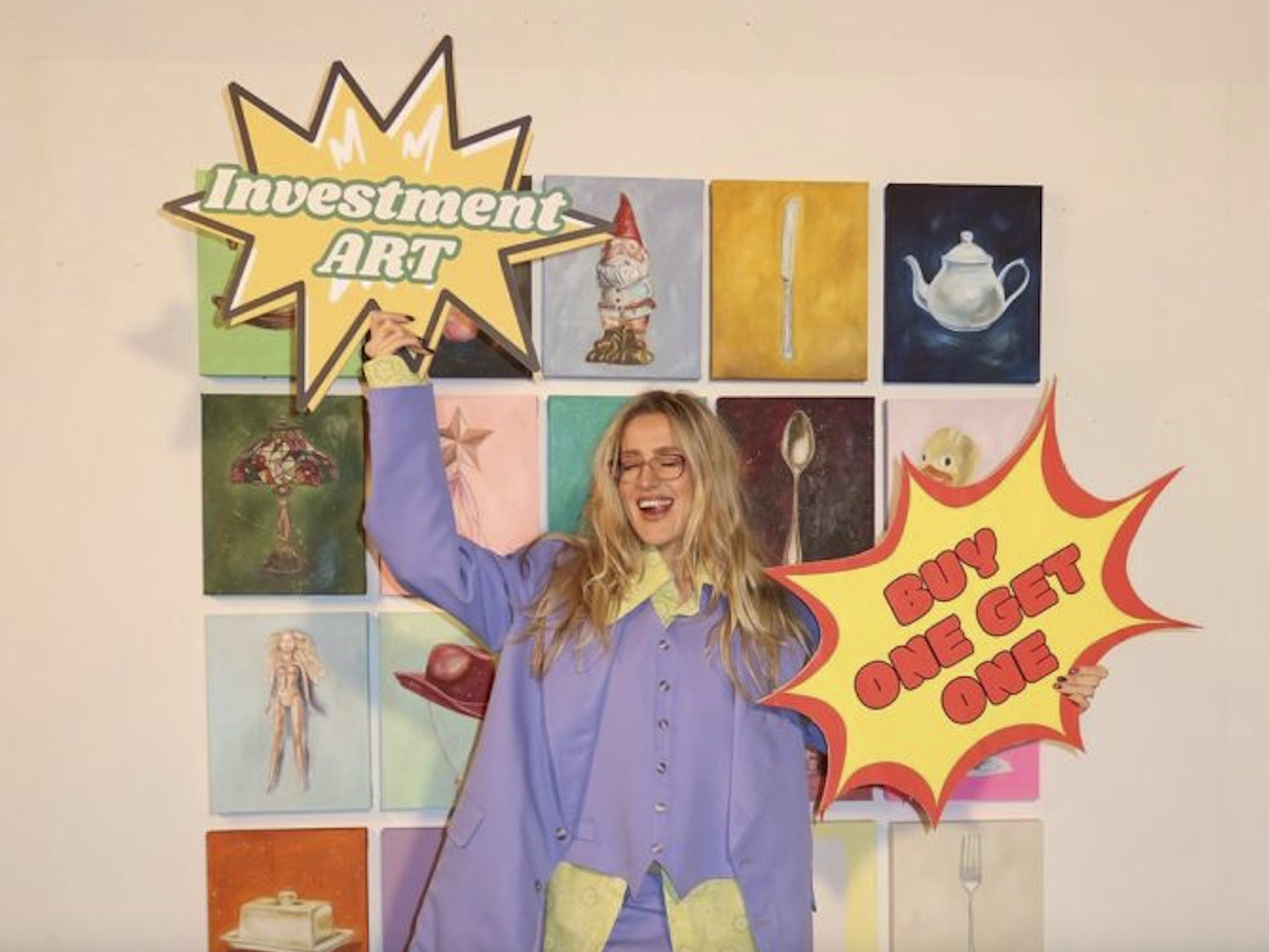
TikTok Shop has launched a new "Fine Art" category, allowing users to buy and sell artworks directly within the app. The initiative was spearheaded by British artist-influencer Sophie Tea, who sold a series of 20 oil paintings titled "Bric-a-Brac" during a three-hour live stream that combined performance art, studio visits, and televised sales. Each piece sold for around £2,800, with TikTok taking a 9% commission. The move applies discovery commerce—where products find users through social feeds rather than active searches—to the art market, bypassing traditional gallery intermediaries.

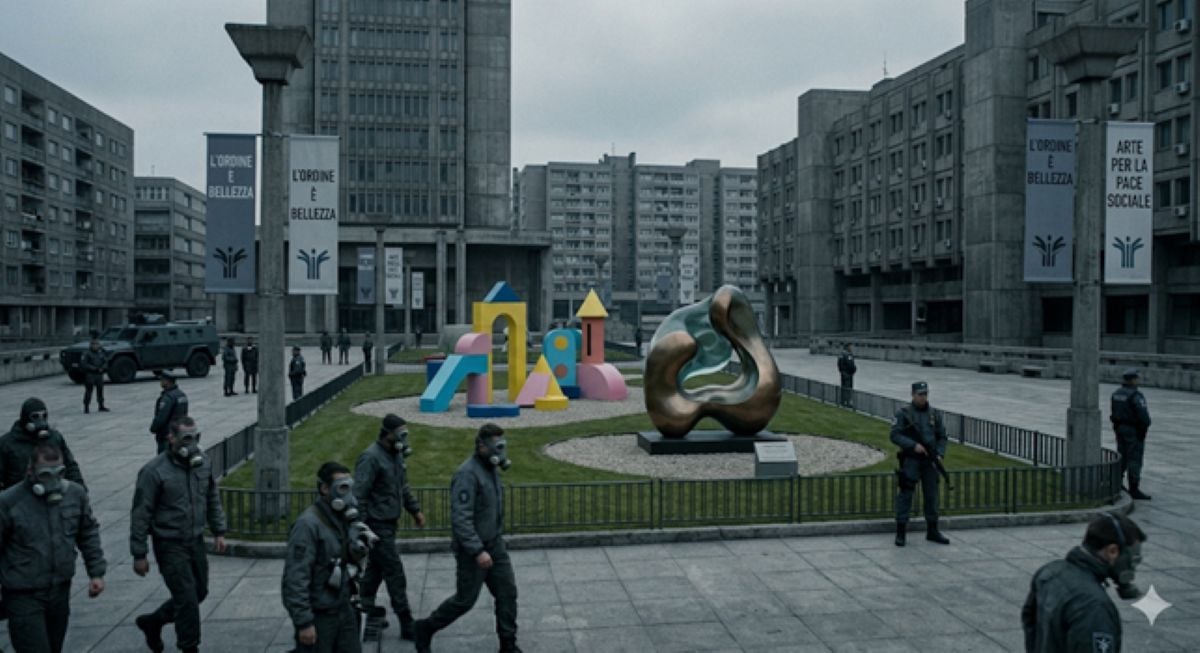
The Paradox of Contemporary Art: The World Is Violent, but the Works Are Correct and Inoffensive

Il paradosso dell’arte contemporanea: il mondo è violento, ma le opere sono corrette e inoffensive

The article examines a paradox in contemporary art: as the world grows more violent and chaotic, art has become increasingly 'correct,' morally irreproachable, and inoffensive. The author argues that over the past fifteen years, artworks have been judged primarily by their moral and identity credentials, with curators acting as moral gatekeepers and censors. This shift coincides with a period when geopolitics, history, and public behavior have spiraled out of control, creating a strange compensatory dynamic where art is expected to be perfectly controlled and polite while reality grows brutal.