
filter_list Showing 3 results for "PELT" close Clear
dashboard All 3 museum exhibitions 2article culture 1
date_range Range Today This Week This Month All
Subscribe

5 Art Openings in London this week.

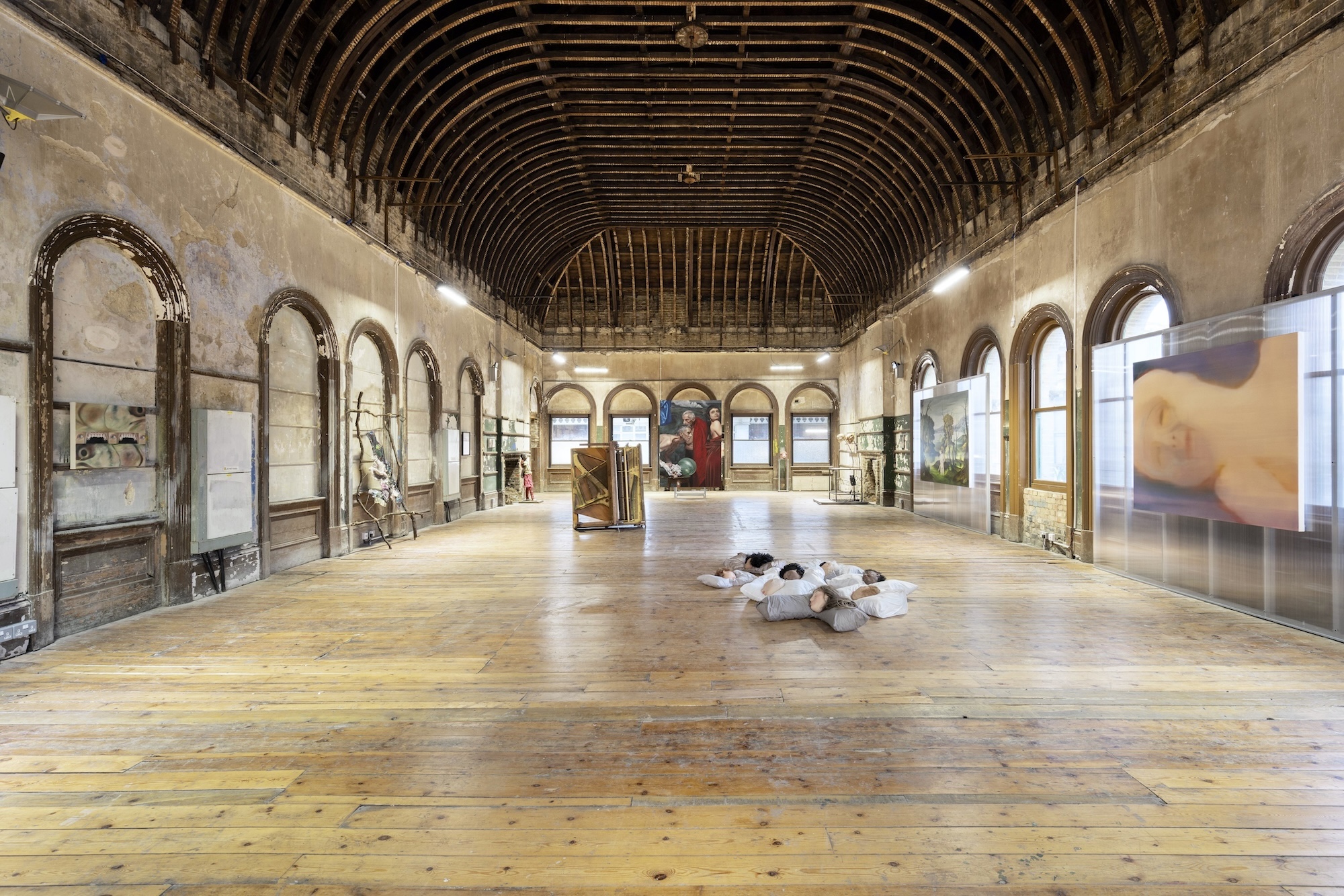
Five art openings in London are scheduled for the first week of 2026, split across two nights. On Thursday, January 8, two group exhibitions debut: 'PELT' at OHSH Projects (above Peckham Rye Station) features 19 artists exploring skin as a site of memory and mortality, and 'Connecting Threads' at Great Pulteney Street Gallery presents 11 artists expanding textile art. On Friday, January 9, three solo shows open: Max Boyla's 'Spooky Action At a Distance' at Palmer Gallery, Willa Cosinuke's 'Split Studies' at Chilli, and Sverre Malling's 'At The Mistress’ Request' at Kristin Hjellegjerde Gallery.
One of Napoleon’s Sweaty Hats Was Just Rediscovered After a Century in Storage

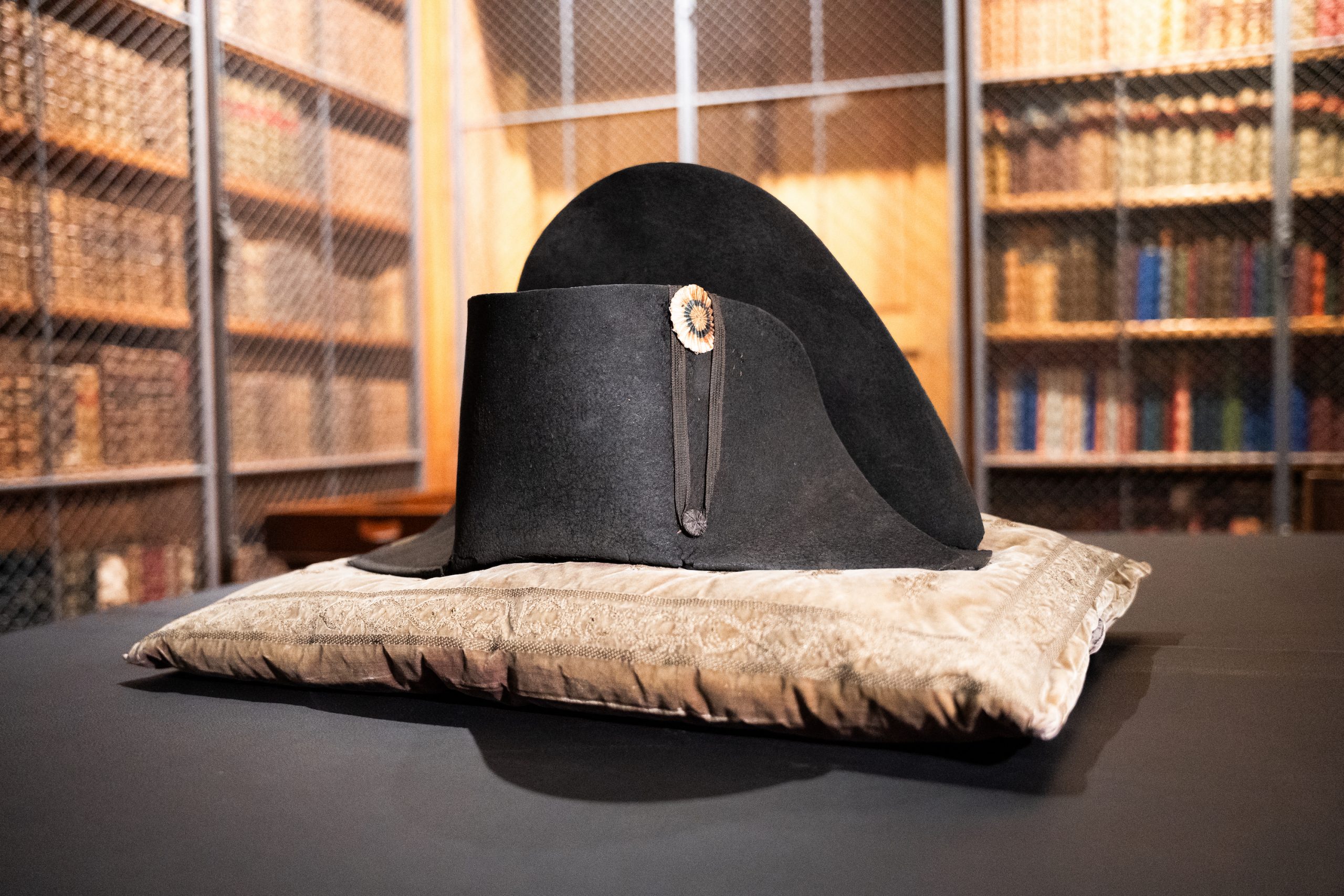
A distinctive bicorne hat belonging to Napoleon Bonaparte, worn during his final exile on Saint Helena, has been rediscovered after more than a century in storage at the Condé Museum. Curators found the beaver pelt hat, made by his official hat-maker Poupard, while preparing for an upcoming exhibition, and its provenance has been confirmed through extensive study.

Comment | Art and science rely on freedom of thought—and on each other

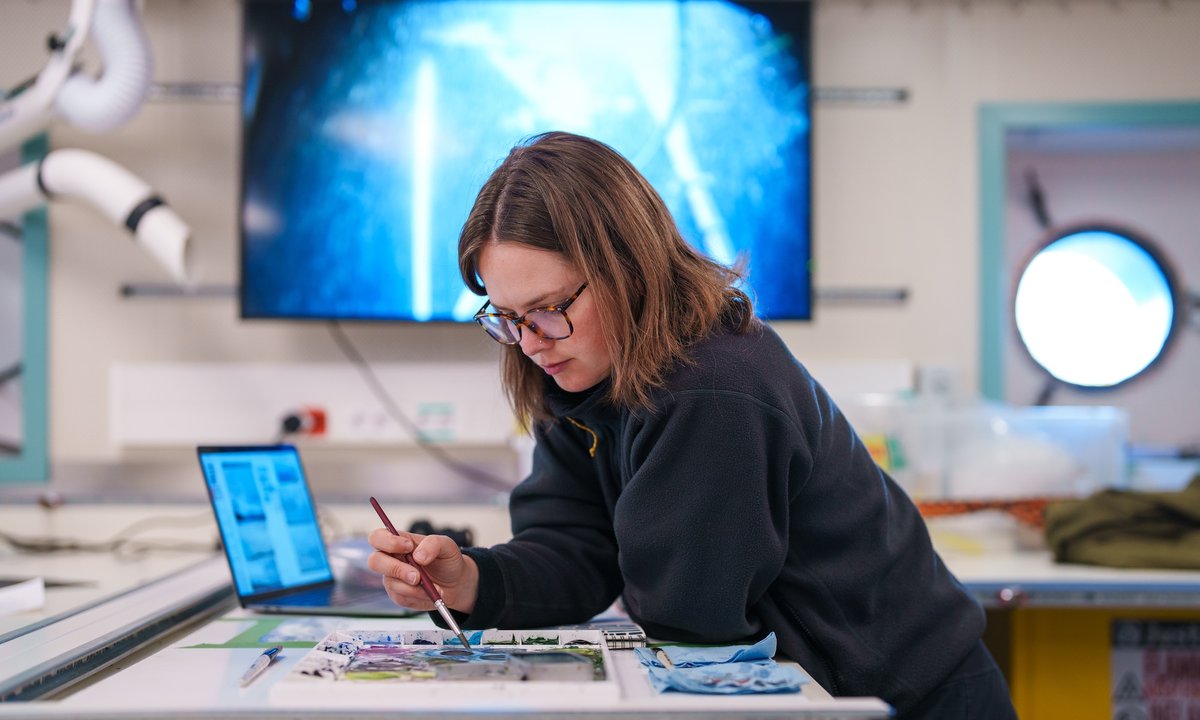
The article argues that art and science are deeply interconnected, both relying on freedom of thought and cross-disciplinary collaboration. It cites examples like birds' colorful feathers being explained by a study supported by Schmidt Sciences, which found that birds use a layer of white and black feathers to accentuate color—a technique painters have used for centuries. The piece highlights the Artist-at-Sea programme aboard the Schmidt Ocean Institute's research vessel Falkor (too), where artists like Constance Sartor and Jill Pelto collaborate with scientists to communicate marine science to broader audiences. The author, who works with scientists and is married to one, emphasizes that both disciplines pursue truth through different but complementary methods, from Leonardo da Vinci's anatomical studies to medieval Islamic tilework and Alexander von Humboldt's naturalist drawings.