filter_list Showing 6 results for "Recurso" close Clear
dashboard All 6 museum exhibitions 6
date_range Range Today This Week This Month All
Subscribe

Semiha Berksoy: The Turkish Artist Who Made Her Life a Total Work of Art

Semiha Berksoy: l’artista turca che ha reso la sua vita un’opera totale

A major retrospective titled "Aria of All Colors" at the Istanbul Modern, running until September 6, celebrates the multifaceted Turkish artist Semiha Berksoy (1911–2004). Featuring over 200 works, the exhibition showcases her pioneering career as a painter, sculptor, opera singer, actress, costume designer, and performance artist. Berksoy became the first Turkish soprano to perform on European stages after studying in Berlin, and she helped found the Ankara State Opera. Her deeply personal paintings, often depicting her mother and cultural figures, are marked by a graphic, childlike style and a recurring "line of destiny." The show includes costumes, sketches, archival footage, and even a refrigerator door painted with her daughter's portrait.
The Artist Who Painted Pixels Before We Saw in Pixels

Der Künstler, der Pixel malte, bevor wir in Pixel sahen

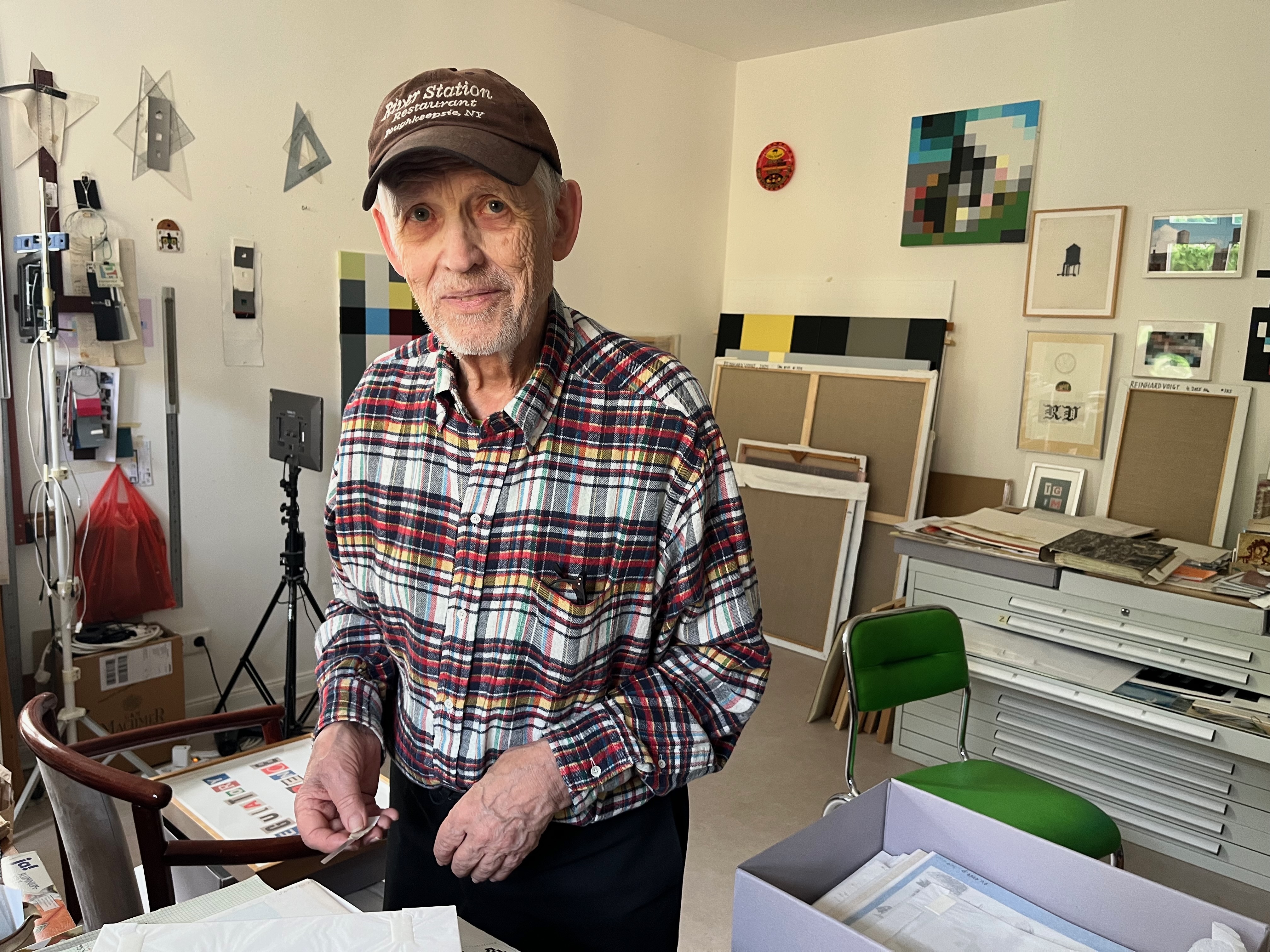
Reinhard Voigt, a German artist little known to the public, painted grid-based pictures as early as 1968—years before pixels became ubiquitous in daily life. Despite early discouragement from Gerhard Richter and fellow artist Alan Jones, Voigt persisted, creating meticulous works on paper and canvas using transparent paper, rulers, pencil, and oil paint. His first major exhibition, "Pure Pleasure," took place in 2023/2024 in Nuremberg, and his current duo show "High on Low" with Anna-Sophie Berger is on view at Berlin's Kunstraum Grotto, featuring his Word Paintings series. Voigt lives and works in Berlin-Prenzlauer Berg with his wife, artist Susan Elias.

Cleveland Museum of Art hosting ‘France in the Time of Manet and Morisot’

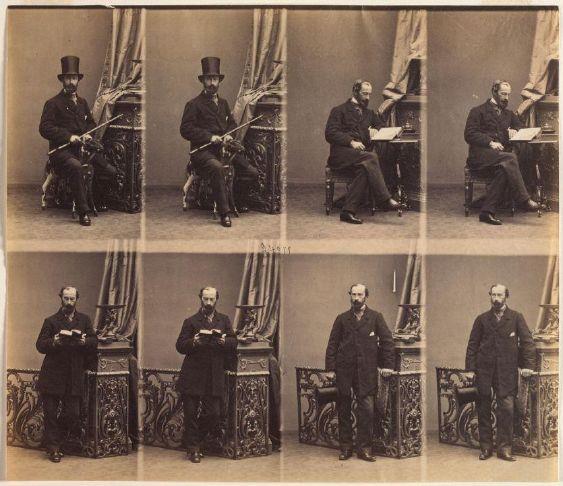
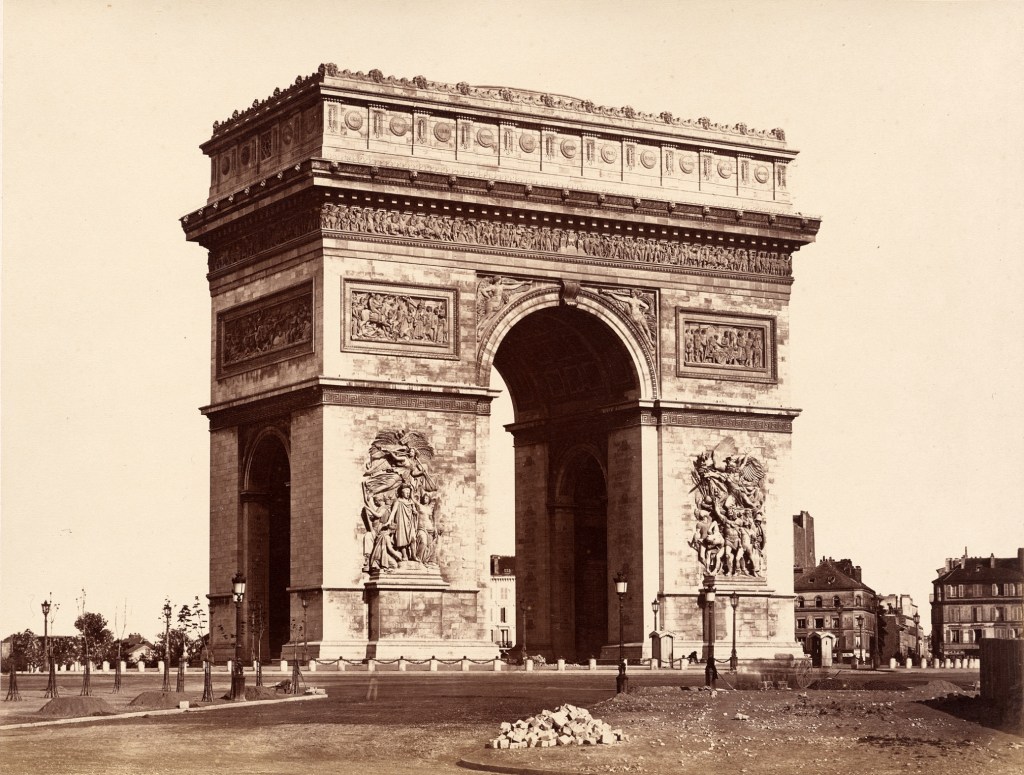
The Cleveland Museum of Art (CMA) has opened a free companion exhibition titled "France in the Time of Manet and Morisot," running through August 23 in the Mark Schwartz and Bettina Katz Photography Galleries. The show features 50 photographs from the museum's holdings of mid-1800s France, including works by Charles Marville and Édouard Baldus, who were commissioned by Emperor Napoleon III and the Louvre to document historic monuments and new architectural projects. Curated by Barbara Tannenbaum, CMA chair of prints, drawings, and photographs, the exhibition complements the museum's ticketed show "Manet & Morisot," which explores the artistic exchange between Édouard Manet and Berthe Morisot. Highlights include André-Adolphe-Eugène Disdéri's 1861 portrait "Monsieur Merlen," which is noted as an early precursor to the selfie, and a photograph of the Arc de Triomphe under construction.

Cleveland Museum of Art presents 19th-century photo exhibit 'France in the Time of Manet and Morisot'

The Cleveland Museum of Art (CMA) has opened a new photography exhibition, "France in the Time of Manet and Morisot," running through August 23 in the Mark Schwartz and Bettina Katz Photography Galleries. The free show features 50 photographs from CMA's holdings of mid-1800s France, complementing the museum's ticketed Impressionist display "Manet & Morisot." Curator Barbara Tannenbaum selected works by photographers such as Charles Marville, Édouard Baldus, and André-Adolphe-Eugène Disdéri, including Disdéri's 1861 portrait "Monsieur Merlen," which is noted as an early precursor to the modern selfie. The photographs document historic monuments, new architecture, and figures like Sarah Bernhardt, offering a visual context for the era of painters Édouard Manet and Berthe Morisot.

Sandra Gamarra: “Réplica” Is Not a Copy

Sandra Gamarra Heshiki's exhibition "Réplica" at MASP in São Paulo opens with an unplanned replica of Francisco Laso's "Habitante de las cordilleras del Perú" (1855), which could not travel from Lima due to bureaucracy. Gamarra produced an inverted, altered version, establishing a critical distinction between copying and responding. The exhibition is organized into sections that parody the classical chronology of encyclopedic museums—"Pre-colonial," "Colonial," "Post-independence," "Modern," and "Contemporary"—transforming the museum into an object of analysis. Gamarra's paintings engage with colonial iconographies, such as the pinturas de castas, by inscribing racial classifications directly onto the figures, making the colonial verdict inseparable from the bodies depicted.

Mario Schifano, the artist who anticipated Arte Povera and beyond. What the exhibition in Rome looks like

The Palazzo delle Esposizioni in Rome has opened a major retrospective of Mario Schifano, curated by Daniela Lancioni and titled simply "Mario Schifano," running until July 12. The exhibition reconstructs the career of the Italian artist (1934–1998), who worked across painting, film, and music, and highlights his role as a precursor to Arte Povera. A centerpiece is the reconstructed dining room Schifano created for the Rome home of Marella and Gianni Agnelli in 1968, featuring 14 canvases and a planned but unrealized sand-filled room with a pyramid, a detail revealed by film producer Ettore Rosboch in a conversation with the curator.