
filter_list Showing 3 results for "Saint Luke" close Clear
dashboard All 3 rate_review review 2article culture 1
date_range Range Today This Week This Month All
Subscribe

Zurbarán review – ecstatic visions, primitive surrealism … and the finest loincloths ever painted

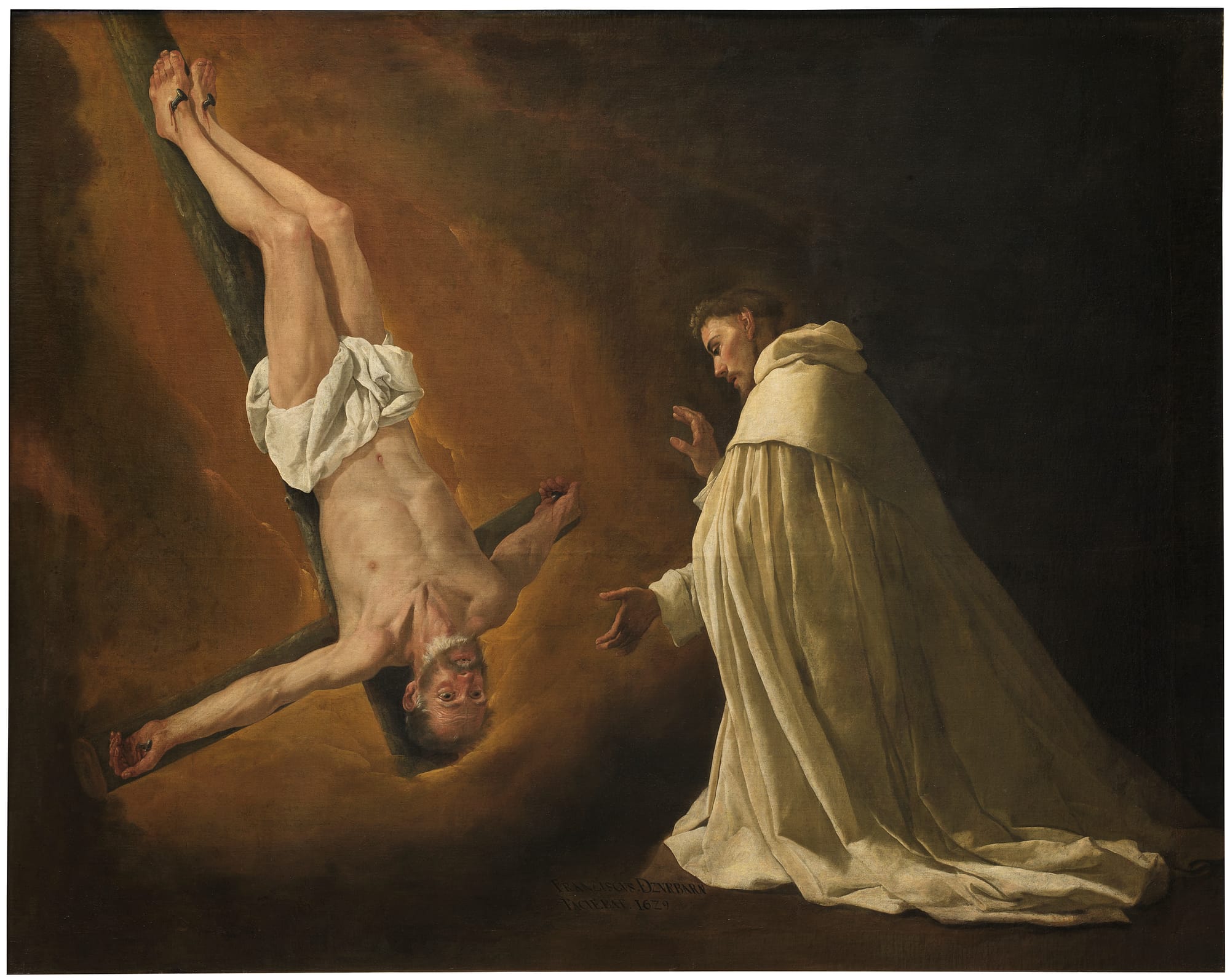
The Guardian reviews a major exhibition of 17th-century Spanish painter Francisco de Zurbarán, highlighting his visionary and surrealist qualities. The show features works such as "The Apparition of Saint Peter to Saint Peter Nolasco" (1629), newly attributed paintings including a giant mask, and iconic pieces like "The Crucified Christ" and "Saint Serapion," all drawn from collections including the Prado and the National Gallery, London. The review emphasizes Zurbarán's ability to paint supernatural subjects with naturalistic conviction, his exquisite rendering of fabrics—especially loincloths—and his influence on modern artists like Salvador Dalí.

art bites zuccaro drawing banished from rome 2710007

Federico Zuccaro, a 16th-century Italian Mannerist painter, was banished from Rome in 1581 after presenting a satirical drawing at a feast in the church of Saint Luke. The 13-foot work, 'Porta Virtutis (The Gate of Virtue),' depicted King Midas with donkey ears as a thinly veiled attack on papal steward Paolo Ghiselli, who had rejected Zuccaro's altarpiece. Zuccaro explicitly identified Ghiselli as the foolish Midas and labeled Bologna the 'Reign of Ignorance,' leading Pope Gregory XIII to sentence him for 'excesses' and banish him from the city. He avoided prison by paying a 400 scudi bail.

Did Zurbarán Believe What He Painted?

An exhibition of Francisco de Zurbarán's 17th-century religious paintings at London's National Gallery prompts a critic to question whether the artist's personal faith influenced his artistic skill. The show features monumental works from Spanish churches and monasteries, displayed dramatically against black walls, including crucifixion scenes, monks, and saints. The critic notes that no personal records of Zurbarán survive—only contracts—leaving his beliefs unknown, and compares him to Agnolo Bronzino, who painted pious scenes but wrote obscene verses. A small painting of a crucified Christ with a painter, possibly a self-portrait of Bronzino, is presented as ambiguous evidence of faith.