filter_list Showing 8 results for "Salon des Refusés" close Clear
search
dashboard All 8 article culture 4museum exhibitions 3article news 1
date_range Range Today This Week This Month All
Subscribe

Think you have strong opinions about the 2026 Archibald prize? Check out the portraits that didn’t make the cut | Dee Jefferson

The article explores the annual ritual of the Archibald Prize, Australia's most famous portrait competition, through the lens of the 2026 edition. The author, Dee Jefferson, describes the predictable cycle of public enthusiasm, critical disdain, and media coverage that surrounds the prize, noting recurring trends like brown suits, oversized heads, and the dominance of male artists painting male subjects. The piece highlights specific works in this year's exhibition, including a portrait of musician Keli Holiday by Sindy Sinn that the author finds disorienting, and contrasts the main exhibition with the Salon des Refusés, the showcase of rejected entries, which includes a provocative portrait of Patricia Piccinini by Wendy Sharpe featuring exaggerated anatomy.
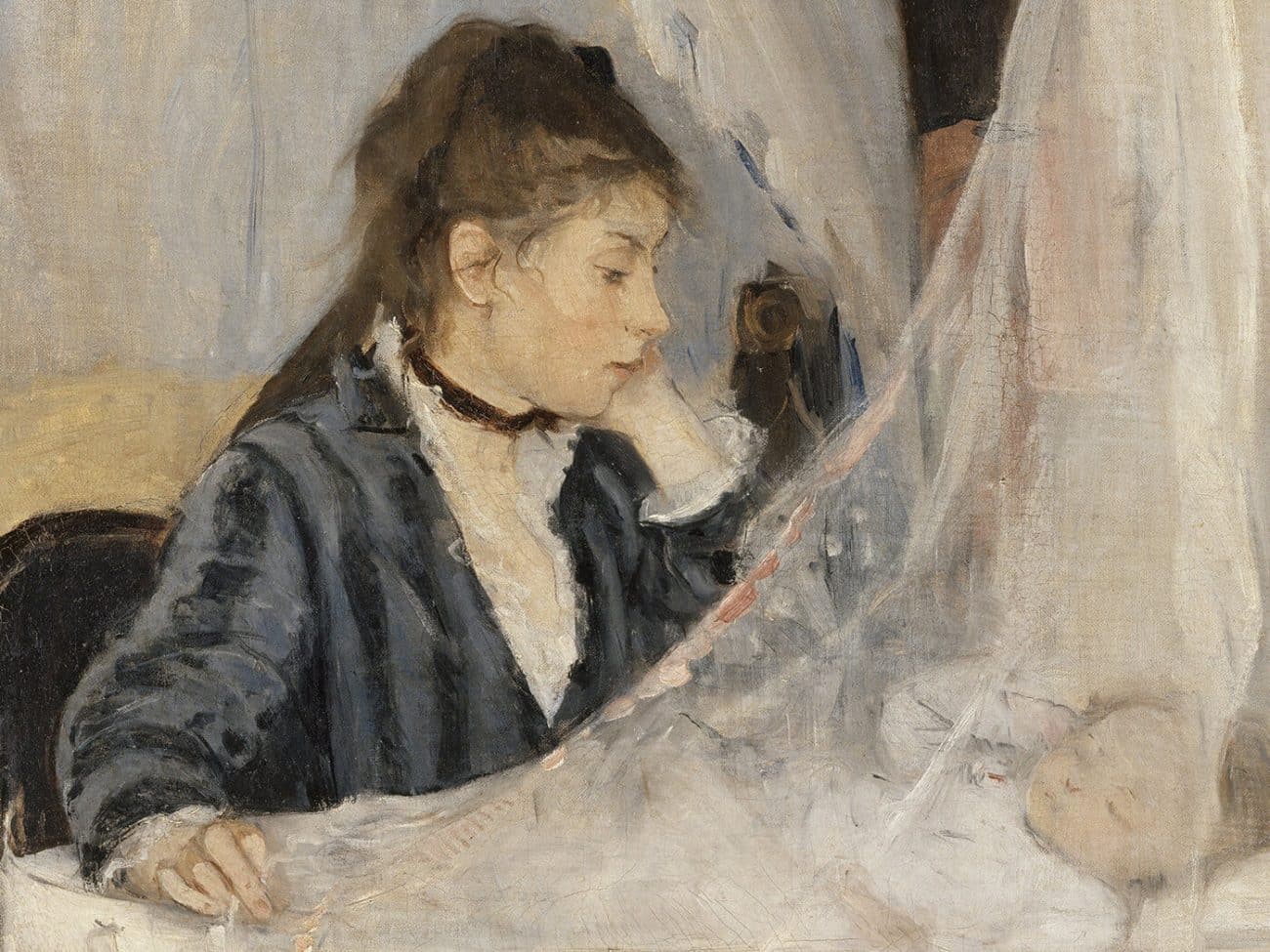
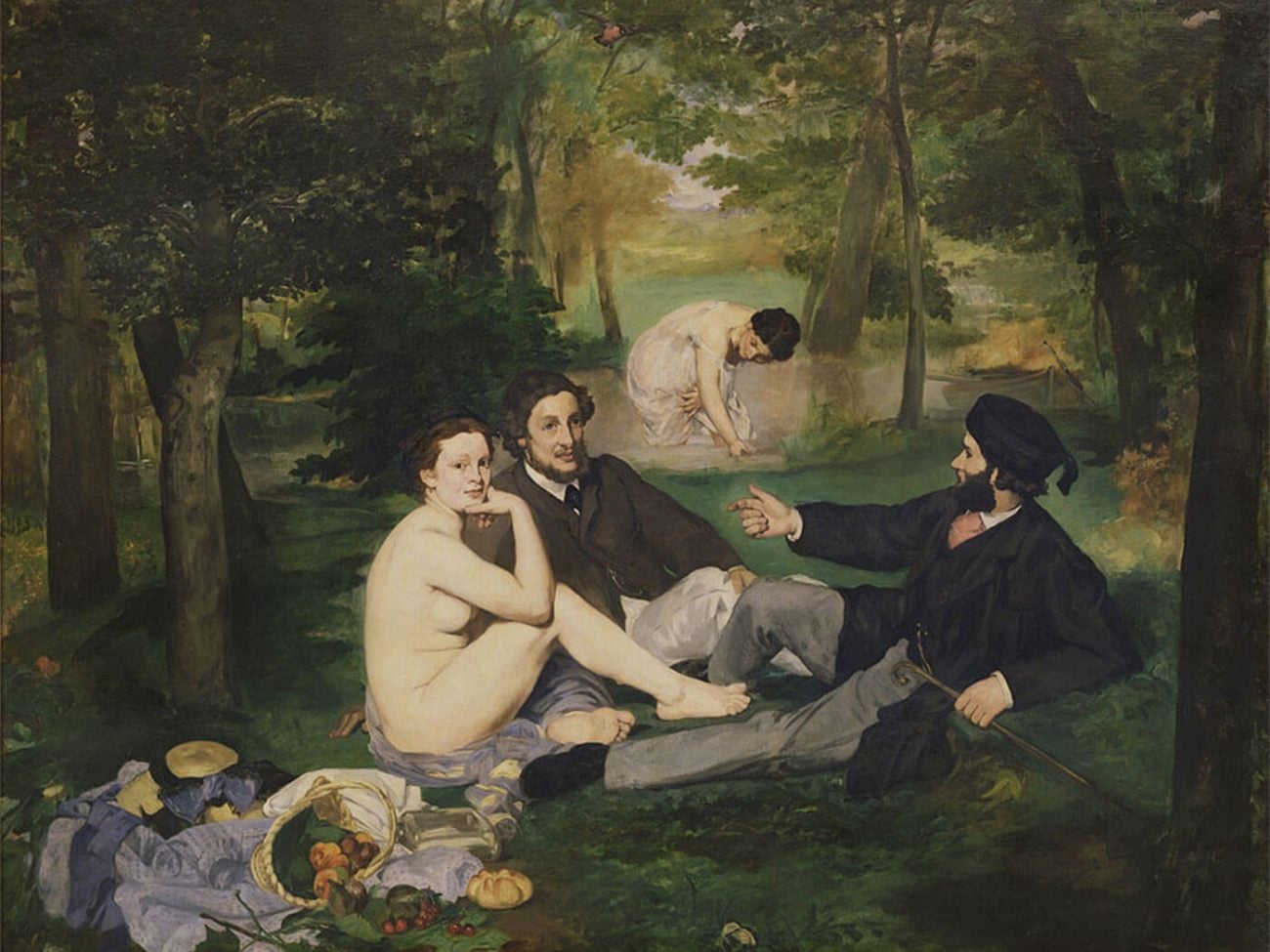
10 chefs-d’œuvre de l’impressionnisme décryptés par Beaux Arts

Beaux Arts Magazine presents a detailed dossier analyzing ten iconic masterpieces of Impressionism, including works by Edgar Degas, Édouard Manet, Berthe Morisot, Auguste Renoir, Gustave Caillebotte, Claude Monet, and Mary Cassatt. The article explores the technical innovations, modern subjects, and revolutionary spirit of the movement, which began in 1874 and was initially rejected by critics. Each featured painting—such as *Le Déjeuner sur l’herbe*, *Impression, soleil levant*, and *Le Bal du moulin de la Galette*—is examined by art historians and journalists to reveal its composition, historical context, and lasting impact.

What You (Maybe) Didn't Know About Édouard Manet

Ce que vous ne saviez (peut-être) pas sur Édouard Manet

Édouard Manet (1832–1883), a pivotal figure bridging realism and impressionism, is the subject of a feature article in Beaux Arts Magazine. The piece explores lesser-known aspects of his life and career, including his near-miss as a naval officer, his rivalry with Gustave Courbet, his refusal to join the impressionist exhibitions despite close ties to the movement, and his deep fascination with Spanish culture. It highlights his scandalous works like *Le Déjeuner sur l'herbe* (1863) and *Olympia*, the latter entering the Louvre after a subscription launched by Claude Monet in 1889.

Photographs of Victorine Meurent who posed for 'Le Déjeuner sur l'herbe' discovered by chance in Grenoble

Les photos de Victorine Meurent qui ont servi de modèle au « Déjeuner sur l’herbe » retrouvées par hasard à Grenoble

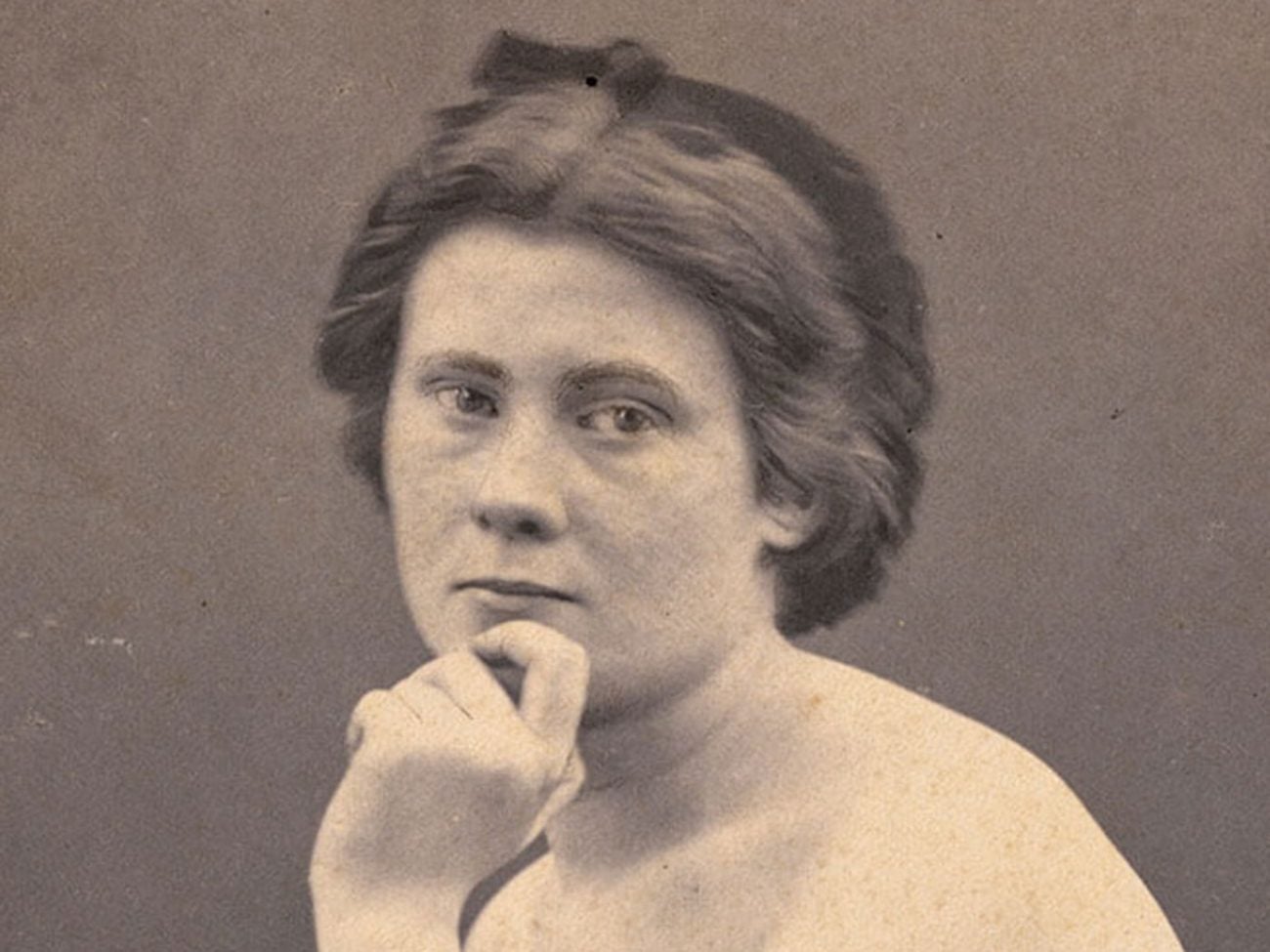
A chance discovery at the Musée de Grenoble has unearthed two previously unknown photographs of Victorine Meurent, the favorite model of Édouard Manet, taken by Gaudenzio Marconi in 1863. Art historian Laure Boyer, while researching a different subject, recognized Meurent in the images and realized they directly served as studies for Manet's iconic paintings *Le Déjeuner sur l'herbe* and *Olympia*. The photographs show Meurent in poses nearly identical to the figures in both works, with only the orientation reversed in one case and facial expressions swapped between the two paintings.

James McNeill Whistler was more than just a combative ‘coxcomb’

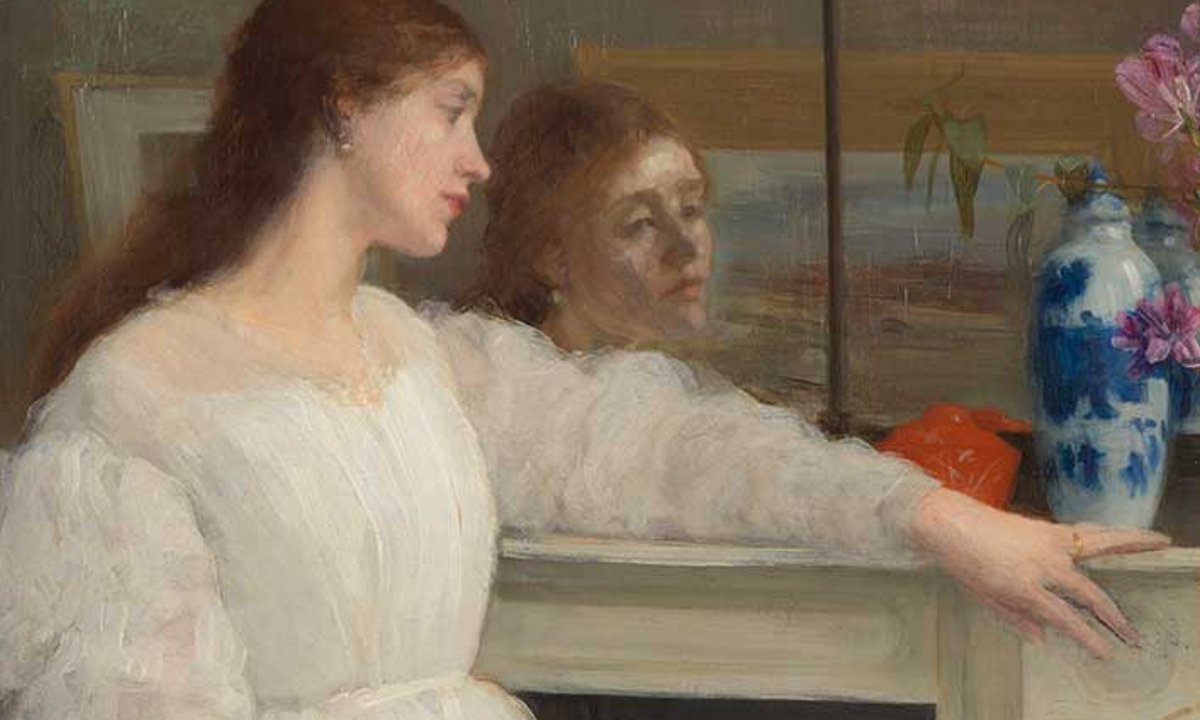
Carol Jacobi, curator of a new exhibition at Tate Britain in London, aims to reframe the legacy of James McNeill Whistler (1834-1903), an artist often reduced in public memory to his 1877 libel lawsuit against critic John Ruskin. The show, the UK's first full Whistler survey since 1994, highlights his prolific output, evolving style, and belief that art should seek "a more fundamental beauty" beyond mere impression. It brings together many of his celebrated nocturnes and, for the first time, his sketchbooks, though the infamous Nocturne in Black and Gold: The Falling Rocket (1875) could not be loaned.

Salon des Indépendants

The article is about the Salon des Indépendants, a historic French art exhibition society founded in 1884. It provided a platform for artists to exhibit works without a jury, challenging the official Paris Salon's conservative standards.

Yosra Mojtahedi, Iranian artist who moved from painting to astonishing living sculptures

Yosra Mojtahedi, artiste iranienne passée de la peinture à de stupéfiantes sculptures vivantes

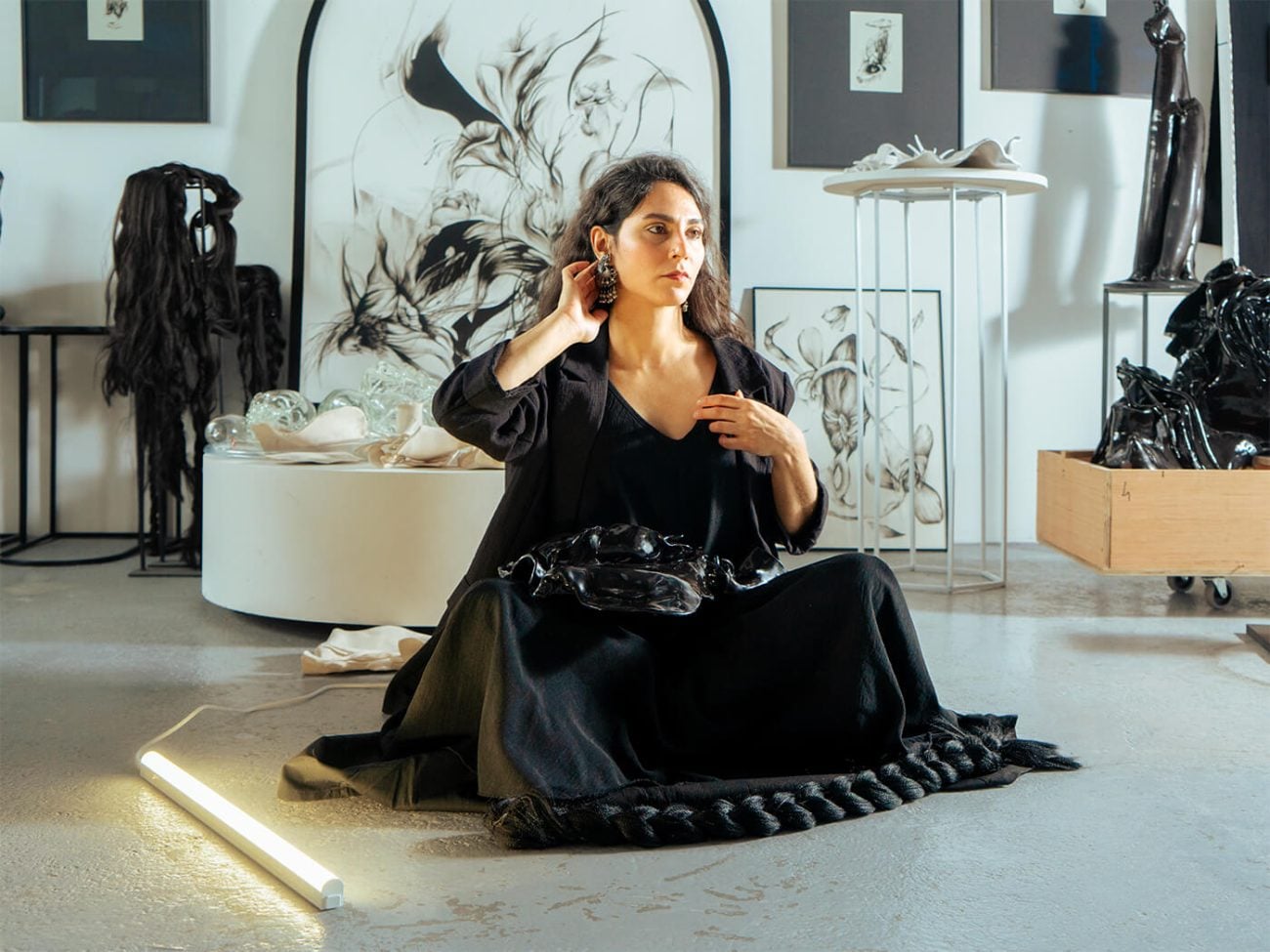
Yosra Mojtahedi, an Iranian artist born in 1986, has transitioned from painting to creating stunning living sculptures. Her work, characterized by black and white contrasts, features sculptures that breathe, have hair, and incorporate torn tights and synthetic locks, evoking themes of identity, censorship, and bodily autonomy. She recently presented a spectacular installation titled "Isthme noir" at the Espace Monte-Cristo in Paris and an exhibition at the Abbaye de Maubuisson, where her spiritual universe unfolds across multiple rooms. Mojtahedi's practice includes sound elements in Persian or Kurdish, and she views her sculptures as "bodies" that are both intimate and political.

Salon | Impressionism, Realism & Post-Impressionism

The Salon was an official art exhibition sponsored by the French government, originating in 1667 when Louis XIV sponsored an exhibit of works by members of the Académie Royale de Peinture et de Sculpture. It was held in the Salon d’Apollon of the Louvre Palace in Paris, and after 1737 it became an annual event, with a jury system introduced in 1748. During the French Revolution, the Salon opened to all French artists, though academicians retained control through much of the 19th century. Its influence waned after the Société des Artistes Français took over in 1881 and as independent avant-garde exhibitions gained prominence.