
filter_list Showing 3 results for "Sancta" close Clear
dashboard All 3 museum exhibitions 3
date_range Range Today This Week This Month All
Subscribe

Sacramental Value: “The Holy Sepulcher” at the Kimbell Art Museum, Fort Worth

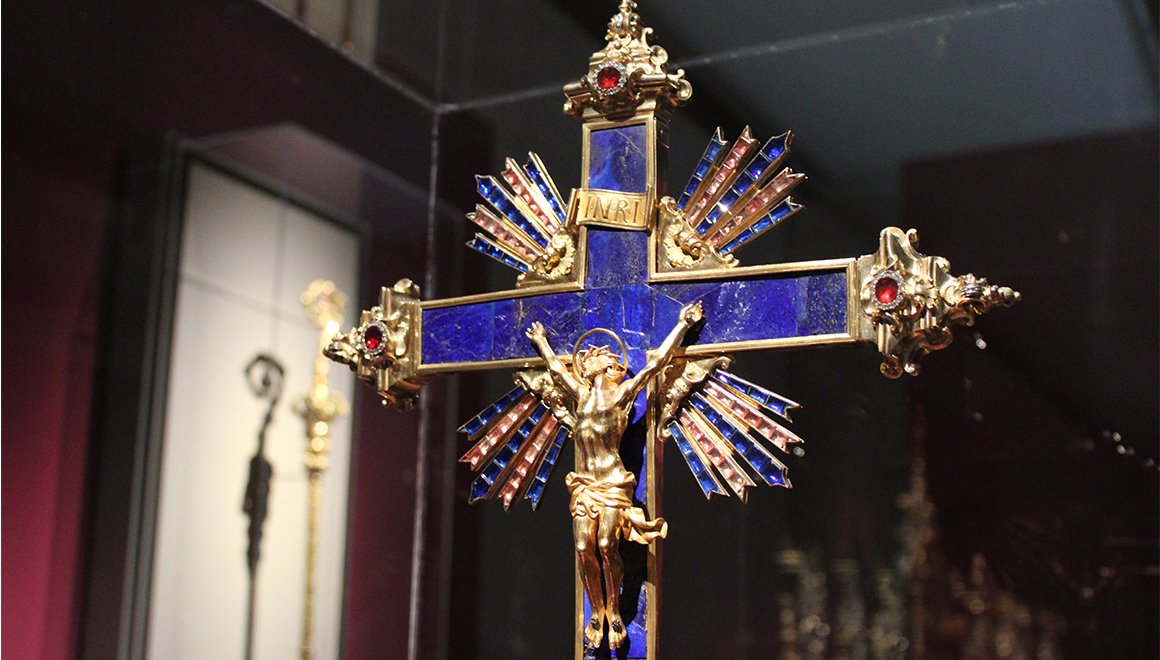
The Kimbell Art Museum in Fort Worth is hosting "The Holy Sepulcher: Treasures from the Terra Sancta Museum, Jerusalem," a rare exhibition of sacred objects from the Church of the Holy Sepulcher. Curated by Xavier F. Salomon, the show features ornate metalwork, textiles, and vestments dating from the 16th to 18th centuries, drawn from the Terra Sancta Museum's collection and traveling to only two U.S. venues. The exhibition includes pieces such as a gilt silver reliquary from 1628-29 and a gold crucifix from 1756, displayed in low lighting to evoke a candlelit church atmosphere.

Currents of the 61st Biennale: Inside Venice’s Flow of Art and Power

The 61st Venice Biennale jury, composed of five curators—Solange Oliveira Farkas, Zoe Butt, Elvira Dyangani Ose, Marta Kuzma, and Giovanna Zapperi—resigned on April 30th amid internal tensions over decisions that conflicted with the late Koyo Kouoh's curatorial vision. The jury had previously stated it would refrain from considering countries whose leaders are charged with crimes against humanity by the International Criminal Court. Meanwhile, Filipino artist Jon Cuyson prepares to present his installation at the Philippine Pavilion, featuring works shipped 60 days before geopolitical conflict escalated, navigating unstable maritime routes. His project includes the film series "Sea of Love (Dagat ng Pag-ibig)" and a new fourth film, "Sea of Echoes," exploring themes of migration, queer experience, and ecological resilience through mussels as non-human protagonists.

Shit has the power to destabilize systems of order

"Scheiße hat die Kraft, Ordnungssysteme zu destabilisieren"

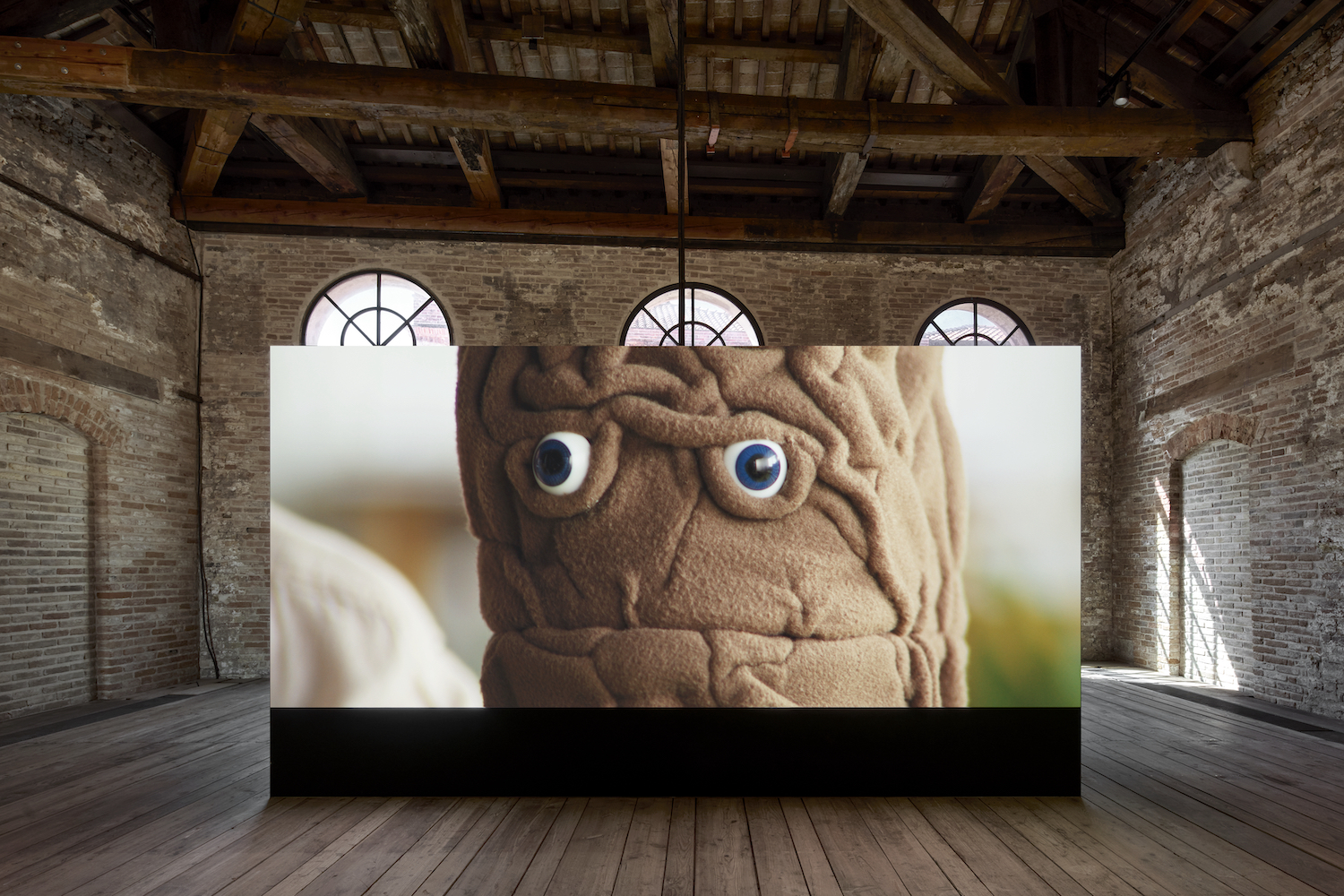
Aline Bouvy, the artist representing Luxembourg at the Venice Biennale, has created a film essay titled "La Merde" that centers on excrement as its main character. Originally conceived as a performance, the work explores themes of bodily circulation, transformation, and the grotesque, using feces to challenge societal taboos and systems of order. Bouvy discusses the film's development with curator Stilbé Schroeder, noting that the Biennale provided the resources and time to realize the project, which will later travel to the Kunstverein in Salzburg.