filter_list Showing 12 results for "Solange Farkas" close Clear
dashboard All 12 article news 12
date_range Range Today This Week This Month All
Subscribe

Venice Biennale Jury Bars Israel and Russia from Official Prizes

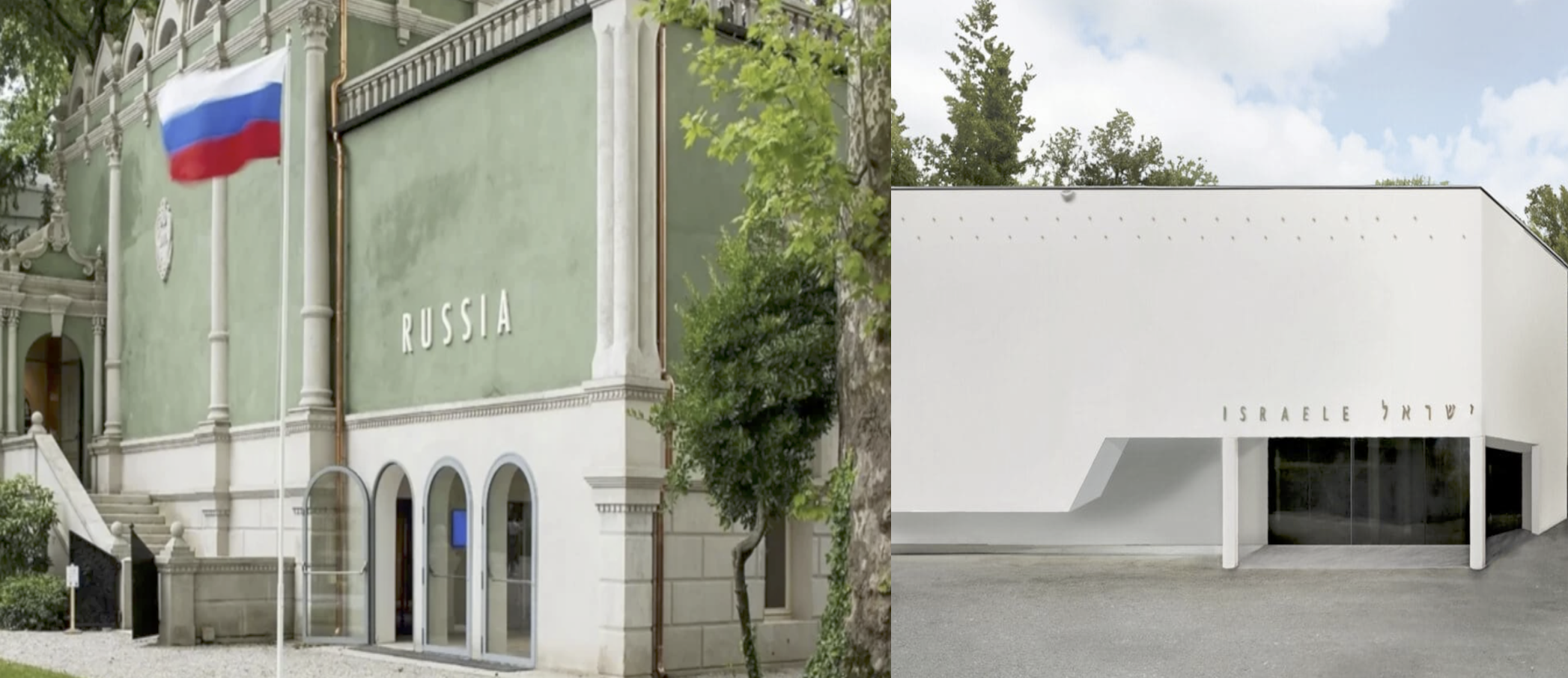
The international jury of the 61st Venice Biennale announced on April 23 that it will not consider the Israeli and Russian pavilions for official prizes, including the Golden Lion for national participation. The five-member, all-women panel—comprising Solange Farkas, Zoe Butt, Elvira Dyangani Ose, Marta Kuzma, and Giovanna Zapperi—said it would exclude countries whose leaders are currently charged with crimes against humanity by the International Criminal Court, a criterion that applies to Israel and Russia due to ICC arrest warrants for Benjamin Netanyahu and Vladimir Putin. The decision comes amid mounting controversy over the Biennale's decision to host both pavilions, with Russia returning after its artists withdrew in 2022 over the Ukraine invasion and Israel reopening after its 2024 pavilion remained closed pending a Gaza ceasefire. The European Commission had also threatened to suspend a €2 million grant over the Russian pavilion's reopening.

Venice Biennale jury resigns in latest politically charged controversy at art exhibition

The entire jury of the Venice Biennale has resigned, including president Solange Farkas and members Zoe Butt, Elvira Dyangani Ose, Marta Kuzma, and Giovanna Zapperi. The jury had announced it would not consider for prizes countries charged with crimes against humanity by the International Criminal Court, a stance that would affect Israel and Russia, both of which have national pavilions at the exhibition. As a result, the Biennale will not award several jury prizes, including the Golden Lion for best national pavilion and best artist in the group show, replacing them with visitor-voted awards.

Venice Biennale’s jury resigns

The entire jury of the 61st Venice Biennale, presided by Brazilian curator Solange Farkas and comprising four other curators, resigned just nine days before the exhibition's scheduled opening on 9 May 2026. The jury had announced it would not award prizes to countries whose leaders are charged with crimes against humanity by the International Criminal Court, a move widely understood to target Israel and Russia. In response, the Biennale's organisers cancelled the prize-giving ceremony and will instead award Golden Lions via a popular vote among ticketholders. The row escalated further when the Israeli representative, sculptor Belu-Simion Fainaru, accused the jury of discrimination and threatened legal action, prompting intervention from Italy's culture ministry.

Venice Biennale Awards Jury Won’t Consider Russia and Israel

The international awards jury for the 61st Venice Biennale has announced it will not consider countries whose leaders are charged with crimes against humanity by the International Criminal Court (ICC) for prizes. The all-women jury, chaired by Solange Farkas, published a statement on e-flux declaring this policy, which implicitly targets Russia and Israel, whose leaders Vladimir Putin and Benjamin Netanyahu face ICC warrants. The jury is responsible for awarding Golden Lions for the best national pavilion and best artist in the central exhibition. A majority of artists in the main show issued an open letter supporting the decision, while the Biennale Foundation faces criticism for allowing both nations to participate in 2026.

Venice Biennale Jury Says It Won’t Consider Countries Charged with Crimes Against Humanity, Including Israel and Russia

The Venice Biennale's jury announced it will not consider nations whose leaders are charged with crimes against humanity by the International Criminal Court, effectively excluding Israel and Russia from competing for top honors. The jury, led by Videobrasil founder Solange Farkas, stated this decision aligns with curator Koyo Kouoh's vision and the Biennale's historical role as a platform connecting art to urgent issues. The ICC has issued arrest warrants for Israeli Prime Minister Benjamin Netanyahu and Russian President Vladimir Putin, while other indicted leaders like Sudan's Omar al-Bashir and Afghan officials lack Biennale pavilions.

Venice Biennale jury quits amid row over participation of Russia

The entire jury of the Venice Biennale resigned just days before the 61st international art exhibition's opening on May 9, following a dispute over the decision to allow Russia to participate. The five-member panel, led by Solange Farkas and including Zoe Butt, Elvira Dyangani Ose, Marta Kuzma, and Giovanna Zapperi, had previously stated it would not award prizes to artists from countries whose leaders face charges of crimes against humanity, a move seen as targeting Russia and Israel. The Biennale responded by postponing the award ceremony to November 22 and announcing it would give two awards, including one that could go to any national participation, citing its founding principles of openness and rejection of censorship.

Statement of Intention by the International Jury of the 61st International Art Exhibition In Minor Keys of La Biennale di Venezia

The international jury for the 61st International Art Exhibition of La Biennale di Venezia, titled "In Minor Keys," has issued a statement declaring their intention to exclude from consideration any countries whose leaders are currently charged with crimes against humanity by the International Criminal Court. The jury, chaired by Solange Farkas and including members Zoe Butt, Elvira Dyangani Ose, Marta Kuzma, and Giovanna Zapperi, was selected by artistic director Koyo Kouoh to award the Golden and Silver Lions among the 110 artists in the exhibition.

Venice Biennale jury resigns amid row over Russian entry

The international jury of the Venice Biennale resigned en masse just nine days before the opening of the world's oldest contemporary art fair, amid a dispute over Russia's participation and the panel's decision to bar prizes for countries accused of crimes against humanity by the International Criminal Court. The jury, comprising president Solange Farkas and members Zoe Butt, Elvira Dyangani Ose, Marta Kuzma, and Giovanna Zapperi, stepped down without explanation, following tensions that also involved Italy's Culture Ministry cutting €2 million in EU funding over Russia's presence and sending inspectors to the Russian Pavilion.

Russia and Israel cannot win any prizes at the next Venice Art Biennale 2026. The jury takes a stand

Russia e Israele non potranno vincere nessun premio alla prossima Biennale Arte di Venezia 2026. La giuria prende posizione

The international jury for the 61st Venice Biennale, led by Solange Farkas, has unanimously declared it will not consider countries whose leaders are currently accused of crimes against humanity by the International Criminal Court. This means Russia and Israel are excluded from competing for the Golden Lion awards, including Best National Participation and Best Artist. The jury's statement, published on e-Flux Notes, emphasizes the Biennale's historical role as a platform connecting art with contemporary urgencies and acknowledges the complex relationship between artistic practice and state representation.

Jury for Venice Biennale's art prize resigns after refusing to recognise Israeli, Russian artists

The international jury of the 61st Venice Biennale art exhibition resigned just over a week before the May 9 prize ceremony, after announcing they would not consider artists from countries whose leaders face International Criminal Court charges—an apparent reference to Russia and Israel. The jury included president Solange Farkas, Zoe Butt, Elvira Dyangani Ose, Marta Kuzma, and Giovanna Zapperi. In response, the Biennale established two Visitors’ Lions to be awarded by ticket-holder vote, postponed the awards to November 22, and reaffirmed that all national participations remain eligible, effectively reinstating Russian and Israeli artists.

Biennale Jury Will Not Consider Countries with ICC Allegations

Biennale-Jury will Länder mit IStGH-Vorwürfen nicht berücksichtigen

The jury of the Venice Art Biennale has announced that it will not consider countries whose heads of state or government face allegations of crimes against humanity from the International Criminal Court (ICC) when awarding prizes this year. The jury, led by Brazilian art historian Solange Farkas, cited its commitment to defending human rights. While no specific countries were named, the ICC currently has arrest warrants against Russian President Vladimir Putin for alleged war crimes in Ukraine and Israeli Prime Minister Benjamin Netanyahu for alleged war crimes in Gaza. The Biennale leadership stated the jury acted in full autonomy and independence.

Jury of the Venice Biennial resigns, Russia and Israel return to Award Contention

The five-member international jury of the 61st Venice Biennale, led by Brazilian curator Solange Farkas, has resigned effective April 30, 2026. The jury—comprising Solange Oliveira Farkas, Zoe Butt, Elvira Dyangani Ose, Marta Kuzma, and Giovanna Zapperi—announced their resignation in a written statement, referencing a prior Statement of Intention issued on April 22. In response, La Biennale di Venezia postponed the Awards Ceremony from May 9 to November 22, the final public day, and introduced two new "Visitors' Lions" awards—one for the Best Participant in the main exhibition "In Minor Keys" by Koyo Kouoh, and one for the Best National Participation—to be decided by ticket-holder vote.