filter_list Showing 17 results for "South Africa Pavilion" close Clear
search
dashboard All 17 article news 8article policy 5museum exhibitions 4
date_range Range Today This Week This Month All
Subscribe

the round up south africa pavilion prado speed painting

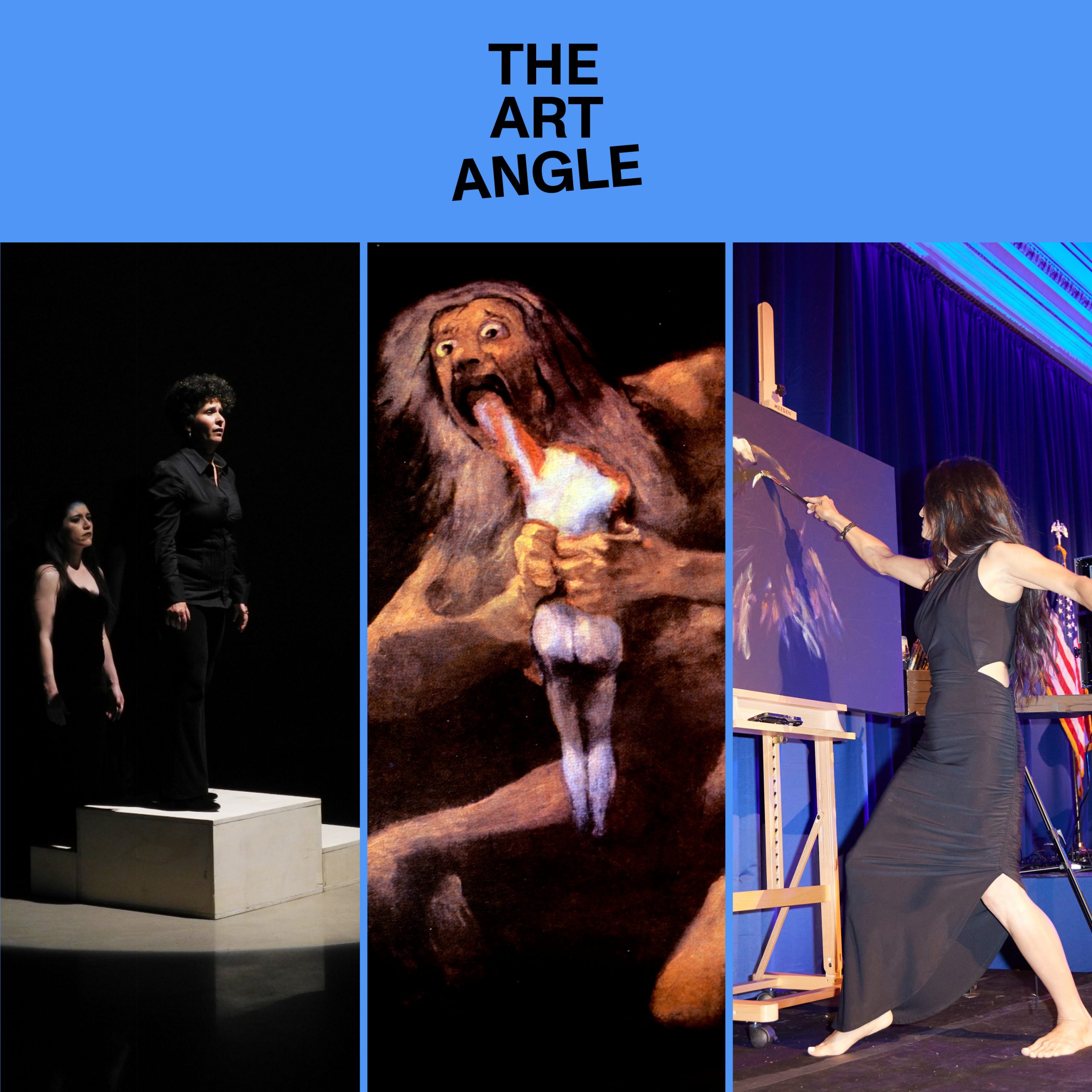
The first Art Angle Round-Up of 2026 highlights three major art world stories. The selection includes the controversy surrounding the South Africa pavilion at the Venice Biennale, the Prado Museum's struggle with and plans to manage overwhelming visitor numbers, and the phenomenon of 'speed painting,' exemplified by artist Vanessa Horabuena selling a 10-minute painting of Jesus for nearly $3 million at a Mar-a-Lago fundraiser.
south africa venice pavilion court

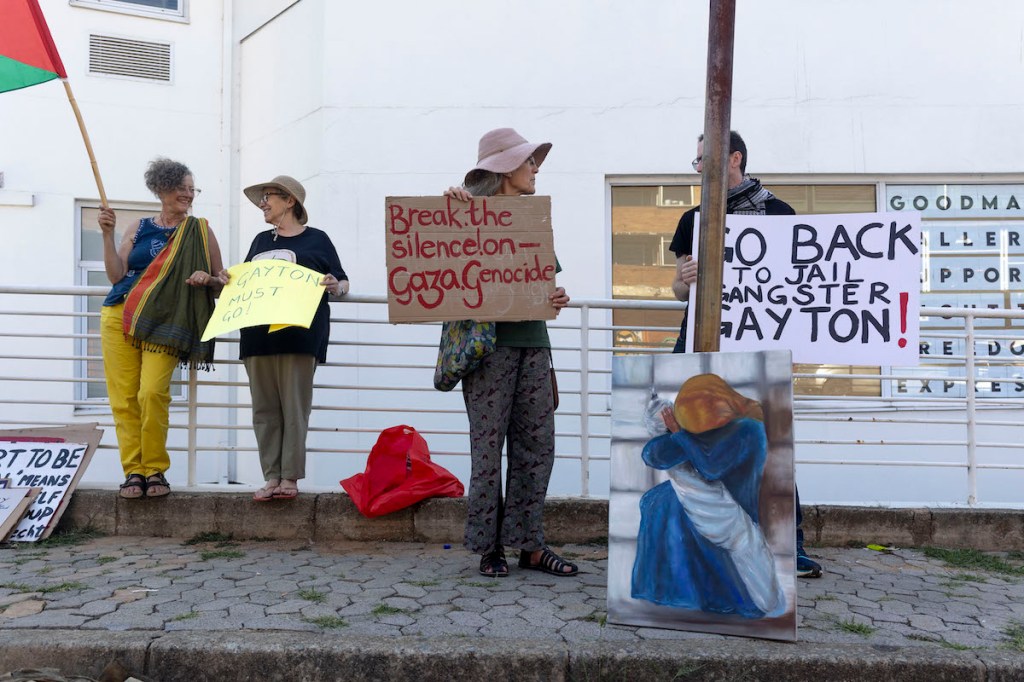
South Africa will not participate in the 61st Venice Biennale following a High Court ruling that dismissed an urgent application by artist Gabrielle Goliath. The dispute began in January when Culture Minister Gayton McKenzie canceled the planned exhibition, "Elegy," citing concerns over its references to Gaza and the killing of Palestinian poet Hiba Abu Nada. The court's decision, delivered just hours before the biennial's submission deadline, effectively leaves the South African pavilion empty for the 2024 edition.

south africa cancels gabrielle goliath gaza venice biennale

South Africa selected a work by artist Gabrielle Goliath for its Venice Biennale pavilion, then rescinded the decision on January 2, just eight days before the finalization deadline. The culture ministry, led by Minister Gayton McKenzie, objected to a section of Goliath's "Elegy" series that included words by Palestinian poet Hiba Abu Nada, who was killed in an Israeli airstrike in 2023. The pavilion's selection committee publicly disagreed with the cancellation, calling it censorship and highlighting a history of mismanagement.

Previews: 61st Venice Biennale: In Minor Keys

The 61st Venice Biennale, titled "In Minor Keys" and curated by the late Koyo Kouoh, opens amid global turmoil and internal controversy. Kouoh, who passed away in May 2025, conceived the exhibition around the metaphor of a "creole garden," emphasizing deep affinities between 111 artists from diverse locations such as Dakar, Beirut, and Salvador. The Biennale is overshadowed by recent geopolitical events, including US-Israeli airstrikes on Iran, and faces protests: over 70 participating artists signed an open letter opposing the participation of Israel, Russia, and the US, while the Australian pavilion saw the reinstatement of Khaled Sabsabi after being dropped, and South Africa withdrew its official pavilion over Gabrielle Goliath's femicide project, which she will still present independently.

The art of chaos

The 61st Venice International Art Biennale has opened in Venice, running until November, amid unprecedented turmoil. The main exhibition, "In Minor Keys," was curated by Koyo Kouoh, who died of cancer shortly after presenting her vision featuring 111 artists including Carsten Höller, Alvaro Barrington, and Laurie Anderson. Her death has eliminated the Lifetime Achievement Award this year. Additionally, the Biennale faces a funding crisis as the EU threatens to withdraw its €2 million subsidy over Russia's participation with 38 artists following the invasion of Ukraine. Iran, Nigeria, and Israel are absent from their pavilions, while the US Pavilion, now organized by the American Arts Conservancy under inexperienced leadership, features self-taught artist Alma Allen.

Venice Biennale: South African pavilion scandal, Marian Goodman remembered, Paul Cezanne in Basel—podcast

South Africa's culture minister, Gayton McKenzie, has cancelled the country's planned pavilion at the upcoming Venice Biennale, a project by artist Gabrielle Goliath and curator Ingrid Masondo. The artist and curator are fighting the decision, appealing to the nation's president and filing a case with the high court.

Across Venice, Artists Defy Censorship to Mourn and Memorialize Gaza

The 2026 Venice Biennale, titled “In Minor Keys,” features numerous artworks that mourn and memorialize the destruction of Gaza, despite censorship pressures. The main exhibition opens with a poem by slain Palestinian poet Refaat Alareer, and includes works by artists such as Theo Eshetu, Mohammed Joha, Manuel Mathieu, and Avi Mograbi that directly or indirectly address the conflict. Outside the official Biennale, South African artist Gabrielle Goliath’s performance series “Elegy” was censored by her country’s culture minister after she proposed a version honoring murdered Palestinian poet Hiba Abu Nada, leading her to present the work independently at a church in Venice.

South Africa pavilion will be empty at 2026 Venice Biennale, culture ministry says

South Africa will not host a national pavilion at the 2026 Venice Biennale following a legal battle between the country’s Department of Sports, Arts and Culture (DSAC) and artist Gabrielle Goliath. The conflict began when Culture Minister Gayton McKenzie labeled Goliath’s planned project, which addressed violence in Gaza, as "highly divisive" and cancelled the exhibition after she refused to alter the content. A South African high court recently dismissed Goliath’s urgent application to overturn the cancellation, leading the government to abandon its participation in the prestigious international event entirely.

An Urgent Call From Artists and Curators of the 61st International Art Exhibition of La Biennale di Venezia 2026

A group of seventy-four artists and curators participating in the 61st Venice Biennale have issued an urgent letter to the institution's leadership, including director Pietrangelo Buttafuoco. The signatories are protesting the decision to relocate the Israeli Pavilion to the Arsenale, placing it in close proximity to the central exhibition, "In Minor Keys," which was conceived by the late curator Koyo Kouoh. The group argues that this relocation violates Kouoh’s curatorial vision of radical solidarity and introduces a threatening military and police presence into the exhibition space.

Gabrielle Goliath to Show Work Banned from Venice Biennale Outside Main Exhibition

South African artist Gabrielle Goliath will present her work 'Elegy' at the Chiesa di Sant’Antonin in Venice, after her government-appointed exhibition for the South African pavilion at the 61st Venice Biennale was abruptly canceled. The pavilion will remain empty for the event's duration, while Goliath's project, sponsored by the Bertha Foundation and London's Ibraaz, will be shown nearby from May to July.

Iran Withdraws From 2026 Venice Biennale

Iran has withdrawn from the 2026 Venice Biennale, the world's most important art event, organizers announced on May 4. No official reason was given, but the withdrawal comes amid an uncertain ceasefire in Iran's war with the United States and Israel. The Biennale confirmed the decision in a statement, noting that 100 countries will still participate, including newcomers Tanzania and Seychelles. This follows South Africa's withdrawal over a legal dispute concerning a Gaza-focused artwork, and the closure of the Russian Pavilion to the public after the EU withdrew €2 million in funding over Russia's involvement.

Gabrielle Goliath Discusses Her Canceled South African Pavilion as She Shows New Work in a Venice Church

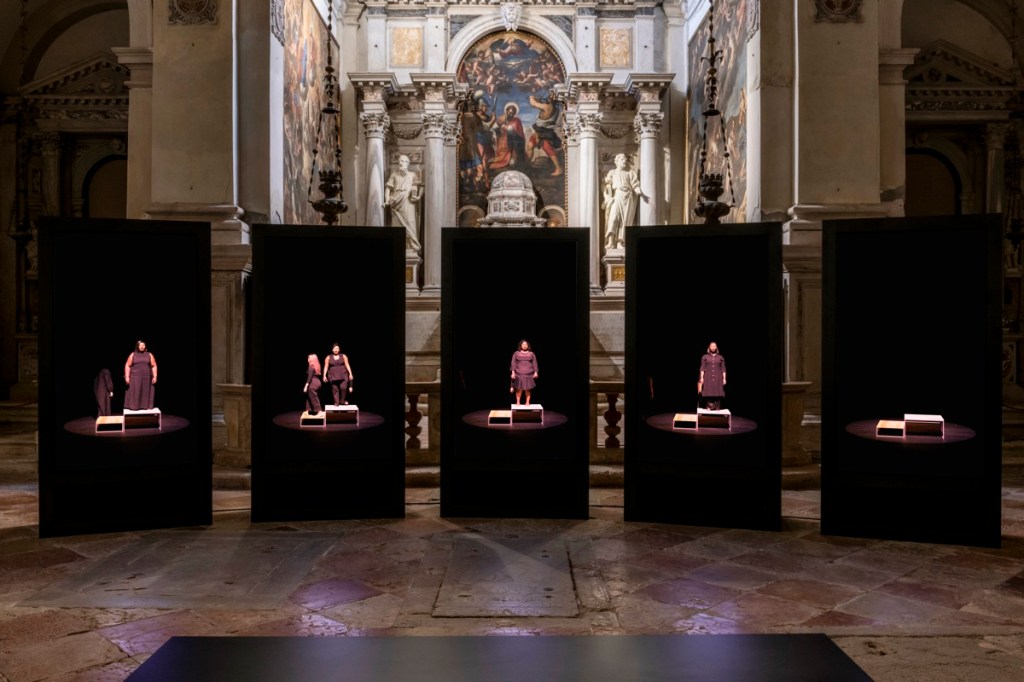
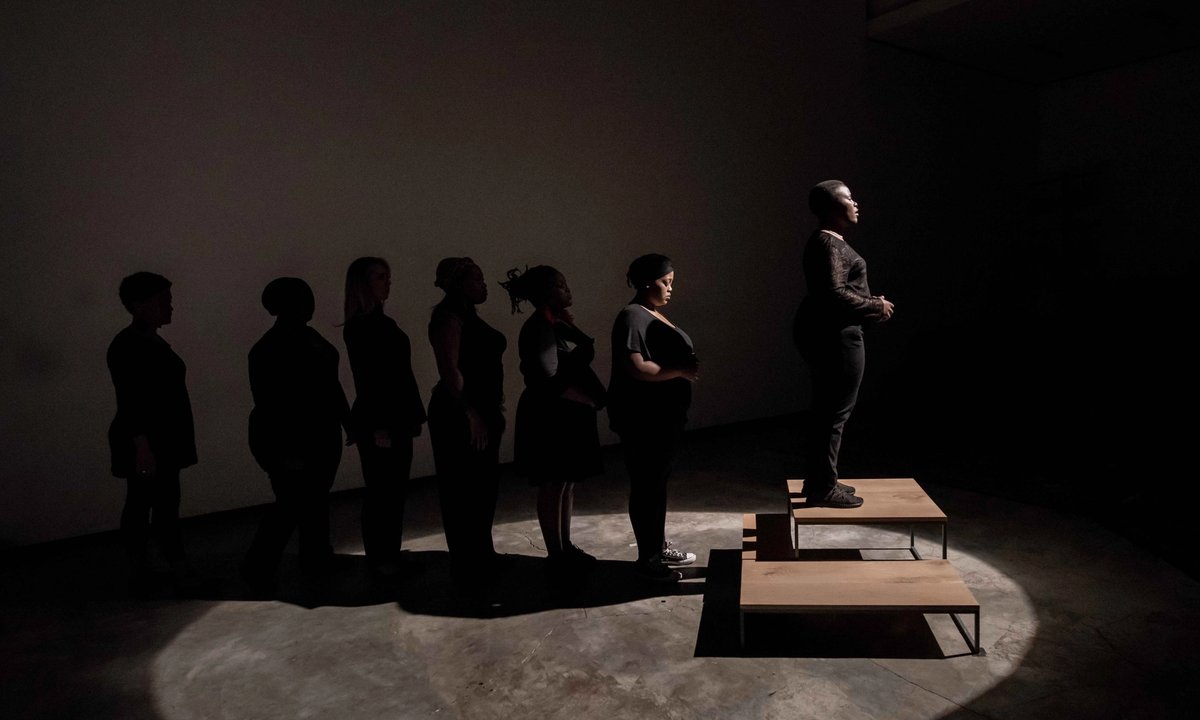
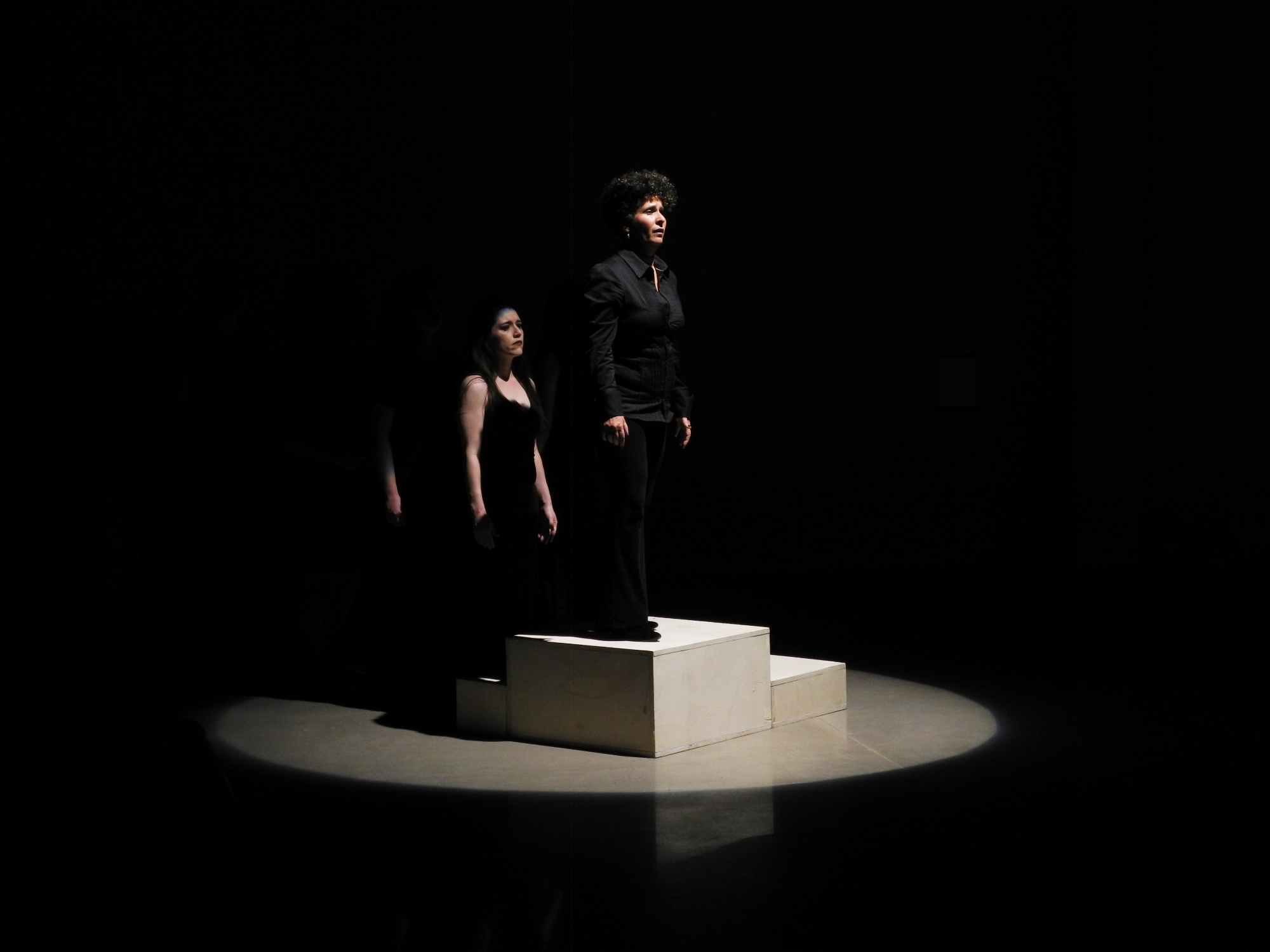
South African artist Gabrielle Goliath’s planned pavilion for the South Africa Pavilion at the Venice Biennale was canceled by culture minister Gayton McKenzie, who deemed it “highly divisive.” Despite the cancellation, Goliath has installed her work, a multi-screen iteration of her ongoing performance series *Elegy*, at the Chiesa di Sant’Antonin, half a mile from the Giardini. The new piece mourns victims of atrocities including South African femicide, the Herero and Nama genocide, and the death of Gazan poet Hiba Abu Nada, killed by an Israeli airstrike. Goliath stated that McKenzie explicitly demanded removal of the Palestinian content while deeming the other subjects acceptable.

south africa officially cancels venice biennale pavilion

South Africa has officially withdrawn from the 2024 Venice Biennale following a legal battle over the cancellation of its national pavilion. The controversy began when Culture Minister Gayton McKenzie pulled the plug on artist Gabrielle Goliath’s planned exhibition, which referenced the deaths of Palestinians in Gaza. Goliath and curator Ingrid Masondo challenged the decision in court, alleging censorship and a violation of freedom of expression, but a South African judge recently dismissed their case without providing a specific reasoning.

south africa venice biennale investigation

South Africa withdrew its national pavilion from the Venice Biennale after Culture Minister Gayton McKenzie claimed a foreign power attempted to purchase artist Gabriele Goliath's work *Elegy*, which addresses femicide, anti-queer violence, the war in Gaza, and Germany's colonial genocide in Namibia. McKenzie deemed the financial interest a use of "proxy power." New reporting from Daily Maverick reveals that the alleged foreign party was Qatar Museums, a state-owned network, which had expressed interest in acquiring the work but never committed to a purchase. The minister's decision has sparked political backlash, with South Africa's public protector processing a formal complaint against McKenzie, and Goliath's team accusing him of censorship and deflection.

qatar museums gabrielle goliath venice biennale pavilion

Gabrielle Goliath's planned South African pavilion at the Venice Biennale was abruptly canceled by South African culture minister Gayton McKenzie. McKenzie claimed the cancellation was not due to the pavilion's focus on Israel's war in Gaza, but because a foreign nation attempted to purchase the work after the show. The Daily Maverick reported that the foreign entity was actually Qatar Museums, which had expressed interest in acquiring a video recording of Goliath's performance piece 'Elegy,' which addressed violence against women and queer people in South Africa and a genocide in Namibia. McKenzie's statement contradicted earlier reports that he had privately called the pavilion 'polarizing.'

south africa pavilion venice biennale cancelation qatar

South Africa has canceled its pavilion at the Venice Biennale, which was to feature a performance by artist Gabrielle Goliath addressing the killings of women and queer people in South Africa, a German-led genocide in Namibia, and Israel’s war in Gaza. The performance would have included readings of poetry by Palestinian poet Hiba Abu Nada, who was killed in an Israeli airstrike in 2023. South African Culture Minister Gayton McKenzie blamed an unidentified foreign nation for seeking to use the pavilion for "proxy power," and Israeli publication Ynetnews reported that nation is Qatar. McKenzie denied censorship, claiming a rift with the nonprofit Art Periodic South Africa over a foreign nation's offer to purchase artworks after the Biennale.

South African artist Gabrielle Goliath to approach high court over cancelled Venice Biennale pavilion

South African artist Gabrielle Goliath and curator Ingrid Masondo are taking urgent legal action against South Africa's sport, arts and culture minister Gayton McKenzie after he cancelled their project for the country's Venice Biennale pavilion. The pair were selected in December 2025 to present a new iteration of Goliath's decade-long project *Elegy*, which addresses femicide and the murder of LGBTQI+ people, and was also set to include references to the Ovaherero and Nama genocide in Namibia and the death of Palestinian poet Hiba Abu Nada. McKenzie, leader of the right-wing Patriotic Alliance party, described the Abu Nada-related content as "highly divisive" and cancelled the project on 2 January, just days before the submission deadline. The legal team, led by Adila Hassim, will file an application at the high court in Pretoria by 22 January, arguing that McKenzie's interference is unconstitutional.