filter_list Showing 4 results for "Stewart Culin" close Clear
dashboard All 4 article news 2museum exhibitions 2
date_range Range Today This Week This Month All
Subscribe

Brooklyn Museum Plans $13 Million Overhaul for New African Art Galleries

The Brooklyn Museum has announced a $13 million renovation project to create new Arts of Africa galleries, set to open in Fall 2027. The 6,400-square-foot space on the museum's third floor will display 300 works from its 4,500-piece collection, spanning from antiquity to the present day. The project, led by architectural firm Peterson Rich Office, will repurpose latent storage space and reconnect galleries architecturally.

Brooklyn Museum Plans $13 Million Overhaul for New African Art Galleries

The Brooklyn Museum has announced a $13 million renovation project to establish a permanent 6,400-square-foot home for its extensive African art collection. Scheduled to open in Fall 2027, the new Arts of Africa galleries will feature approximately 300 works ranging from ancient Meroitic ceramics to contemporary pieces. The architectural overhaul, led by Peterson Rich Office and Beyer Blinder Belle, will transform former storage spaces on the museum's third floor into four distinct gallery environments.

Dice Are 6,000 Years Older Than Previously Believed, Study Says

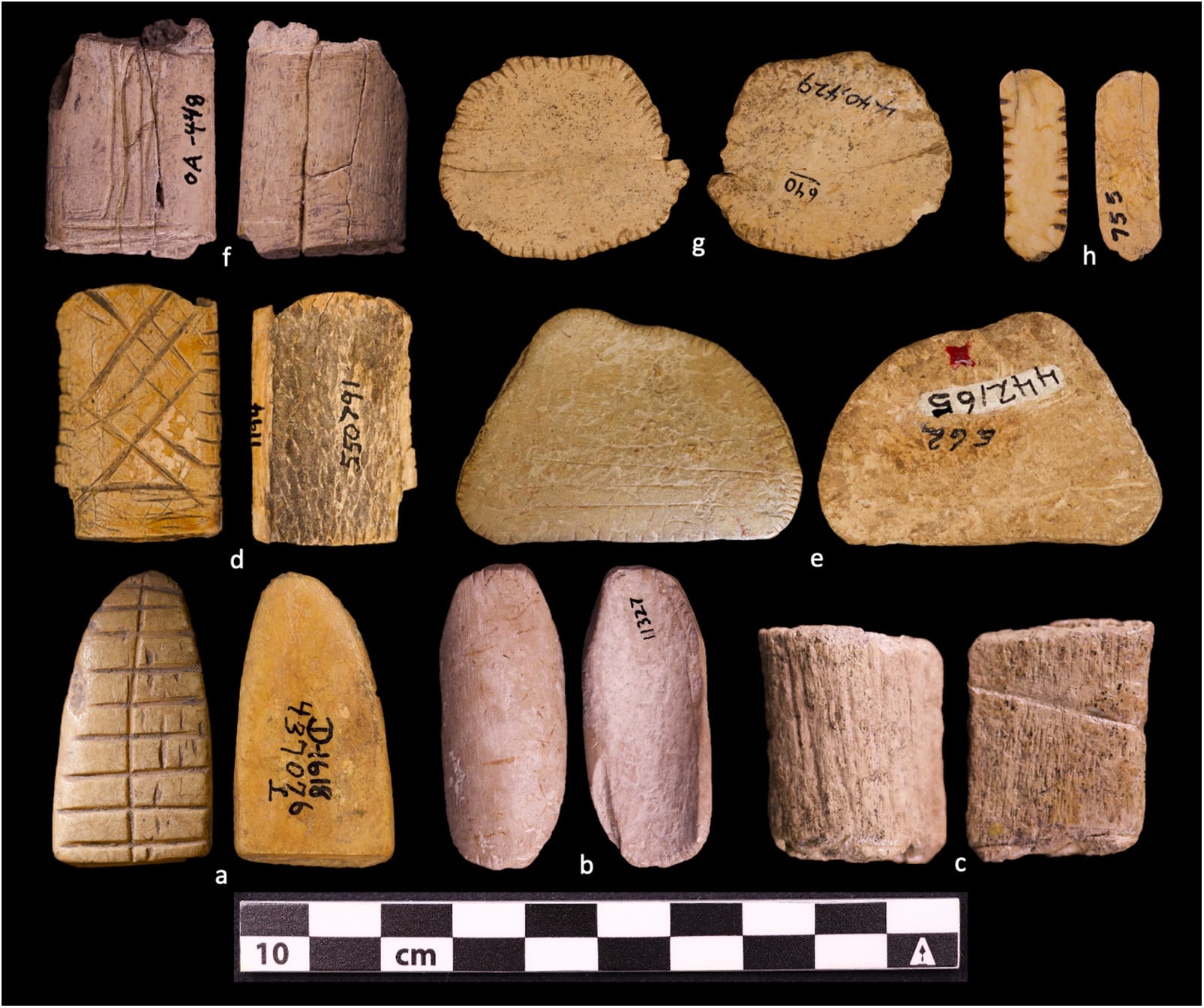
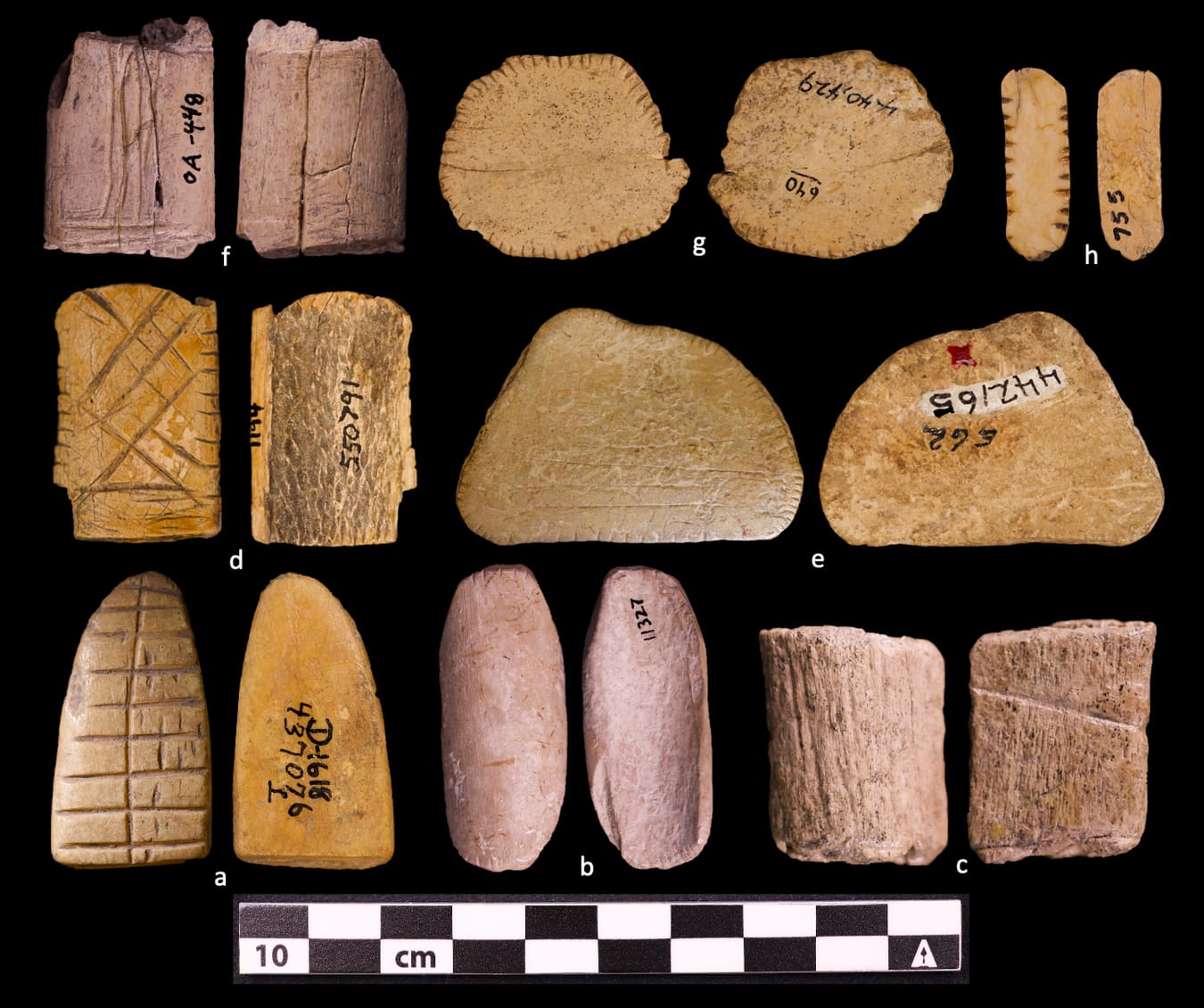
Archaeologist Robert J. Madden has published a groundbreaking study in the journal American Antiquity identifying over 600 prehistoric objects as two-sided dice. These artifacts, found across 57 sites in the American West, date back more than 12,000 years to the Late Pleistocene era. By applying criteria from historic Native American gaming traditions to these bone and wood fragments, Madden argues that dice-based games of chance existed 6,000 years earlier than previously recorded in the archaeological record.

12,000 Years Ago, Native Americans Were Playing Games of Chance with Handmade Dice

Archaeologists have discovered that Native Americans were engaging in games of chance using handmade dice as far back as 12,000 years ago, during the Late Pleistocene. A new study by researcher Robert Madden reveals that these artifacts, found in sites across Wyoming, Colorado, and New Mexico, predate the previously oldest known dice from Mesopotamia and the Indus Valley by over 6,000 years. These early dice, often made of bone and decorated with pigments, were used by the hunter-gatherer Folsom culture.