filter_list Showing 29 results for "Structures" close Clear
dashboard All 29 museum exhibitions 22article culture 3article local 2person people 1article policy 1
date_range Range Today This Week This Month All
Subscribe

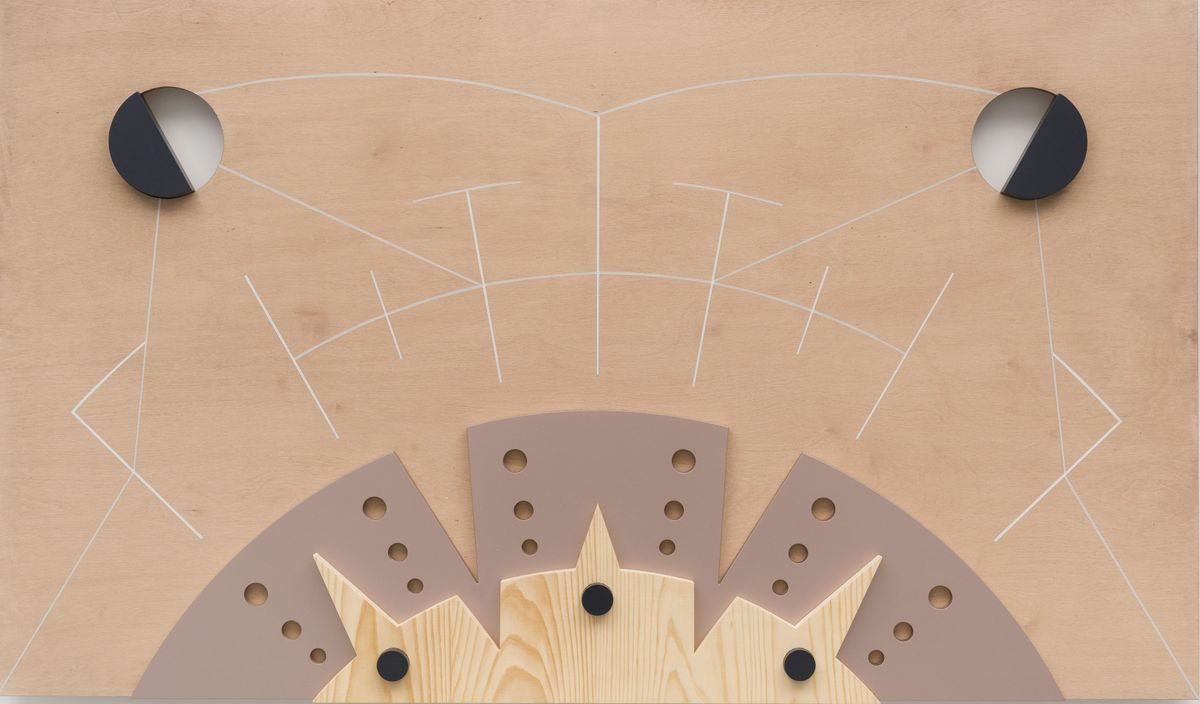
Exhibition | Carlos Garaicoa, 'Rituals and Liberty' at Goodman Gallery, New York, United States

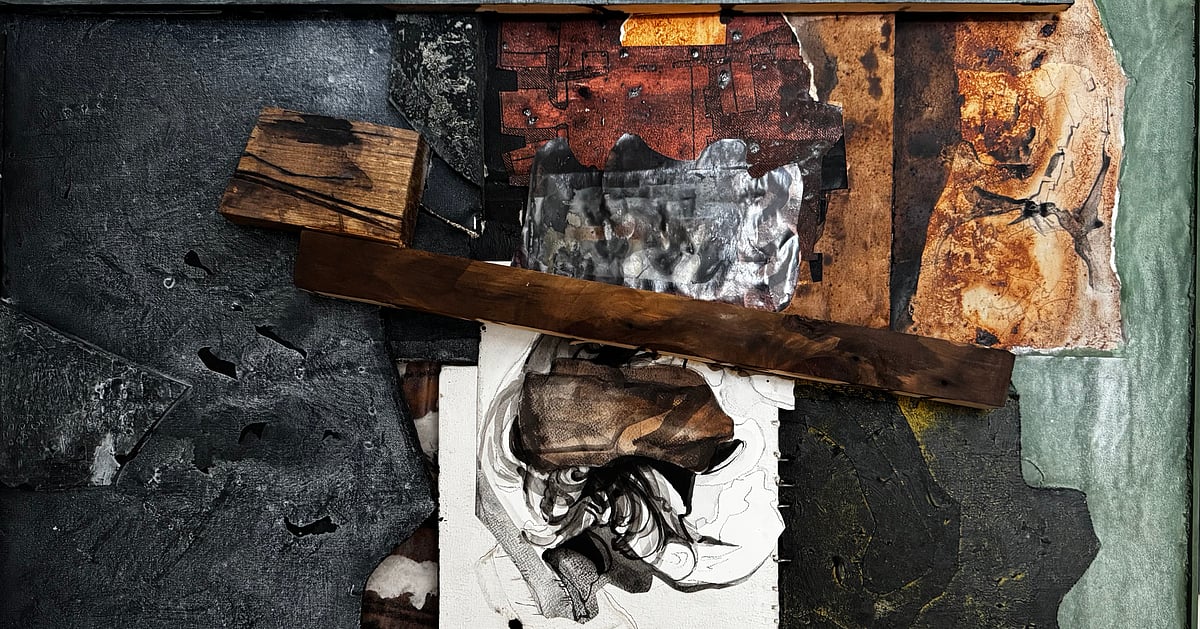
Goodman Gallery presents Carlos Garaicoa's first solo exhibition at its New York viewing room, titled 'Rituals and Liberty.' The show features eight works, including five reliefs that blend painting and photography, and sculptural models incorporating 19th-century French engravings. The exhibition precedes Garaicoa's solo show at Museo La Tertulia in Cali, Colombia, in May. Garaicoa, a Cuban-born artist based in Madrid, explores urbanism and how architecture reflects and shapes society, continuing his long-standing interest in decoding urban infrastructures.
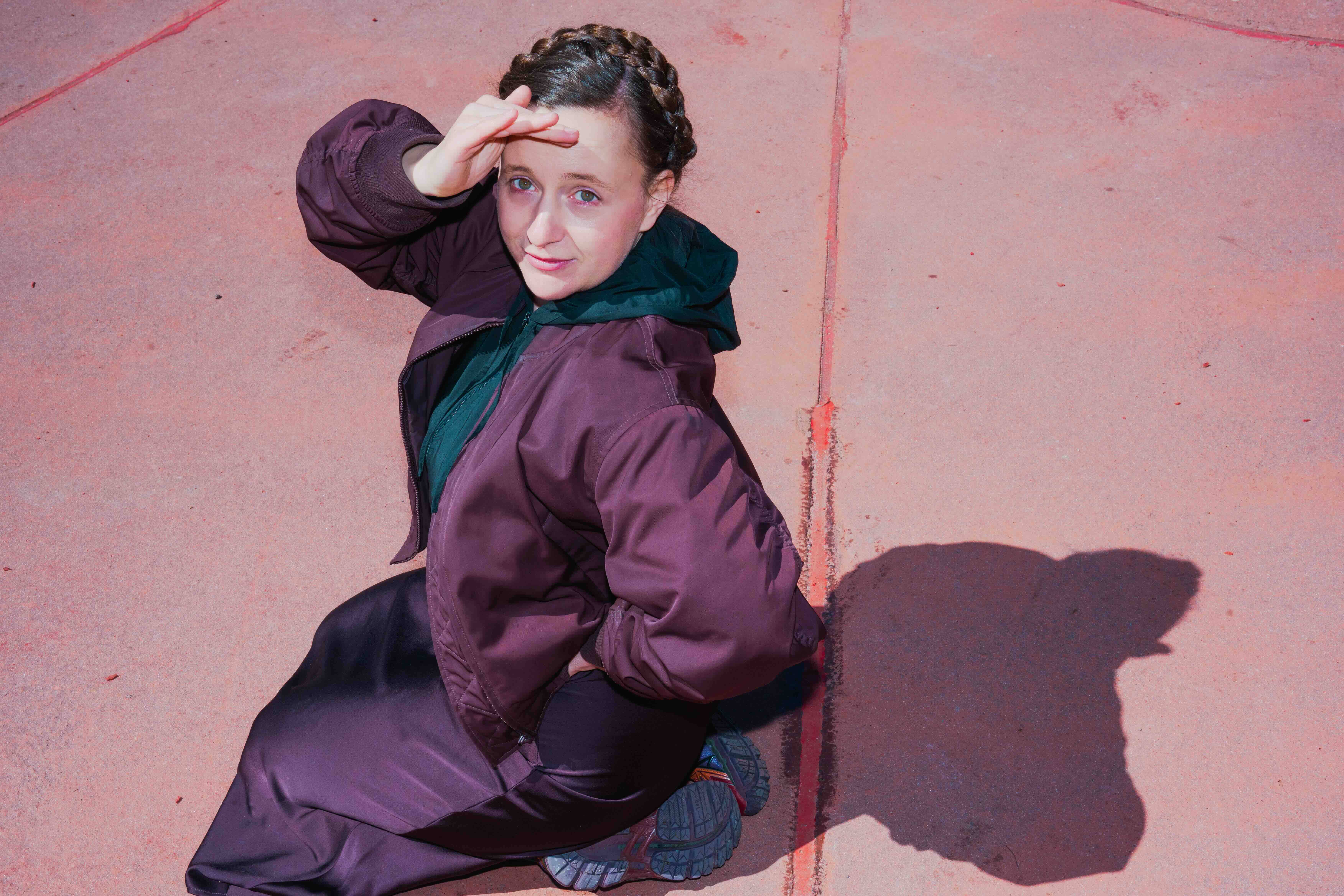
Arielle and the Politics of Beautiful Things

Arielle und die Politik der schönen Dinge

Josefine Reisch presents new works at Noah Klink gallery during Berlin Gallery Weekend. Her paintings combine mermaids, shipping containers, and Euroboxes to explore themes of standardization, global capitalism, and the politics of beauty. The exhibition, titled "Poxy Proxy," is a duo show with Miriam Umiń. Reisch's studio visit reveals her interest in how objects like Eurokisten (standardized plastic crates) and shipping containers symbolize economic progress and power structures, while mermaid imagery from Disney's "Arielle" questions the equation of beautiful things with moral goodness.

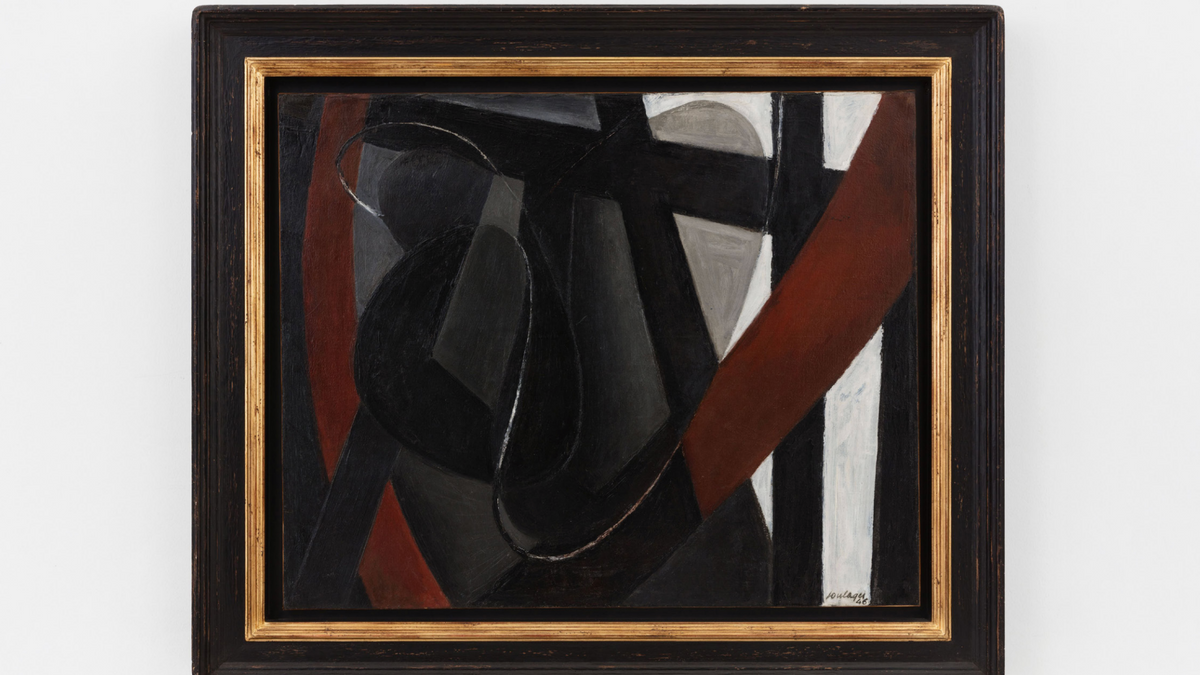
'Soulages-Hartung : Affinités électives' at Perrotin, Paris Marais, France on 25 Apr–30 May 2026

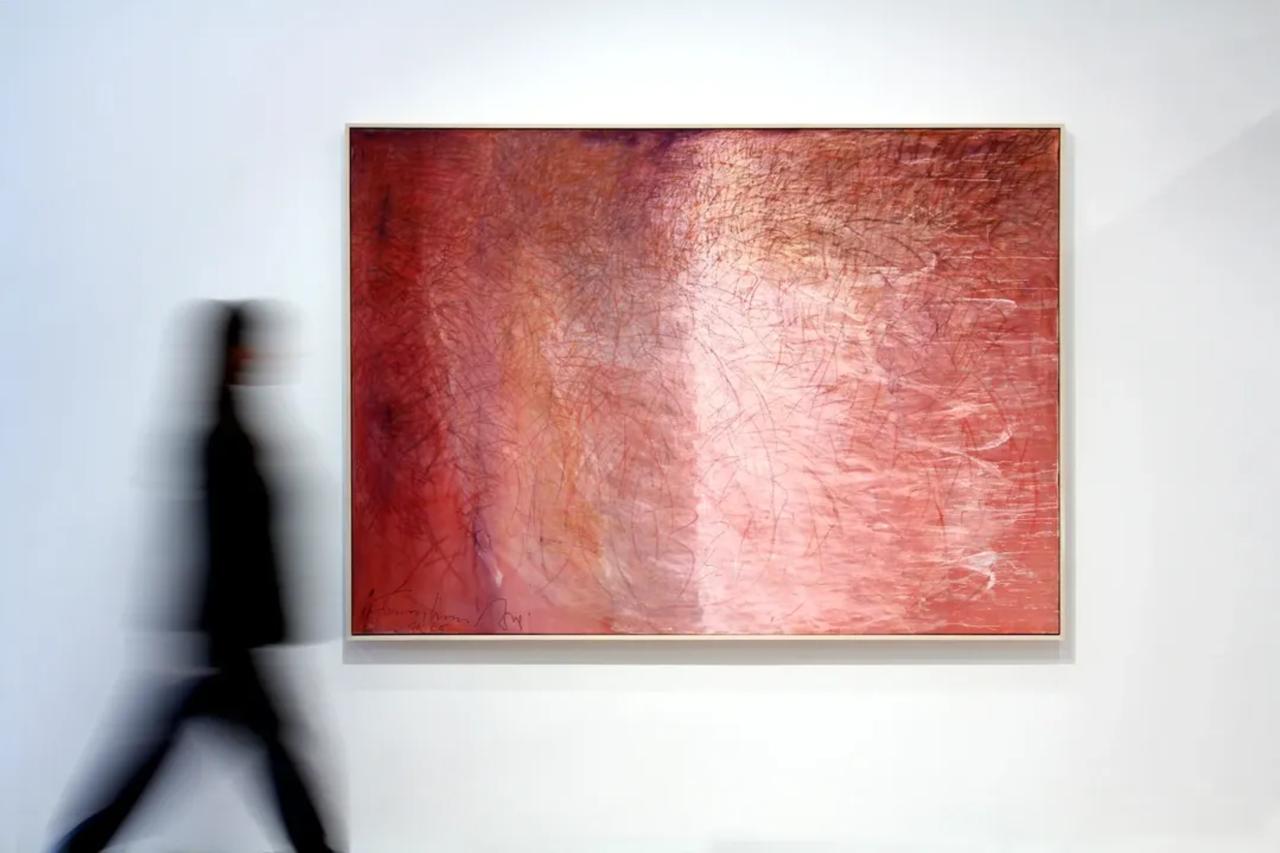
Perrotin in Paris Marais is presenting 'Soulages-Hartung: Affinités électives,' an exhibition exploring the friendship and artistic dialogue between Pierre Soulages (1919–2022) and Hans Hartung (1904–1989). The show features a never-before-screened filmed interview from the Fondation Hartung-Bergman, along with archival documents and rarely seen studio tools. It highlights their shared concerns as postwar abstract painters, their mutual support and gift exchanges—such as Soulages's walnut stain piece given to Hartung in 1948—and their contrasting approaches, with Hartung's explosive gestures versus Soulages's measured structures. The exhibition also reveals their lesser-known use of blue in the 1980s.

Gallery: New Tallinn art show explores illusions of safety and control

A new international group exhibition titled "Safe Traps" opened at Tütar Gallery in Tallinn, exploring the dual nature of control as both a source of safety and a restrictive cage. Curated by Maria Helen Känd, the show features works by French artist Anaïs Goupy, Latvian artist Līga Spunde, and Estonian artists Ruudu Ulas and Madlen Hirtentreu, examining how contemporary Western society's pursuit of control can become a trap that confines rather than liberates.

Shiva Zahed's Istanbul gallery opens new platform for Iranian contemporary art

Shiva Zahed, an Iranian collector and former physician, has opened a new gallery in Istanbul's Pera district dedicated to Iranian contemporary art. The gallery launched with the exhibition "echos," featuring works by Shaqayeq Arabi and Fereydoun Ave, which was extended through May 10 due to strong interest. Zahed frames the space as an active platform to reposition Iranian artists within a global context, rather than a conventional exhibition venue.

This art exhibition in Delhi evokes nostalgia around the houses we once lived in

An exhibition titled 'Houses I Almost Lived In' is currently on view at Latitude 28 gallery in Delhi's Defence Colony, running until May 25. The show brings together works by five artists—Shalina Vichitra, Pooja Iranna, Raj Jariwala, Samit Das, and Mahen Perera—who explore how architecture, memory, and belonging intertwine. Through layered cartographies, cement grids, stitched forms, and material fragments, the artists evoke nostalgia for the houses and spaces we once inhabited, examining how physical structures persist in personal and collective memory long after they vanish.

This ‘Sustainable’ Island Is Venice’s Newest Art Oasis

Patrizia Sandretto Re Rebaudengo has transformed a former gunpowder store on the Venetian island of Giudecca into a new exhibition space for her contemporary art collection. The venue, which emphasizes sustainability and adaptive reuse, will showcase works from her extensive collection in a setting that contrasts with the historic grandeur of Venice’s more famous art institutions.

“Yellow Letters”: arte e politica, libertà e censura nel nuovo film di İlker Çatak

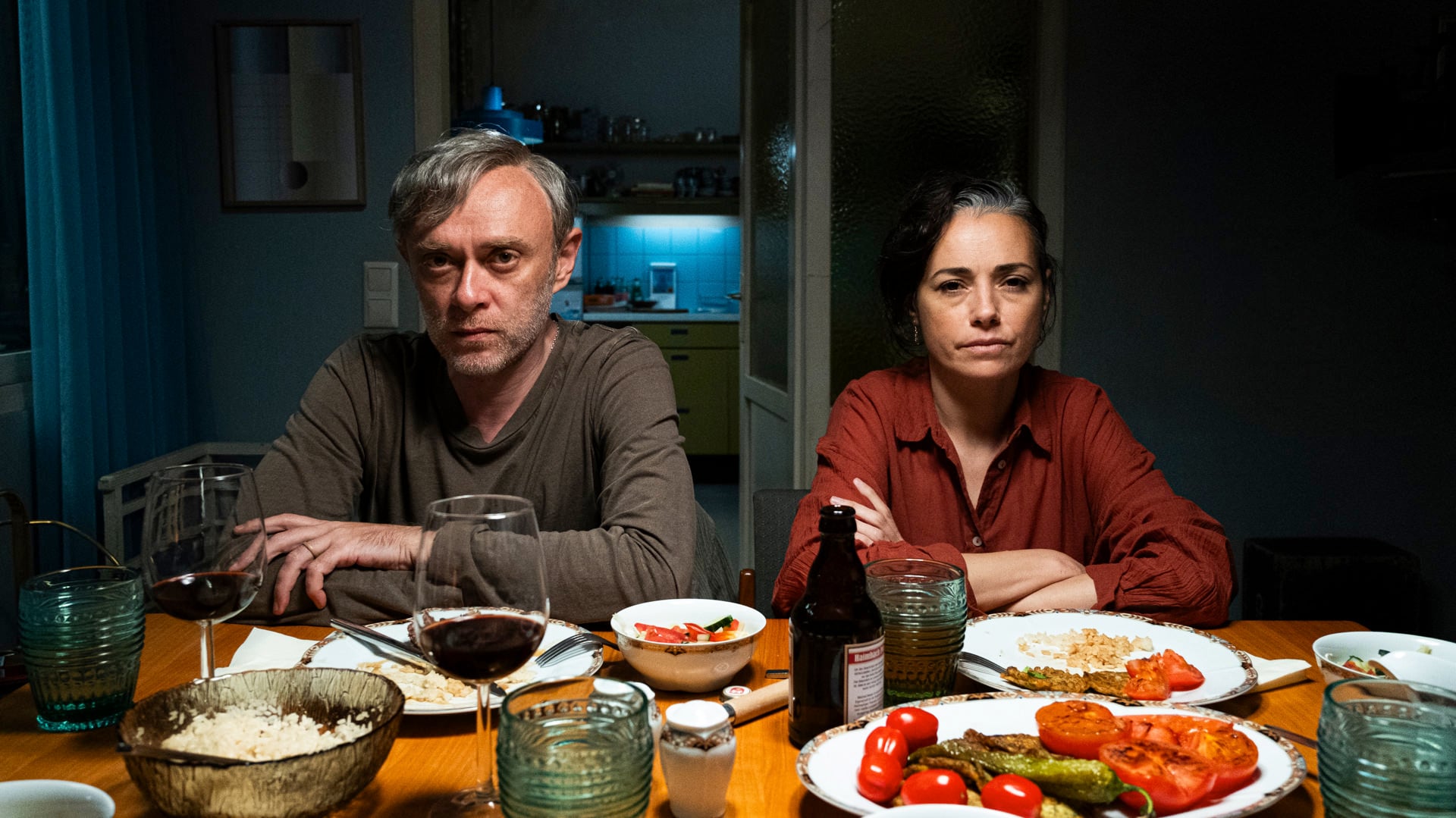
Ilker Çatak's fifth film, "Yellow Letters," premieres on April 30, 2026, distributed by Lucky Red. The story follows Derya and Aziz, a Turkish artist couple whose lives unravel after Aziz, a professor at Ankara University, receives a "yellow letter" terminating his employment. The film, inspired by post-2016 coup purges in Turkey, shifts to Berlin and Hamburg, where the director deliberately avoids mimicking Turkish locations, instead using explicit captions like "Berlin as Ankara" to create a Brechtian alienation effect. Çatak explores how arbitrary state repression fractures personal relationships and moral boundaries, drawing on interviews with artists who faced unjust dismissals.

“La preistoria non è stata solo violenza, ma anche cura”. Intervista all’archeologa femminista Marga Sánchez Romero

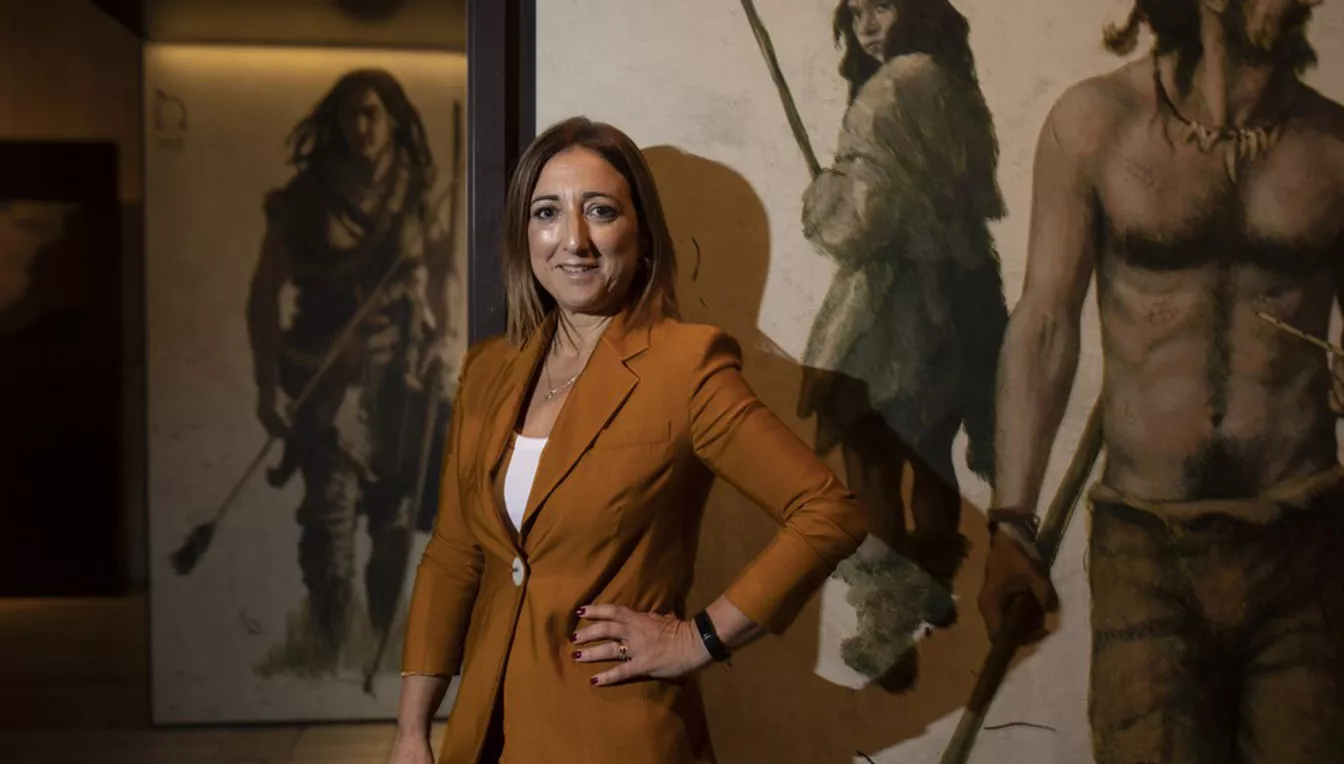
Marga Sánchez Romero, a professor of Prehistory at the University of Granada and a leading voice in feminist archaeology in Spain, argues in an interview that prehistory has been misrepresented as a sequence of violence and hierarchies. She emphasizes that new questions are reshaping our understanding of the past, highlighting that care, cooperation, and solidarity were as crucial as conflict in human evolution. The conversation covers biases in archaeological interpretation, the famous Viking tomb of Birka, the origins of inequality, and the role of museums in creating more inclusive narratives.

Echoes of Memory and Quiet Revolutions

The Henrike Grohs Art Award concludes its final edition, naming Tanzanian artist Rehema Chachage as the 2026 laureate. Chachage, who works across performance, video, text, scent, and installation, creates a "performative archive" in collaboration with her mother and grandmother, transforming personal and ancestral memory into shared sensory experiences. The two finalists are Younès Ben Slimane, a Tunisian filmmaker and visual artist whose silent, disorienting works challenge cinematic narrative structures, and Egyptian artist Rania Atef, whose participatory practice turns domestic spaces into stages for revealing power dynamics. The award received over 600 applications from more than 30 African countries.

Pablo Diaz, directeur de Sciences Po Rennes : « L’acte II de l’INSEAC de Guingamp »

Pablo Diaz, director of Sciences Po Rennes, announces that the Institut national supérieur de l'éducation artistique et culturelle (INSEAC) in Guingamp has been transferred from the Conservatoire national des arts et métiers (Cnam) to Sciences Po Rennes as of January 1, 2026. The institute, which opened in 2021 and focuses on training, research, and resources for arts and cultural education, will now operate under public-sector governance with oversight from the French ministries of Culture, Education, and Higher Education. Diaz outlines plans to appoint a dedicated site director in Guingamp and establish a strategic orientation committee chaired by interministerial delegate Emmanuel Ethis, aiming to resolve past management and governance issues.

What Brakes Through: “Teresa Tyszkiewicz. Stories That Tell Themselves” at Profile Foundation.

Teresa Tyszkiewicz's exhibition "Stories That Tell Themselves" at Profile Foundation in Warsaw showcases the Polish artist's process-driven practice spanning video, performance, and relief-like paintings made with pins, nails, metal plates, ropes, and fabrics. Curated by Bożena Czubak, the show highlights Tyszkiewicz's use of the body as a medium—often naked and immersed in organic materials—to explore emotions, intuition, and unconscious desires, as seen in works like the 1980 film "Grain." The artist, who began her career in the late 1970s alongside Polish neo-avantgarde filmmakers but rejected their conceptual tendencies, developed a tactile, laborious approach that invites sensory engagement.

Amalia Pica at Herald St

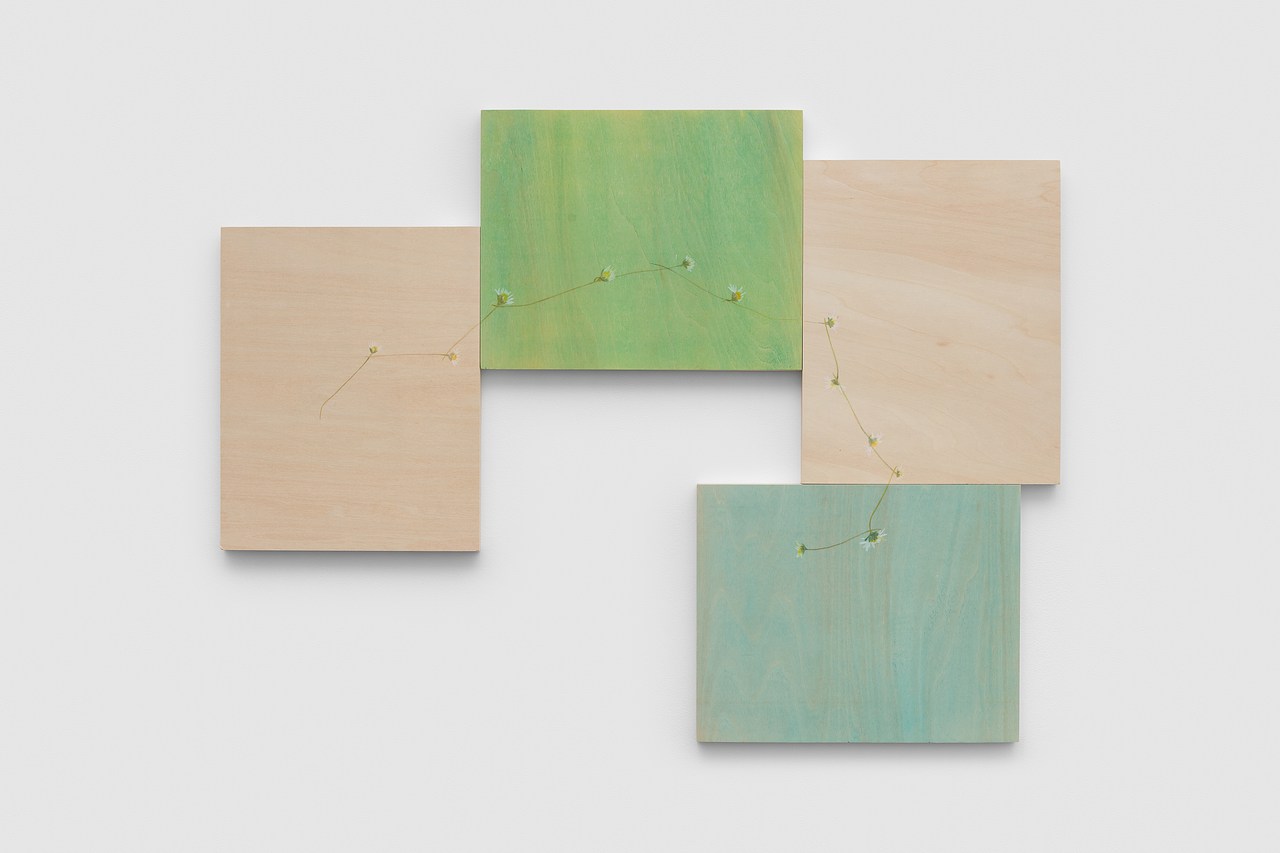
Herald St in London is presenting "Daisy Chain," an exhibition of new work by Argentine-born, London-based artist Amalia Pica, running from March 19 to May 16, 2026. The show includes a press release, checklist, and 14 exhibition images documented by photographer Jack Elliot Edwards.

Artists take a satirical look at the financial crisis in a new London show

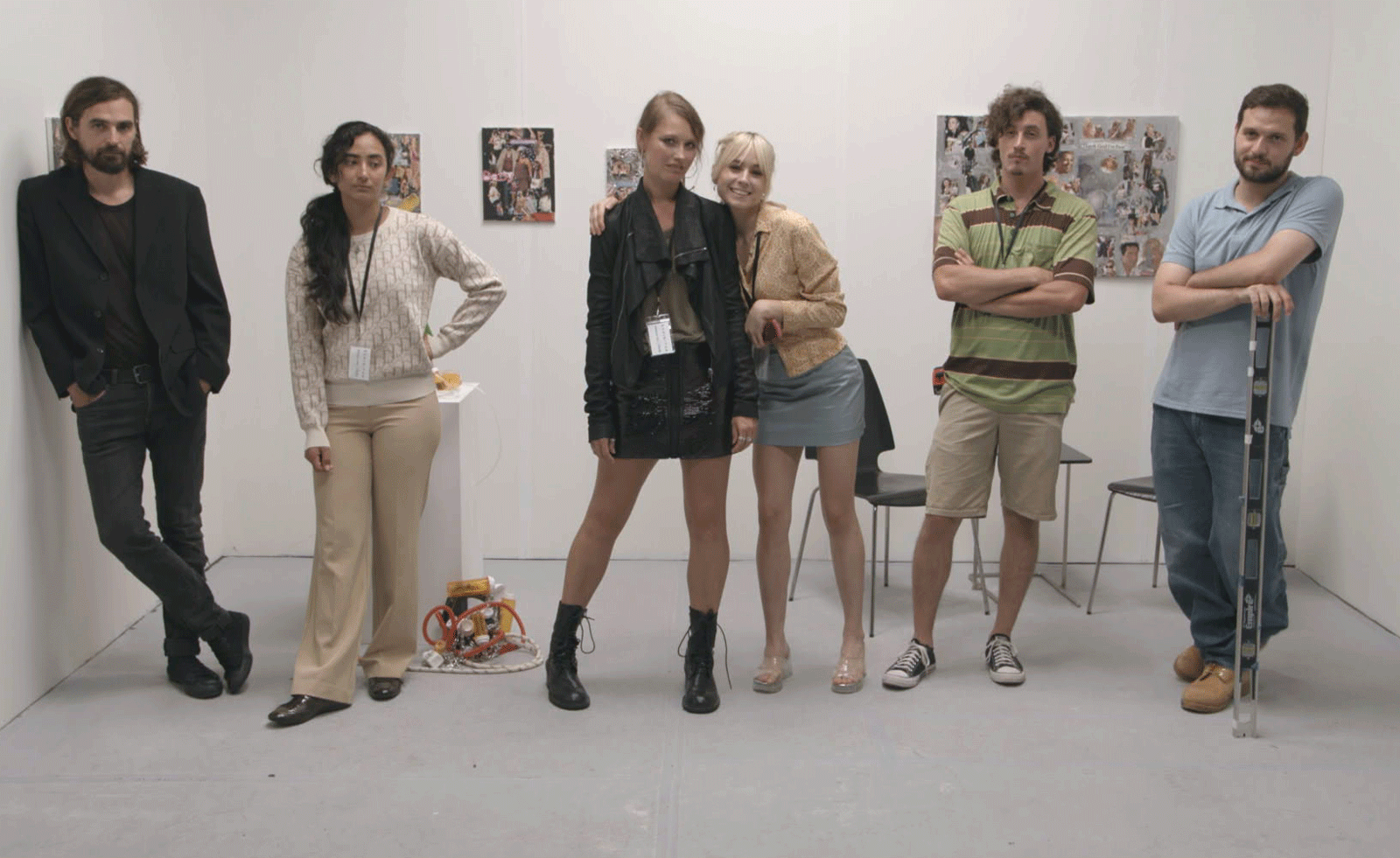
Three emerging artists—Jenna Bliss, Buck Ellison, and Jasmine Gregory—present a multi-media exhibition titled 'Genuine Fake Premium Economy' at London’s Institute of Contemporary Arts (ICA). The show satirically examines the societal and economic fallout of the 2008 financial crisis, using works that critique capitalism, inheritance, and art-world stereotypes. Gregory repaints Patek Philippe ads to expose class structures, Bliss films a fictional art fair that blurs reality and fiction, and Ellison creates lightboxes for a fictional private bank, manipulating corporate language and philosophy.

A Napoli c’è una mostra ispirata a Emily Dickinson dove è la luce a creare le opere

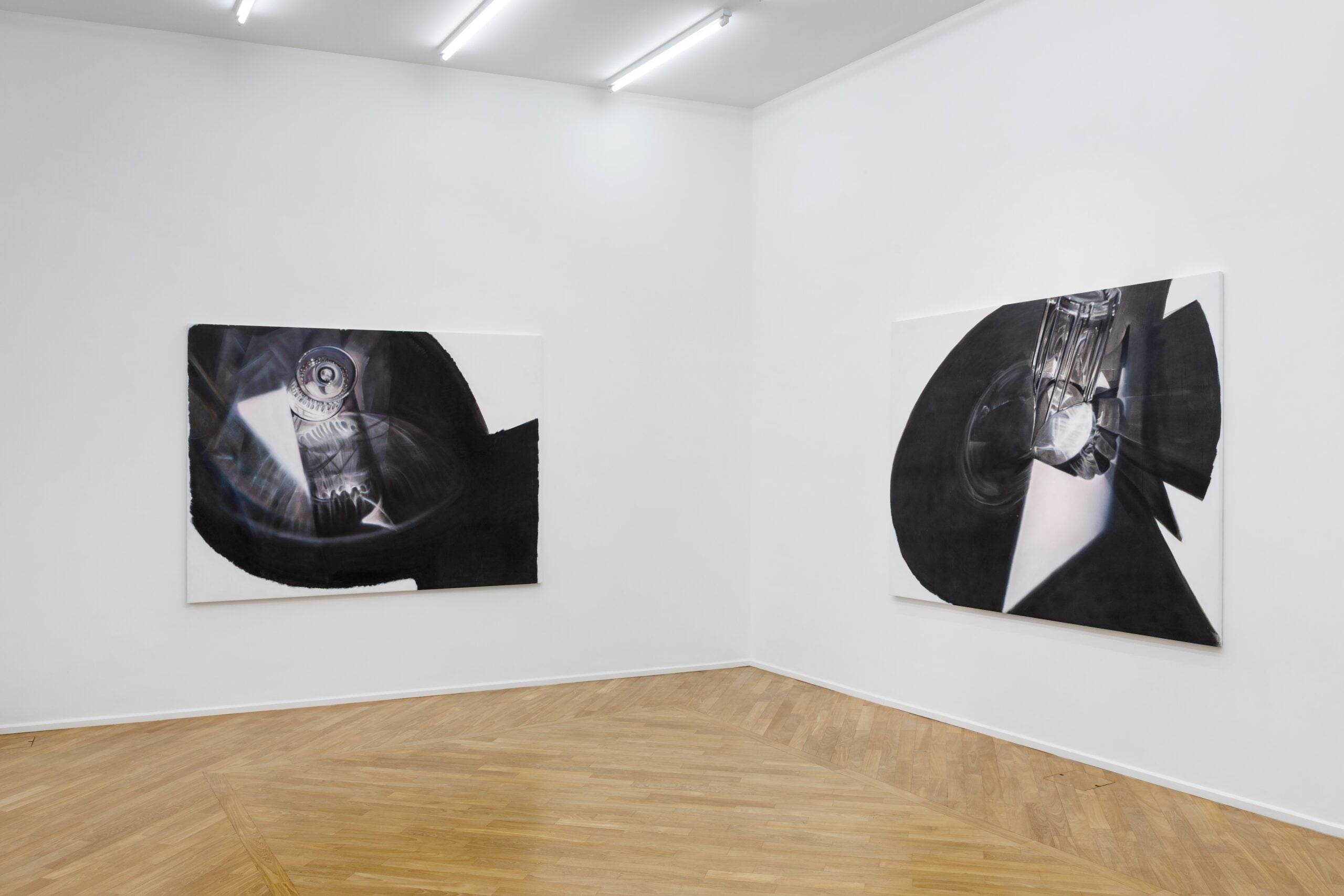
Diego Perrone's exhibition "There's a certain Slant of light" opens at Galleria Umberto Di Marino in Naples, taking its title from an Emily Dickinson poem. The show features new photographic and painted works born from the artist's observation of light passing through domestic glass objects in Naples, where architecture and daily life are shaped by an interplay of light and shadow. Photographs are enclosed in hand-molded glass frames, while large surfaces created with airbrush, charcoal, and chalk present shadow fields on white backgrounds, forming a visual sequence that unfolds like a film in black and white.

In Seine-Saint-Denis, the clever housing for migrants by architect Patrick Rubin

En Seine-Saint-Denis, les logements futés pour les migrants de l’architecte Patrick Rubin

Architect Patrick Rubin of the firm Canal has transformed the former National Road Information Center, known as Bison Futé, in Rosny-sous-Bois (Seine-Saint-Denis) into a housing complex for 169 migrants. The project, commissioned by social landlord Batigere Habitats Solidaires, preserves the original 1986 half-moon building by Ludwik Peretz and Gilbert Delecourt, adding a new floor and a rear half-crown structure. Rubin used 79 prefabricated modules (17–25 m² each), built in workshops near Lyon, each equipped with a bed, kitchenette, bathroom, and window. Inspired by ship cabin manufacturing in Dunkirk and traditions of tiny houses and capsule hotels by Charlotte Perriand, Herman Hertzberger, and Shigeru Ban, the modules were craned into place. The project faced delays due to differing tolerances between concrete and wood construction, pushing delivery from early 2026 to late 2026.

Sébastien Allard à la tête du département des Peintures du Louvre

Sébastien Allard has been appointed interim head of the Paintings Department at the Musée du Louvre, effective April 14. The 47-year-old specialist in 19th-century art previously served as deputy to Vincent Pomarède, who moved to a new role overseeing museum mediation. Allard's permanent appointment awaits confirmation by Culture Minister Aurélie Filippetti, on the recommendation of Louvre director Jean-Luc Martinez. Meanwhile, the search for a director of the Research and Collections Support division continues, with recruitment expected to be external.

An art exhibit showcasing AA Raiba’s versatility across mediums

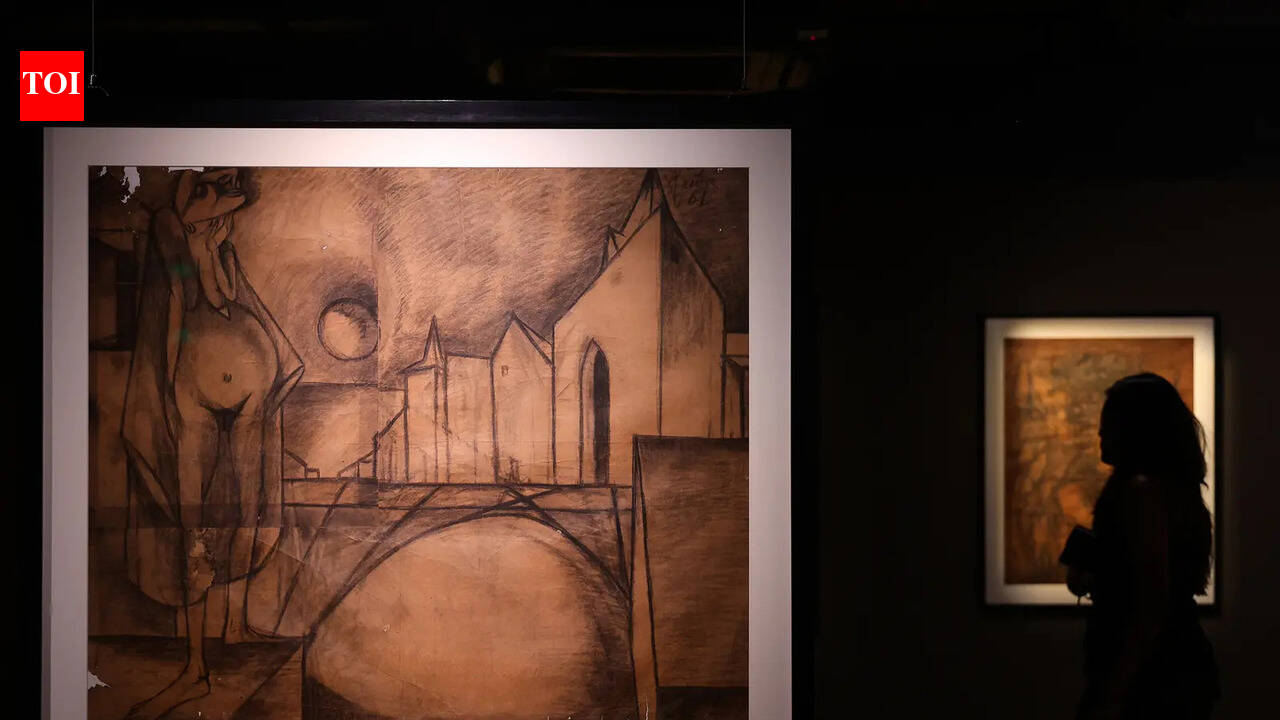
Thapar Gallery is presenting an exhibition titled "Master Artist A. A. Raiba: A Unilateral Eclectic," showcasing the work of Indian modernist Abdul Aziz Raiba from the 1950s and 1960s. The show highlights Raiba's versatility across mediums including murals, paintings on jute, reverse glass paintings, serigraphs, calligraphy, and sketches, and features landscape drawings from his Kashmir sojourn between 1957 and 1959. The exhibition runs until June 21.

Ásta Fanney Sigurðardóttir: Pocket Universe

The Icelandic Art Center will present "Pocket Universe," a multidisciplinary exhibition by artist, poet, composer, and filmmaker Ásta Fanney Sigurðardóttir, representing Iceland at the 61st Venice Biennale. The exhibition, held at the Icelandic Pavilion's new location at Docks Cantieri Cucchini, explores shifting perspectives through hope, imagination, and belief, blending sound, performance, moving image, sculpture, and installation. It features a moving image work centered on a character called "Creature Zero" searching for the "original rock," and incorporates themes of luck, chance, and transformation through playful, game-like structures.

Lina Lapelytė Fills Hamburger Bahnhof with 400,000 Wood Blocks for Communal Building

Lithuanian artist Lina Lapelytė has filled Berlin's Hamburger Bahnhof with 400,000 wooden blocks made of pine and spruce, creating a participatory installation titled “We Make Years Out of Hours.” Commissioned by Chanel, the work invites the public to build and rebuild structures from the 10-centimeter cubes. A series of weekly performances featuring a libretto by writers including Ocean Vuong, Etel Adnan, Forugh Farrokhzad, and Mahmoud Darwish will accompany the installation, which opens on May 1 and runs through January 10, 2027.

What We Throw Away Does Not Disappear

Was wir wegwerfen, verschwindet nicht

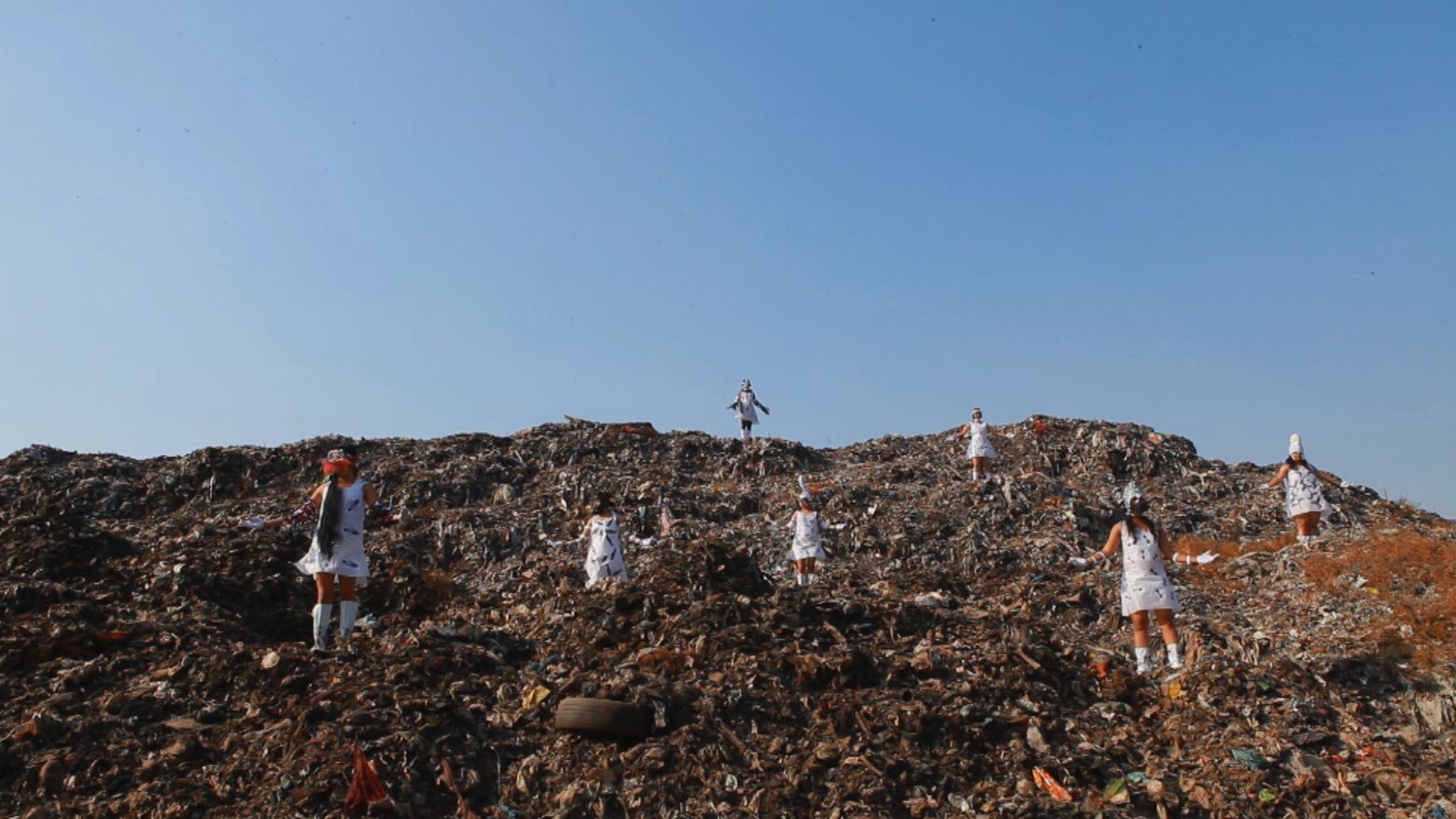
The Museum Ostwall at the Dortmunder U in Dortmund has opened a new exhibition titled "Müll – die globalen Wege des Abfalls" ("Waste – The Global Paths of Garbage"), curated by Christina Danick and Michael Griff. Featuring around 50 international artworks from the 20th and 21st centuries, including two newly commissioned pieces, the show uses art to explore waste as material, motif, and aesthetic strategy. Key works include Kader Attia's "Los de Arriba y Los de Abajo," which addresses power imbalances through the lens of garbage in Hebron, and historical pieces by César Baldaccini, Arman, and HA Schult. The exhibition also highlights contemporary issues such as e-waste, global waste trafficking, and the environmental impact of industrial nations on the Global South.

Robert Filliou, artistes océaniens… Que nous réserve la prochaine édition de la Biennale de Lyon ?

The 18th edition of the Lyon Biennale, titled "Passer d’un rêve à l’autre" (Moving from One Dream to Another), will run from September 19 to December 13, 2026. Curated by Catherine Nichols, an Australian-born art historian and editor based in Berlin, the biennial will take place across ten venues in Lyon, including the Grandes Locos, macLyon, and for the first time the Musée des Tissus et des Arts décoratifs. More than half of the works will be new productions, and over half of the artists are women, with a substantial focus on Oceanian artists such as Timo Hogan, Jazz Money, and Kaylene Whiskey. The exhibition draws inspiration from Lyon's traboules (hidden passageways) and the writings of artist Robert Filliou, exploring themes of dreams, critical analysis, and a "poetic economy."

Nymphs, mermaids and rosy cherubs: mansion filled with hidden wall paintings makes Victorian Society’s endangered buildings list

A derelict mansion called Parndon Hall, located within the grounds of Princess Alexandra Hospital in Harlow, Essex, has been named to the Victorian Society’s annual list of the top ten at-risk buildings in England and Wales. The house, built in 1867, contains a hidden trove of wall paintings by the almost-forgotten Victorian artist Elizabeth Arkwright, who covered walls, ceilings, and doors with nymphs, mermaids, and cherubs—many still concealed under Edwardian whitewash. The building has been used for storage and has sat unoccupied since flood repairs in 2024.

Harnessing the winds of societal change: how art dealers have been able to shape taste for centuries

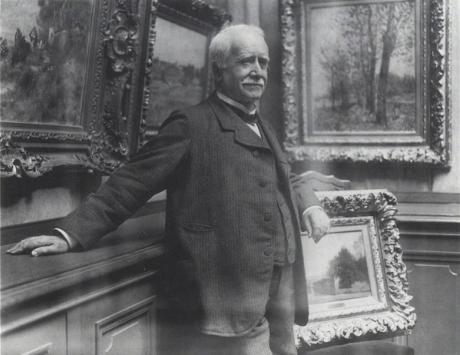
Valentina Castellani, a former Gagosian director, has authored a new book titled *Trading Beauty: Art Market Histories from the Altar to the Gallery* (out 1 May). The book traces how art dealers have historically leveraged societal changes—political, economic, and social—to reshape taste and market structures. Castellani begins in the Middle Ages, when art was made only on commission for patrons like the Catholic church and monarchies, and moves through key shifts such as the Dutch Republic's first open art market in the 17th century, which gave rise to the professional art dealer. She highlights dealers like Paul Durand-Ruel, Joseph Duveen, and Leo Castelli who capitalized on anti-establishment energy, new wealth, and post-war consumer culture to bring avant-garde art to the forefront.

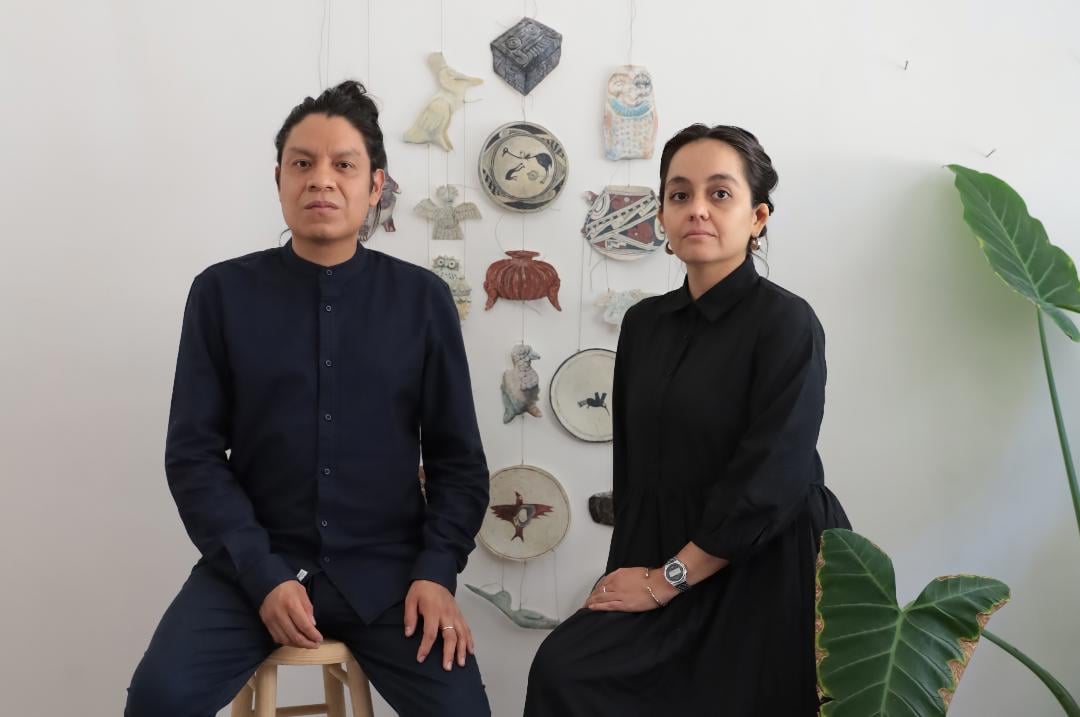
For the 2026 Venice Biennale, the RojoNegro duo brings a collective ritual to the Mexico Pavilion

Per la Biennale Arte 2026 il duo RojoNegro porta nel Padiglione del Messico un rituale collettivo

The article announces that the RojoNegro collective, formed by María Sosa and Noé Martínez, will represent Mexico at the 61st Venice Biennale in 2026 with a project titled "Actos invisibles para sostener el universo." Curated by Jessica Berlanga Taylor, the installation combines organic materials, sound, video, and performance to create a ritualistic space that invokes invisible presences, memories, and energies. The work draws on decolonial perspectives, centering Indigenous and Afro-descendant cosmogonies as living knowledge systems, and aims to activate a dialogue between situated ritual practices and the global context of the Biennale.

A new gallery opens in Milan: Ghiringhelli Art Gallery. It starts with Japanese art

A new pop-up gallery, Ghiringhelli Art Gallery, opens in Milan on May 8, 2026, with its inaugural exhibition "Refracted Worlds. Contemporary Japan Through Multiple Lenses" at Via Tortona 20. Founded by Nicola Ghiringhelli Forlani, the gallery specializes in contemporary Japanese art and will feature works by seven Japanese artists—Kohei Nawa, Yukie Ishikawa, Kenjiro Okazaki, Mr., Ayako Rokkaku, Yuji Ueda, and Noritaka Tatehana—alongside the Chim↑Pom collective from Smappa!Group. The temporary format allows the gallery to maintain a flexible presence in Milan while the founder travels frequently to Japan to follow artists and market dynamics.

LA LECHUZA DE MINERVA

The Círculo de Bellas Artes in Madrid, founded in 1926 by a small group of artists, has launched a centenary exhibition titled "La lechuza de Minerva" (The Owl of Minerva). Curated by Isabella Lenzi, the project revisits the institution's most disruptive exhibition, "El sueño imperativo" (1991), curated by Mar Villaespesa, which invited twelve artists to intervene in both exhibition spaces and transit areas, challenging traditional display logic. The new exhibition features works by artists including Dagoberto Rodríguez, Elo Vega, Rogelio López Cuenca, Isidoro Valcárcel Medina, Itziar Okariz, Los Carpinteros, María Salgado, Pedro G. Romero, Regina Silveira, Silbatriz Pons, and Tino Sehgal, who activate hidden and unexpected corners of the building through visual and sound actions. The project also restores Nancy Spero's 1991 intervention "Minerva, Sky Goddess," which had largely disappeared, through archaeological research led by restorer Rocío Casasus.

Newsmakers: Nalini Malani Lets the Walls Speak with a New Installation in Venice

Nalini Malani's latest installation, *Of Woman Born*, opens at the Magazzini del Sale in Venice during the Venice Biennale. Commissioned by the Kiran Nadar Museum of Art, the work projects hand-drawn animations onto the crumbling brick walls of a 15th-century salt warehouse, creating a cave-like environment where images flicker like ancient cave paintings. The installation draws on tens of thousands of drawings and incorporates mythology, literature, and sound, with a central focus on the myth of Orestes to explore themes of violence, displacement, and gender politics. Malani has also extended her recurring 'Skipping Girl' figure across Venice via posters and public signage to guide viewers to the exhibition.

“Primary Structures,” Turns 60

On April 28, 1966, The New York Times published a review by conservative critic Hilton Kramer of the Jewish Museum's exhibition “Primary Structures,” organized by curator Kynaston McShine. Kramer, disdainful of contemporary art, described the 42 American and British artists as rejecting personal expression and subjective inflection, yet he acknowledged the show as the first comprehensive glimpse of a style that would define the 1960s. The exhibition featured then-little-known artists including Carl Andre, Dan Flavin, Donald Judd, Sol LeWitt, Walter De Maria, Robert Morris, Anne Truitt, John McCracken, Larry Bell, Robert Smithson, Judy Chicago, Philip King, Michael Bolus, and David Annesley, and is now recognized as the ur-survey of Minimalism—a term McShine deliberately avoided.