filter_list Showing 5 results for "The Dispute" close Clear
dashboard All 5 article news 3trending_up market 2
date_range Range Today This Week This Month All
Subscribe

$102 Million Verdict Over Robert Indiana Artwork May End Years-Long Legal Battle

A Manhattan federal jury awarded $102 million in damages to the Morgan Art Foundation in its lawsuit against art publisher Michael McKenzie, finding him guilty of making and selling unauthorized Robert Indiana artworks. The verdict, delivered on April 23, follows a complex legal battle that began just before Indiana's death in 2018, involving accusations of exploitation, fraud, and copyright infringement. McKenzie and caretaker Jamie Thomas were also accused of taking advantage of the elderly artist. The case has cast doubt on the authenticity of some late Indiana works and affected his market, with his auction record remaining at just over $4 million since 2011.
Wildenstein dispute over Monet work highlights art market opacity

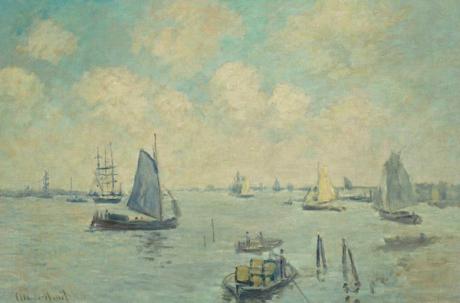
A long-running dispute involving the Wildenstein art dynasty has resurfaced over a 2004 transaction for Claude Monet's *Adolphe Monet Reading in a Garden* (1867). The painting was acquired by Guy Wildenstein through a €4.5m deal that included works by Pierre Bonnard and Alfred Sisley, among them Monet's *Marine, Amsterdam* (1874). That work was later resold via Christie's, but a 2020 sale attempt revealed that the original canvas had been lost during a transfer process, significantly reducing its value. Court-appointed specialists concluded in 2024 that the alteration predated the transaction and that the gallery likely knew of the damage. The sellers have filed a claim alleging "vitiated consent" under French law, with a court date set for 7 May in Rouen. The disputed Monet now reportedly belongs to billionaire Larry Ellison.

Venice Biennale jury resigns in latest politically charged controversy at art exhibition

The entire jury of the Venice Biennale has resigned, including president Solange Farkas and members Zoe Butt, Elvira Dyangani Ose, Marta Kuzma, and Giovanna Zapperi. The jury had announced it would not consider for prizes countries charged with crimes against humanity by the International Criminal Court, a stance that would affect Israel and Russia, both of which have national pavilions at the exhibition. As a result, the Biennale will not award several jury prizes, including the Golden Lion for best national pavilion and best artist in the group show, replacing them with visitor-voted awards.

Brussels, Russia and the Venice Biennale

The jury of the 61st Venice Biennale Art Exhibition has resigned en masse to protest the decision to allow Russian participation for the first time since the 2022 invasion of Ukraine. The jury stated it would refuse to consider artists from countries whose leaders face International Criminal Court warrants, specifically Israel and Russia, citing a commitment to human rights. The Biennale organizers defended the re-admission as consistent with openness and dialogue, while Ukrainian Foreign Minister Andriy Sybiha and EU foreign policy chief Kaja Kallas condemned the move, with the EU threatening to cut funding. The Italian government distanced itself, calling the Biennale autonomous.

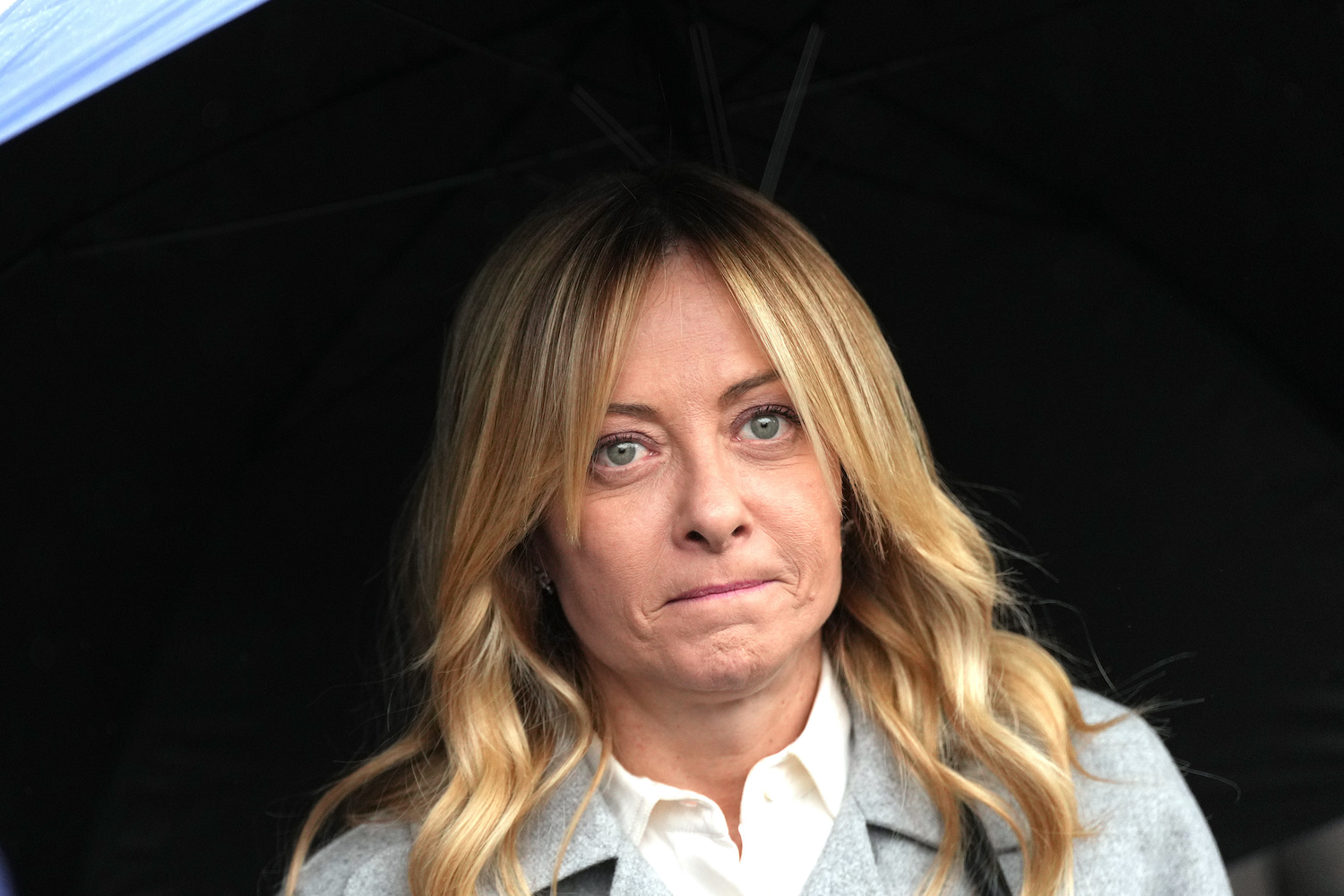
Meloni on Venice Biennale: 'I've somewhat lost track'

Meloni über Venedig-Biennale: "Habe den Überblick etwas verloren"

Days before the opening of the Venice Biennale, the entire international jury resigned in protest over Russia's participation despite its war against Ukraine. The jury had previously excluded Russia and Israel from prize consideration due to International Criminal Court warrants against their leaders. Italy's Prime Minister Giorgia Meloni admitted she had "lost track" of the situation, while the government sent inspectors to Venice. Biennale organizers responded by postponing the Golden Lion awards until November and introducing two audience-choice awards that will include Russian and Israeli entries.