filter_list Showing 8 results for "The Sunflowers are Mine (2024)" close Clear
search
dashboard All 8 museum exhibitions 4article news 3trending_up market 1
date_range Range Today This Week This Month All
Subscribe

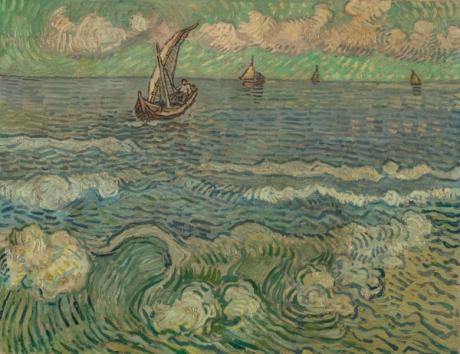
A Dutch museum has just put its fake Van Gogh on show

The Kröller-Müller Museum in Otterlo has broken traditional museum protocol by placing a known forgery, "Seascape at Saintes-Maries-de-la-Mer," on public display. Acquired in 1928 by museum founder Helene Kröller-Müller from the notorious Berlin dealer Otto Wacker, the painting was eventually exposed as a fake created by Wacker’s brother, Leonhard. The exhibition, which runs until June 21, coincides with a new podcast detailing the history of the acquisition and the subsequent fraud trial that rocked the art world in the 1930s.
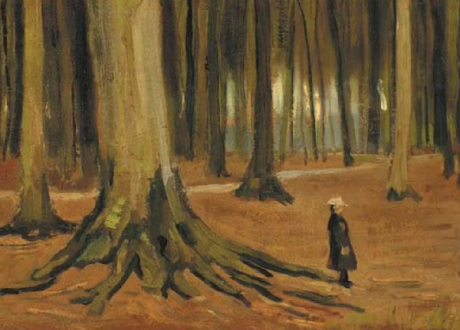
Van Gogh goes to China, with a more affordable early painting

Christie's is auctioning Vincent van Gogh's early painting 'A Girl in a Wood' in Hong Kong on March 27, with an estimate of $1.3m-$2.6m. The work, recently redated to August 1883, is being offered directly in Asia, bypassing major Western previews, to target Chinese collectors.

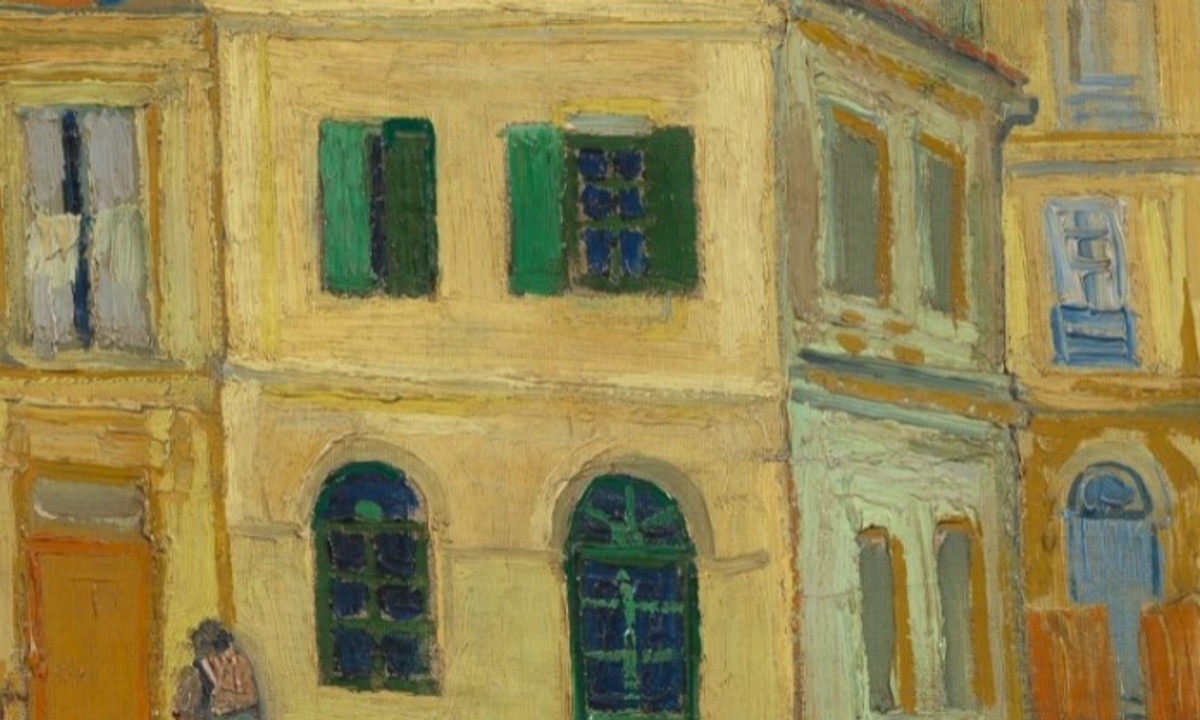
Did Van Gogh’s Yellow House turn blue after his death?

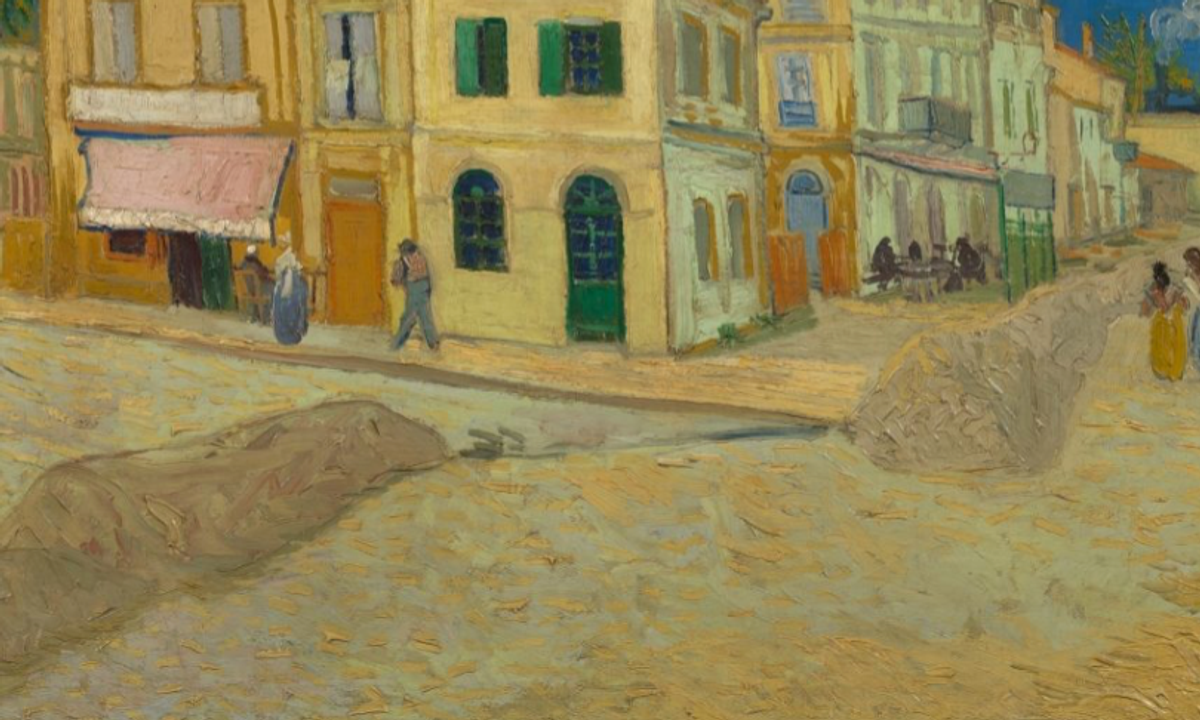
New historical evidence suggests that Vincent van Gogh’s iconic 'Yellow House' in Arles underwent a dramatic color change before its destruction. While Van Gogh famously painted and cherished the building for its yellow facade in 1888, two recently highlighted paintings from the late 1930s by artists Willy Guggenheim (Varlin) and George Tomaziu depict the structure with a blue exterior. This discovery, brought to light by Ukrainian artist Yuri Pikul, indicates the building had been repainted while serving as a café-bar called the Civette Arlésienne.

Van Gogh and café culture: 'The absinthes and brandies would follow each other in quick succession'

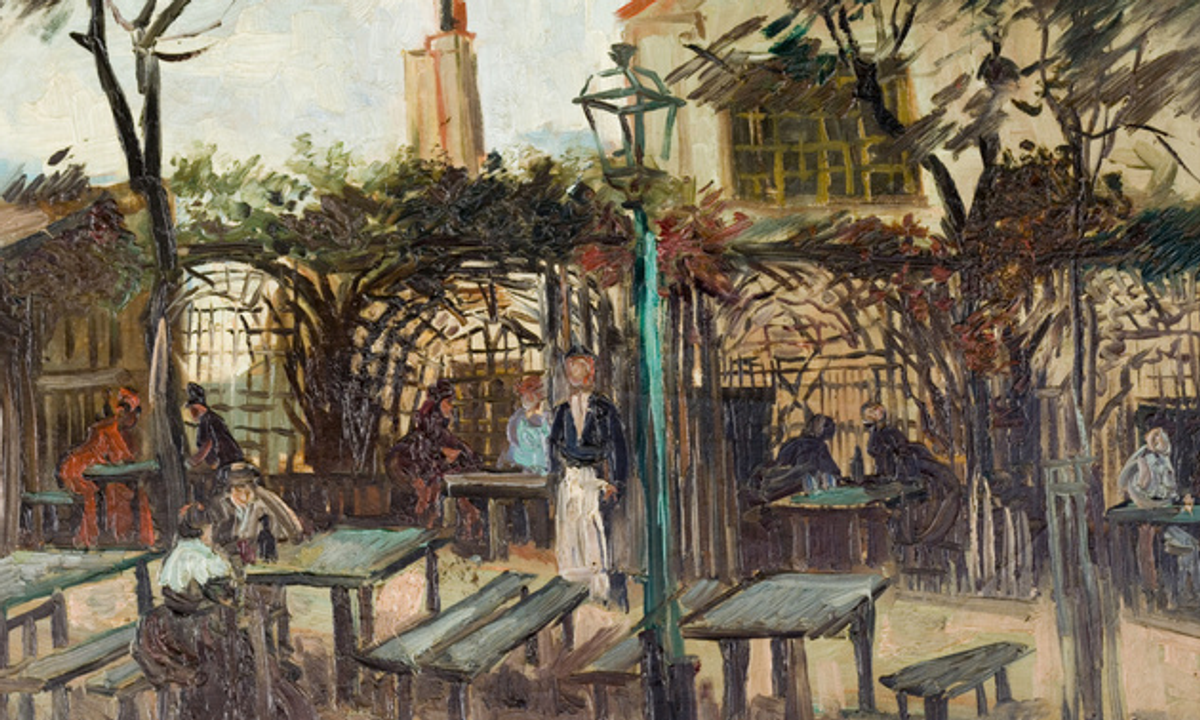
An exhibition titled 'Café Society: Art and Sociability in Belle Epoque Paris' is opening, featuring over 50 paintings that explore the role of cafés in late 19th-century Parisian social and artistic life. The show will travel from the Ordrupgaard museum in Copenhagen to two venues in the United States: the Dixon Gallery and Gardens in Memphis and the Joslyn Art Museum in Omaha.

A manure mystery: why did Van Gogh depict heaps of sand in a painting of his beloved Yellow House?

A new study by Van Gogh Museum senior researcher Teio Meedendorp proposes that the mysterious piles of sand in Vincent van Gogh's 1888 painting "The Yellow House" are not, as previously thought, related to gas pipe installation, but rather cleansing sand used to absorb horse manure and urine on the streets of Arles. Meedendorp supports his theory with historical postcards from 1902 showing similar sand piles and street-cleaning practices, as well as municipal records indicating the city had outsourced dung removal in August 1888.

An exhibition on the potato in art? Only Van Gogh could pull it off

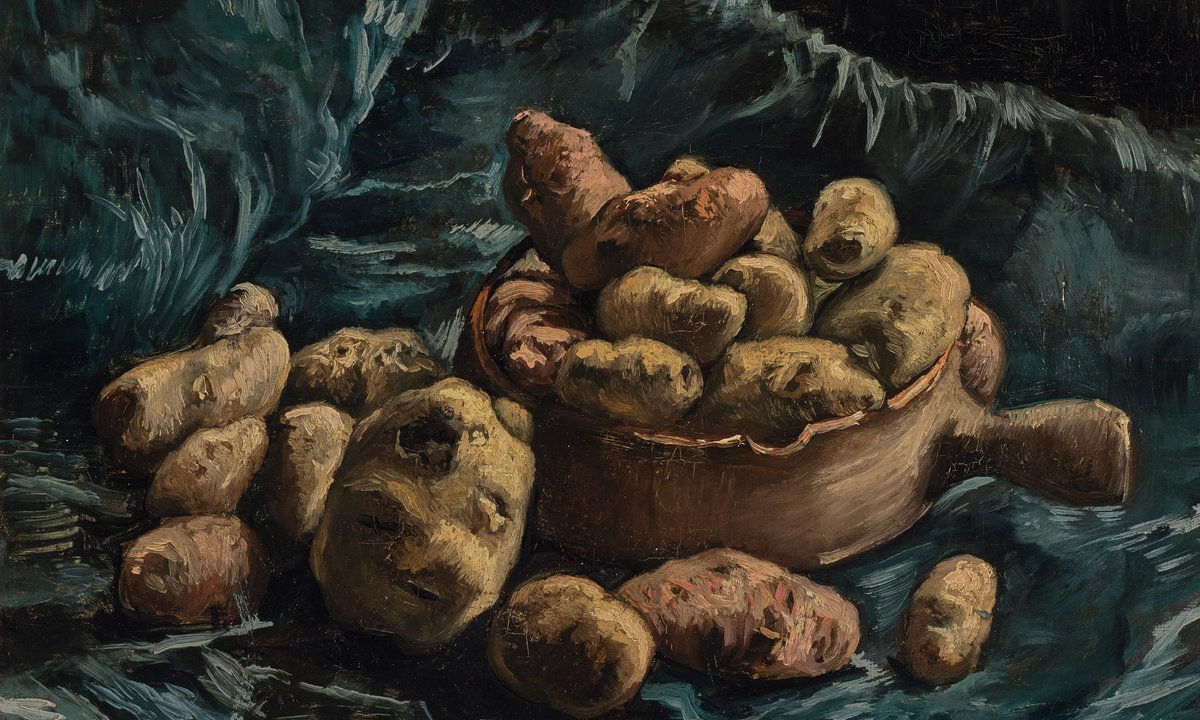
The Noordbrabants Museum in 's-Hertogenbosch, Netherlands, opens a focused exhibition titled "Van Gogh and the Potato" on 11 October, running until 1 February 2026. The show features five Van Gogh paintings, two drawings, and a print centered on the potato motif, including "Still life with Potatoes" (autumn 1886), which has been newly identified as depicting "rat's back" potatoes. A key highlight is the study "Head of a Woman (Gordina de Groot)" (March-April 1885), acquired by the museum last year for €8.6 million. The exhibition also includes a lithograph of "The Potato Eaters" and explores Van Gogh's shift from peasant subjects to flower still lifes after moving to Paris.

Van Gogh was not fantasising when he painted mountain landscapes with ‘The Two Holes’

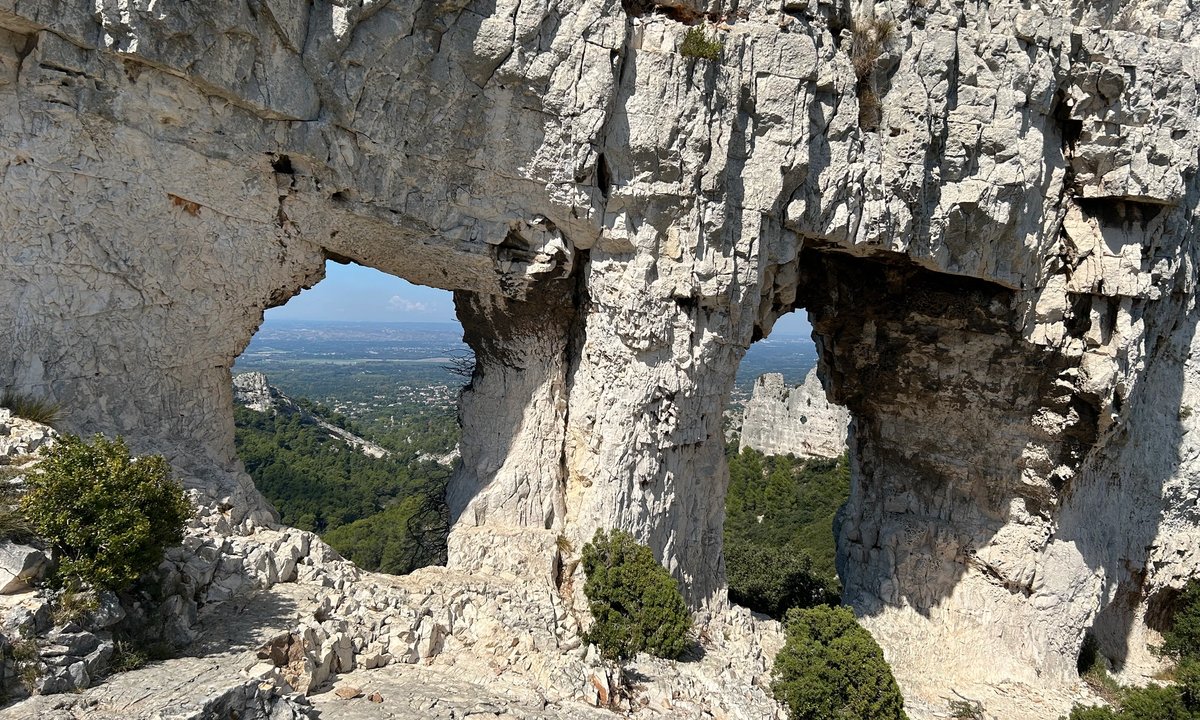
Martin Bailey, a leading Van Gogh specialist, reveals that the distinctive rock formation known as Le Rocher des Deux Trous (The Rock of the Two Holes), which appears in two of Vincent van Gogh's paintings—The Olive Trees (June 1889) and Mountains at Saint-Rémy (July 1889)—is a real geological feature near the asylum in Saint-Rémy-de-Provence, not a figment of the artist's imagination. The two paintings, held by the Museum of Modern Art and the Solomon R. Guggenheim Museum in New York, were recently displayed together at London's National Gallery exhibition Van Gogh: Poets & Lovers (14 September 2024–19 January 2025), offering a rare chance to compare them. Bailey traces the history of the formation, noting that an anonymous 17th-century artist also depicted it, and describes a walking route from the former asylum to the site.

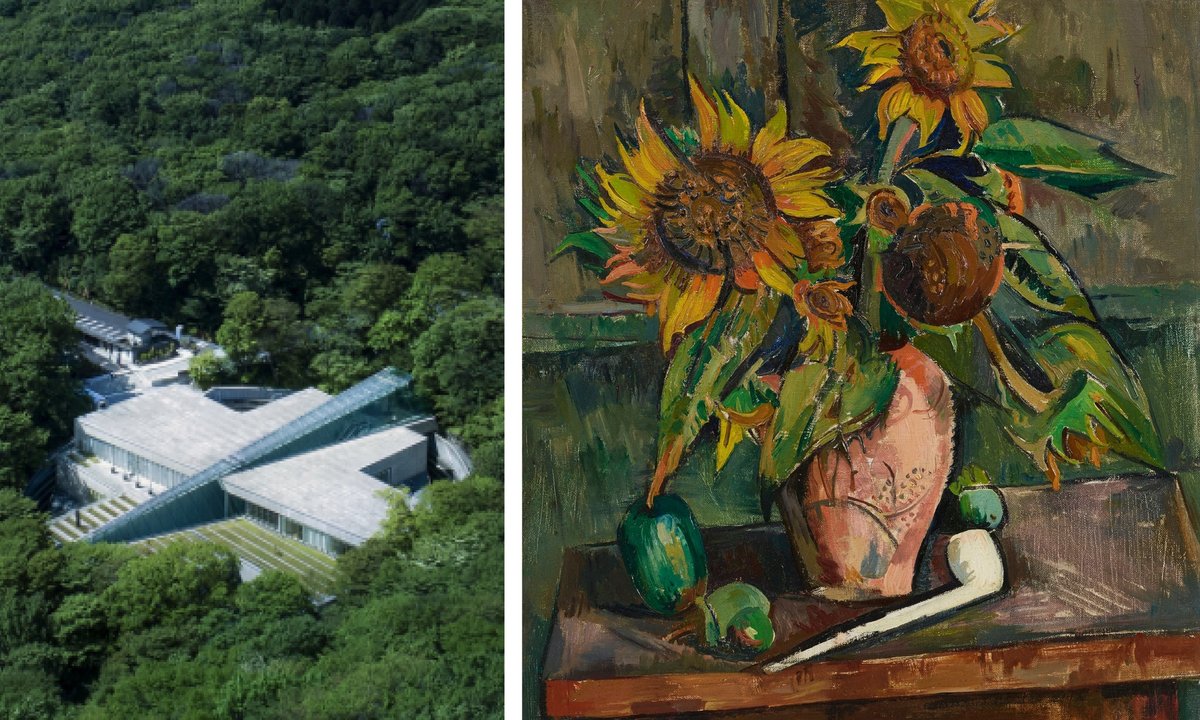
An exhibition in a most extraordinary building explores Japan’s love for Van Gogh

An exhibition titled 'A Renewal of Passion: The Impact of Van Gogh' opens at the Pola Museum of Art in Hakone, Japan, running from May 31 to November 30. It explores Van Gogh's influence on Japanese art, featuring three Van Gogh paintings from the museum's own collection—acquired by founder Suzuki Tsuneshi—alongside loans from other Japanese institutions, including the Morohashi Museum of Modern Art and the Kuboso Memorial Museum of Arts. The show highlights works by Japanese artists like Kishida Ryusei, Maeta Kanji, and Nakamura Tsune, who were inspired by Van Gogh, as well as contemporary pieces such as Fiona Tan's photographic series 'Ascent' (2016).